Anserimimus
AN-ser-ih-MY-mus
"goose mimic"
- Lived
- 72 to 66 million years ago, Late Cretaceous
- Diet
- Omnivore
- Length
- about 3.5 m (11 ft)
- Group
- Theropods, Ornithomimidae
- Found in
- Mongolia
- Named by
- Barsbold 1988
Size comparison
To scale

Scale in metersOutline: typical theropod shape
Where its fossils were found
The evidence
Today

70 million years ago
Habitat
Rivers, lakes and floodplains crossed its part of Mongolia. Gallimimus, Tarbosaurus and Saurolophus lived in the same region.
Field notes
About Anserimimus
What it was like
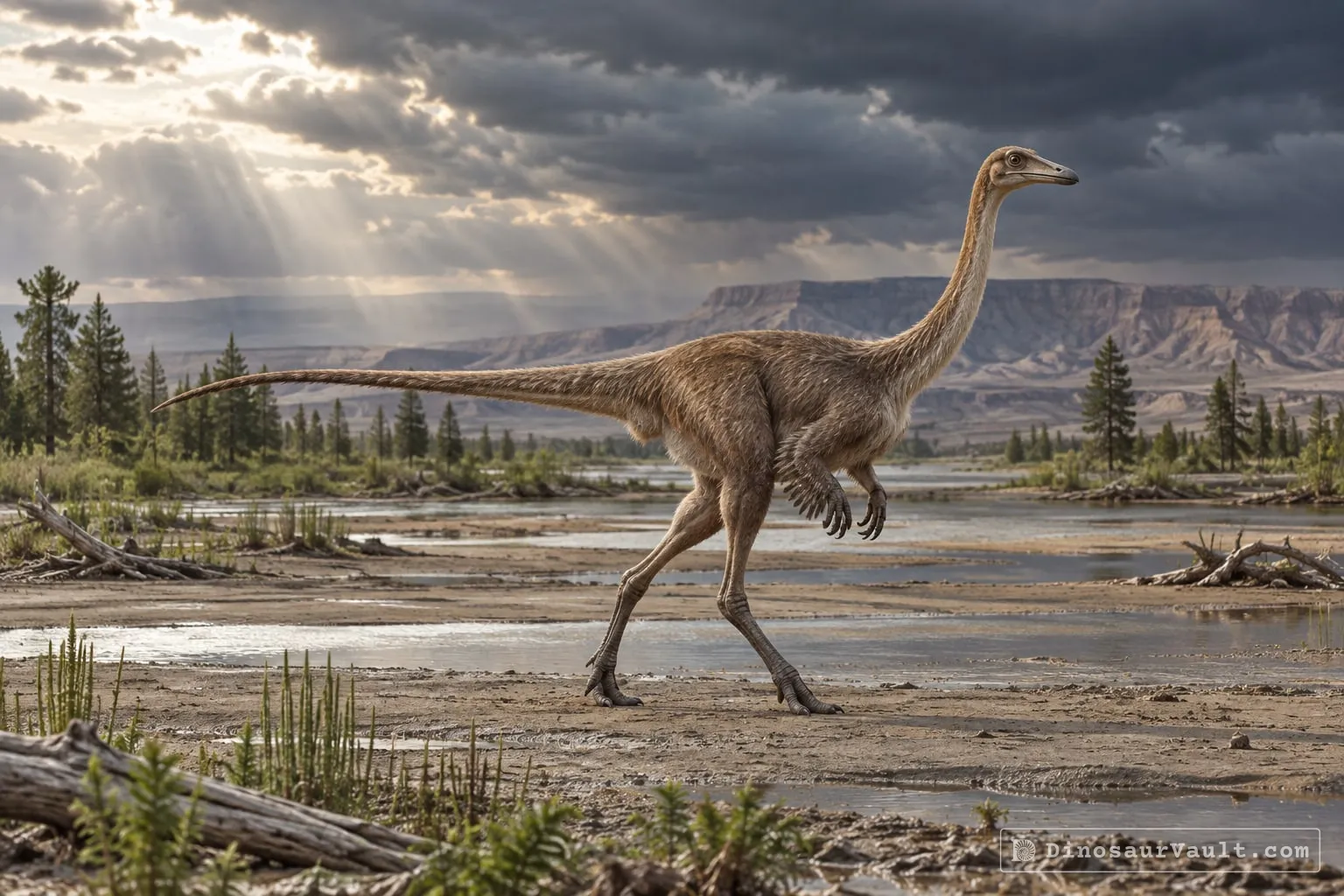
Anserimimus was an ornithomimid, a lightly built, toothless theropod shaped a bit like an ostrich. It was about 3.5 meters (11 feet) long. Its arms were strong for its group, with long, flat claws, which may have helped it dig or pull down branches.
Its world
It lived in the Late Cretaceous, in what is now Mongolia. The Nemegt Formation it comes from was a land of rivers and forests shared with Tarbosaurus, Therizinosaurus, Deinocheirus and the larger ornithomimid Gallimimus.
How it was found
Barsbold named Anserimimus in 1988, from one partial skeleton without a skull.
Field gallery
More views of Anserimimus
Scenes reconstructed from the available fossil evidence.
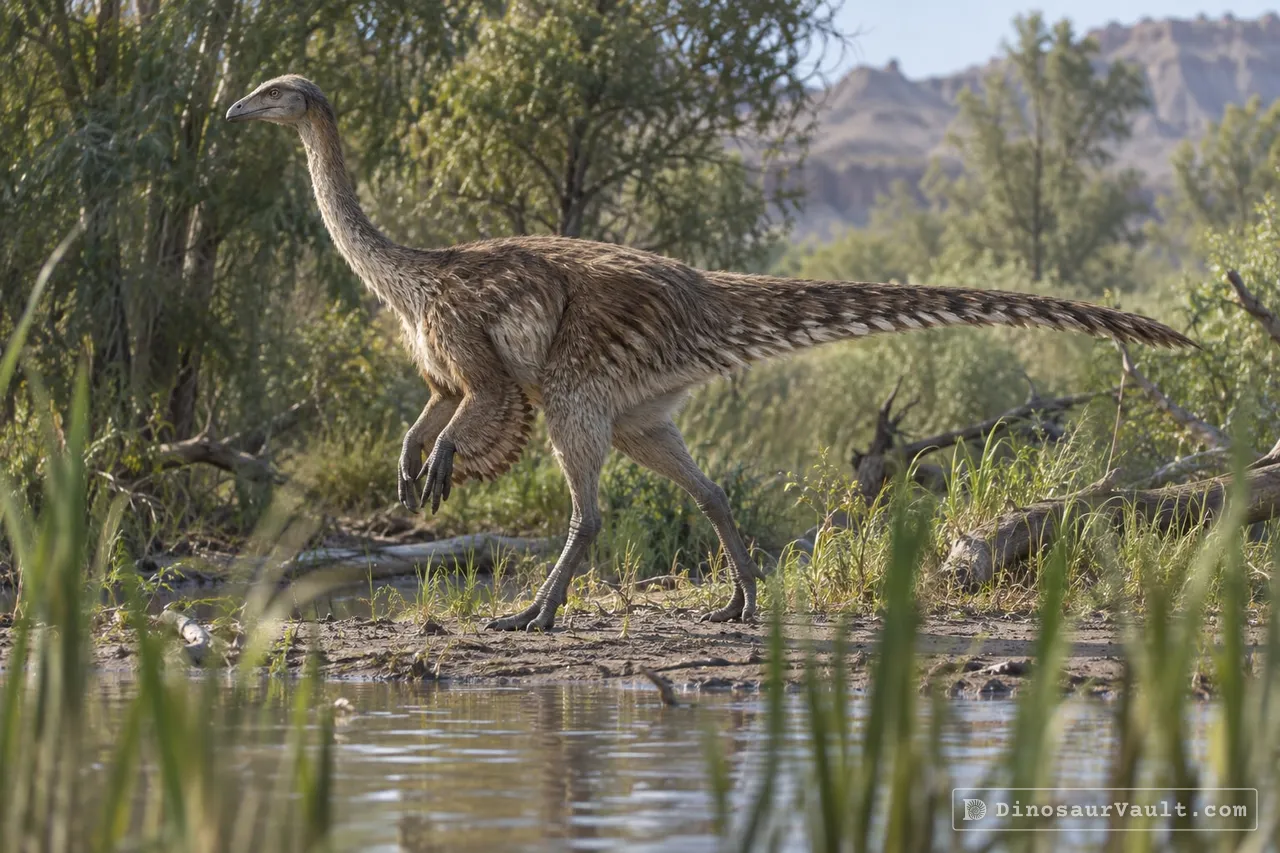
1 of 2
Lived alongside
Found in the same rock formations
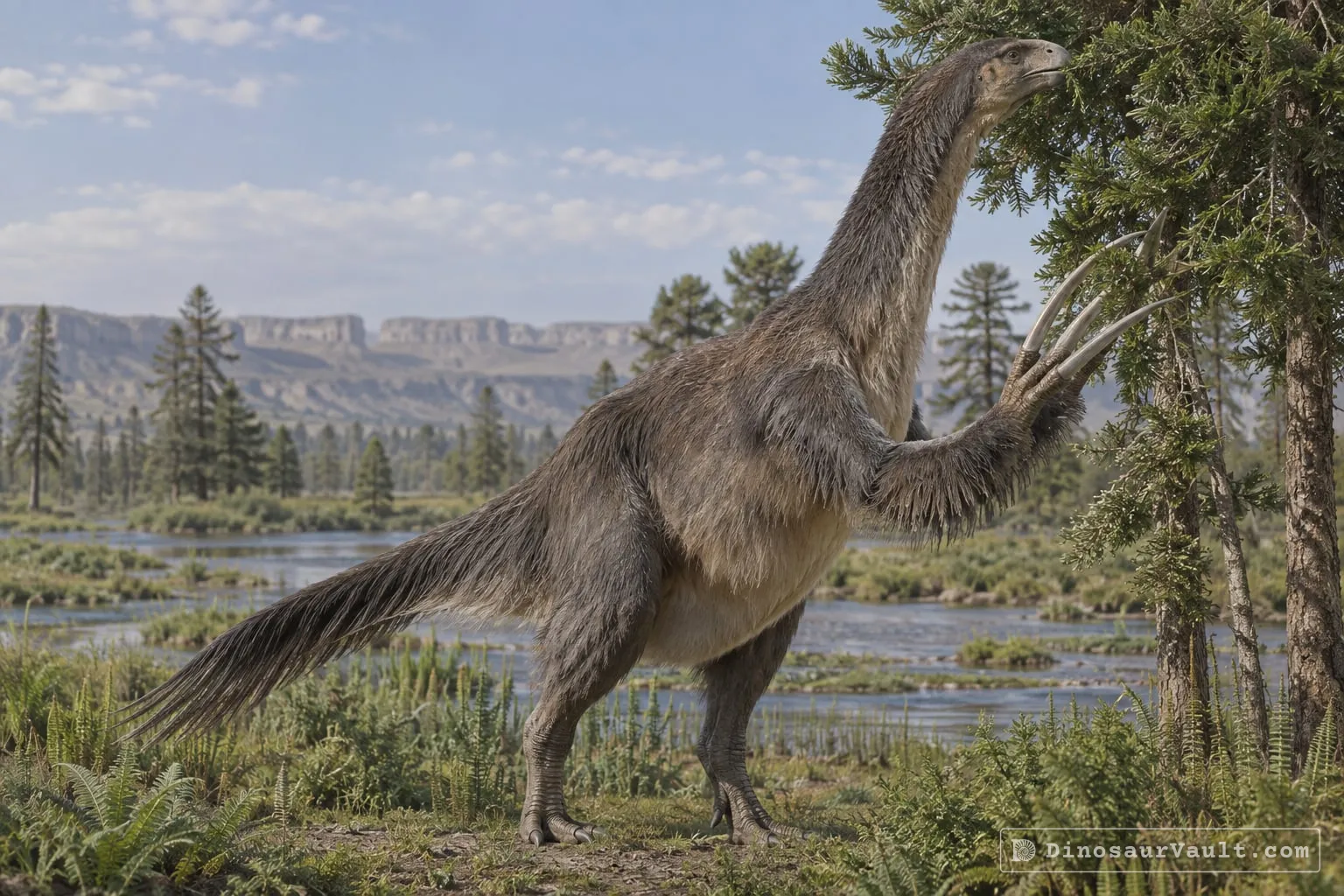
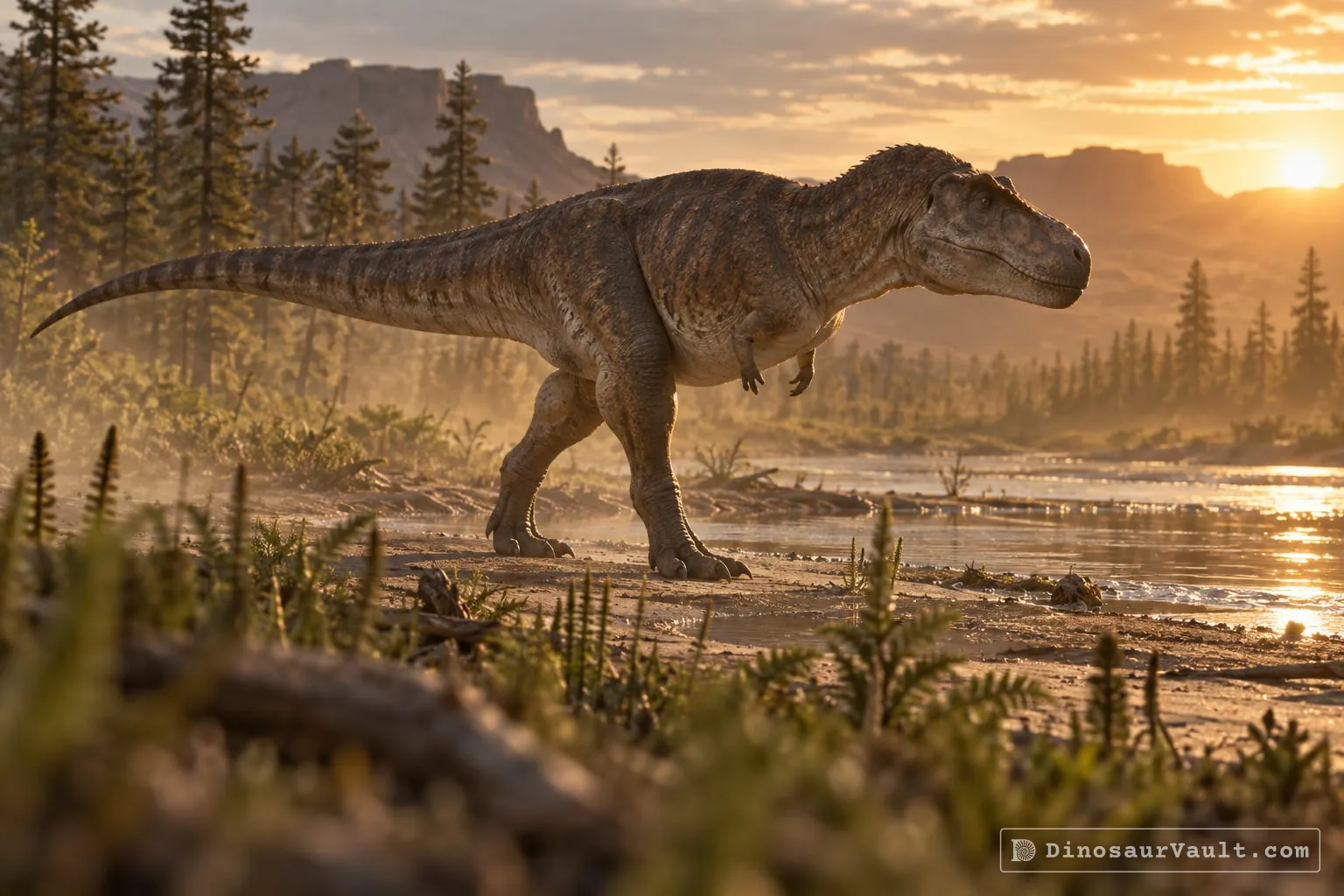
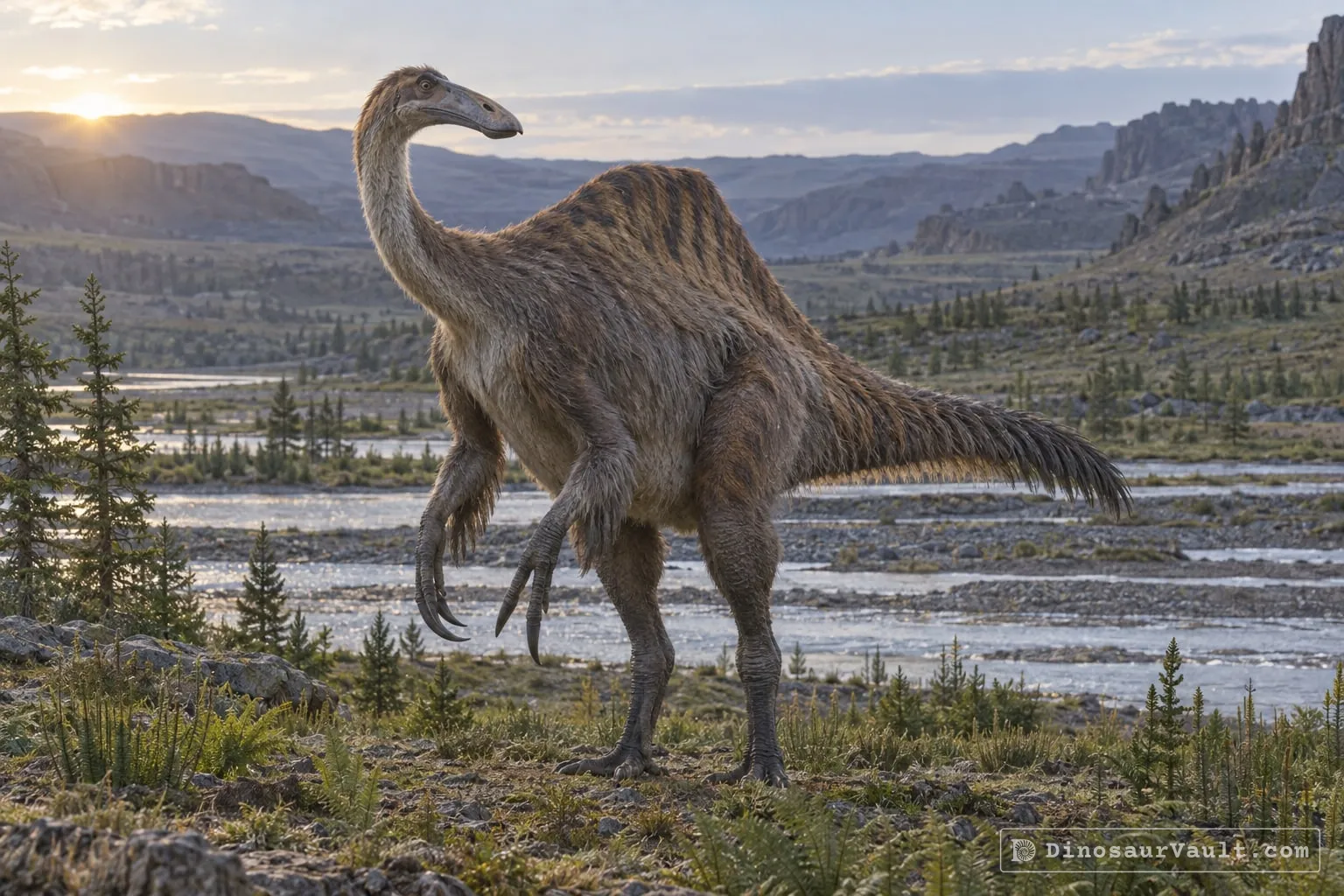
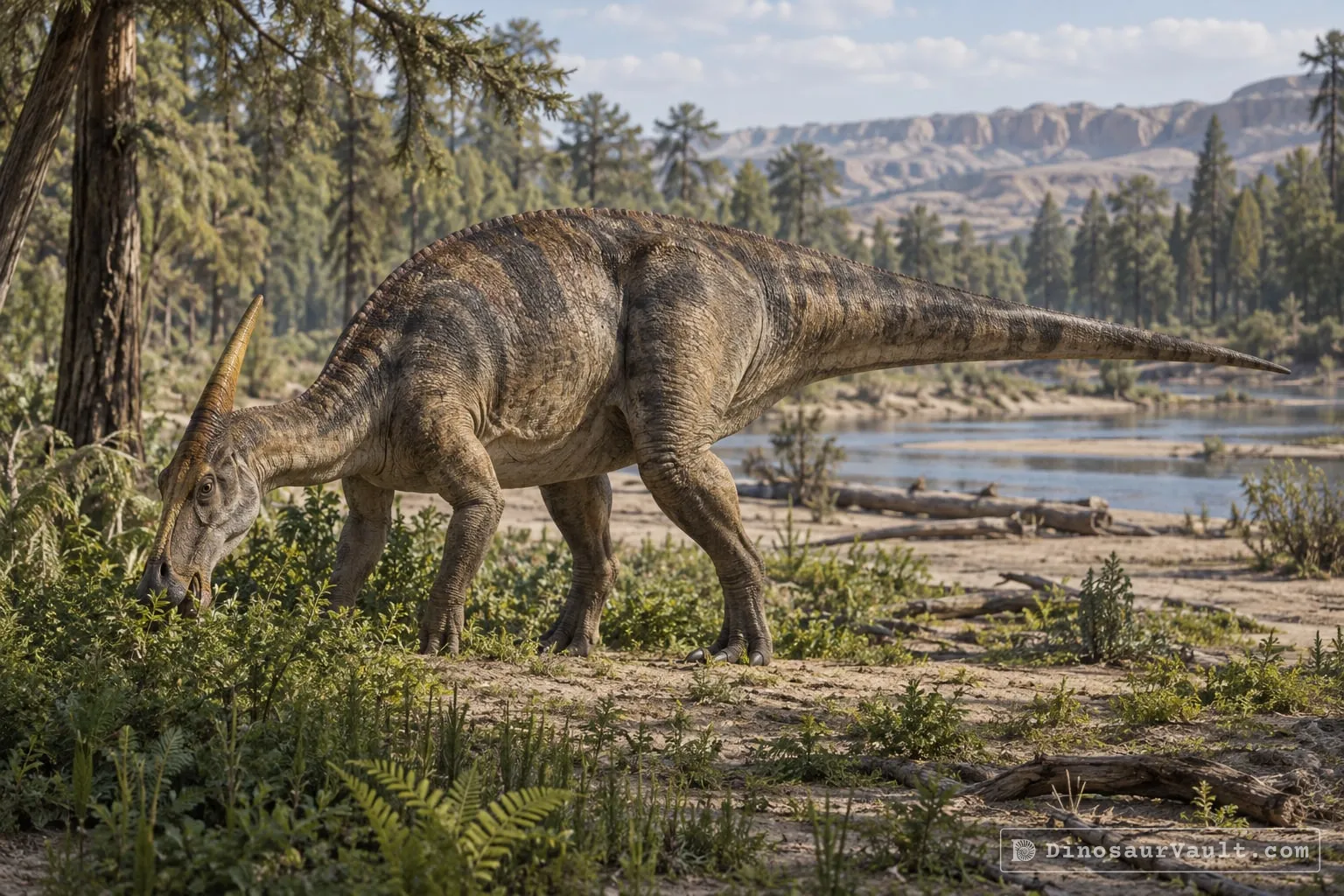
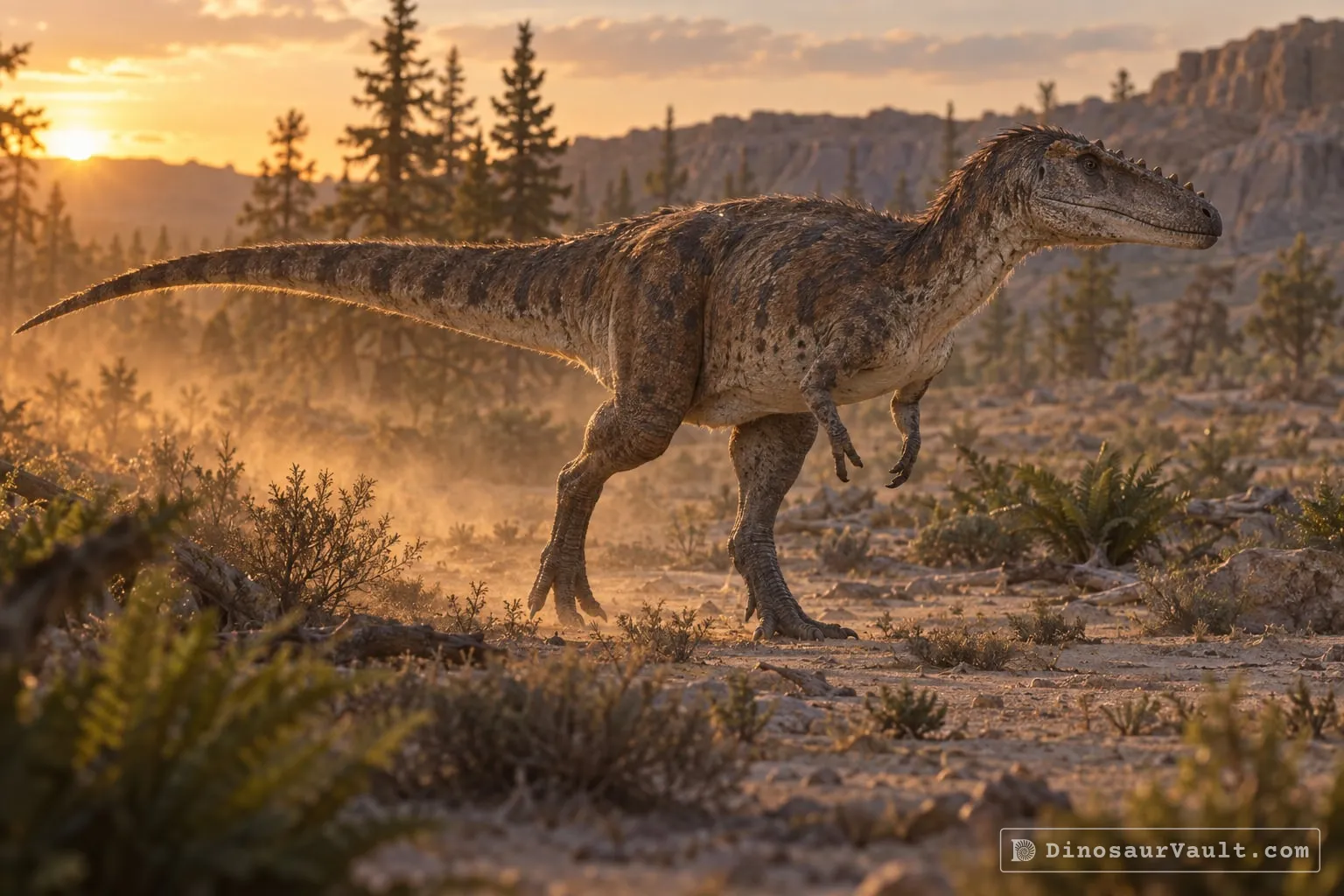
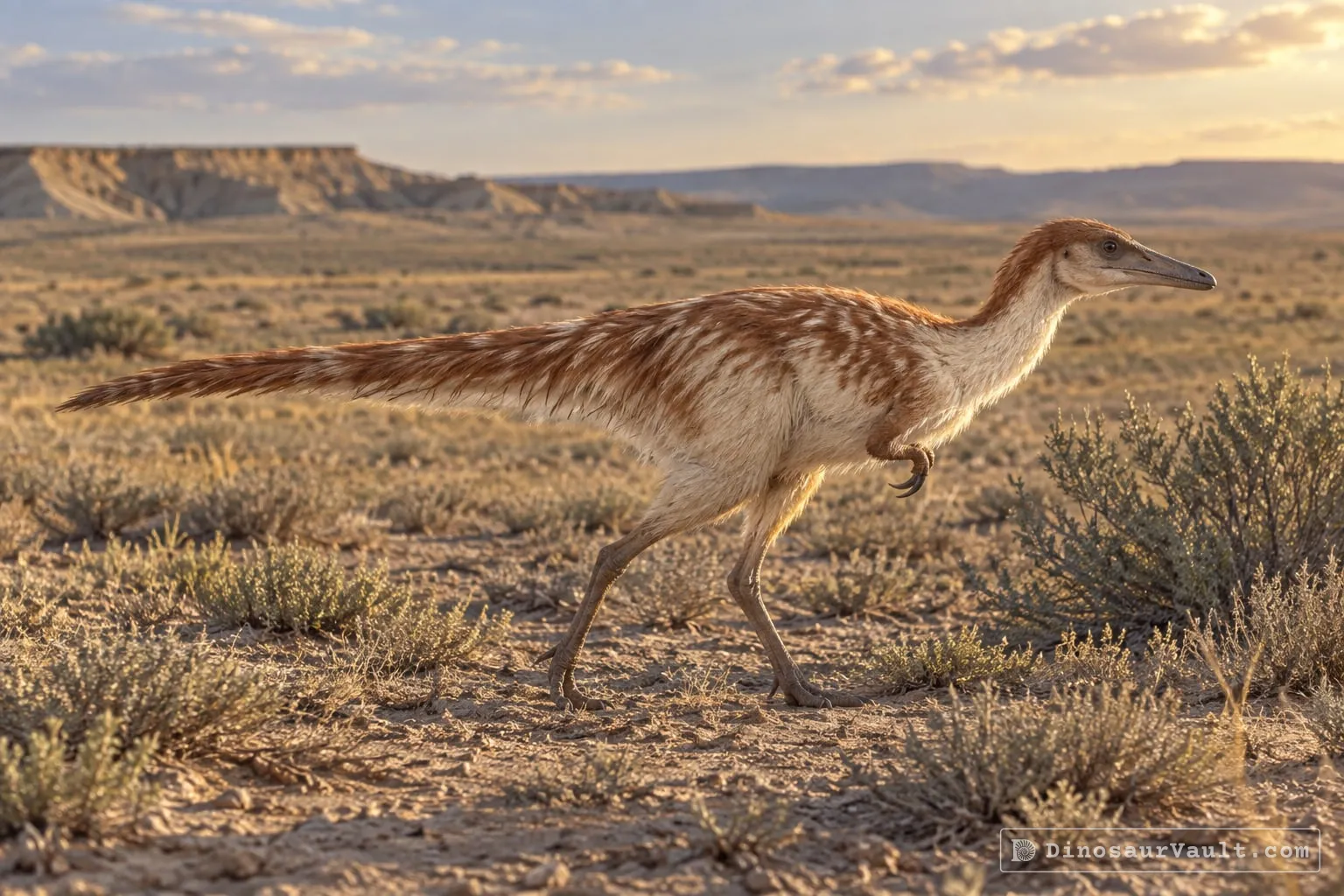


A rock formation can hold fossils laid down millions of years apart, so not every animal here met Anserimimus.
The evidence
The science behind Anserimimus
Which parts of the picture come from its own bones, and which come from its relatives.
From its own fossils
- Its skeleton preserves long, strong arms with large attachment areas for muscles on the upper arm bones.
- The hand claws are flattened from top to bottom and nearly straight.
- Its feet lacked a small inner toe.
Borrowed from relatives
- The missing head is restored using Gallimimus, with a small, low skull and an elongated snout.
- A possible coat of fine feathers follows Ornithomimus, which preserves body feathers and winglike structures on its arms.
Still unknown
- The shape of its skull and whether its jaws carried teeth.
- What it used its unusually strong arms and flat claws for.
- Its color and the extent of any feather covering.
Often drawn wrong
- Its hand claws should be nearly straight and flat, rather than sharply hooked.
- Its palms faced inward rather than down.
Discovery timeline
- 1988Named itBarsbold
- 2012Close relativeZelenitsky et al.
- 2018How it fedChinzorig et al.
Key papers
The research behind what we know of Anserimimus
Named it
Named an ostrich-like dinosaur with unusually strong arms and flattened hand claws from Mongolia.
A new Late Cretaceous ornithomimid from the Mongolian People's Republic. Paleontological Journal 1988: 122-125
No link available
Close relative
Found fine body feathers and winglike arm structures in Ornithomimus, a useful comparison for the possible covering of Anserimimus.
Feathered Non-Avian Dinosaurs from North America Provide Insight into Wing Origins. Science 338: 510-514
Read the paper : Feathered Non-Avian Dinosaurs from North America Provide Insight into Wing Origins (opens in a new tab)How it fed
Compared hands of Anserimimus and other ornithomimosaurs from the same rocks, suggesting that their different claws may reflect different feeding habits.
Ornithomimosaurs from the Nemegt Formation of Mongolia: manus morphological variation and diversity. Palaeogeography, Palaeoclimatology, Palaeoecology 494: 91-100
Read the paper : Ornithomimosaurs from the Nemegt Formation of Mongolia: manus morphological variation and diversity (opens in a new tab)
Close relatives
Other members of Ornithomimidae


Sources: Wikidata