Aepyornithomimus
"elephant bird mimic"
- Lived
- 84 to 72 million years ago, Late Cretaceous
- Diet
- Omnivore
- Group
- Theropods, Ornithomimidae
- Found in
- Mongolia
- Named by
- Chinzorig et al. 2017
Where its fossils were found
The evidence
Today

80 million years ago
Habitat
Windblown sand built dunes in a dry landscape in Mongolia. Velociraptor, Protoceratops and Citipati also lived in the Djadokhta Formation.
Field notes
About Aepyornithomimus
What it was like
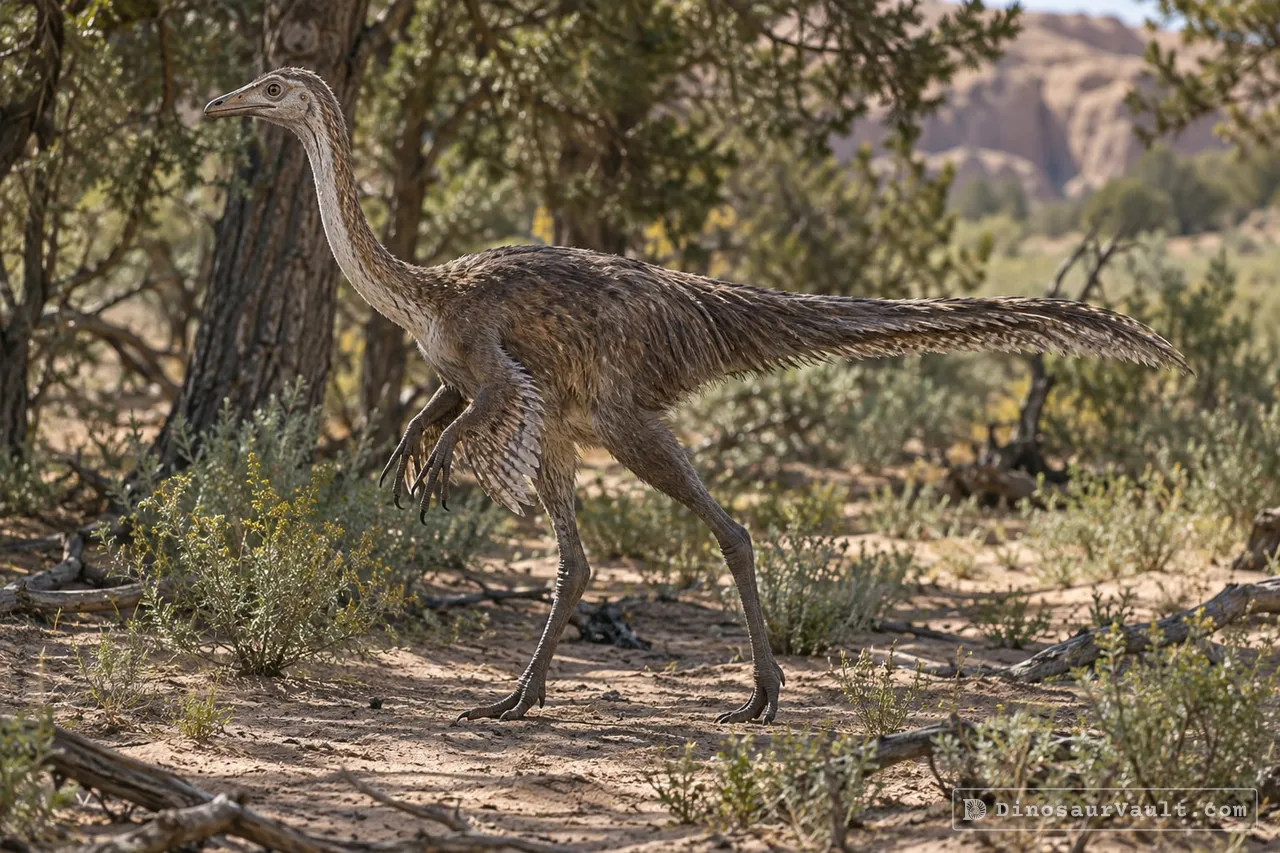
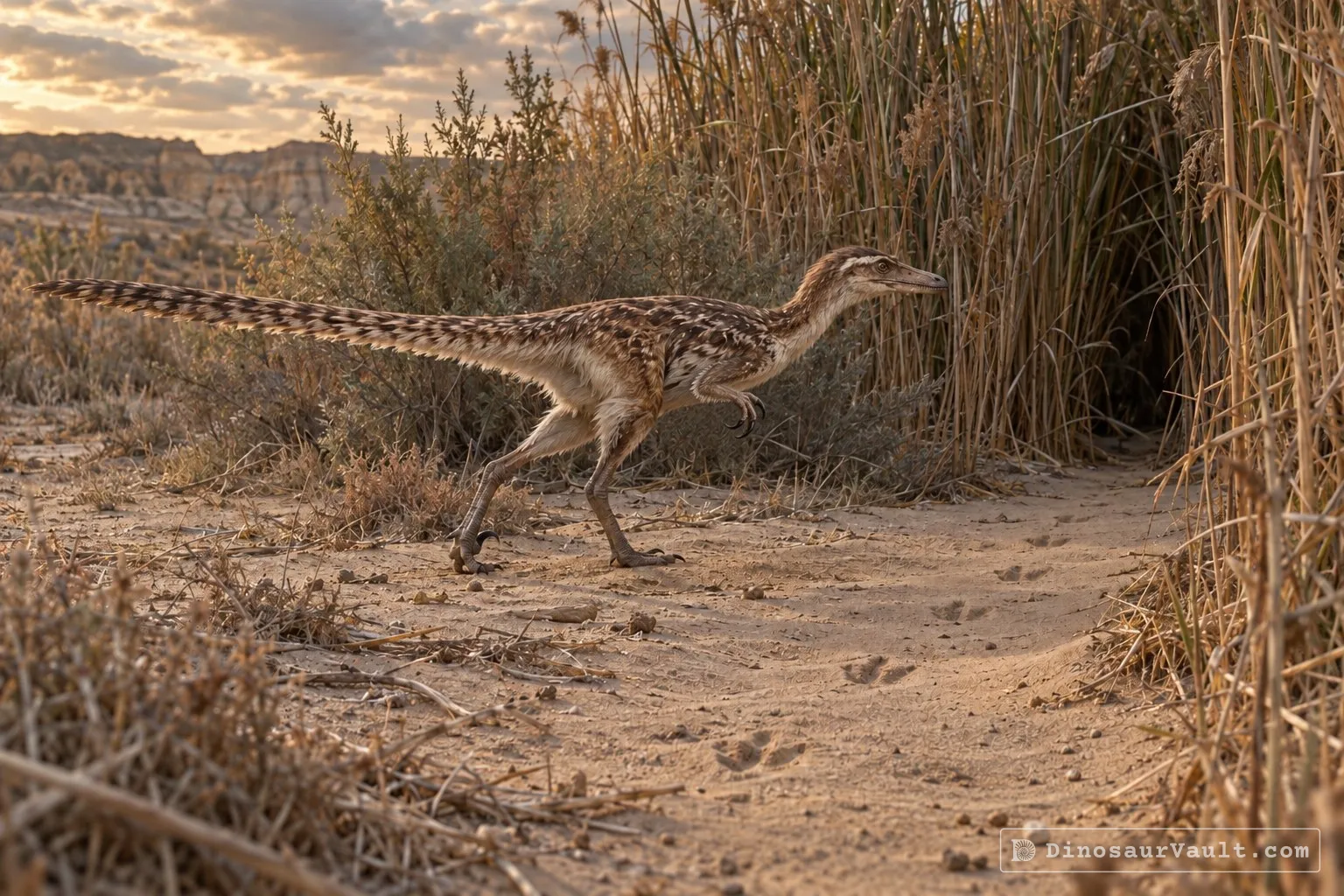
Aepyornithomimus was an ornithomimid, a toothless, ostrich-like theropod. It is known only from a foot.
Its world
It lived in the Late Cretaceous, in what is now Mongolia. It comes from the Djadokhta Formation, a dry land of dunes shared with Velociraptor, Protoceratops and the oviraptorids Oviraptor and Citipati. It is the first ornithomimid found in those rocks, and suggests some could live in drier places.
How it was found
Chinzorig and colleagues named Aepyornithomimus in 2017.
Field gallery
More views of Aepyornithomimus
Scenes reconstructed from the available fossil evidence.
Lived alongside
Found in the same rock formations
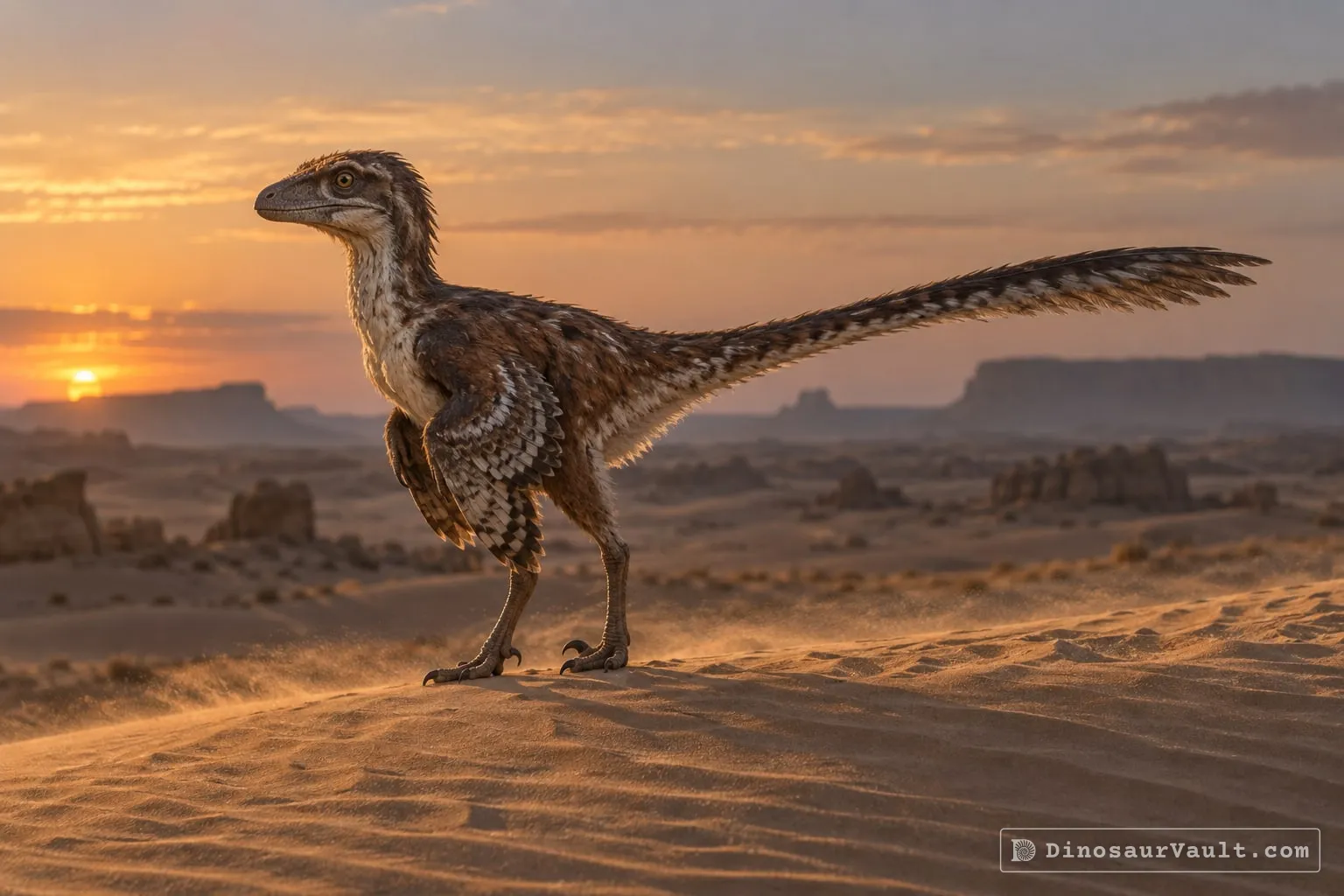
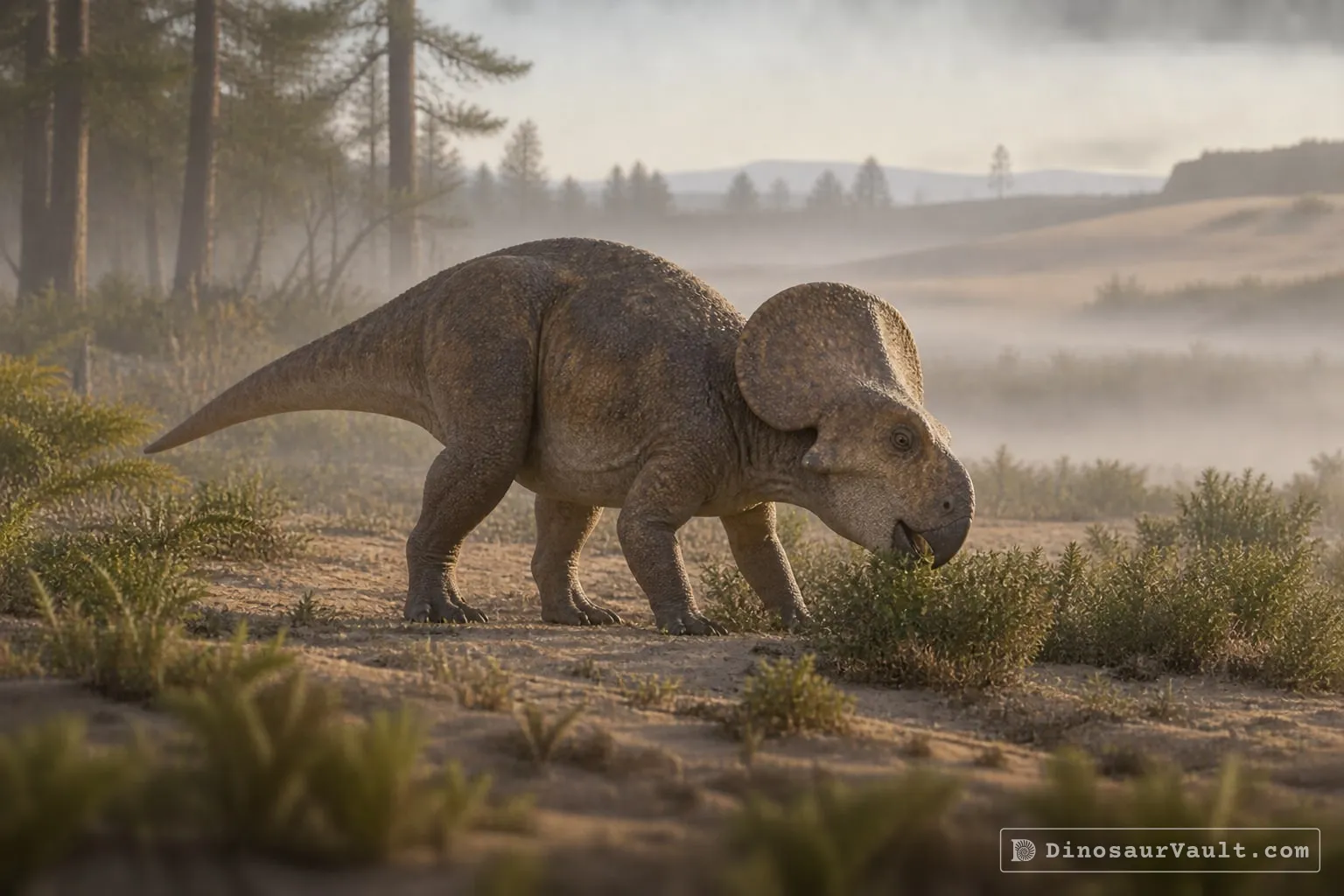
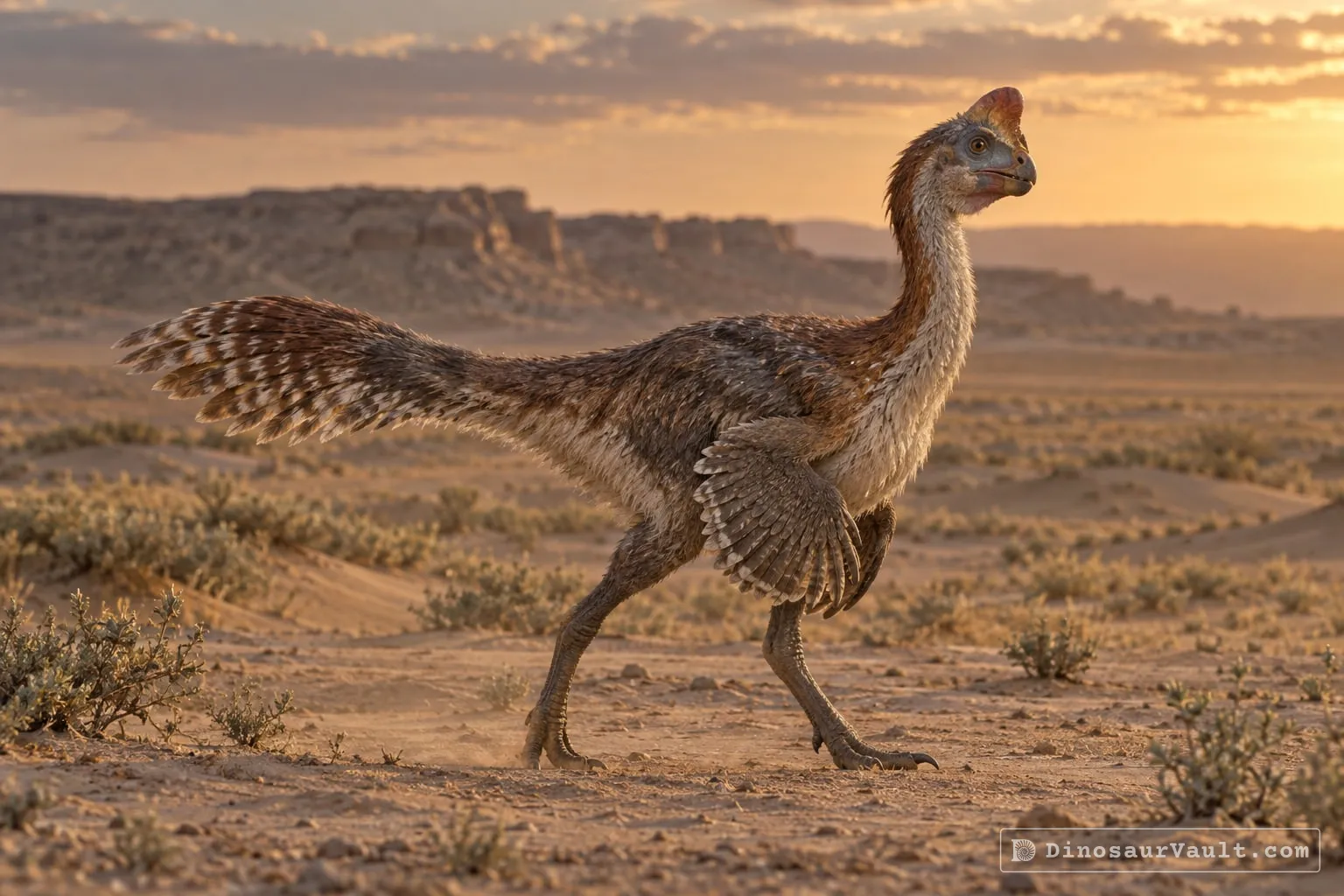
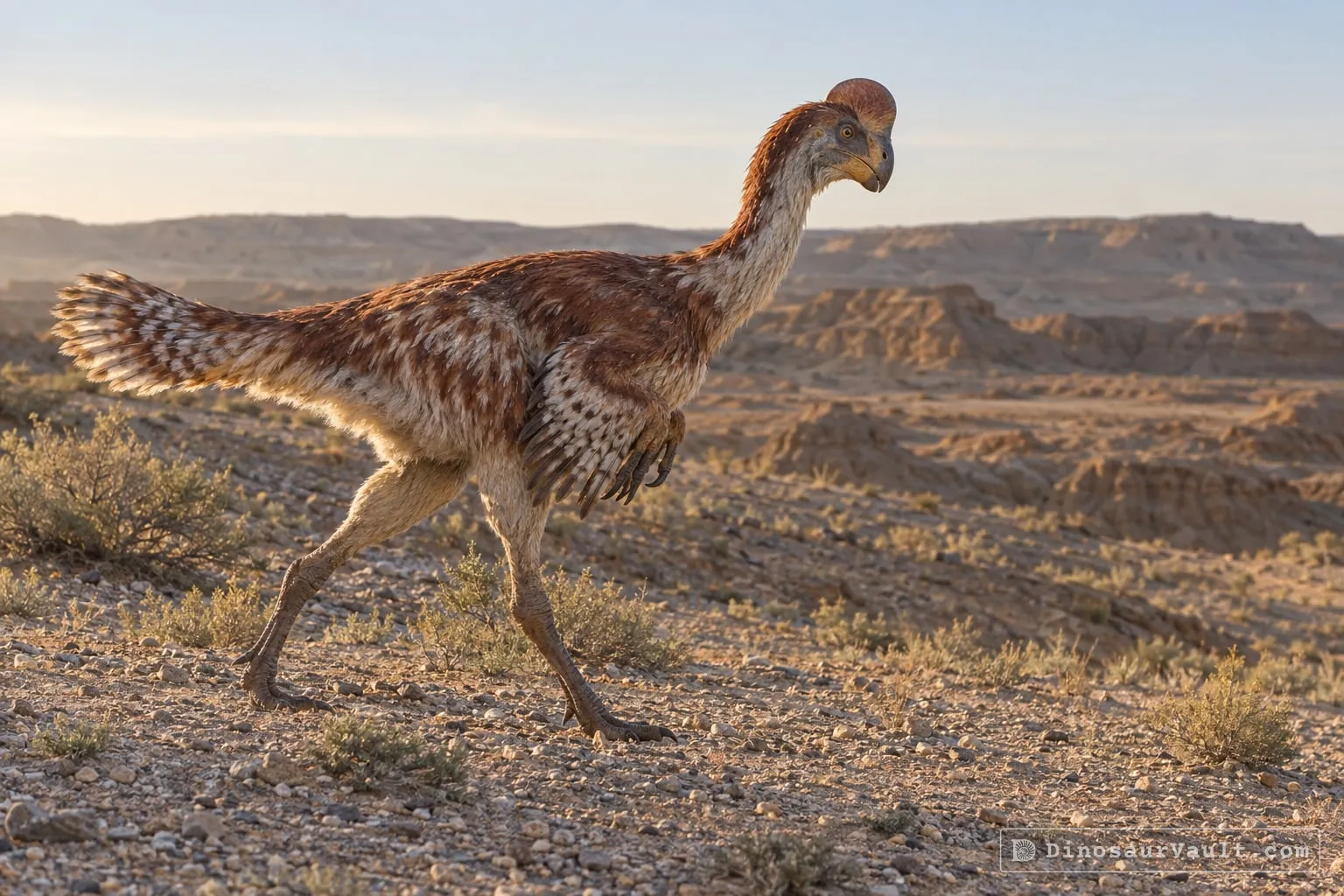
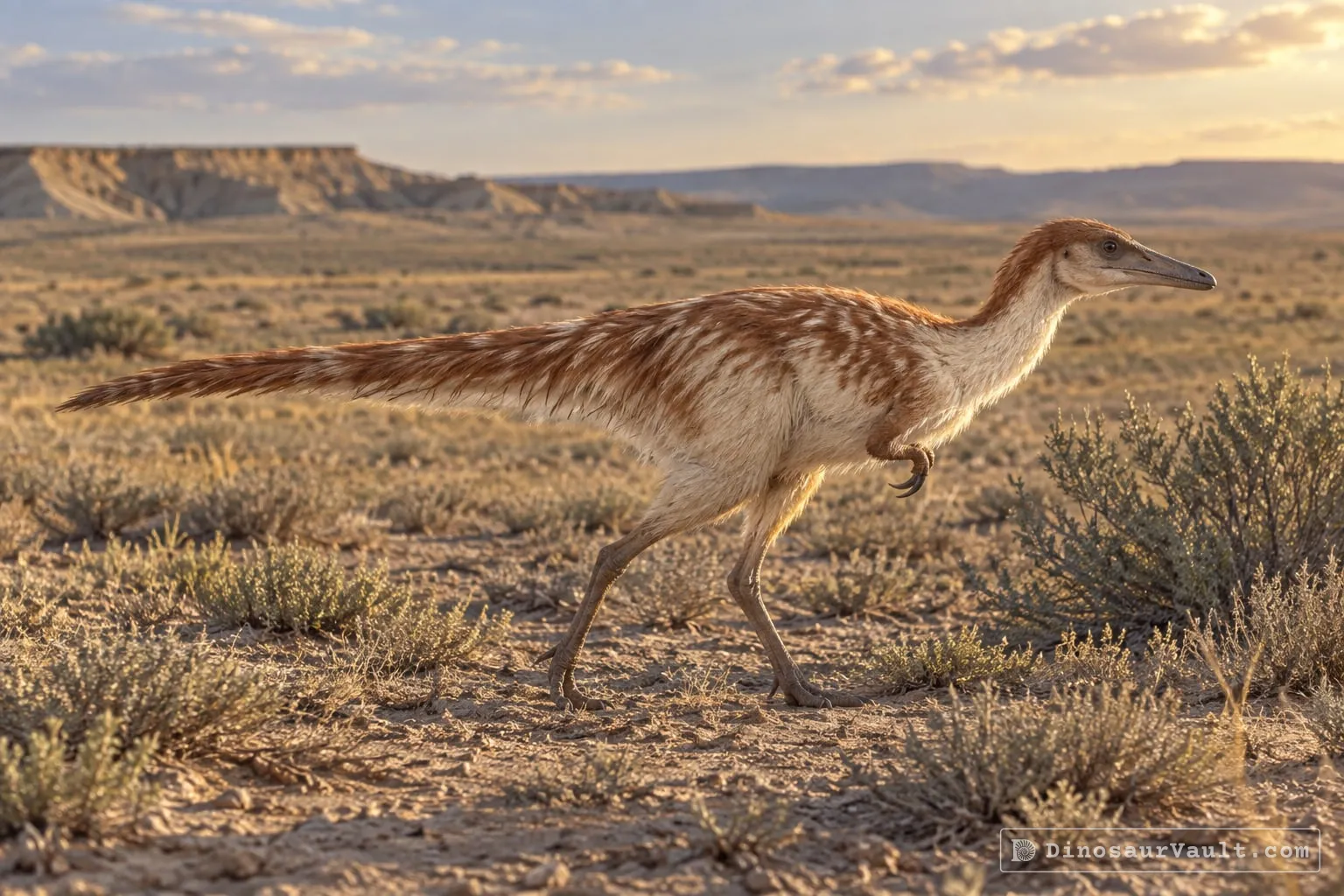
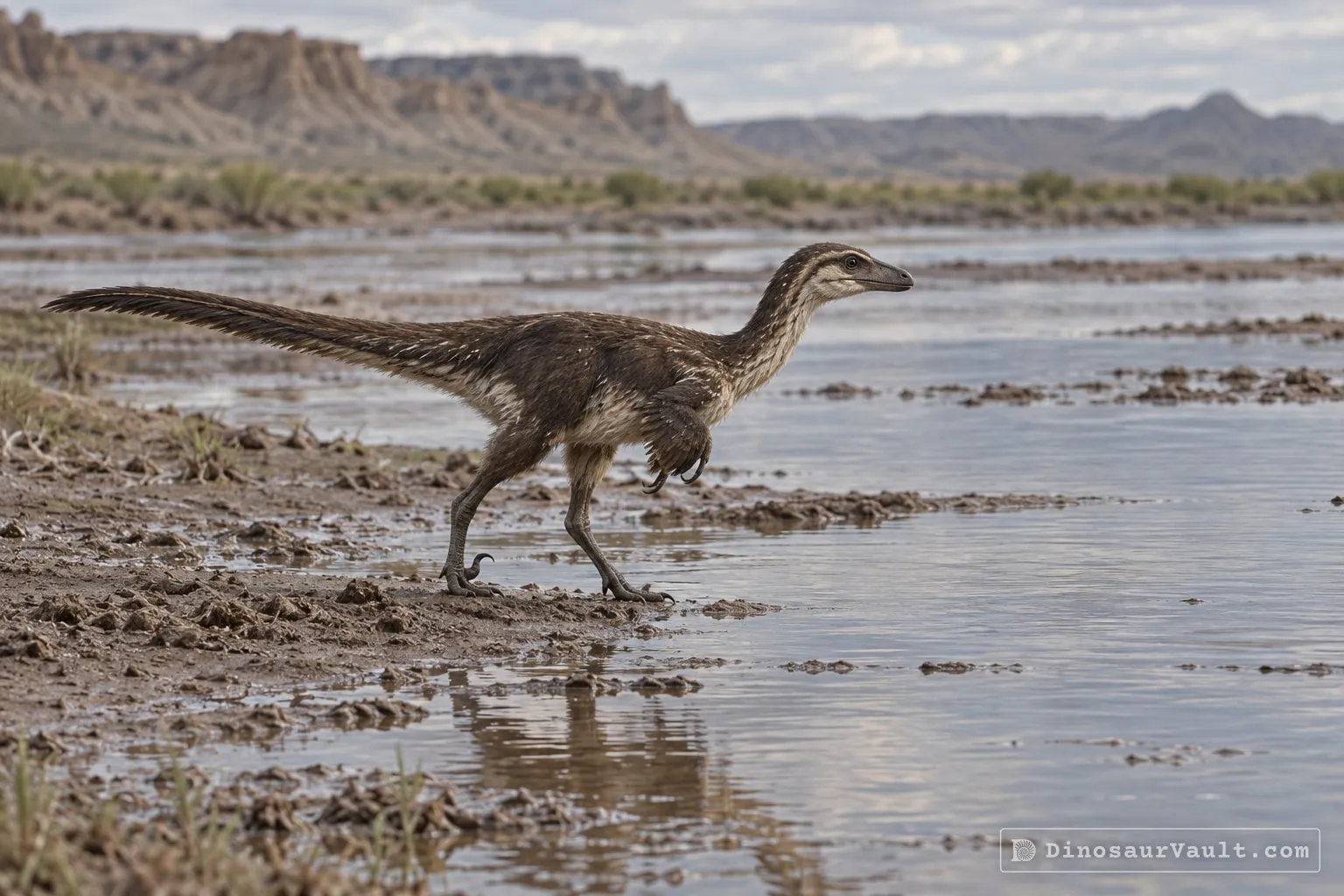
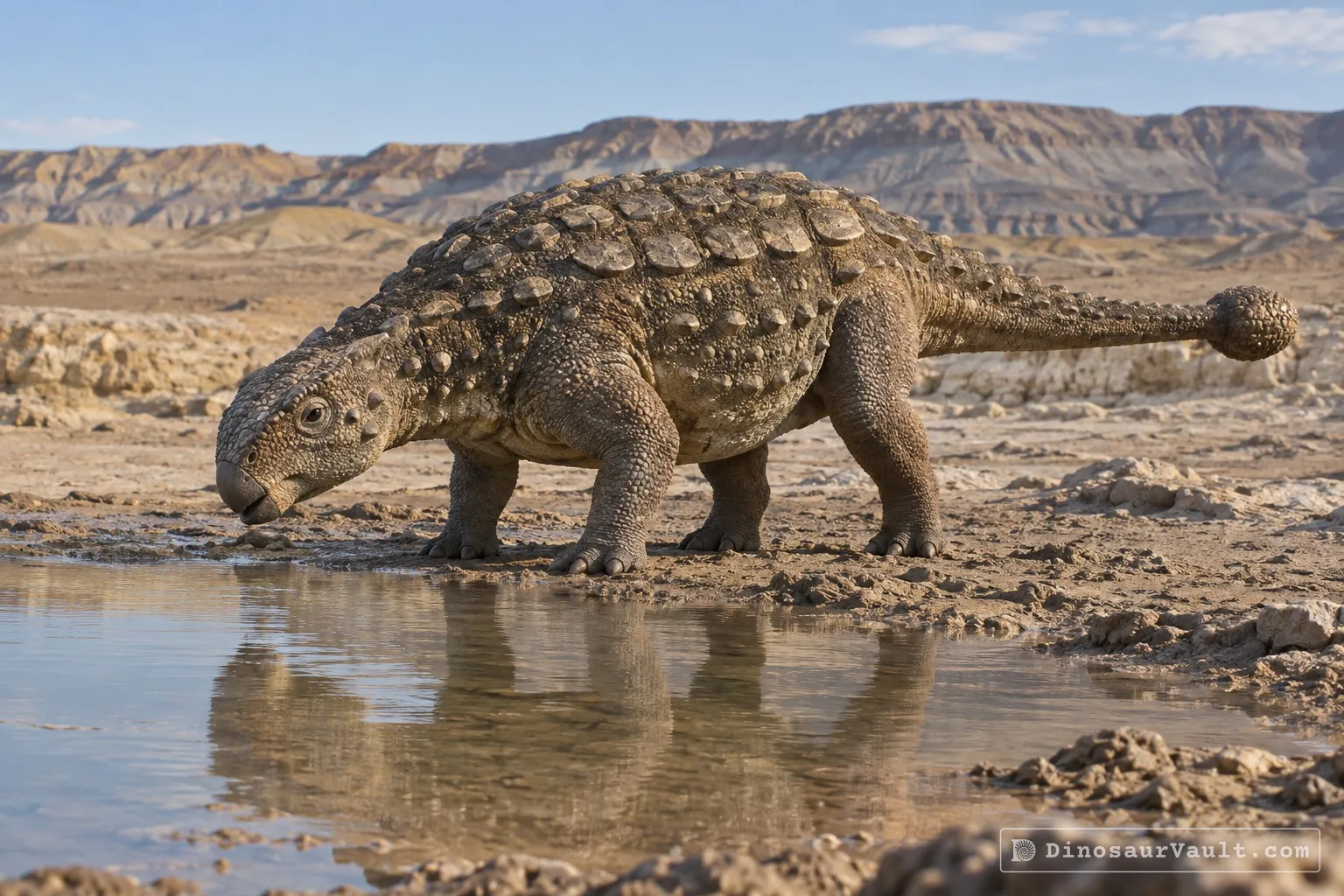


A rock formation can hold fossils laid down millions of years apart, so not every animal here met Aepyornithomimus.
The evidence
The science behind Aepyornithomimus
Which parts of the picture come from its own bones, and which come from its relatives.
From its own fossils
- A left foot and ankle preserve the long foot bones, toes and slender claws.
- The middle foot bone is pinched between its neighbors, as in other advanced ostrich-like dinosaurs.
- The outer toe is unusually long compared with those of other ornithomimids.
Borrowed from relatives
- The long neck, toothless beak and arms are restored from more complete relatives such as Gallimimus and Ornithomimus.
- A feather covering is likely by comparison with Ornithomimus, which preserves body feathers and winglike feathers on adult arms.
Still unknown
- Its full body size and proportions.
- The arrangement and color of its feathers.
- What it ate.
Discovery timeline
- 2012Close relativeZelenitsky et al.
- 2016Close relativevan der Reest, Wolfe & Currie
- 2017Named itChinzorig et al.
Key papers
The research behind what we know of Aepyornithomimus
Close relative
Ornithomimus had body feathers throughout life and winglike feathers on adult arms, helping guide restorations of its relatives.
Feathered Non-Avian Dinosaurs from North America Provide Insight into Wing Origins. Science 338: 510-514
Read the paper : Feathered Non-Avian Dinosaurs from North America Provide Insight into Wing Origins (opens in a new tab)Close relative
A feathered Ornithomimus preserved extensive tail plumage, adding detail to the feather covering used to restore related dinosaurs.
A densely feathered ornithomimid (Dinosauria: Theropoda) from the Upper Cretaceous Dinosaur Park Formation, Alberta, Canada. Cretaceous Research 58: 108-117
Read the paper : A densely feathered ornithomimid (Dinosauria: Theropoda) from the Upper Cretaceous Dinosaur Park Formation, Alberta, Canada (opens in a new tab)Named it
Described a distinctive foot and ankle and showed that ornithomimids could inhabit dry, sandy environments.
First Ornithomimid (Theropoda, Ornithomimosauria) from the Upper Cretaceous Djadokhta Formation of Tögrögiin Shiree, Mongolia. Scientific Reports 7
Read the paper : First Ornithomimid (Theropoda, Ornithomimosauria) from the Upper Cretaceous Djadokhta Formation of Tögrögiin Shiree, Mongolia (opens in a new tab)
Close relatives
Other members of Ornithomimidae


Sources: Wikidata