Dromiceiomimus
"emu mimic"
- Lived
- 72 to 66 million years ago, Late Cretaceous
- Diet
- Omnivore
- Length
- about 3.5 m (11 ft)
- Group
- Theropods, Ornithomimidae
- Found in
- Canada
- Named by
- Russell 1972
Size comparison
To scale

Scale in metersOutline: typical theropod shape
Where its fossils were found
The evidence
Today

70 million years ago
Habitat
Warm forests covered this part of Alberta. Albertosaurus, Edmontosaurus and Saurolophus lived in the same region.
Field notes
About Dromiceiomimus
What it was like
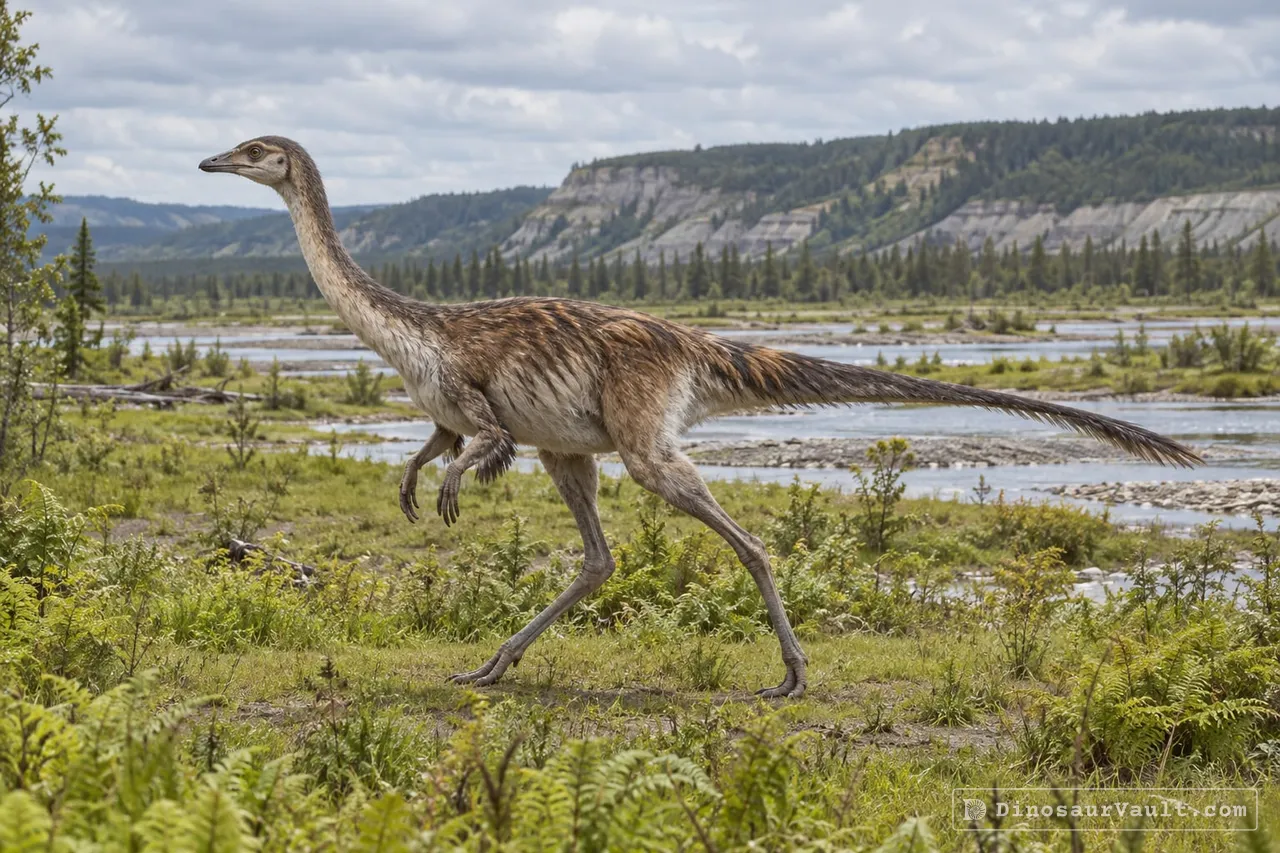
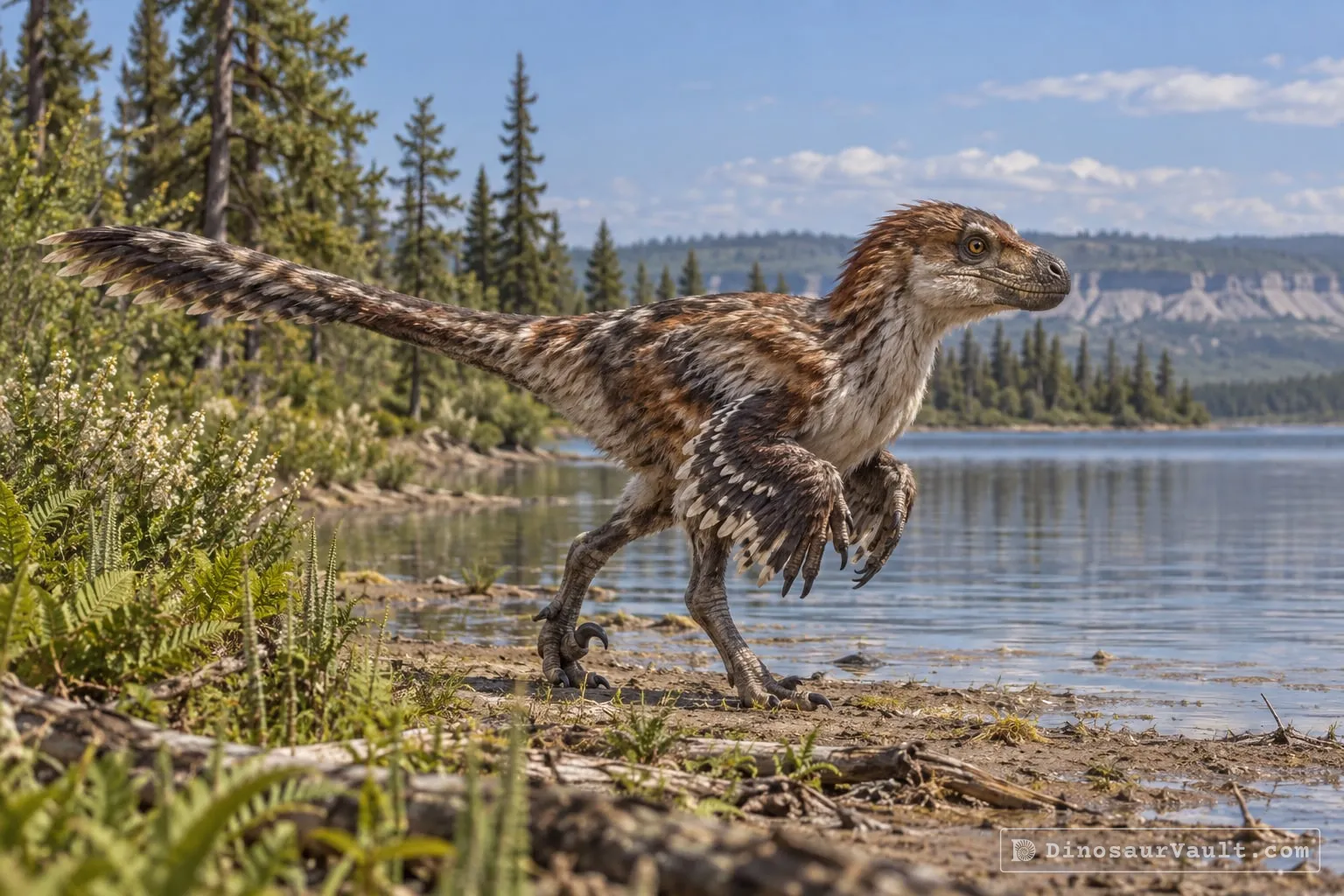
Dromiceiomimus was an ornithomimid, a toothless, ostrich-like theropod about 3.5 meters (11 feet) long. It had long legs and large eyes, and was probably a fast runner.
Its world
It lived in the Late Cretaceous, in what is now Alberta, Canada. It comes from the Horseshoe Canyon Formation, where it shared the land with the tyrannosaur Albertosaurus, the duckbills Edmontosaurus and Saurolophus, and the related Ornithomimus and Struthiomimus.
How it was found
Russell named Dromiceiomimus in 1972. Some scientists think it is a species of Ornithomimus, while others keep it separate.
Field gallery
More views of Dromiceiomimus
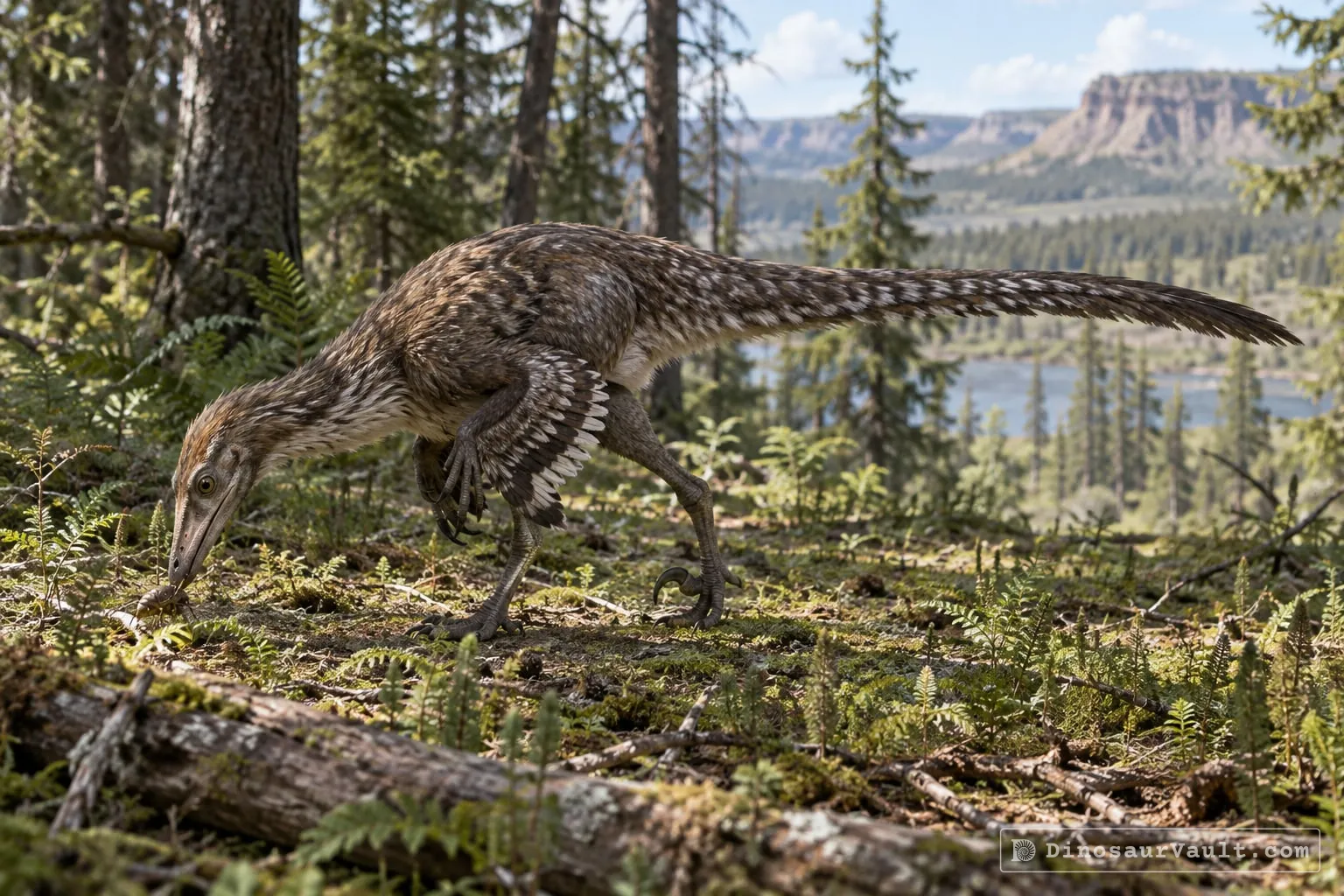
Scenes reconstructed from the available fossil evidence.
Lived alongside
Found in the same rock formations
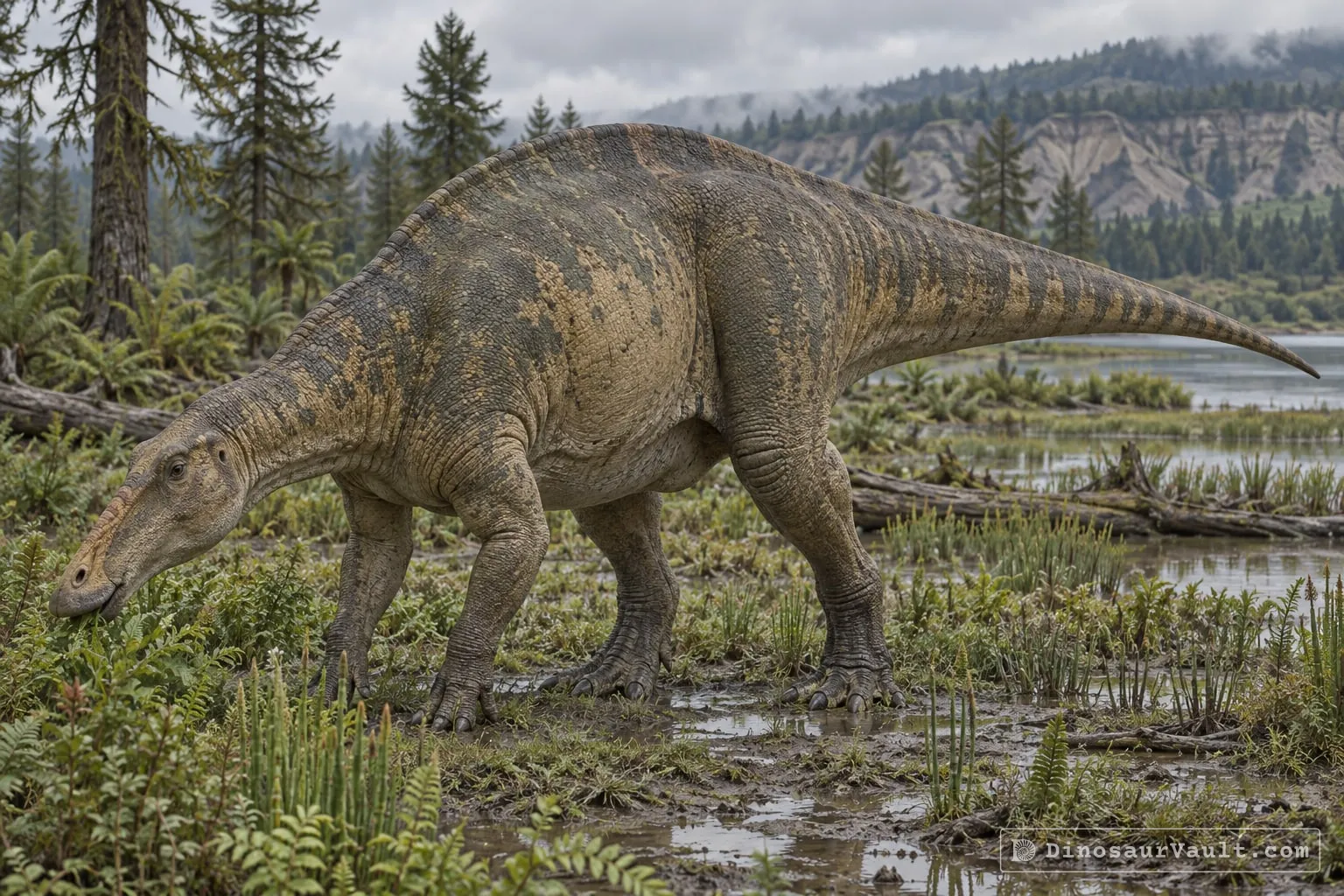
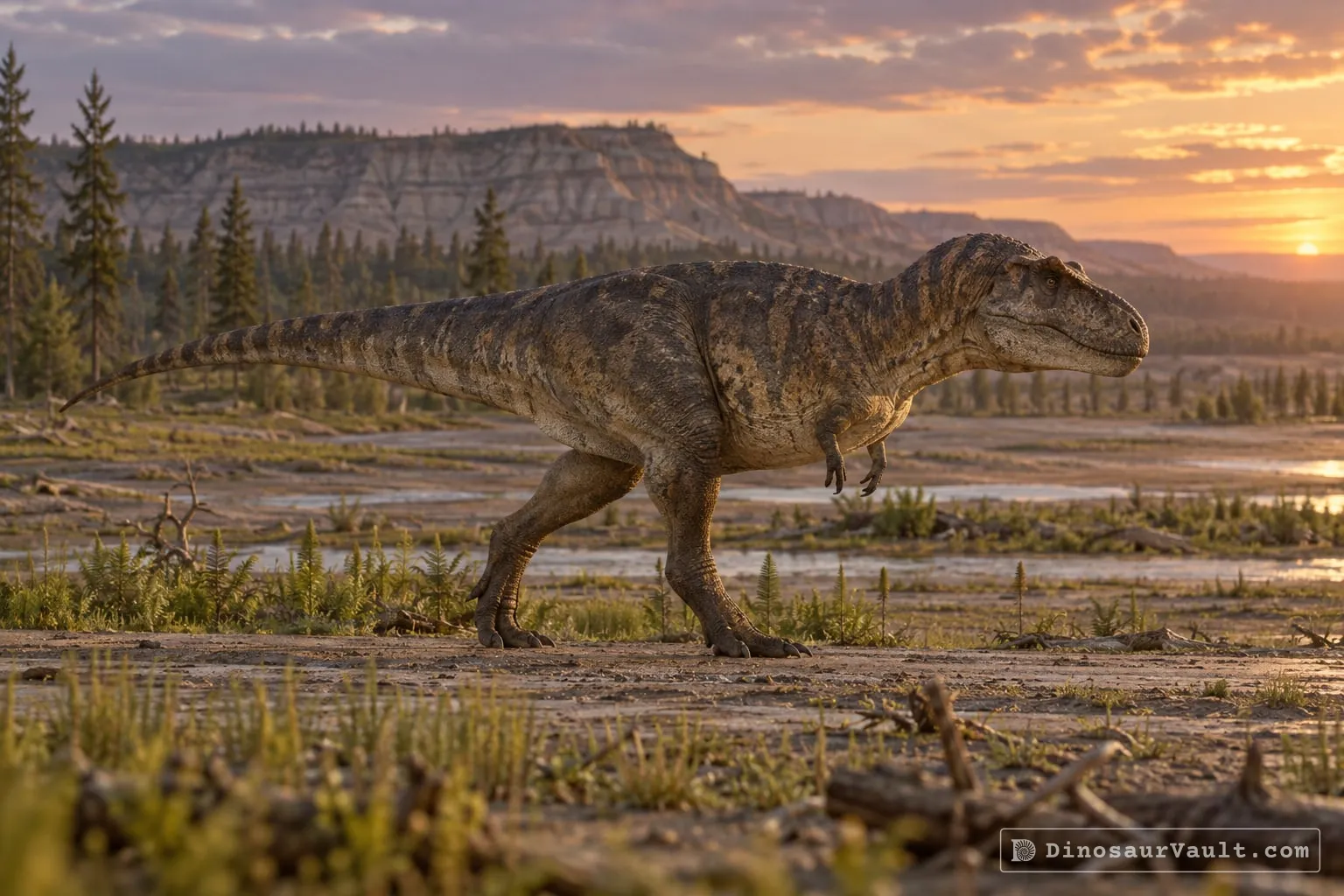
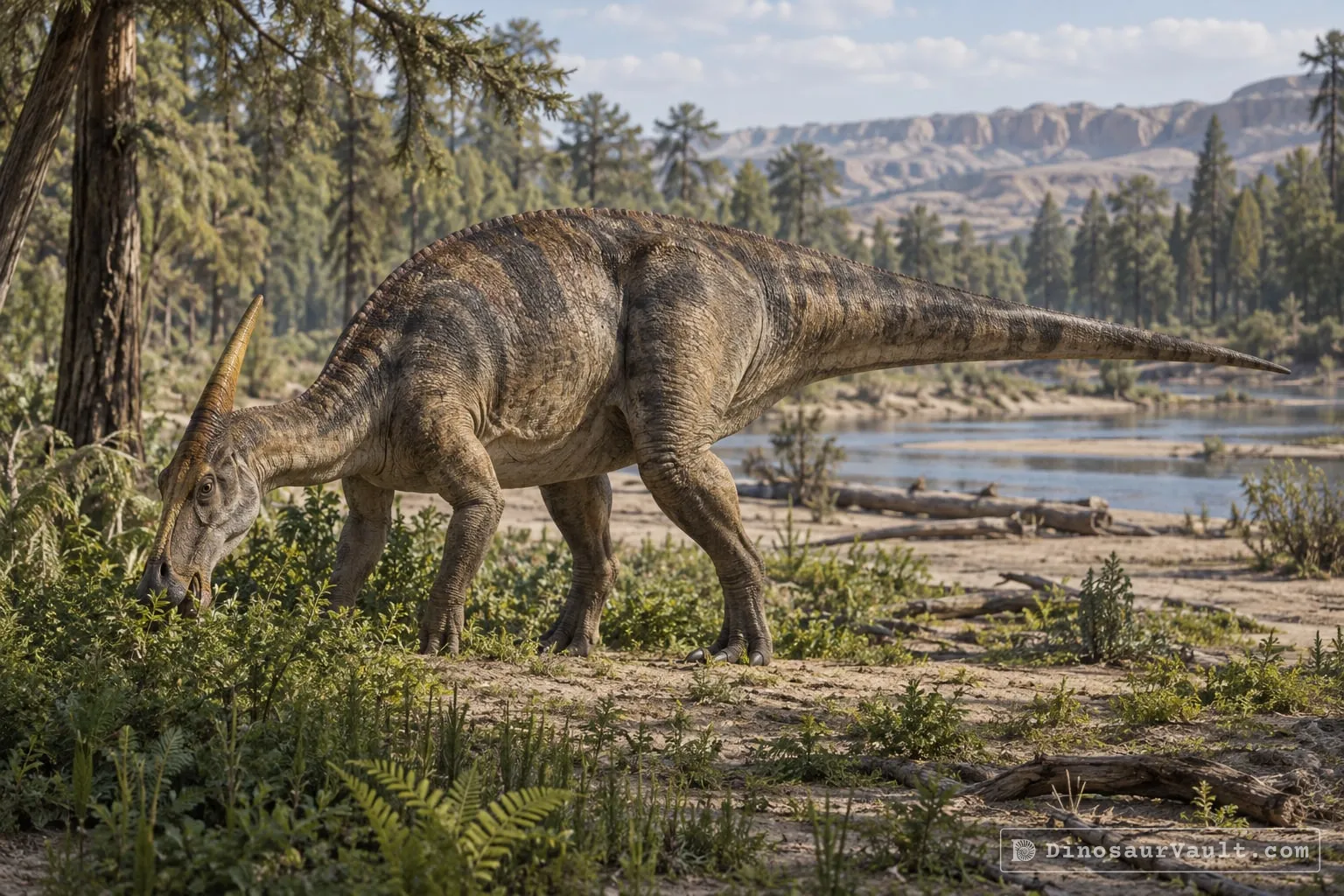
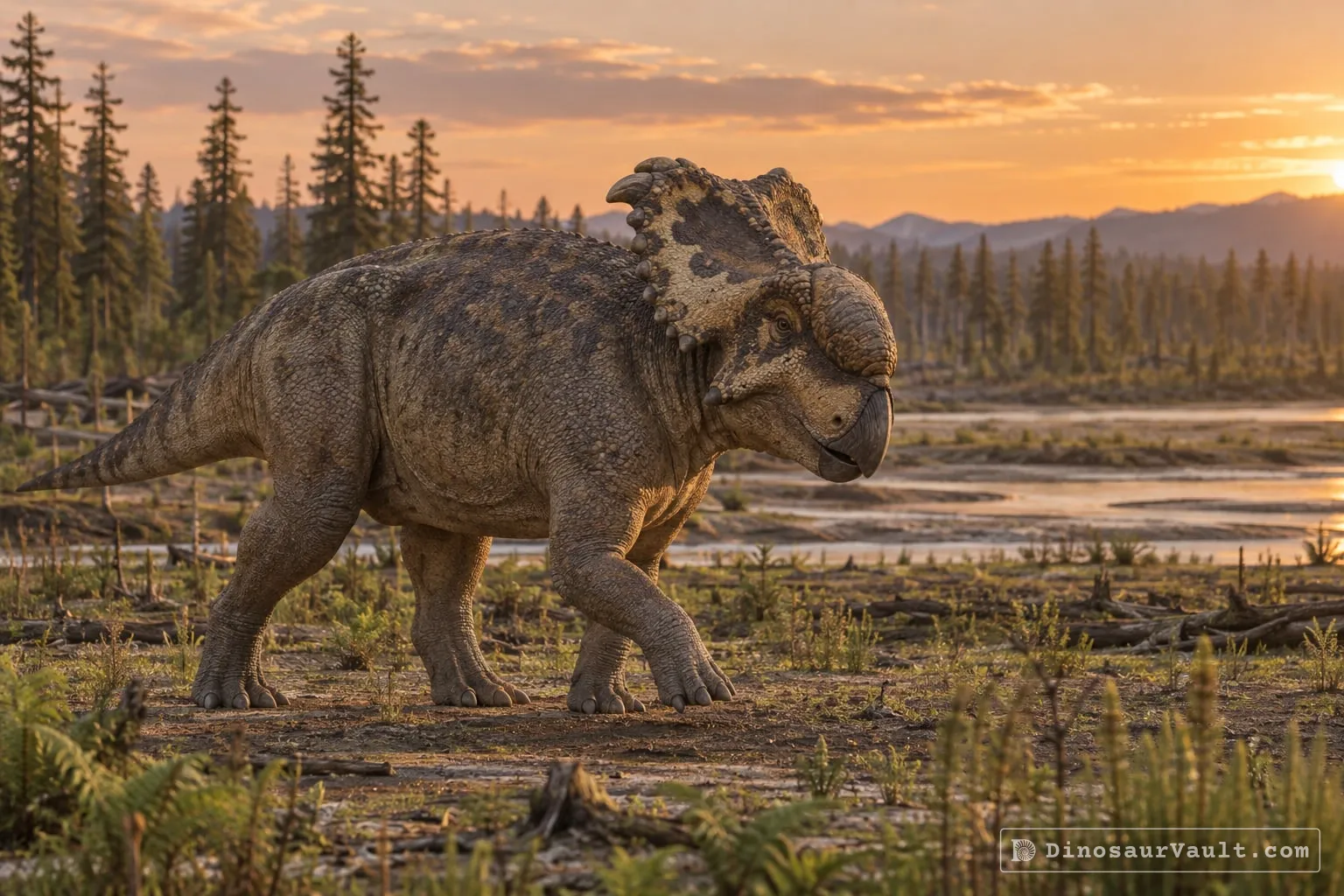
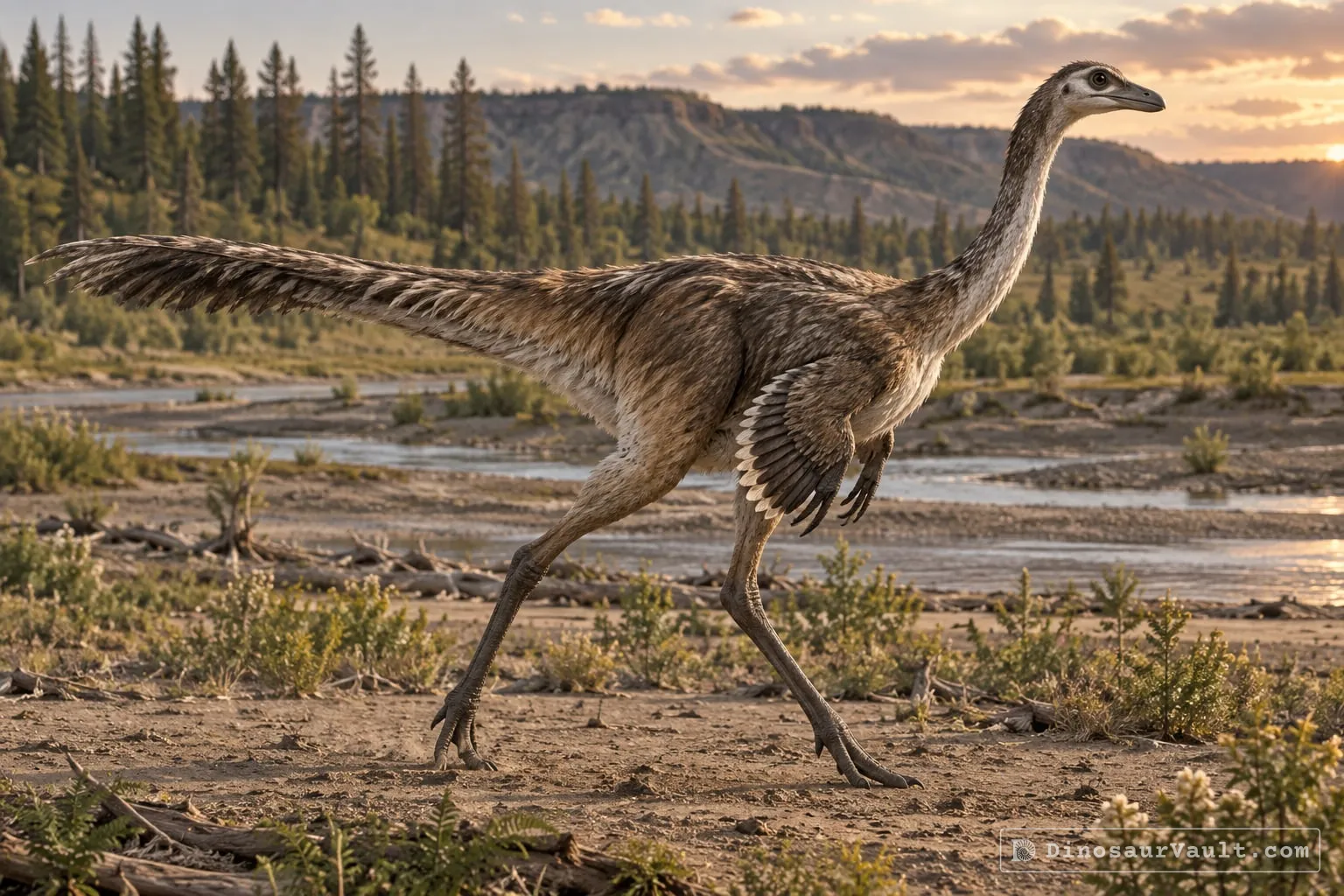
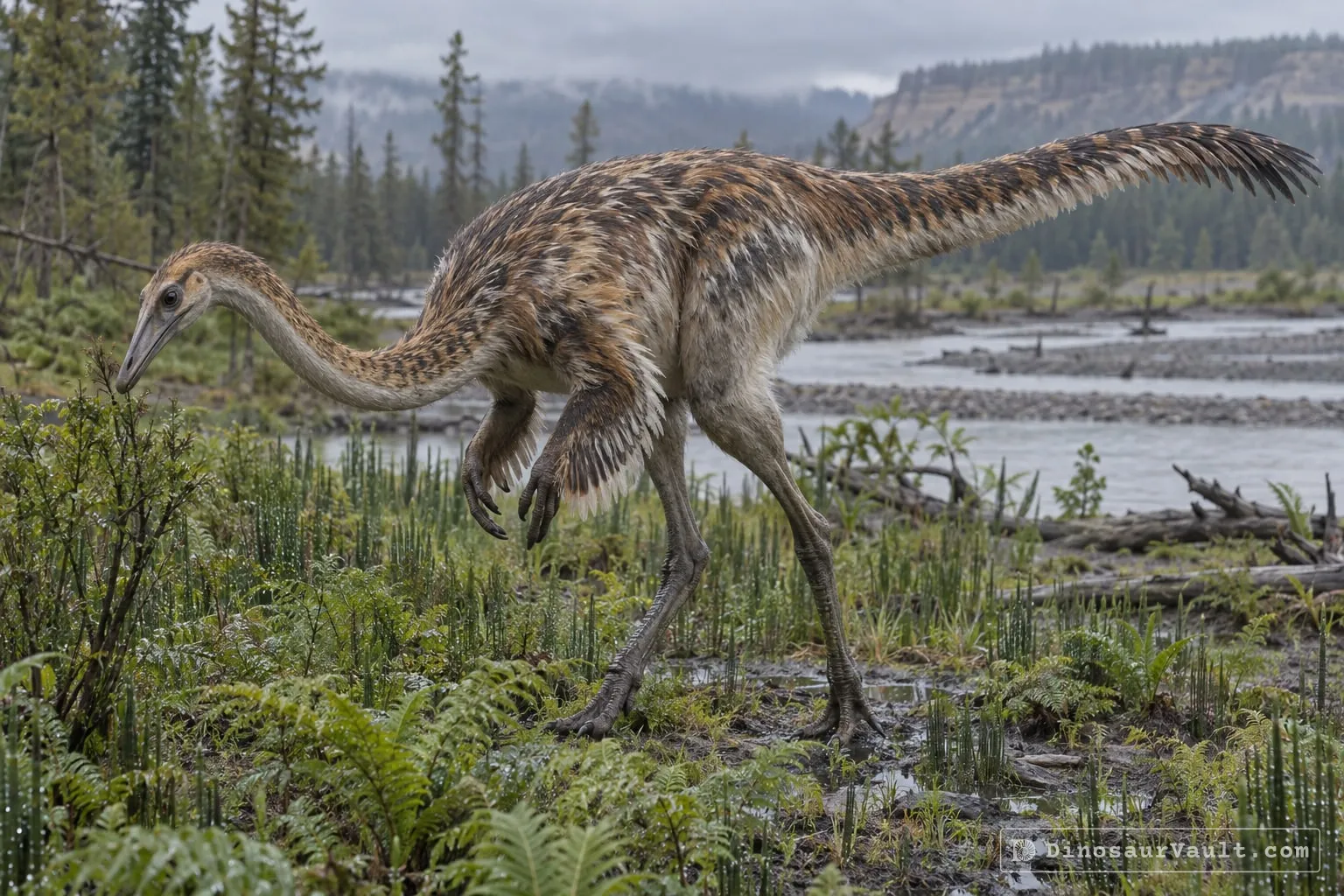


A rock formation can hold fossils laid down millions of years apart, so not every animal here met Dromiceiomimus.
The evidence
The science behind Dromiceiomimus
Which parts of the picture come from its own bones, and which come from its relatives.
From its own fossils
- A well-preserved partial skeleton includes an almost complete clawed hand.
- The thigh and shin bones show the long-legged proportions used to distinguish Dromiceiomimus from Ornithomimus.
Borrowed from relatives
- A feather covering and winglike arm feathers are inferred from Ornithomimus, which preserves both.
Still unknown
- Whether Dromiceiomimus should remain separate from Ornithomimus.
- Its feather color and pattern.
- Exactly what it ate.
Discovery timeline
- 1972Named itRussell
- 2012Close relativeZelenitsky et al.
- 2019Full descriptionMacdonald & Currie
Key papers
The research behind what we know of Dromiceiomimus
Named it
Separated Dromiceiomimus from other ostrich-like dinosaurs by comparing their skeletons and limb proportions.
Ostrich Dinosaurs from the Late Cretaceous of Western Canada. Canadian Journal of Earth Sciences 9: 375-402
Read the paper : Ostrich Dinosaurs from the Late Cretaceous of Western Canada (opens in a new tab)Close relative
Ornithomimus fossils show a feather covering throughout life and winglike arm feathers in adults.
Feathered Non-Avian Dinosaurs from North America Provide Insight into Wing Origins. Science 338: 510-514
Read the paper : Feathered Non-Avian Dinosaurs from North America Provide Insight into Wing Origins (opens in a new tab)Full description
Described a well-preserved skeleton and argued that limb proportions help distinguish Dromiceiomimus from Ornithomimus.
Description of a partial Dromiceiomimus (Dinosauria: Theropoda) skeleton with comments on the validity of the genus. Canadian Journal of Earth Sciences 56: 129-157
Read the paper : Description of a partial Dromiceiomimus (Dinosauria: Theropoda) skeleton with comments on the validity of the genus (opens in a new tab)
Close relatives
Other members of Ornithomimidae


Sources: Wikidata