Mexidracon
"Mexican dragon"
Type species Mexidracon longimanus
- Lived
- 84 to 72 million years ago, Late Cretaceous
- Diet
- Omnivore
- Group
- Theropods, Ornithomimidae
- Found in
- Mexico
- Named by
- Serrano-Brañas et al. 2025
Where its fossils were found
The evidence
Today

80 million years ago
Habitat
The Cerro del Pueblo Formation preserves a coastal landscape in Mexico. Tlatolophus, Velafrons and Labocania lived in this region.
Field notes
About Mexidracon
What it was like
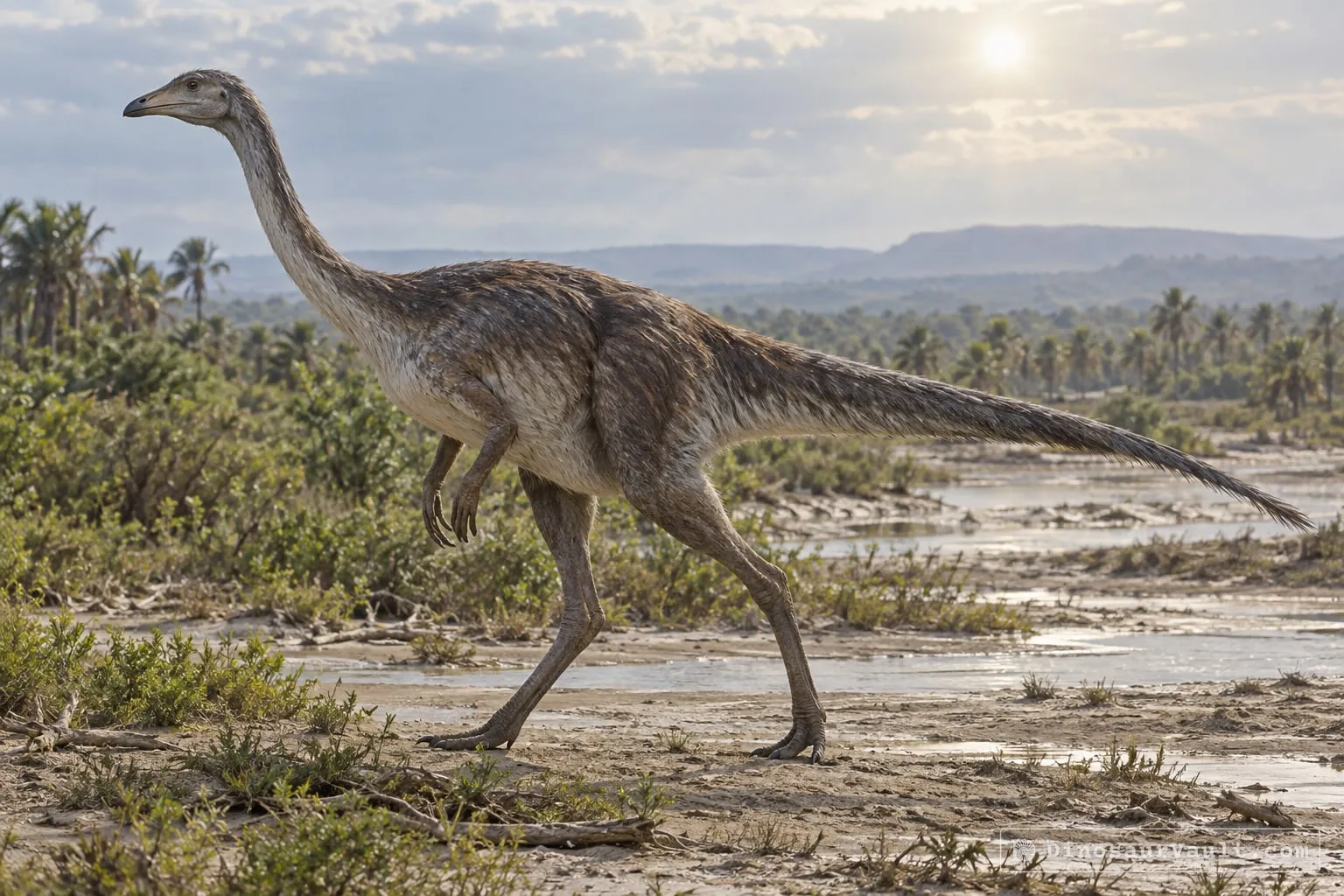
Mexidracon was an ornithomimid, a toothless, ostrich-like theropod with long legs. Its arms were long for its group.
Its world
It lived in the Late Cretaceous, in what is now Mexico. It comes from the Cerro del Pueblo Formation, where it shared a coastal land with the crested duckbills Tlatolophus and Velafrons and the tyrannosaur Labocania.
How it was found
Serrano-Brañas and colleagues named Mexidracon in 2025. The type species is Mexidracon longimanus, meaning long hand.
Field gallery
More views of Mexidracon
Scenes reconstructed from the available fossil evidence.
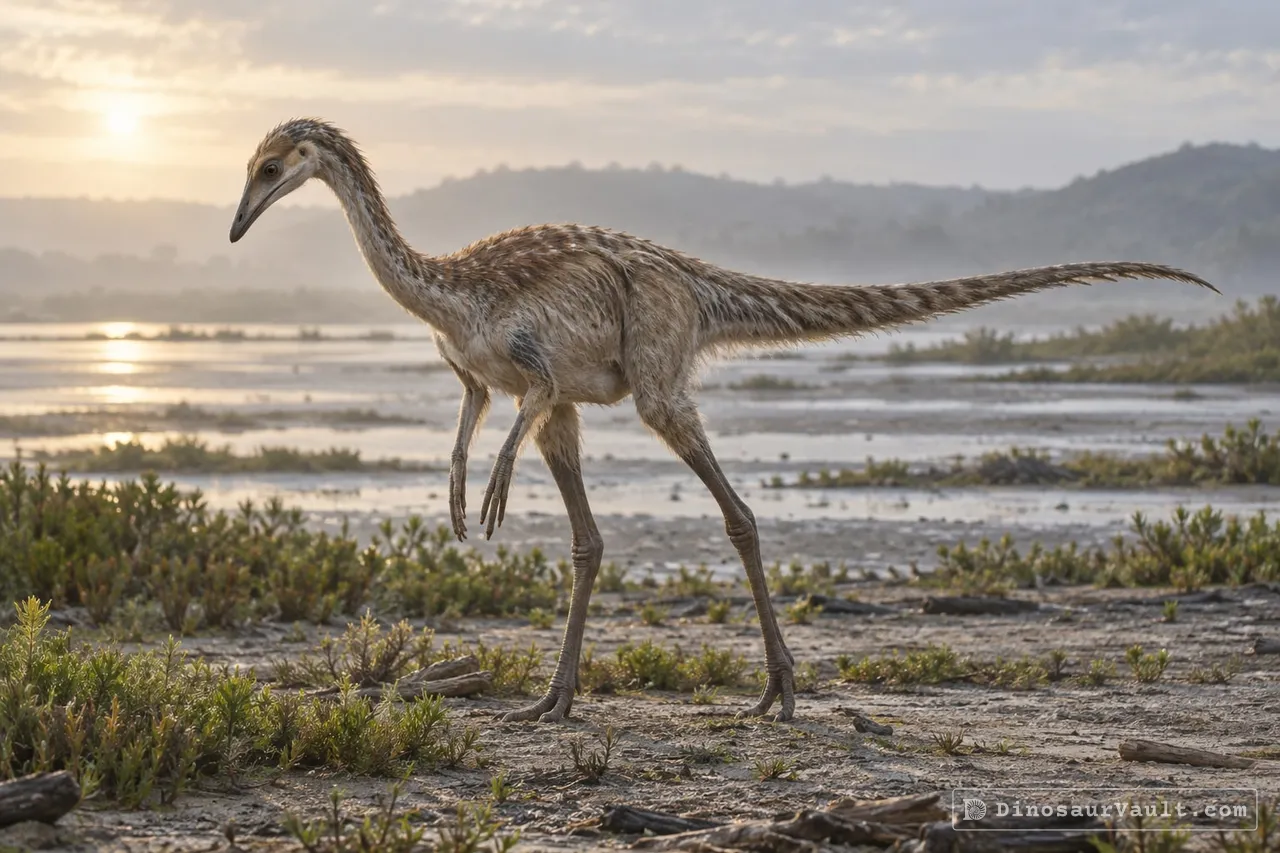
1 of 2
Lived alongside
Found in the same rock formations
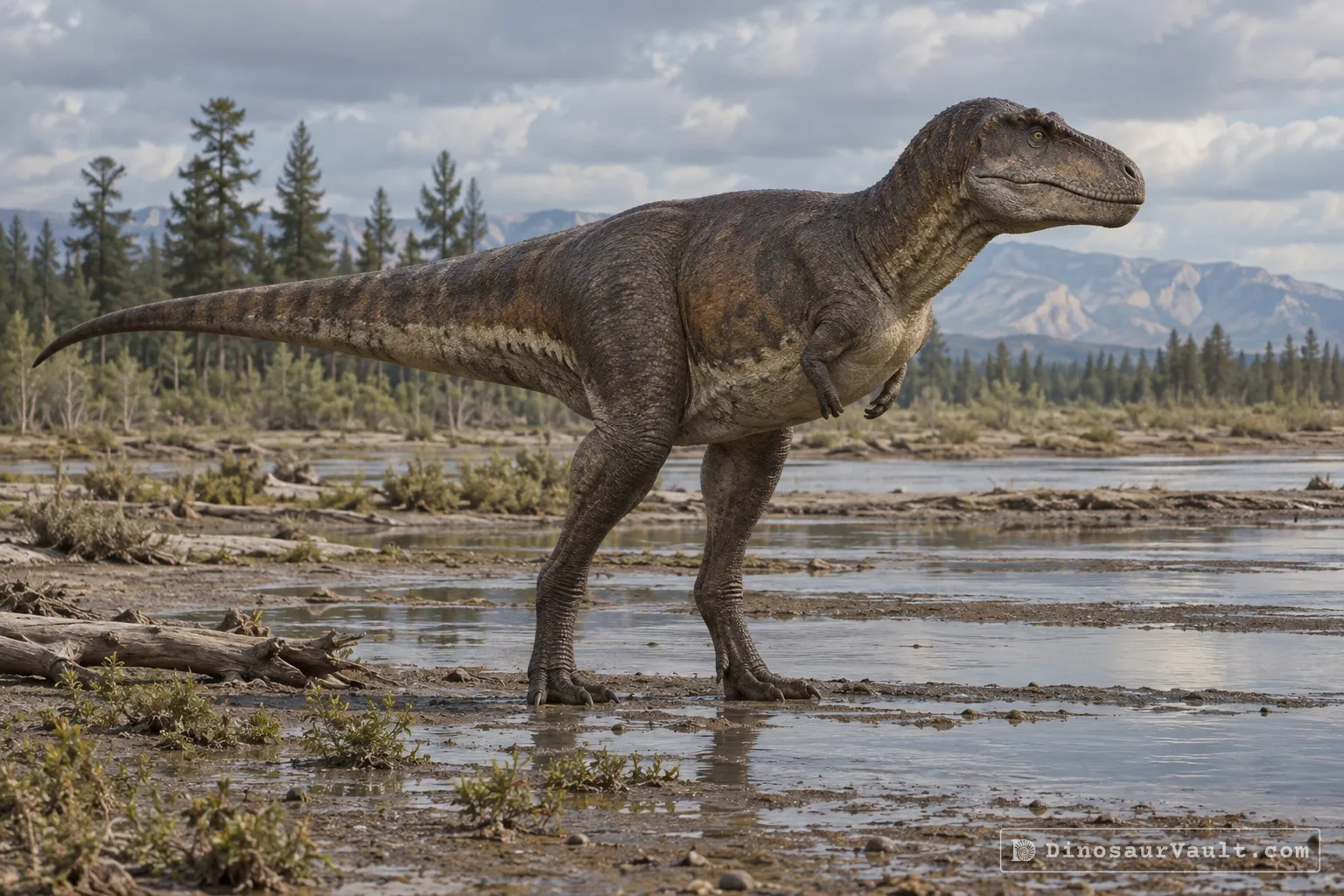
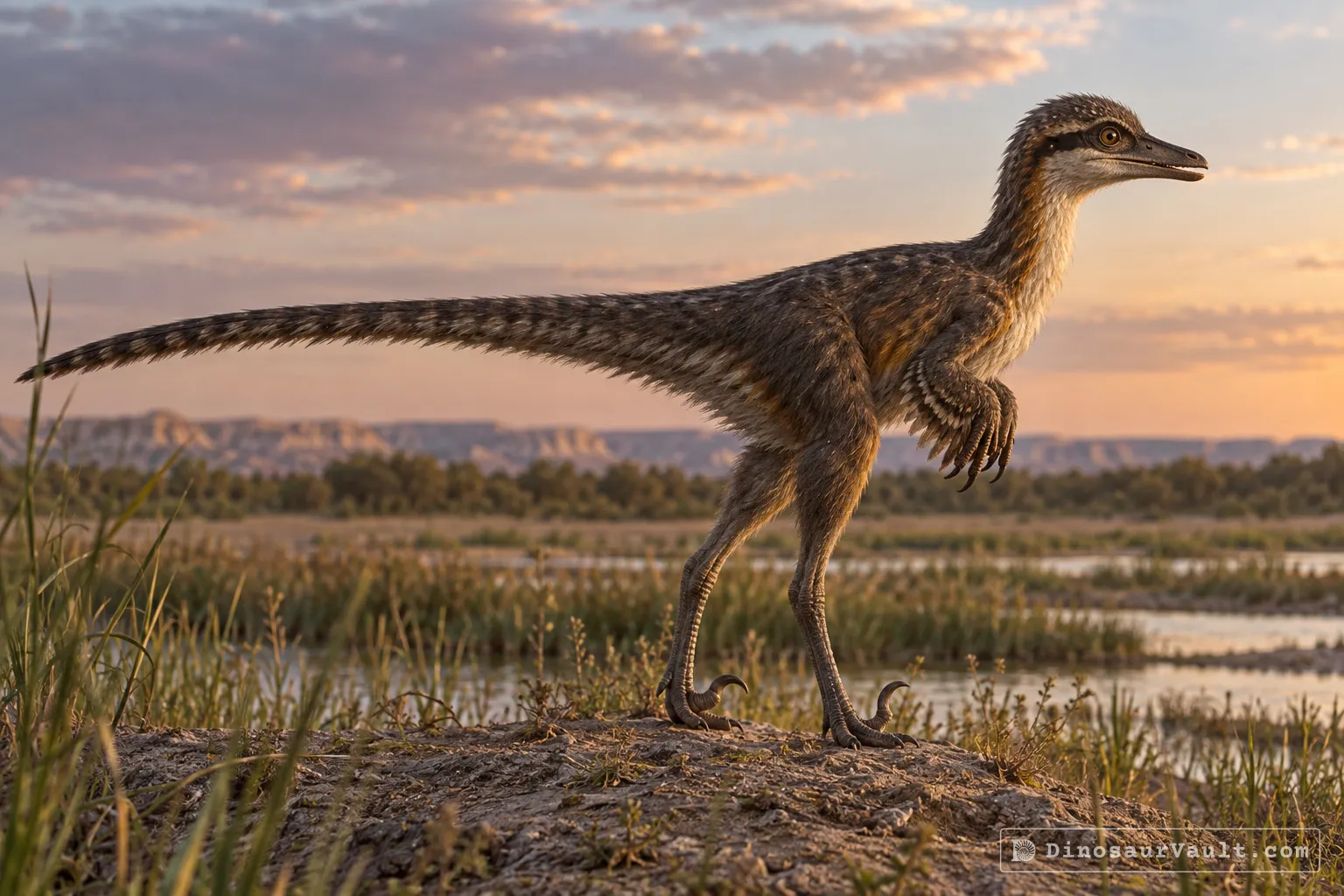
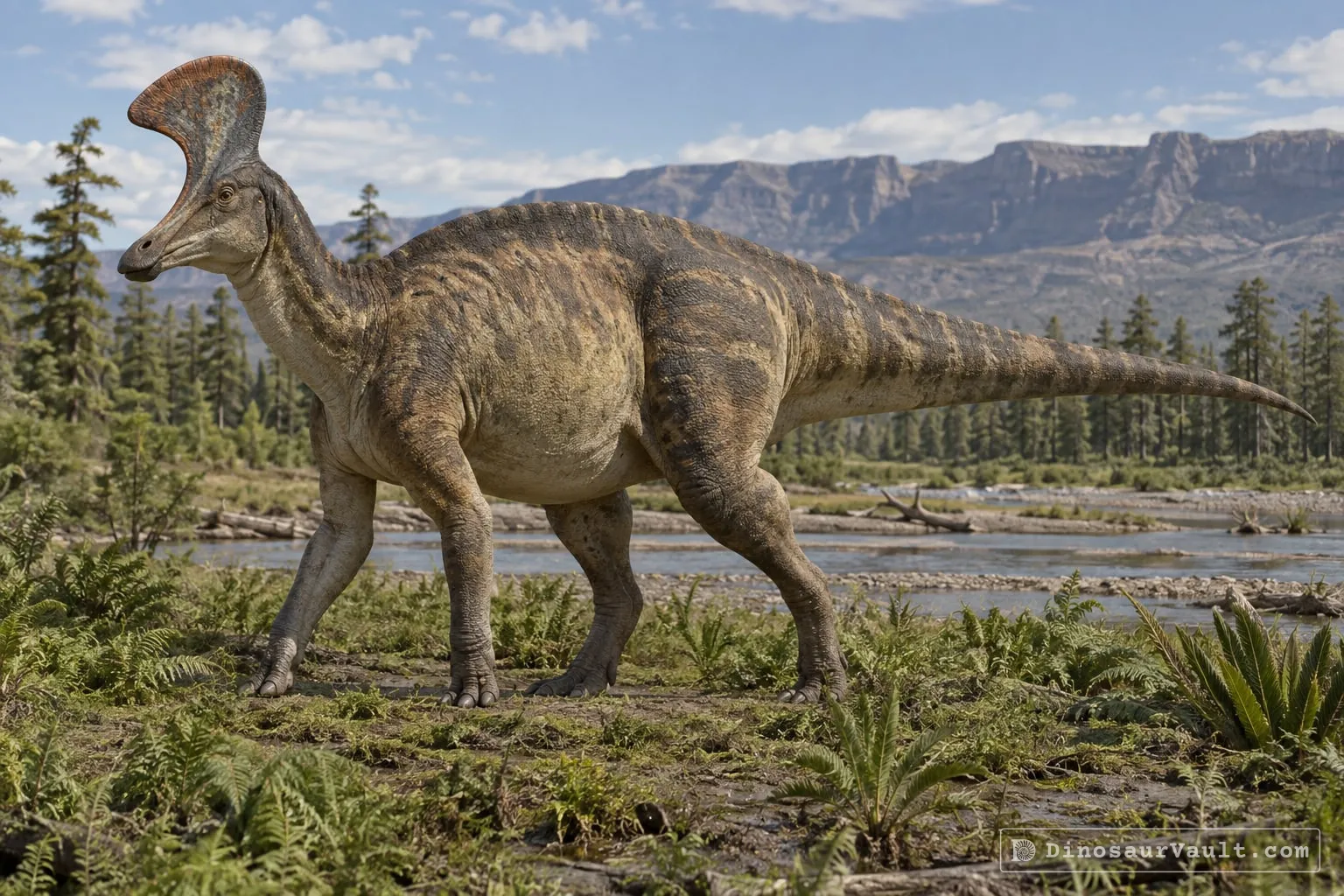
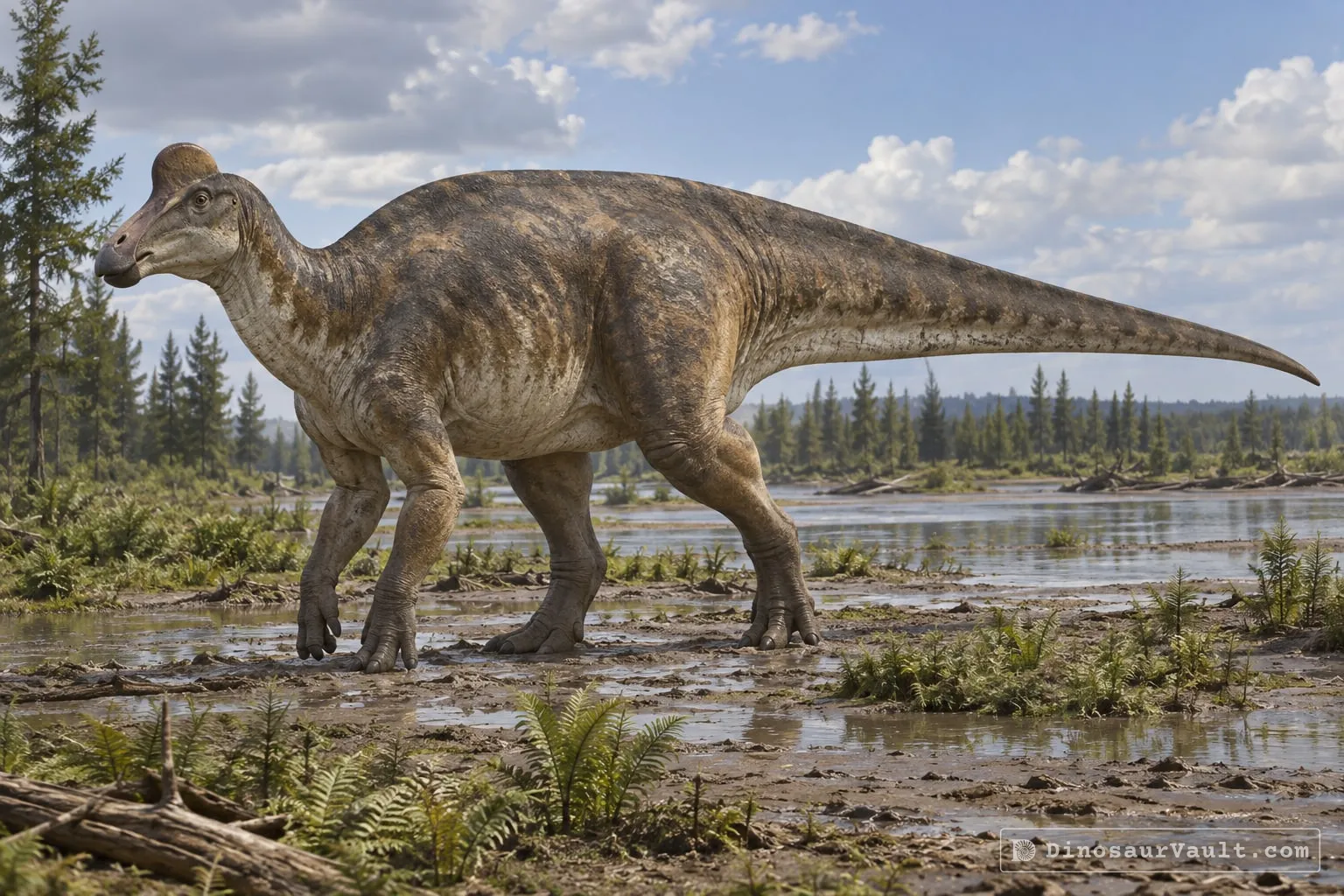
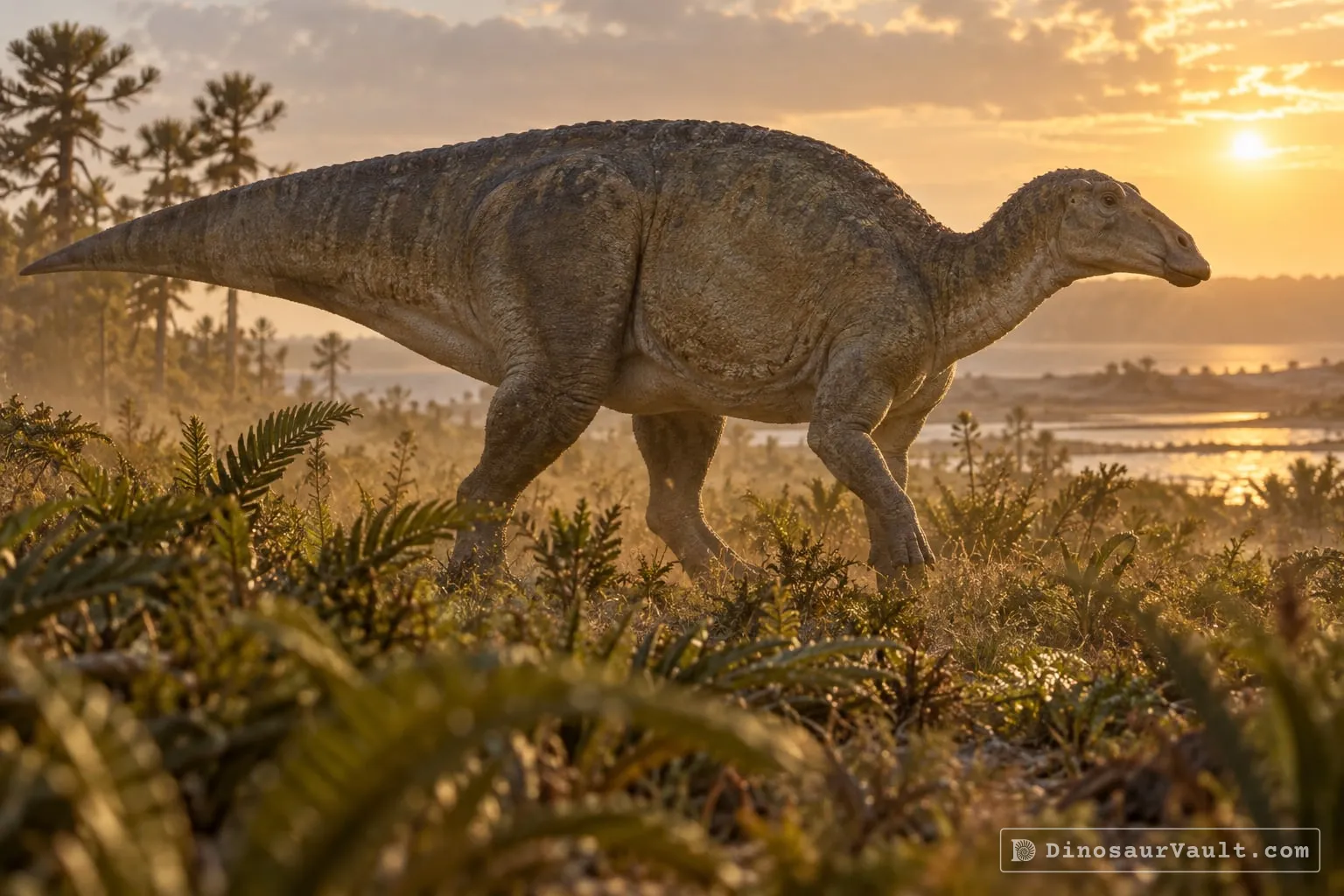
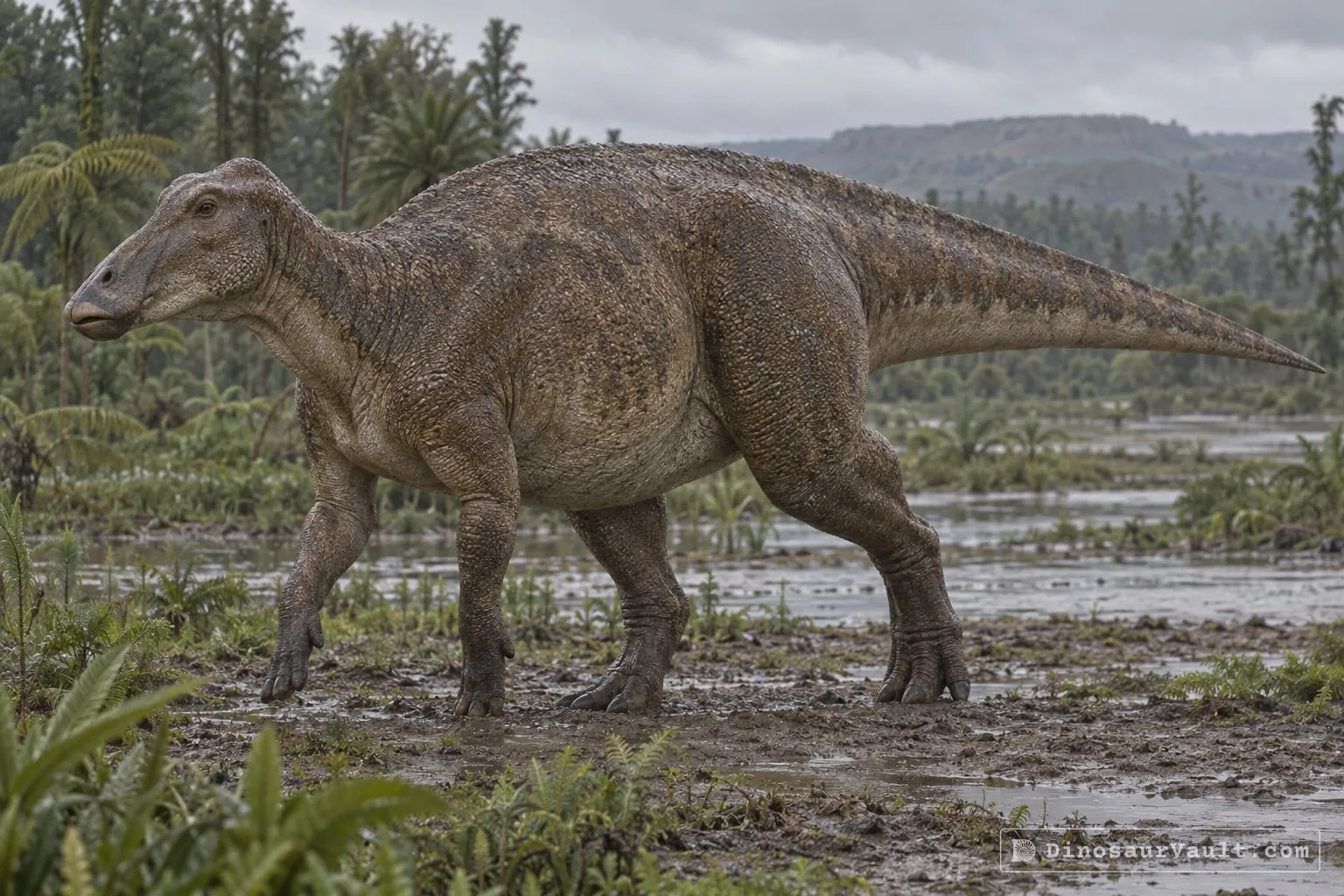


A rock formation can hold fossils laid down millions of years apart, so not every animal here met Mexidracon.
The evidence
The science behind Mexidracon
Which parts of the picture come from its own bones, and which come from its relatives.
From its own fossils
- A partial skeleton preserves backbone, hip and limb bones.
- The palm bones are exceptionally long, giving its hands a distinctive shape.
Borrowed from relatives
- Gallimimus guides the restoration of a small, low head, beak and long neck.
- Anserimimus provides a comparison for the feet, while other ornithomimids guide the missing finger tips.
- Feathers preserved in Ornithomimus suggest that Mexidracon probably had a feather covering too.
Still unknown
- What it used its unusually long hands for.
- The exact shape of its skull and its feather covering.
- Its color and how its body changed as it grew.
Often drawn wrong
- Its long hands come from elongated palm bones, rather than giant claw blades.
- Its palms should face inward rather than down.
Discovery timeline
- 2012SkinZelenitsky et al.
- 2016Close relativeSues & Averianov
- 2025Named itSerrano-Brañas et al.
Key papers
The research behind what we know of Mexidracon
Skin
Found filament-like feathers in Ornithomimus at different growth stages and wing-like forelimb feathers in adults, supporting a feather covering in related dinosaurs.
Feathered Non-Avian Dinosaurs from North America Provide Insight into Wing Origins. Science 338: 510-514
Read the paper : Feathered Non-Avian Dinosaurs from North America Provide Insight into Wing Origins (opens in a new tab)Close relative
Described ornithomimid skull and limb bones, providing comparisons for the missing parts of Mexidracon.
Ornithomimidae (Dinosauria: Theropoda) from the Bissekty Formation (Upper Cretaceous: Turonian) of Uzbekistan. Cretaceous Research 57: 90-110
Read the paper : Ornithomimidae (Dinosauria: Theropoda) from the Bissekty Formation (Upper Cretaceous: Turonian) of Uzbekistan (opens in a new tab)Named it
Named Mexidracon from a partial skeleton with exceptionally long palm bones, adding another ostrich-like dinosaur to the Cerro del Pueblo Formation.
A long-handed new ornithomimid dinosaur from the Campanian (Upper Cretaceous) Cerro del Pueblo Formation, Coahuila, Mexico. Cretaceous Research 169: 106087
Read the paper : A long-handed new ornithomimid dinosaur from the Campanian (Upper Cretaceous) Cerro del Pueblo Formation, Coahuila, Mexico (opens in a new tab)
Close relatives
Other members of Ornithomimidae


Sources: Wikidata