Siats
see-ATS
- Lived
- 101 to 94 million years ago, Late Cretaceous
- Diet
- Carnivore
- Group
- Theropods
- Found in
- United States
- Named by
- Zanno and Makovicky 2013
Where its fossils were found
The evidence
Today

95 million years ago
Habitat
Its Utah home included a wet floodplain with lakes, ferns and flowering plants. Eolambia and Animantarx occur in the same part of the Cedar Mountain Formation.
Field notes
About Siats
What it was like
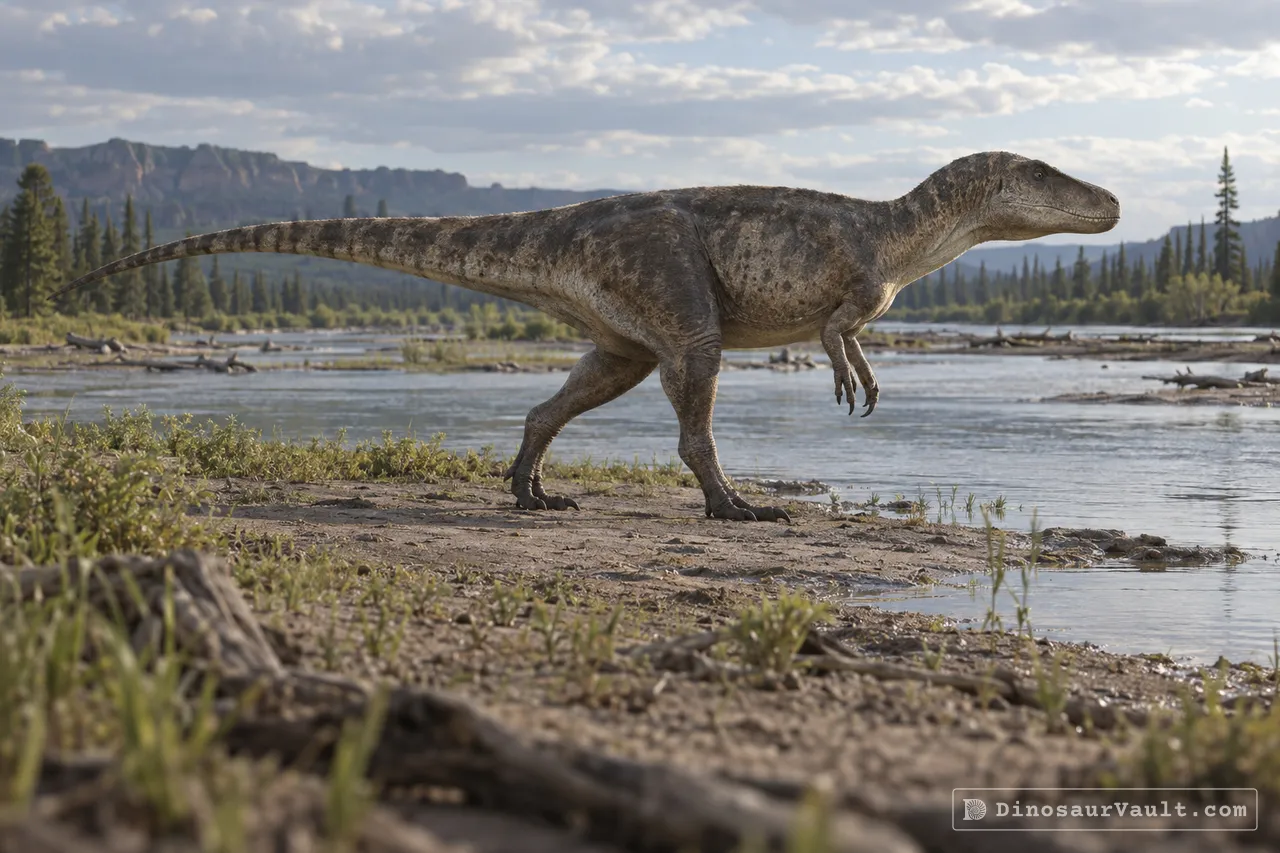
Siats was a large two-legged meat eater known from part of one skeleton. It was probably a megaraptoran, a group of hunters with big hand claws, though scientists disagree about where it fits.
Its world
It lived in the Late Cretaceous, around 94 million years ago, in what is now Utah. Its bones come from the Cedar Mountain Formation. At the time, tyrannosaurs in North America were still small, and Siats may have been one of the top hunters.
How it was found
Zanno and Makovicky named Siats in 2013. The name comes from a monster in the legends of the local native people. Only one find is known.
Field gallery
More views of Siats
Scenes reconstructed from the available fossil evidence.
1 of 3
Lived alongside
Found in the same rock formations
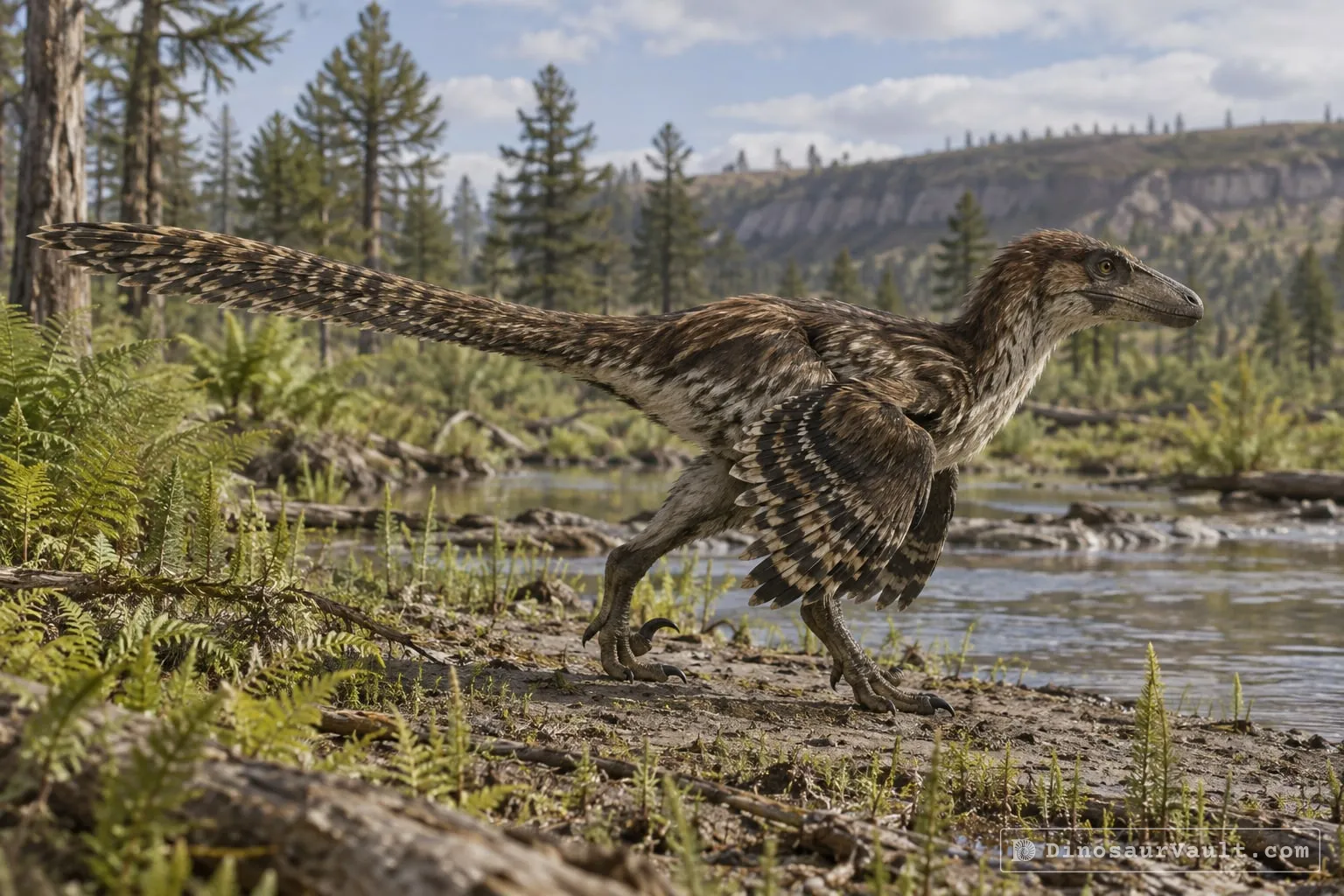
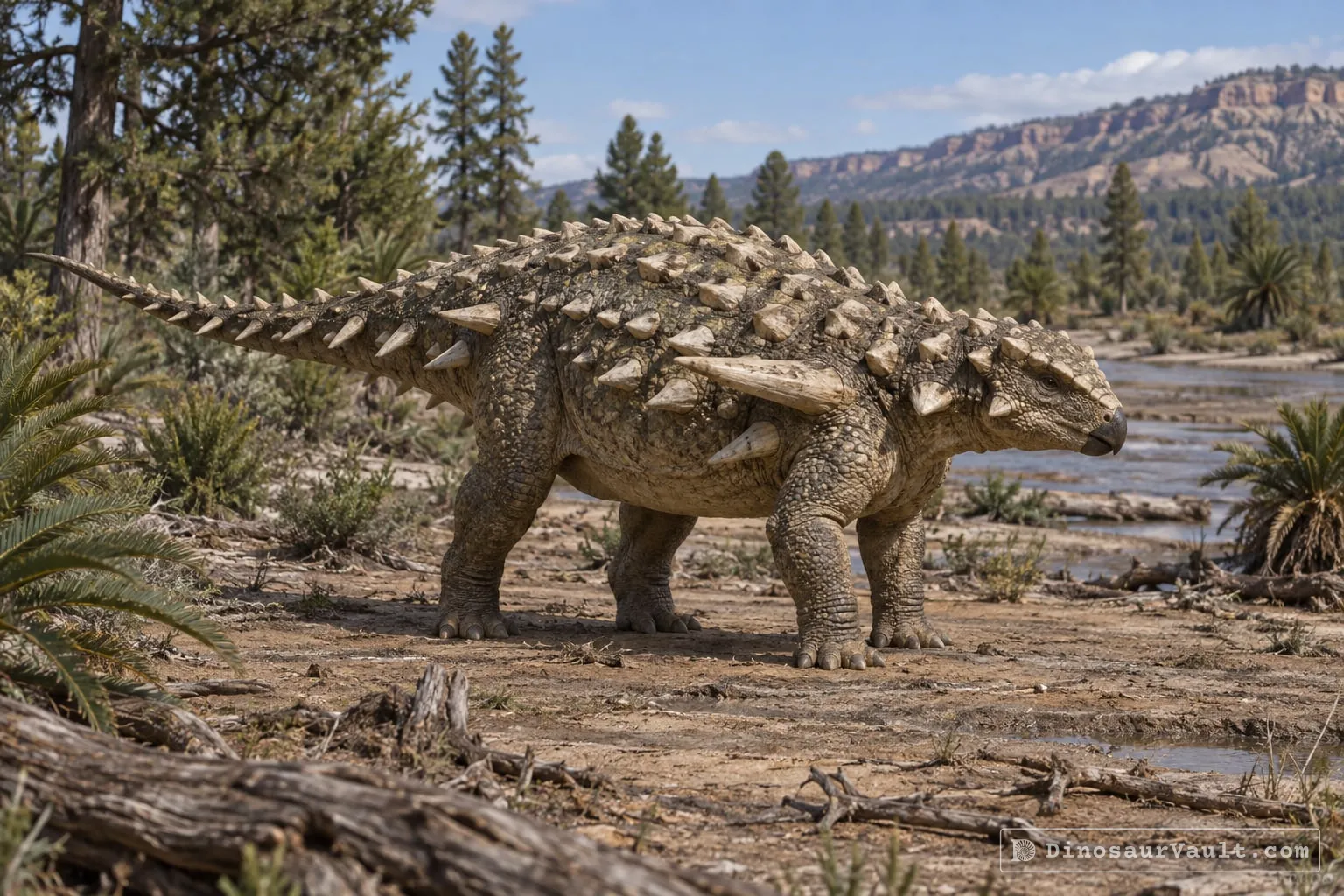
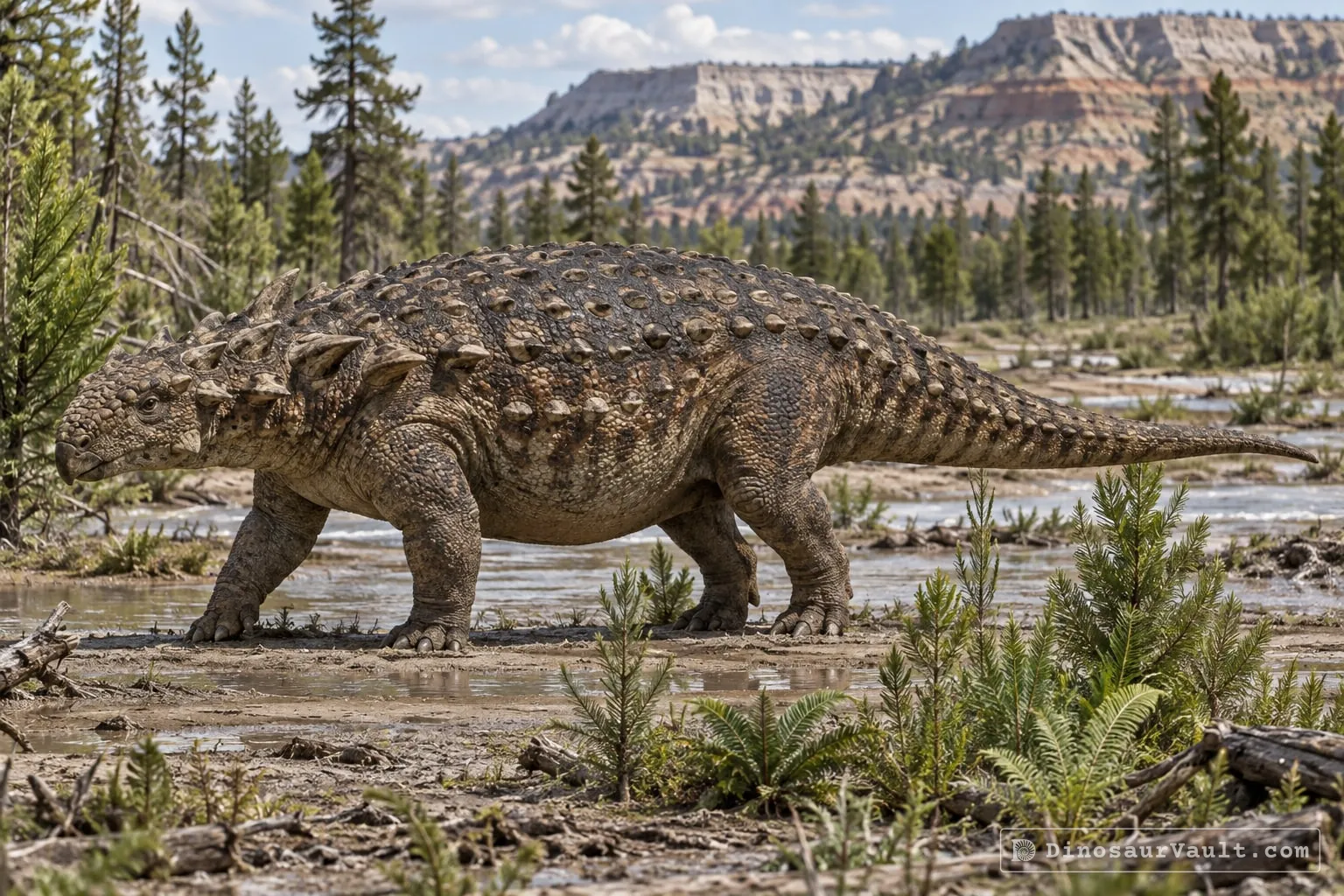
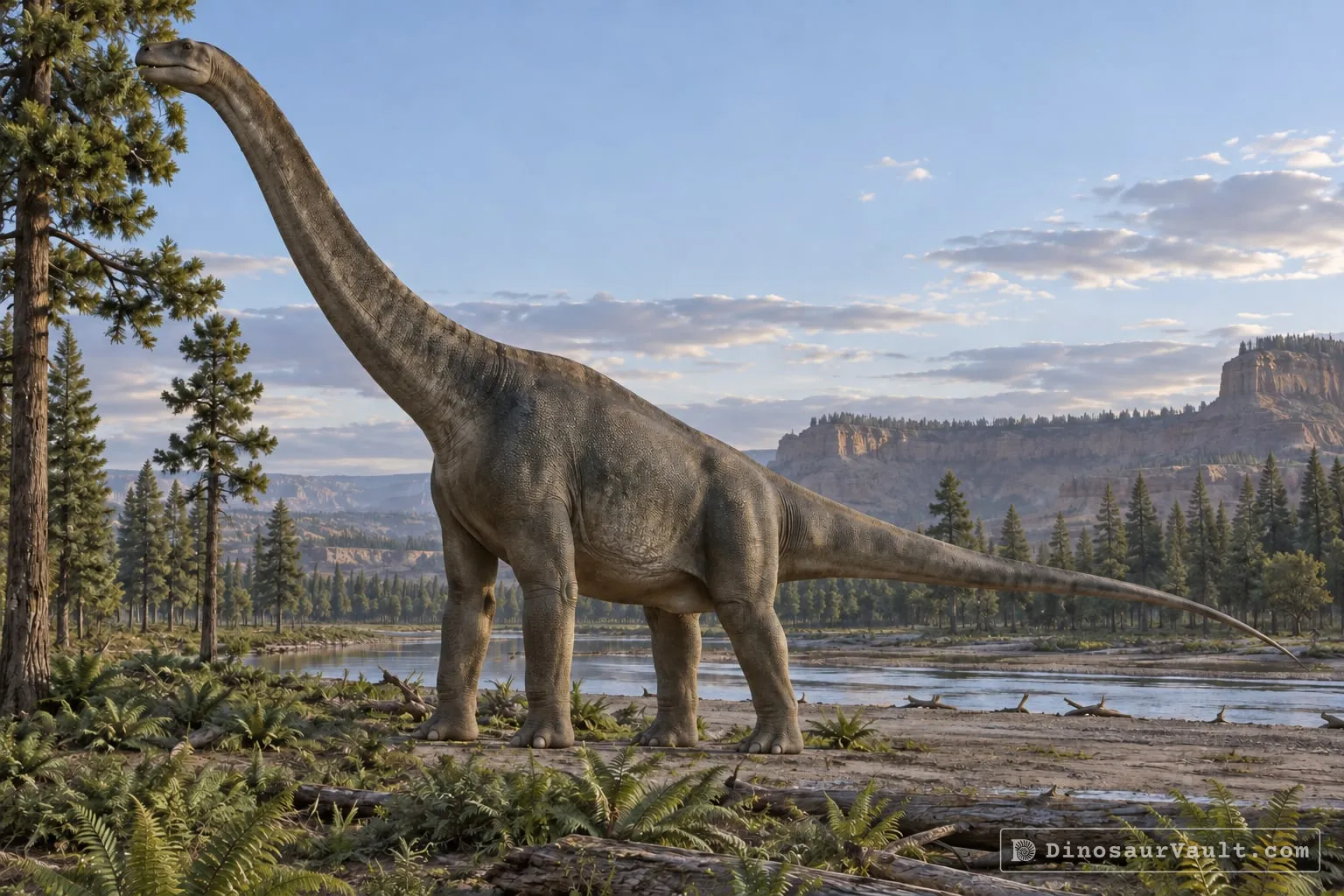
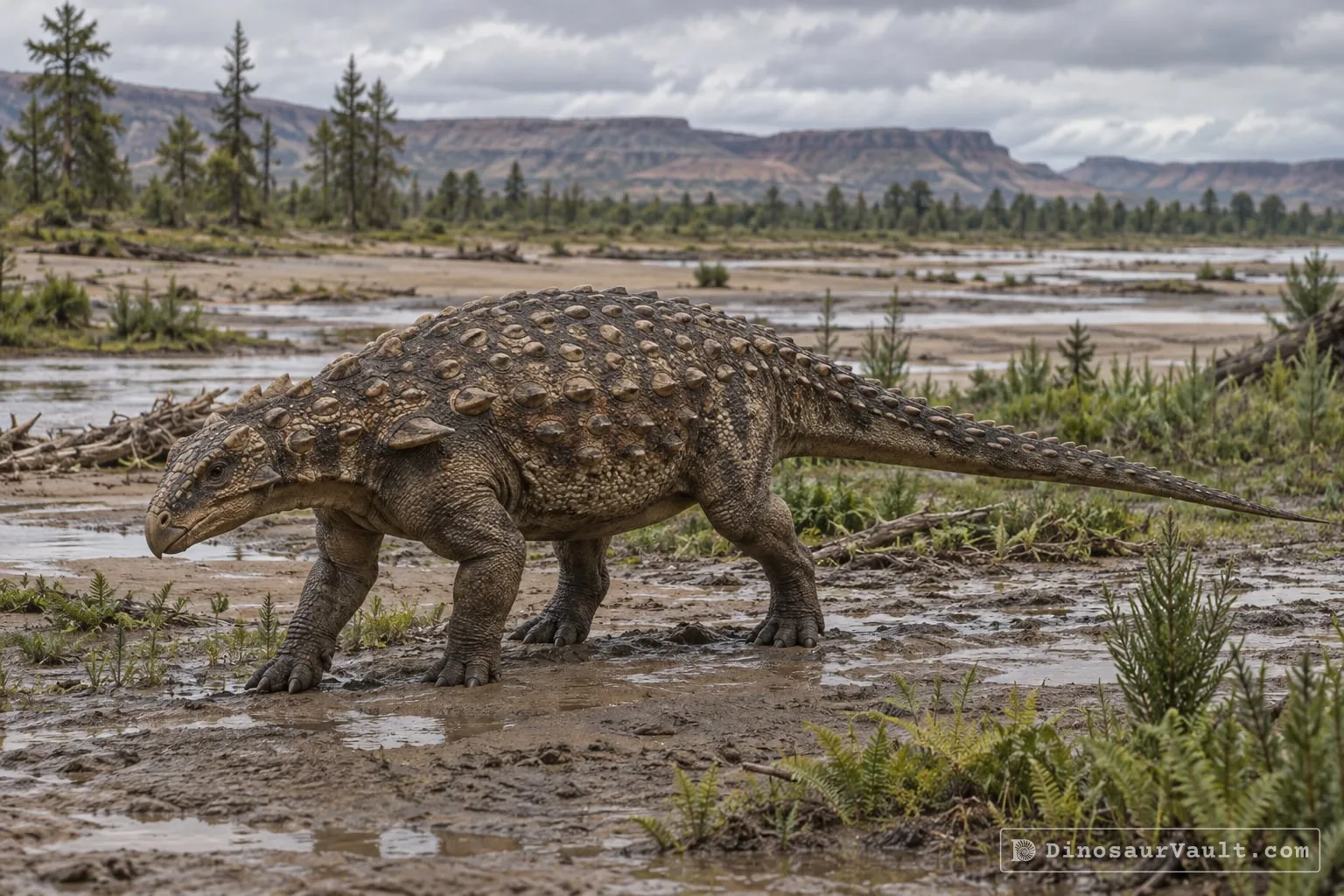
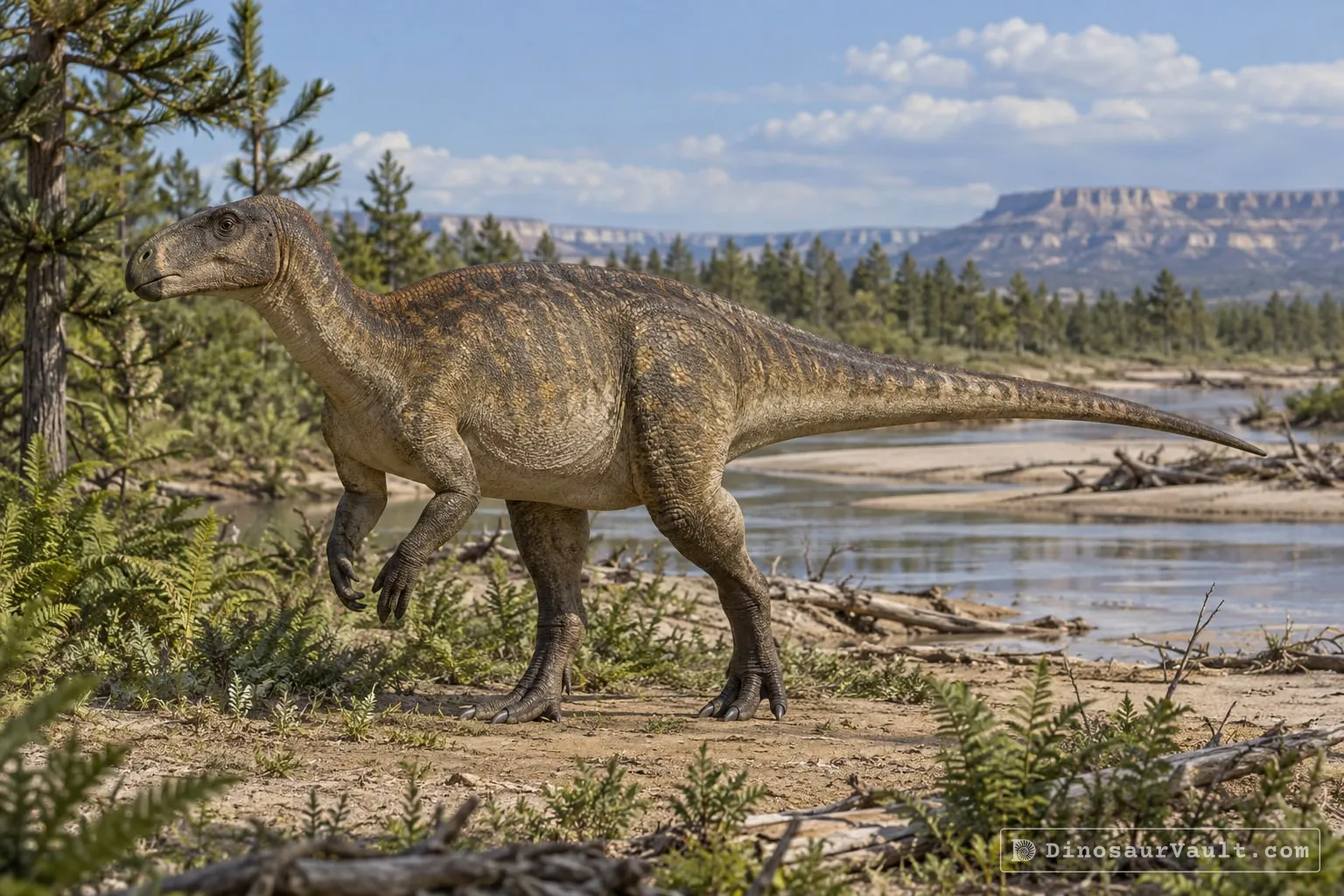
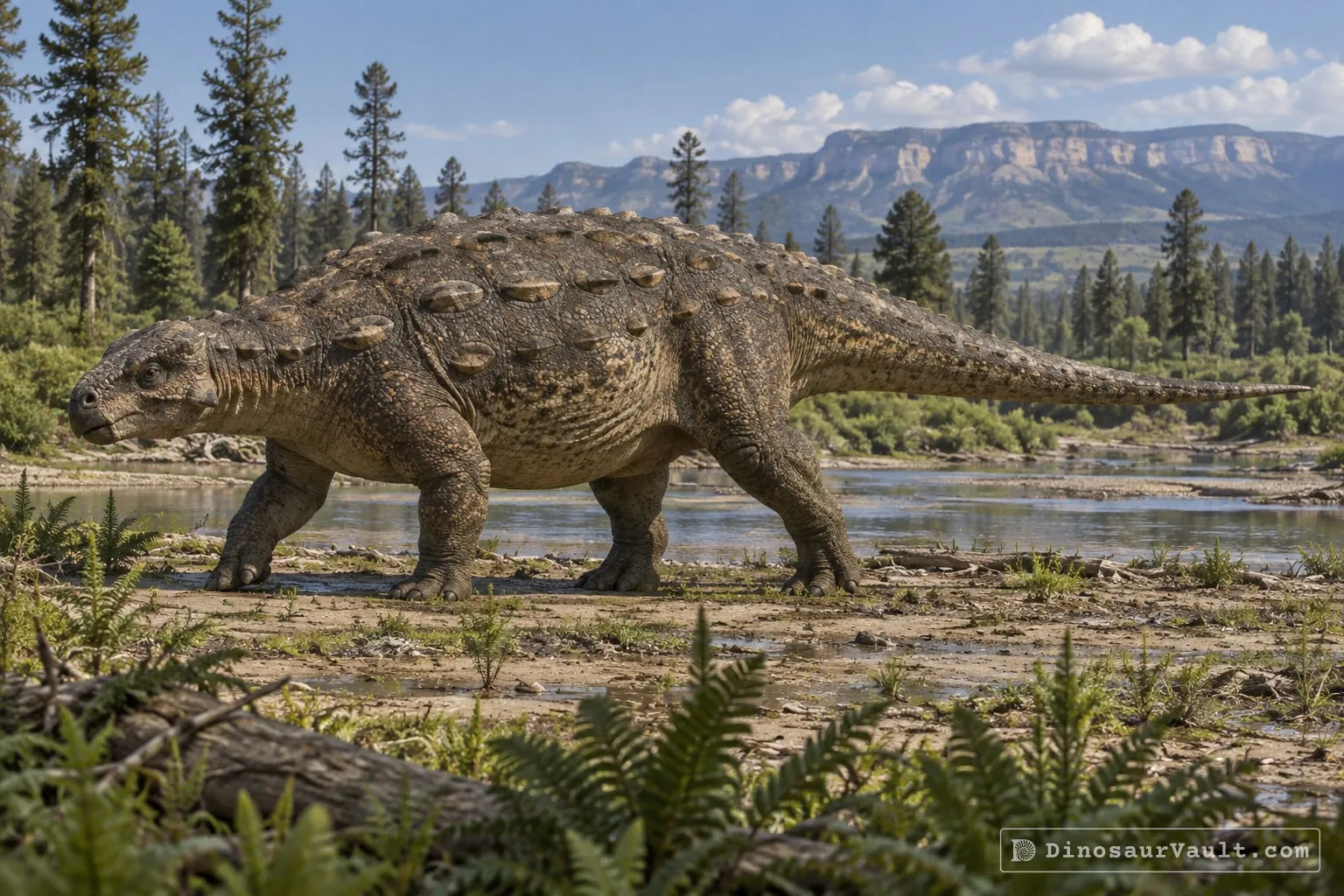
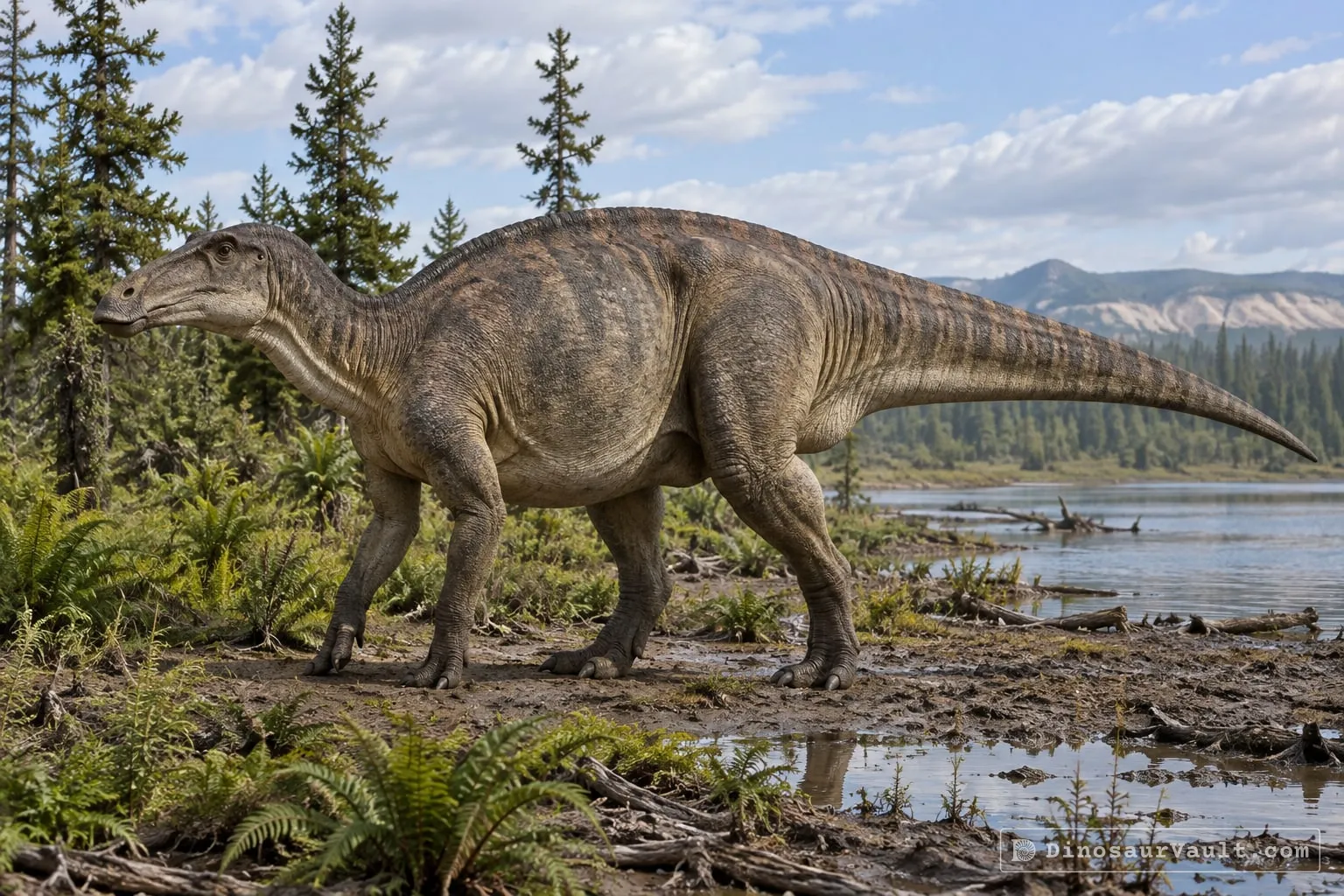


A rock formation can hold fossils laid down millions of years apart, so not every animal here met Siats.
The evidence
The science behind Siats
Which parts of the picture come from its own bones, and which come from its relatives.
From its own fossils
- An incomplete skeleton preserves parts of the backbone, hips and hindlimbs.
- Low bony spines along the preserved back vertebrae support an ordinary back outline.
Borrowed from relatives
- Megaraptor and Neovenator provide alternative comparisons for the missing head and jaws.
- The arms and missing body regions follow general theropod anatomy and comparisons with those genera.
Still unknown
- Its exact place in the theropod family tree.
- The shape of its skull and the size of its hand claws.
- Its full-grown size and skin covering.
Often drawn wrong
- It should not have a tall back sail like the ridge of Acrocanthosaurus.
- Giant hand claws copied from Megaraptor are speculative additions.
Discovery timeline
- 2013Named itZanno & Makovicky
- 2014Family treePorfiri et al.
- 2017Same rocksMcDonald et al.
- 2025Family treeKellermann, Cuesta & Rauhut
Key papers
The research behind what we know of Siats
Named it
Named Siats from a large, still-growing theropod skeleton and proposed that allosauroid predators persisted alongside small tyrannosaurs in North America.
Neovenatorid theropods are apex predators in the Late Cretaceous of North America. Nature Communications 4
Read the paper : Neovenatorid theropods are apex predators in the Late Cretaceous of North America (opens in a new tab)Family tree
Compared Siats with Megaraptor and argued that differences in the backbone, hip and lower leg challenged a megaraptoran classification.
Juvenile specimen of Megaraptor (Dinosauria, Theropoda) sheds light about tyrannosauroid radiation. Cretaceous Research 51: 35-55
Read the paper : Juvenile specimen of Megaraptor (Dinosauria, Theropoda) sheds light about tyrannosauroid radiation (opens in a new tab)Same rocks
Described an Eolambia skeleton with a well-preserved pelvis from the same part of the formation that yielded Siats.
Anatomy, taphonomy, and phylogenetic implications of a new specimen of Eolambia caroljonesa (Dinosauria: Ornithopoda) from the Cedar Mountain Formation, Utah, USA. PLOS ONE 12: e0176896
Read the paper : Anatomy, taphonomy, and phylogenetic implications of a new specimen of Eolambia caroljonesa (Dinosauria: Ornithopoda) from the Cedar Mountain Formation, Utah, USA (opens in a new tab)Family tree
Recovered Siats within the megaraptoran group in its family-tree analyses, offering another interpretation of its relationships.
Re-evaluation of the Bahariya Formation carcharodontosaurid (Dinosauria: Theropoda) and its implications for allosauroid phylogeny. PLOS ONE 20: e0311096
Read the paper : Re-evaluation of the Bahariya Formation carcharodontosaurid (Dinosauria: Theropoda) and its implications for allosauroid phylogeny (opens in a new tab)
Close relatives
Other members of Megaraptora


Sources: Wikidata