Cedarpelta
"Cedar shield"
- Lived
- 121 to 101 million years ago, Early Cretaceous
- Diet
- Herbivore
- Length
- estimates range from 7.5 to 8.5 m (25 to 28 ft)
- Group
- Ankylosaurs, Ankylosauridae
- Found in
- United States
- Named by
- Carpenter et al. 2001
Where its fossils were found
The evidence
Today

110 million years ago
Habitat
It lived on land in Utah, where the Cedar Mountain Formation preserves dark, plant-rich mudstones. Peloroplites and Abydosaurus also come from this formation.
Field notes
About Cedarpelta
What it was like
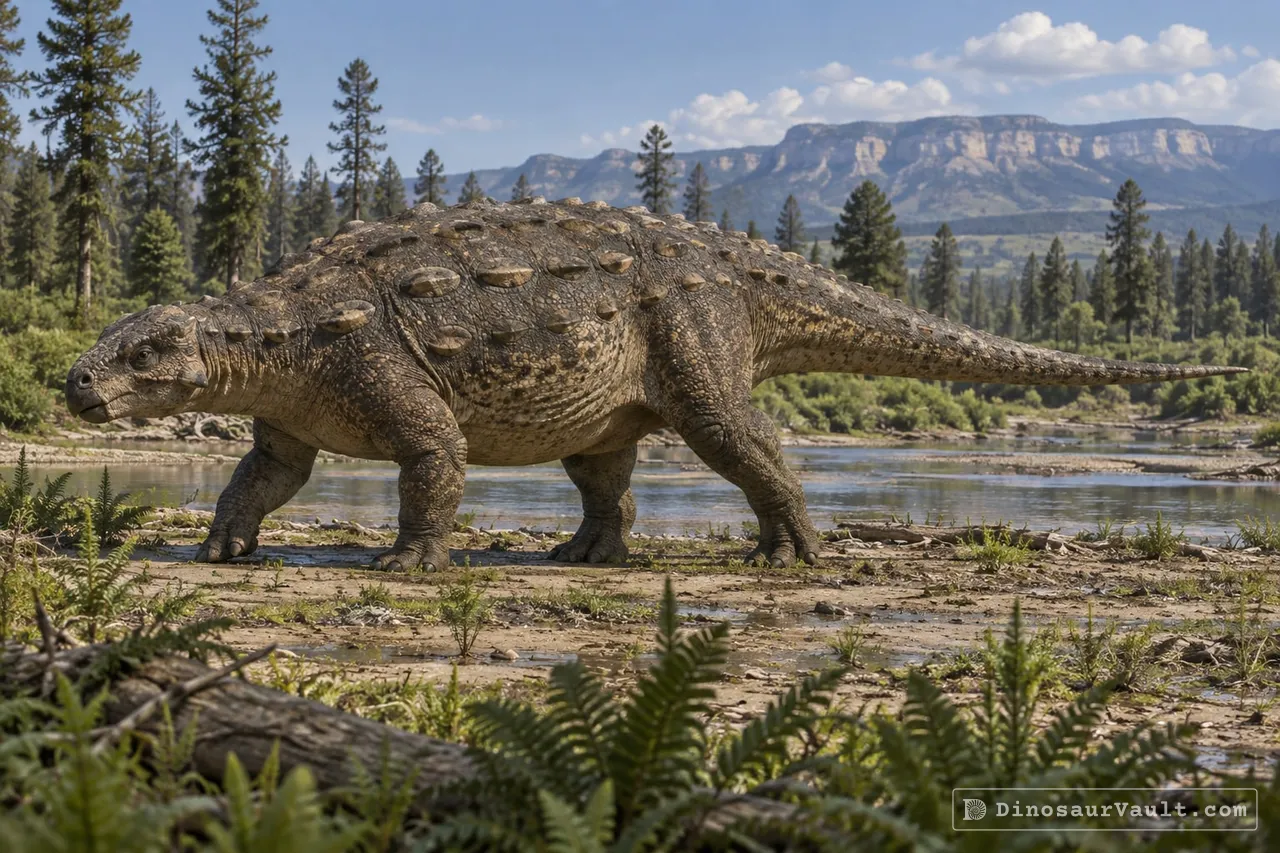
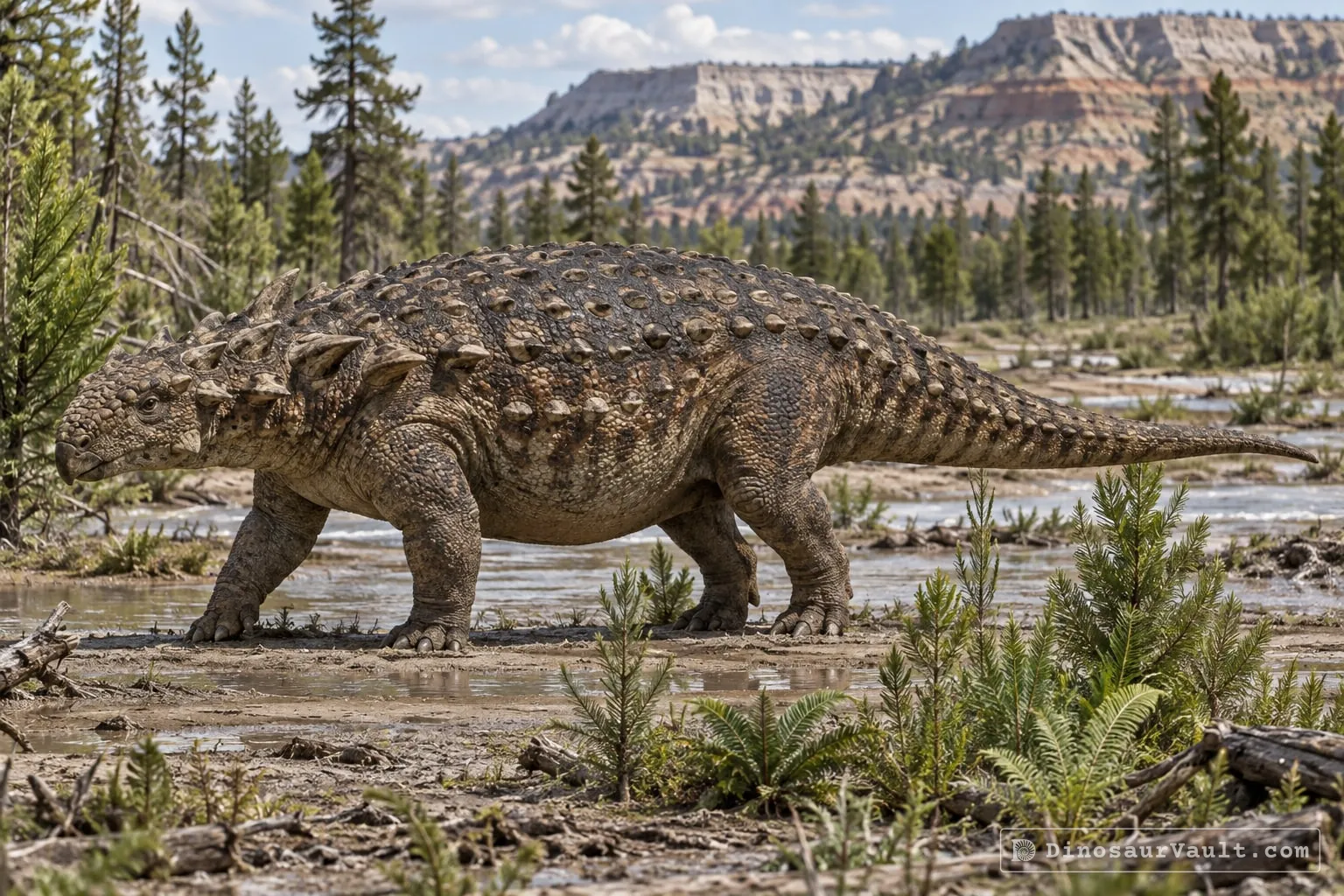
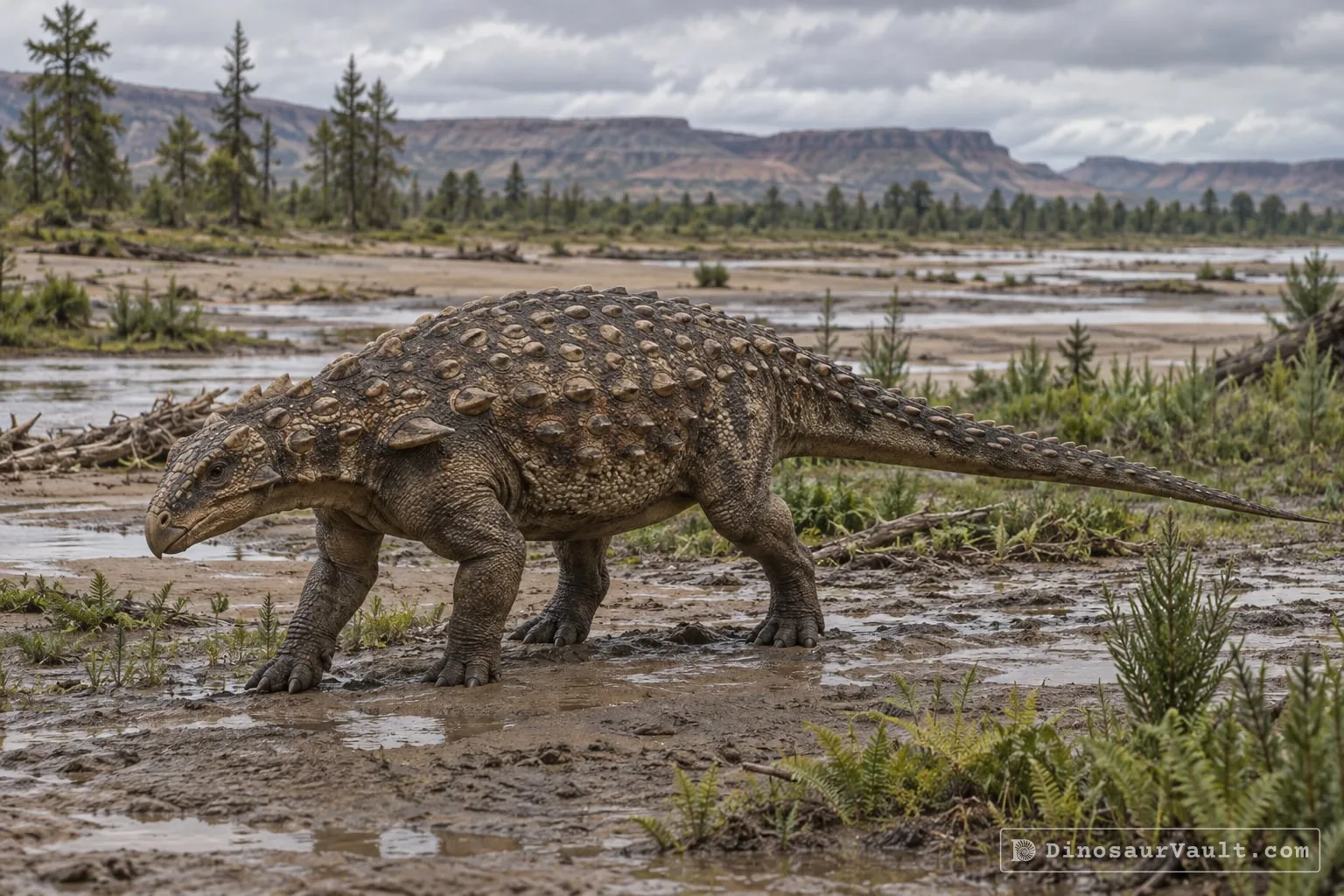
Cedarpelta was a large, early ankylosaur, an armored plant eater. Published reconstructions put its length at about 7.5 to 8.5 meters (25 to 28 feet), although the known skulls are immature and its adult maximum remains uncertain. No tail club is known for it, and the plates on its skull were not fused as tightly.
It is known from bones of several animals, including parts of the skull.
Its world
It lived in the Cretaceous in what is now Utah, in the United States. Its bones come from the Cedar Mountain Formation.
How it was found
Carpenter and colleagues named Cedarpelta in 2001. Its bones were found jumbled together in a single quarry, where the skull bones had come apart before they became fossils.
Field gallery
More views of Cedarpelta
Scenes reconstructed from the available fossil evidence.
1 of 3
Lived alongside
Found in the same rock formations
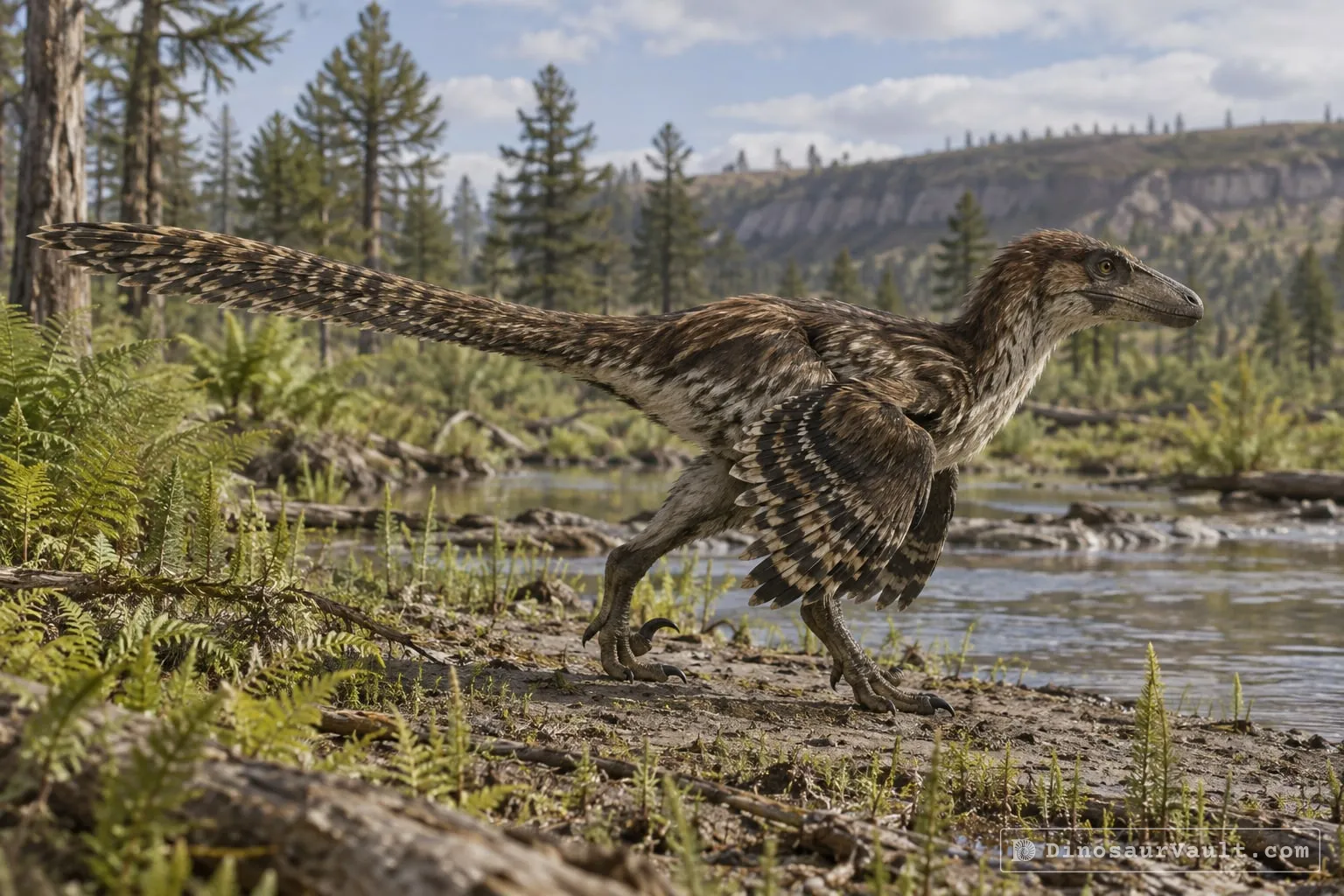
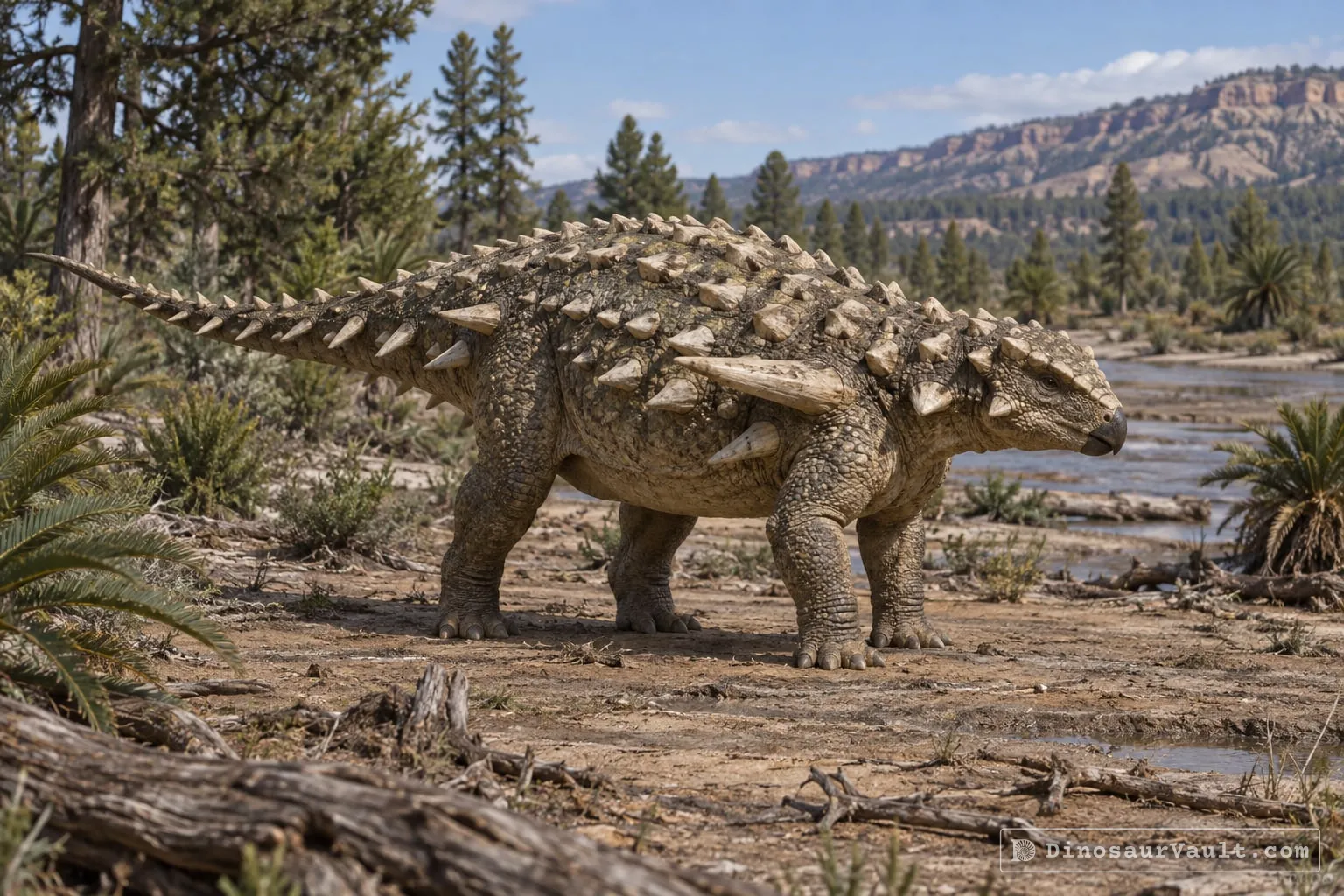
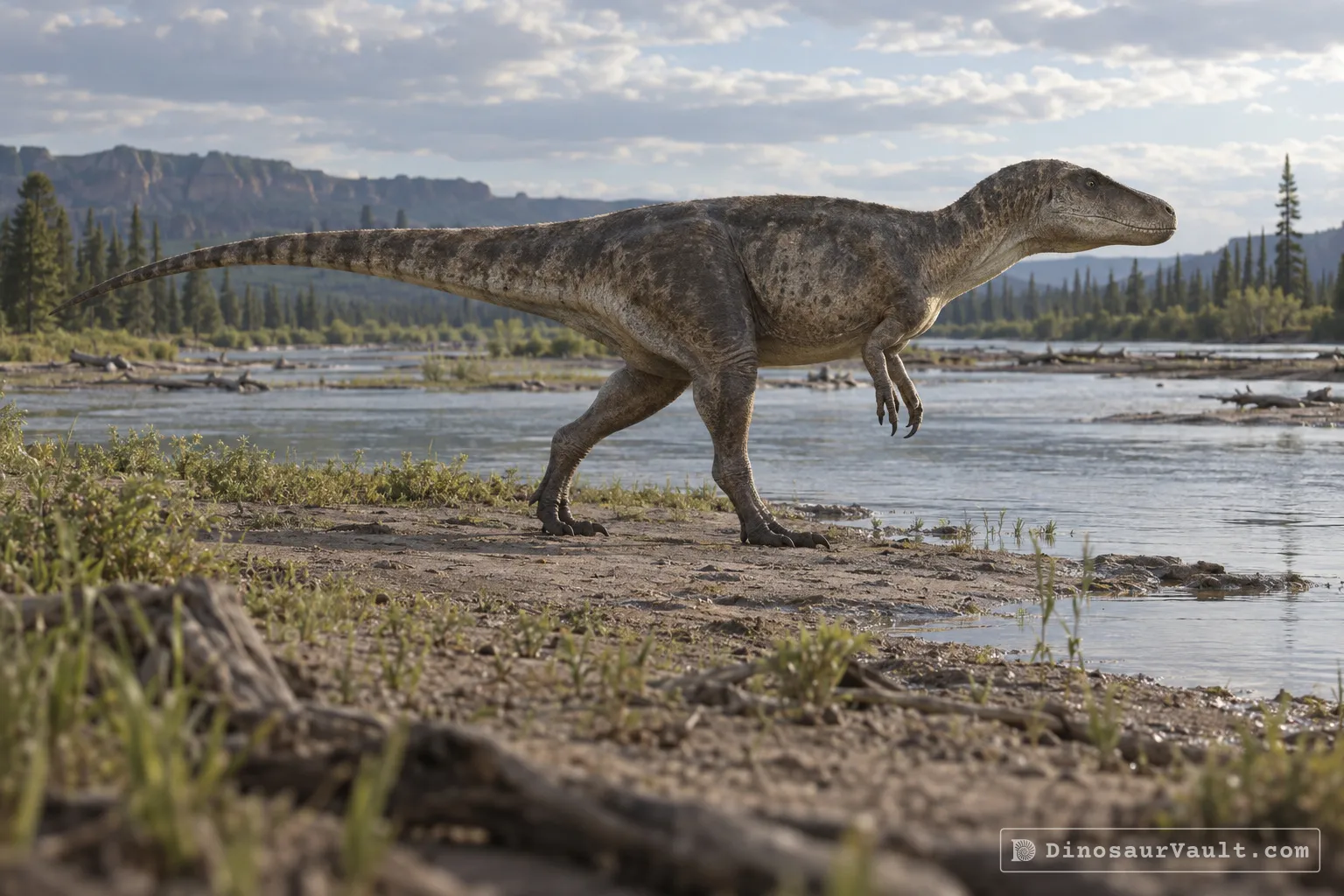
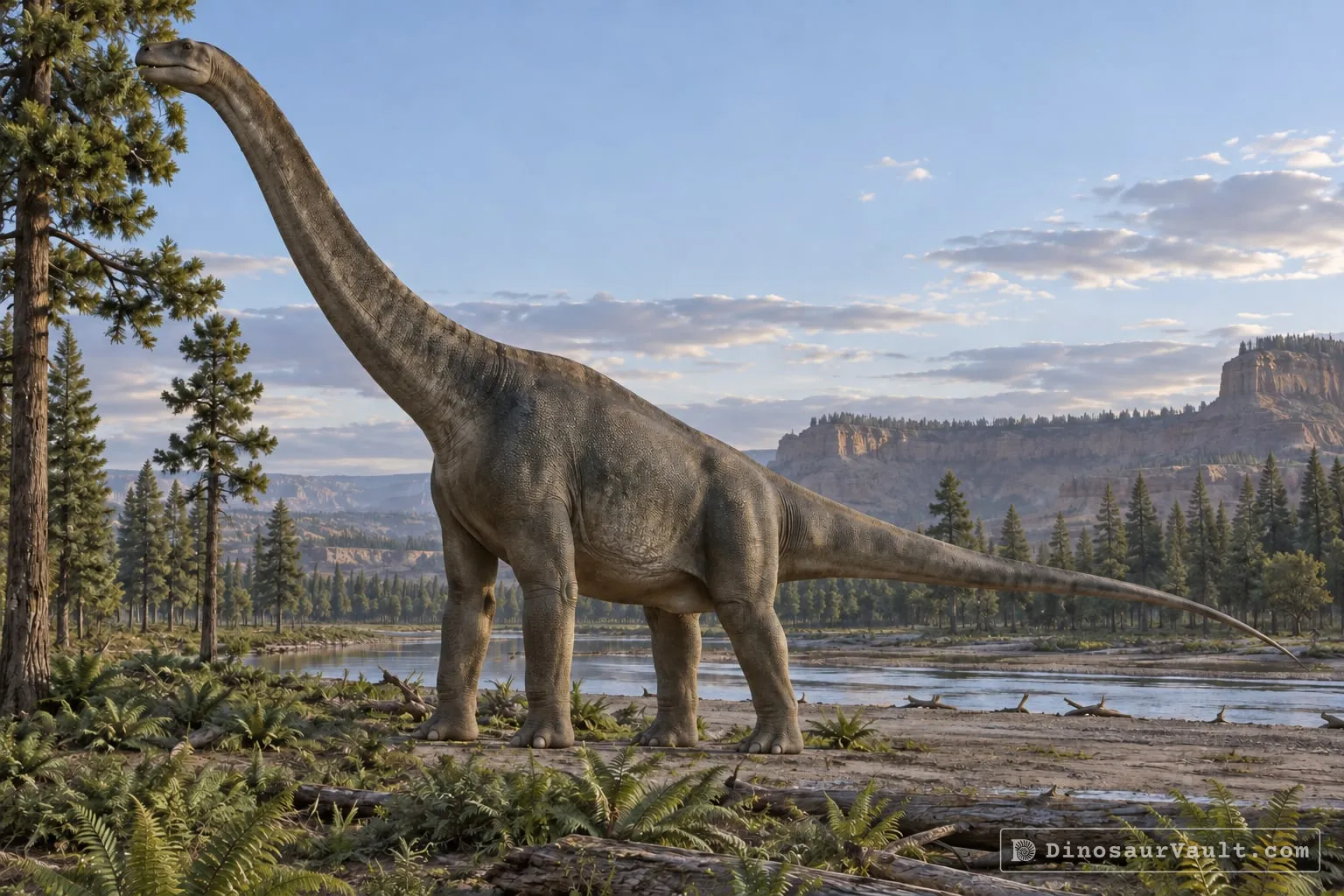
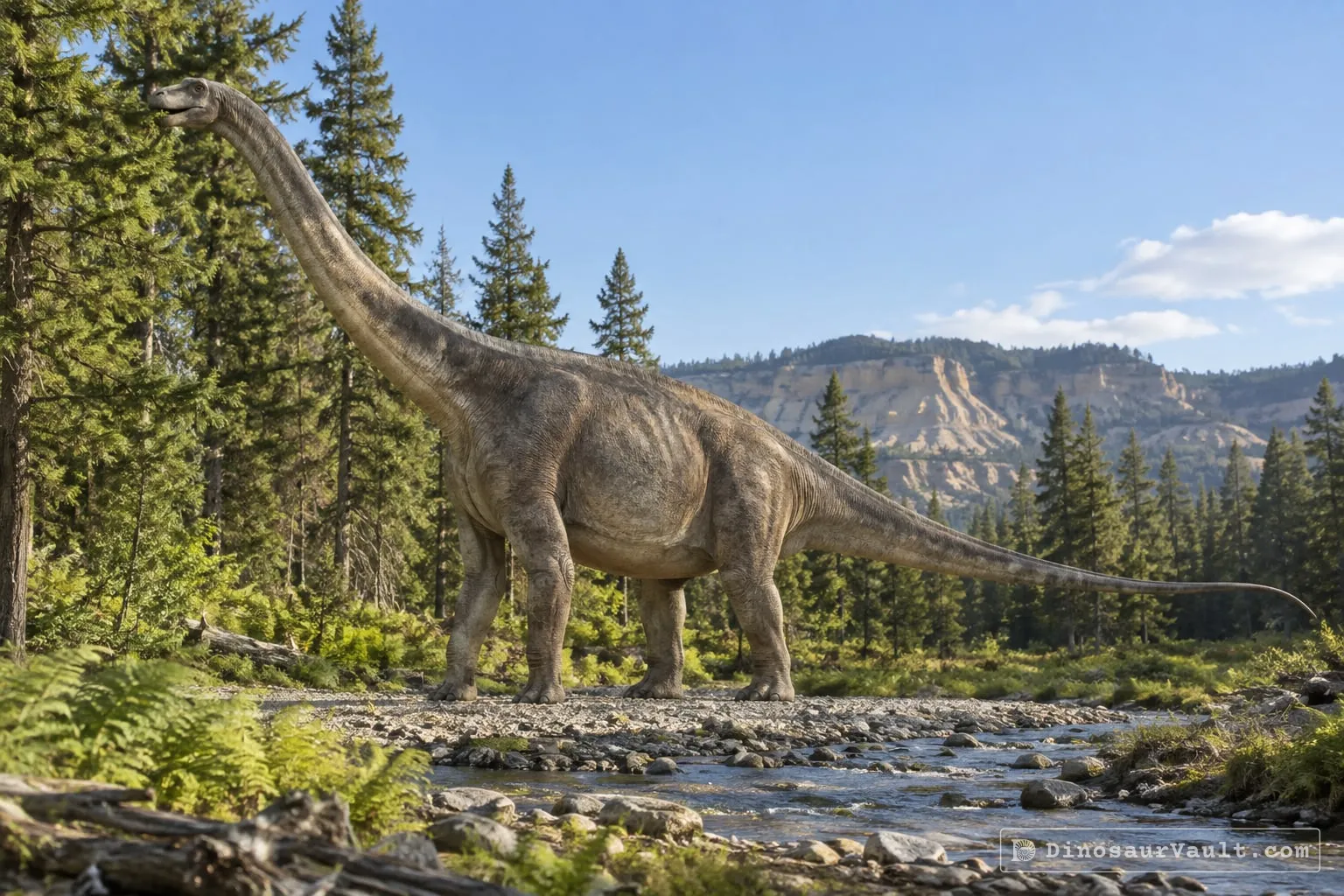


A rock formation can hold fossils laid down millions of years apart, so not every animal here met Cedarpelta.
The evidence
The science behind Cedarpelta
Which parts of the picture come from its own bones, and which come from its relatives.
From its own fossils
- Partial skulls include one whose bones separated before burial, exposing the individual bones of the head.
- Teeth grew at the front of the upper jaw, unlike in later ankylosaurs.
- Bones of the neck, tail, shoulder, hips and legs show a large armored animal with stout limbs.
Borrowed from relatives
- Missing parts of the body are restored using other ankylosaurs, including Ankylosaurus and Euoplocephalus.
Still unknown
- Whether its tail ended in a club.
- The complete arrangement of its body armor.
- Its color.
Discovery timeline
- 2001Named itCarpenter et al.
- 2008Full descriptionCarpenter et al.
- 2015Family treeArbour & Currie
Key papers
The research behind what we know of Cedarpelta
Named it
Named Cedarpelta from skull material, including a skull whose separated bones offered a rare view inside an ankylosaur's head.
Disarticulated skull of a new primitive ankylosaurid from the Lower Cretaceous of eastern Utah. The Armored Dinosaurs. Indiana University Press, Bloomington.
No link available
Full description
Described Cedarpelta body bones and new material, supporting its relationship to Ankylosaurus rather than Sauropelta.
Ankylosaurs from the Price River Quarries, Cedar Mountain Formation (Lower Cretaceous), east-central Utah. Journal of Vertebrate Paleontology 28: 1089-1101
Read the paper : Ankylosaurs from the Price River Quarries, Cedar Mountain Formation (Lower Cretaceous), east-central Utah (opens in a new tab)Family tree
Found that tail clubs evolved in stages, while Cedarpelta's missing tail tip leaves its club status unresolved.
Ankylosaurid dinosaur tail clubs evolved through stepwise acquisition of key features. Journal of Anatomy 227: 514-523
Read the paper : Ankylosaurid dinosaur tail clubs evolved through stepwise acquisition of key features (opens in a new tab)
Close relatives
Other members of Ankylosauridae


Sources: Wikidata