Iani
- Lived
- 101 to 94 million years ago, Late Cretaceous
- Diet
- Herbivore
- Group
- Ornithopods, Tenontosauridae
- Found in
- United States
- Named by
- Zanno et al. 2023
Where its fossils were found
The evidence
Today

95 million years ago
Habitat
A wet coastal delta plain in Utah, with brackish groundwater and some tidal influence. Eolambia, Animantarx and Siats lived in the same part of the Cedar Mountain Formation.
Field notes
About Iani
What it was like
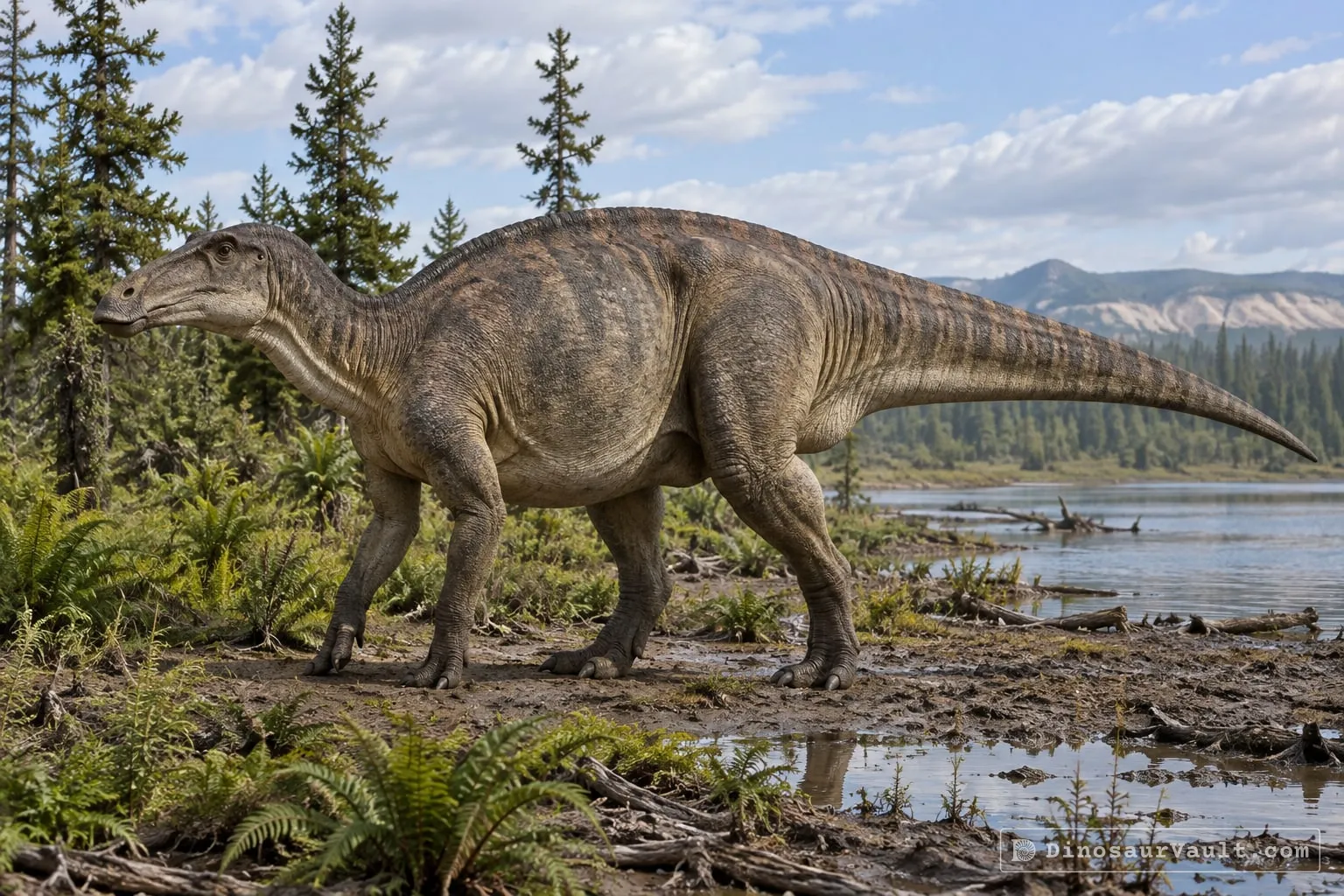
Iani was a plant eater related to Tenontosaurus. It is known from a partial skeleton with a skull, and it had strong jaws built for chewing.
Its world
It lived about 101 to 94 million years ago, in the Late Cretaceous, in what is now Utah. It comes from the Cedar Mountain Formation. It lived at a time when the kinds of plant eaters in North America were changing fast.
How it was found
Zanno and colleagues named Iani in 2023. The name comes from an ancient god of change and doorways.
Field gallery
More views of Iani
Scenes reconstructed from the available fossil evidence.
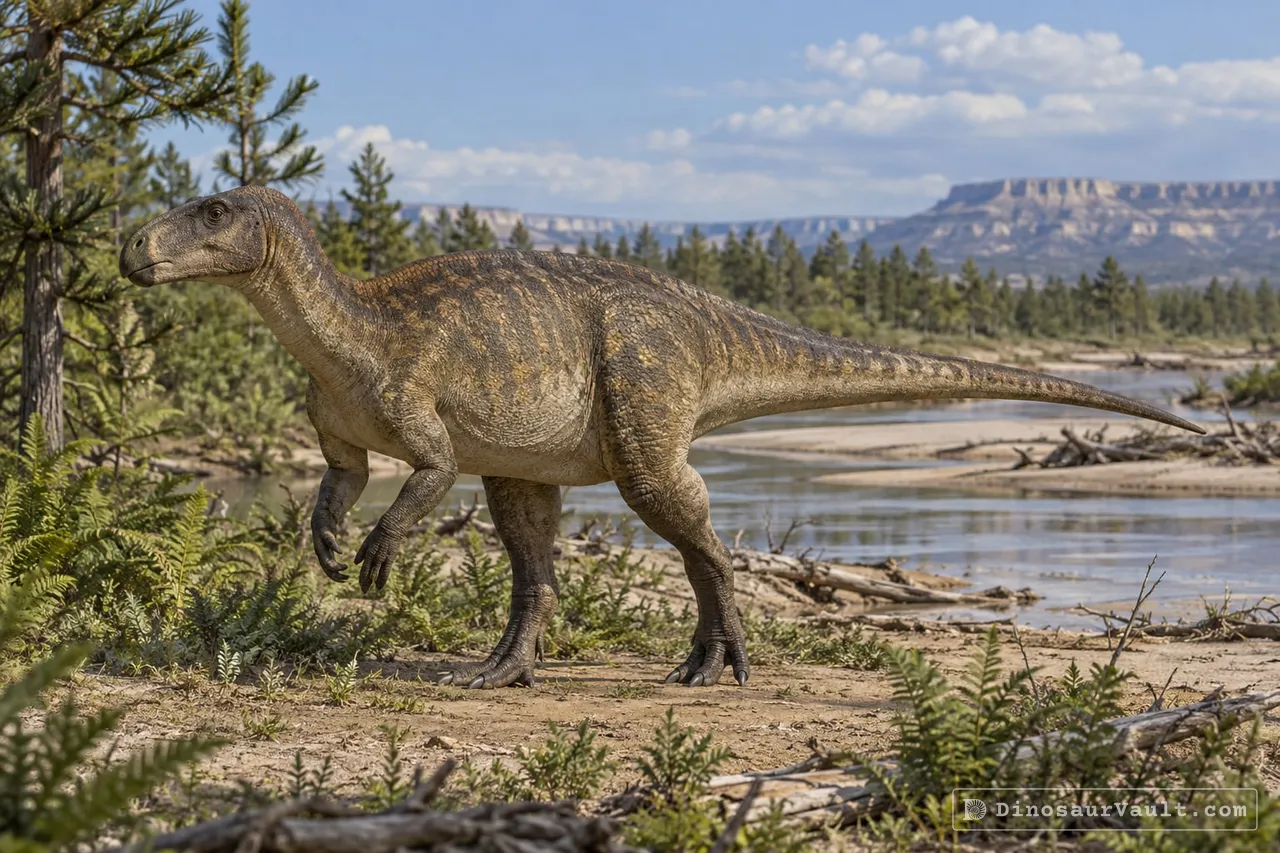
1 of 3
Lived alongside
Found in the same rock formations
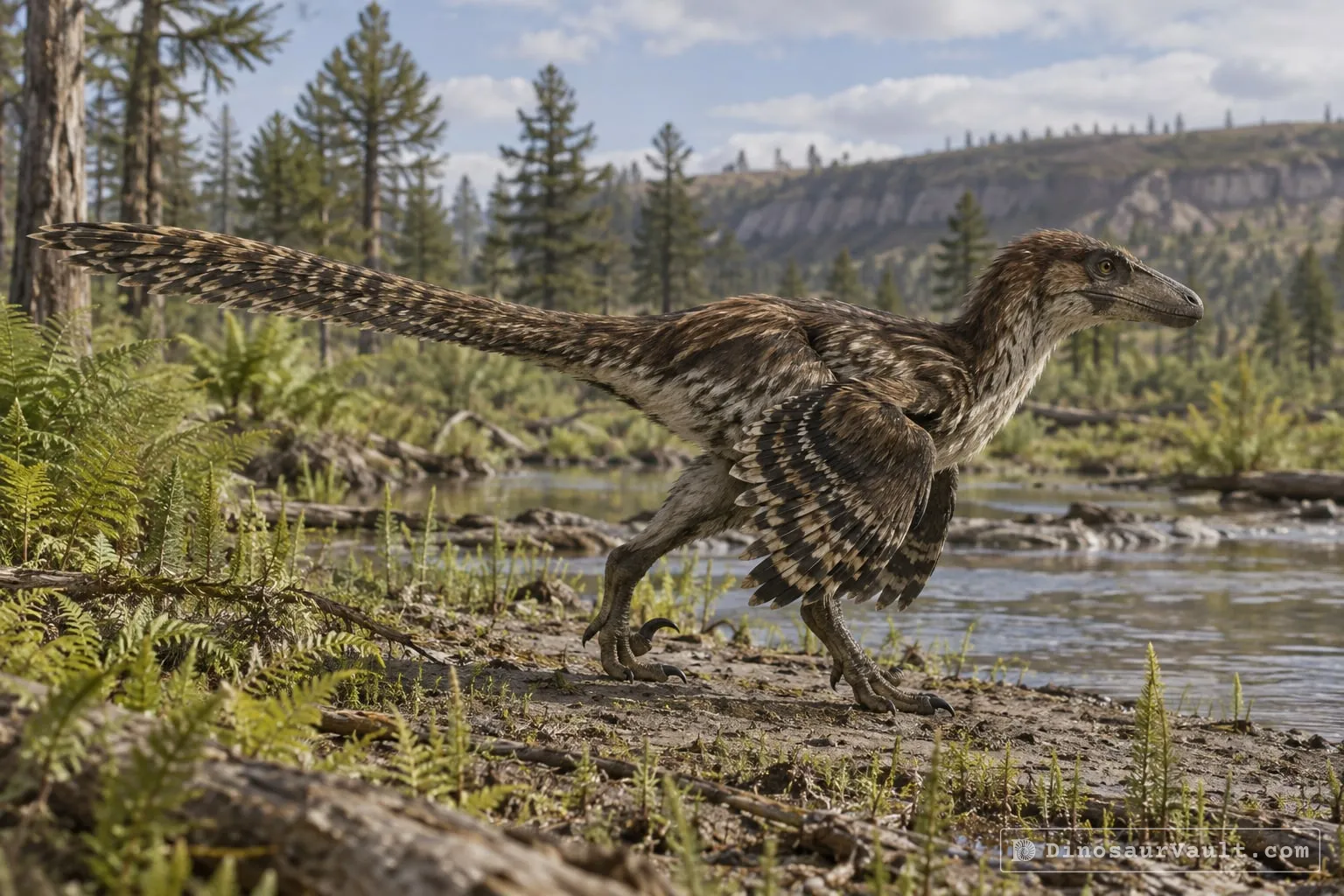
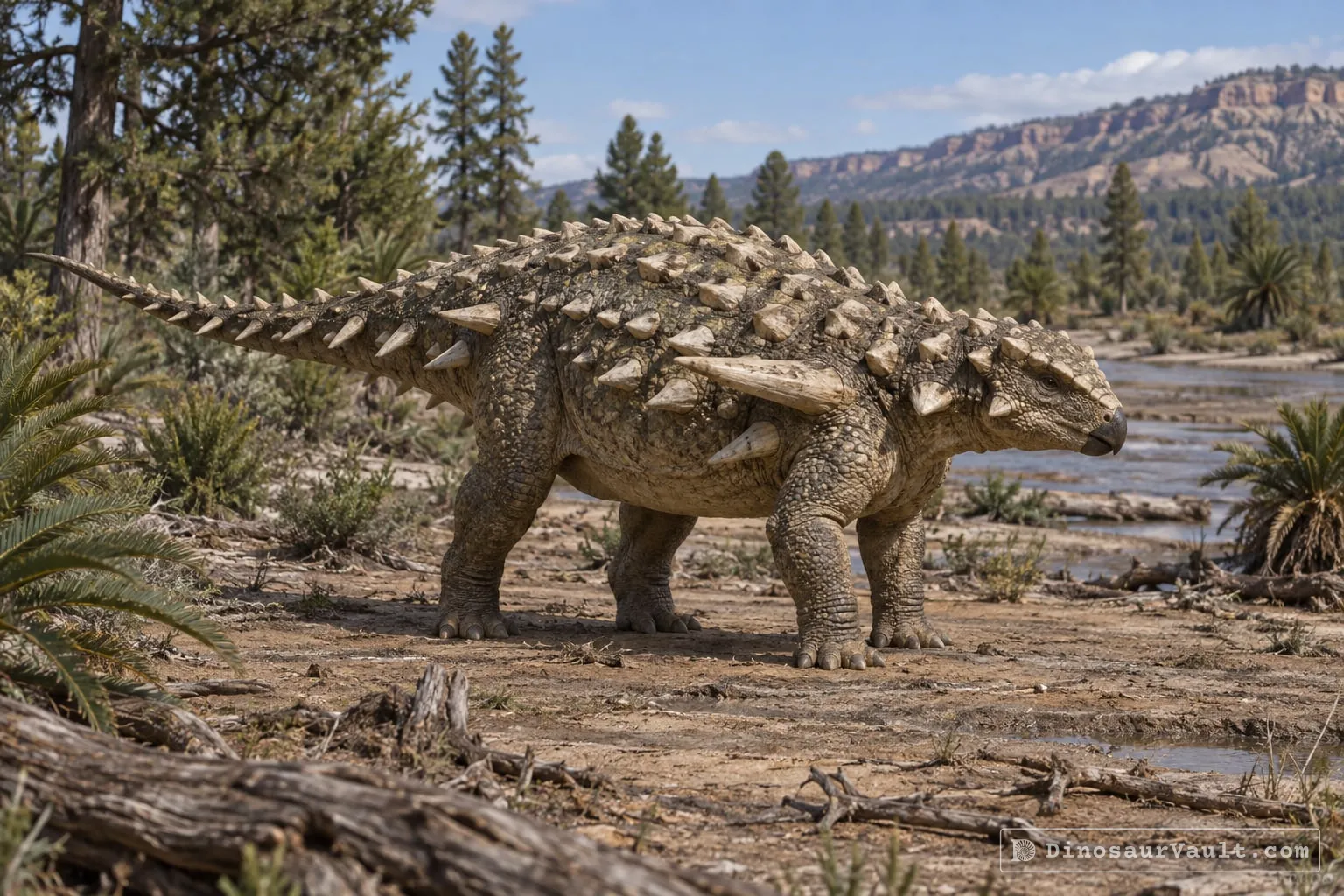
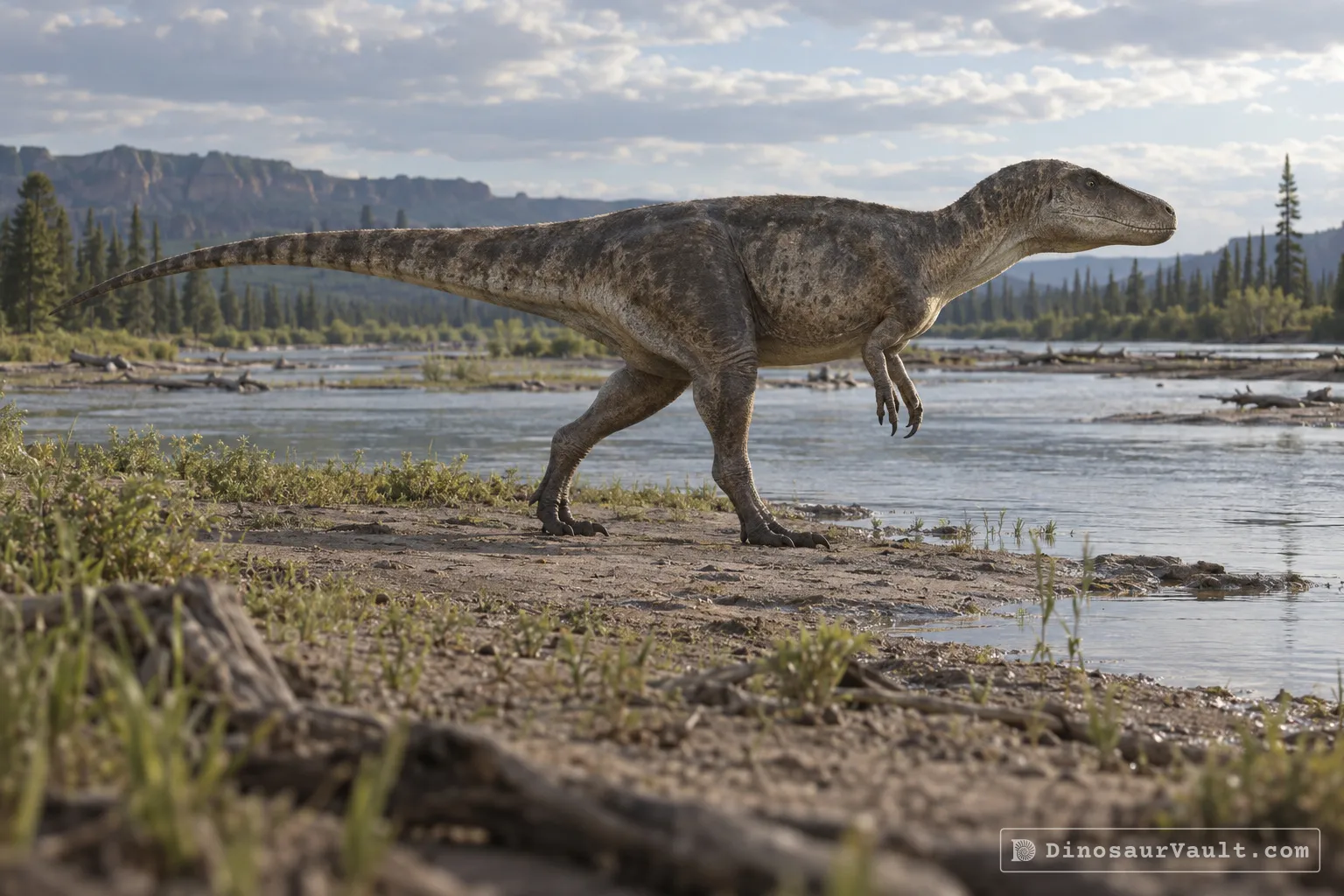
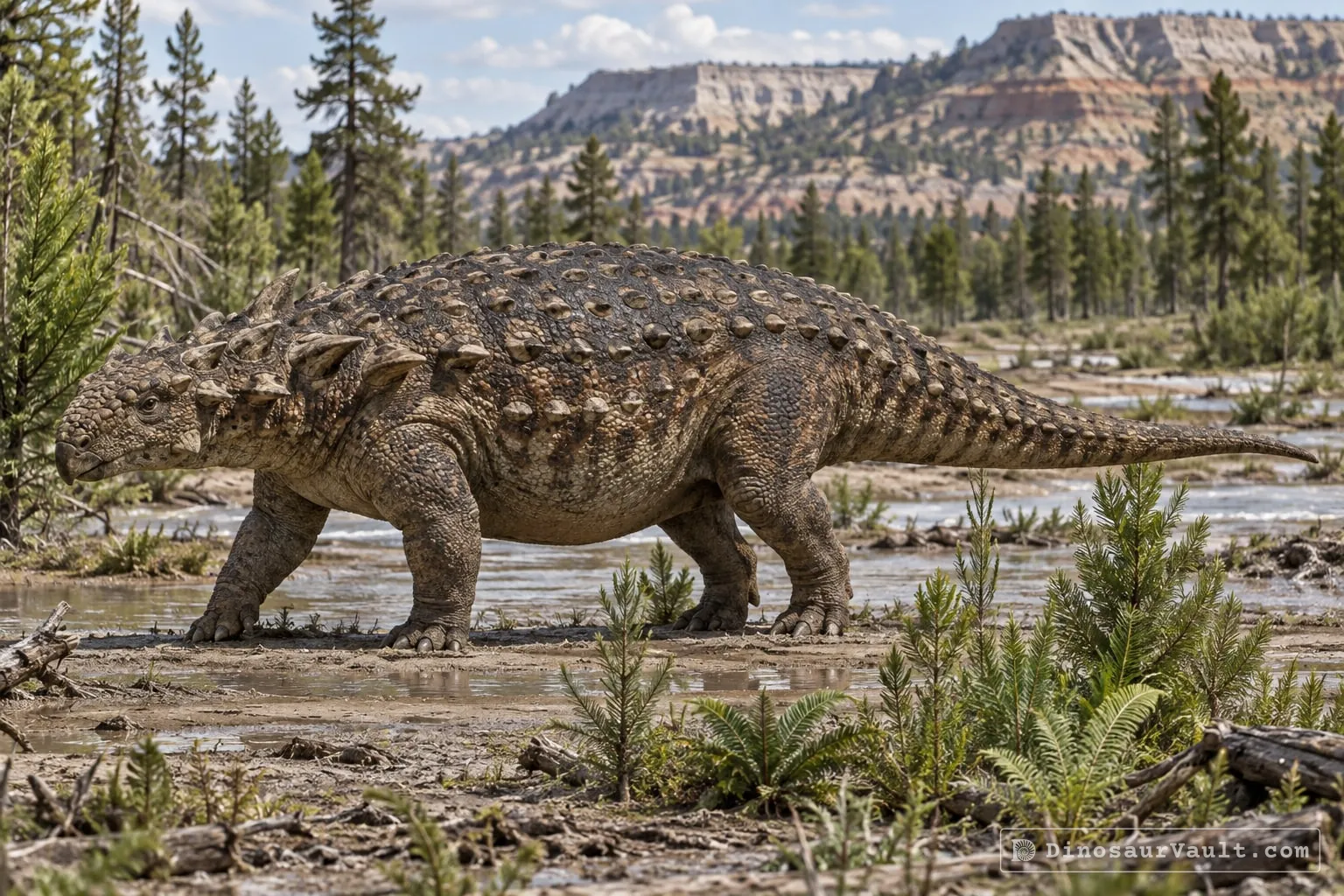
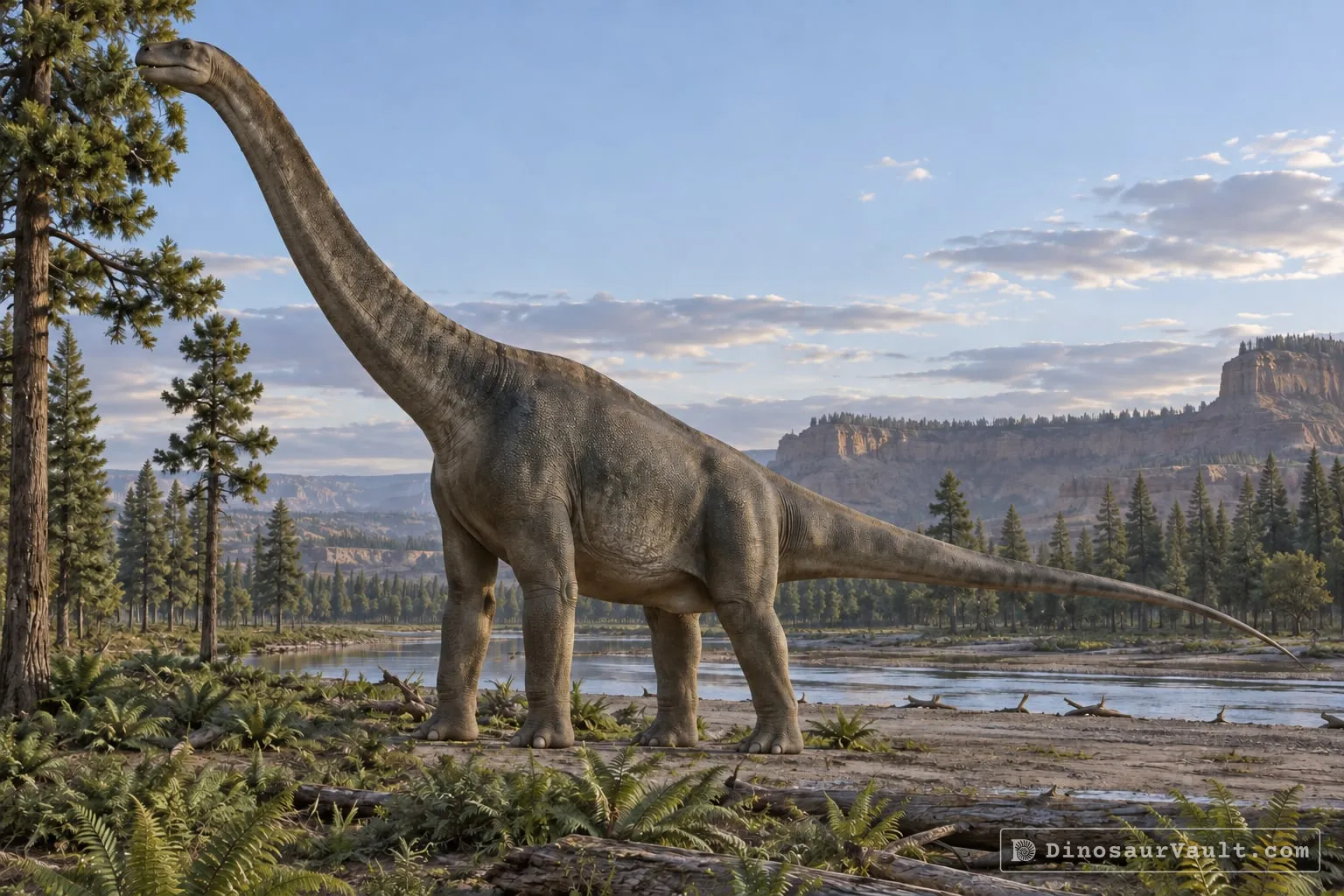
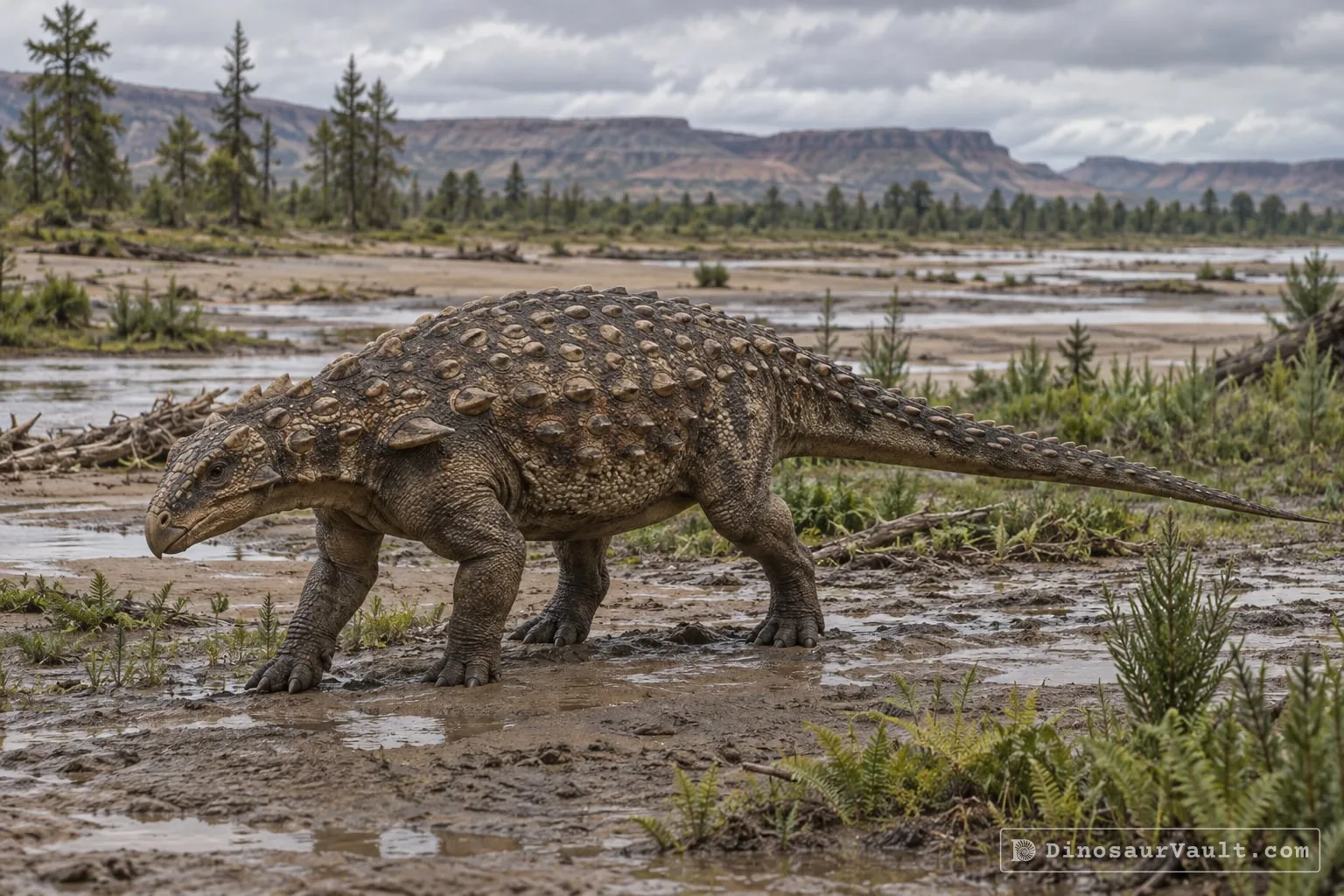
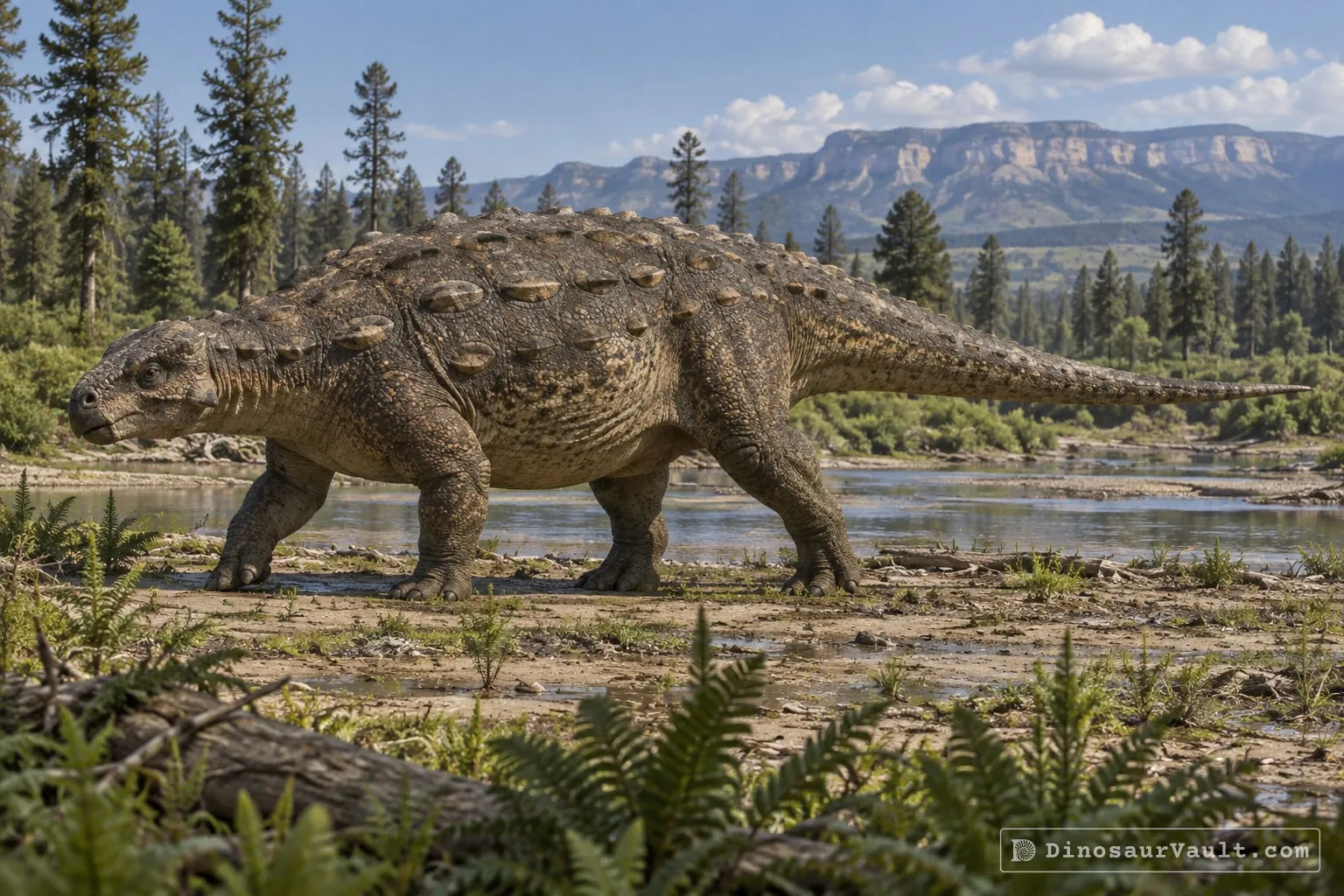


A rock formation can hold fossils laid down millions of years apart, so not every animal here met Iani.
The evidence
The science behind Iani
Which parts of the picture come from its own bones, and which come from its relatives.
From its own fossils
- A partial skeleton preserves a nearly complete skull, parts of the backbone, shoulder and hip bones, and parts of an arm and leg.
- Its broad cheek teeth carry many fine ridges, and the tip of the upper jaw also carried teeth.
Borrowed from relatives
- Missing parts of the limbs and tail can be restored by comparison with Tenontosaurus and Convolosaurus.
Still unknown
- Its full adult size and proportions.
- Its skin covering and color.
- Which plants it preferred to eat.
Discovery timeline
- 2013Same rocksZanno & Makovicky
- 2023Named itZanno et al.
- 2025Family treeCzepiński & Madzia
Key papers
The research behind what we know of Iani
Same rocks
Named Siats, a large predator from the same part of the Cedar Mountain Formation, showing that giant allosauroid hunters persisted alongside smaller tyrannosauroids.
Neovenatorid theropods are apex predators in the Late Cretaceous of North America. Nature Communications 4
Read the paper : Neovenatorid theropods are apex predators in the Late Cretaceous of North America (opens in a new tab)Named it
Described the partial skeleton and ridged teeth, linking Iani with Tenontosaurus and other early branches of the plant-eating ornithopod family tree.
An early-diverging iguanodontian (Dinosauria: Rhabdodontomorpha) from the Late Cretaceous of North America. PLOS ONE 18: e0286042
Read the paper : An early-diverging iguanodontian (Dinosauria: Rhabdodontomorpha) from the Late Cretaceous of North America (opens in a new tab)Family tree
Recovered Iani, Tenontosaurus and Convolosaurus together on a North American branch of the rhabdodontomorph family tree.
Exploring the diversity and disparity of rhabdodontomorph ornithopods from the Late Cretaceous European archipelago. Scientific Reports 15
Read the paper : Exploring the diversity and disparity of rhabdodontomorph ornithopods from the Late Cretaceous European archipelago (opens in a new tab)
Close relatives
Other members of Tenontosauridae


Sources: Wikidata