Majungasaurus
muh-JUNG-gah-SORE-us
- Lived
- 72 to 66 million years ago, Late Cretaceous
- Diet
- Carnivore
- Length
- about 7 m (23 ft)
- Weight
- about 1.1 metric tons (1.2 short tons)
- Group
- Theropods, Abelisauridae
- Found in
- Madagascar
- Named by
- Lavocat 1955
Size comparison
To scale


Scale in meters
Where its fossils were found
The evidence
Today

70 million years ago
Field notes
About Majungasaurus
What it was like
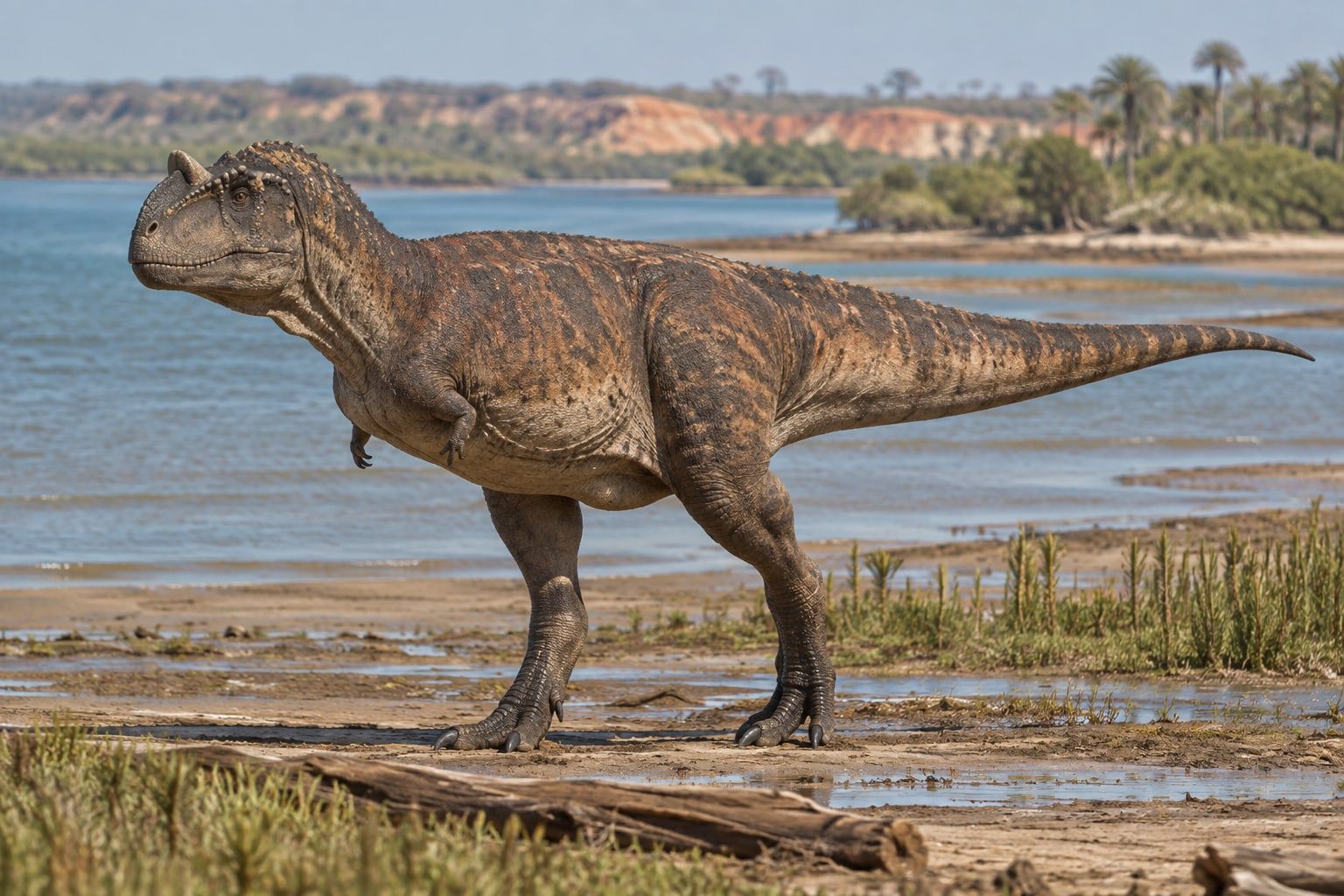
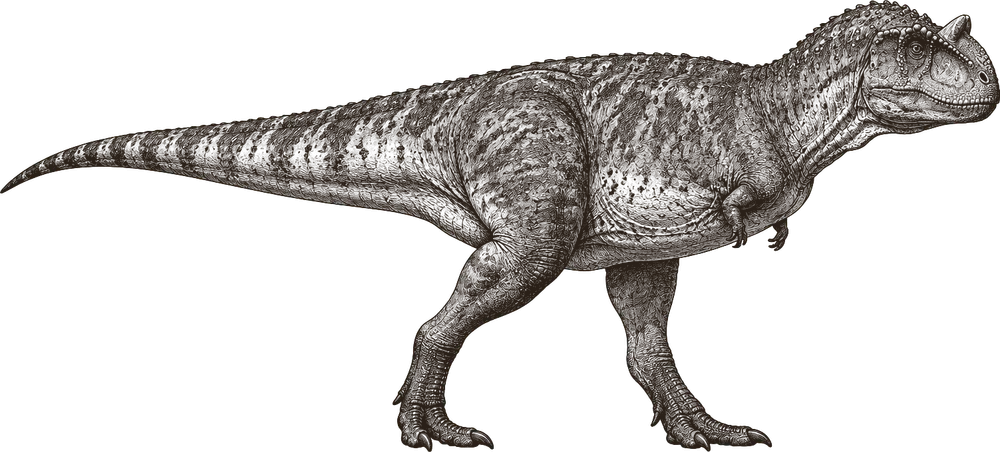
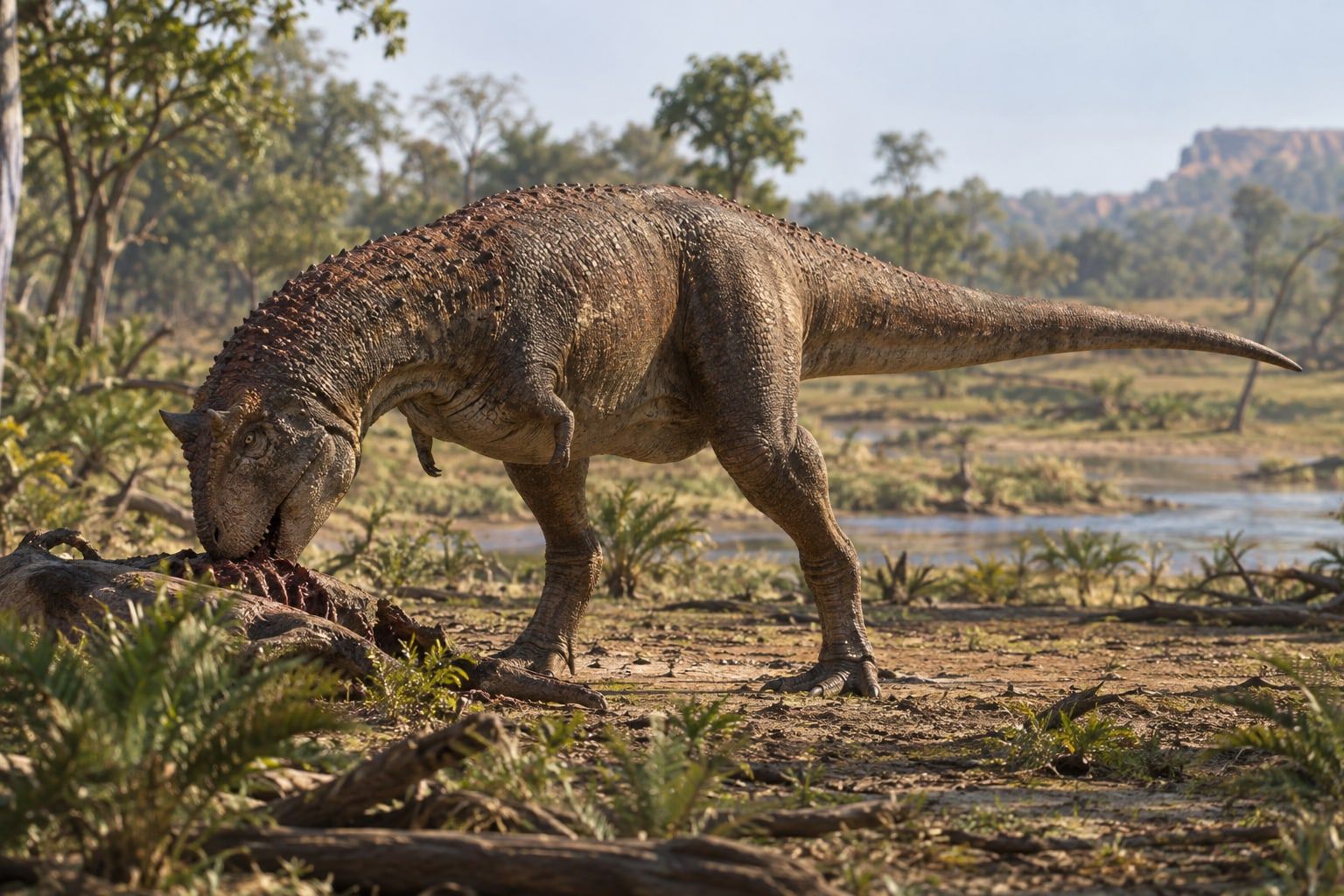
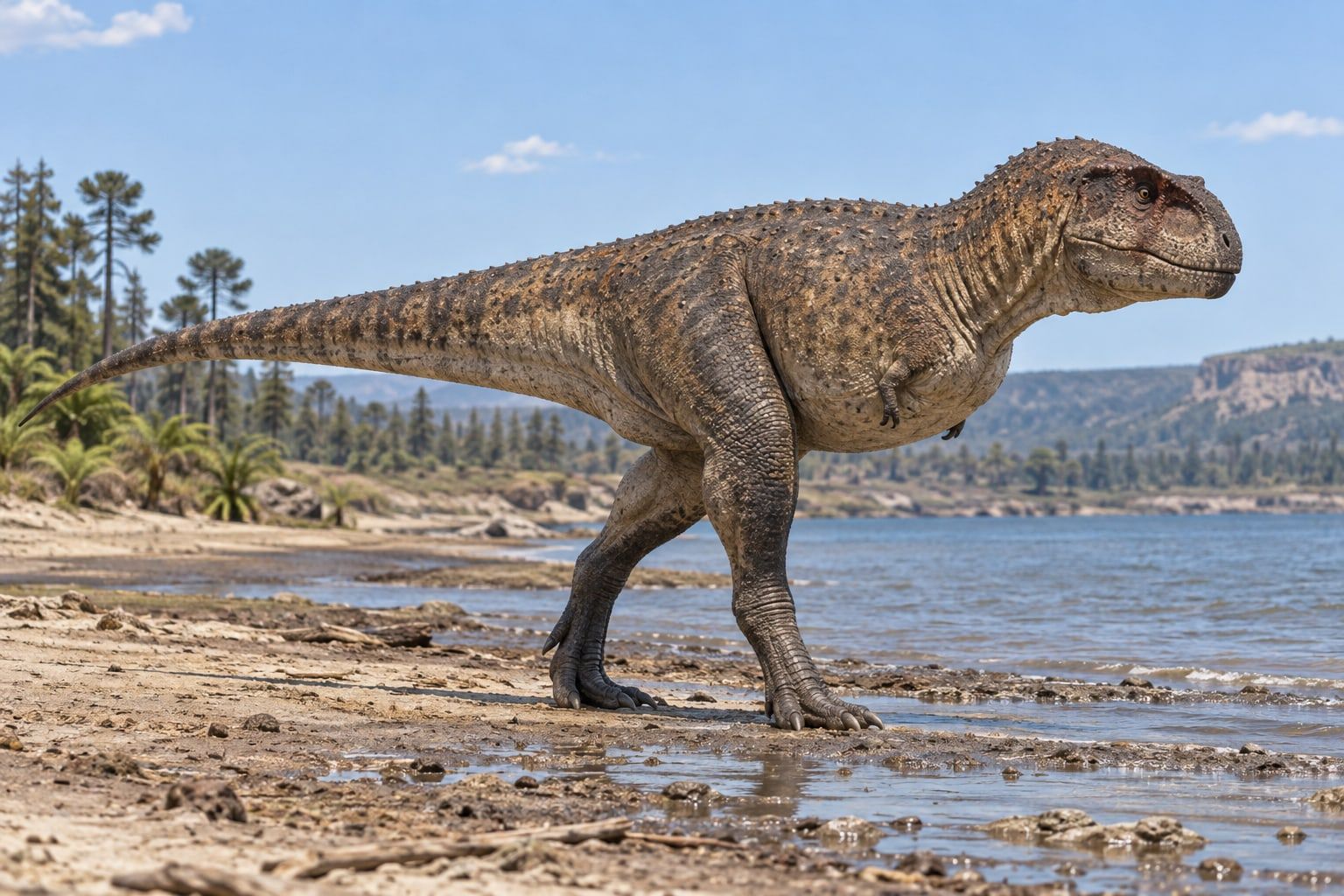
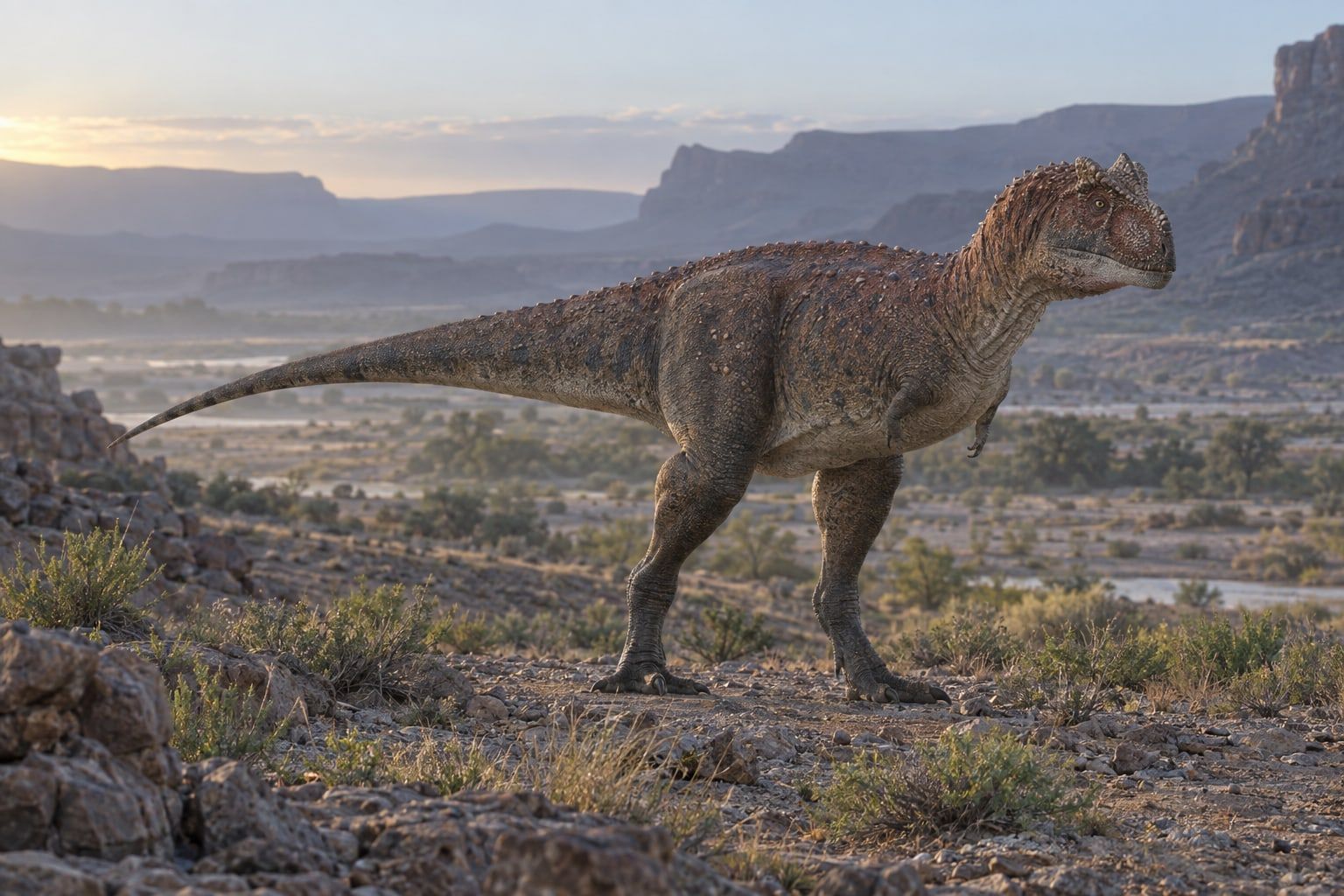
Majungasaurus was a stocky, two-legged predator with a short, wide snout and a single rounded horn on top of its skull. It grew to about 7 meters (23 feet) long and weighed around 1,100 kilograms (2,425 pounds). Its arms were very short, while its legs were long and powerfully built.
Rough, thickened bone covered the top of its snout, and its skull was wider than in most of its relatives. Majungasaurus had more teeth in its jaws than many other abelisaurids, and was the top predator in its ecosystem.
Its world
Majungasaurus lived in what is now Madagascar about 72 to 66 million years ago, at the end of the Late Cretaceous, right before the mass extinction that ended the age of dinosaurs. Its fossils come from the Maevarano Formation.
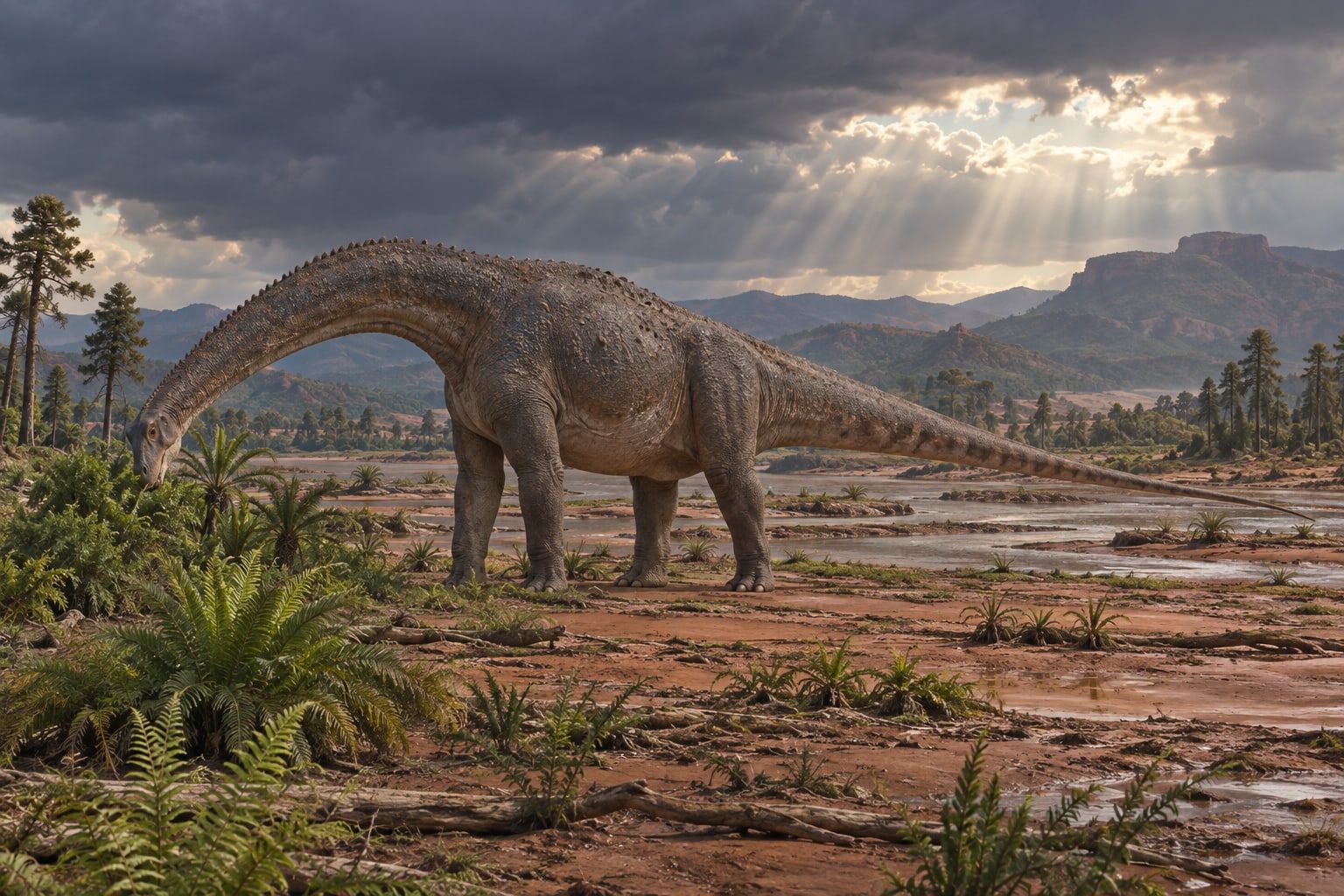
It hunted large plant eaters such as the long-necked Rapetosaurus, and shared its world with the small, fast Masiakasaurus and the early bird relative Rahonavis. Majungasaurus is one of the few dinosaurs with direct evidence that it sometimes ate other Majungasaurus, based on tooth marks found on its own bones.
How it was found
Lavocat named Majungasaurus in 1955, though the first bones had been found decades earlier and mistaken for other animals. About 25 finds of the genus are known today, including several well-preserved skulls, making it one of the best-studied predatory dinosaurs found in Madagascar.
Lived alongside
Found in the same rock formations
Close relatives
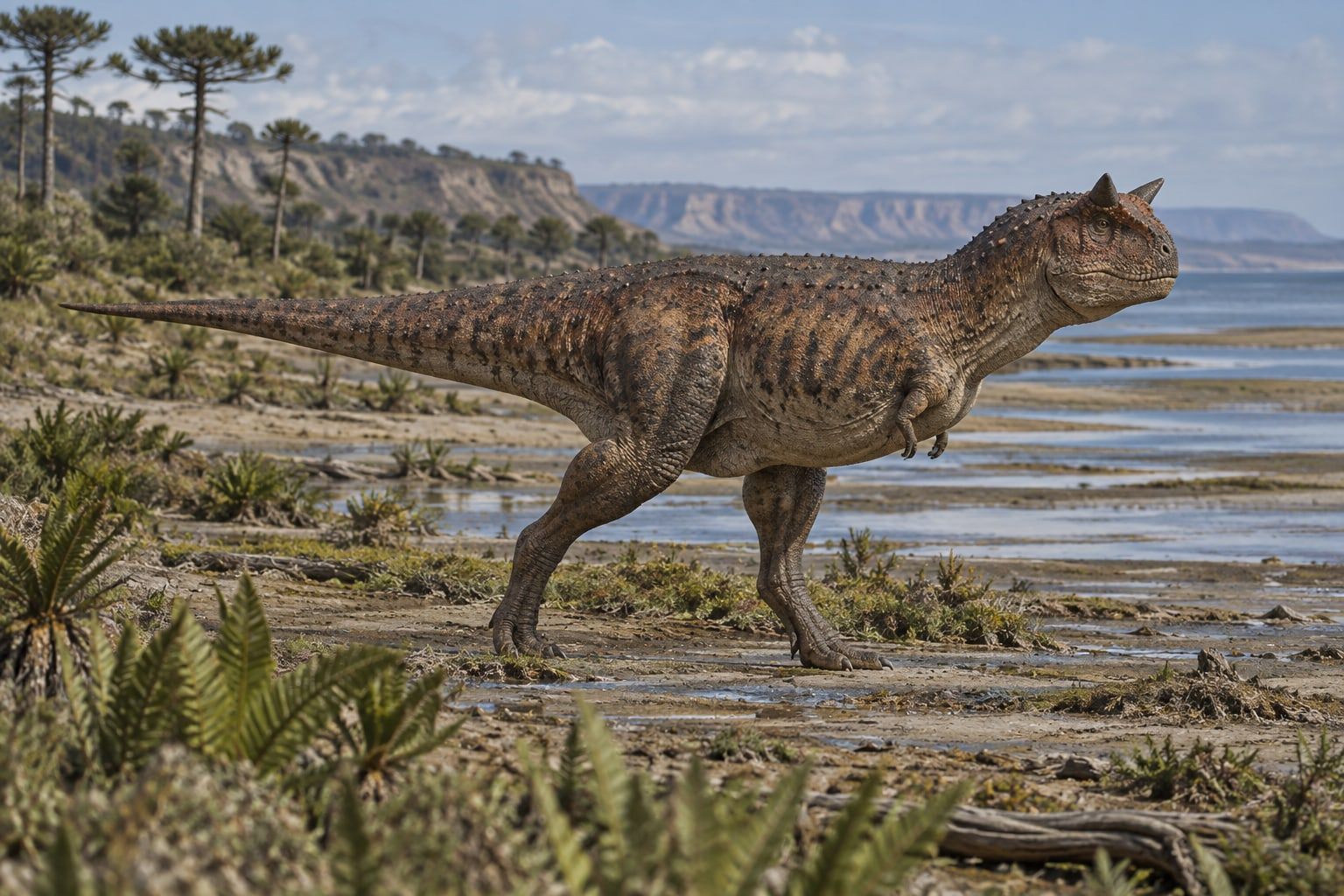
Other members of Abelisauridae
Sources: WikidataNamed in: R. Lavocat. 1955. Sur une portion de mandibule de théropode provenant du Crétacé supérieur de Madagascar [On a portion of theropod mandible from the Upper Cretaceous of Madagascar]. Bulletin du Muséum National d'Histoire Naturelle, Paris, 2e série 27(3):256-259