Venenosaurus
ven-EN-oh-SORE-us
"poison lizard"
- Lived
- 121 to 113 million years ago, Early Cretaceous
- Diet
- Herbivore
- Group
- Sauropods, Brachiosauridae
- Found in
- United States
- Named by
- Tidwell et al. 2001
Where its fossils were found
The evidence
Today

115 million years ago
Habitat
Rivers wound through the landscape preserved in the Cedar Mountain Formation of Utah. Fossil logs and cycads occur in its rock layer, along with Gastonia and Planicoxa.
Field notes
About Venenosaurus
What it was like
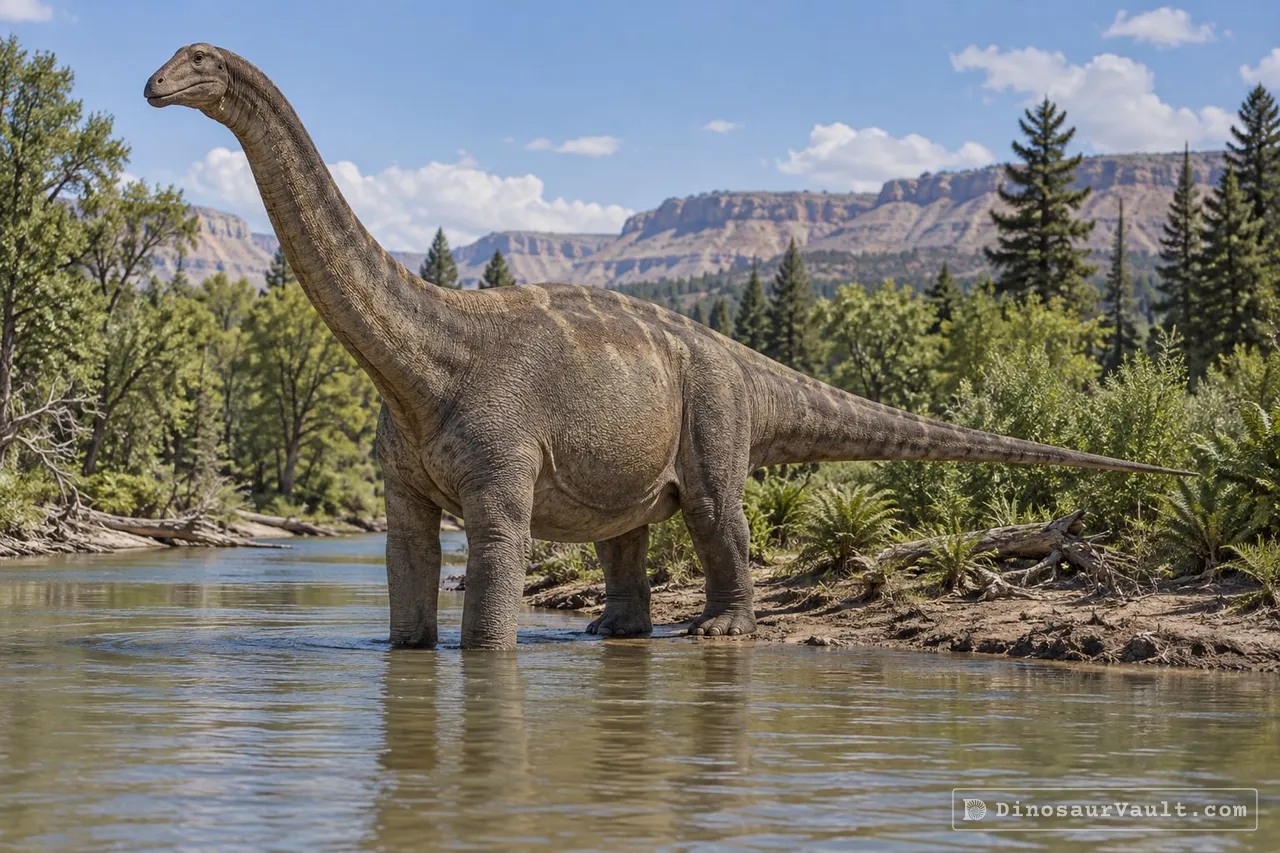
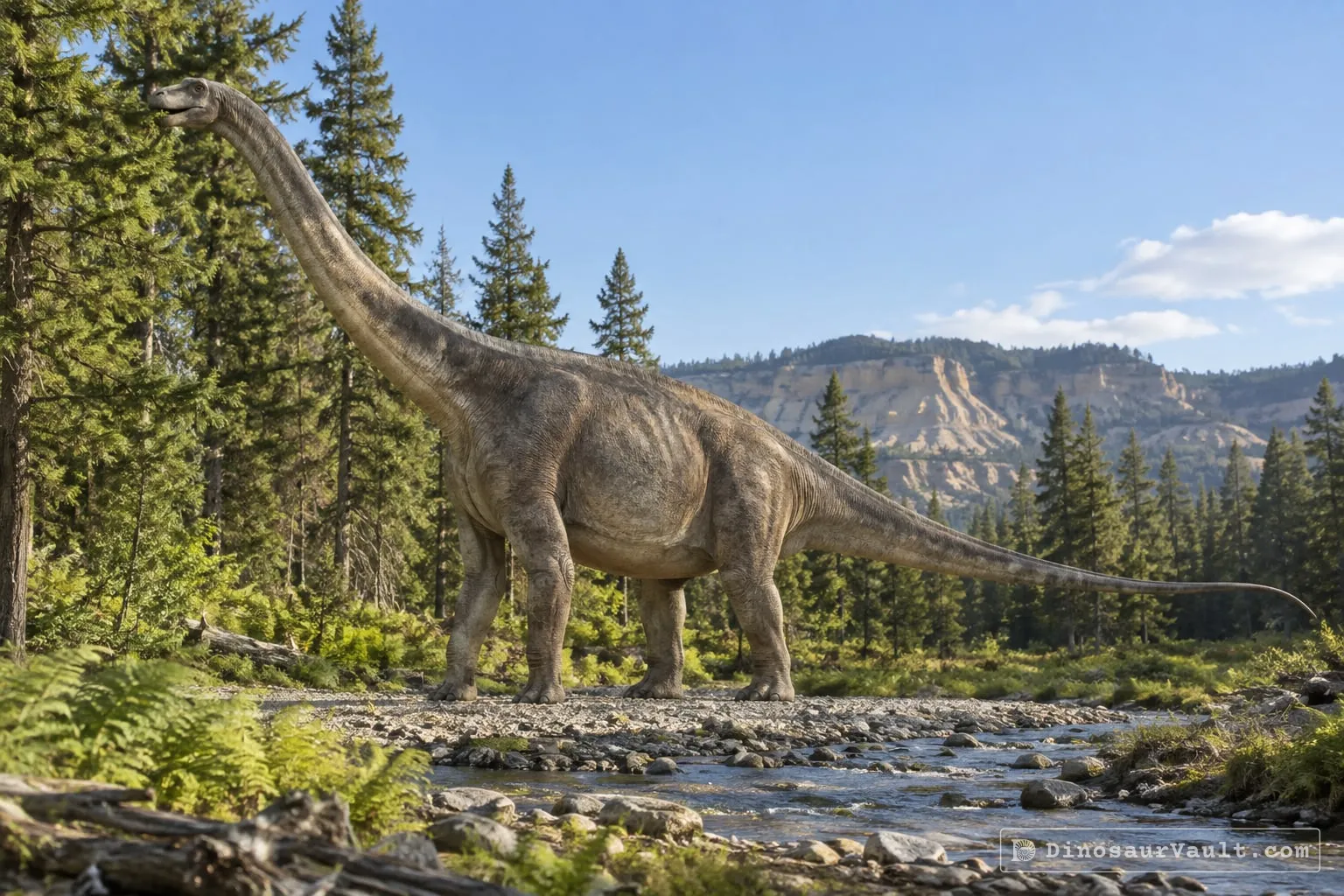
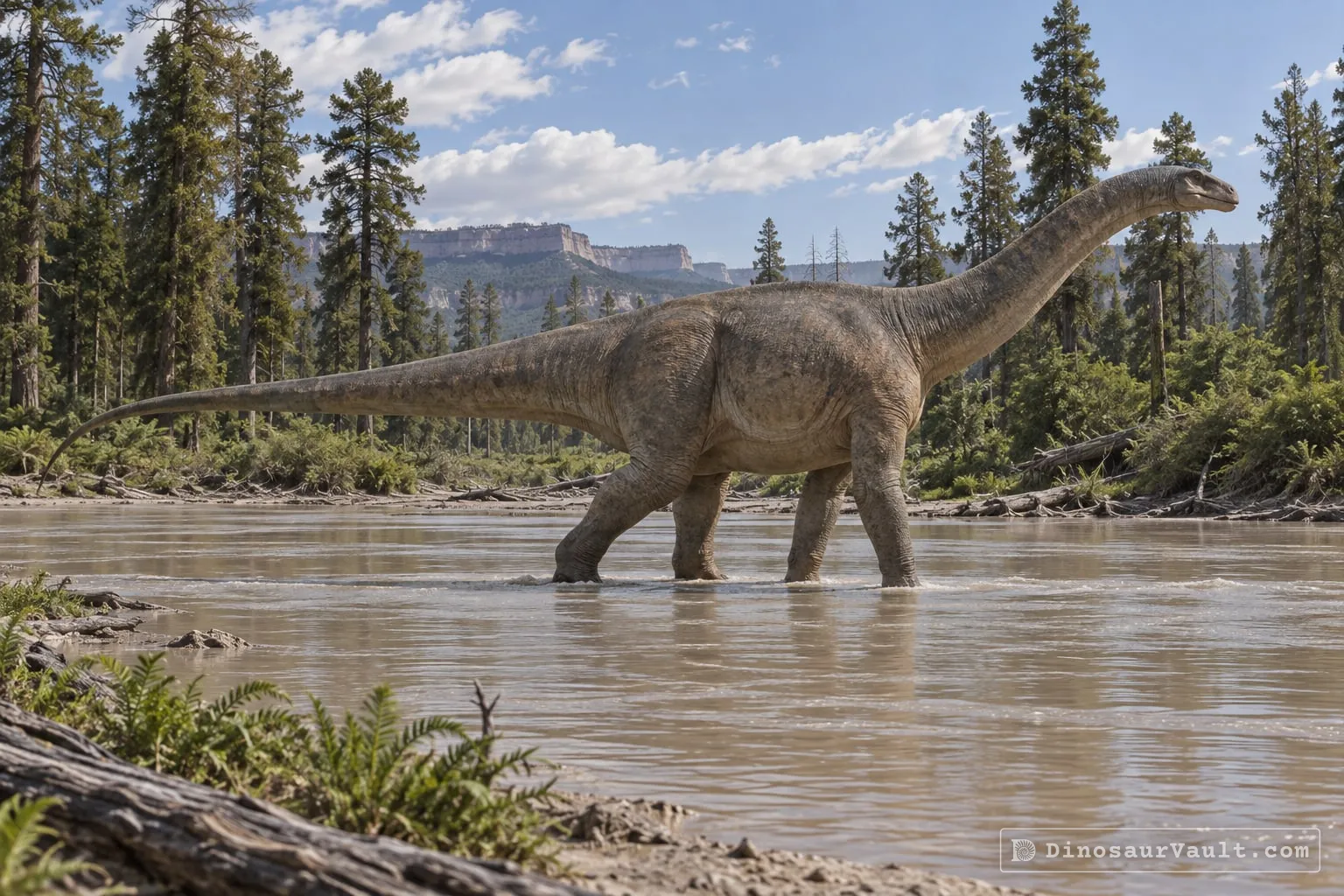
Venenosaurus was a mid-sized sauropod related to Brachiosaurus. It is known from part of one skeleton, including tail bones and limbs.
Its world
It lived in the Early Cretaceous, in what is now Utah. It comes from the Cedar Mountain Formation, where the large dromaeosaur Utahraptor and the armored Gastonia also lived.
How it was found
Tidwell and colleagues named Venenosaurus in 2001. The name comes from the local name of the rock layer where it was found.
Field gallery
More views of Venenosaurus
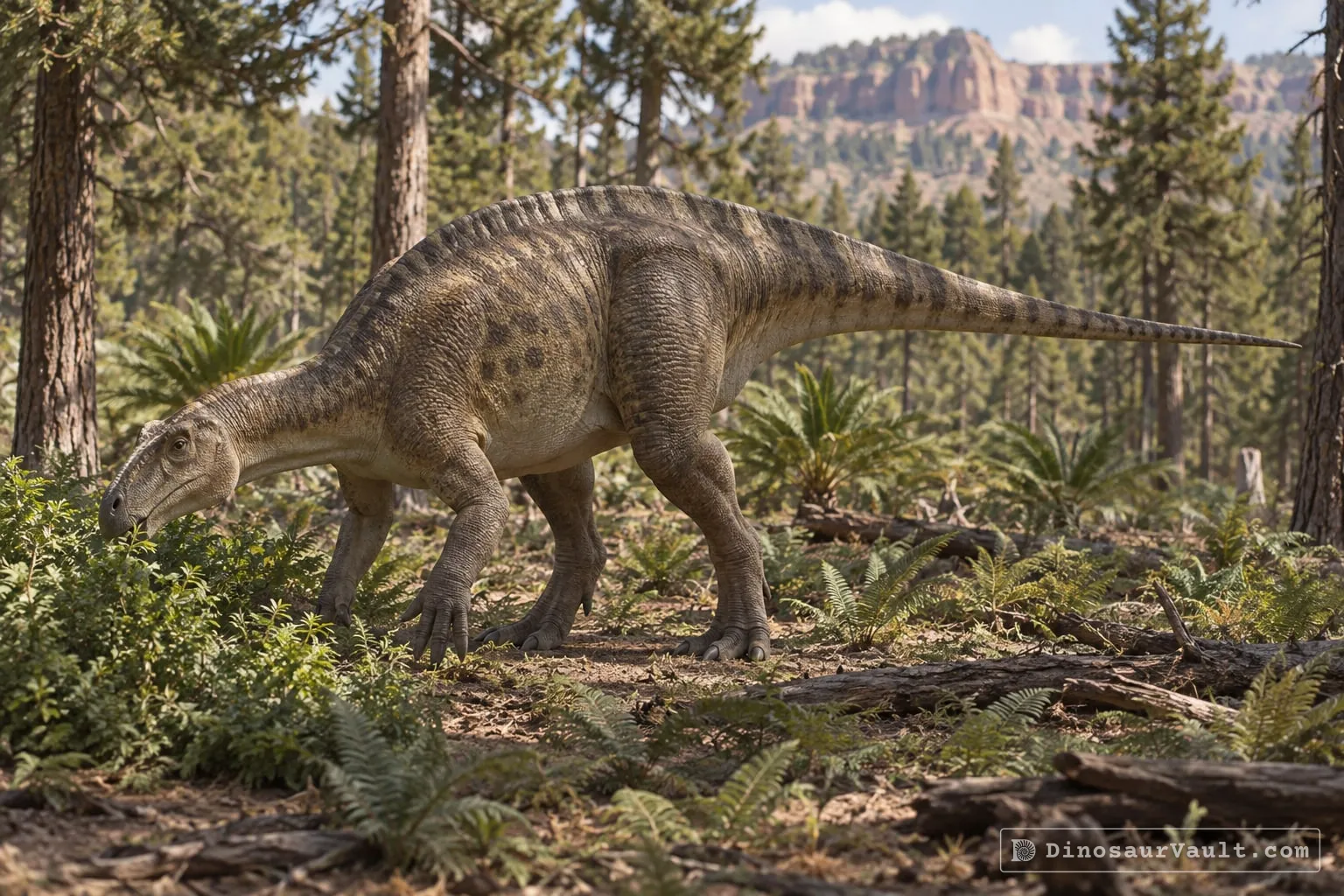
Scenes reconstructed from the available fossil evidence.
1 of 2
Lived alongside
Found in the same rock formations
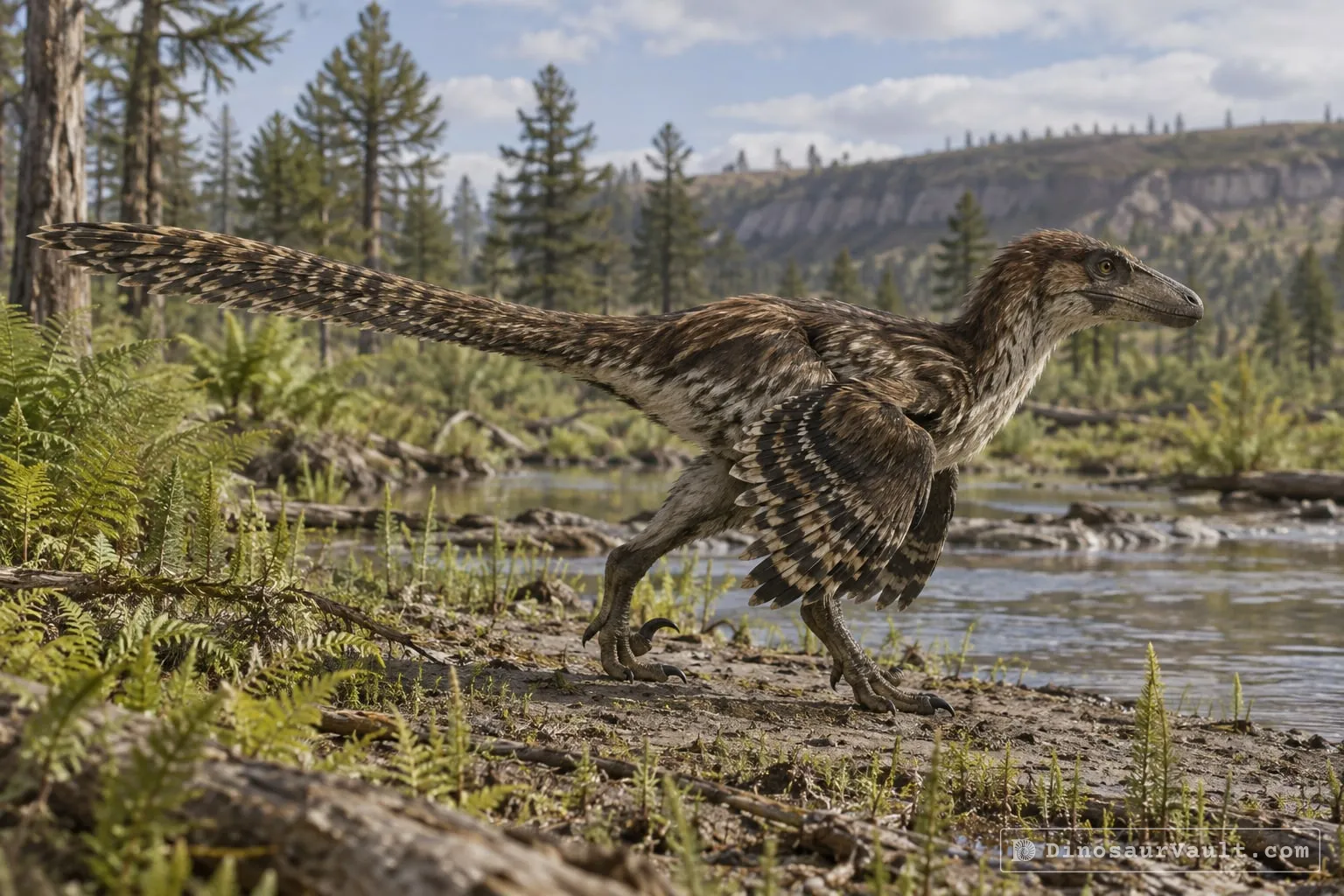
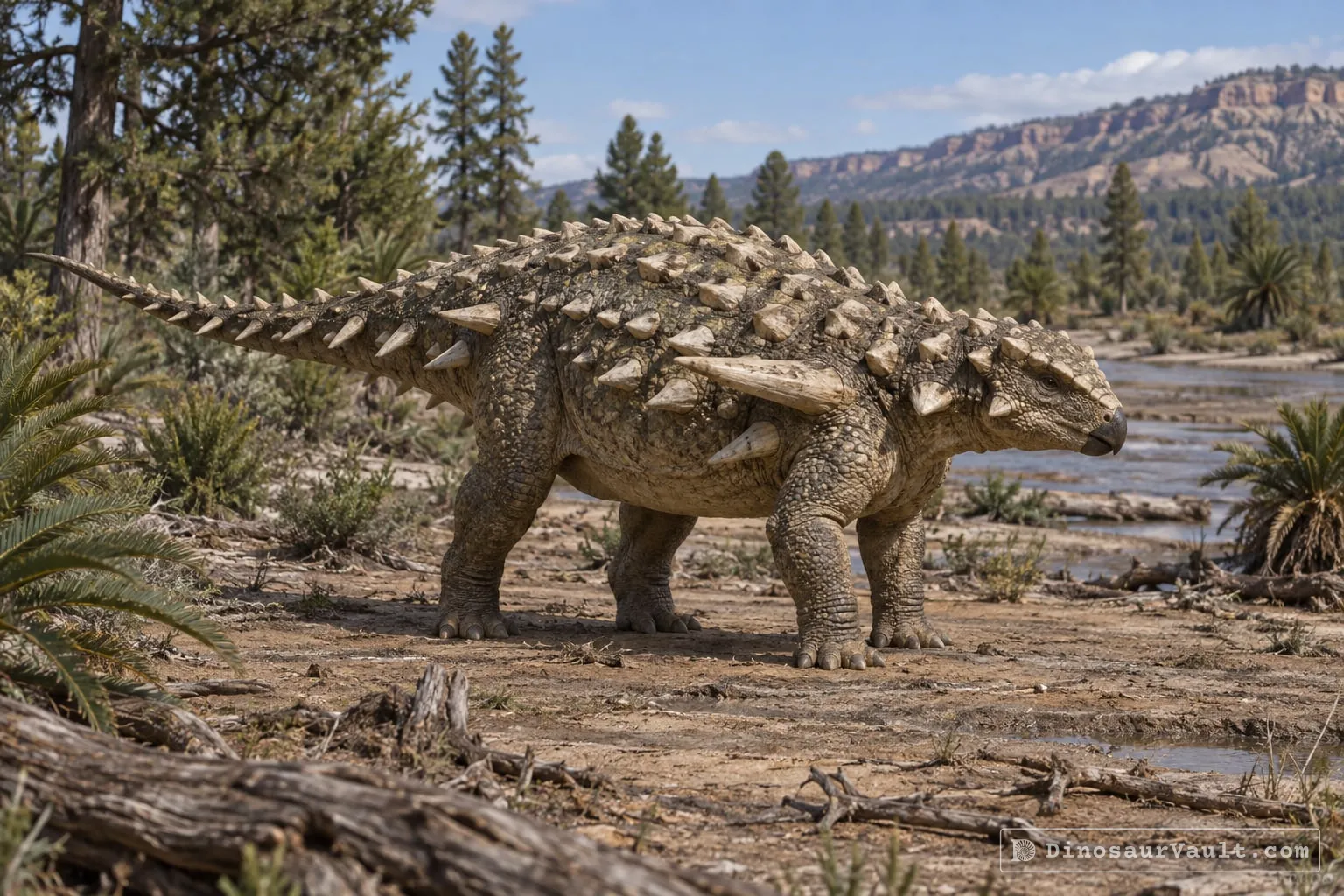
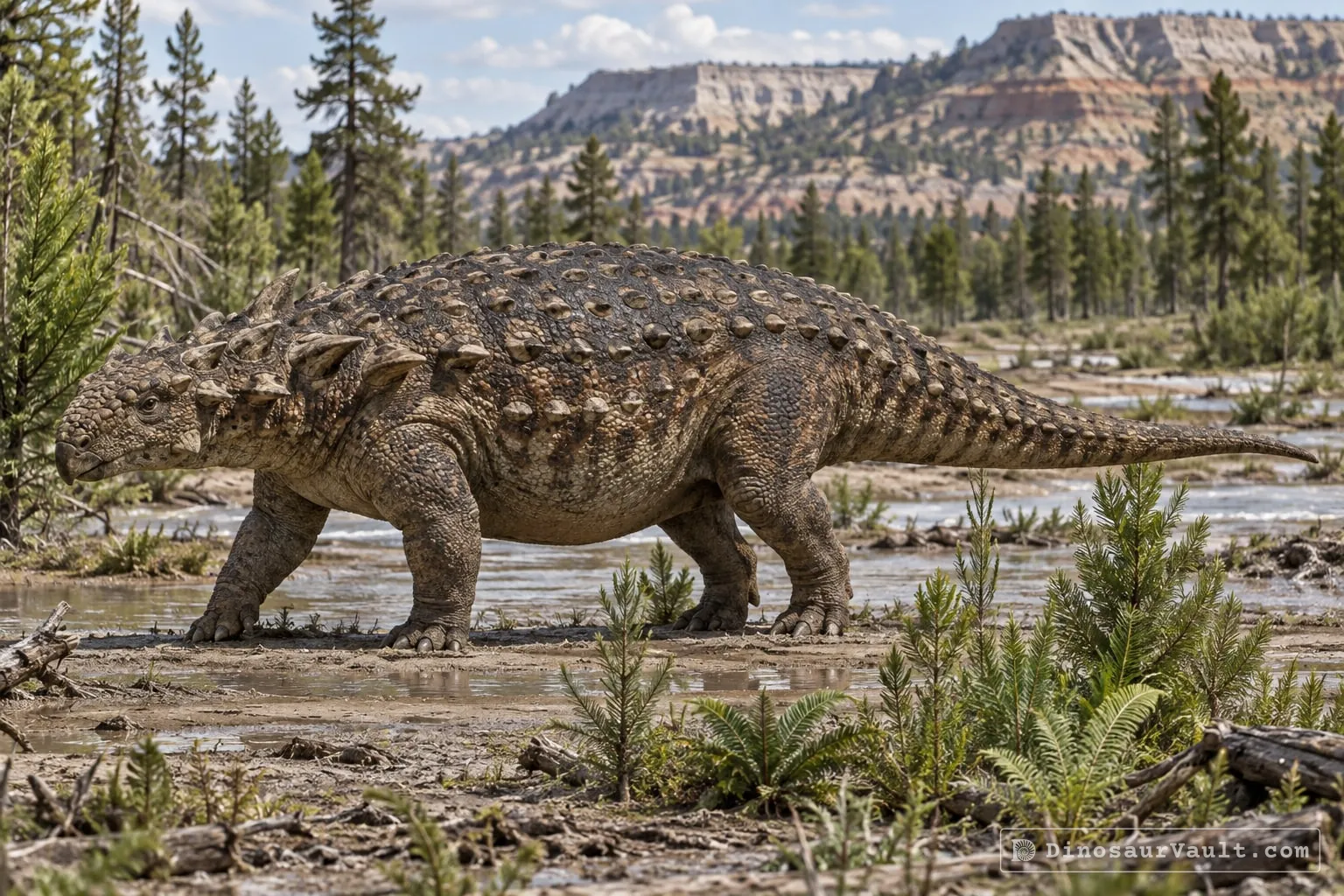
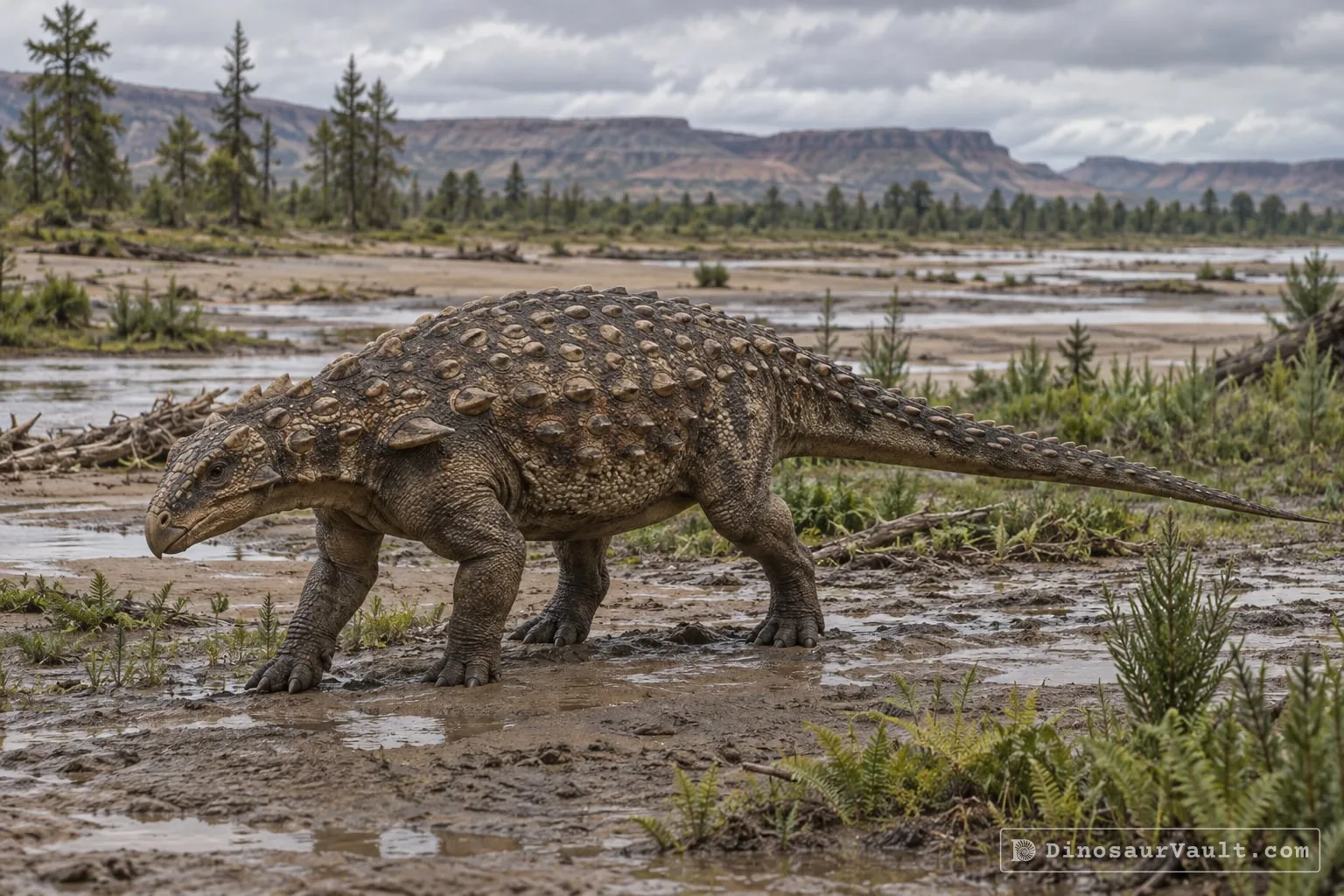
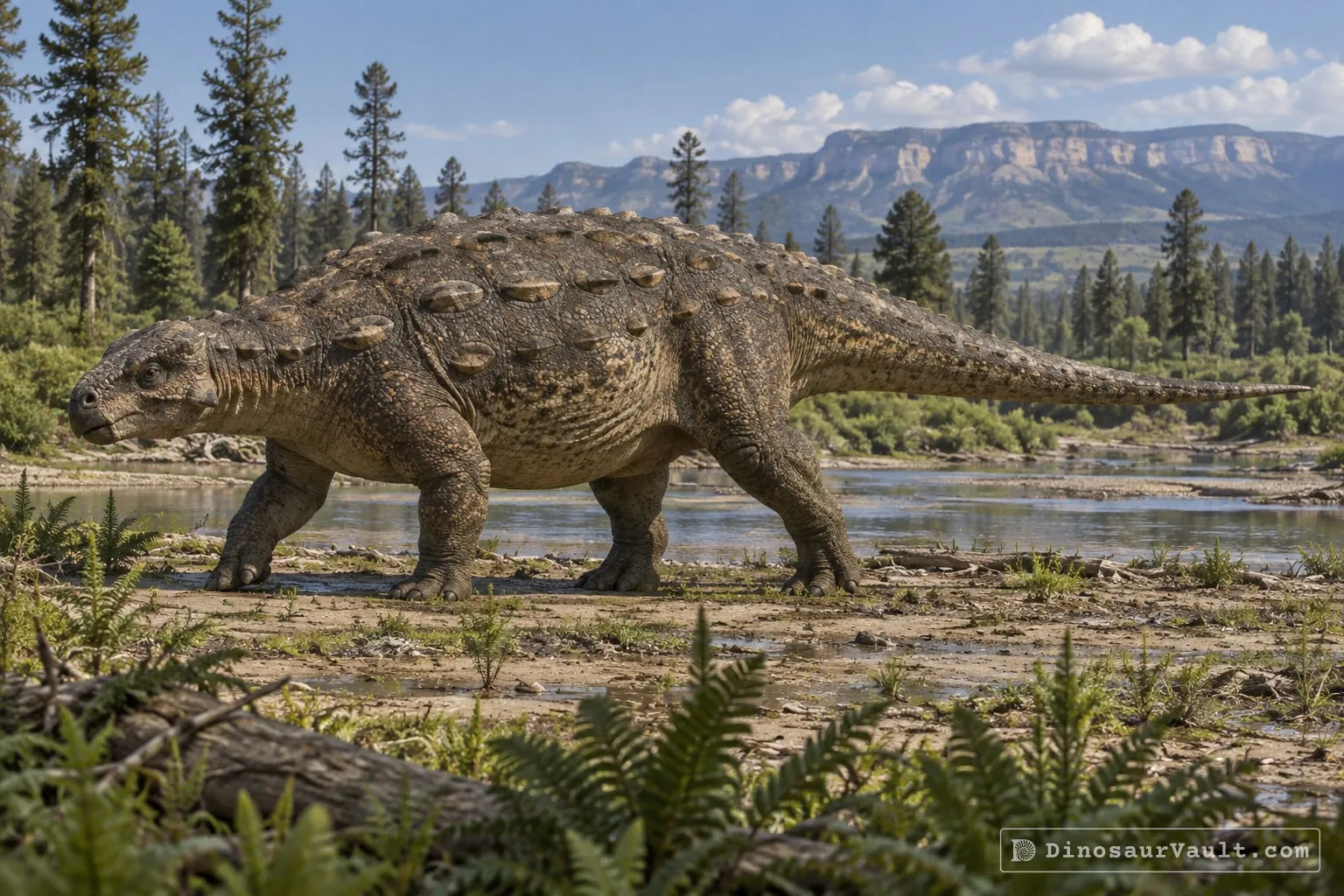


A rock formation can hold fossils laid down millions of years apart, so not every animal here met Venenosaurus.
The evidence
The science behind Venenosaurus
Which parts of the picture come from its own bones, and which come from its relatives.
From its own fossils
- The adult skeleton preserves tail bones, ribs, a shoulder blade, parts of the pelvis and bones of the limbs, hands and feet.
- Some tail bones have deep hollows on their sides and forward-leaning spines.
Borrowed from relatives
- The missing head and neck are restored by comparison with brachiosaurids such as Abydosaurus and Brachiosaurus.
Still unknown
- The shape of its skull and teeth.
- Its full neck length and normal neck posture.
- Its skin texture and color.
Discovery timeline
- 2001Named itTidwell, Carpenter & Meyer
- 2011Same rocksTaylor, Wedel & Cifelli
- 2012Family treeD'EMIC
Key papers
The research behind what we know of Venenosaurus
Named it
Named Venenosaurus from a partial sauropod skeleton with distinctive tail bones and limb bones.
A new titanosauriform (Sauropoda) from the Poison Strip Member of the Cedar Mountain Formation (Lower Cretaceous), Utah. Mesozoic Vertebrate Life: New Research Inspired by the Paleontology of Philip J. Currie.
No link available
Same rocks
Compared Brontomerus with Venenosaurus and found differences in their tail bones and shoulder blades that supported keeping the genera separate.
A New Sauropod Dinosaur from the Lower Cretaceous Cedar Mountain Formation, Utah, USA. Acta Palaeontologica Polonica 56: 75-98
Read the paper : A New Sauropod Dinosaur from the Lower Cretaceous Cedar Mountain Formation, Utah, USA (opens in a new tab)Family tree
Placed Venenosaurus among brachiosaurids, together with Cedarosaurus and Abydosaurus.
The early evolution of titanosauriform sauropod dinosaurs. Zoological Journal of the Linnean Society 166: 624-671
Read the paper : The early evolution of titanosauriform sauropod dinosaurs (opens in a new tab)
Close relatives
Other members of Brachiosauridae


Sources: Wikidata