Arcusaurus
"rainbow lizard"
- Lived
- 201 to 193 million years ago, Early Jurassic
- Found in
- South Africa
- Named by
- Yates et al. 2011
Where its fossils were found
The evidence
Today

195 million years ago
Habitat
A floodplain crossed by temporary rivers that sometimes brought flash floods. Massospondylus, Heterodontosaurus and Dracovenator lived in the Elliot Formation landscape.
Field notes
About Arcusaurus
What it was like
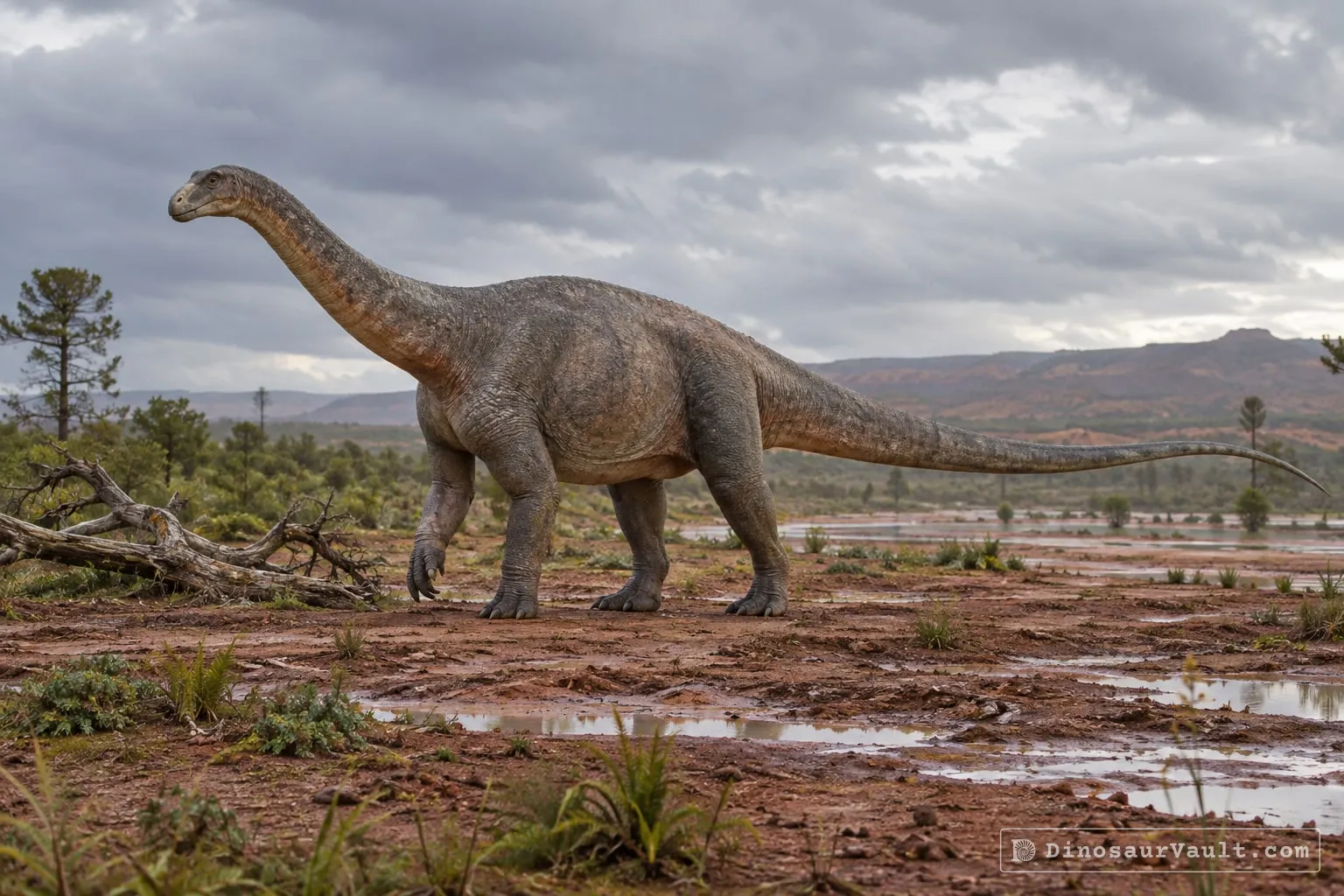
Arcusaurus was a small early relative of the giant sauropods, known from skull pieces and parts of the skeleton of young animals.
Its world
It lived about 201 to 193 million years ago, in the Early Jurassic, in what is now South Africa. Its bones come from the Elliot Formation, where it shared the land with the plant eater Massospondylus, the small beaked Heterodontosaurus and the predator Dracovenator.
How it was found
Yates and colleagues named it in 2011. Its name refers to a rainbow seen over the site.
Field gallery
More views of Arcusaurus
Scenes reconstructed from the available fossil evidence.
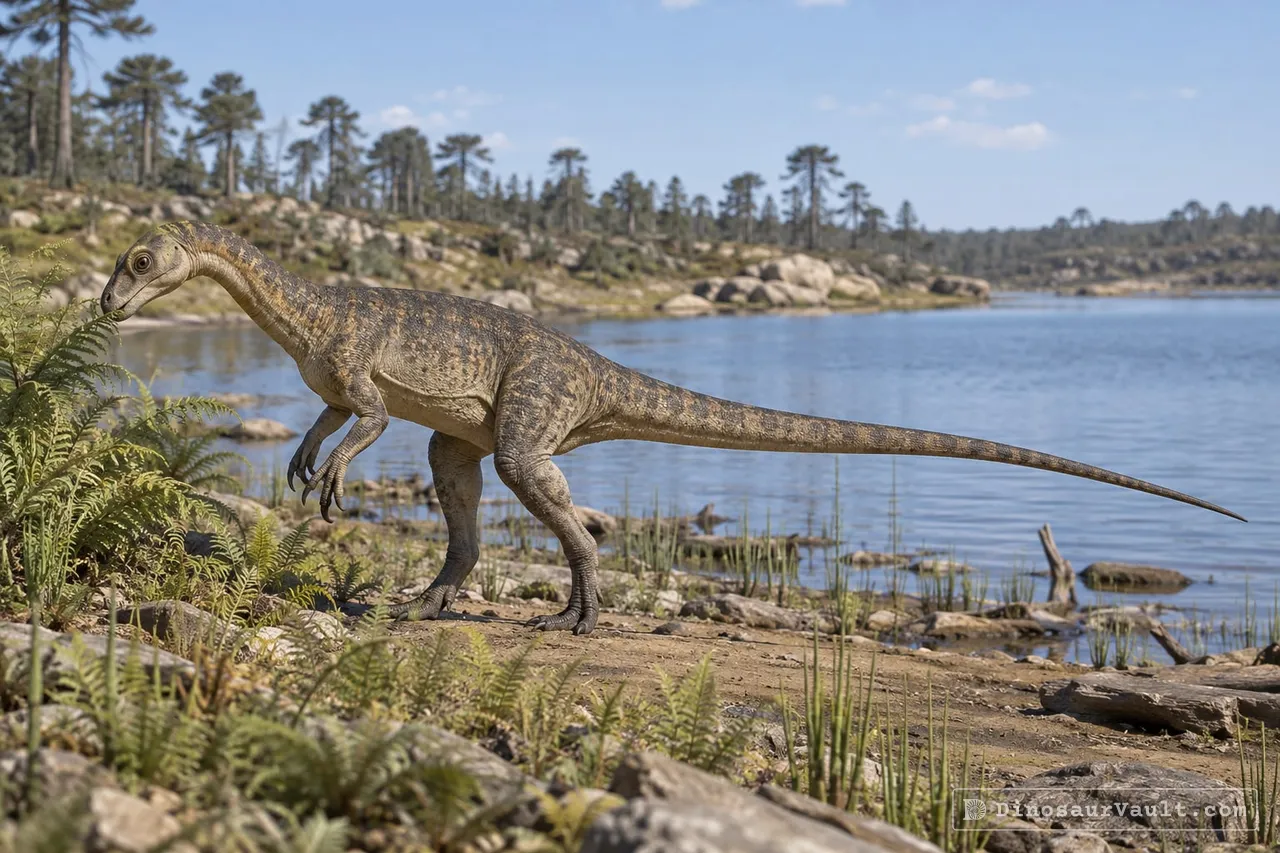
1 of 2
Lived alongside
Found in the same rock formations
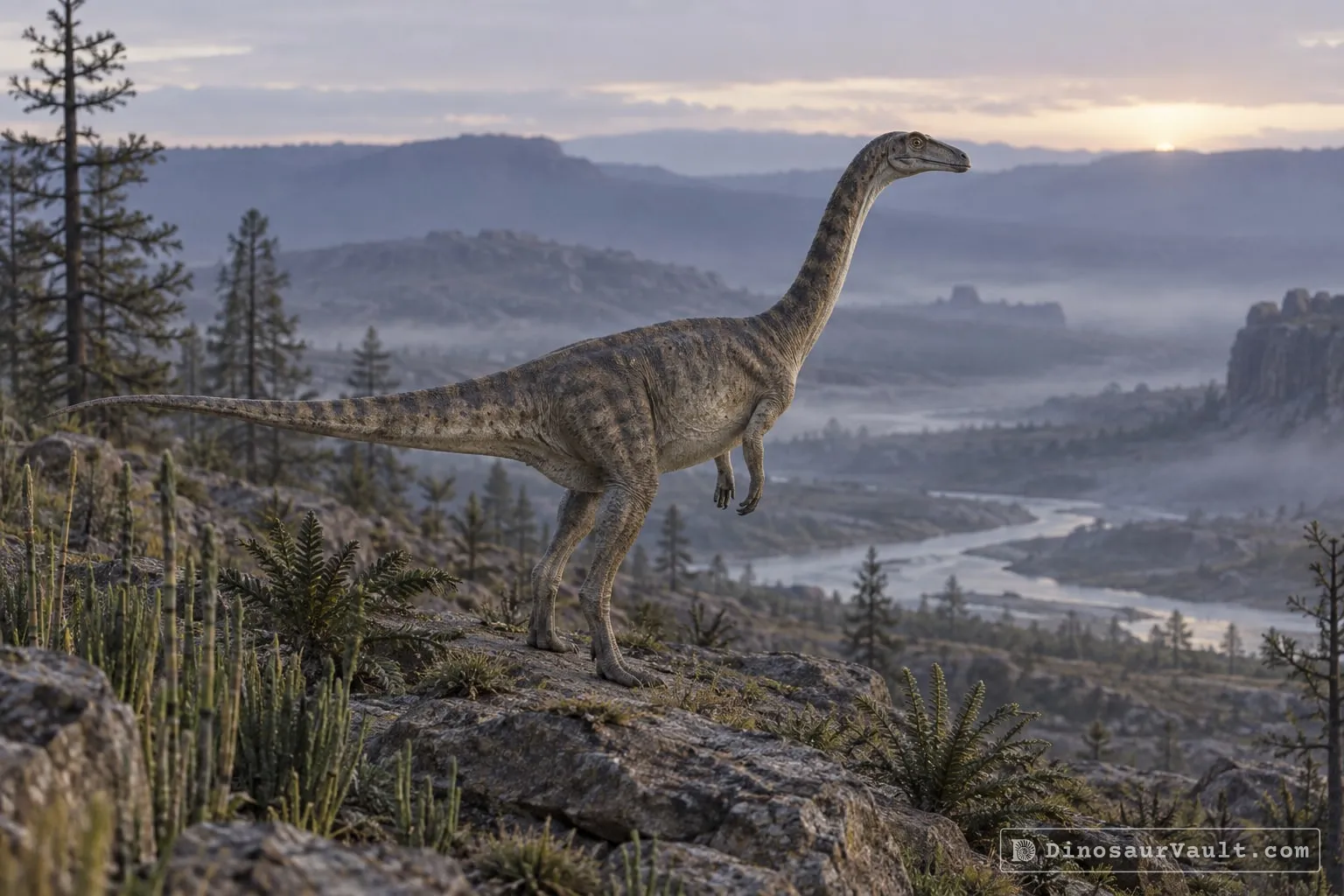
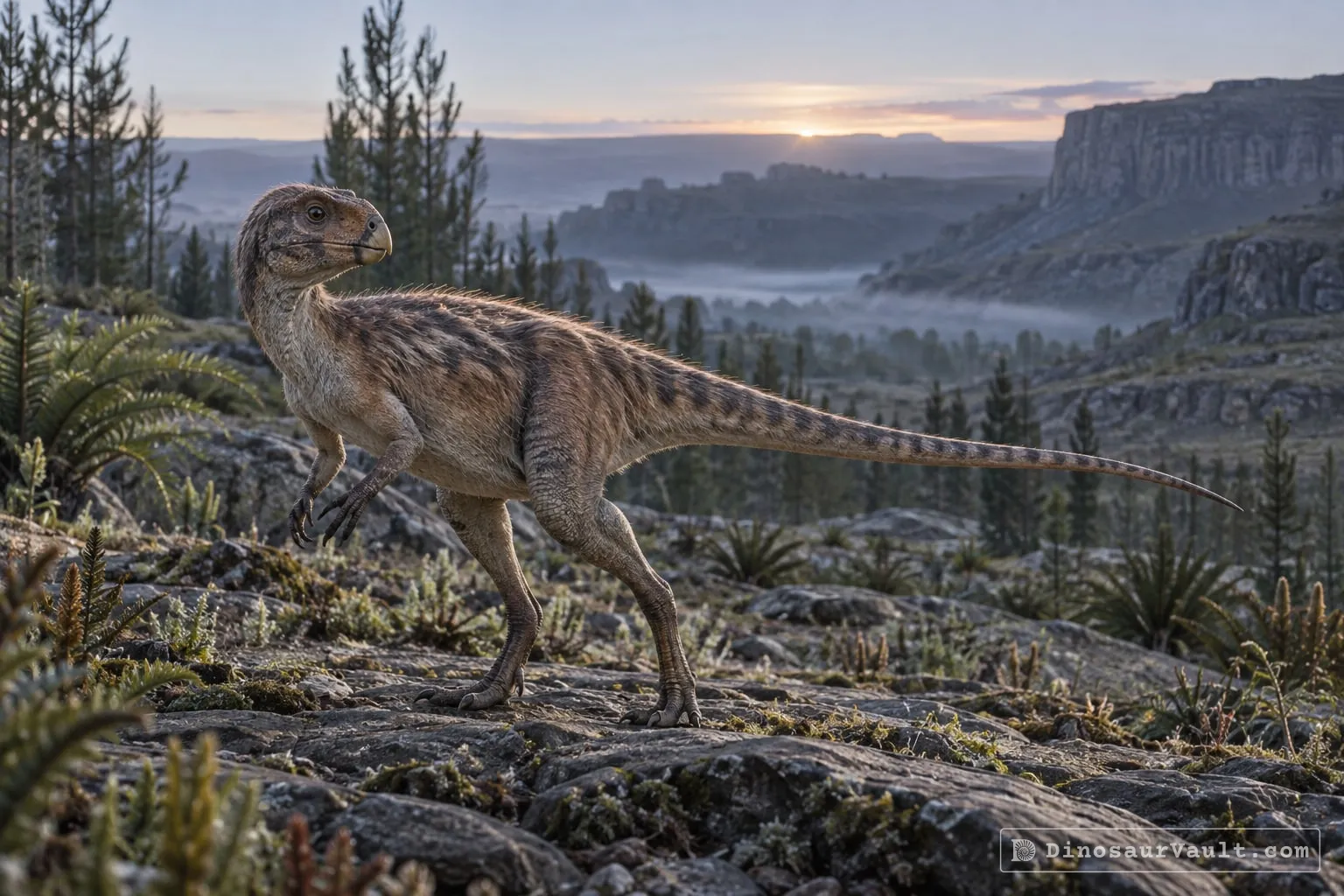
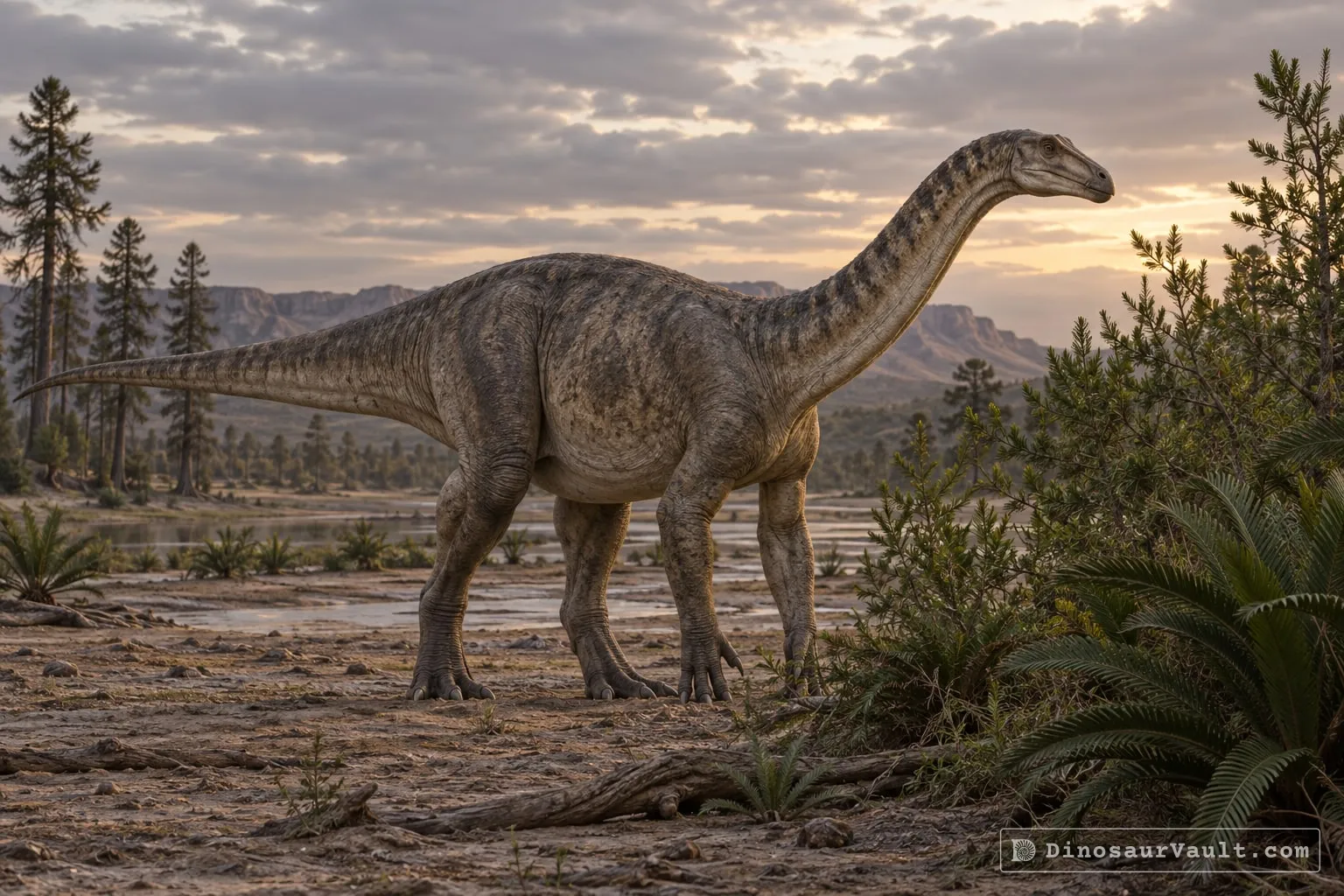
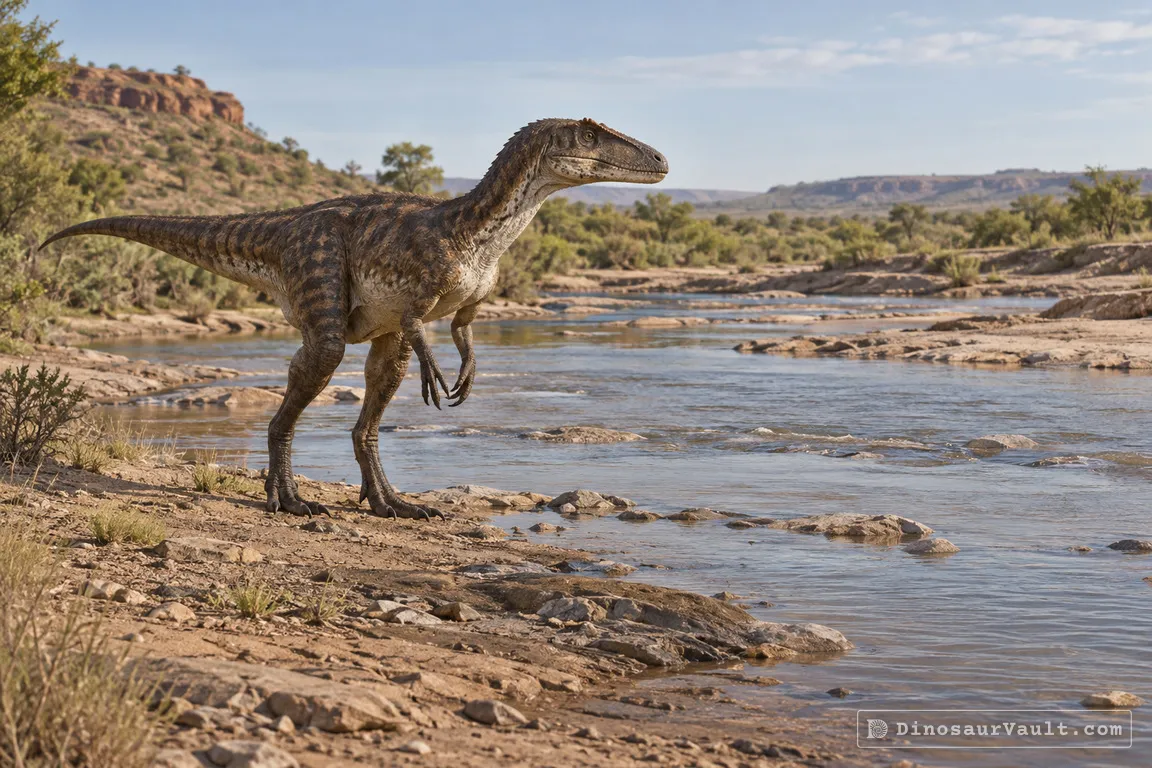
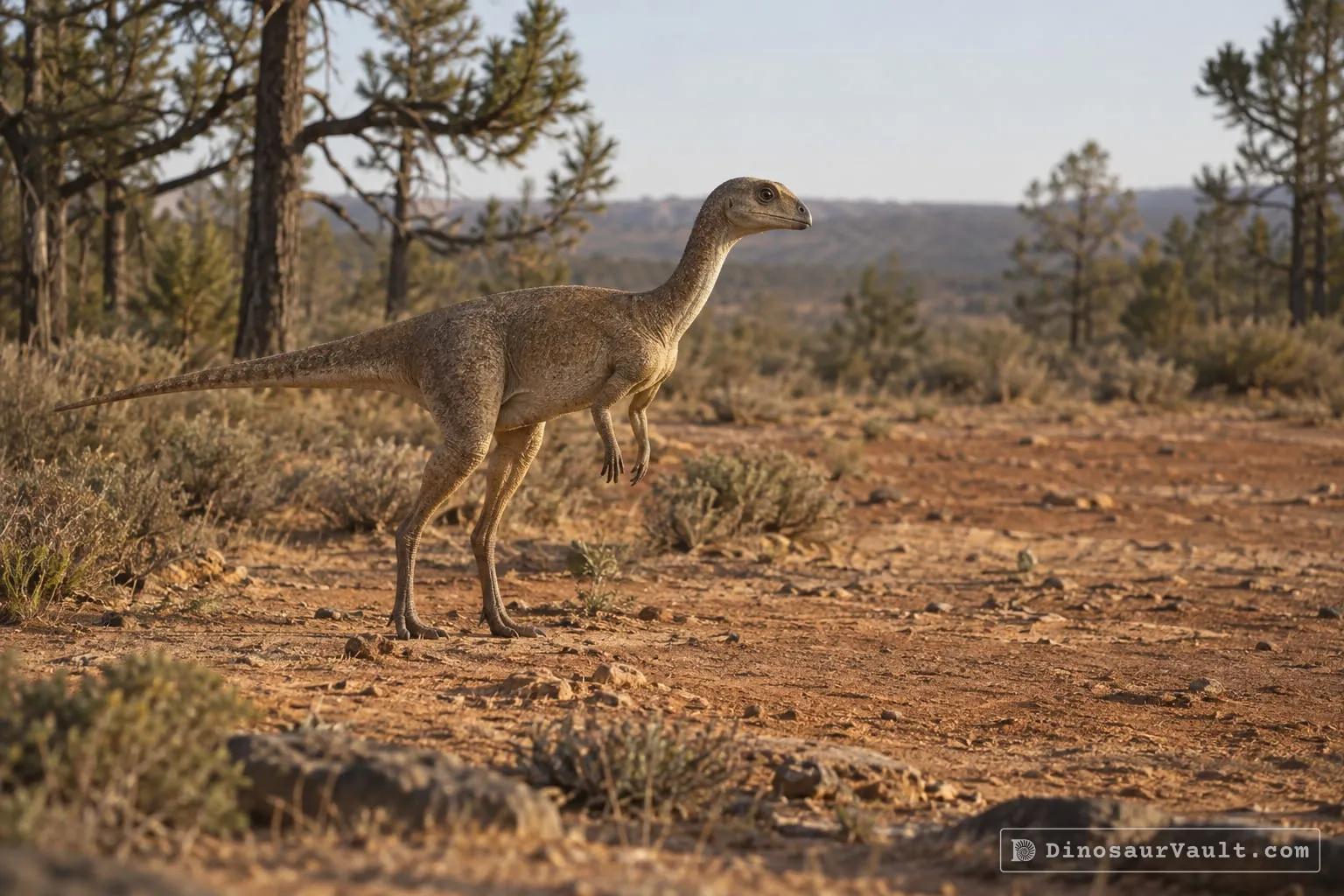
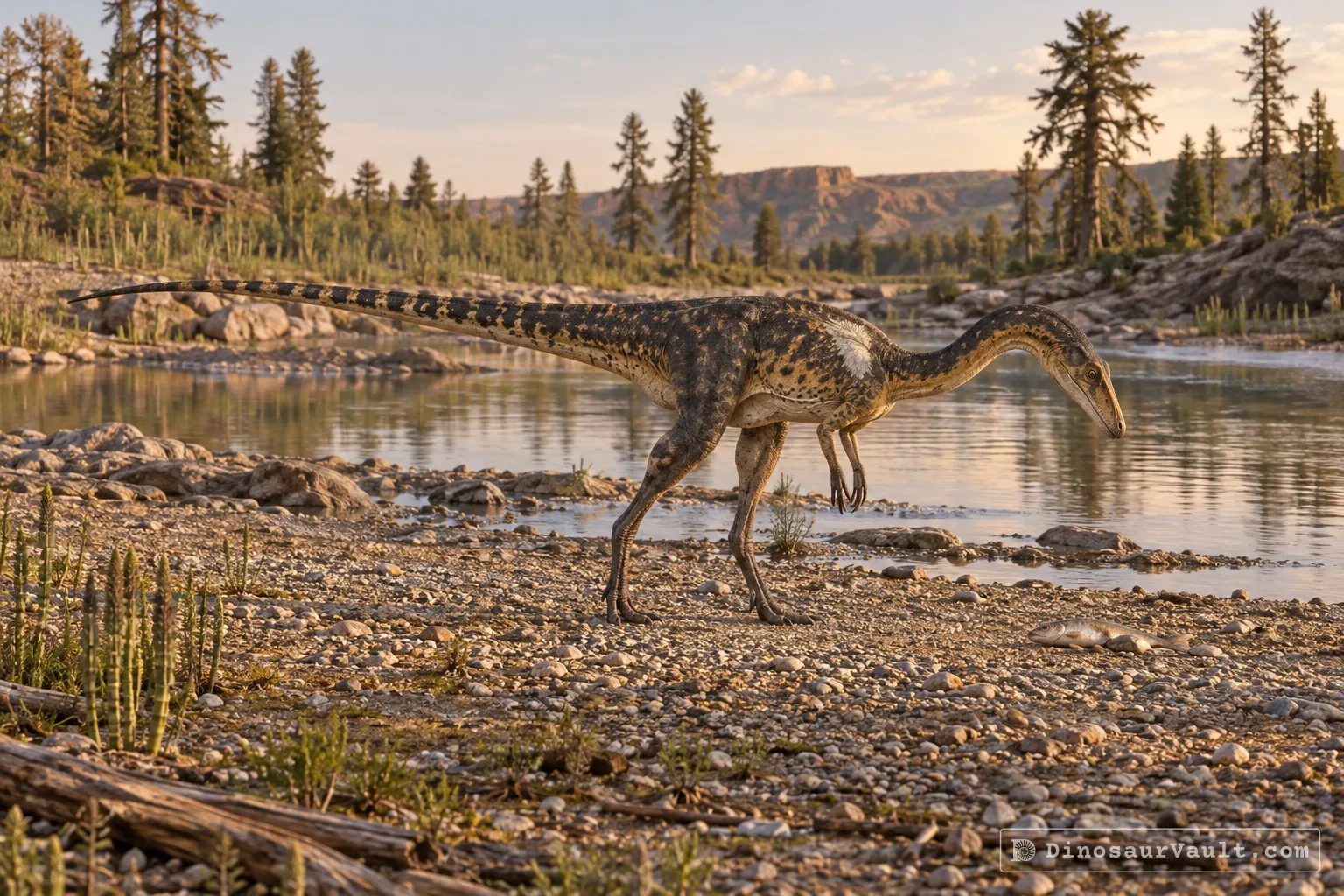
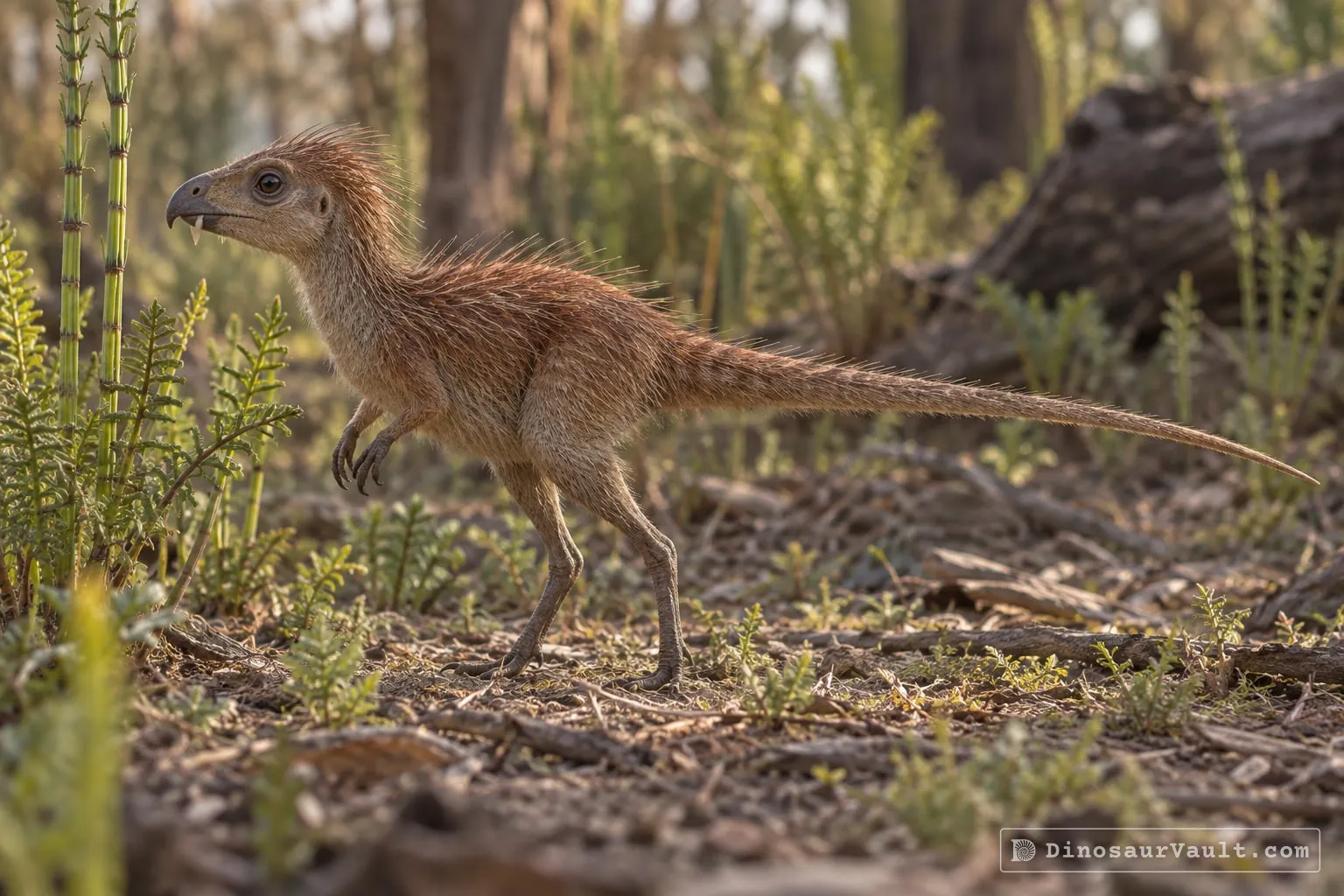


A rock formation can hold fossils laid down millions of years apart, so not every animal here met Arcusaurus.
The evidence
The science behind Arcusaurus
Which parts of the picture come from its own bones, and which come from its relatives.
From its own fossils
- A partial skull and scattered bones of the body come from young animals.
- An unfused backbone joint helped identify the skeleton as a juvenile.
Borrowed from relatives
- Much of the missing body is restored from early sauropodomorphs such as Efraasia and Thecodontosaurus.
Still unknown
- Its adult size and proportions.
- Its skin covering and color.
- Its exact position among early sauropodomorphs.
Discovery timeline
- 2009Same rocksYates et al.
- 2011Named itYates, Bonnan & Neveling
- 2017Fossil sitesMcPhee et al.
Key papers
The research behind what we know of Arcusaurus
Same rocks
Described Aardonyx and traced changes in feeding and limb anatomy on the evolutionary path toward giant sauropods.
A new transitional sauropodomorph dinosaur from the Early Jurassic of South Africa and the evolution of sauropod feeding and quadrupedalism. Proceedings of the Royal Society B: Biological Sciences 277: 787-794
Read the paper : A new transitional sauropodomorph dinosaur from the Early Jurassic of South Africa and the evolution of sauropod feeding and quadrupedalism (opens in a new tab)Named it
Described juvenile skull and body bones of Arcusaurus and compared it with other early sauropodomorphs.
A new basal sauropodomorph dinosaur from the Early Jurassic of South Africa. Journal of Vertebrate Paleontology 31: 610-625
Read the paper : A new basal sauropodomorph dinosaur from the Early Jurassic of South Africa (opens in a new tab)Fossil sites
Reexamined where sauropodomorph fossils occur in the Elliot Formation and how its dinosaur communities changed through time.
The sauropodomorph biostratigraphy of the Elliot Formation of southern Africa: Tracking the evolution of Sauropodomorpha across the Triassic–Jurassic boundary. Acta Palaeontologica Polonica 62
Read the paper : The sauropodomorph biostratigraphy of the Elliot Formation of southern Africa: Tracking the evolution of Sauropodomorpha across the Triassic–Jurassic boundary (opens in a new tab)
Close relatives
Other members of Sauropodomorpha


Sources: Wikidata