Aardonyx
"earth claw"
Type species Aardonyx celestae
- Lived
- 201 to 193 million years ago, Early Jurassic
- Length
- about 8 m (26 ft)
- Found in
- South Africa
- Named by
- Yates et al. 2010
Size comparison
To scale


Scale in metersOutline: typical early sauropodomorph shape
Where its fossils were found
The evidence
Today

195 million years ago
Habitat
Inland river plains in South Africa. Its neighbors included Massospondylus, Heterodontosaurus and Lesothosaurus.
Field notes
About Aardonyx
What it was like
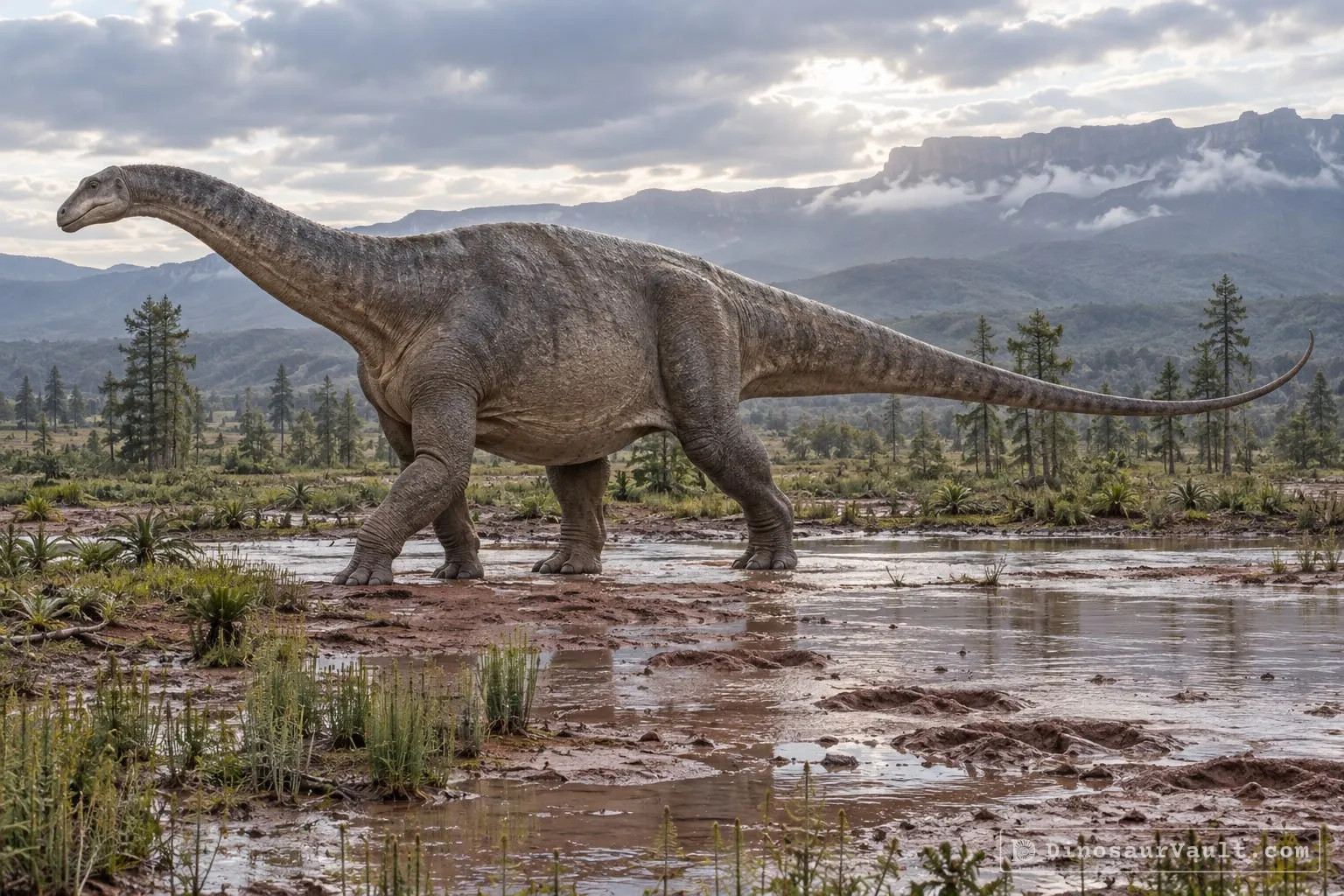
Aardonyx was a plant eater about 8 meters (26 feet) long, an early member of the long-necked line that later produced the giant sauropods. It had a long neck, a small head and a bulky body.
Its bones show a body caught partway through a big change. Its hips and legs suggest it usually walked on its hind legs, but its arms show features seen in later four-legged sauropods, so it may have dropped onto all fours at times.
Its world
It lived from about 201 to 193 million years ago, in the Early Jurassic, in what is now South Africa. Its bones come from the Elliot Formation, where it shared the land with the plant eater Massospondylus, the small beaked Heterodontosaurus and Lesothosaurus, and the hunters Dracovenator and Megapnosaurus.
How it was found
Yates and colleagues named Aardonyx in 2010. The type species is Aardonyx celestae. Only one find is known, but it matters: it helps show how sauropod ancestors moved from two legs toward four.
Field gallery
More views of Aardonyx
Scenes reconstructed from the available fossil evidence.
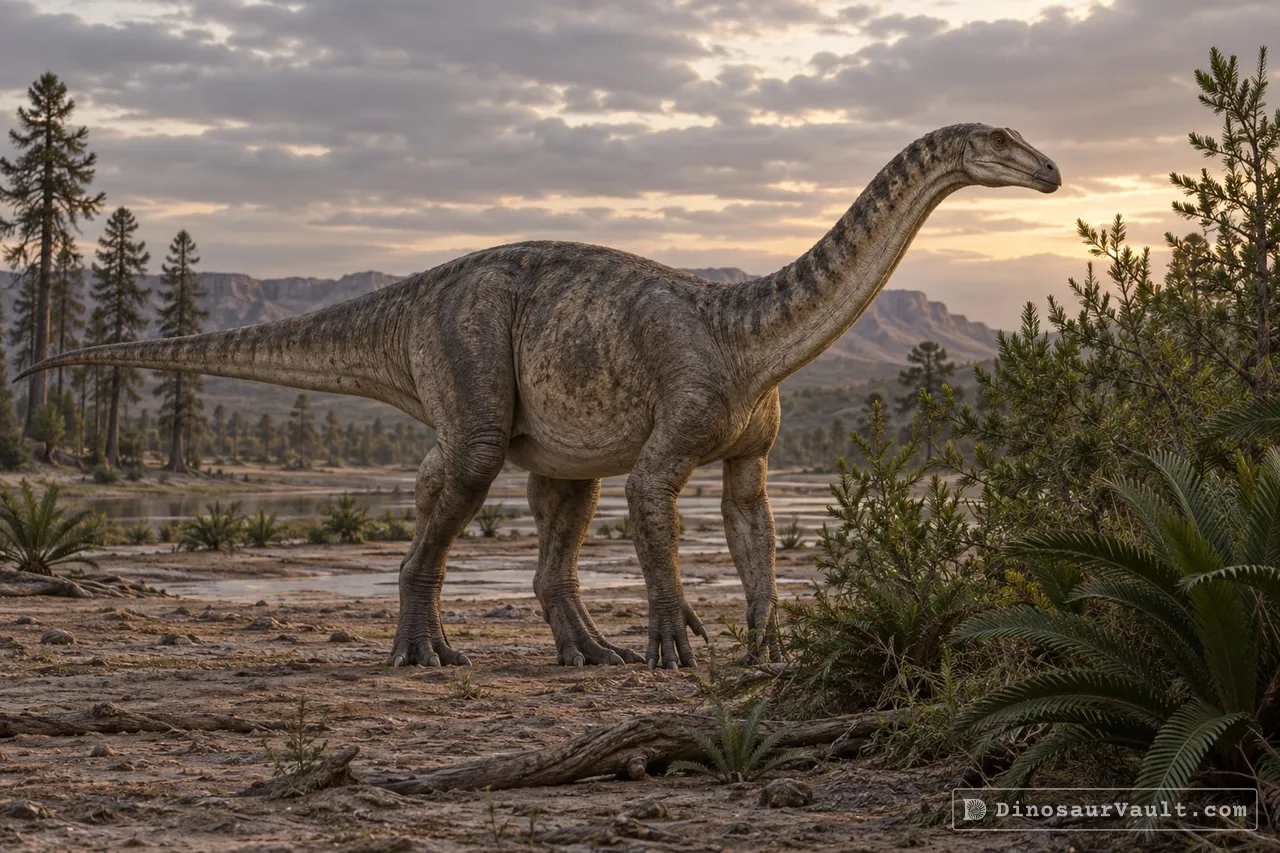
1 of 3
Lived alongside
Found in the same rock formations
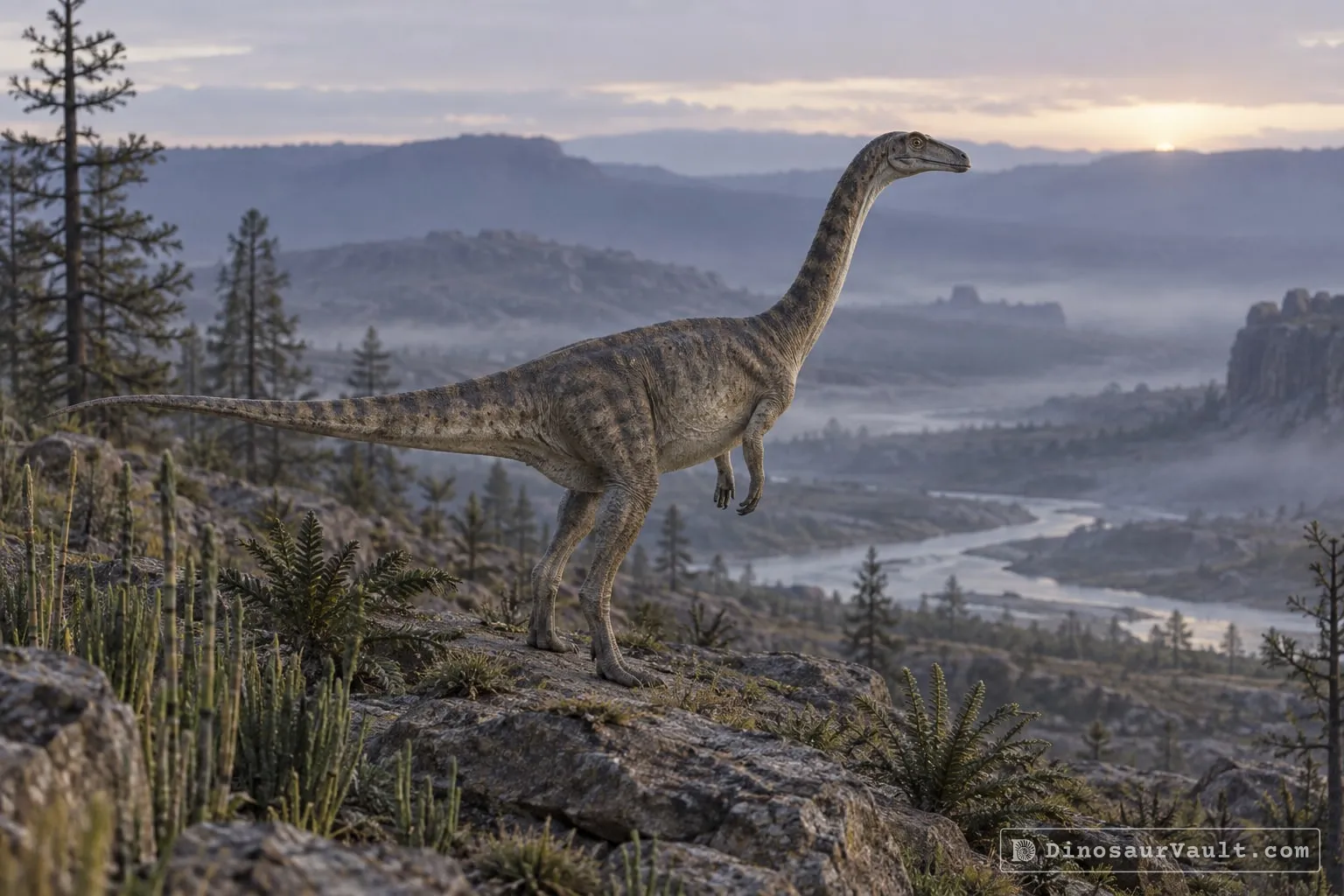
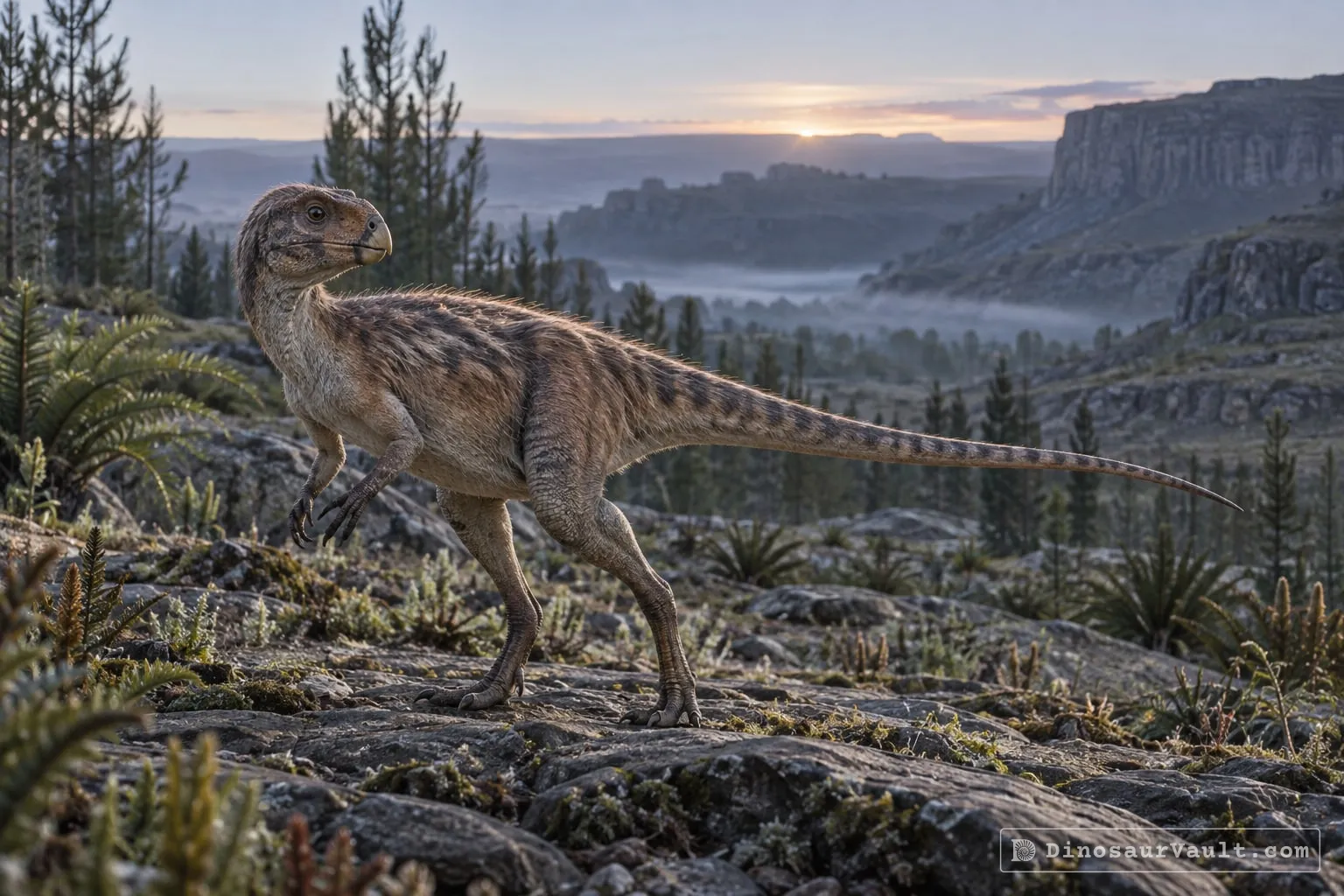
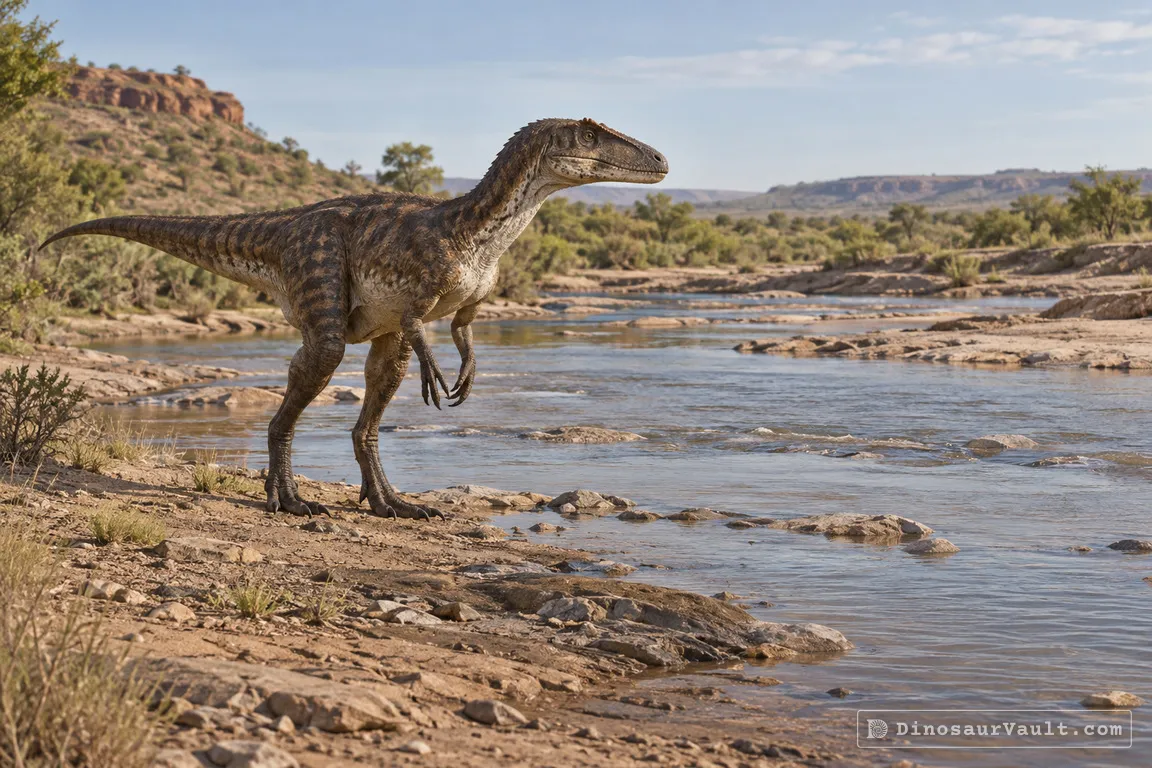
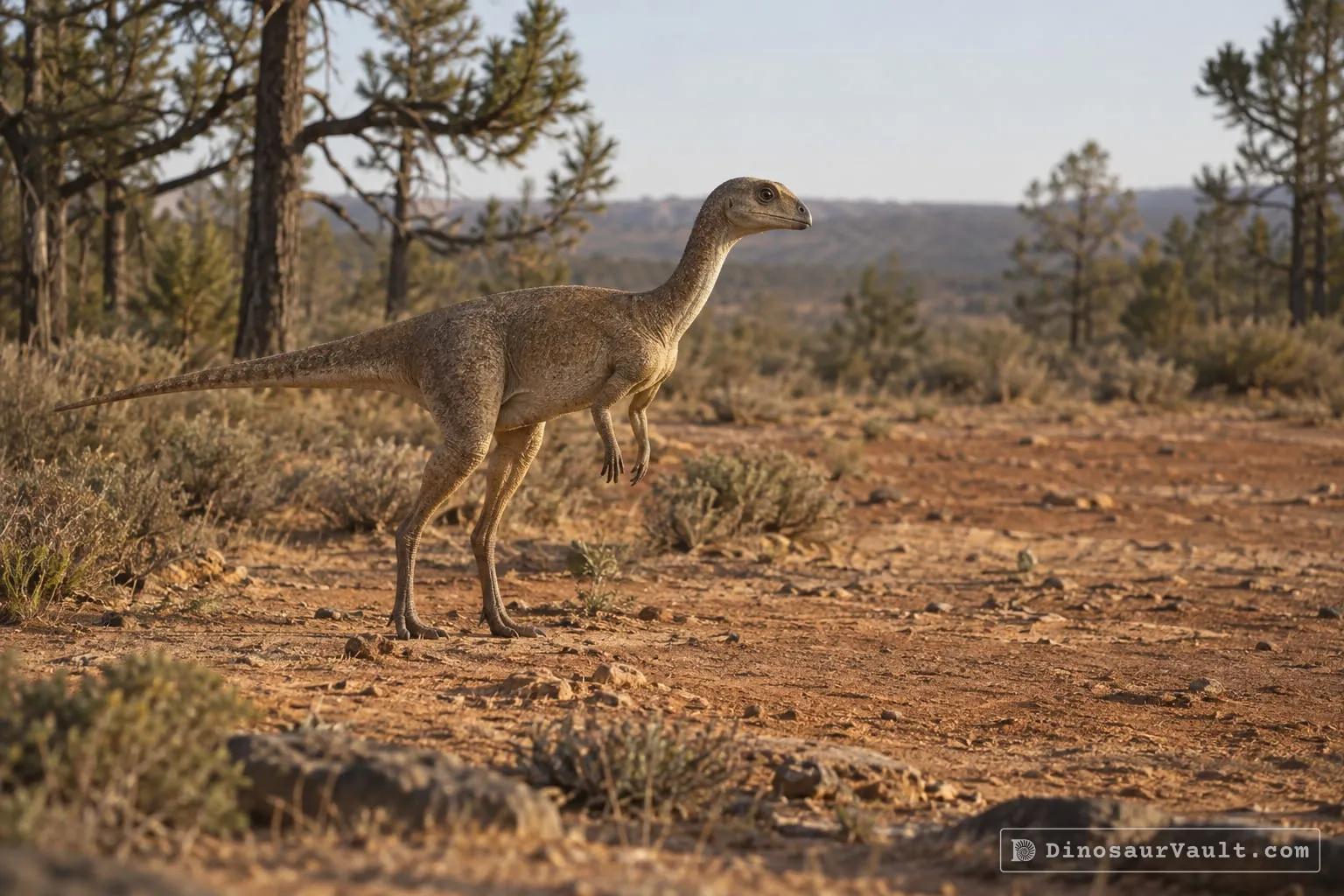
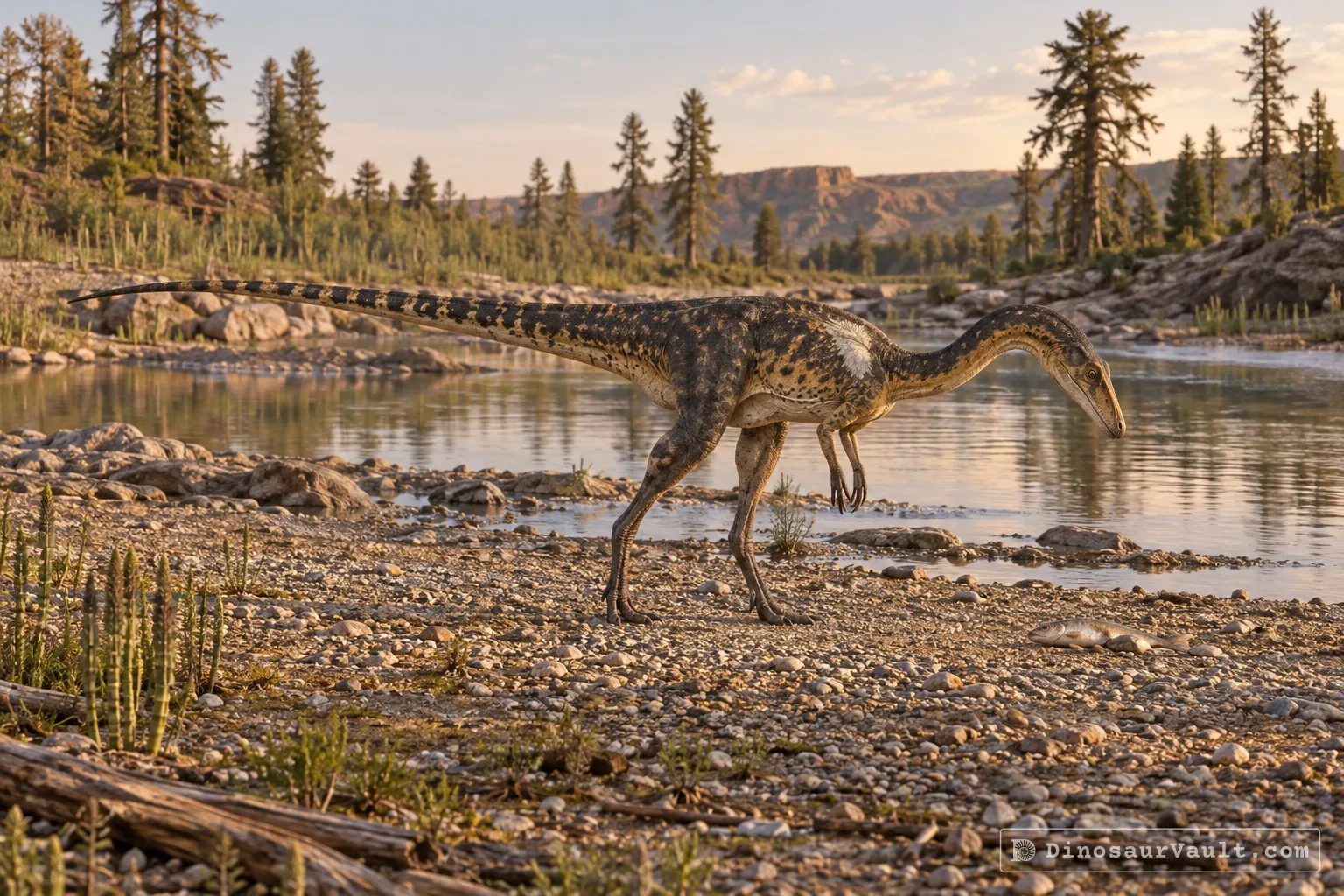
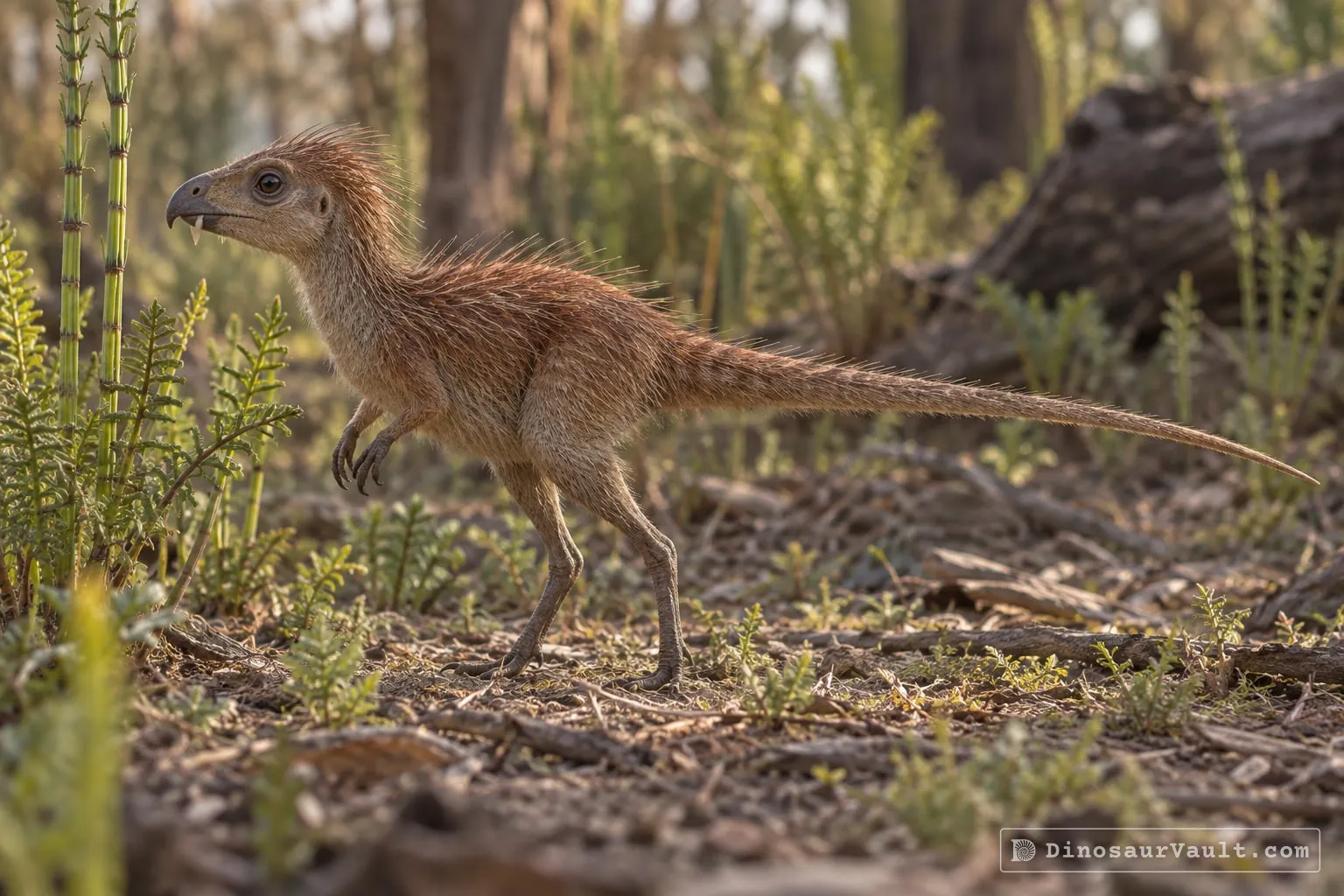
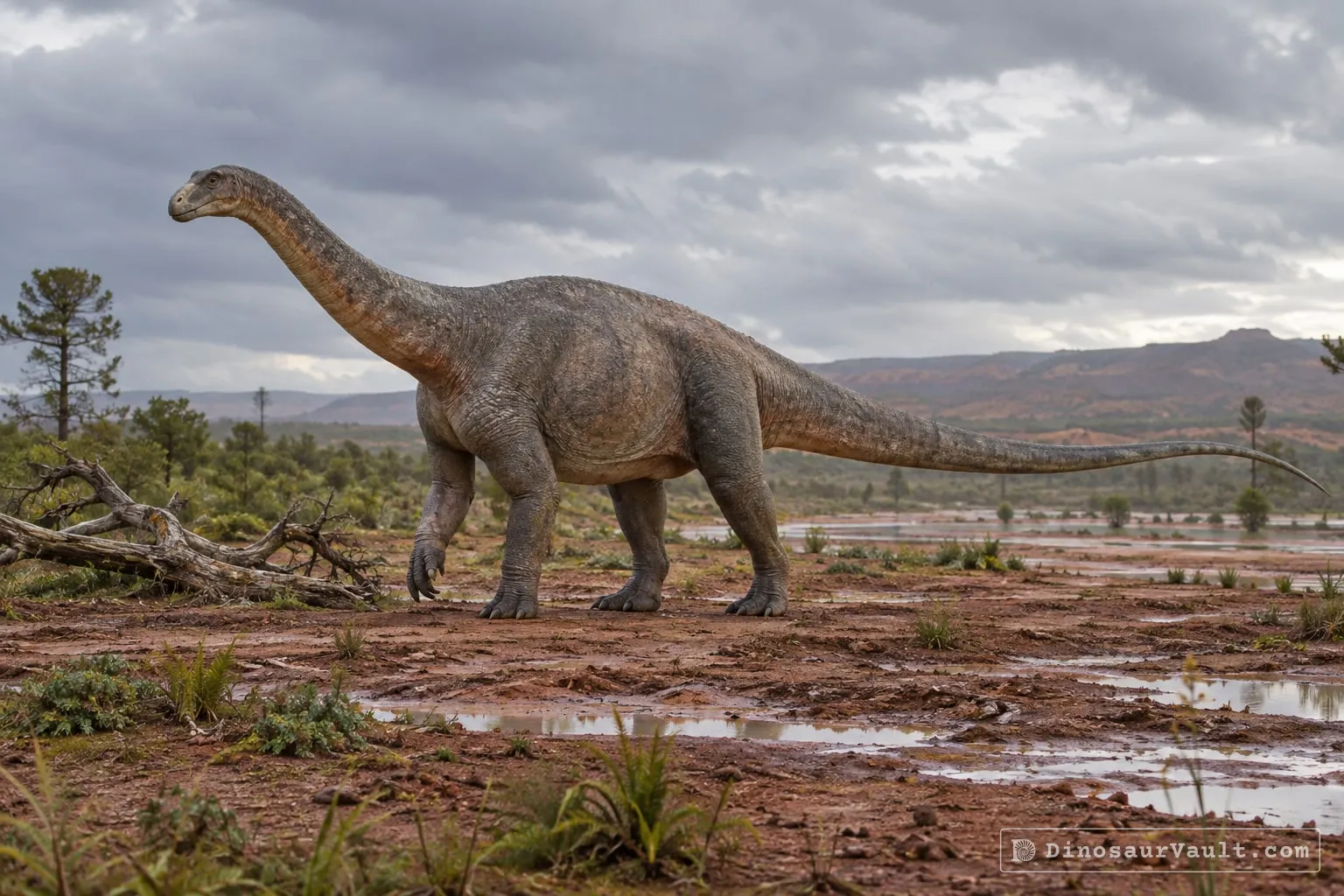


A rock formation can hold fossils laid down millions of years apart, so not every animal here met Aardonyx.
The evidence
The science behind Aardonyx
Which parts of the picture come from its own bones, and which come from its relatives.
From its own fossils
- Its jaws are narrow and meet at a pointed tip.
- Its limb bones combine a mainly two-legged stance with early changes toward supporting weight on the forelimbs.
- Small hollows within larger depressions in its rear back vertebrae probably housed extensions of air sacs.
Borrowed from relatives
- Missing parts of the body are restored by comparison with Massospondylus and Melanorosaurus.
Still unknown
- How often it used all four limbs when moving.
- Its fully grown size.
- Its skin texture and color.
Discovery timeline
- 2010Named itYates et al.
- 2012Full descriptionYates, Wedel & Bonnan
- 2013PostureVanBuren & Bonnan
Key papers
The research behind what we know of Aardonyx
Named it
Described a plant eater whose jaws and limbs help explain the transition toward bulk feeding and walking on all fours.
A new transitional sauropodomorph dinosaur from the Early Jurassic of South Africa and the evolution of sauropod feeding and quadrupedalism. Proceedings of The Royal Society B 277: 787-794
No link available
Full description
Compared hollows in Aardonyx vertebrae with those of other early sauropodomorphs and inferred that air sacs extended into the backbone.
The Early Evolution of Postcranial Skeletal Pneumaticity in Sauropodomorph Dinosaurs. Acta Palaeontologica Polonica 57: 85-100
Read the paper : The Early Evolution of Postcranial Skeletal Pneumaticity in Sauropodomorph Dinosaurs (opens in a new tab)Posture
Compared dinosaur forearms and found limited ability to rotate the hand, helping explain the limb changes involved in walking on all fours.
Forearm Posture and Mobility in Quadrupedal Dinosaurs. PLoS ONE 8: e74842
Read the paper : Forearm Posture and Mobility in Quadrupedal Dinosaurs (opens in a new tab)
Close relatives
Other members of Sauropodiformes


Sources: Wikidata