Dracovenator
"dragon hunter"
- Lived
- 201 to 193 million years ago, Early Jurassic
- Diet
- Carnivore
- Group
- Theropods
- Found in
- South Africa
- Named by
- Yates 2005
Where its fossils were found
The evidence
Today

195 million years ago
Habitat
The upper Elliot Formation records river channels, floodplains and shallow lakes in a landscape with wet and dry seasons. Massospondylus, Heterodontosaurus and Lesothosaurus lived in the region.
Field notes
About Dracovenator
What it was like
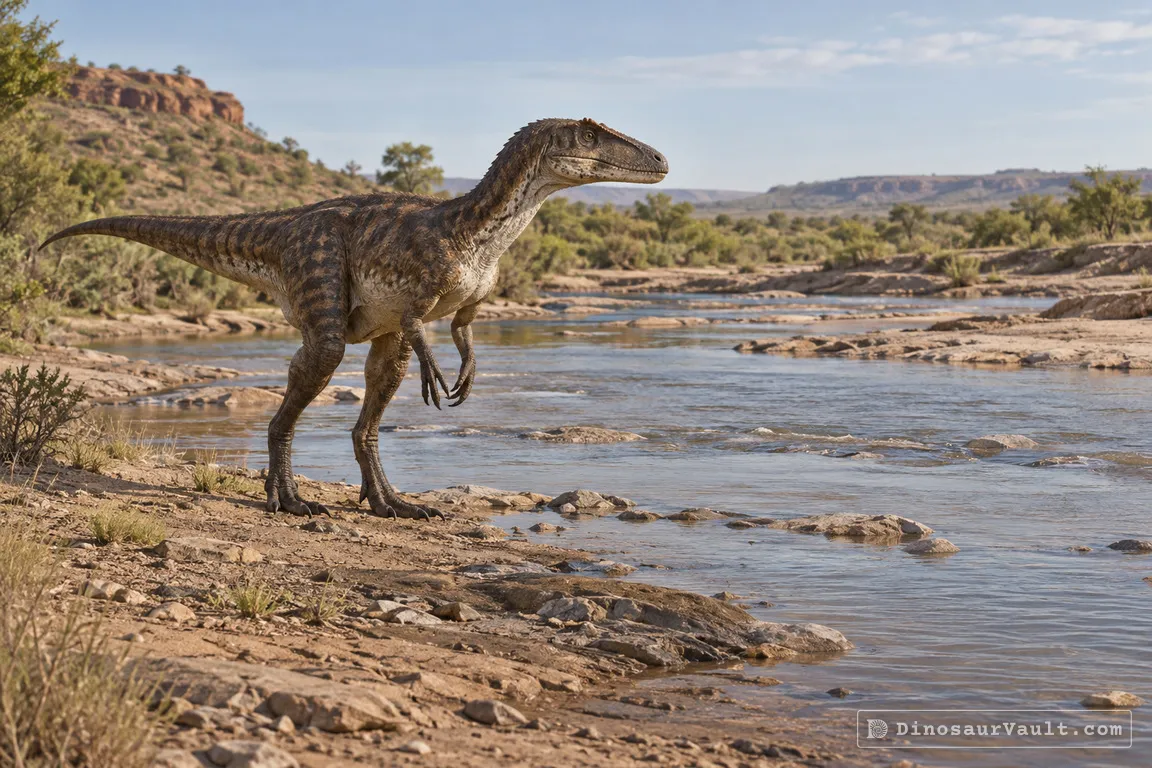
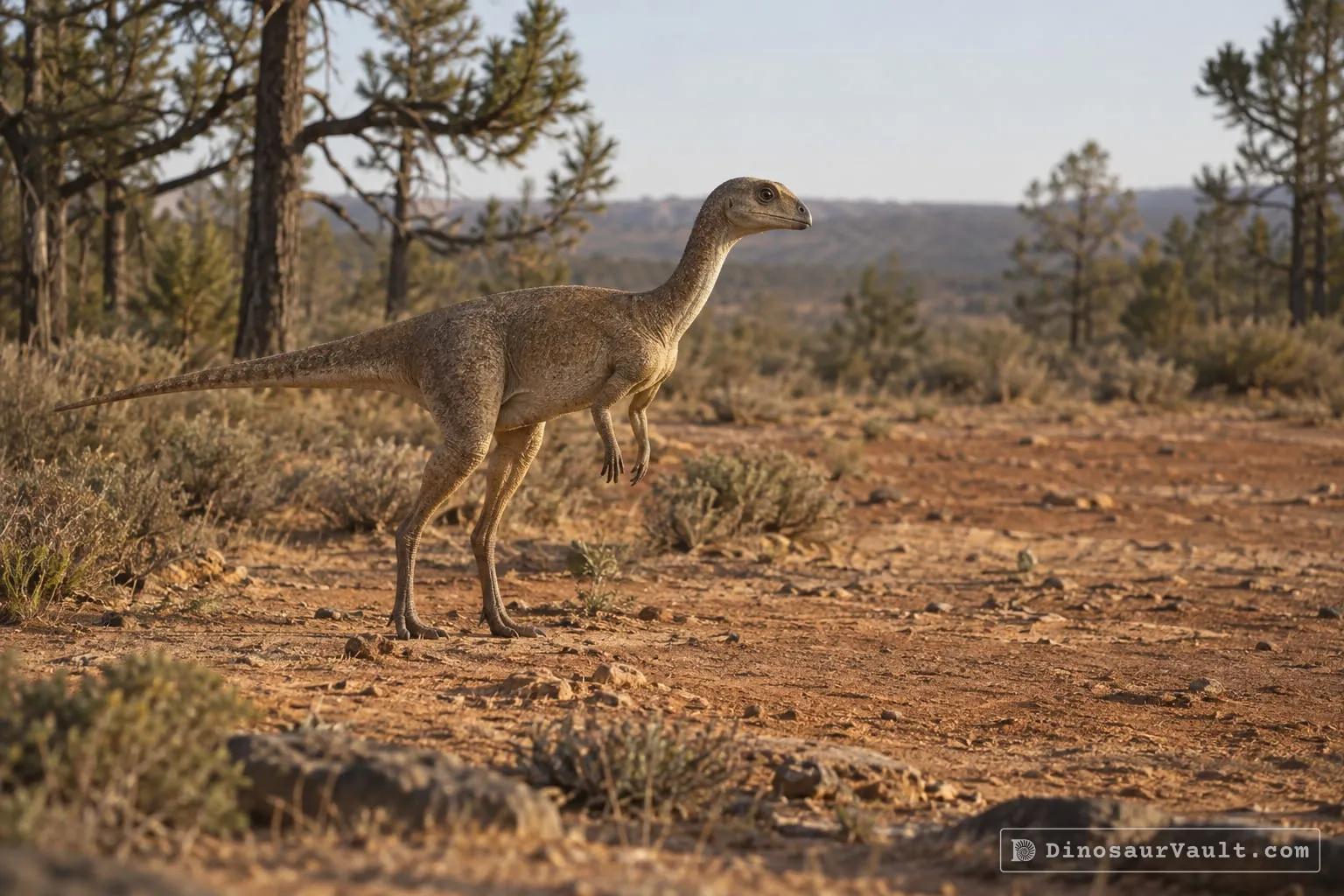
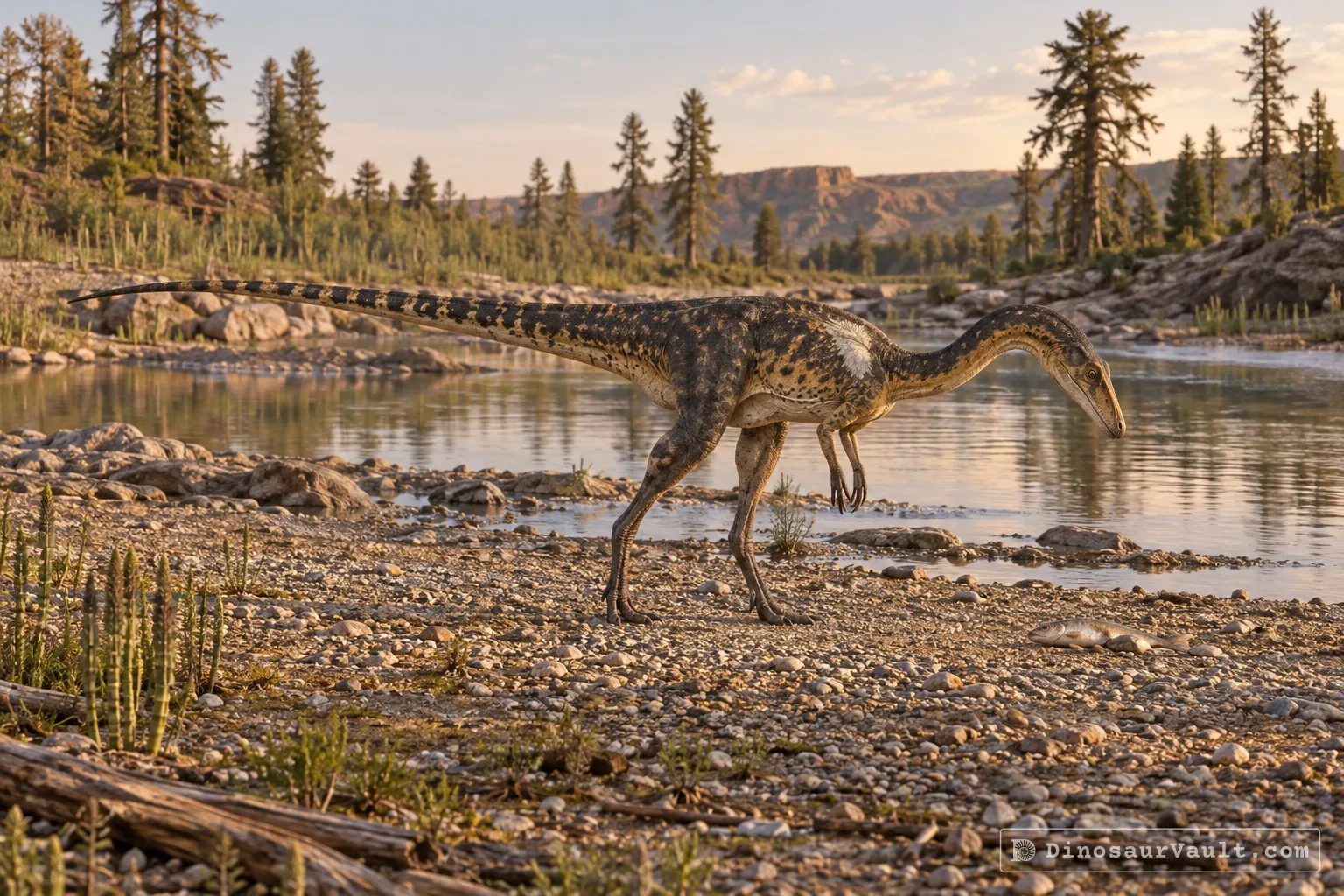
Dracovenator was a two-legged meat eater. Its describer placed it near Dilophosaurus, but that relationship is weakly supported. It is known only from parts of the skull and jaws, so its size and shape are estimates, but it was one of the larger hunters of its time and place.
Its world
It lived about 201 to 193 million years ago, in the Early Jurassic, in what is now South Africa. Its bones come from the Elliot Formation, where it may have hunted the long-necked Massospondylus and Aardonyx or smaller animals like Heterodontosaurus and Lesothosaurus.
How it was found
Yates named Dracovenator in 2005. Only one find is known.
Field gallery
More views of Dracovenator
Scenes reconstructed from the available fossil evidence.
1 of 3
Lived alongside
Found in the same rock formations
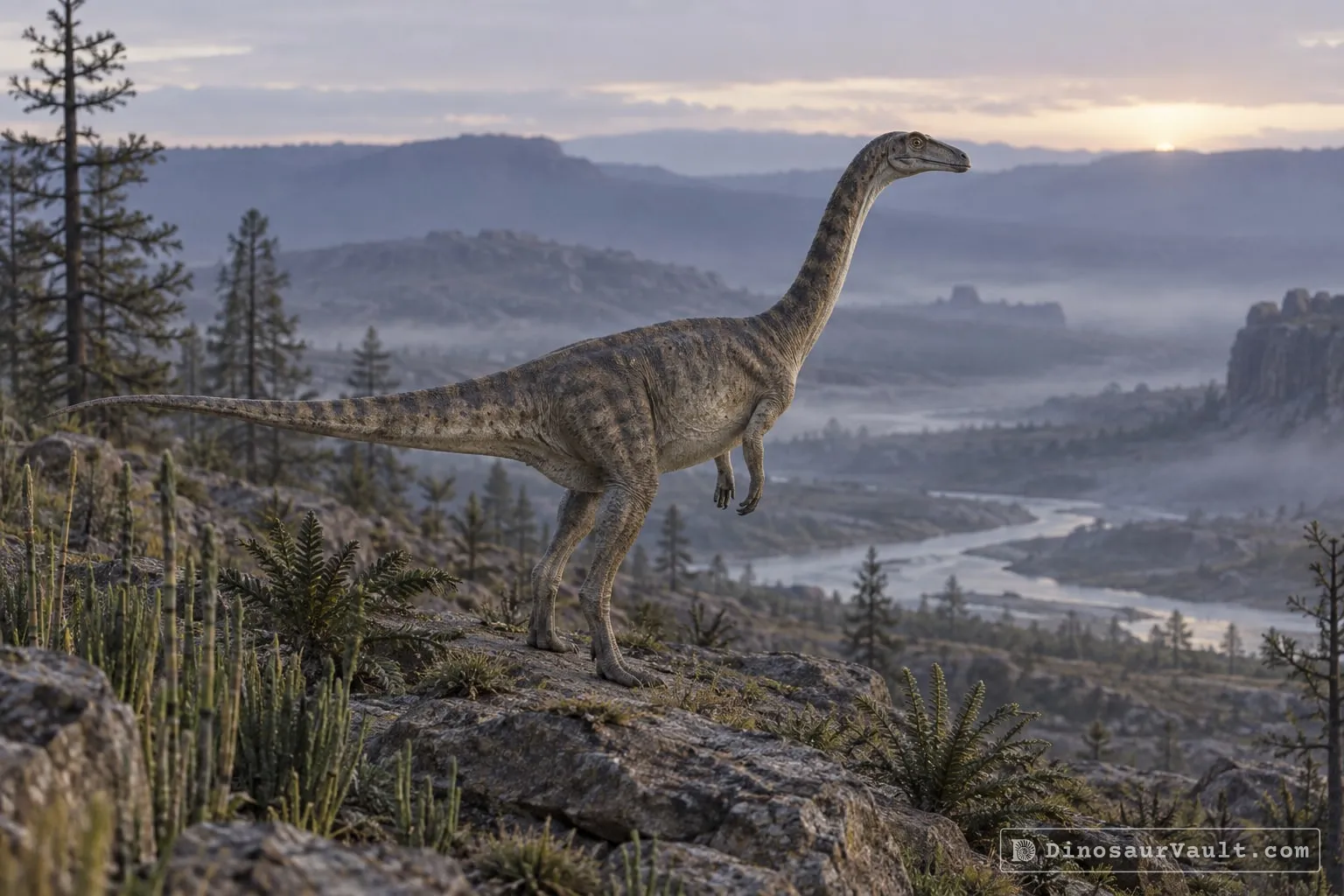
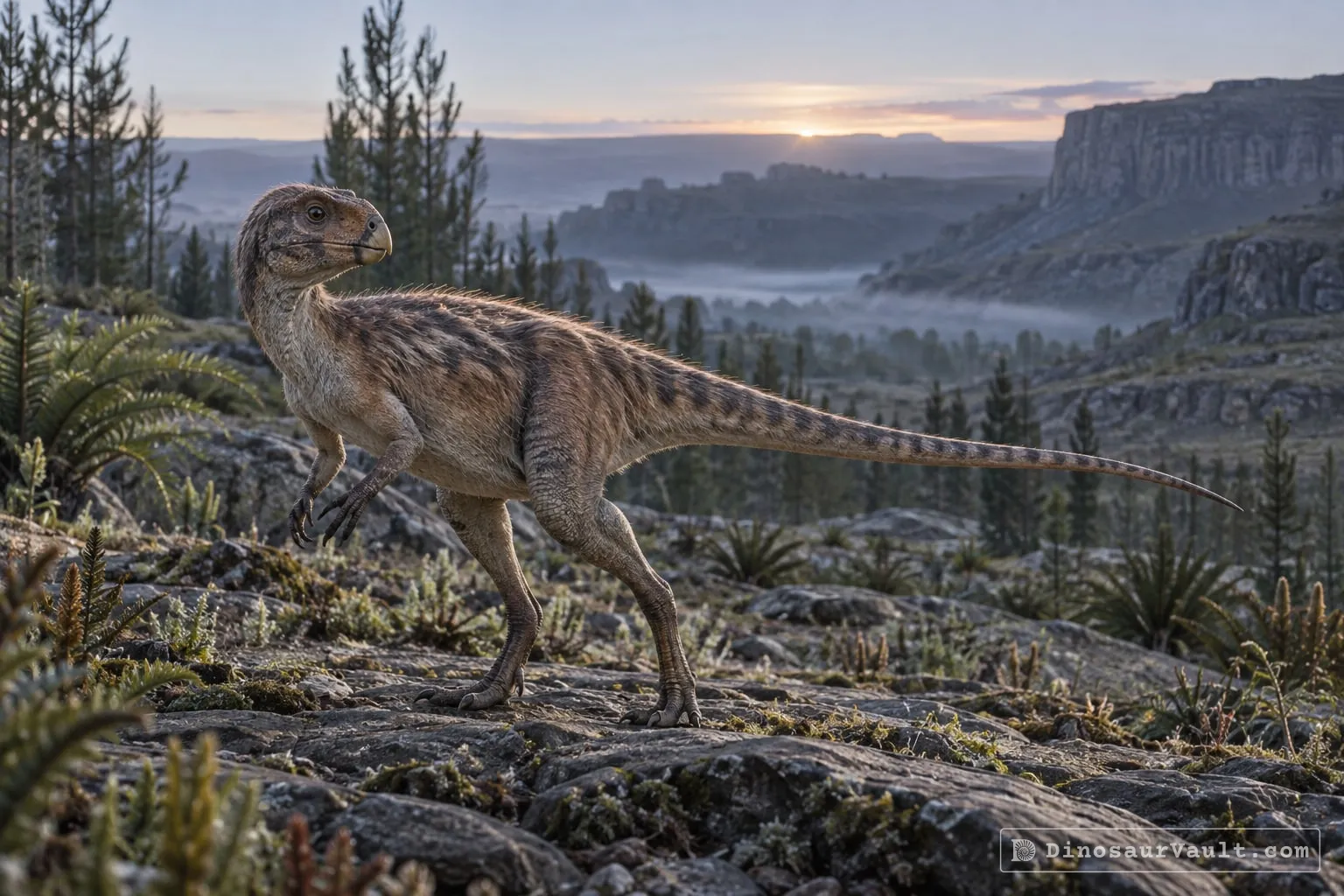
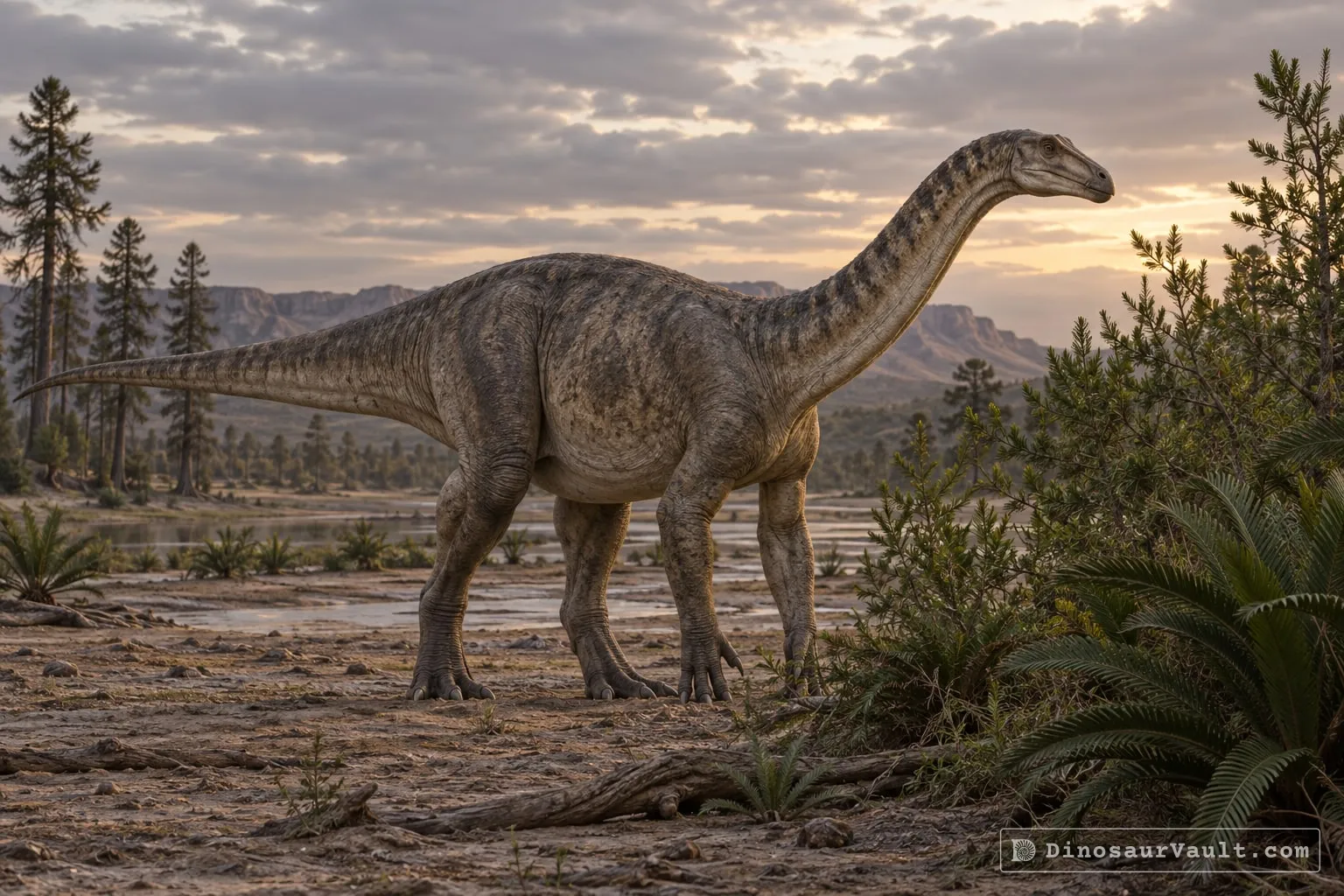
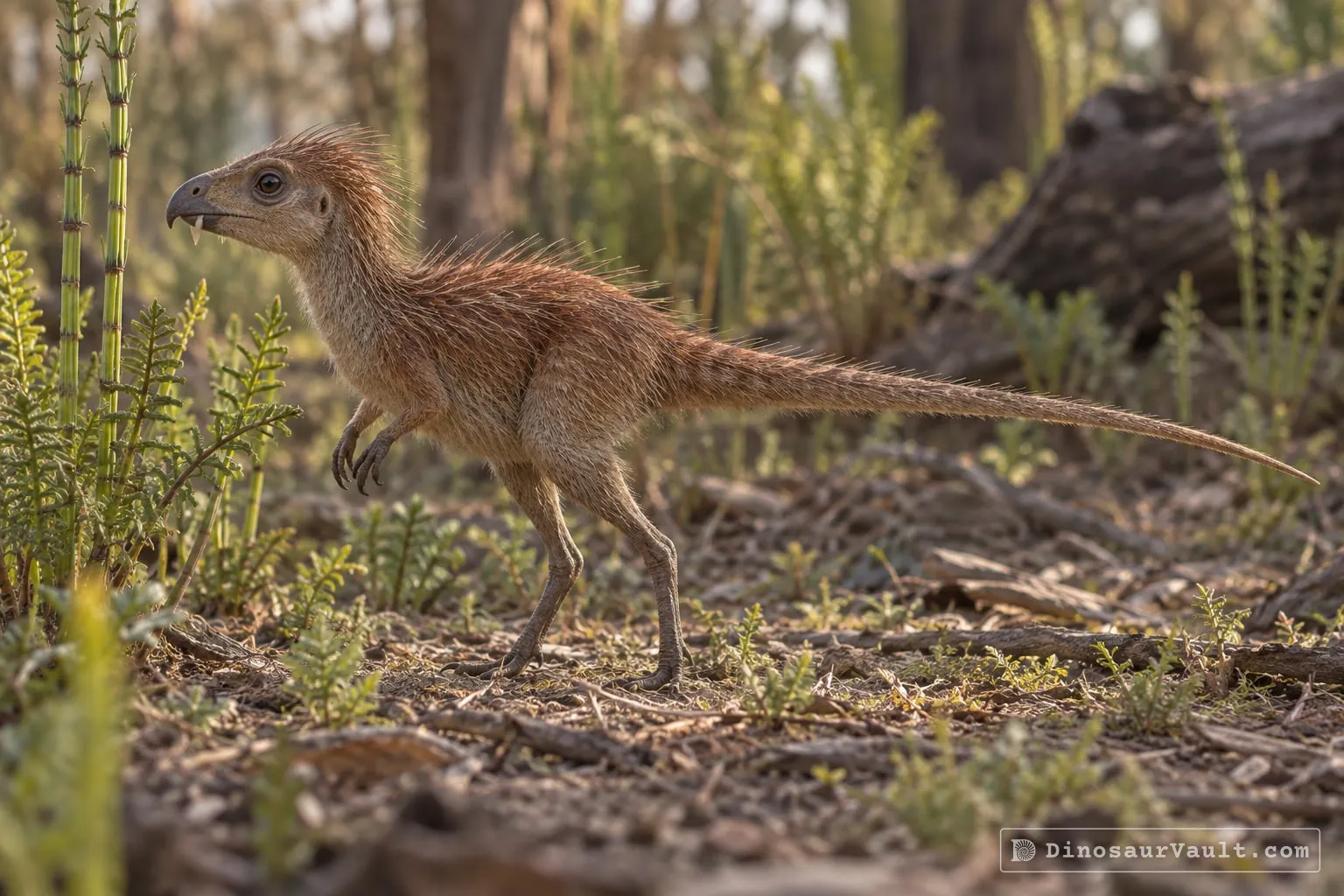
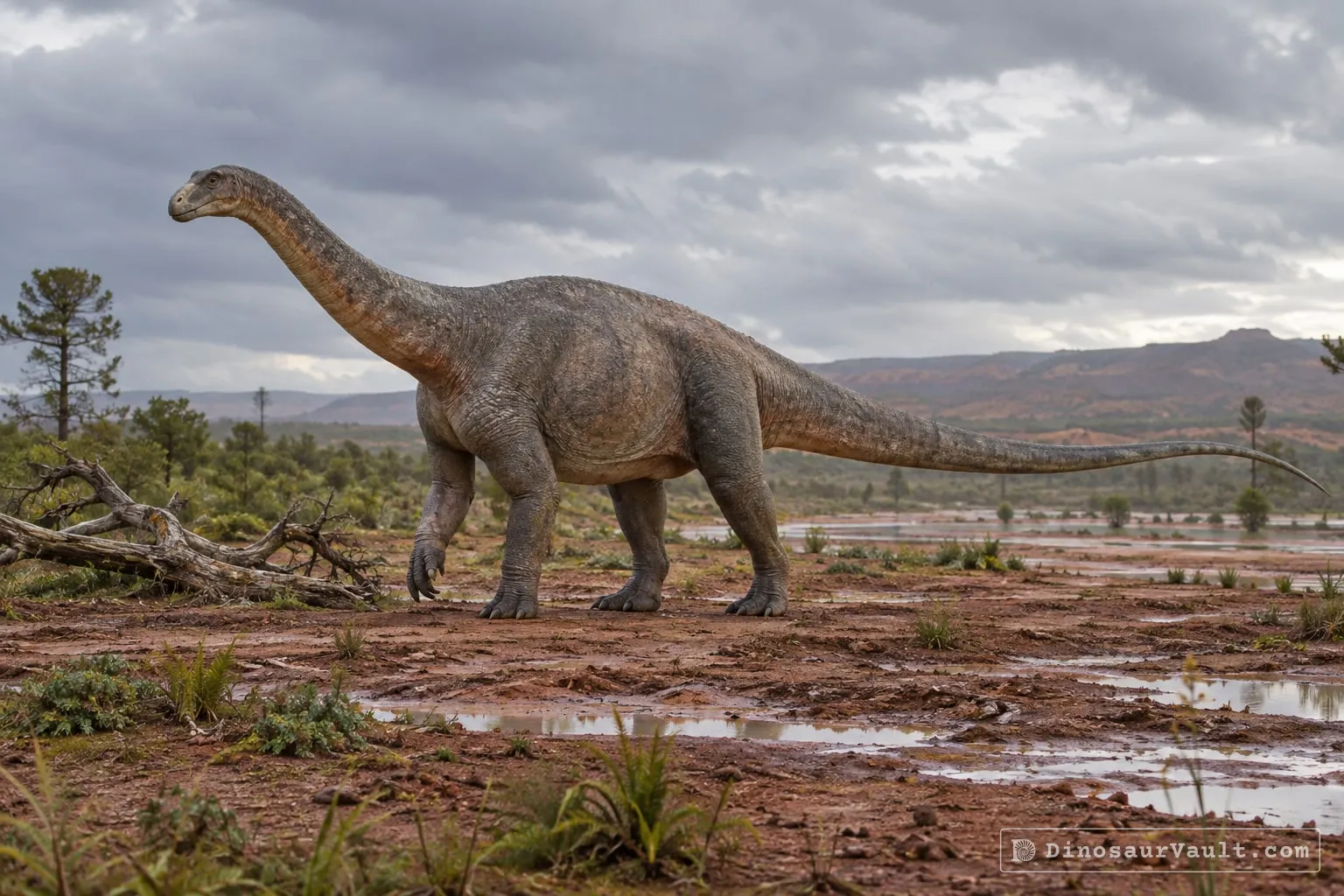
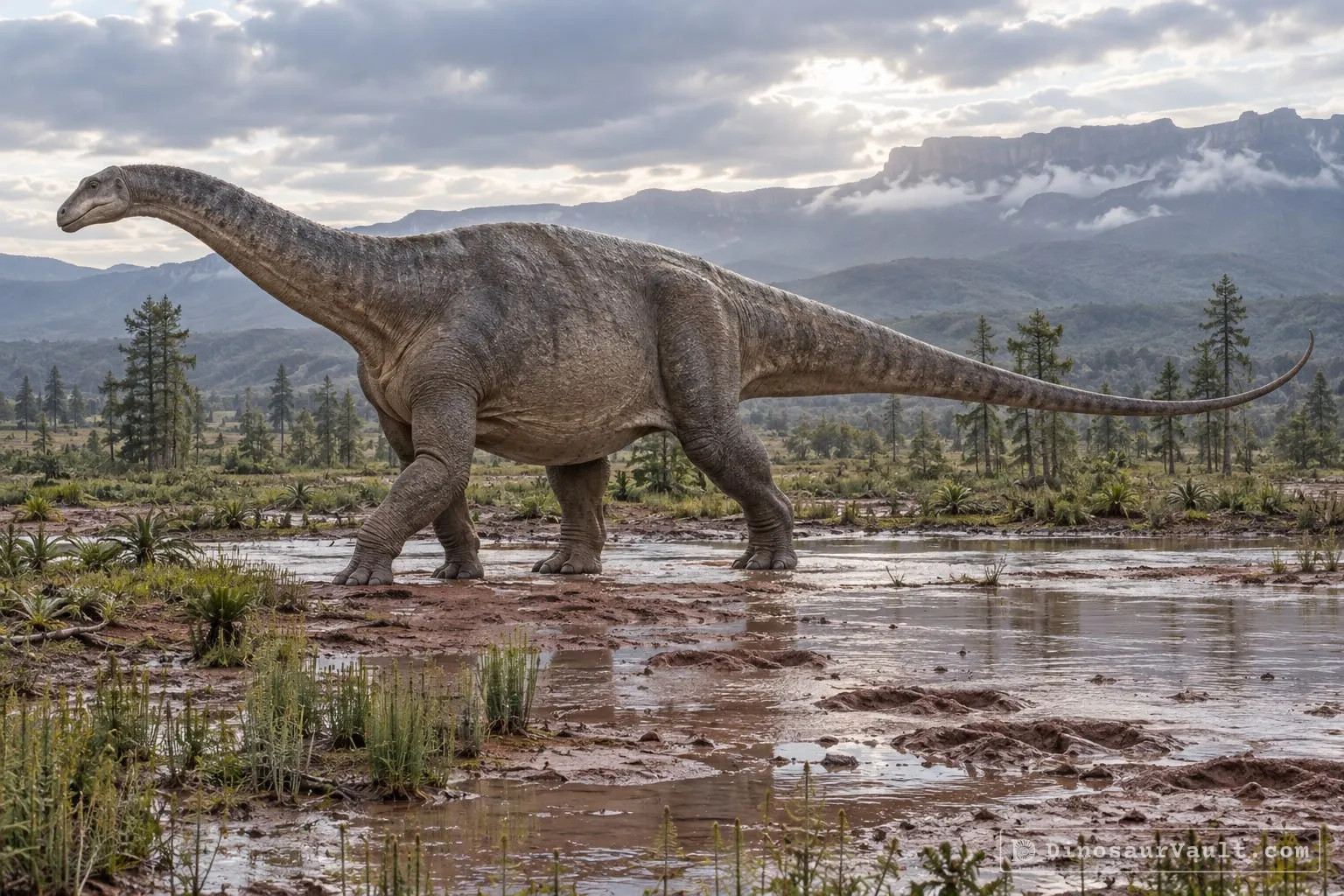


A rock formation can hold fossils laid down millions of years apart, so not every animal here met Dracovenator.
The evidence
The science behind Dracovenator
Which parts of the picture come from its own bones, and which come from its relatives.
From its own fossils
- The type specimen is made of separated pieces of one skull: both premaxillae from the snout tip, the back of the right maxilla, pieces of the lower jaws and the bones at the back of the jaw. Its teeth are curved with serrated edges.
- The premaxilla is longer than it is high, with a rounded front edge and a two-lobed hollow on its side.
- The lower jaw has an oblique notch at its joint and enlarged raised projections near its hinge.
Borrowed from relatives
- The missing neck, body, arms, legs and tail are restored using Dilophosaurus, without its tall paired crests.
- The missing back of the skull and the area around the eye are compared with Notatesseraeraptor, an early theropod with a long, low skull.
Still unknown
- The shape of most of its body, its full length and its skin covering.
- Whether it had head crests. A low ridge on the snout was first read as the base of a crest, but a later study suggested it may be crushed bone.
- Its closest relatives. The naming study placed it near Dilophosaurus, but found that a place among the coelophysoids fit its evidence about as well.
Discovery timeline
- 2005Named itYates
- 2017Same rocksSciscio et al.
- 2019Close relativeZahner & Brinkmann
- 2020Close relativeMarsh & Rowe
Key papers
The research behind what we know of Dracovenator
Named it
Named Dracovenator from skull and jaw fragments and compared it with Dilophosaurus and other early meat eaters.
A new theropod dinosaur from the Early Jurassic of South Africa and its implications for the early evolution of theropods. Palaeontologia Africana 41: 105-122
No link available
Same rocks
Found tracks of a very large meat eater in the same formation, alongside signs of seasonal rivers and shallow lakes.
The first megatheropod tracks from the Lower Jurassic upper Elliot Formation, Karoo Basin, Lesotho. PLOS ONE 12: e0185941
Read the paper : The first megatheropod tracks from the Lower Jurassic upper Elliot Formation, Karoo Basin, Lesotho (opens in a new tab)Close relative
Named Notatesseraeraptor, an early theropod from Switzerland, and compared its snout and jaw joint with those of Dracovenator.
A Triassic averostran-line theropod from Switzerland and the early evolution of dinosaurs. Nature Ecology & Evolution 3: 1146-1152
Read the paper : A Triassic averostran-line theropod from Switzerland and the early evolution of dinosaurs (opens in a new tab)Close relative
Redescribed Dilophosaurus and questioned whether the proposed crests of Dracovenator were correctly identified.
A comprehensive anatomical and phylogenetic evaluation of Dilophosaurus wetherilli (Dinosauria, Theropoda) with descriptions of new specimens from the Kayenta Formation of northern Arizona. Journal of Paleontology 94: 1-103
Read the paper : A comprehensive anatomical and phylogenetic evaluation of Dilophosaurus wetherilli (Dinosauria, Theropoda) with descriptions of new specimens from the Kayenta Formation of northern Arizona (opens in a new tab)
Close relatives
Other members of Neotheropoda


Sources: Wikidata