Pegomastax
"thick jaw"
- Lived
- 201 to 193 million years ago, Early Jurassic
- Diet
- Herbivore
- Group
- Early ornithischians, Heterodontosauridae
- Found in
- South Africa
- Named by
- Sereno 2012
Where its fossils were found
The evidence
Today

195 million years ago
Habitat
Seasonally dry floodplains in South Africa were crossed by rivers. Heterodontosaurus, Massospondylus and Lesothosaurus also lived in the land recorded by the Elliot Formation.
Field notes
About Pegomastax
What it was like
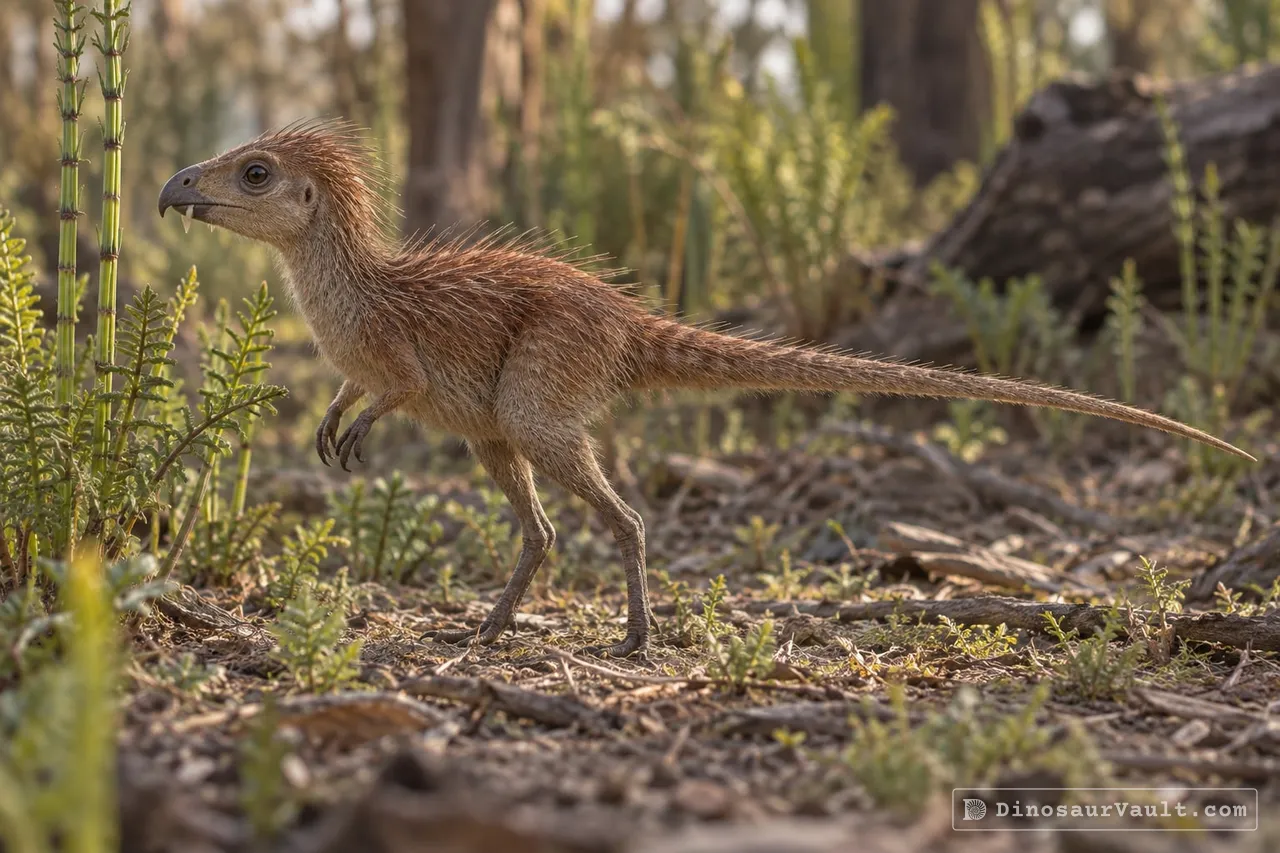
Pegomastax was a tiny heterodontosaur, a plant eater smaller than a house cat. It had a short, parrot-like beak and a pair of sharp fangs at the front of its jaws. Its cheek teeth sharpened each other as it chewed.
Its fangs may have been for defense or for display, since it seems to have eaten mostly plants.
Its world
It lived in the Early Jurassic, in what is now South Africa. It comes from the Elliot Formation, where it shared the land with its relative Heterodontosaurus, the long-necked plant eater Massospondylus and the hunters Dracovenator and Megapnosaurus.
How it was found
Sereno named Pegomastax in 2012, from a skull that had been collected decades earlier and sat in a museum drawer until then.
Field gallery
More views of Pegomastax
Scenes reconstructed from the available fossil evidence.
Lived alongside
Found in the same rock formations
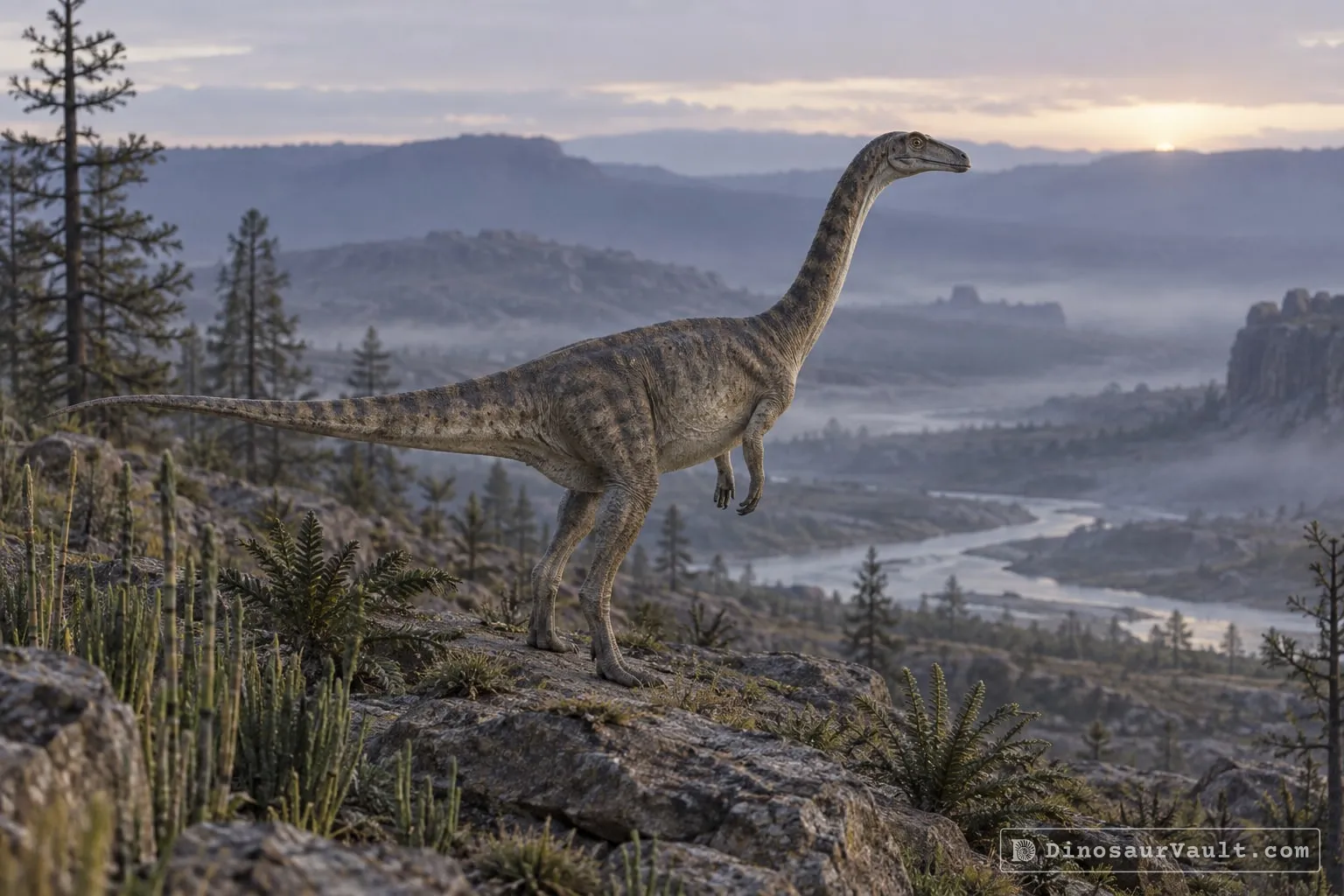
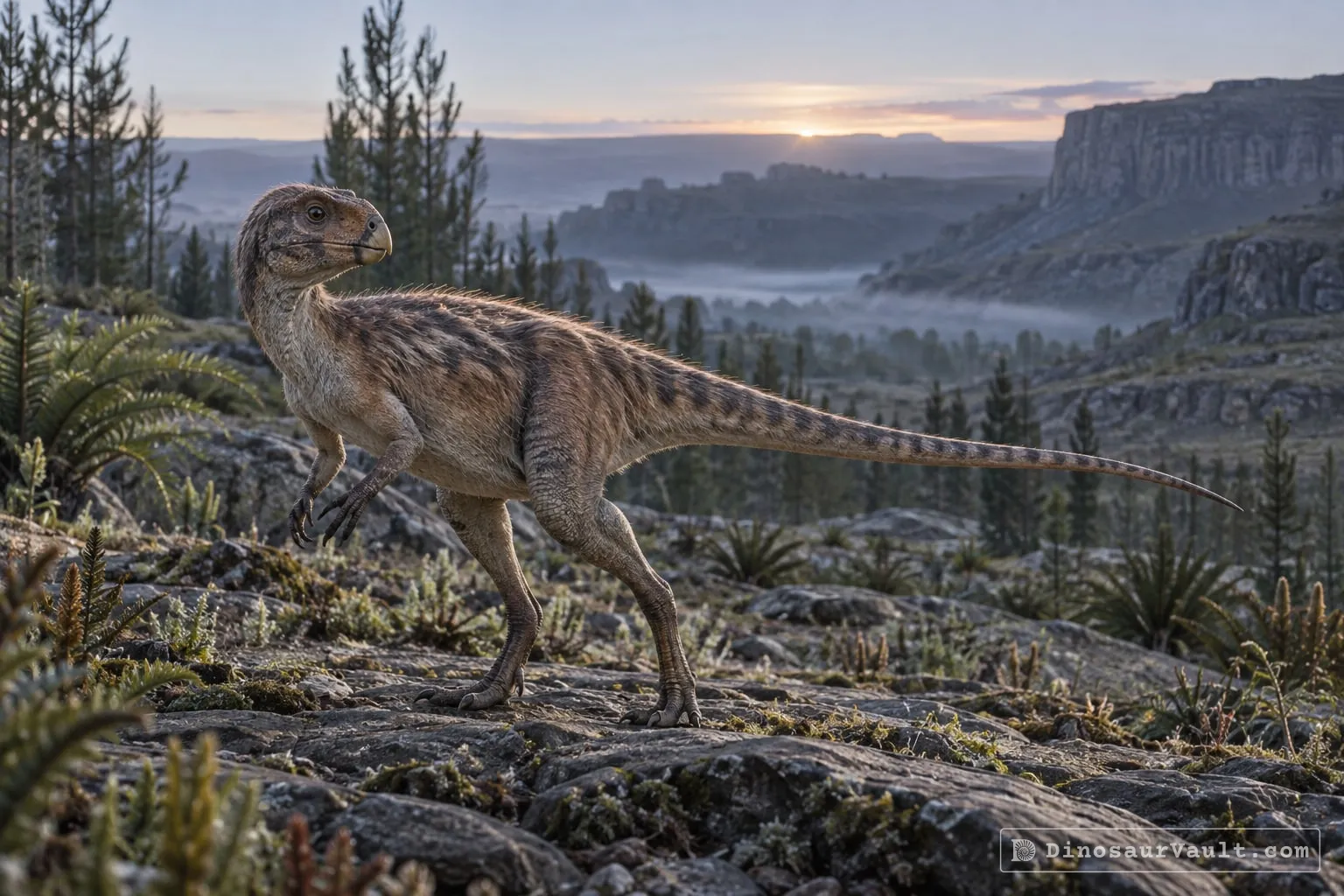
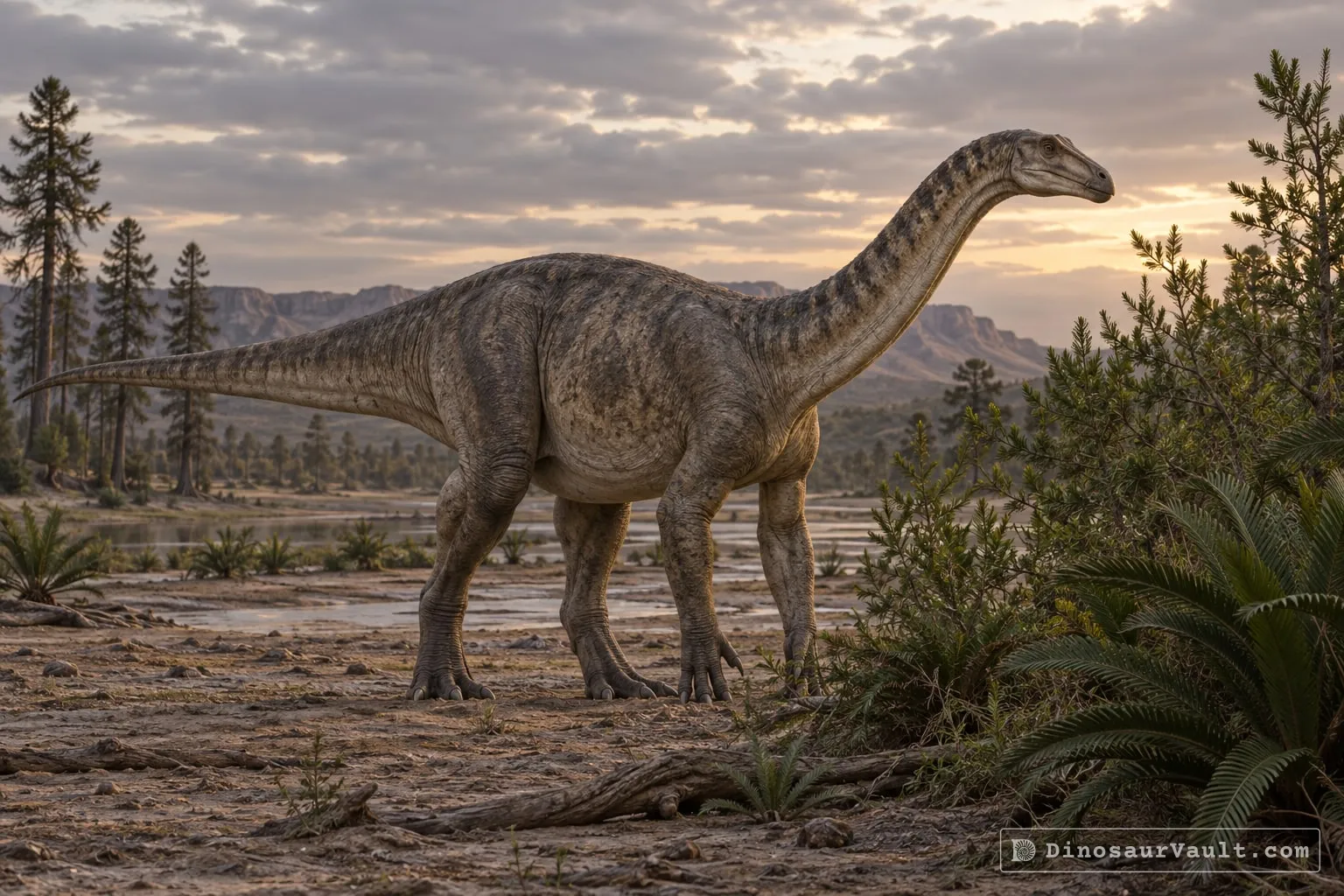
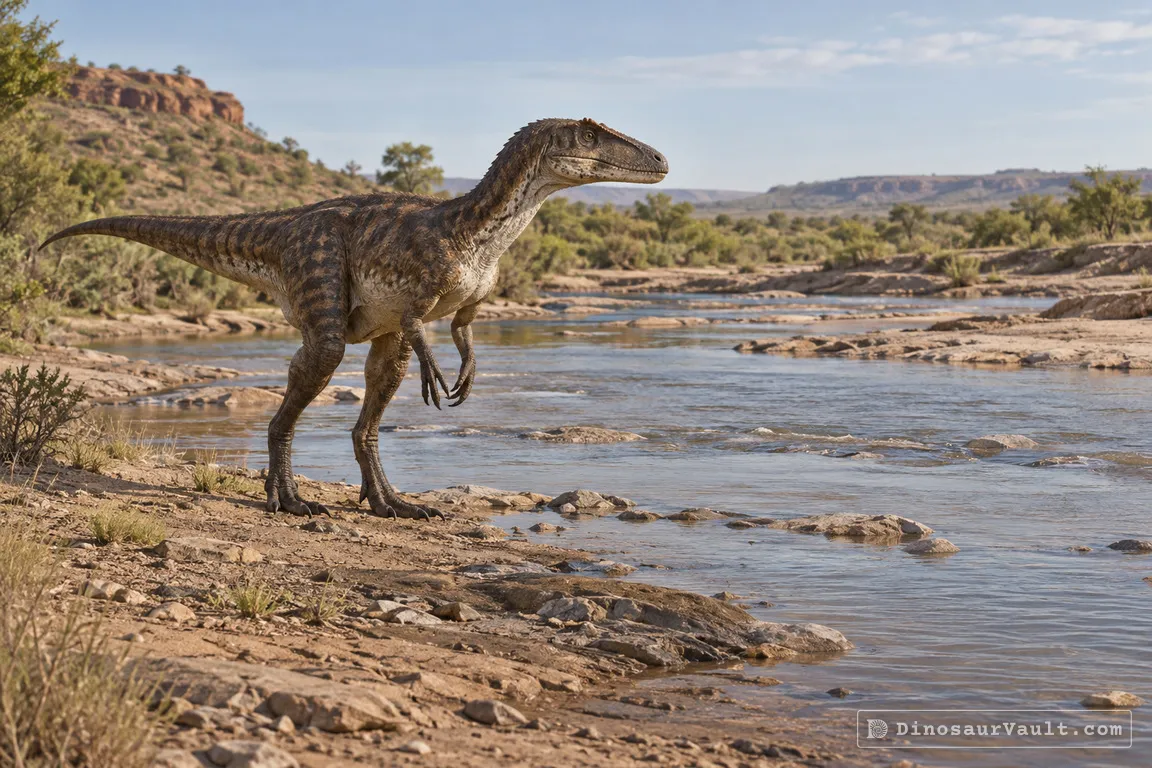
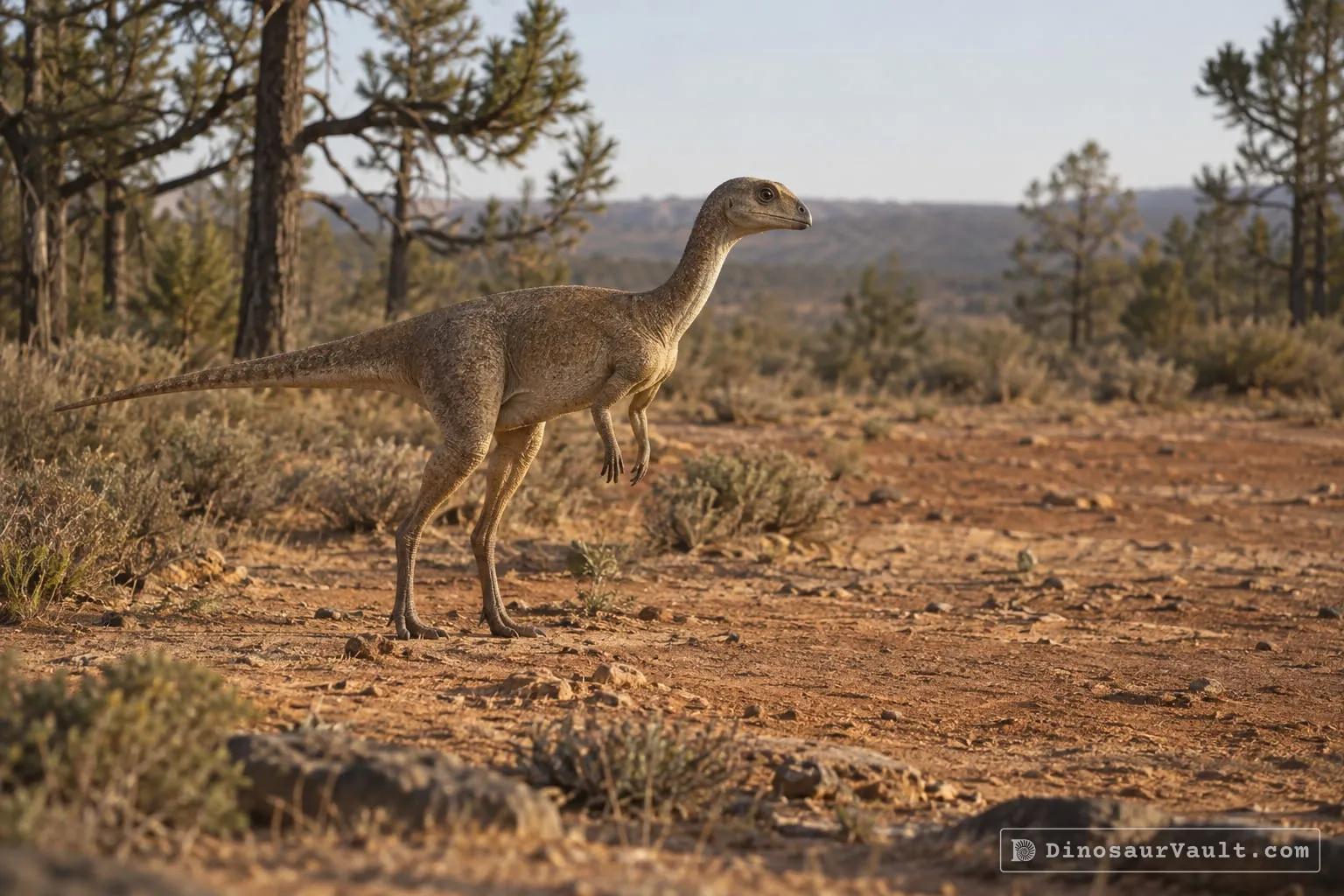
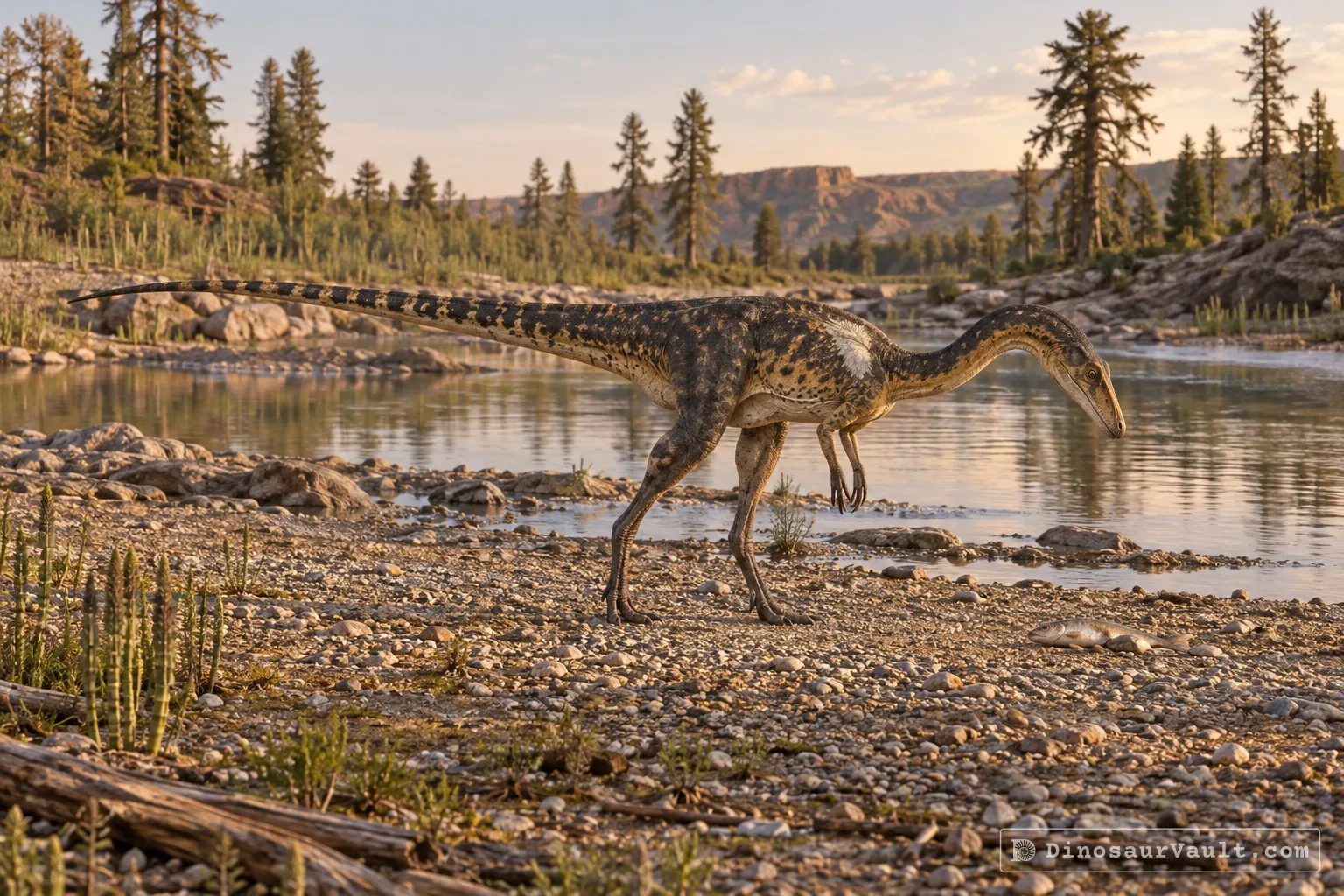
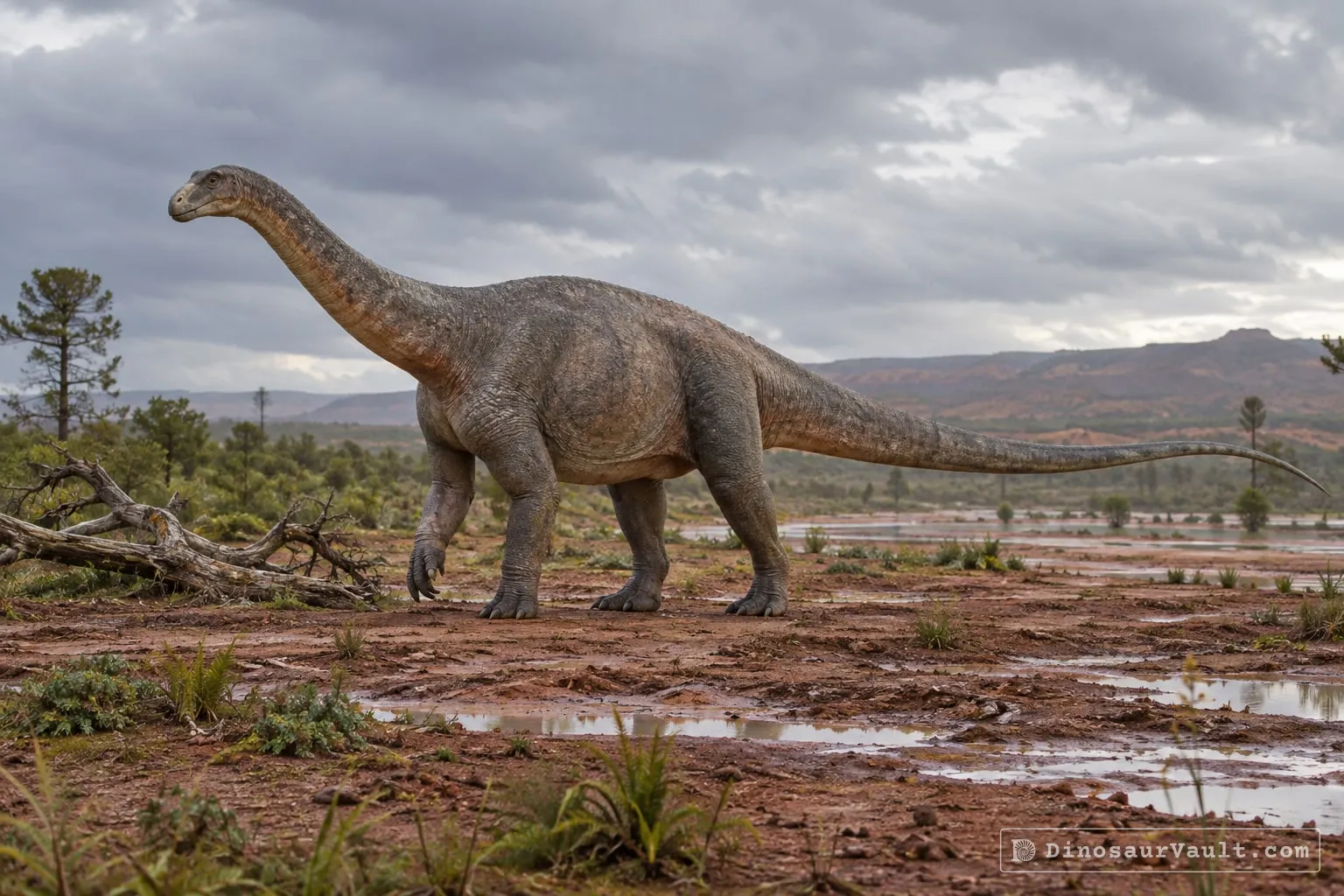
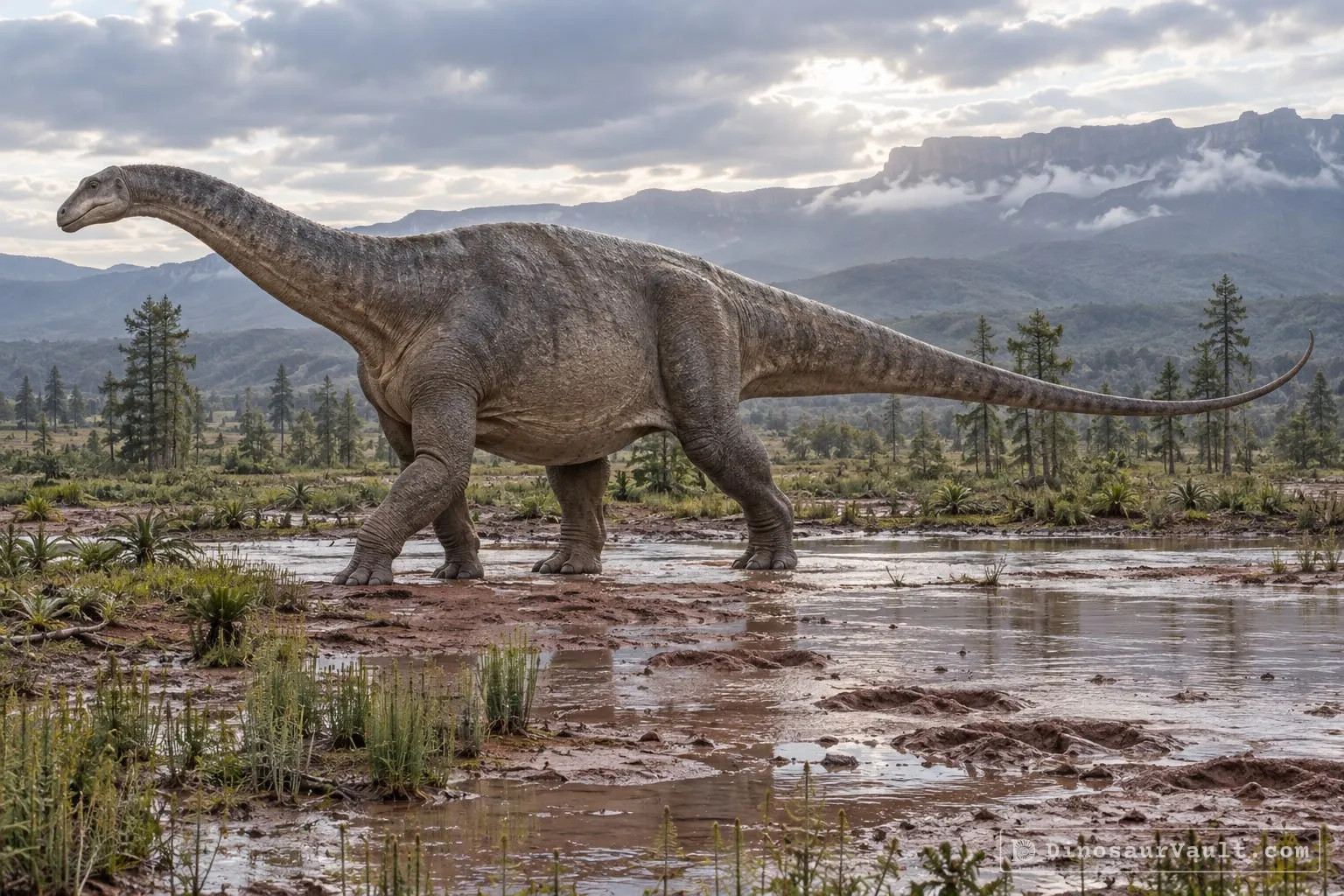


A rock formation can hold fossils laid down millions of years apart, so not every animal here met Pegomastax.
The evidence
The science behind Pegomastax
Which parts of the picture come from its own bones, and which come from its relatives.
From its own fossils
- A partial skull preserves both sides of the lower jaw and the deep, toothless bone at its tip.
- The lower jaw has a large fang ahead of tall cheek teeth.
- Wear on the cheek teeth records teeth shearing against each other.
Borrowed from relatives
- Its body is restored by comparison with heterodontosaurs such as Heterodontosaurus.
- Tianyulong preserves hair-like filaments, so Pegomastax may have worn a similar covering.
Still unknown
- Its body size and limb proportions.
- Whether it had filaments, scales or a mixture of coverings.
- Whether its fangs were used for defense or display.
Discovery timeline
- 2009Close relativeZheng et al.
- 2011Close relativeNORMAN et al.
- 2012Named itSereno
Key papers
The research behind what we know of Pegomastax
Close relative
Described hair-like filaments on Tianyulong, making a similar covering a possibility for its relative Pegomastax.
An Early Cretaceous heterodontosaurid dinosaur with filamentous integumentary structures. Nature 458: 333-336
Read the paper : An Early Cretaceous heterodontosaurid dinosaur with filamentous integumentary structures (opens in a new tab)Close relative
Described the specialized skull and worn cheek teeth of Heterodontosaurus, a useful comparison for understanding the jaws of Pegomastax.
The Lower Jurassic ornithischian dinosaur Heterodontosaurus tucki Crompton & Charig, 1962: cranial anatomy, functional morphology, taxonomy, and relationships. Zoological Journal of the Linnean Society: no-no
Read the paper : The Lower Jurassic ornithischian dinosaur Heterodontosaurus tucki Crompton & Charig, 1962: cranial anatomy, functional morphology, taxonomy, and relationships (opens in a new tab)Named it
Named Pegomastax from its deep lower jaw and unusual teeth, and interpreted heterodontosaurs as mainly plant eaters.
Taxonomy, morphology, masticatory function and phylogeny of heterodontosaurid dinosaurs. ZooKeys 226: 1-225
Read the paper : Taxonomy, morphology, masticatory function and phylogeny of heterodontosaurid dinosaurs (opens in a new tab)
Close relatives
Other members of Heterodontosauridae


Sources: Wikidata