Lesothosaurus
"Lesotho lizard"
- Lived
- 201 to 193 million years ago, Early Jurassic
- Diet
- Herbivore
- Length
- about 1 m (3 ft)
- Found in
- Lesotho and South Africa
- Named by
- Galton 1978
Size comparison
To scale

Scale in metersOutline: typical early armored dinosaur shape
Where its fossils were found
The evidence
Today

195 million years ago
Habitat
A seasonally dry floodplain crossed by rivers that sometimes dried up or flooded suddenly. Other dinosaurs from the Elliot Formation include Massospondylus, Heterodontosaurus and Dracovenator.
Field notes
About Lesothosaurus
What it was like
Lesothosaurus was a small, lightly built plant eater about 1 meter (3 feet) long. It ran on long hind legs, had short arms, and snipped plants with leaf-shaped teeth and a small beak.
It is one of the earliest members of the line that later led to the armored dinosaurs, though its own body had no armor at all. It may have eaten some insects or small animals too.
Its world
It lived about 201 to 193 million years ago, in the Early Jurassic, in what are now Lesotho and South Africa. Its fossils come from the Elliot Formation, where the long-necked Massospondylus, the small Heterodontosaurus and the hunter Dracovenator also lived.
Its speed was probably its best defense against predators such as Megapnosaurus.
How it was found
Galton named Lesothosaurus in 1978. Eight finds are known, including skulls, which makes it one of the best known early ornithischians.
Field gallery
More views of Lesothosaurus
Scenes reconstructed from the available fossil evidence.
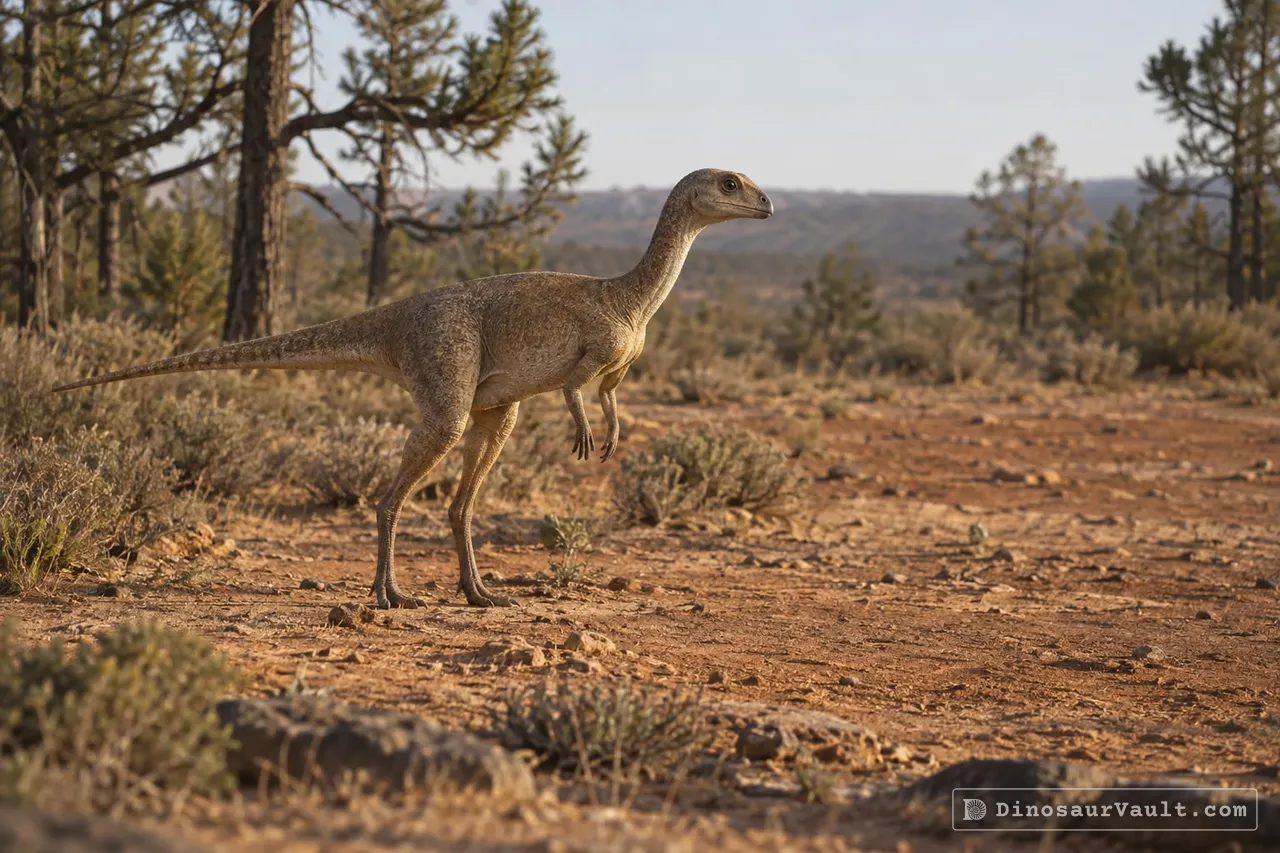
1 of 3
Lived alongside
Found in the same rock formations
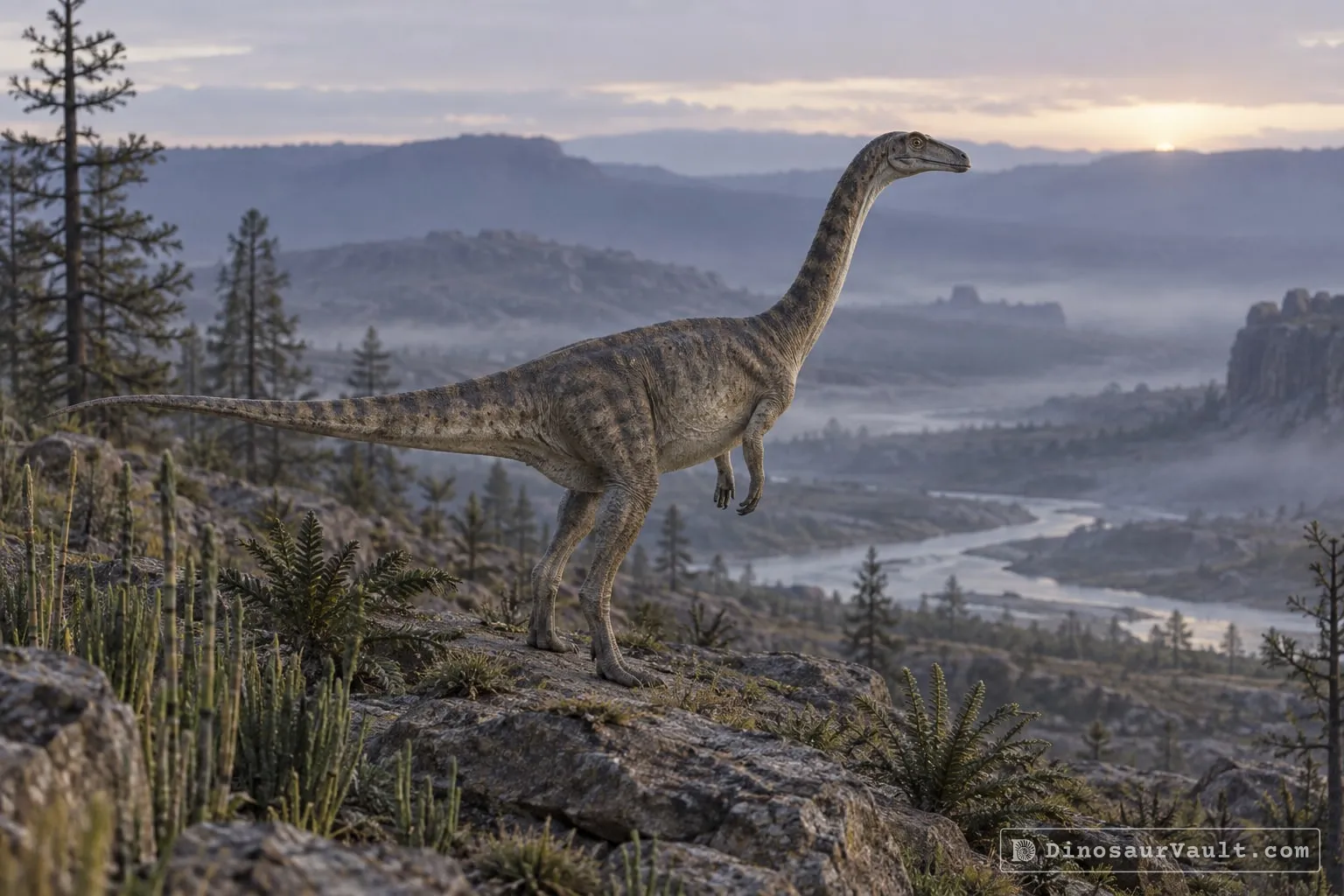
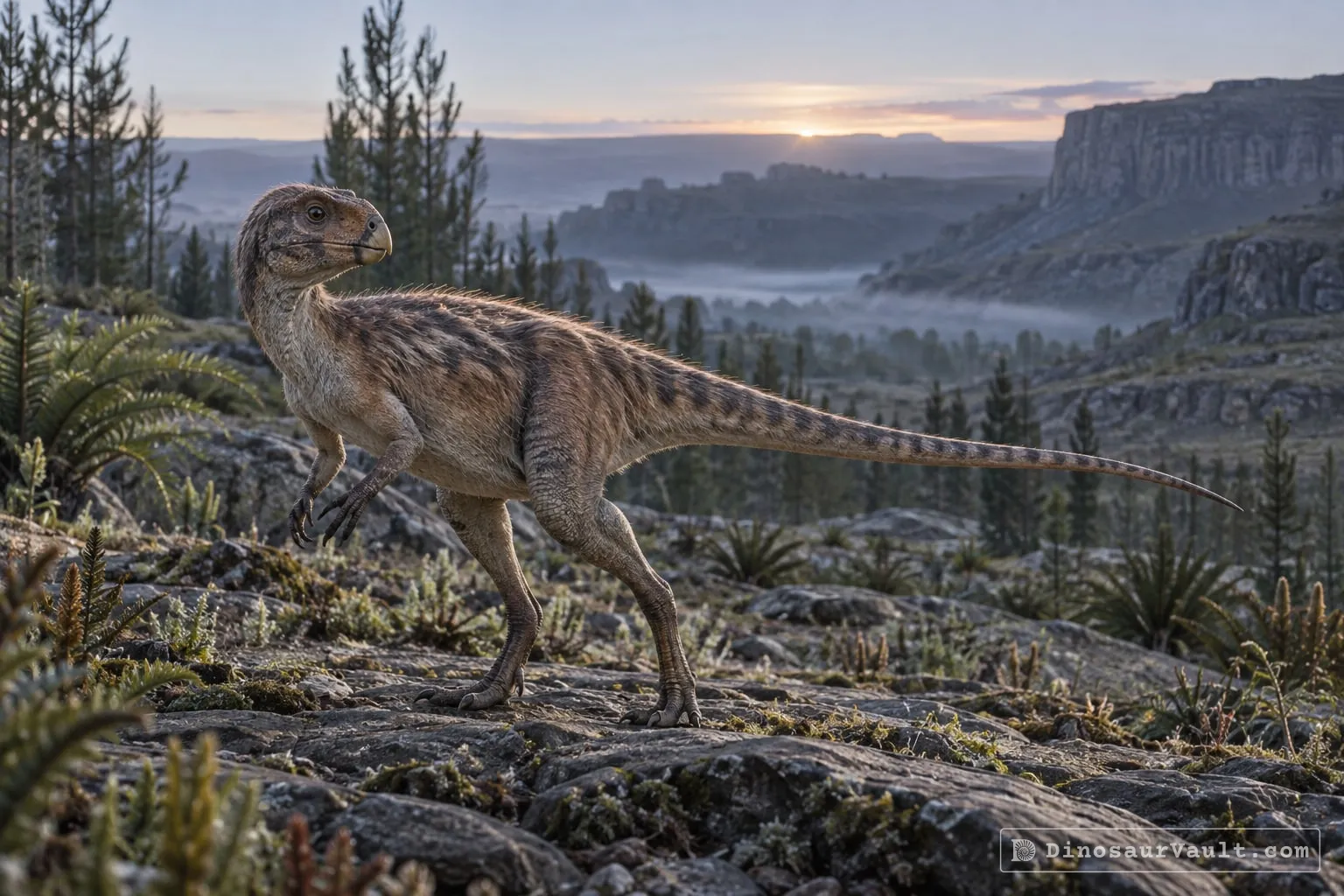
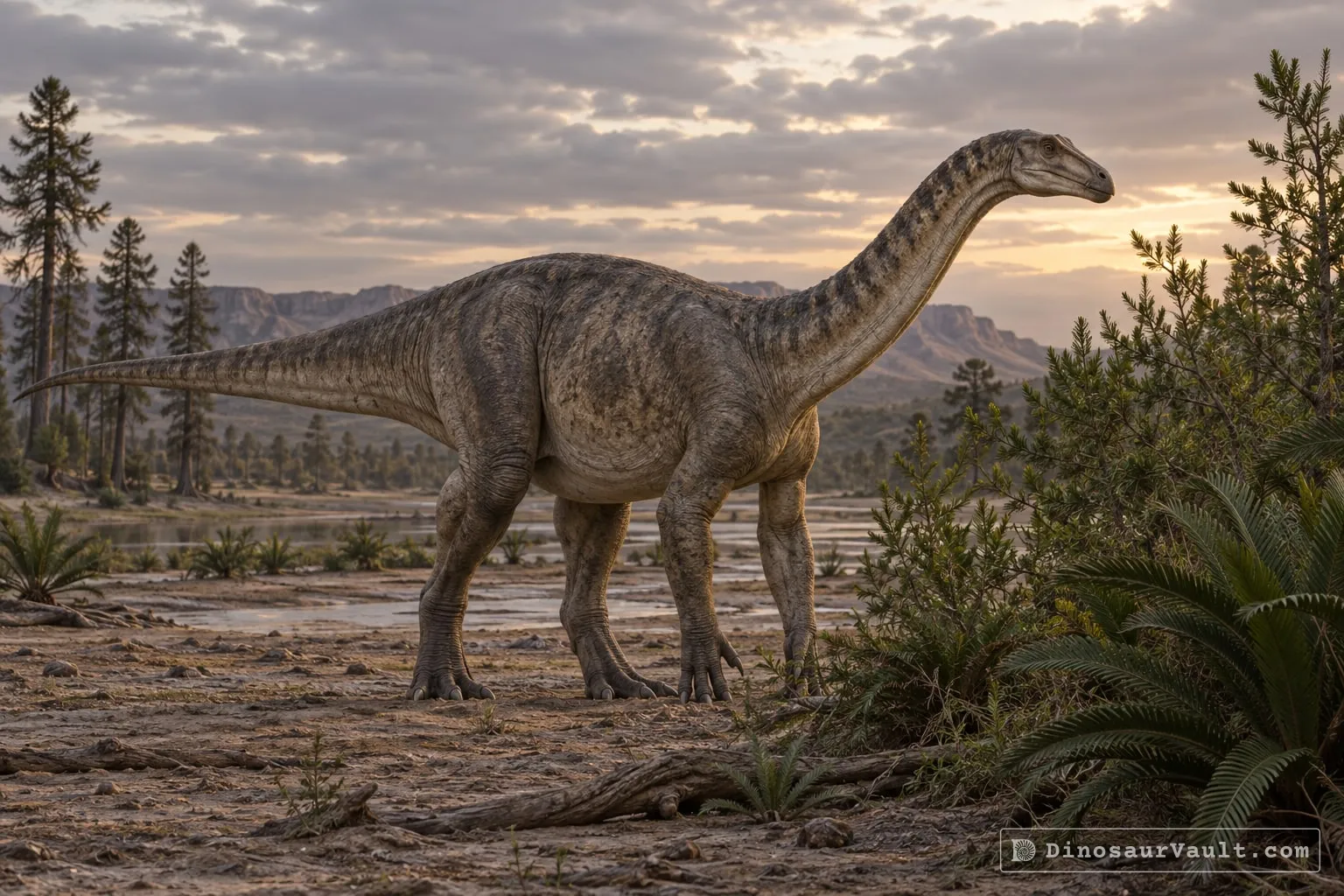
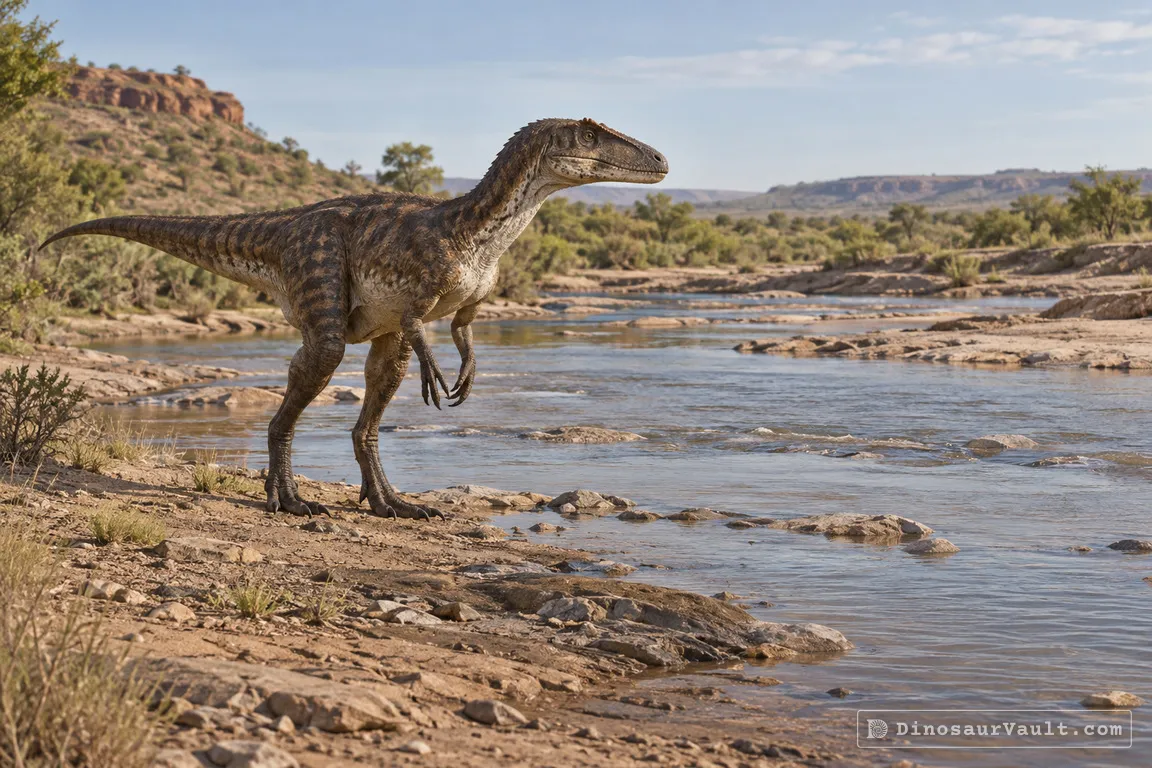
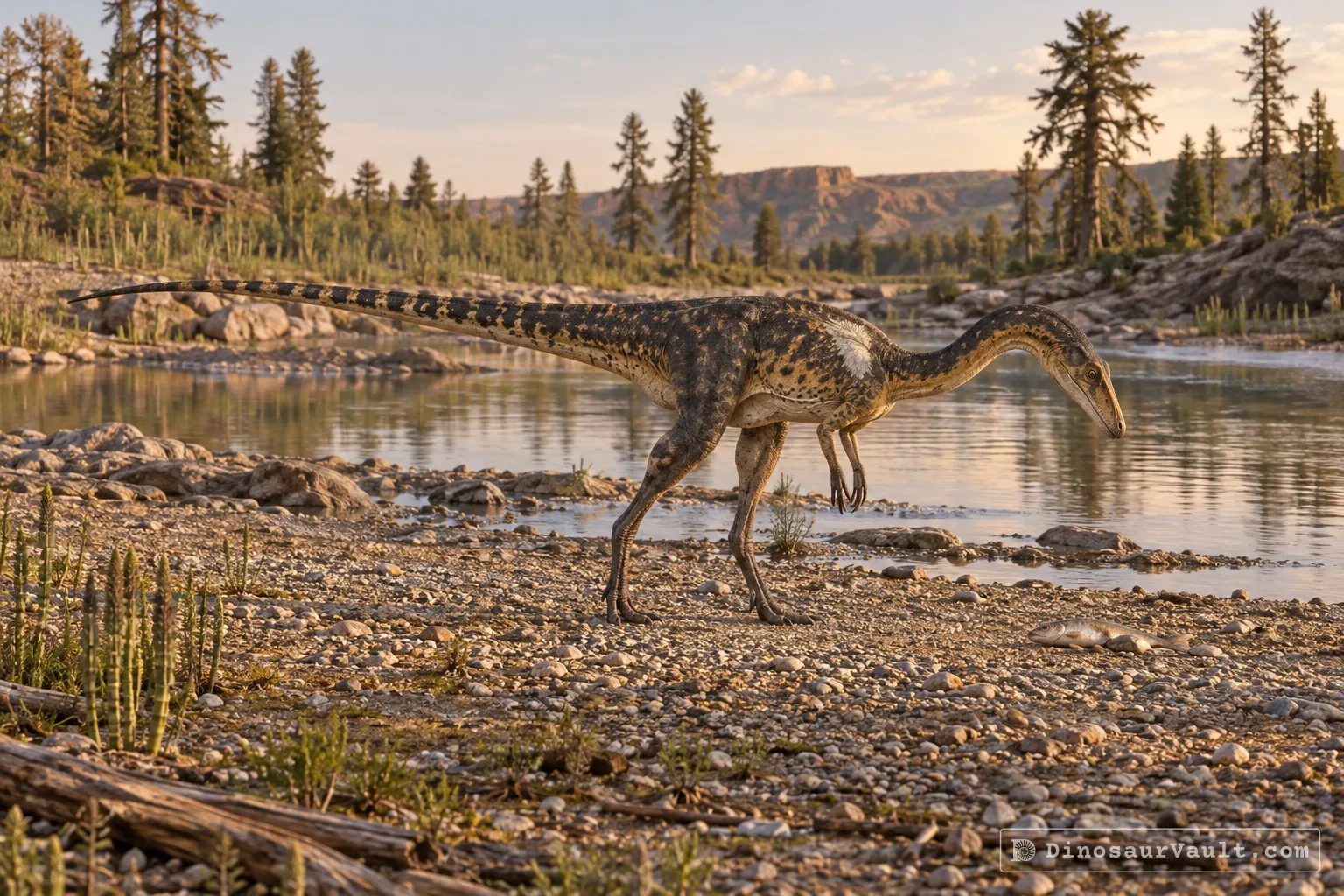
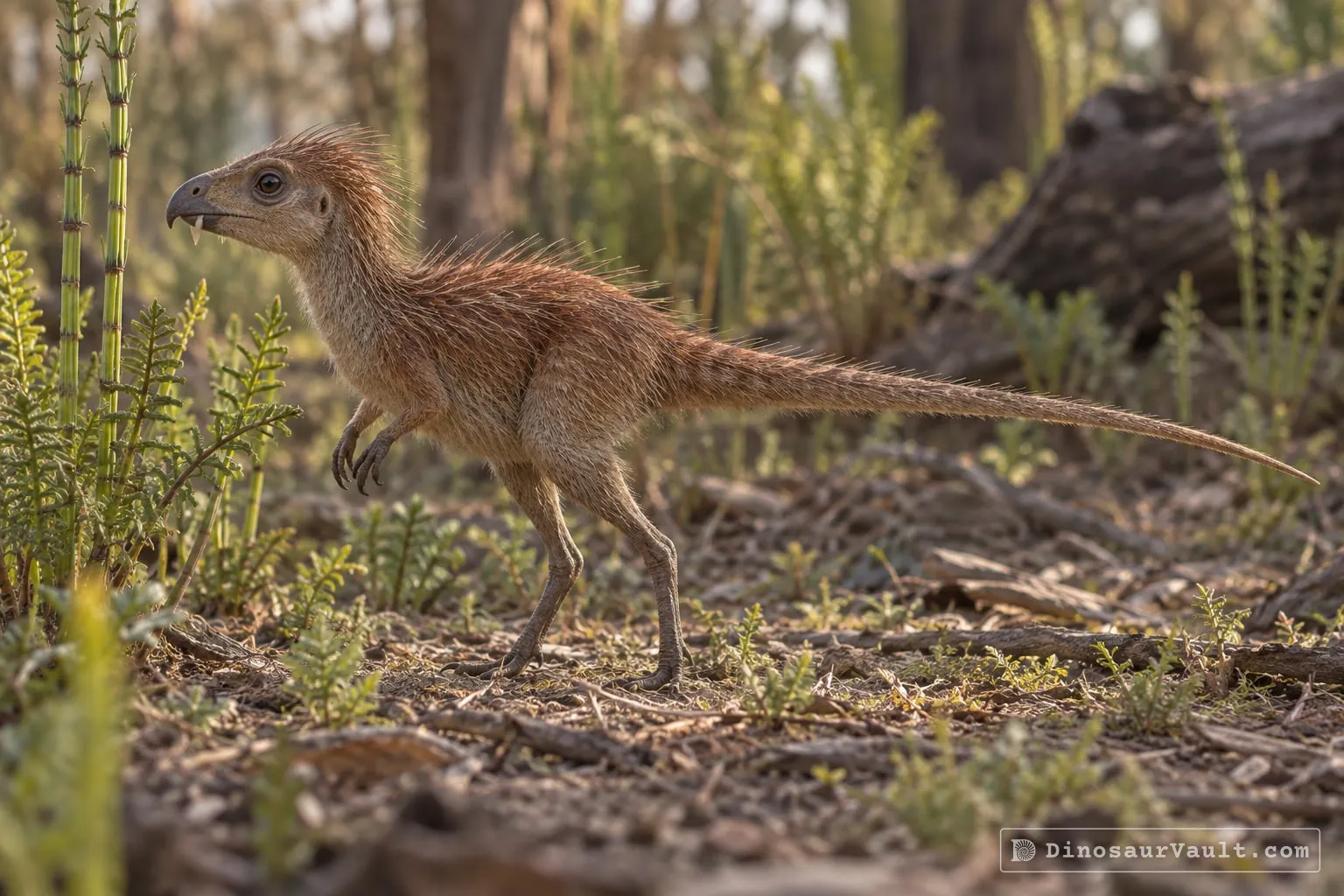
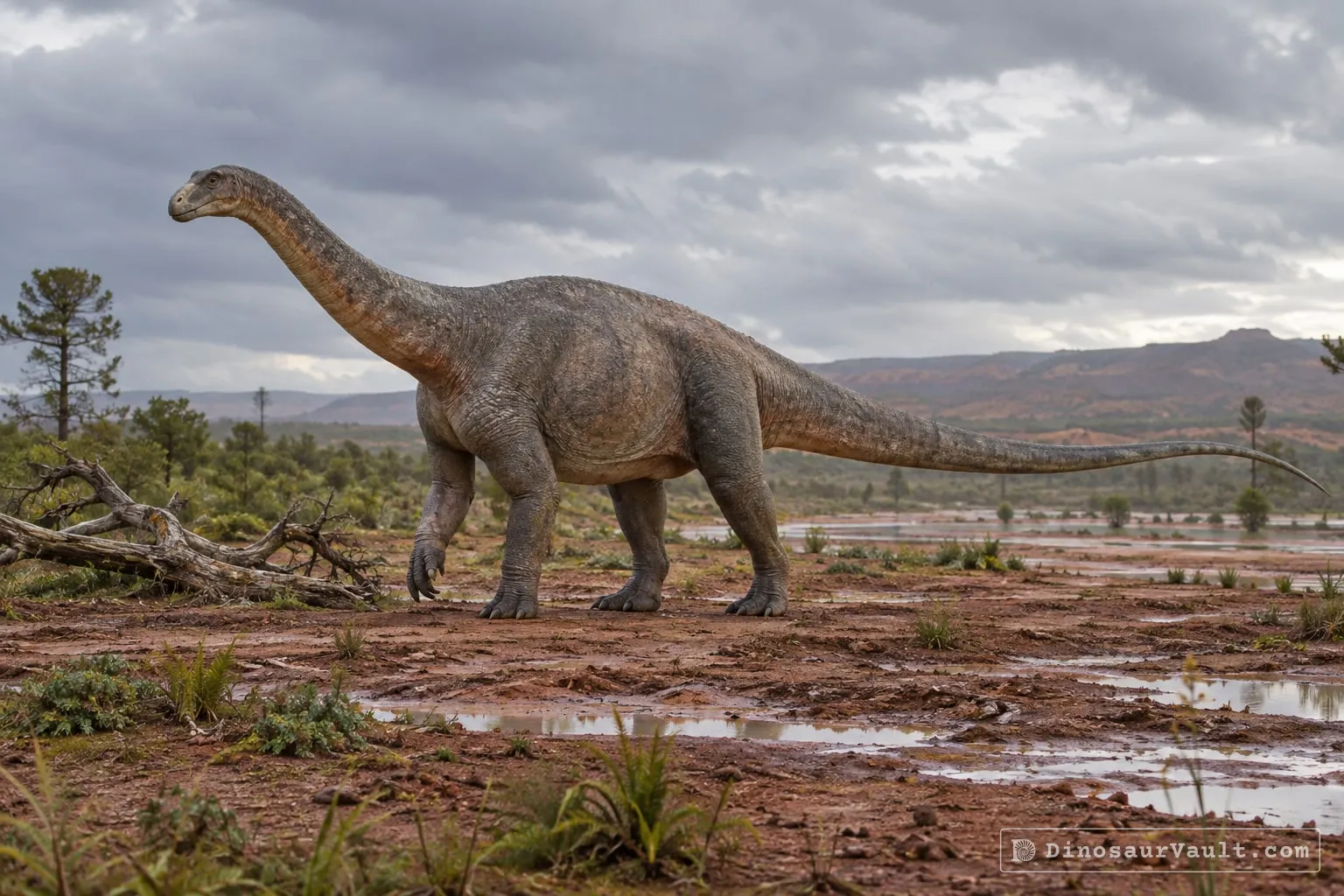
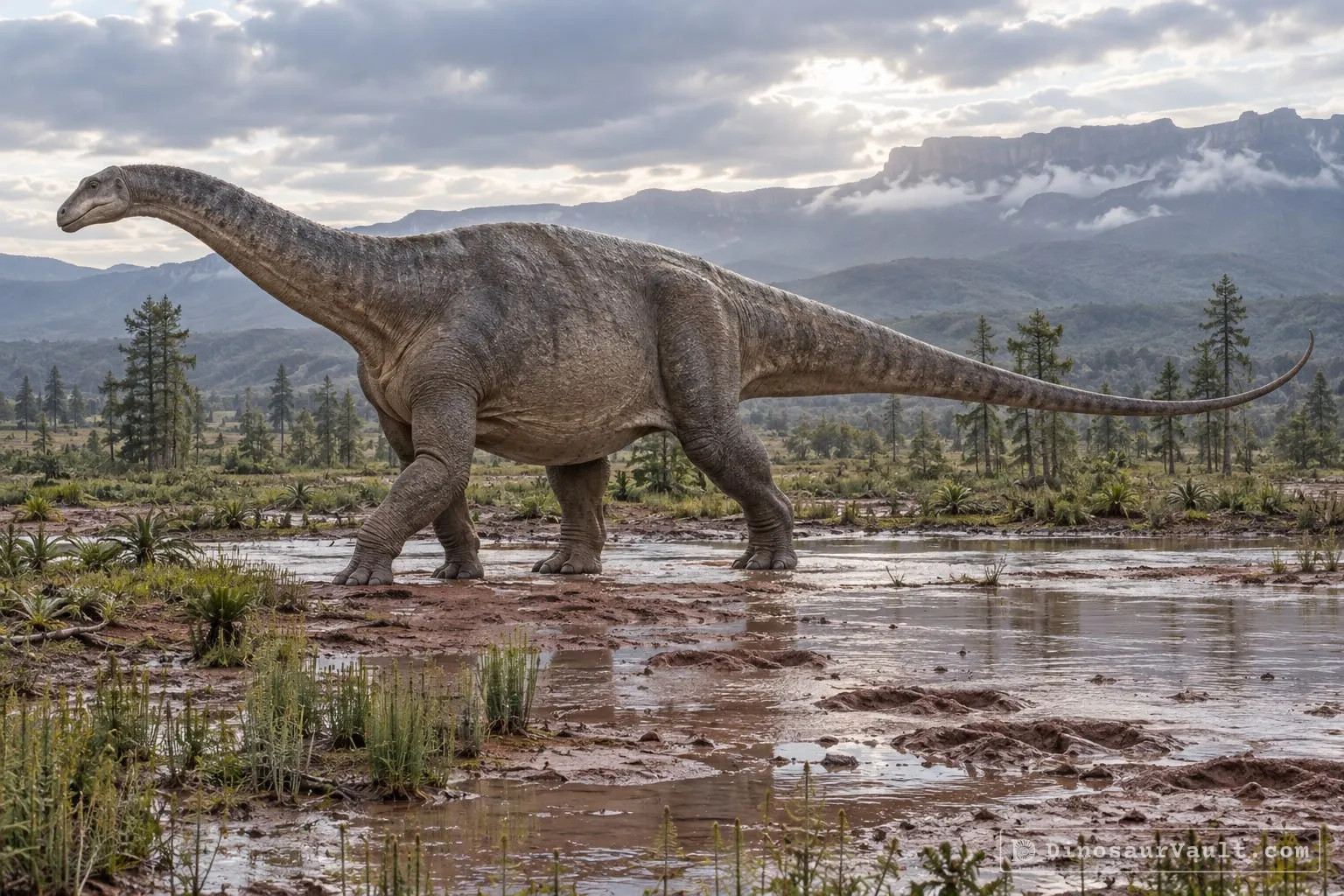


A rock formation can hold fossils laid down millions of years apart, so not every animal here met Lesothosaurus.
The evidence
The science behind Lesothosaurus
Which parts of the picture come from its own bones, and which come from its relatives.
From its own fossils
- Skulls and body bones show a lightly built animal with long hind legs, short arms and leaf-shaped teeth.
- Scans reveal the individual skull bones and joints, including details hidden inside the rock.
- Limb bones from animals at different growth stages show fast early growth followed by slower growth.
Borrowed from relatives
- Much of the skull and body is known from its own fossils, so its basic shape needs little borrowing from relatives.
Still unknown
- Its skin covering and color.
- Whether parents cared for their young.
- Exactly which foods made up its diet.
Discovery timeline
- 1978Named itGalton
- 2015SkullPorro, Witmer & Barrett
- 2022Growing upBotha, Choiniere & Barrett
Key papers
The research behind what we know of Lesothosaurus
Named it
Named Lesothosaurus from well-preserved skeletons and compared its jaws and teeth with those of other early plant eaters.
Fabrosauridae, the basal family of ornithischian dinosaurs (Reptilia: Ornithopoda). Paläontologische Zeitschrift 52: 138-159
Read the paper : Fabrosauridae, the basal family of ornithischian dinosaurs (Reptilia: Ornithopoda) (opens in a new tab)Skull
Used scans to separate skull bones digitally, exposing hidden joints and completing a detailed account of the skull.
Digital preparation and osteology of the skull of Lesothosaurus diagnosticus (Ornithischia: Dinosauria). PeerJ 3: e1494
Read the paper : Digital preparation and osteology of the skull of Lesothosaurus diagnosticus (Ornithischia: Dinosauria) (opens in a new tab)Growing up
Found rapid early growth and a bonebed of animals at different growth stages, suggesting groups that included both younger and older individuals.
Osteohistology and taphonomy support social aggregation in the early ornithischian dinosaur Lesothosaurus diagnosticus. Palaeontology 65
Read the paper : Osteohistology and taphonomy support social aggregation in the early ornithischian dinosaur Lesothosaurus diagnosticus (opens in a new tab)
Close relatives
Other members of Thyreophora


Sources: Wikidata