Efraasia
ee-FRAHS-ee-ah
- Lived
- 227 to 206 million years ago, Late Triassic
- Found in
- Germany
- Named by
- Galton 1973
Where its fossils were found
The evidence
Today

220 million years ago
Habitat
It lived in what is now Germany. Plateosaurus and Liliensternus also occur in the Löwenstein Formation.
Field notes
About Efraasia
What it was like
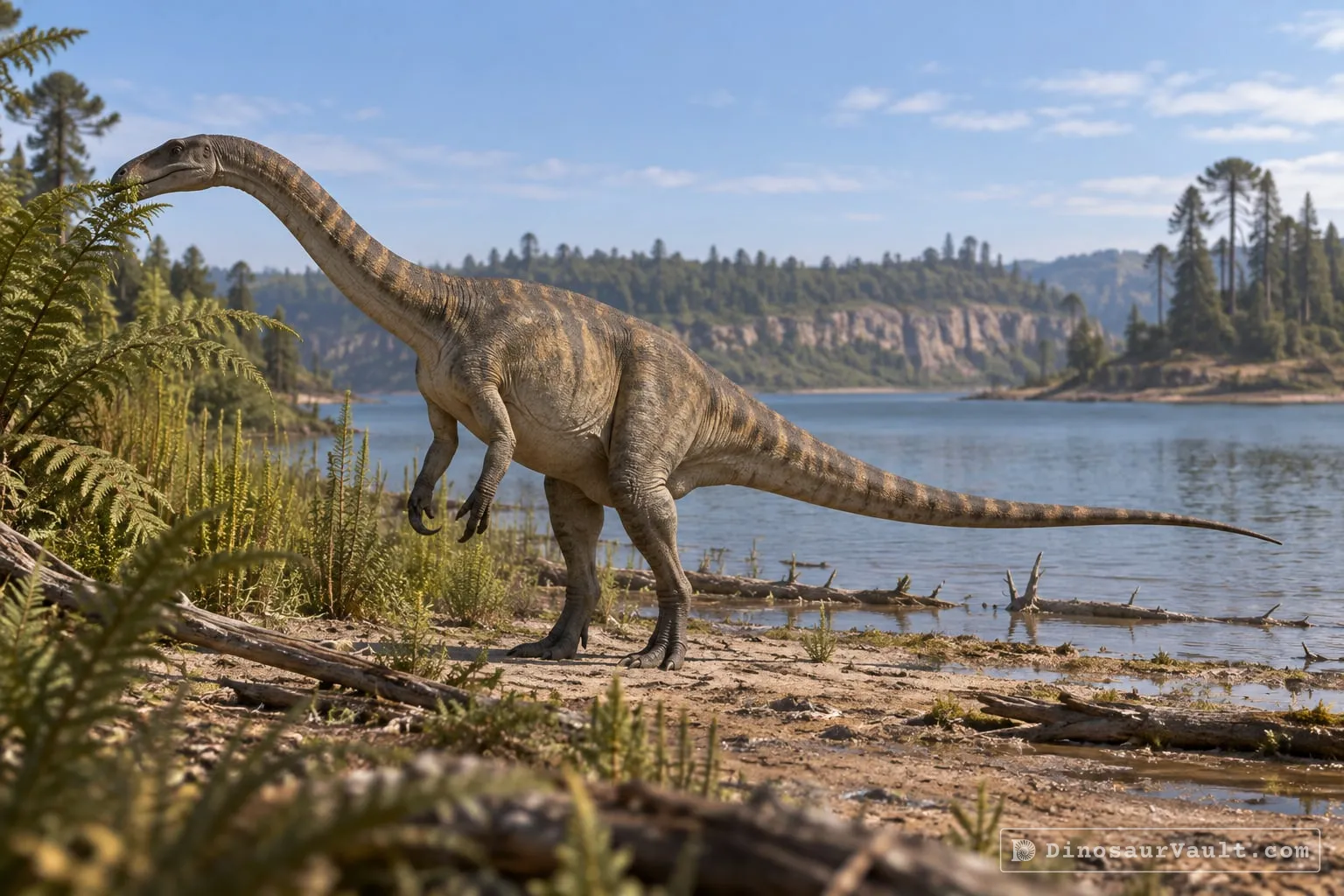
Efraasia was a small, early plant eater, from the long-necked line that later produced the giant sauropods. It walked on two legs and had long hands with grasping fingers.
Its world
It lived in the Late Triassic in what is now southern Germany. Its bones come from the Löwenstein Formation, where it shared the land with Plateosaurus and the hunter Liliensternus.
How it was found
Galton named Efraasia in 1973, after the German scientist who collected the first bones. Five finds are known. For a long time some of its bones were confused with those of other early dinosaurs.
Field gallery
More views of Efraasia
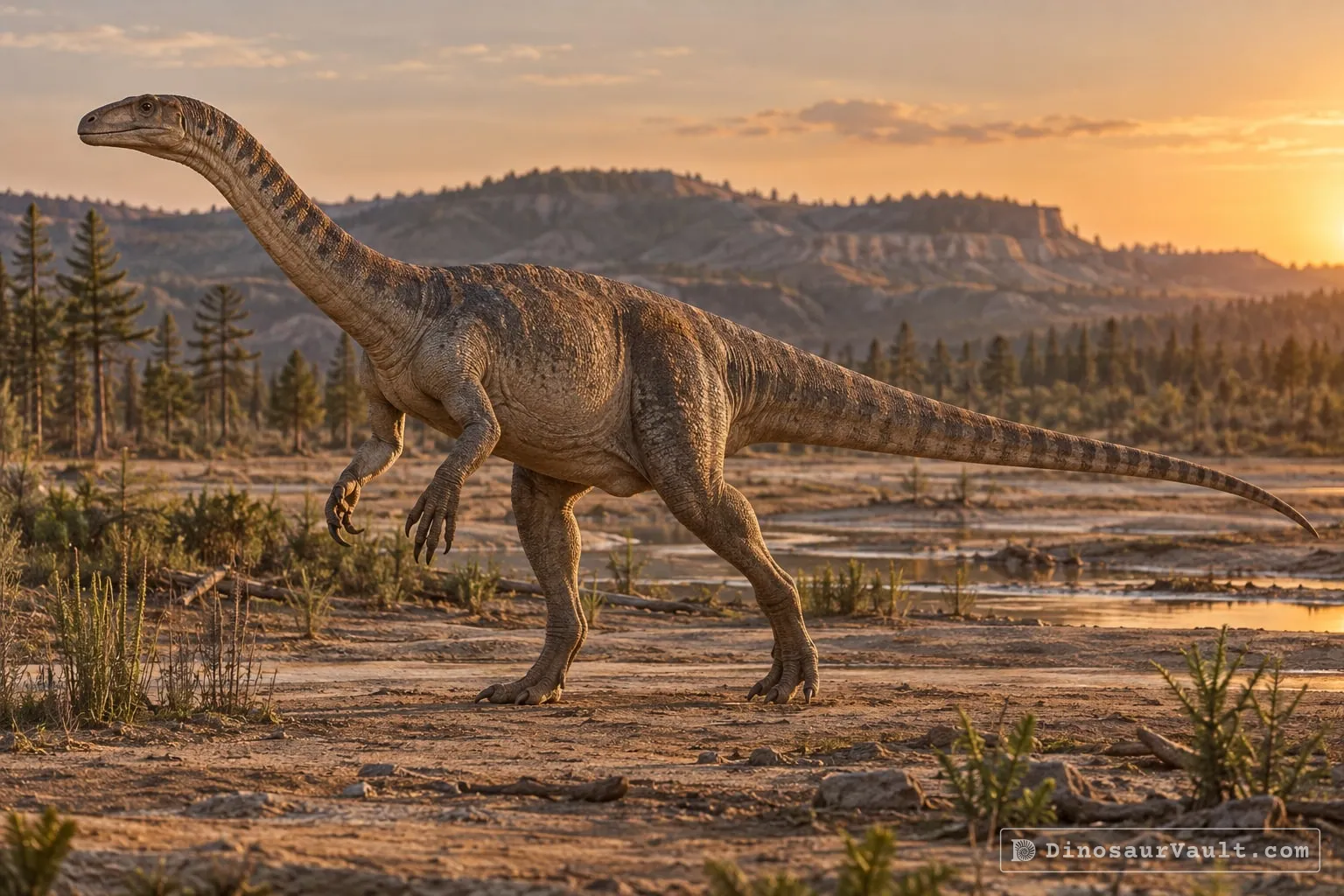
Scenes reconstructed from the available fossil evidence.
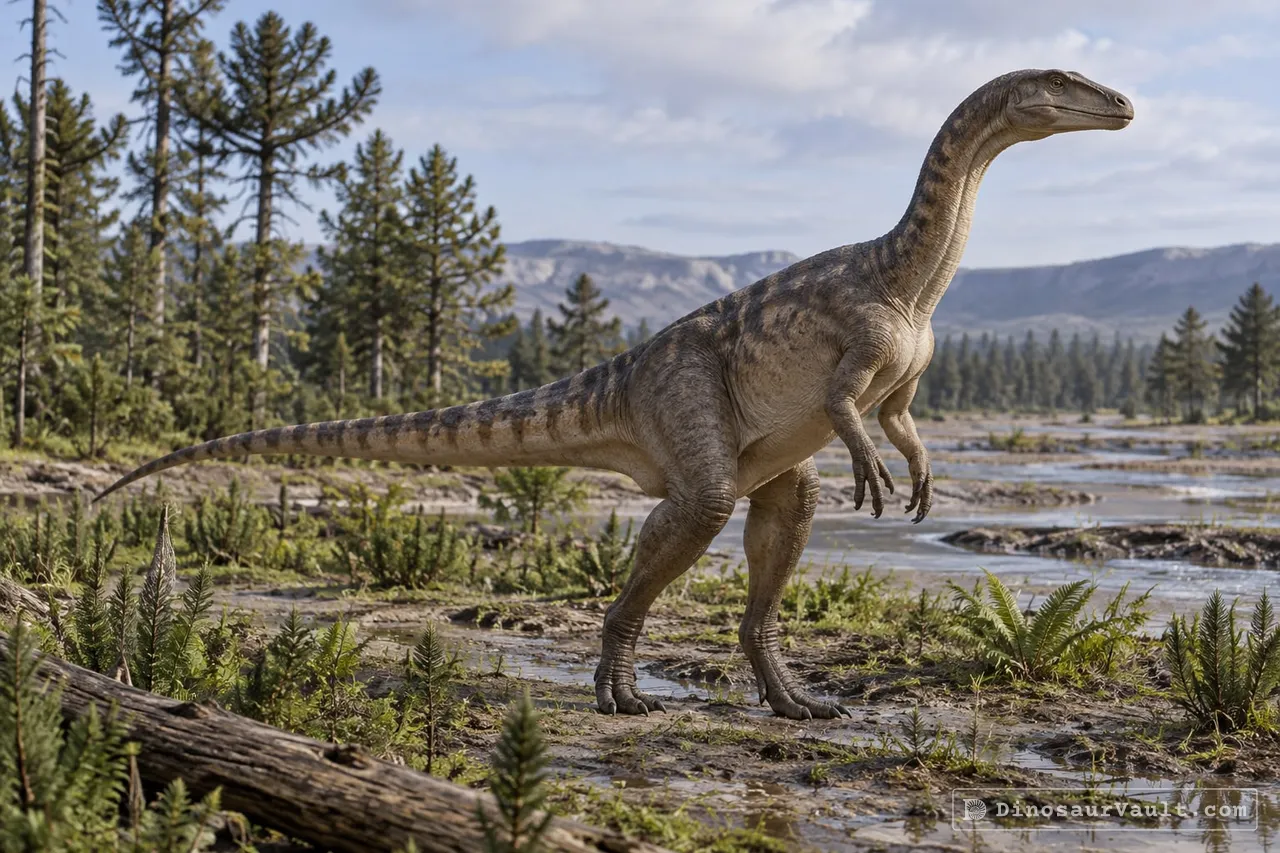
1 of 3
Lived alongside
Found in the same rock formations
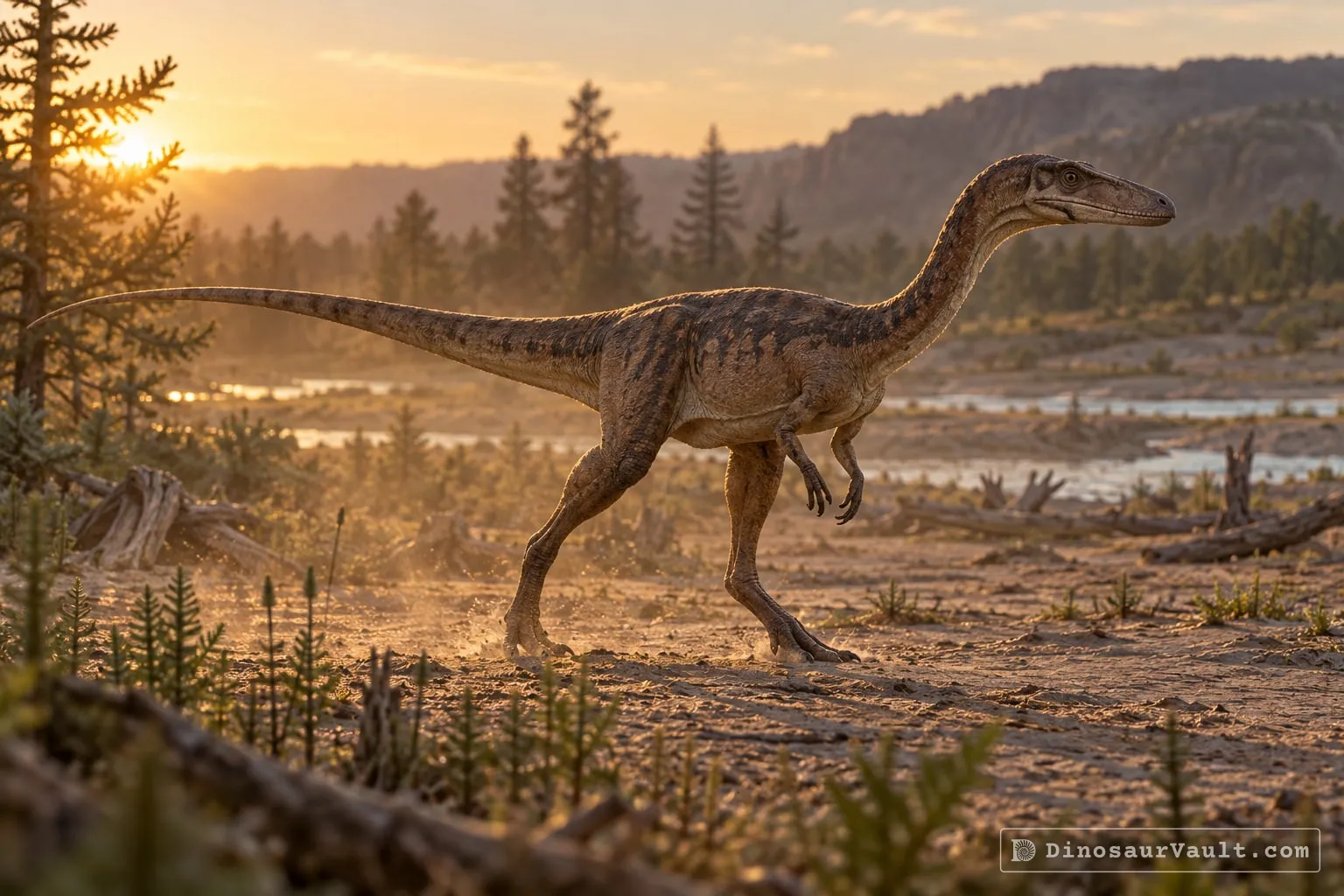
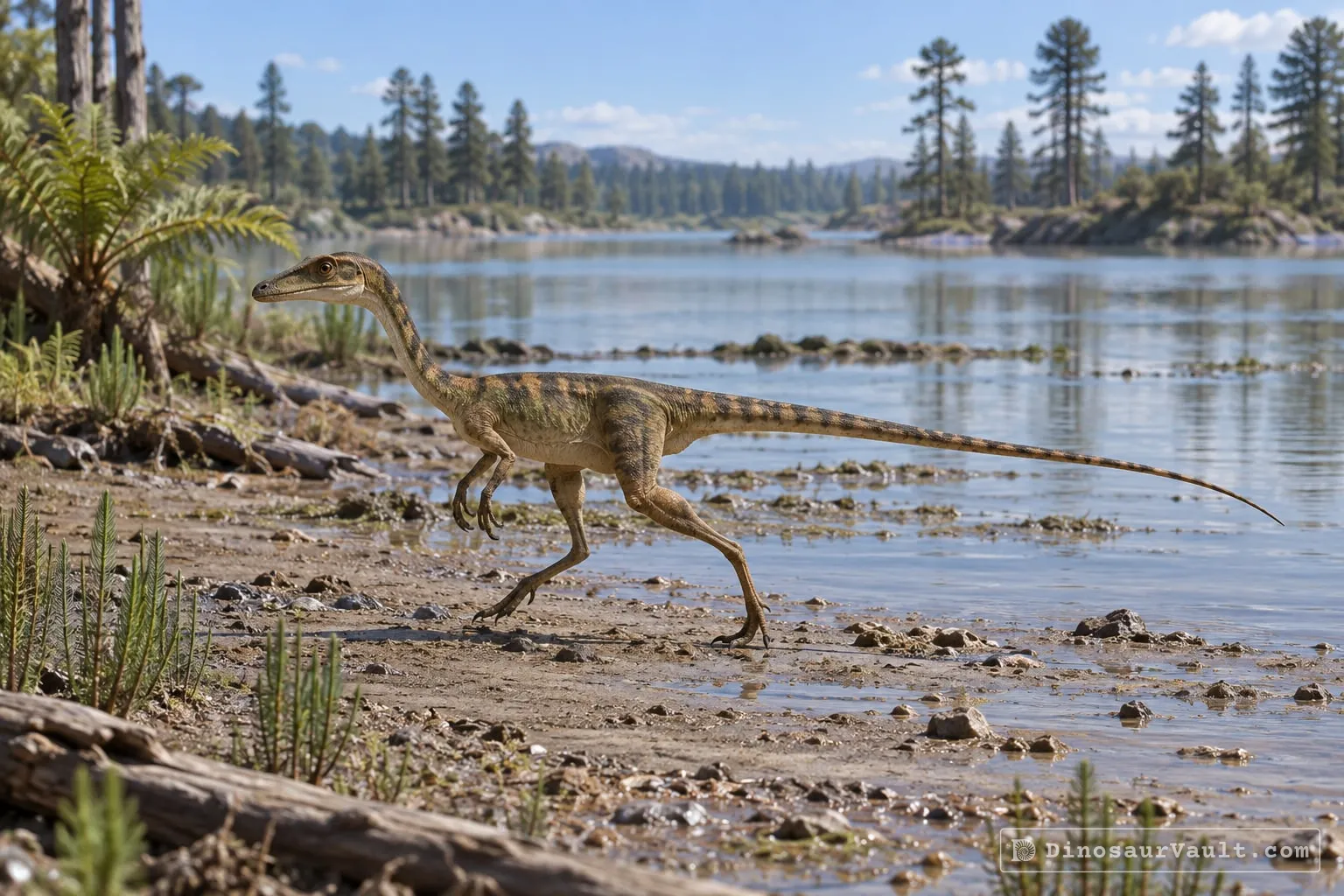


A rock formation can hold fossils laid down millions of years apart, so not every animal here met Efraasia.
The evidence
The science behind Efraasia
Which parts of the picture come from its own bones, and which come from its relatives.
From its own fossils
- Skull bones and parts of the skeleton show an early member of the sauropod line with slender hands and feet.
- Scans of its braincase reveal the passages for nerves and blood vessels around the brain.
Borrowed from relatives
- Thecodontosaurus provides a comparison for its slender feet and missing parts of the body.
Still unknown
- Its skin covering and color.
- Its full adult size.
- Whether it lived in groups or cared for its young.
Discovery timeline
- 1973Named itGalton
- 2003RedescriptionYates
- 2017SkullBronzati & Rauhut
Key papers
The research behind what we know of Efraasia
Named it
Established Efraasia as a separate genus and described its skull, skeleton and slender hands and feet.
On the anatomy and relationships ofEfraasia diagnostica (Huene) n. gen., a prosauropod dinosaur (Reptilia: Saurischia) from the Upper Triassic of Germany. Paläontologische Zeitschrift 47: 229-255
Read the paper : On the anatomy and relationships ofEfraasia diagnostica (Huene) n. gen., a prosauropod dinosaur (Reptilia: Saurischia) from the Upper Triassic of Germany (opens in a new tab)Redescription
Separated Efraasia minor from Plateosaurus gracilis using differences in their skulls and skeletons.
The species taxonomy of the sauropodomorph dinosaurs from the Löwenstein Formation (Norian, Late Triassic) of Germany. Palaeontology 46: 317-337
Read the paper : The species taxonomy of the sauropodomorph dinosaurs from the Löwenstein Formation (Norian, Late Triassic) of Germany (opens in a new tab)Skull
Used scans to redescribe the braincase and revise comparisons between early sauropodomorphs and later sauropods.
Braincase redescription of Efraasia minor Huene, 1908 (Dinosauria: Sauropodomorpha) from the Late Triassic of Germany, with comments on the evolution of the sauropodomorph braincase. Zoological Journal of the Linnean Society 182: 173-224
Read the paper : Braincase redescription of Efraasia minor Huene, 1908 (Dinosauria: Sauropodomorpha) from the Late Triassic of Germany, with comments on the evolution of the sauropodomorph braincase (opens in a new tab)
Close relatives
Other members of Sauropodomorpha


Sources: Wikidata