Massospondylus
MASS-oh-SPON-dih-lus
"longer vertebra"
Type species Massospondylus carinatus
- Lived
- 201 to 175 million years ago, Early Jurassic
- Length
- about 4 m (13 ft)
- Group
- Early sauropodomorphs, Massospondylidae
- Found in
- South Africa, Zimbabwe and Lesotho
- Named by
- Owen 1854
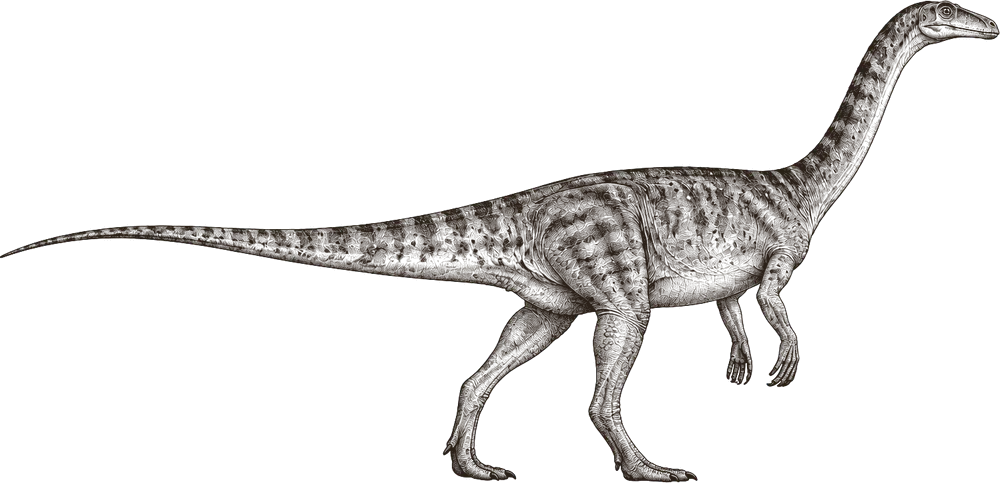
Size comparison
To scale

Scale in meters
Where its fossils were found
The evidence
Today
190 million years ago
Also reported from Namibia.
Field notes
About Massospondylus
What it was like
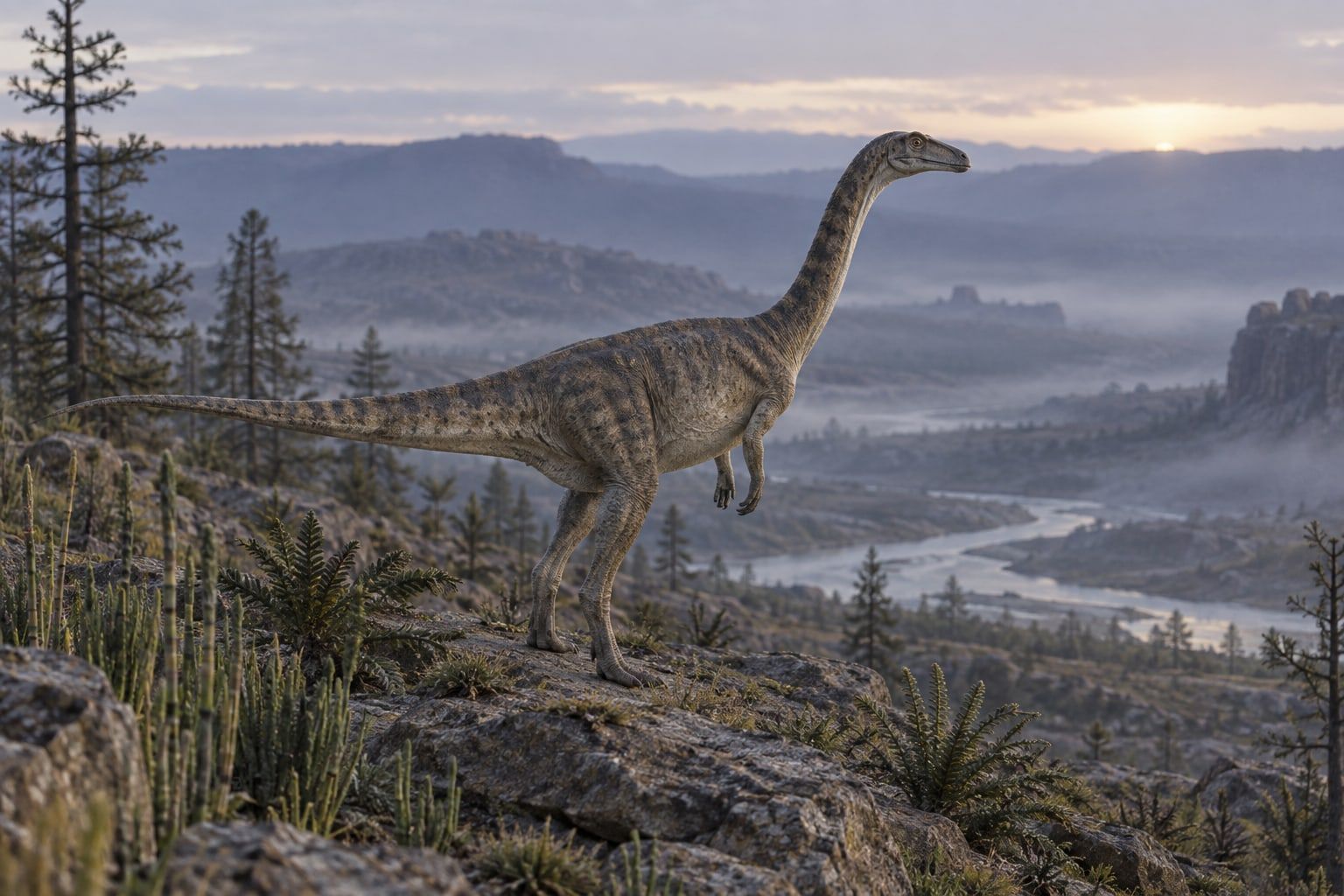
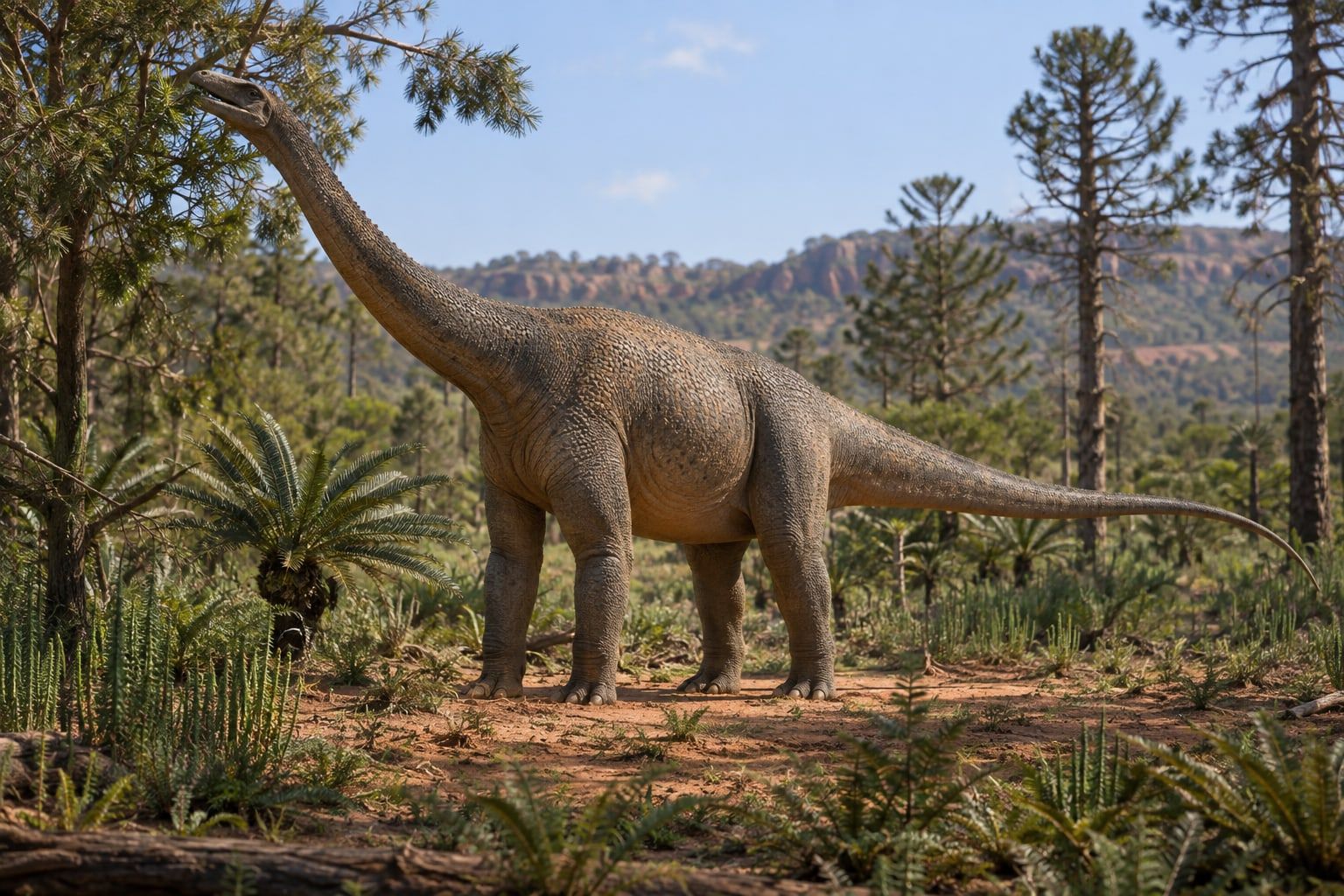
Massospondylus was an early relative of the sauropods, with a small head, a long neck and tail, and a slender body. It grew to about 4 meters (13 feet) long. Its hands each carried a sharp thumb claw, probably used to grip branches or defend itself.
Long thought to have walked on four legs, Massospondylus is now considered to have been bipedal, at least as an adult. It was probably a plant eater, though some researchers think early relatives of the sauropods like it may have also eaten small animals.
Its world
Massospondylus lived from about 201 to 175 million years ago, in the Early Jurassic, across what is now South Africa, Zimbabwe, and Lesotho, with possible finds also reported from Namibia. Its bones come from formations including Elliot, Clarens, Forest Sandstone, and Mpandi.
It shared its world with the small plant eater Heterodontosaurus, the early armored Lesothosaurus, and hunters such as Megapnosaurus and Dracovenator.
How it was found
Owen named Massospondylus in 1854, making it one of the earliest dinosaurs ever named. About 36 finds of the genus are known today, including clutches of eggs with embryos inside, among the oldest such fossils known. The type species is Massospondylus carinatus.
Lived alongside
Found in the same rock formations
Close relatives
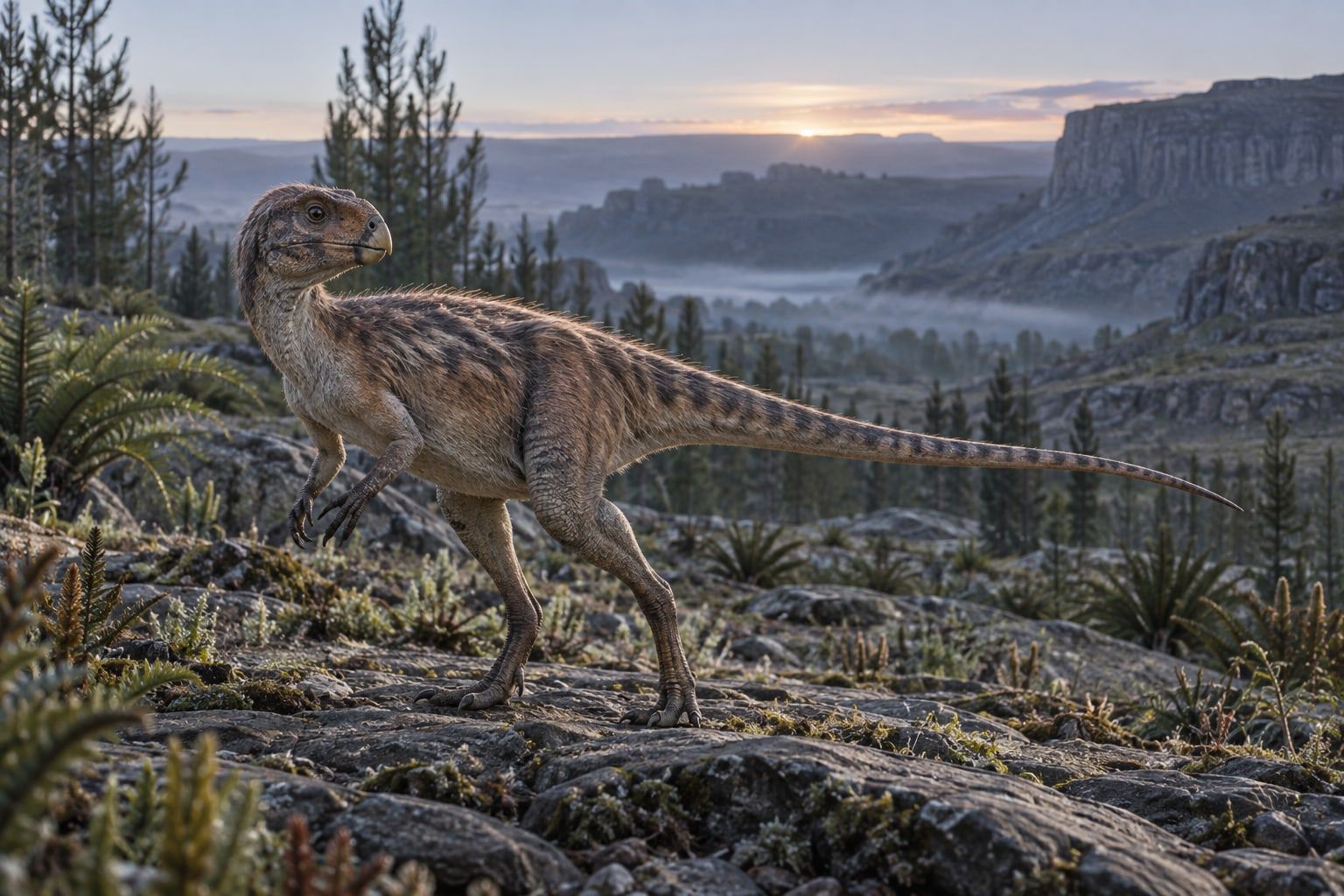
Other members of Massospondylidae
Sources: WikidataNamed in: R. Owen. 1854. Descriptive catalogue of the Fossil organic remains of Reptilia and Pisces contained in the Museum of the Royal College of Surgeons of England. London