Antetonitrus
"before the thunder"
Type species Antetonitrus ingenipes
- Lived
- 201 to 193 million years ago, Early Jurassic
- Diet
- Herbivore
- Group
- Sauropods, Lessemsauridae
- Found in
- South Africa
- Named by
- Yates and Kitching 2003
Where its fossils were found
The evidence
Today

195 million years ago
Habitat
Rivers crossed broad floodplains that experienced dry seasons in what is now South Africa. Massospondylus, Heterodontosaurus and Lesothosaurus are known from the Elliot Formation.
Field notes
About Antetonitrus
What it was like
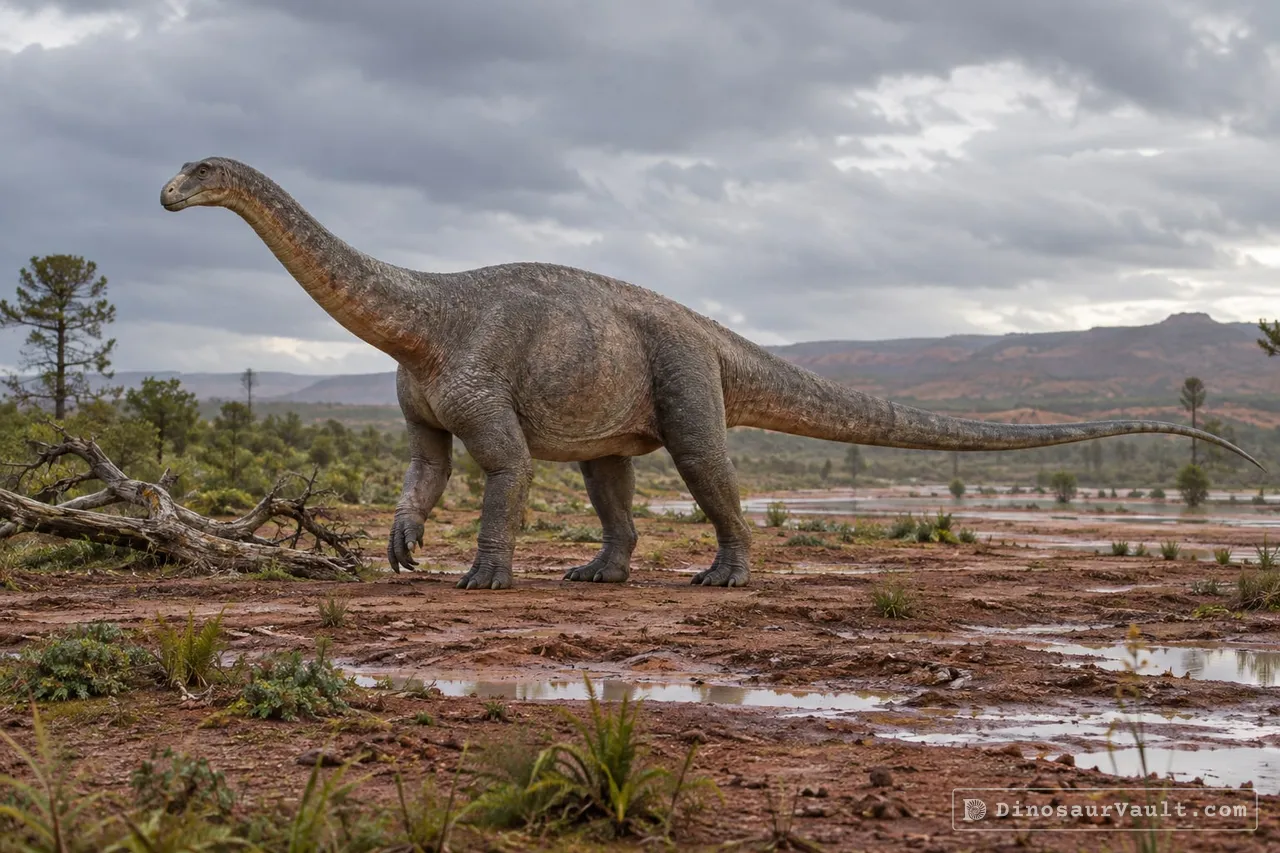
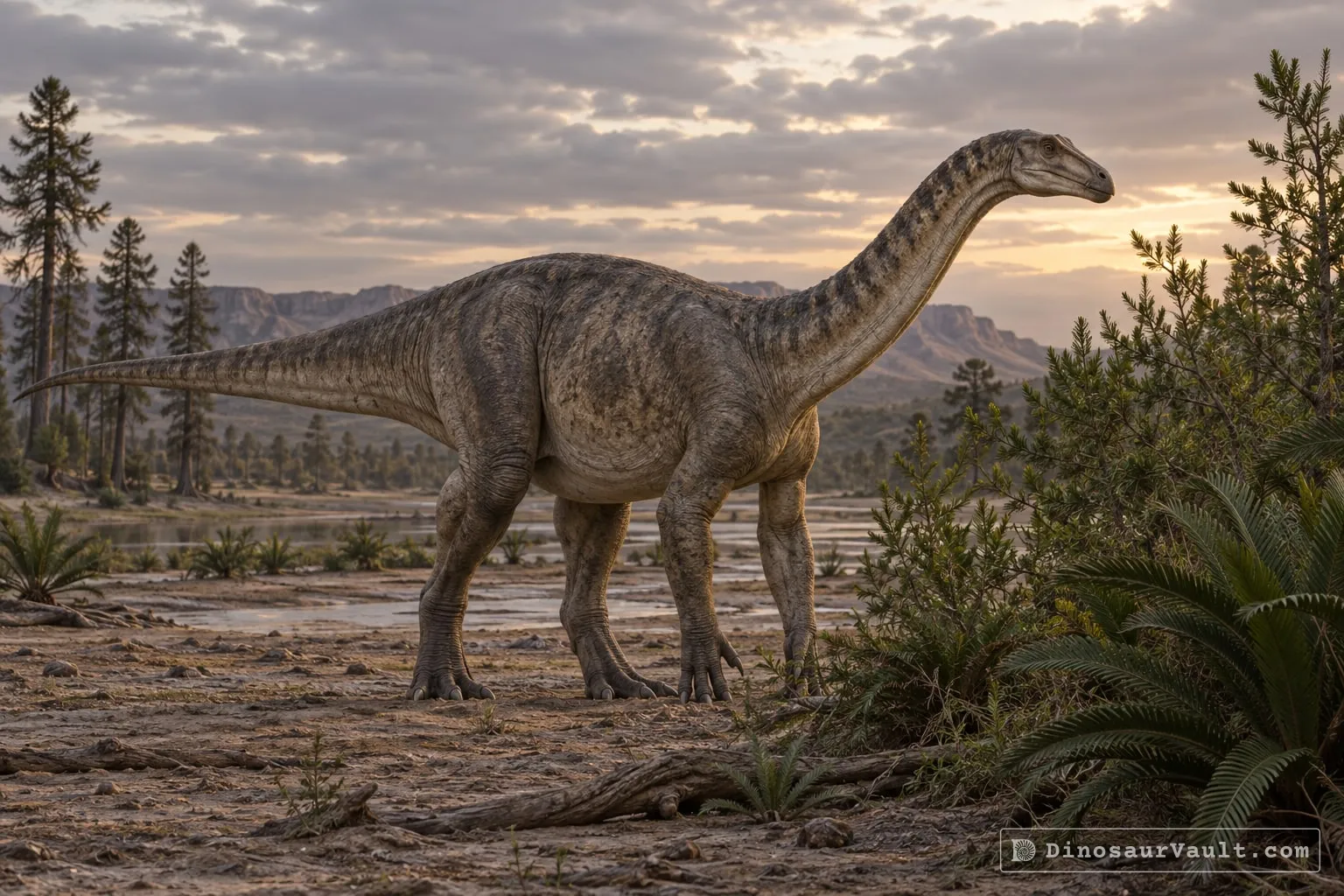
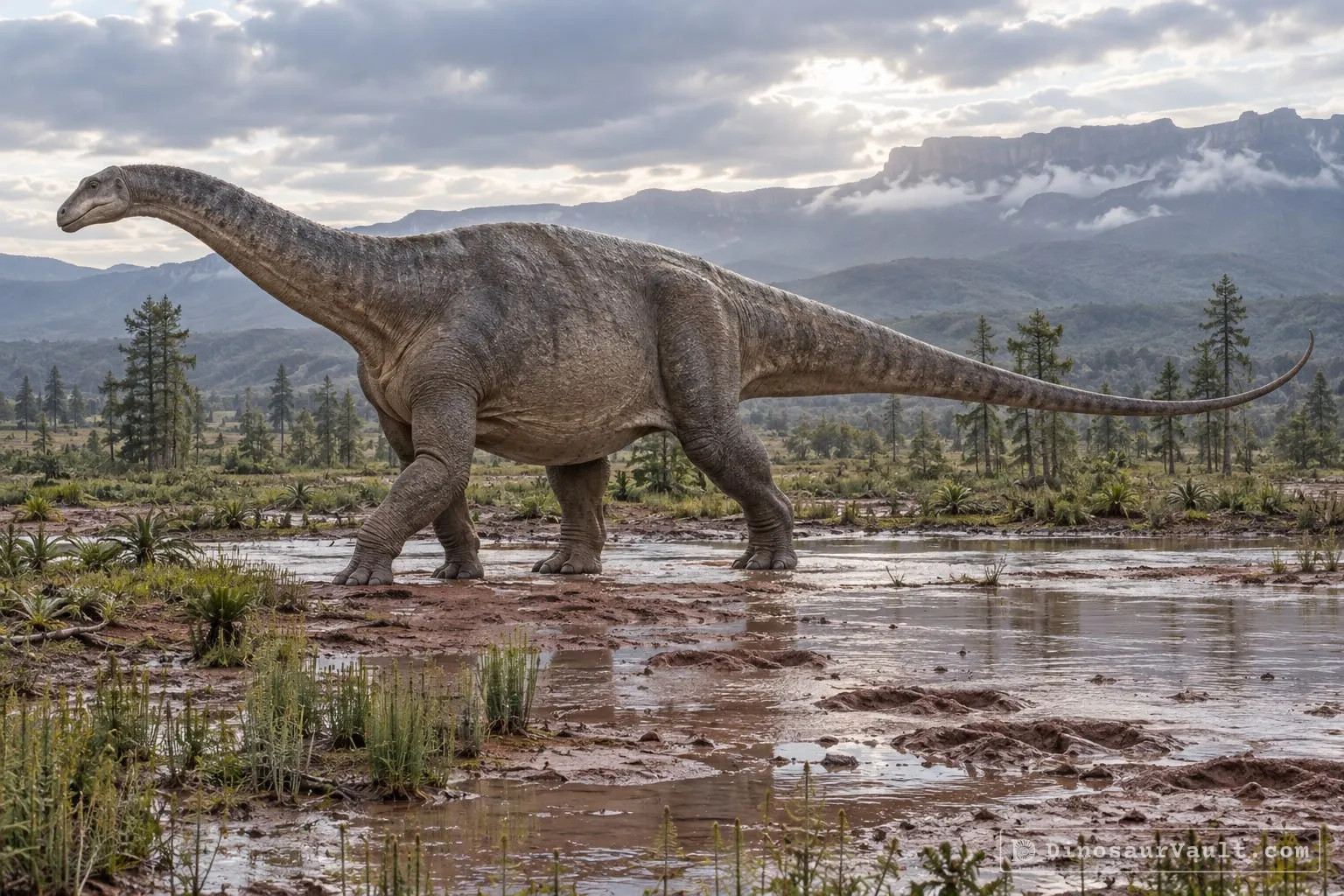
Antetonitrus was a big plant eater from the time when sauropods were just starting out. It walked on all fours and was heavily built.
Its hands, though, could still grasp, unlike the later sauropods whose hands only carried weight. It shows how the long-necked giants first began.
Its world
It lived in the Early Jurassic, about 201 to 193 million years ago, in what is now South Africa. Its bones come from the Elliot Formation, where it shared the land with the plant eater Massospondylus, the small beaked Heterodontosaurus and Lesothosaurus, and the hunter Dracovenator.
How it was found
Yates and Kitching named Antetonitrus in 2003. Its name means it came before the great thunder lizards, the later sauropods.
Field gallery
More views of Antetonitrus
Scenes reconstructed from the available fossil evidence.
1 of 3
Lived alongside
Found in the same rock formations
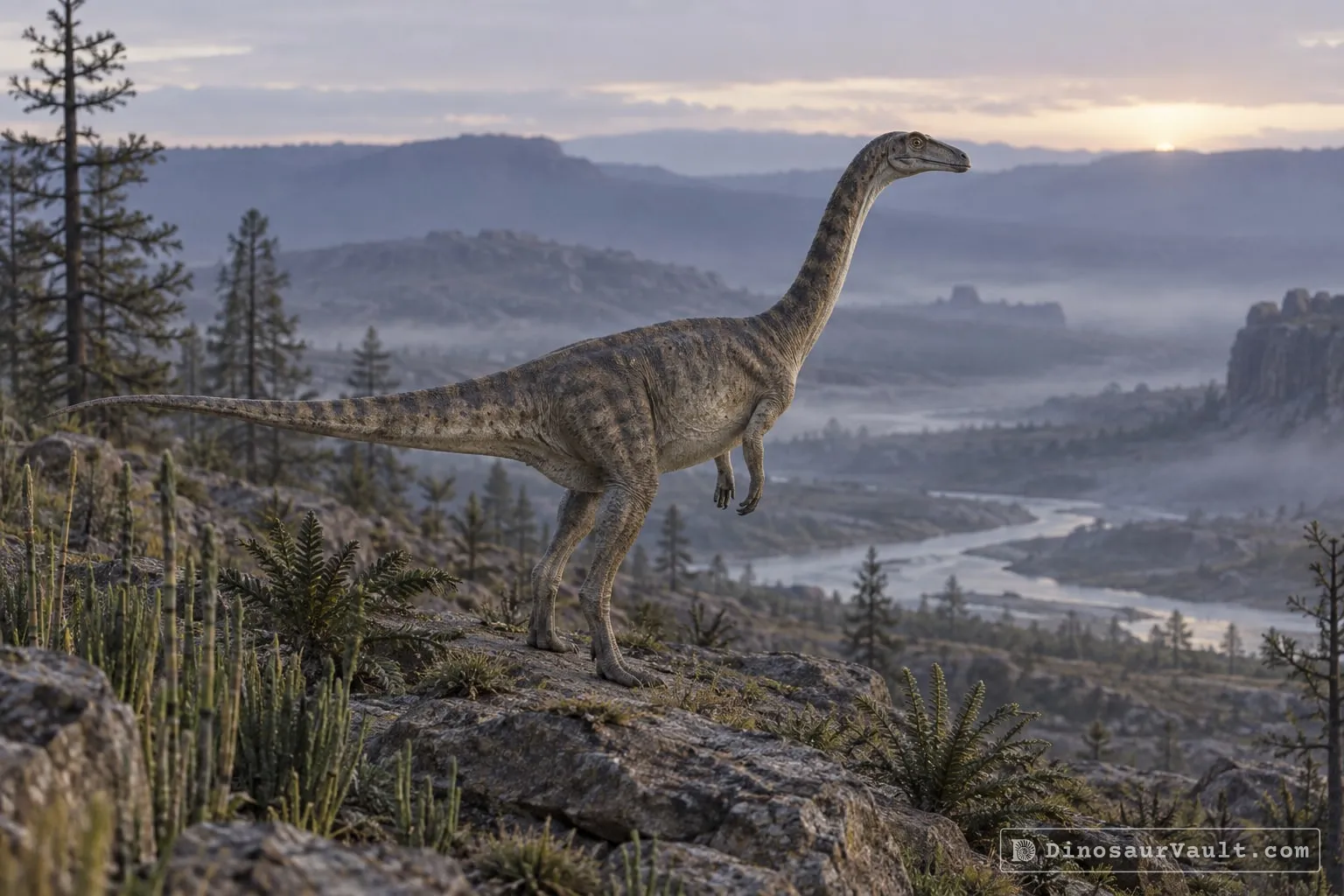
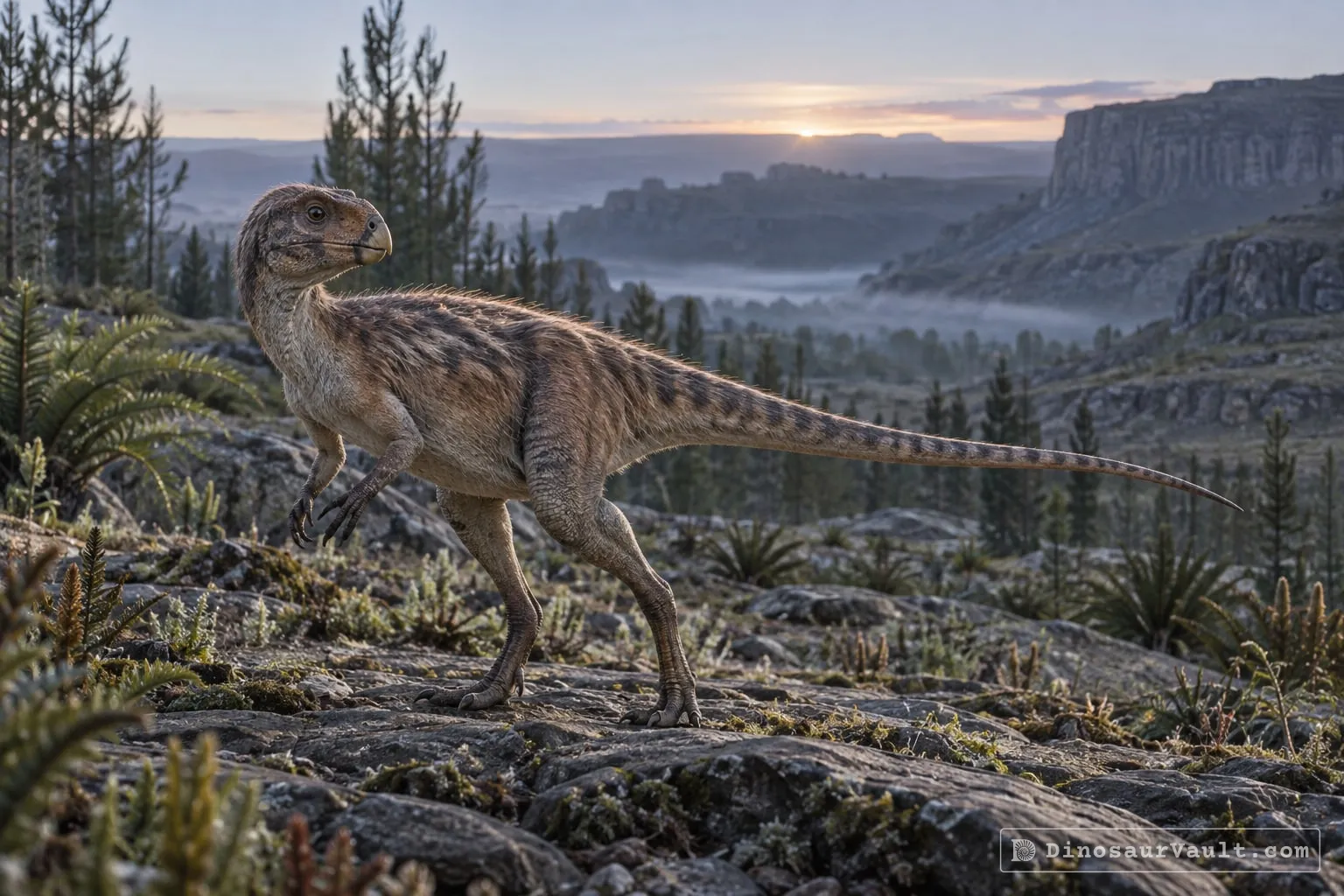
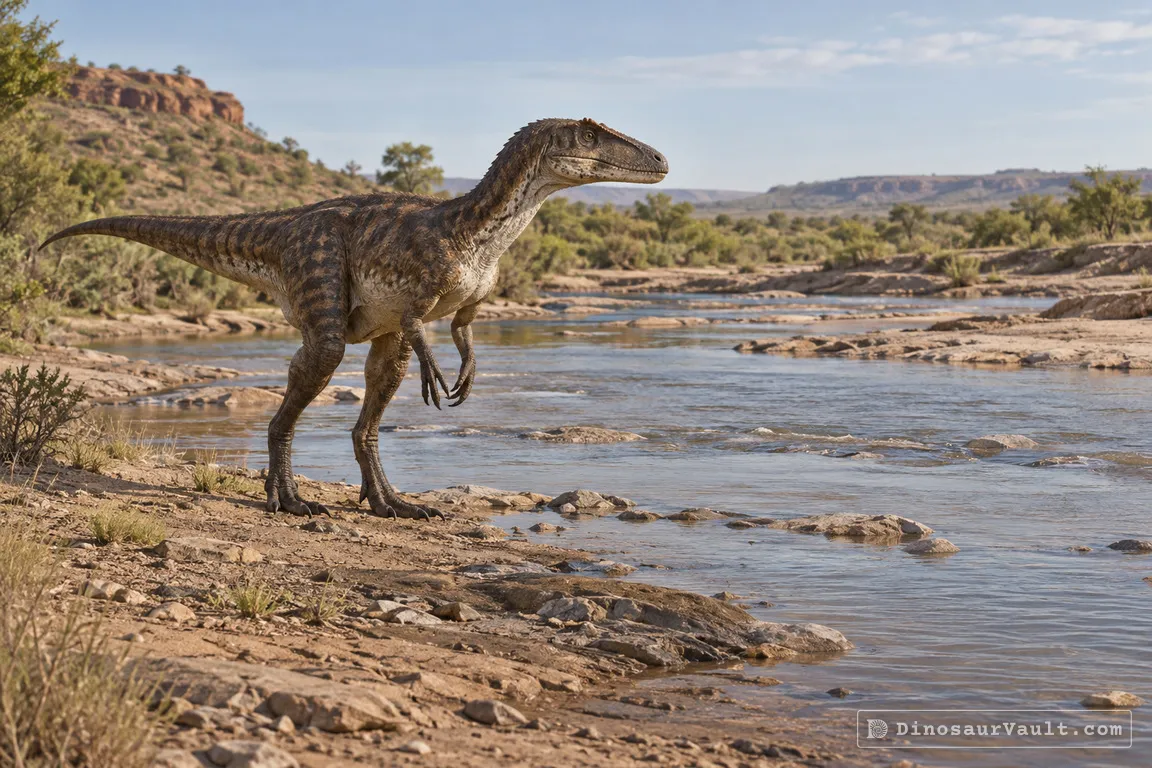
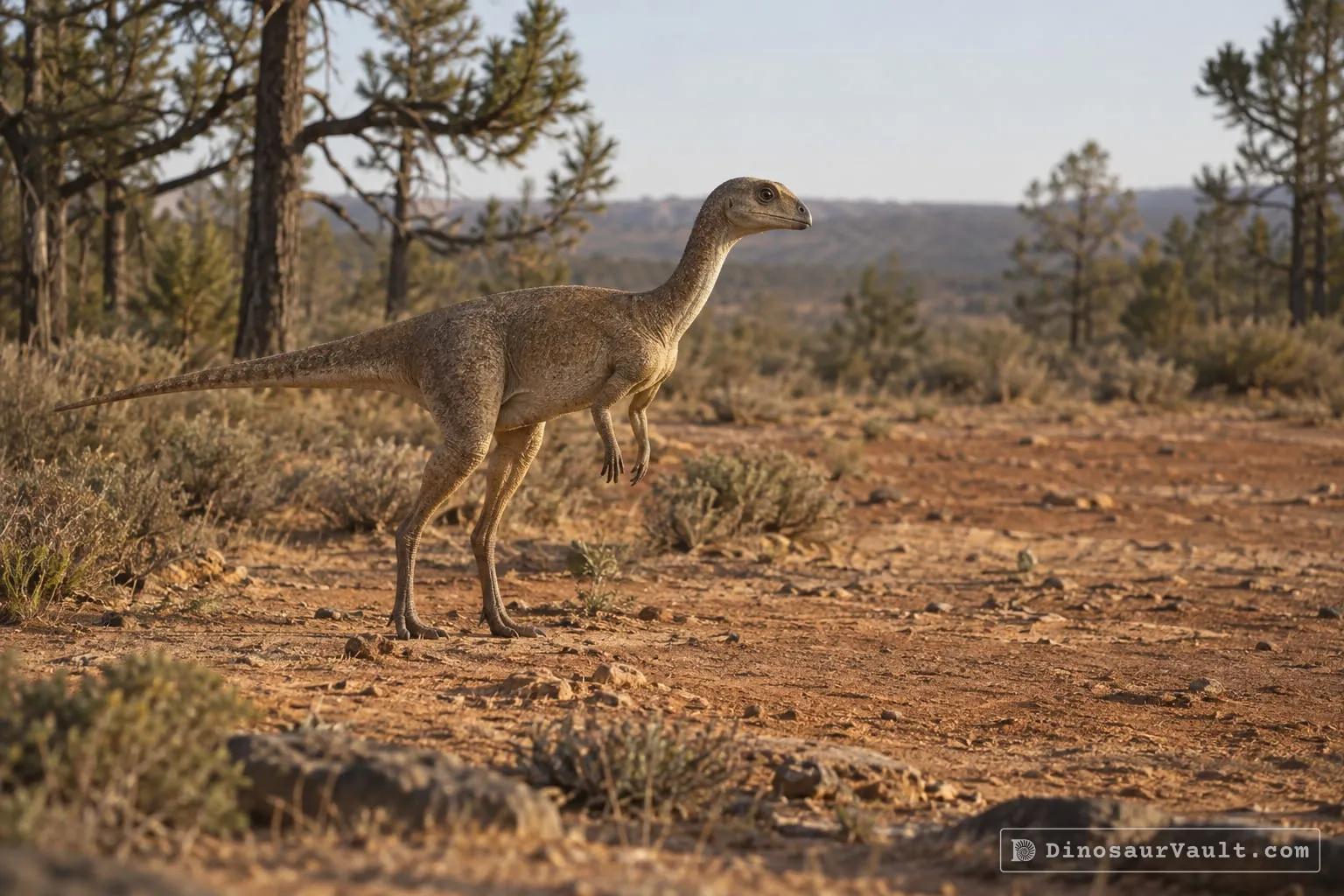
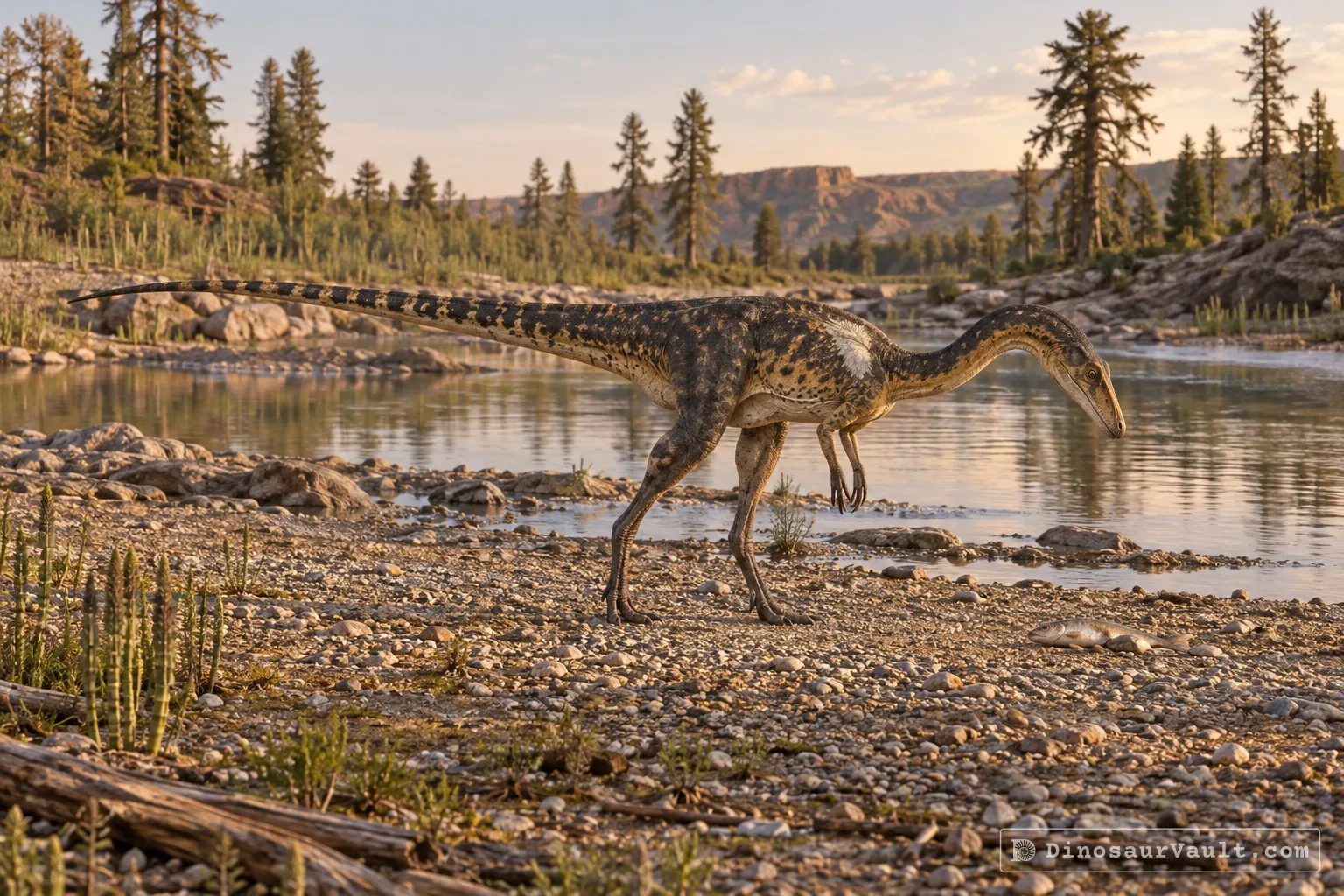
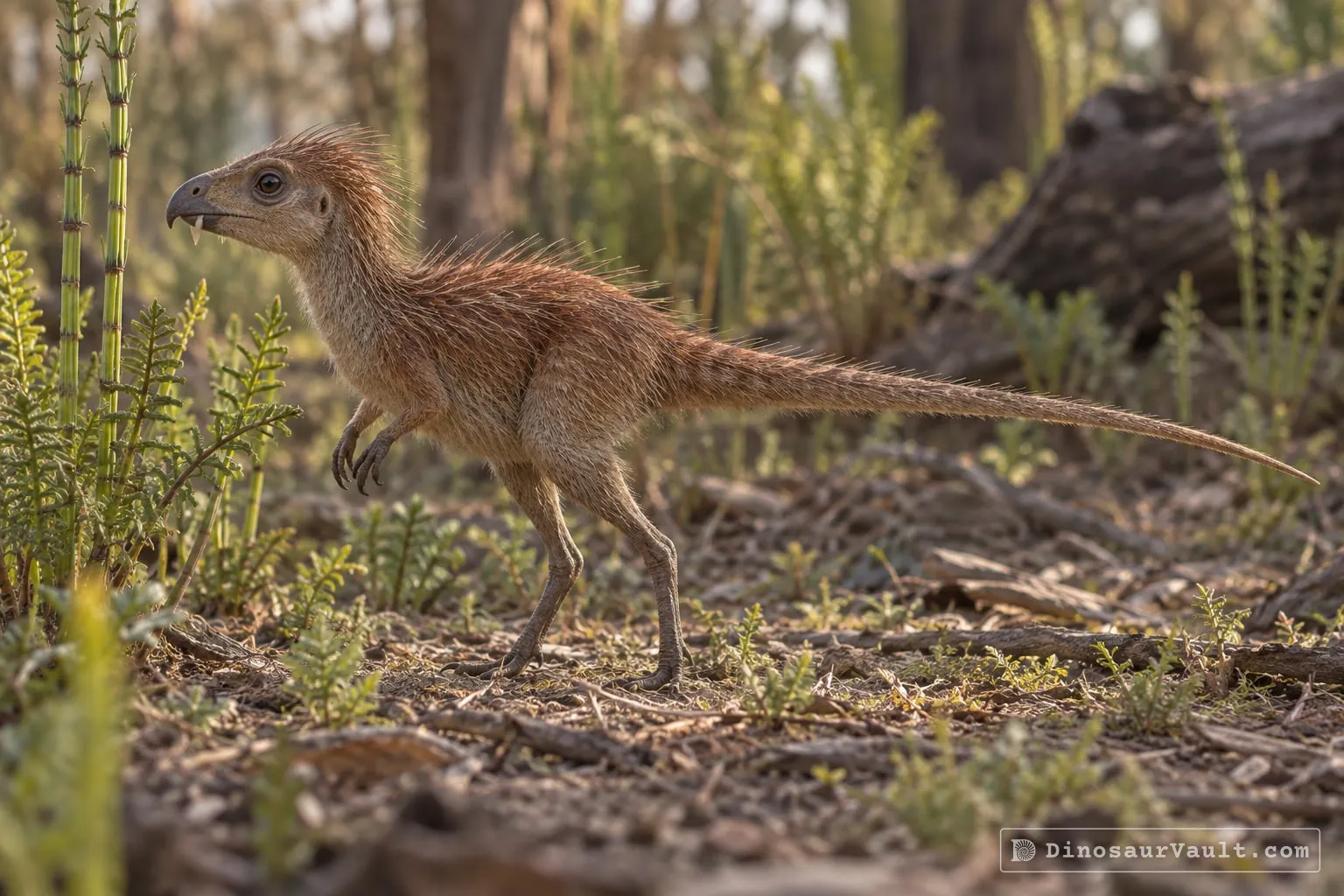


A rock formation can hold fossils laid down millions of years apart, so not every animal here met Antetonitrus.
The evidence
The science behind Antetonitrus
Which parts of the picture come from its own bones, and which come from its relatives.
From its own fossils
- Much of the skeleton behind the head is known, including sturdy limb bones and parts of the backbone.
- Its short, strong forearms and compact hands combined weight support with a thumb that could still grasp.
- Its short foot bones and a broad, curved toe claw show a sturdier foot than those of many earlier relatives.
Borrowed from relatives
- The missing head is restored using the broader relative Plateosaurus, with an elongated snout and teeth near the jaw tip.
- Plateosaurus also guides the restoration of missing hand claws, while Antetonitrus's own bones control the compact shape of the hand.
Still unknown
- The shape of its skull.
- The precise arrangement of all its fingers and toes.
- Its skin covering and color.
Often drawn wrong
- Its hands retained a grasping thumb, rather than forming the rigid columns of later sauropods.
Discovery timeline
- 2003Named itYates & Kitching
- 2014Full descriptionMcPhee et al.
- 2021Close relativeLallensack et al.
Key papers
The research behind what we know of Antetonitrus
Named it
Named a heavily built early sauropod whose limbs combined weight-bearing features with hands that could still grasp.
The earliest known sauropod dinosaur and the first steps towards sauropod locomotion. Proceedings of the Royal Society of London. Series B: Biological Sciences 270: 1753-1758
Read the paper : The earliest known sauropod dinosaur and the first steps towards sauropod locomotion (opens in a new tab)Full description
Described the skeleton in detail and explored how its strong limbs and grasping hands fit the transition to walking on all fours.
The complete anatomy and phylogenetic relationships ofAntetonitrus ingenipes(Sauropodiformes, Dinosauria): implications for the origins of Sauropoda. Zoological Journal of the Linnean Society 171: 151-205
Read the paper : The complete anatomy and phylogenetic relationships ofAntetonitrus ingenipes(Sauropodiformes, Dinosauria): implications for the origins of Sauropoda (opens in a new tab)Close relative
Compared Plateosaurus skulls and their variation, providing a broader relative's anatomy to guide restoration of the missing Antetonitrus head.
New skulls of the basal sauropodomorph Plateosaurus trossingensis from Frick, Switzerland: is there more than one species? Acta Palaeontologica Polonica 66
Read the paper : New skulls of the basal sauropodomorph Plateosaurus trossingensis from Frick, Switzerland: is there more than one species? (opens in a new tab)
Close relatives
Other members of Lessemsauridae


Sources: Wikidata