Outline: a typical theropod
Anzu
- Lived
- 72 to 66 million years ago, Late Cretaceous
- Diet
- Omnivore
- Group
- Theropods, Caenagnathidae
- Found in
- United States
- Named by
- Lamanna et al. 2014
Where its fossils were found
The evidence
Today

70 million years ago
Field notes
About Anzu
What it was like
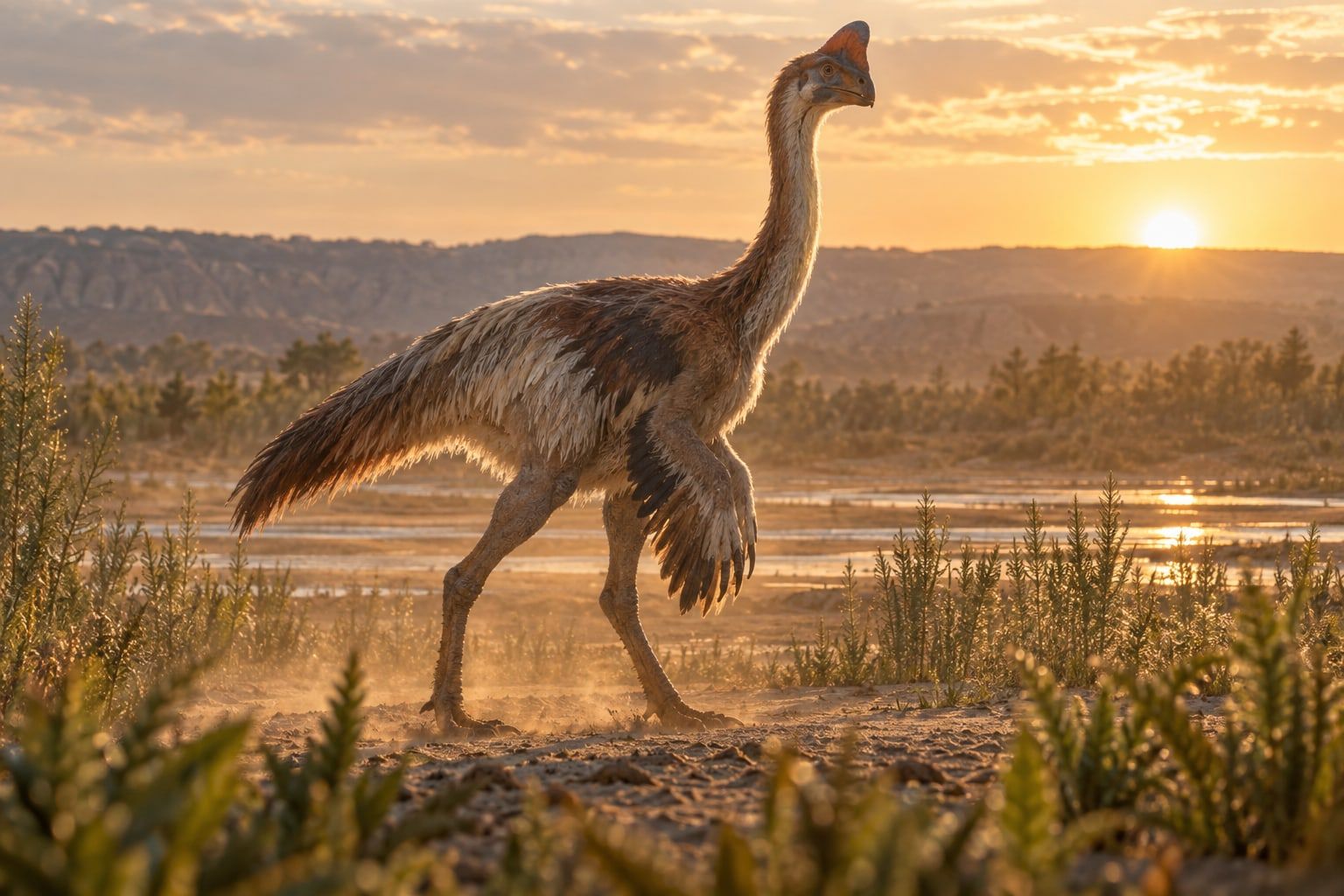
Anzu was a large caenagnathid, a feathered, toothless theropod about the size of a big horse. It had a tall crest on its head, long legs and long arms with sharp claws. It probably ate plants, small animals and eggs.
Its world
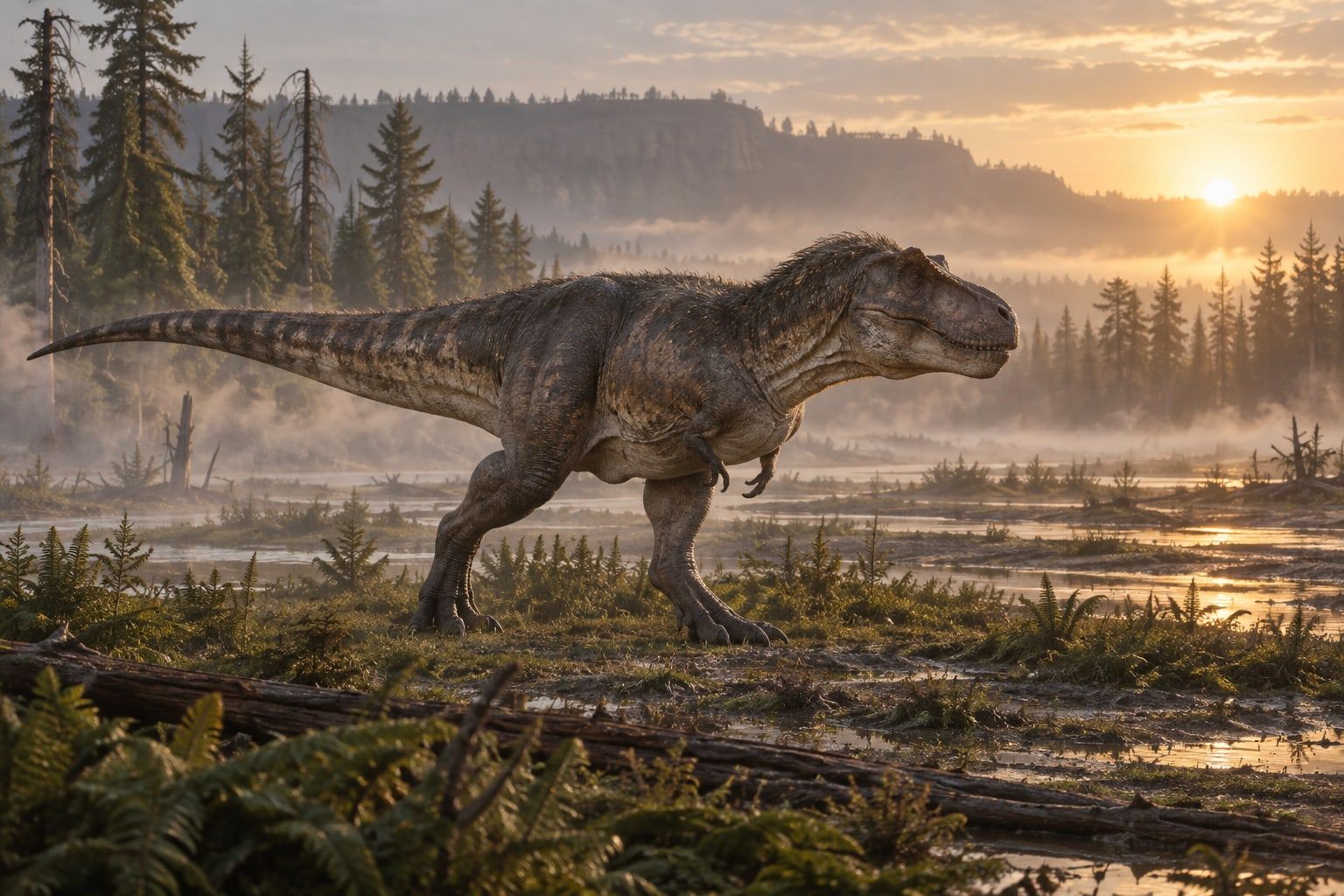
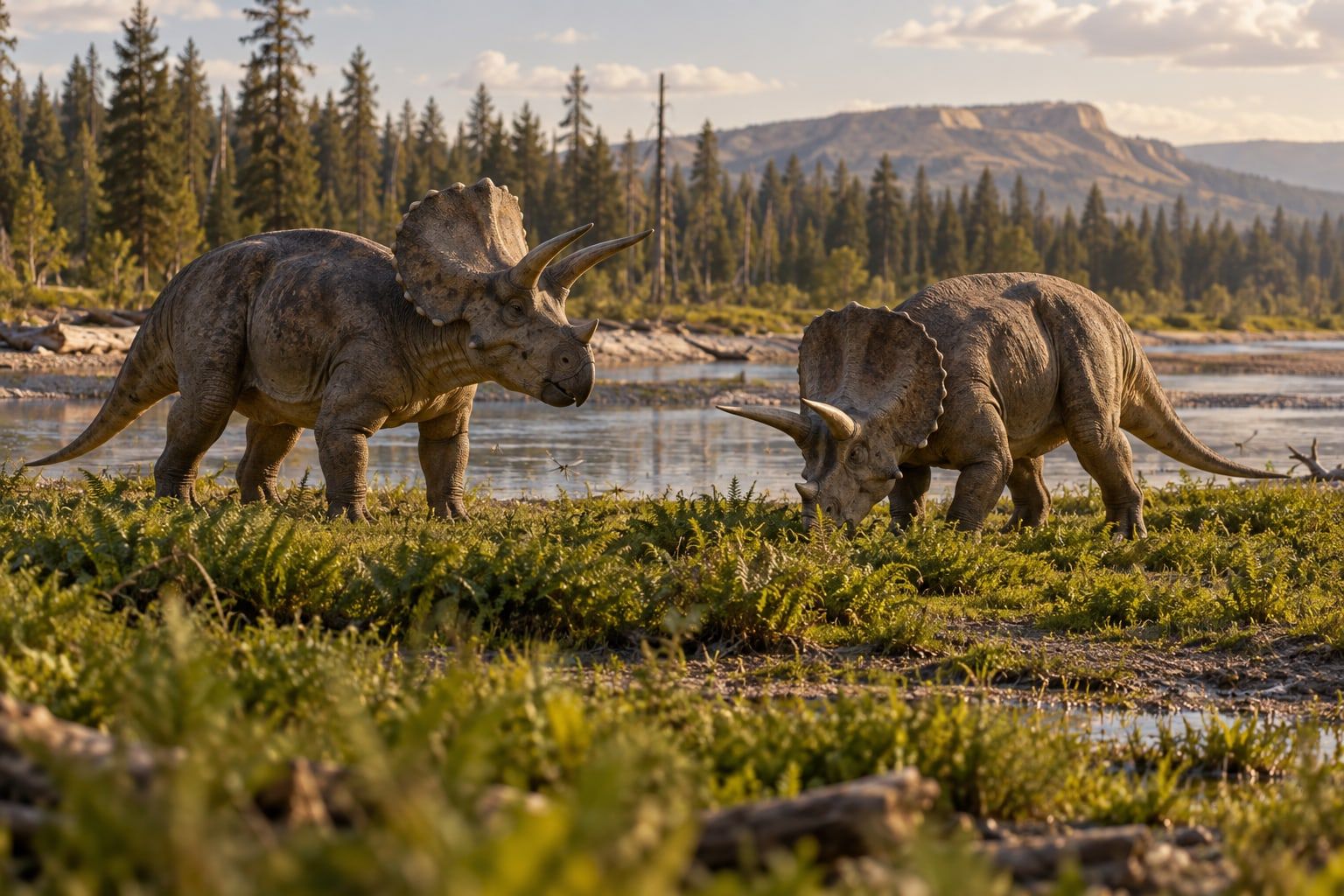
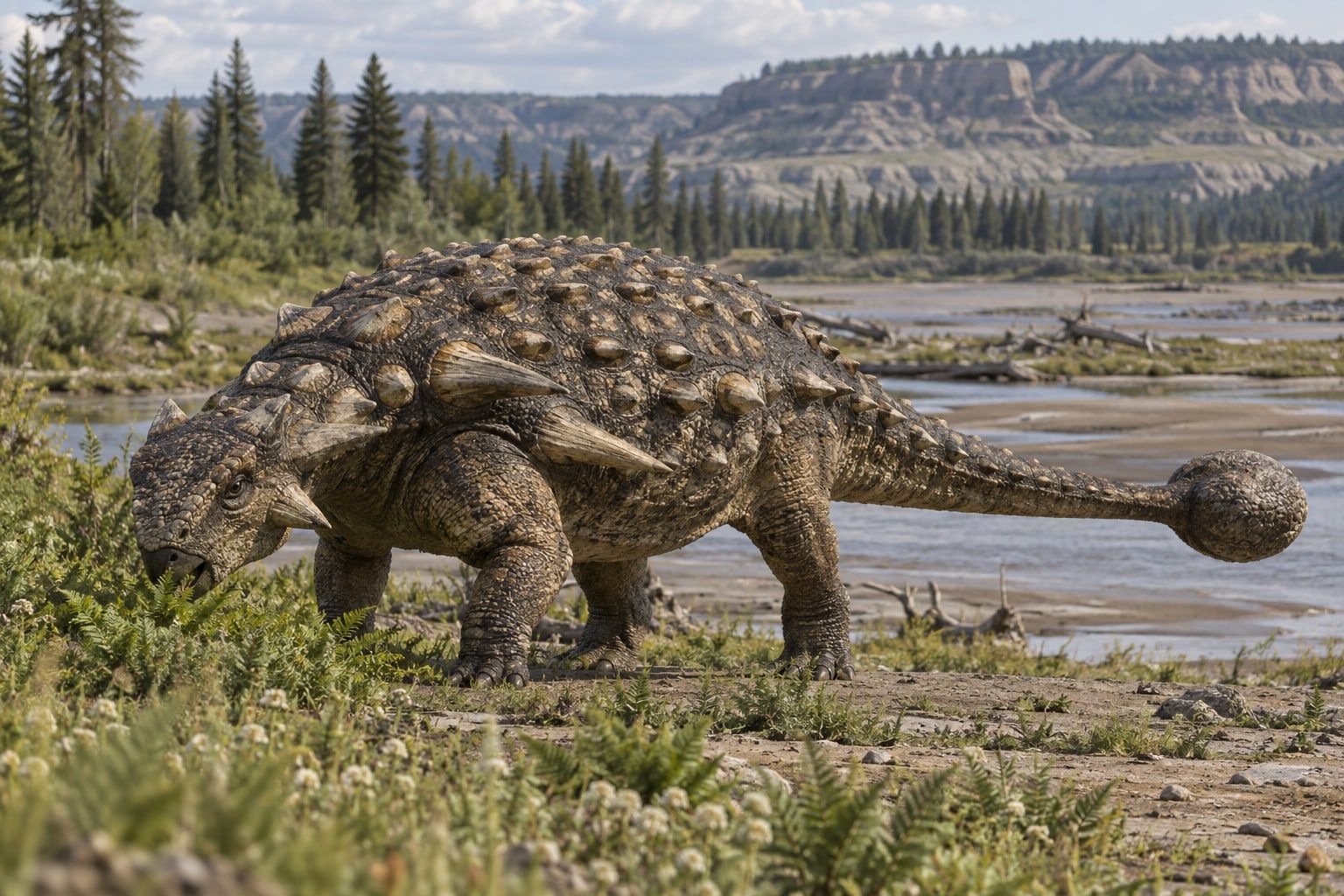
It lived about 72 to 66 million years ago, at the very end of the Cretaceous, in western North America. It comes from the Hell Creek Formation, where it shared the land with Tyrannosaurus, Triceratops, Ankylosaurus and Edmontosaurus.
How it was found
Lamanna and colleagues named Anzu in 2014, from several partial skeletons. Its name comes from a bird-like monster of ancient myth. It is the best known North American member of its family.
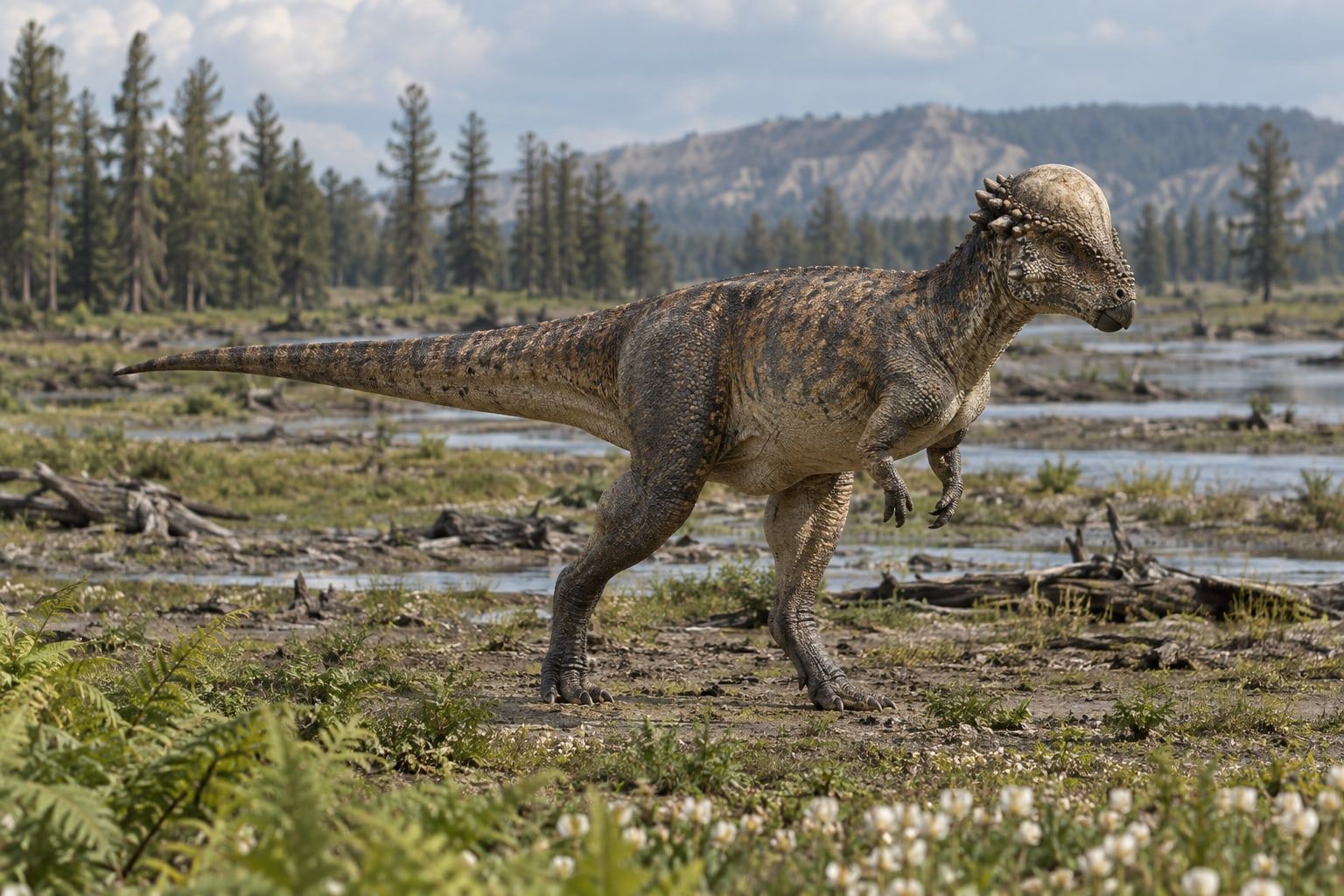
Lived alongside
Found in the same rock formations
Close relatives
Other members of Caenagnathidae
Sources: WikidataNamed in: M. C. Lamanna, H.-D. Sues, and E. R. Schachner, T. R. Lyson. 2014. A New large-bodied oviraptorosaurian theropod dinosaur from the latest Cretaceous of western North America. PLoS ONE 9(3):e92022:1-16