Ahshislepelta
- Lived
- 84 to 72 million years ago, Late Cretaceous
- Diet
- Herbivore
- Group
- Ankylosaurs, Ankylosauridae
- Found in
- United States
- Named by
- Burns and Sullivan 2011
Where its fossils were found
The evidence
Today

80 million years ago
Habitat
A floodplain crossed by rivers in what is now New Mexico. Other dinosaurs from the Kirtland Formation include Bistahieversor, Pentaceratops and Parasaurolophus.
Field notes
About Ahshislepelta
What it was like
Ahshislepelta was an ankylosaur, a low, armored plant eater. It is known from part of the skeleton and some armor, so its looks are uncertain.
Its world
It lived in the Late Cretaceous, in what is now New Mexico. It comes from the Kirtland Formation, where it shared the land with the tyrannosaur Bistahieversor, the horned Pentaceratops and the crested duckbill Parasaurolophus.
How it was found
Burns and Sullivan named Ahshislepelta in 2011. The name comes from the dry wash where it was found.
Field gallery
More views of Ahshislepelta
Scenes reconstructed from the available fossil evidence.
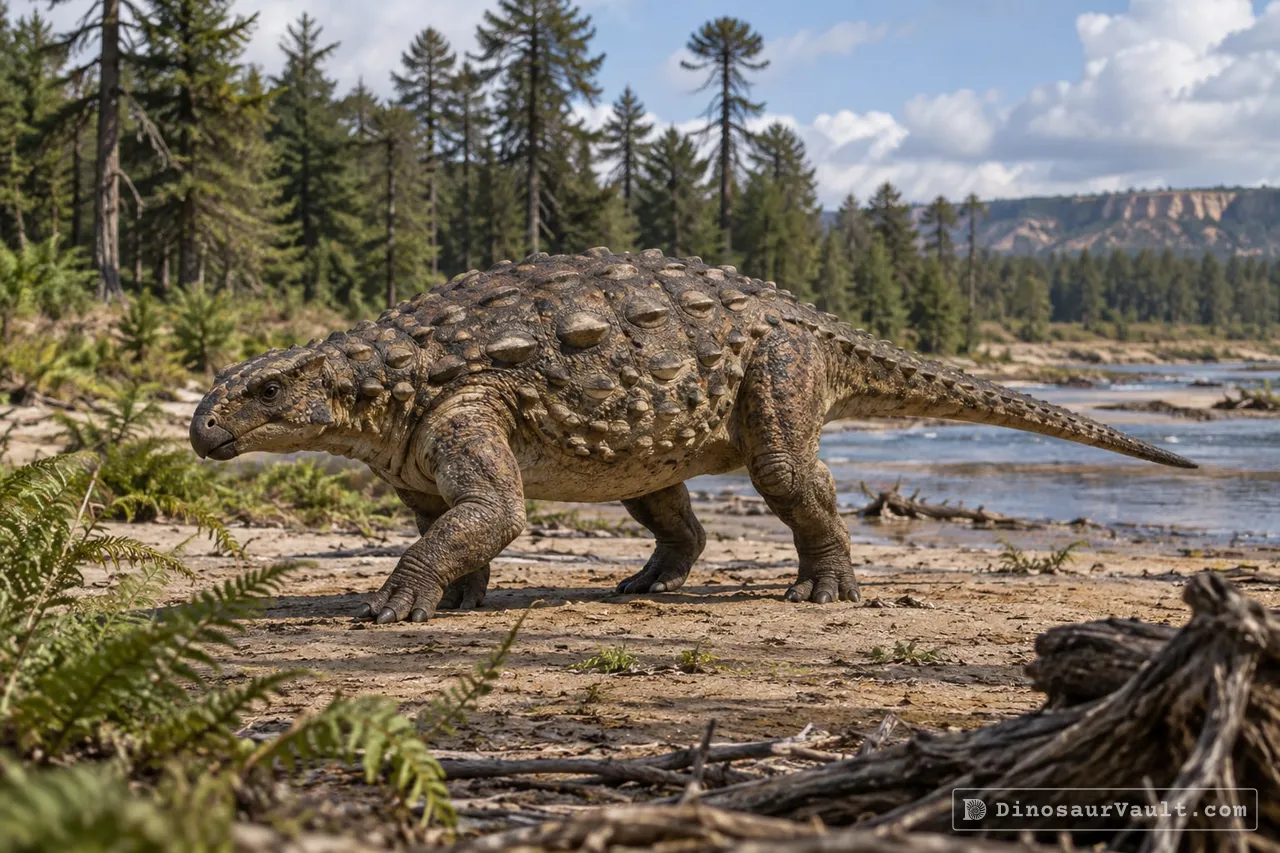
1 of 3
Lived alongside
Found in the same rock formations
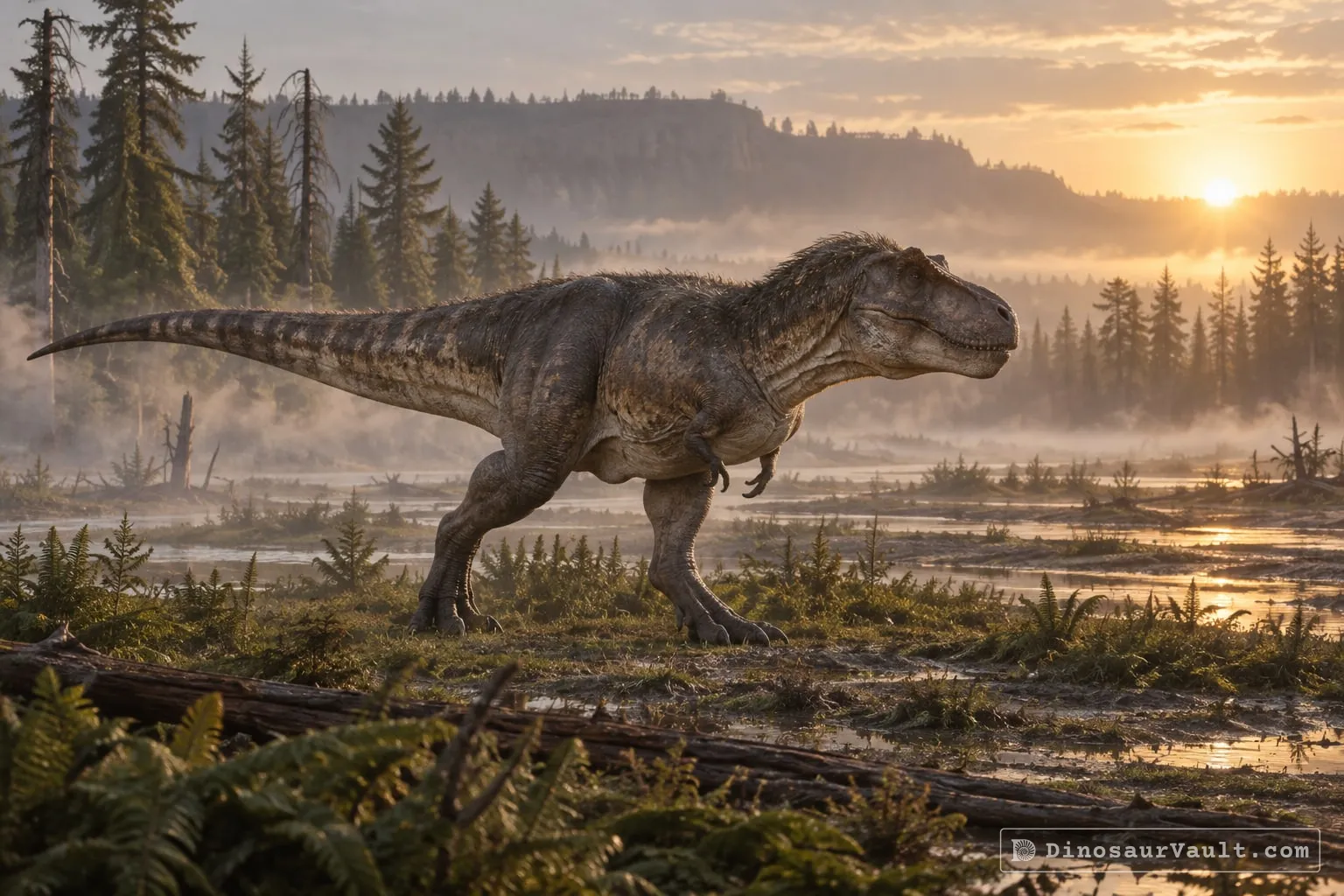
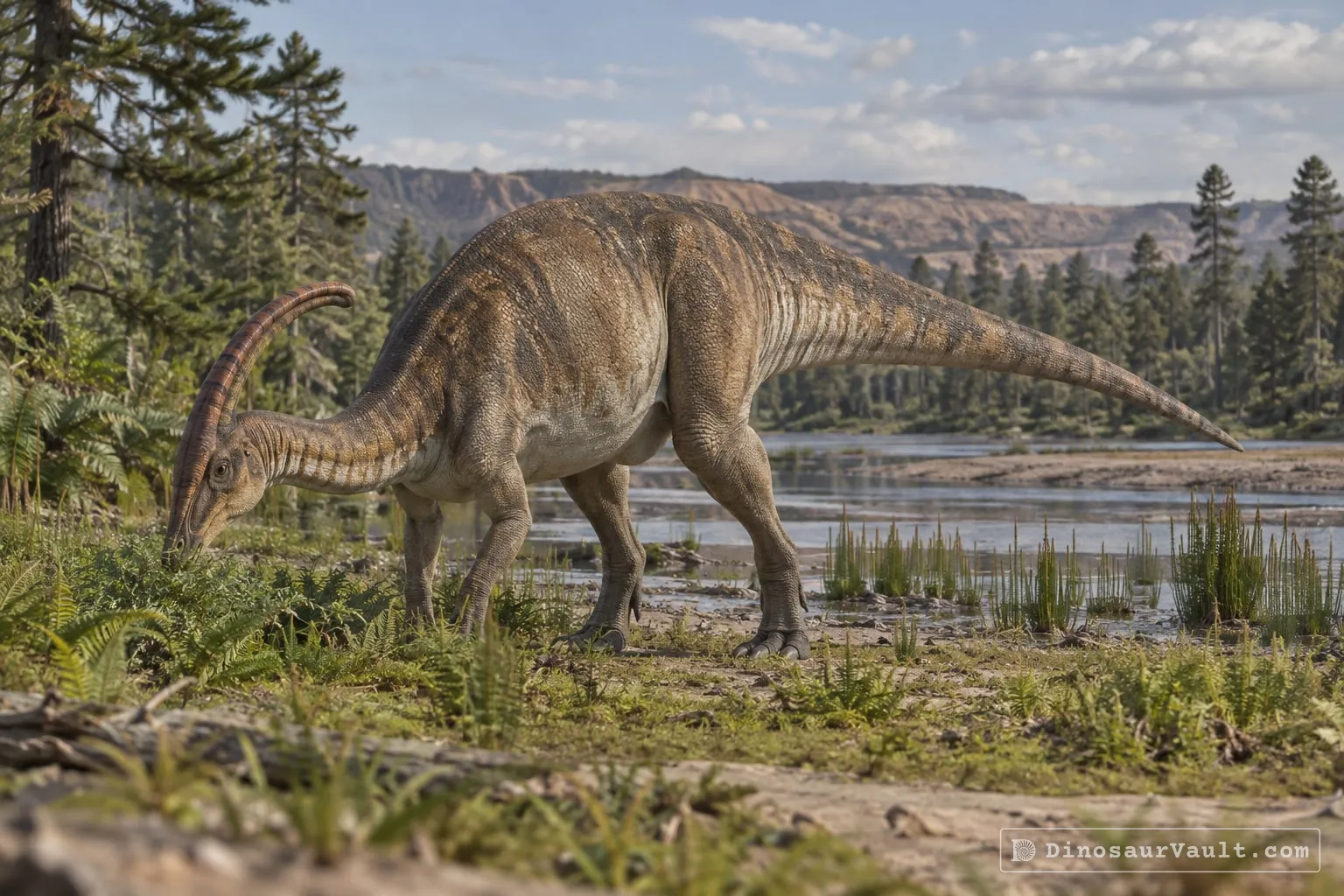
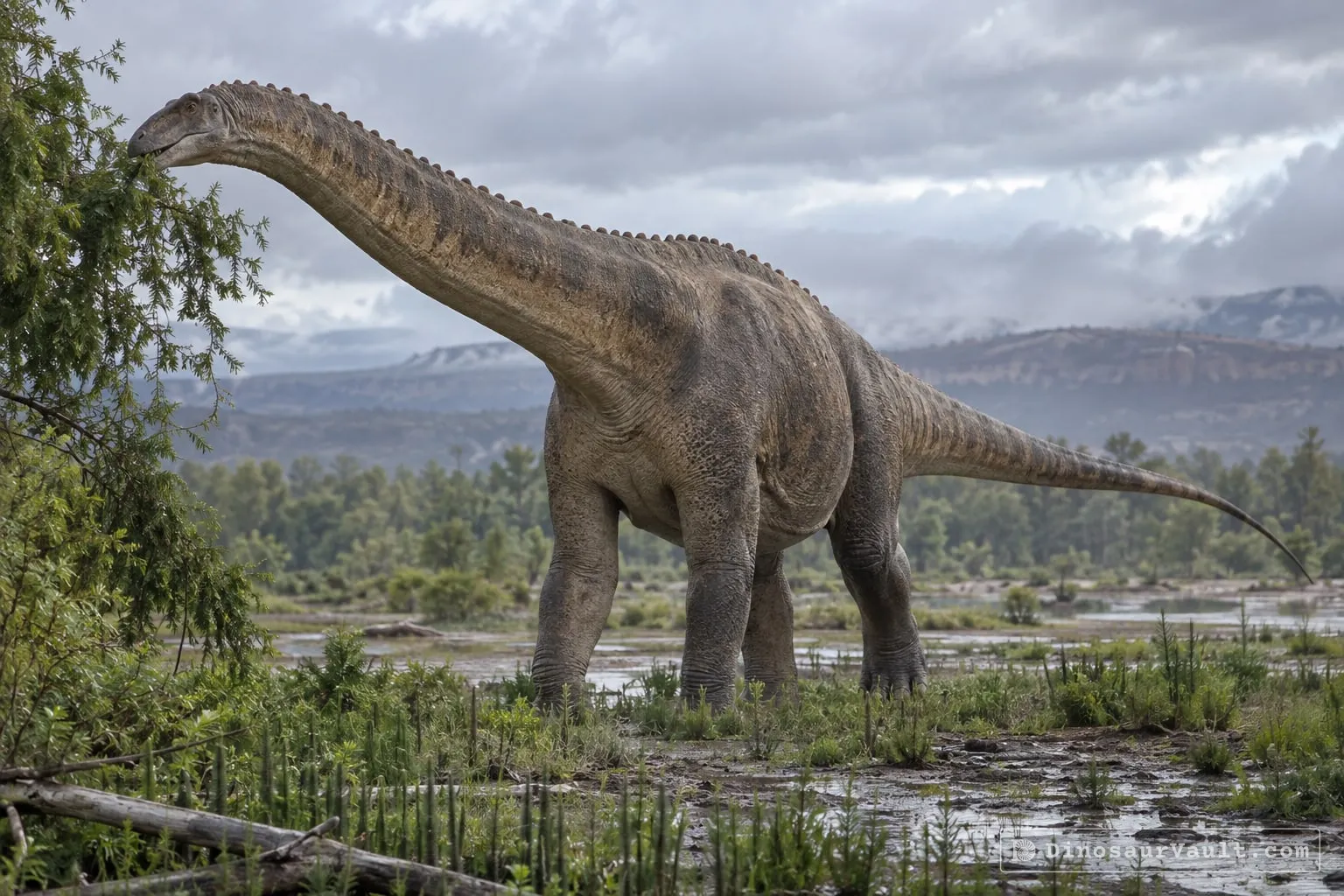
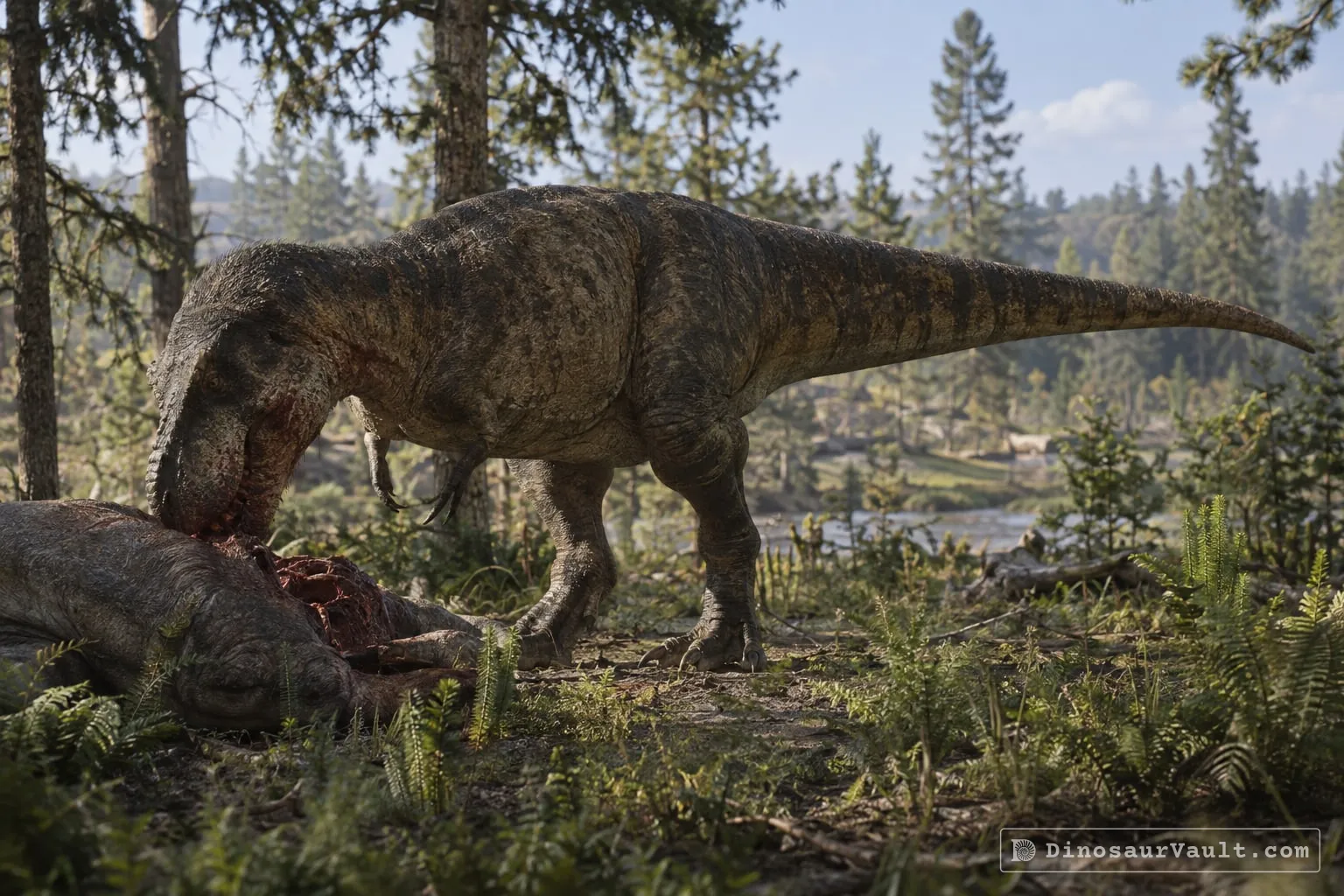
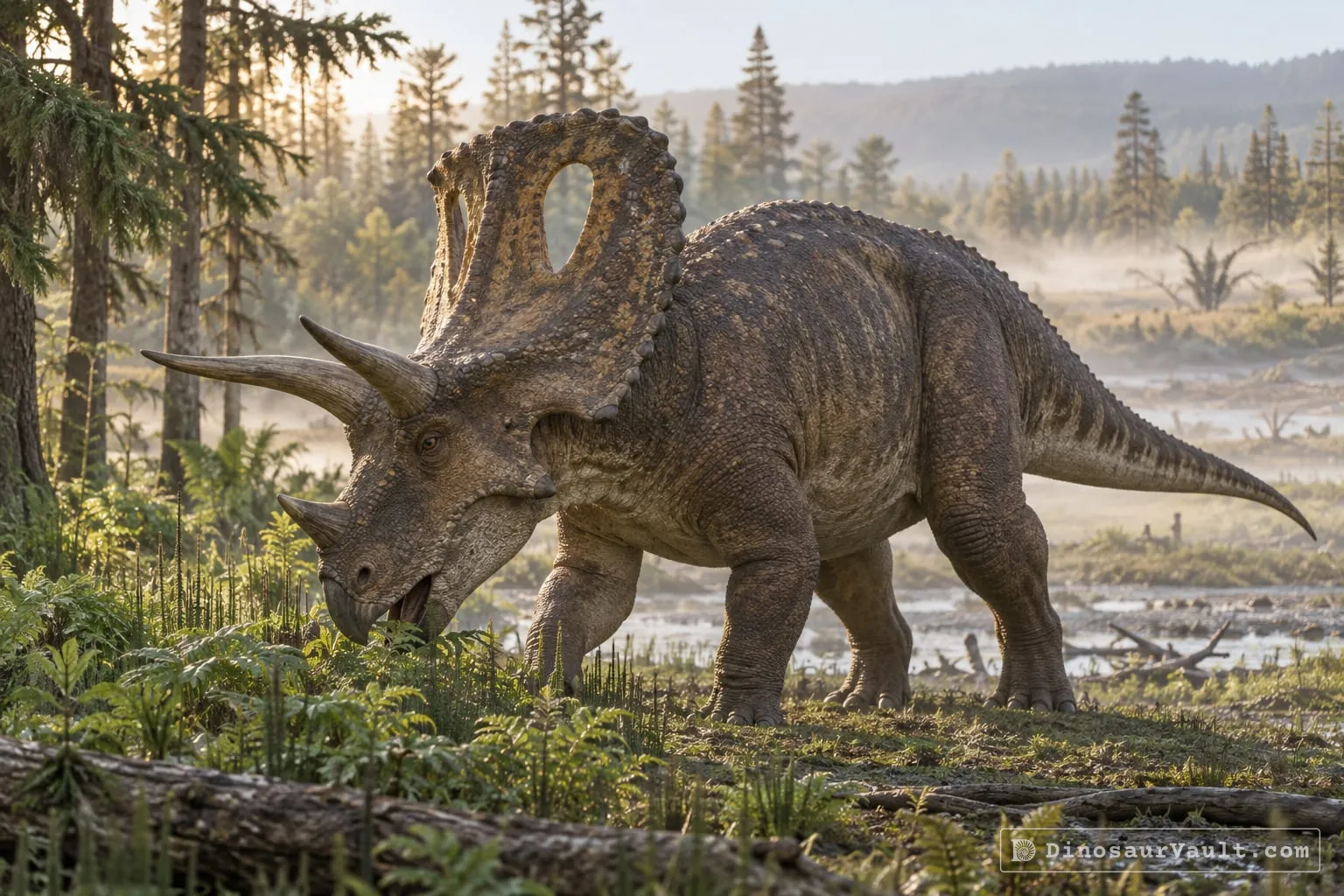
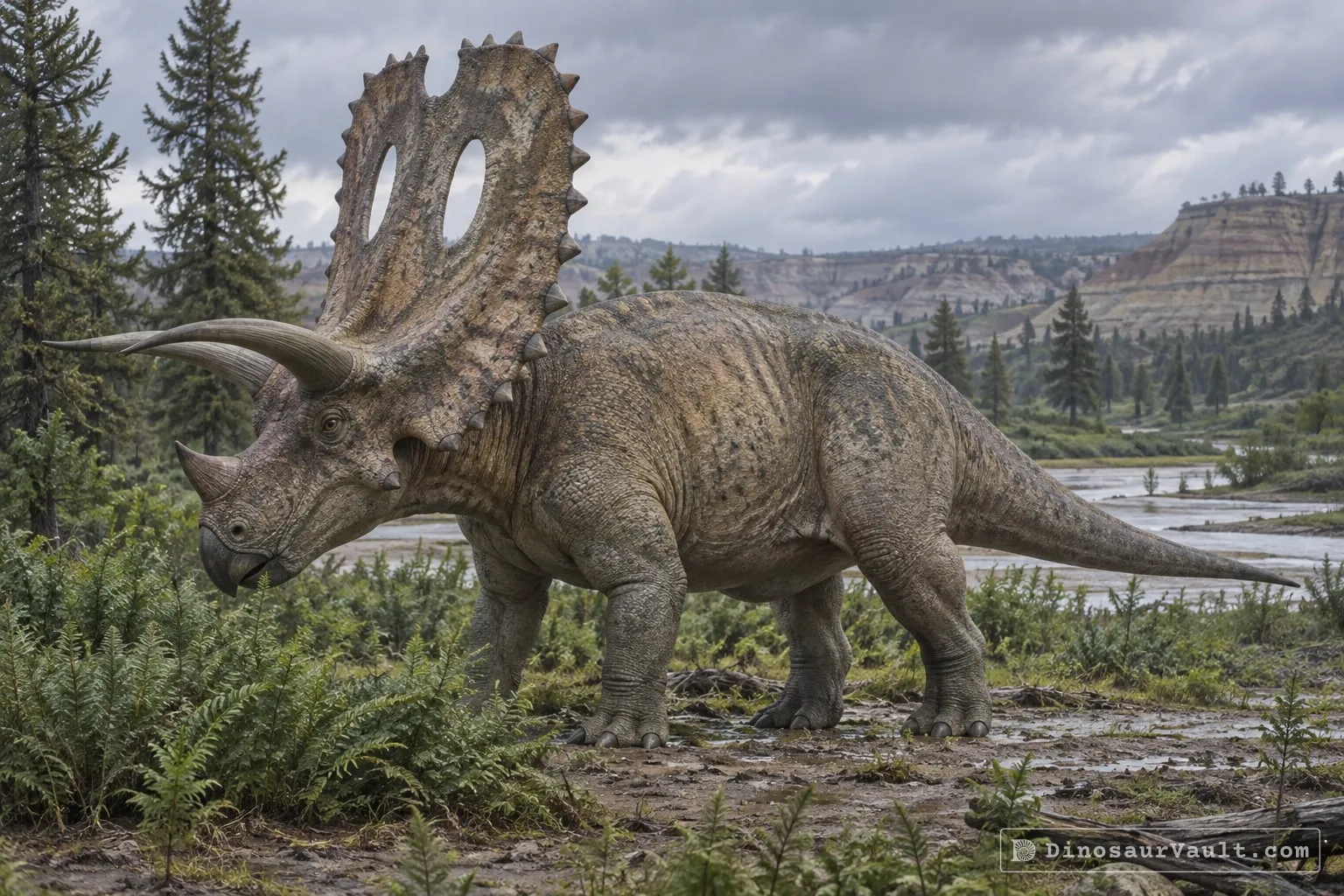
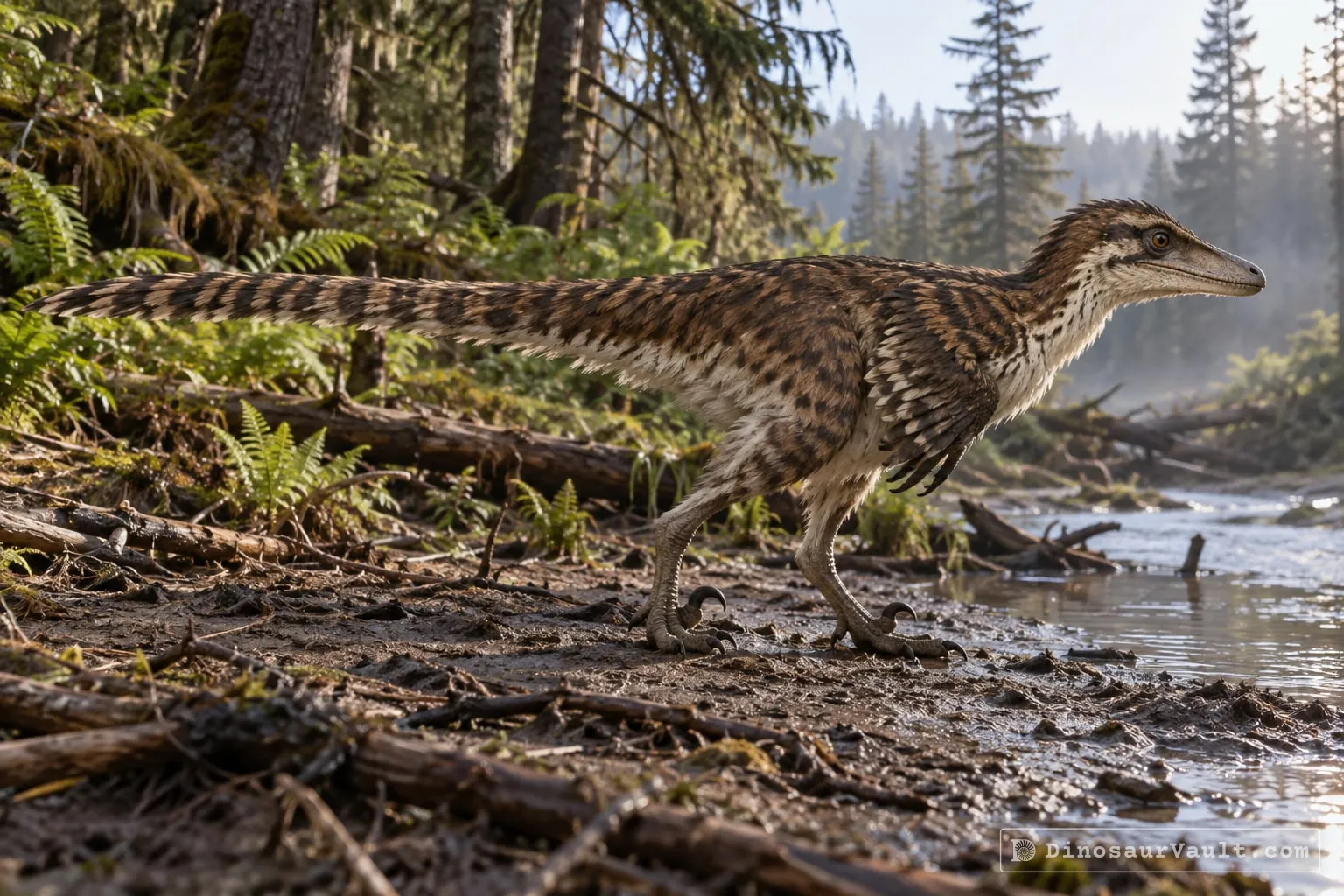
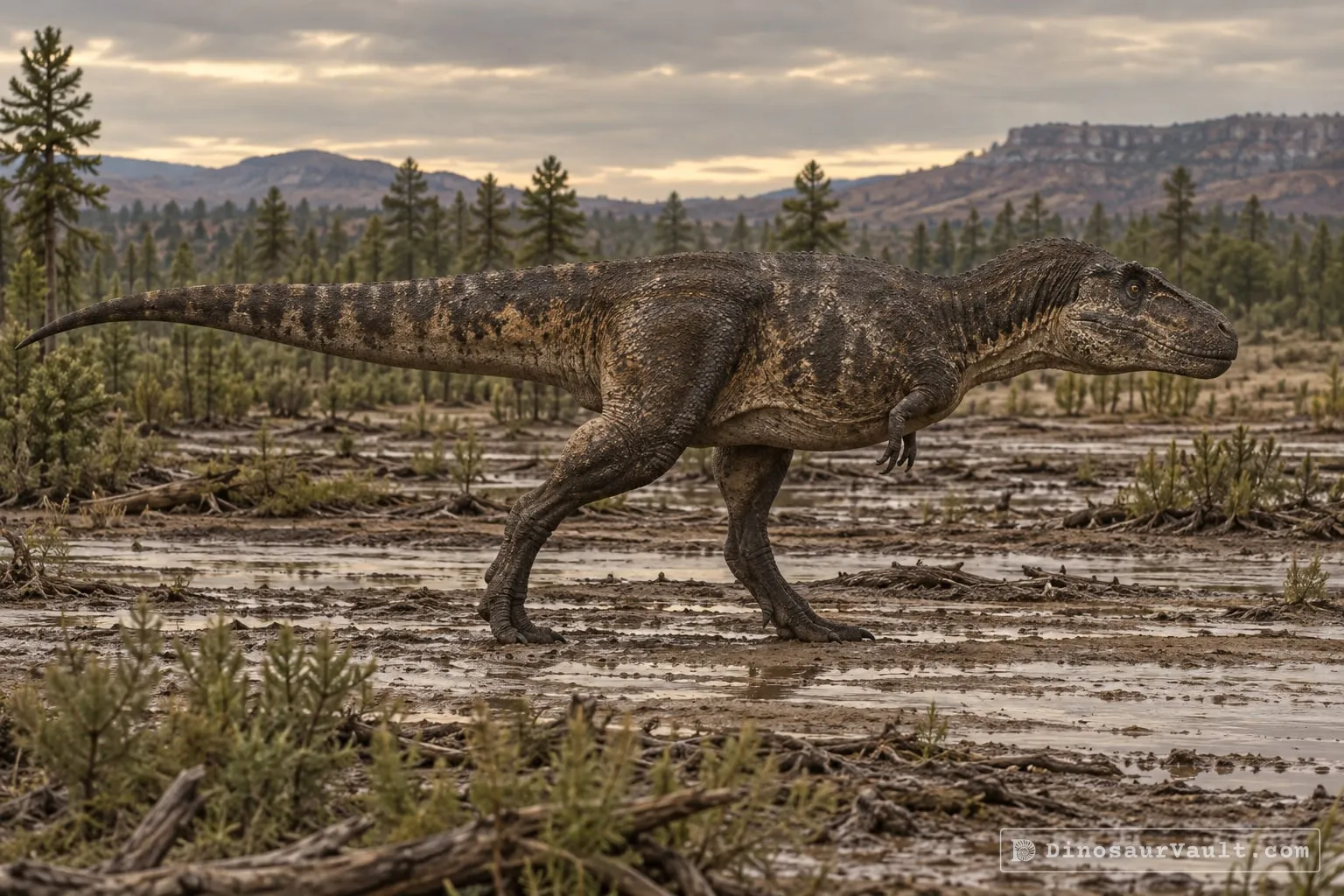


A rock formation can hold fossils laid down millions of years apart, so not every animal here met Ahshislepelta.
The evidence
The science behind Ahshislepelta
Which parts of the picture come from its own bones, and which come from its relatives.
From its own fossils
- Part of a skeleton preserves the shoulder girdle, a strong upper arm, fragments of vertebrae and bony armor.
- The shoulder blade has a distinctive overhanging ridge.
- Some armor plates have raised keels, with smaller bony nodules clustered around them.
Borrowed from relatives
- Euoplocephalus provides a comparison for the missing low, armored head.
- Saichania and Pinacosaurus help restore the broad body, sturdy limbs and short, broad claws.
Still unknown
- The shape of its skull and the arrangement of armor over its whole body.
- Whether its tail ended in a club.
- Its color and closest relatives.
Discovery timeline
- 2011Named itBurns & Sullivan
- 2013Close relativeArbour & Currie
- 2014Same rocksArbour et al.
Key papers
The research behind what we know of Ahshislepelta
Named it
Named an armored dinosaur from its distinctive shoulder blade and armor plates, and found that the known animal had reached at least the subadult stage.
A new ankylosaurid from the Upper Cretaceous Kirtland Formation, San Juan Basin, with comments on the diversity of ankylosaurids in New Mexico. Fossil Record 3. New Mexico Museum of Natural History and Science Bulletin 53: 169-178
No link available
Close relative
Separated several armored dinosaurs formerly grouped as Euoplocephalus, refining a comparison used to restore the missing head of Ahshislepelta.
Euoplocephalus tutus and the Diversity of Ankylosaurid Dinosaurs in the Late Cretaceous of Alberta, Canada, and Montana, USA. PLoS ONE 8: e62421
Read the paper : Euoplocephalus tutus and the Diversity of Ankylosaurid Dinosaurs in the Late Cretaceous of Alberta, Canada, and Montana, USA (opens in a new tab)Same rocks
Named Ziapelta from the Kirtland Formation and compared its armor texture with the smoother plates of Ahshislepelta.
A New Ankylosaurid Dinosaur from the Upper Cretaceous (Kirtlandian) of New Mexico with Implications for Ankylosaurid Diversity in the Upper Cretaceous of Western North America. PLoS ONE 9: e108804
Read the paper : A New Ankylosaurid Dinosaur from the Upper Cretaceous (Kirtlandian) of New Mexico with Implications for Ankylosaurid Diversity in the Upper Cretaceous of Western North America (opens in a new tab)
Close relatives
Other members of Ankylosauridae


Sources: Wikidata