Zby
- Lived
- 152 to 149 million years ago, Late Jurassic
- Diet
- Herbivore
- Group
- Sauropods
- Found in
- Portugal
- Named by
- Mateus et al. 2014
Where its fossils were found
The evidence
Today

150 million years ago
Habitat
Rivers and muddy floodplains in what is now Portugal. Allosaurus, Torvosaurus and Dacentrurus also lived in the Lourinhã Formation landscape.
Field notes
About Zby
What it was like
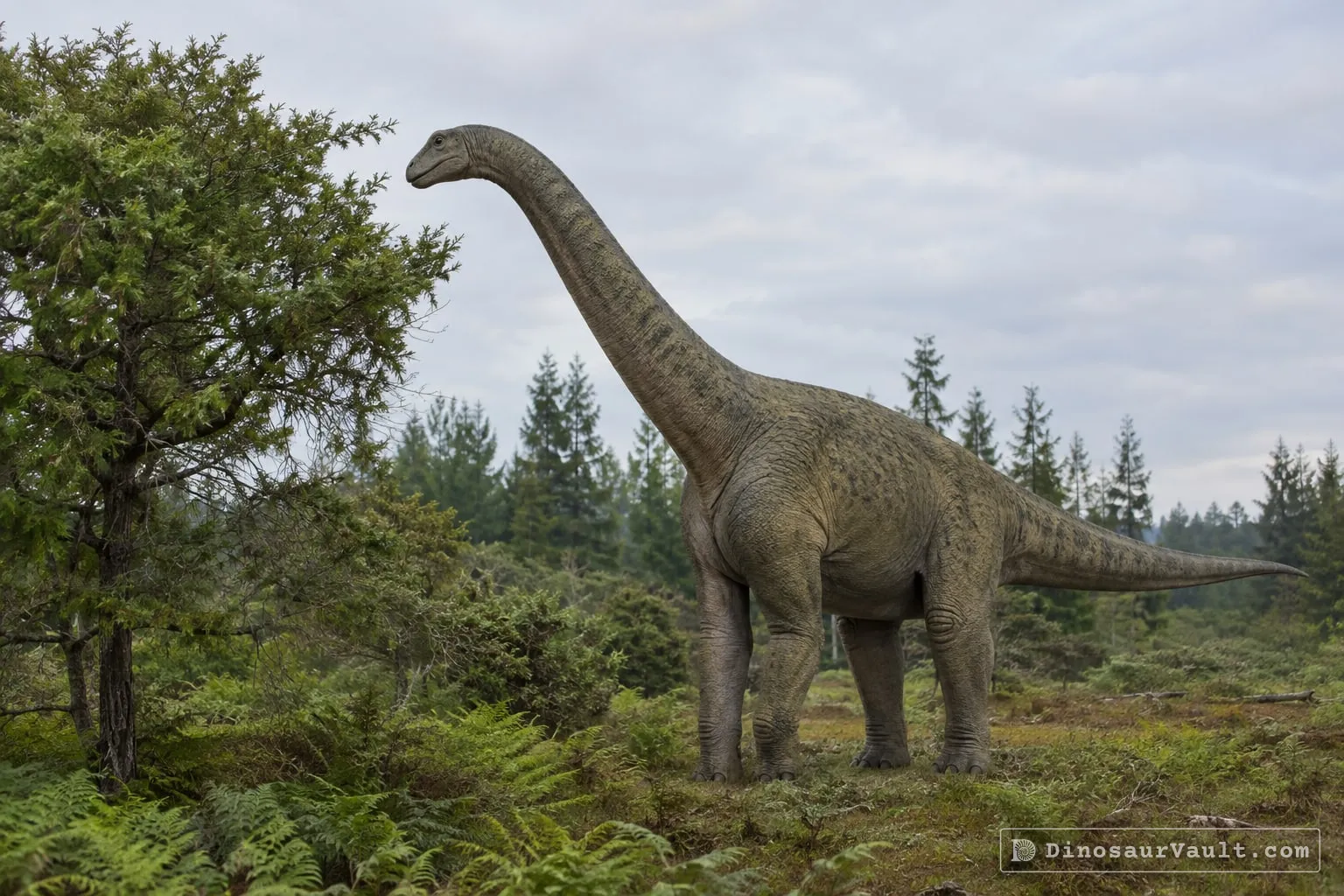
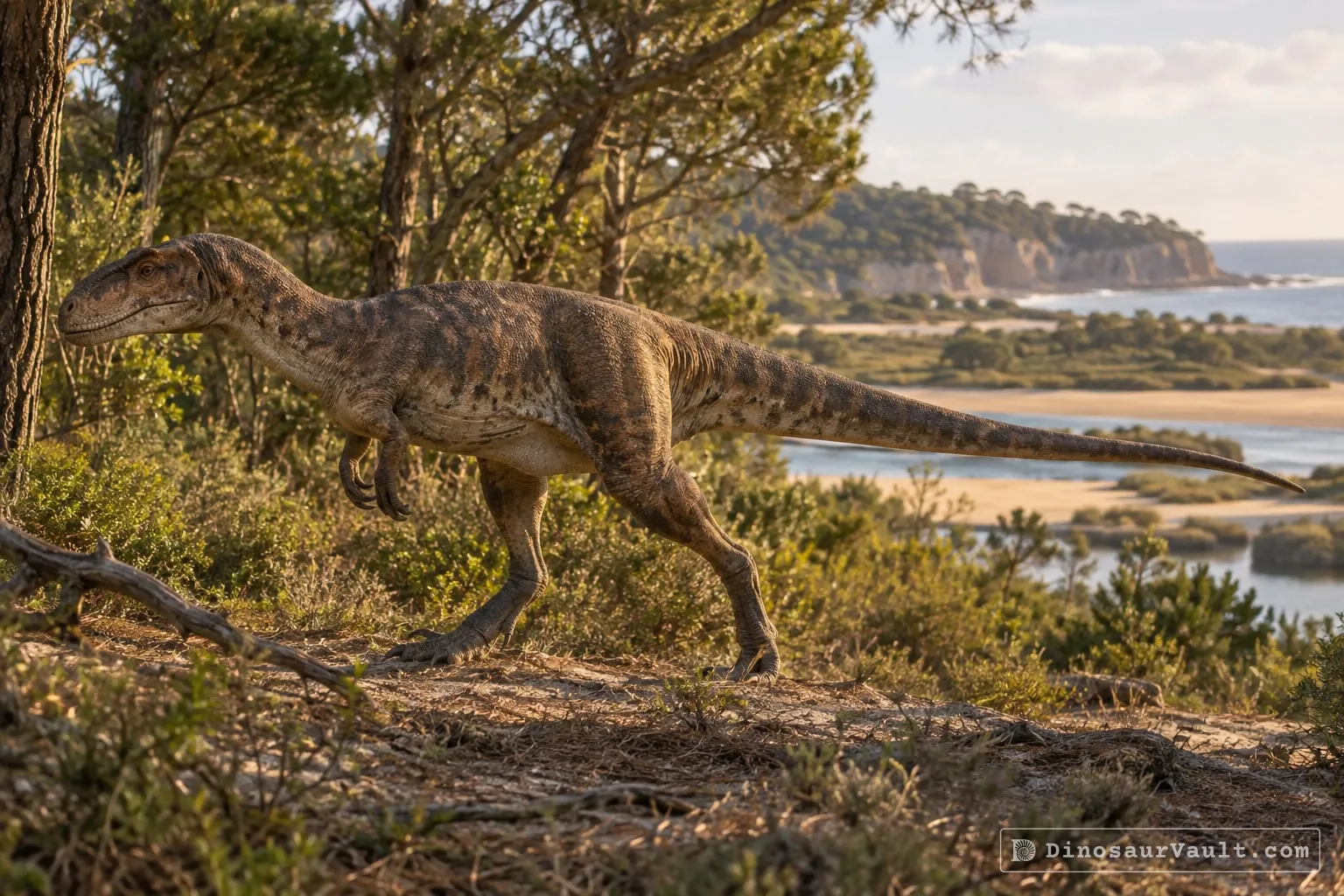
Zby was a large sauropod, a long-necked plant eater from the turiasaurs. Its fossils include a tooth, a fragment of a neck vertebra, a bone from beneath the tail, and the right shoulder and front limb.
Its world
It lived in the Late Jurassic, in what is now Portugal. It comes from the Lourinhã Formation, where it shared the land with Allosaurus, Torvosaurus, Ceratosaurus, the stegosaur Dacentrurus and the sauropod Lusotitan.
How it was found
Mateus and colleagues named Zby in 2014. It has one of the shortest names of any dinosaur, honoring a paleontologist who worked in Portugal.
Field gallery
More views of Zby
Scenes reconstructed from the available fossil evidence.
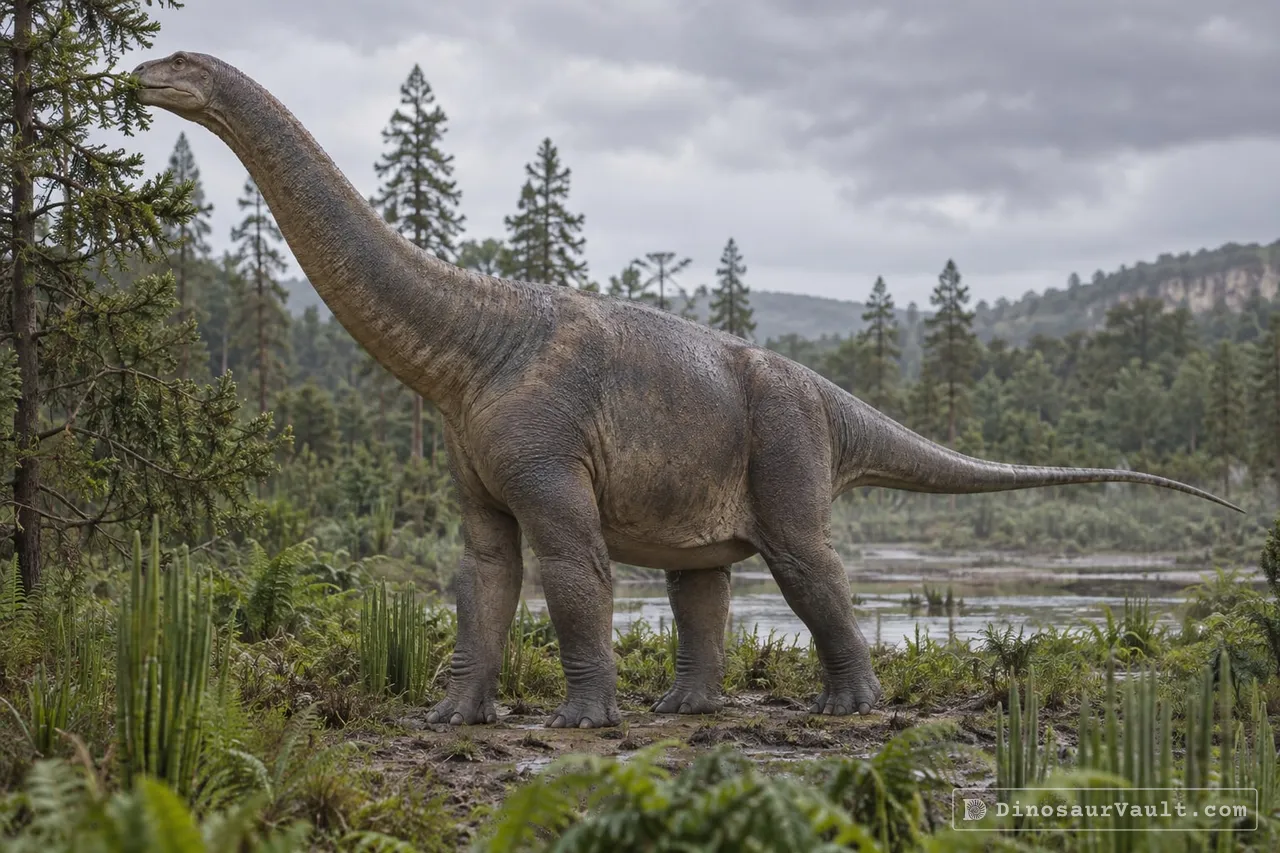
1 of 3
Lived alongside
Found in the same rock formations
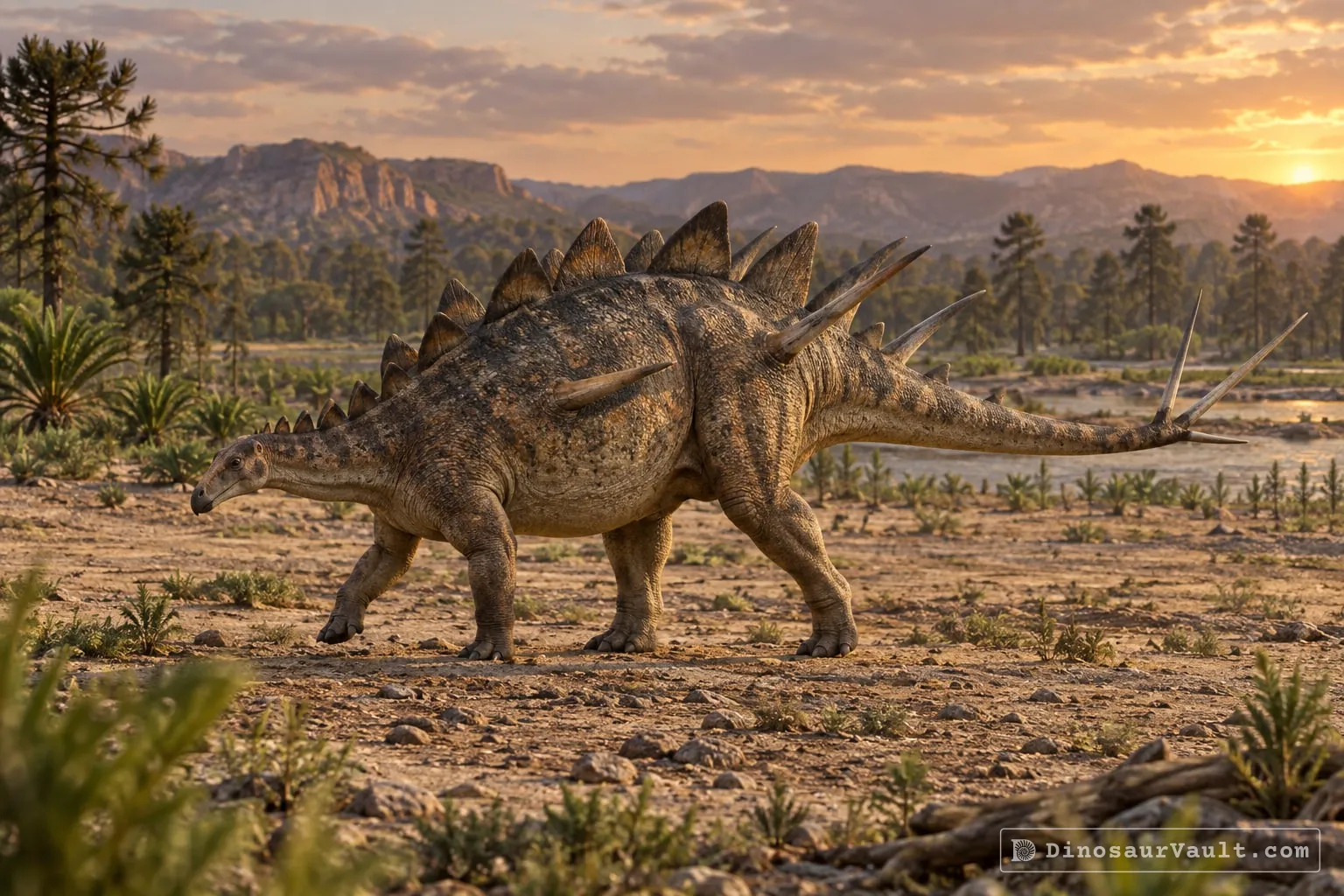
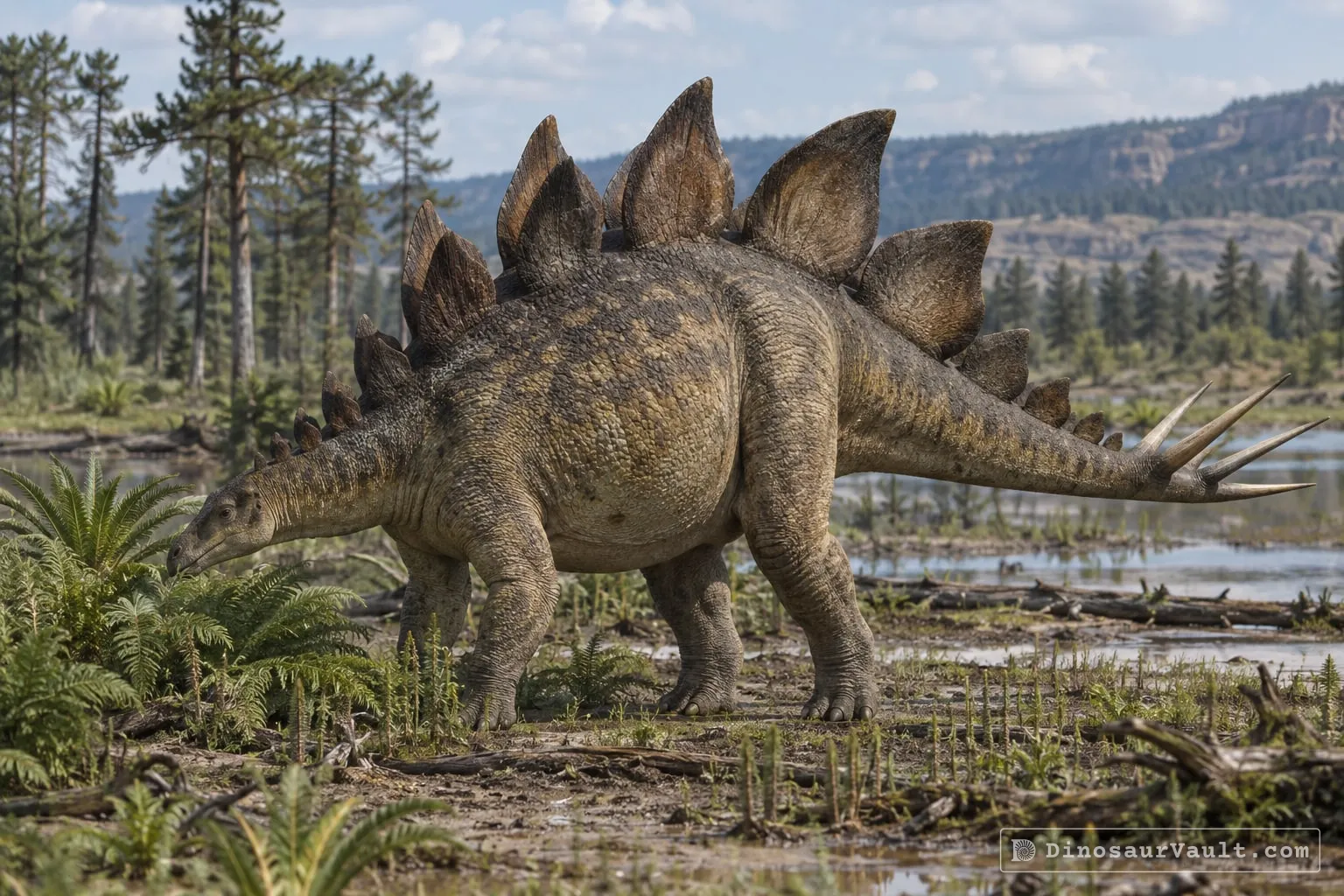
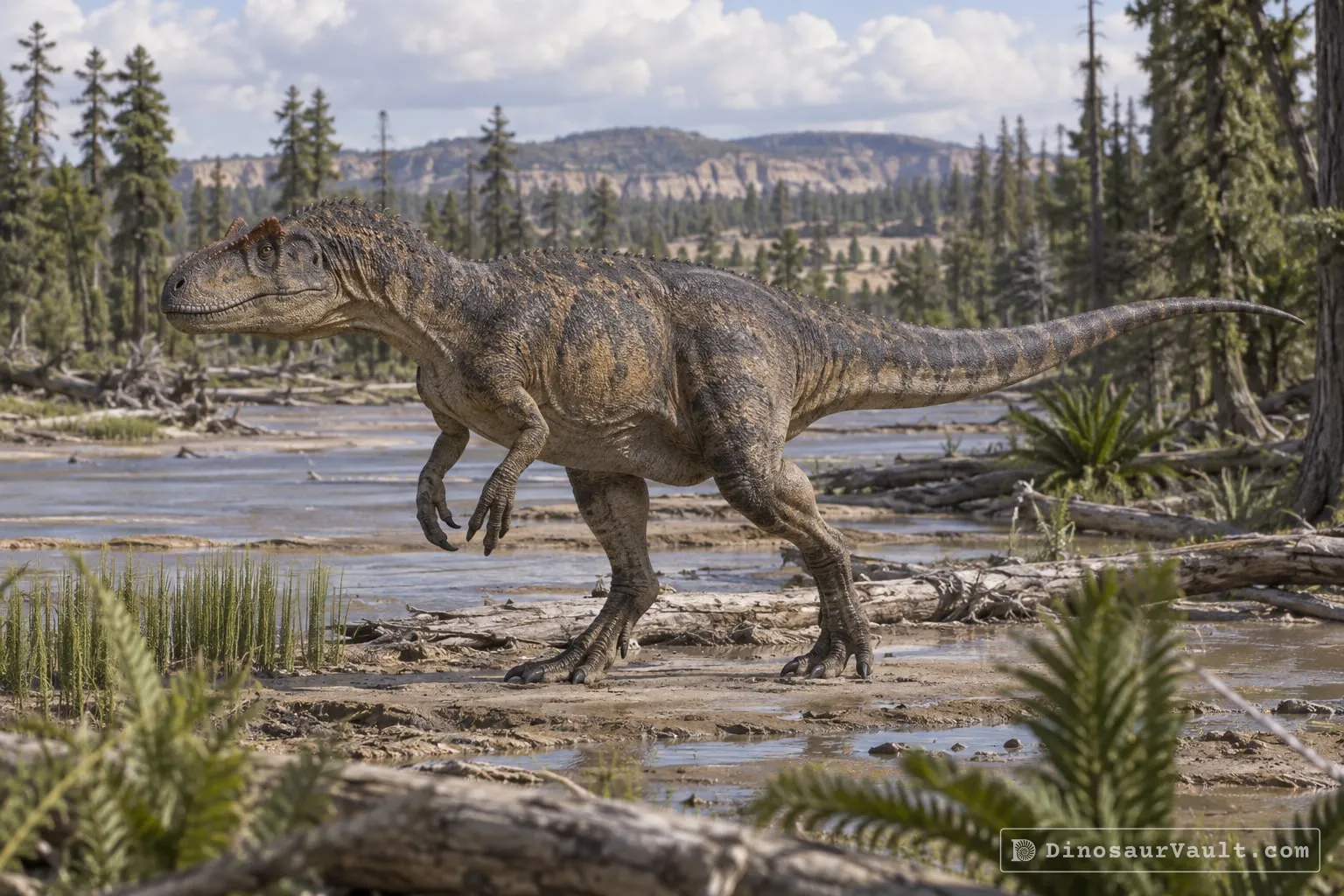
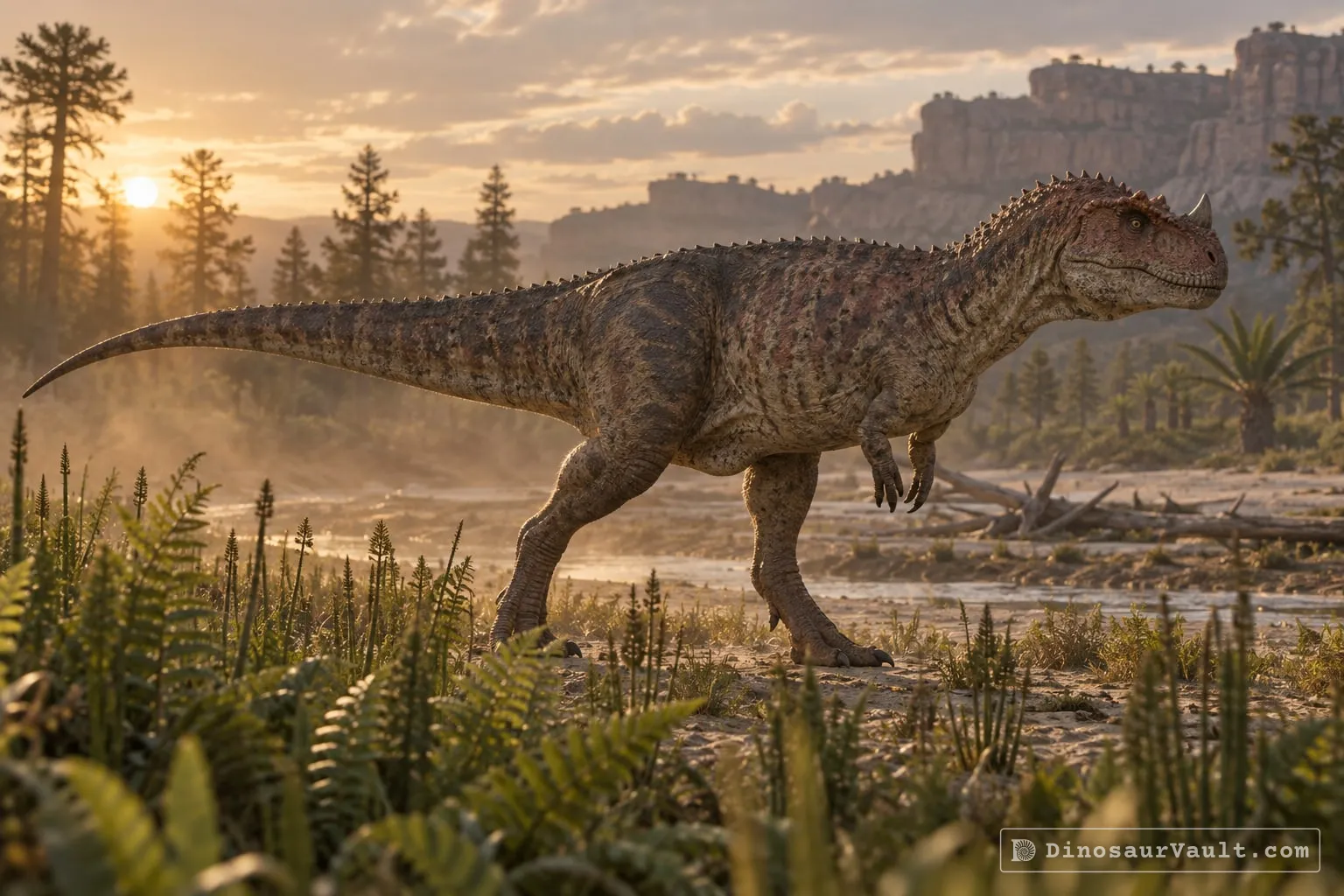
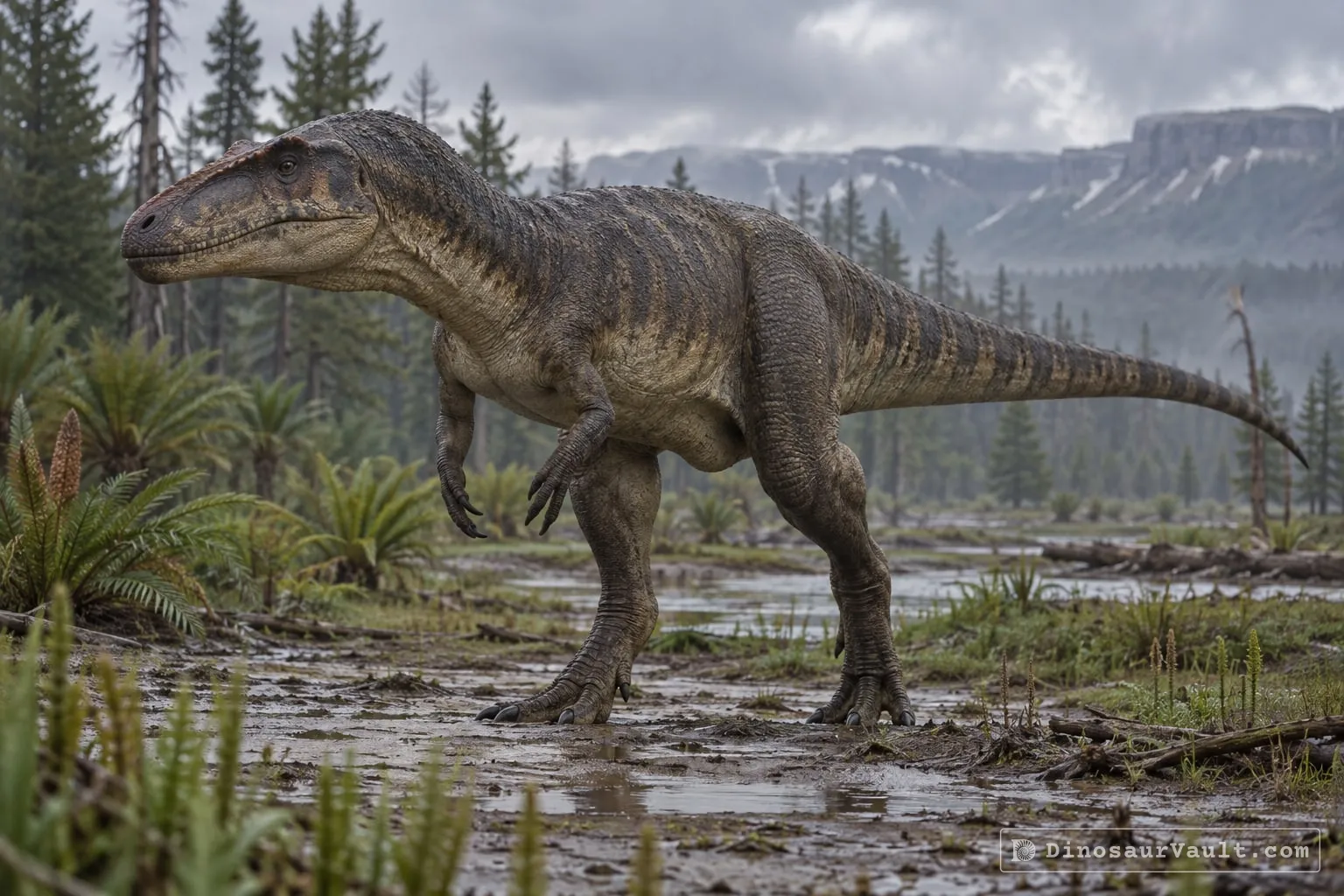
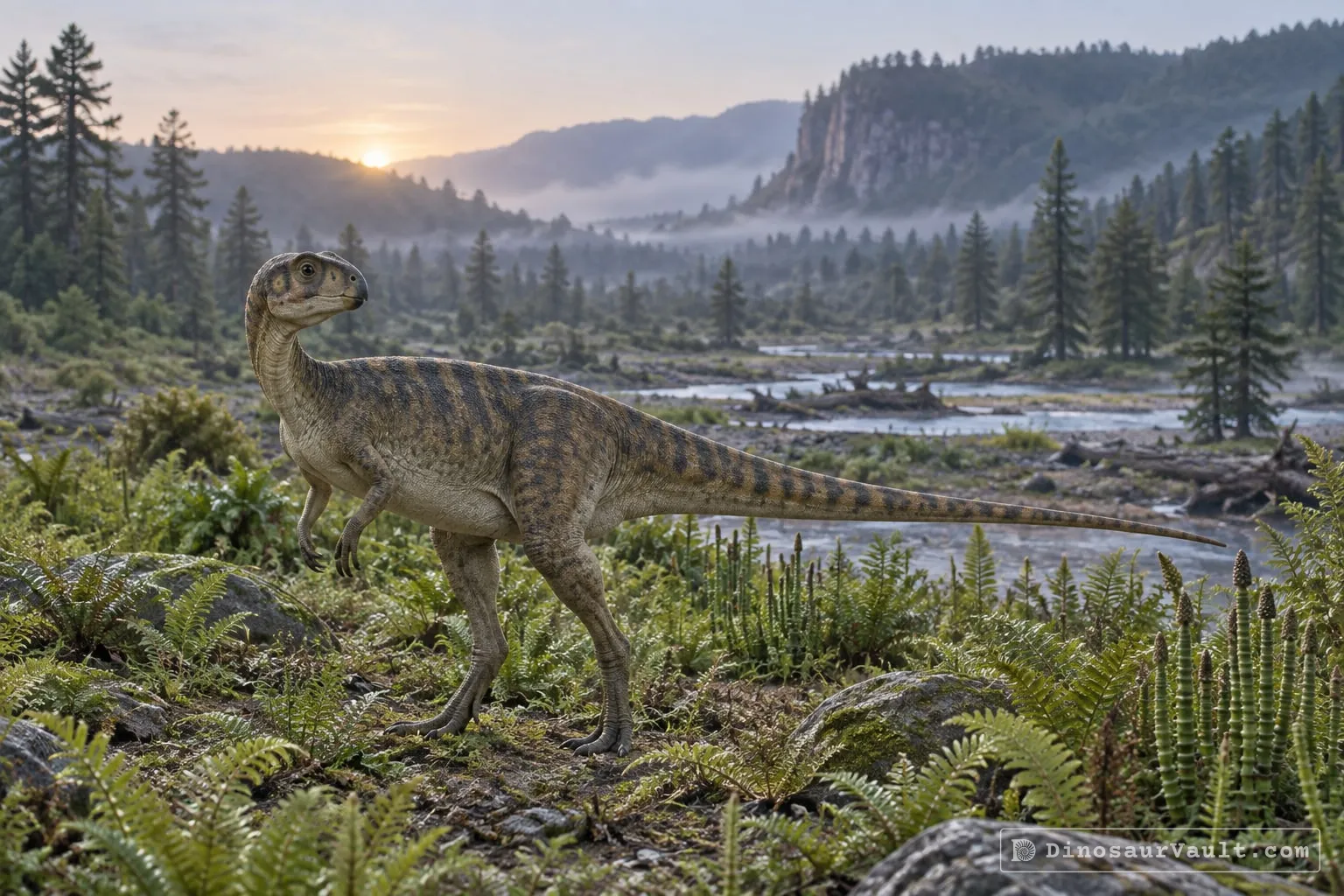


A rock formation can hold fossils laid down millions of years apart, so not every animal here met Zby.
The evidence
The science behind Zby
Which parts of the picture come from its own bones, and which come from its relatives.
From its own fossils
- A partial skeleton preserves an almost complete right shoulder and front limb, a tooth, a neck bone fragment and a bone from beneath the tail. Its hand bones stood upright in a column-like arrangement.
- Its tooth crown has a heart-shaped outline, like those of other turiasaurs.
- Its upper arm bone is broad and flattened. A bulge on the back of this bone, the shape of its shoulder and a squarish hand claw help set Zby apart.
Borrowed from relatives
- Its head is restored as short and tall, following the partly preserved skull of Turiasaurus.
- The neck, trunk and hind limbs are restored by comparison with more complete turiasaurs such as Mierasaurus and Losillasaurus.
Still unknown
- Its complete skull shape and exact neck length.
- Its skin texture and color.
- How its young grew.
Discovery timeline
- 2014Named itMateus, Mannion & Upchurch
- 2017Family treeRoyo-Torres et al.
- 2021Family treeRoyo-Torres et al.
Key papers
The research behind what we know of Zby
Named it
Named Zby from a partial skeleton and identified differences in its front limb that separate it from Turiasaurus.
Zby atlanticus , a new turiasaurian sauropod (Dinosauria, Eusauropoda) from the Late Jurassic of Portugal. Journal of Vertebrate Paleontology 34: 618-634
Read the paper : Zby atlanticus , a new turiasaurian sauropod (Dinosauria, Eusauropoda) from the Late Jurassic of Portugal (opens in a new tab)Family tree
Placed Mierasaurus and Moabosaurus in the same sauropod group as Zby, extending the group's range into North America.
Descendants of the Jurassic turiasaurs from Iberia found refuge in the Early Cretaceous of western USA. Scientific Reports 7
Read the paper : Descendants of the Jurassic turiasaurs from Iberia found refuge in the Early Cretaceous of western USA (opens in a new tab)Family tree
Used a new Losillasaurus skeleton and comparisons with other turiasaurs, including Zby, to reassess the group's anatomy and relationships.
Origin and evolution of turiasaur dinosaurs set by means of a new ‘rosetta’ specimen from Spain. Zoological Journal of the Linnean Society 191: 201-227
Read the paper : Origin and evolution of turiasaur dinosaurs set by means of a new ‘rosetta’ specimen from Spain (opens in a new tab)
Close relatives
Other members of Turiasauria


Sources: Wikidata