Outline: a typical sauropod
Mierasaurus
"Miera's lizard"
- Lived
- 139 to 133 million years ago, Early Cretaceous
- Diet
- Herbivore
- Group
- Sauropods
- Found in
- United States
- Named by
- Royo-Torres et al. 2017
Where its fossils were found
The evidence
Today
135 million years ago
Field notes
About Mierasaurus
What it was like
Mierasaurus was a long-necked, four-legged plant eater from the turiasaurs, a group best known from Europe. It is known from a mostly complete skeleton, with parts of the skull and teeth.
It was a relative of Turiasaurus from Spain, which suggests these sauropods moved between Europe and North America.
Its world
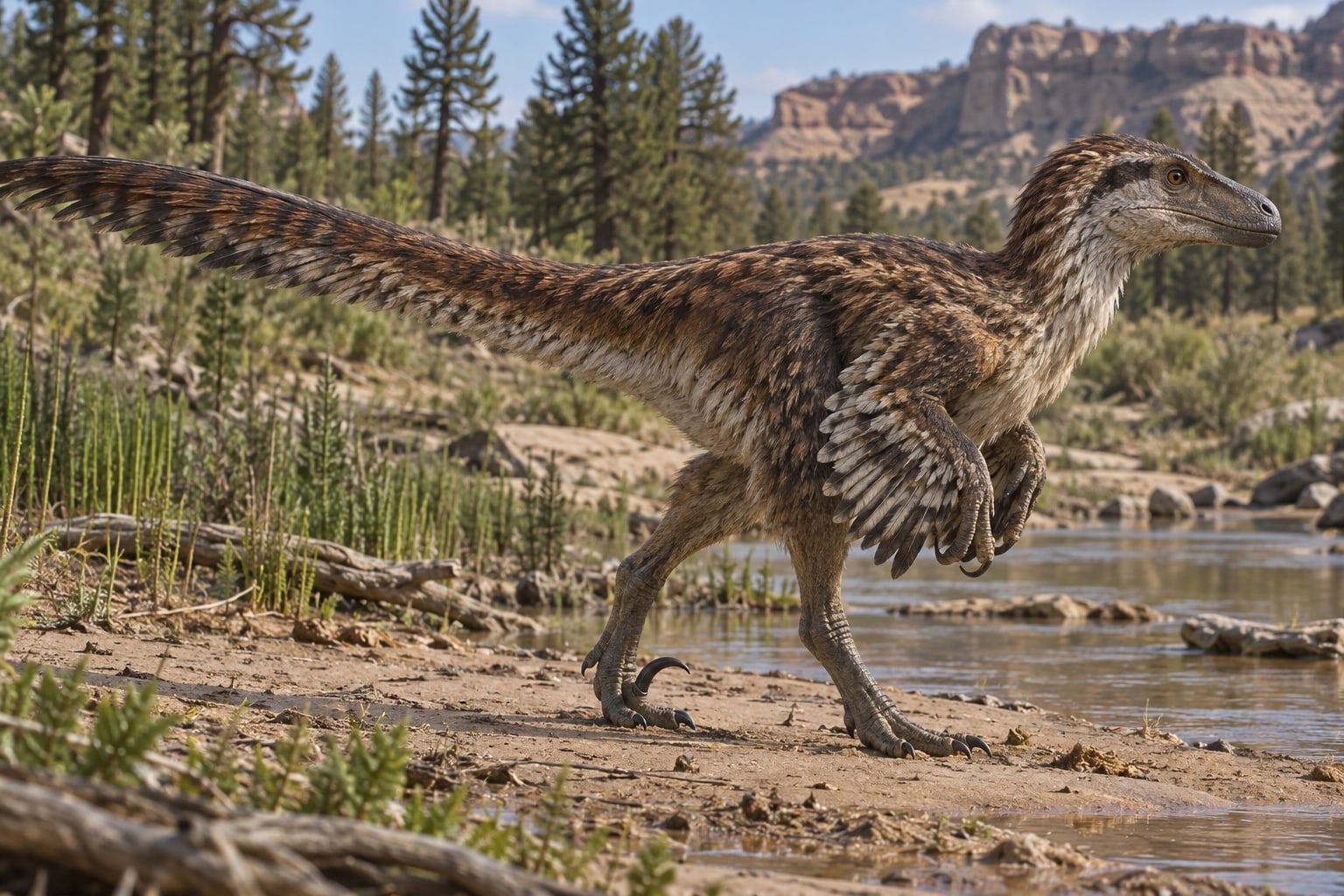
It lived in the Early Cretaceous in what is now Utah, in the United States. Its bones come from the lower part of the Cedar Mountain Formation, where it shared the land with the giant raptor Utahraptor.
How it was found
Royo-Torres and colleagues named Mierasaurus in 2017, from a single find. The name honors an early explorer of the region.
Lived alongside
Found in the same rock formations
Close relatives
Other members of Turiasauria
Sources: WikidataNamed in: R. Royo-Torres, P. Upchurch, and J. I. Kirkland, D. D. DeBlieux, J. R. Foster, A. Cobos, L. Alcalá. 2017. Descendants of the Jurassic turiasaurs from Iberia found refuge in the Early Cretaceous of western USA. Scientific Reports 7:14311:1-12