Hypsilophodon
hip-suh-LOF-oh-don
- Lived
- 149 to 101 million years ago, Late Jurassic to Early Cretaceous
- Diet
- Herbivore
- Length
- about 2.3 m (8 ft)
- Group
- Ornithopods, Hypsilophodontidae
- Found in
- United Kingdom, Japan, Portugal and Romania
- Named by
- Huxley 1870
Size comparison
To scale

Scale in meters
Where its fossils were found
The evidence
Today

125 million years ago
Field notes
About Hypsilophodon
What it was like
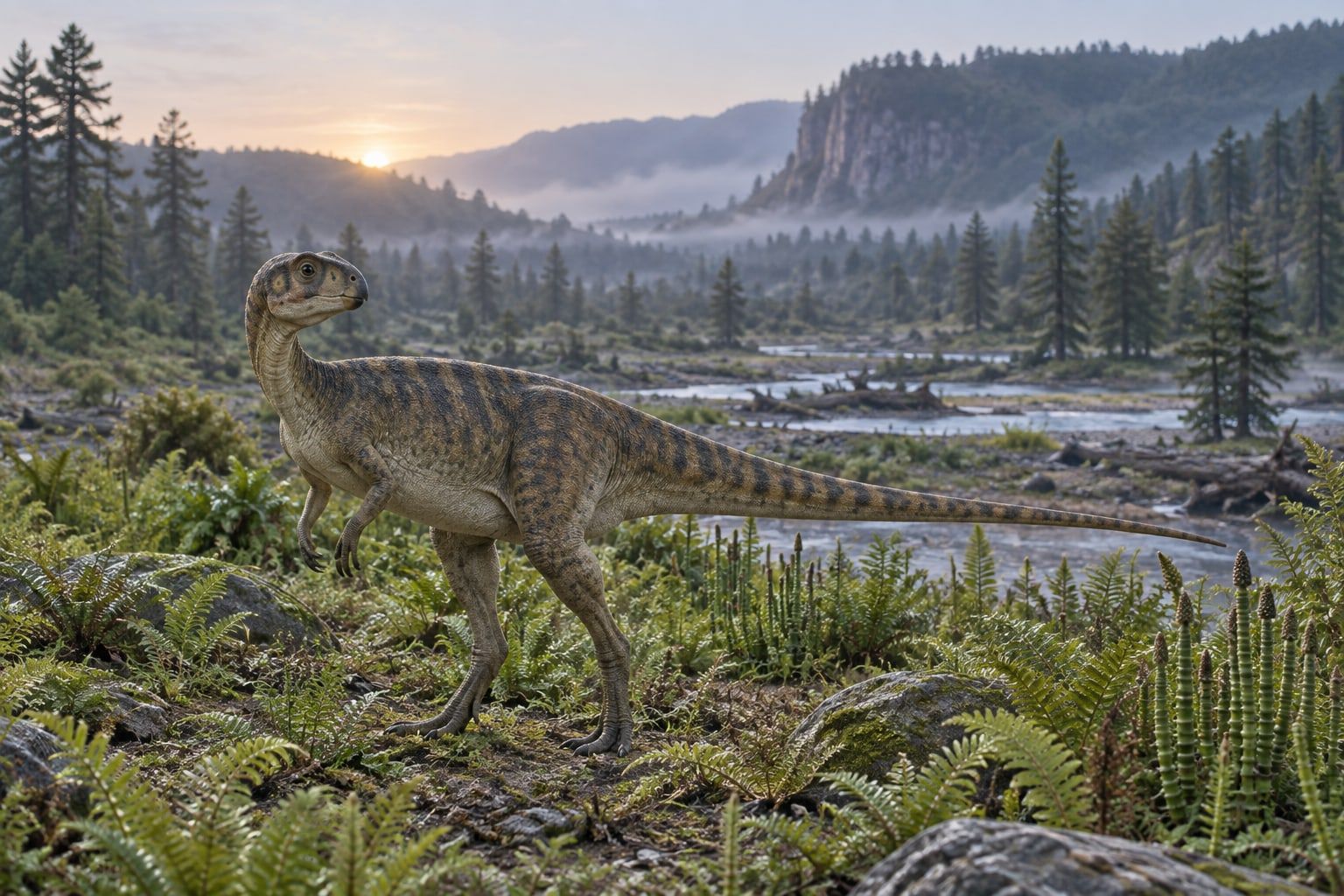
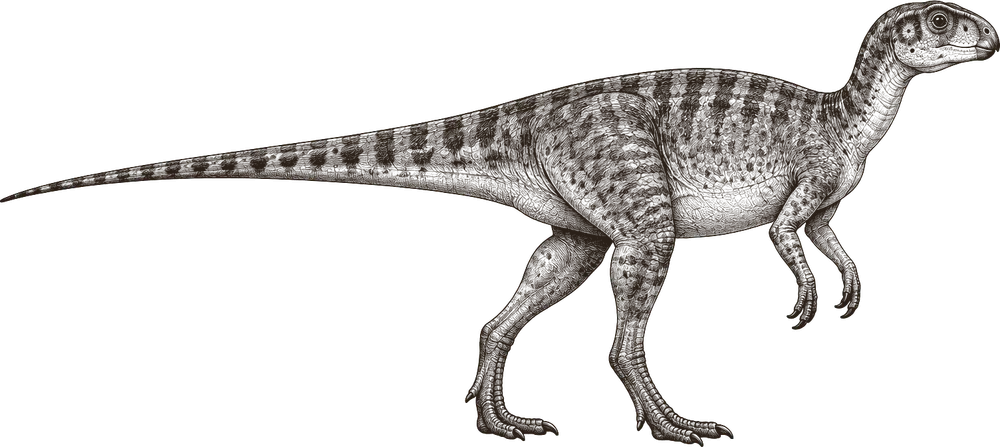
Hypsilophodon was a small, fast-moving plant eater that ran on two long legs. It grew to about 2.3 meters (7.5 feet) long, with a stiff tail held out for balance and a beak-tipped snout for cropping low plants. Its light, narrow build suggests it relied on speed rather than size to escape predators.
Its world
Hypsilophodon lived across what are now the United Kingdom, Portugal, Japan, and Romania, from the Late Jurassic into the Early Cretaceous, between about 149 and 101 million years ago. Its bones come from formations including Wessex, Vectis, and Lourinhã, from seven finds in total.
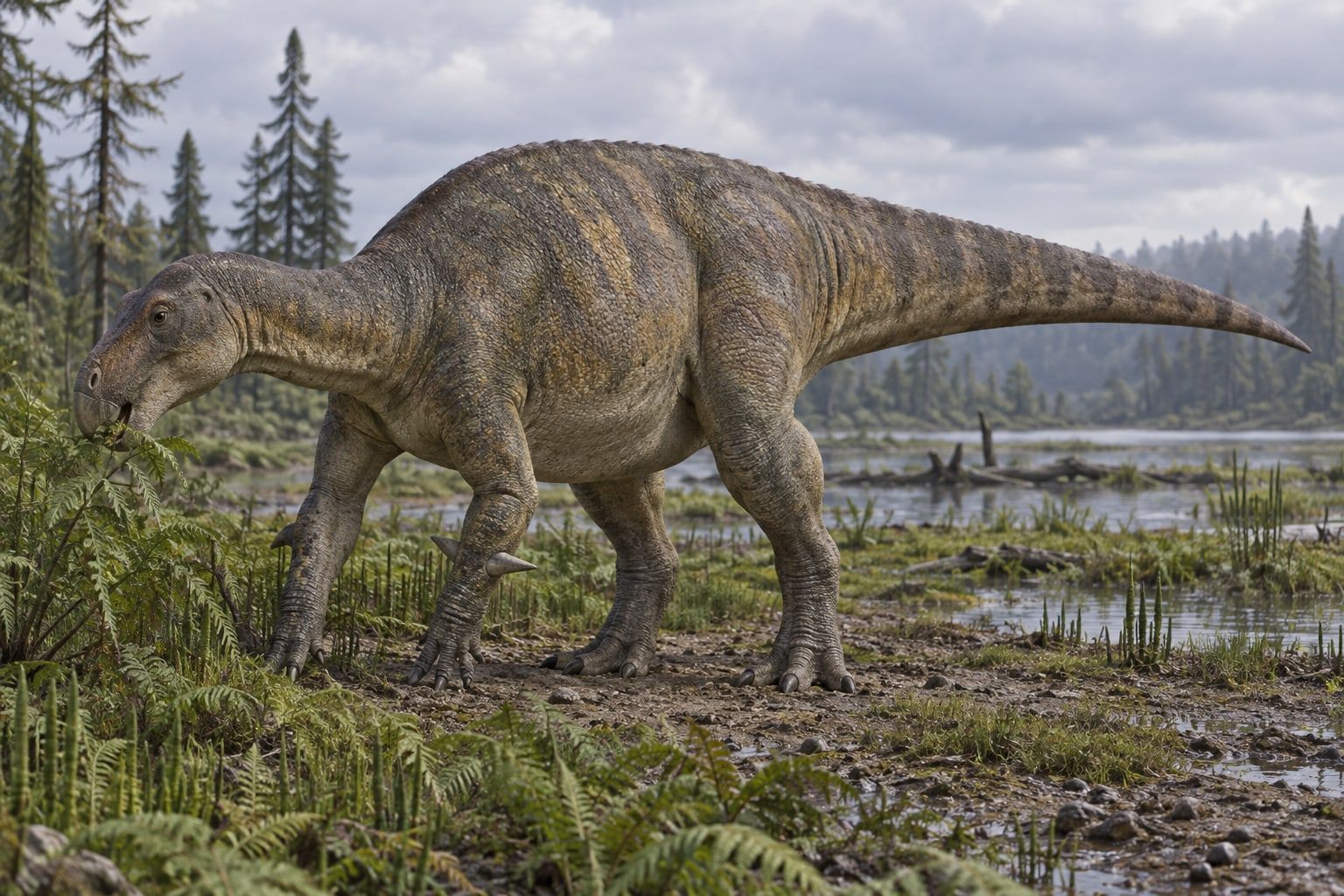
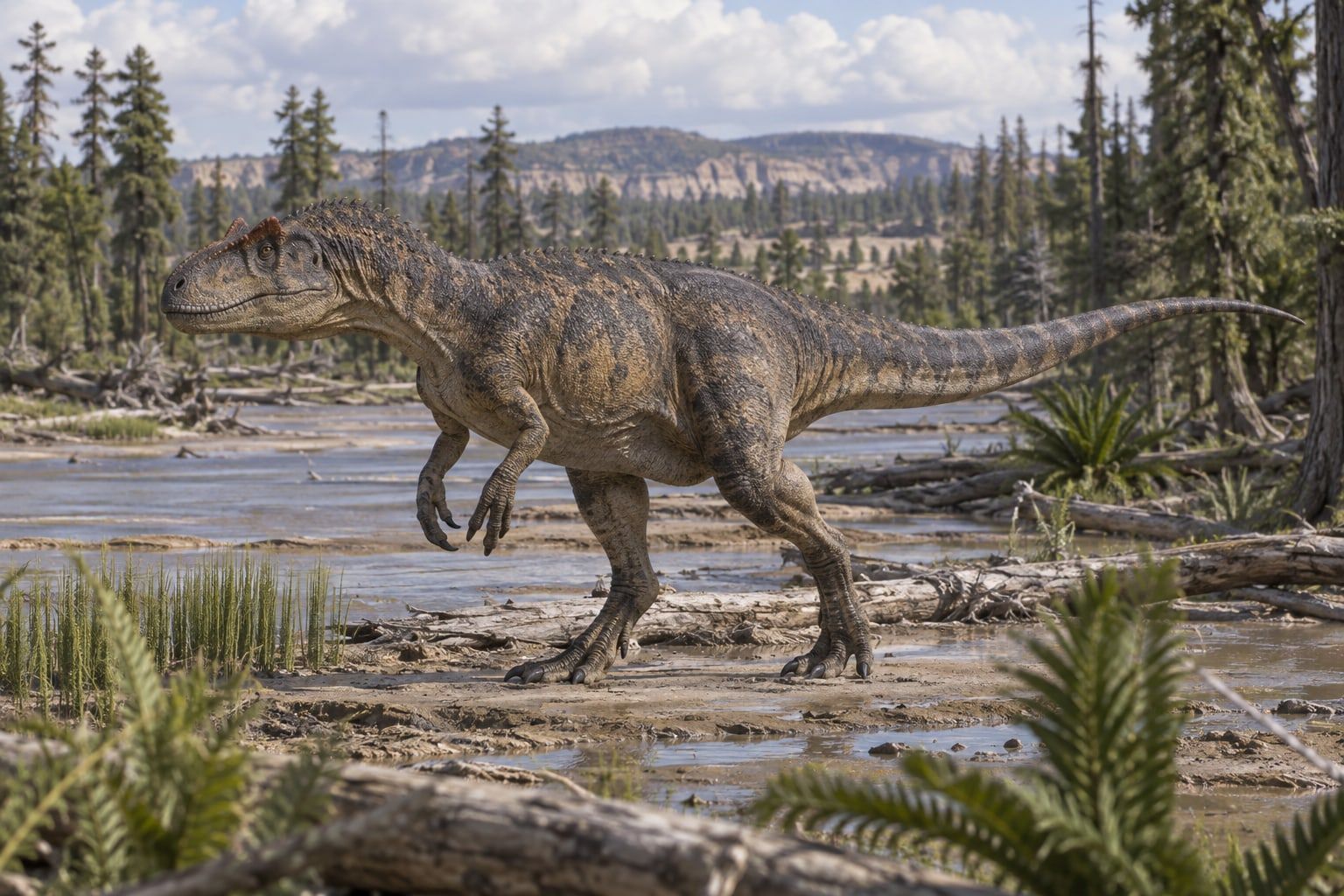
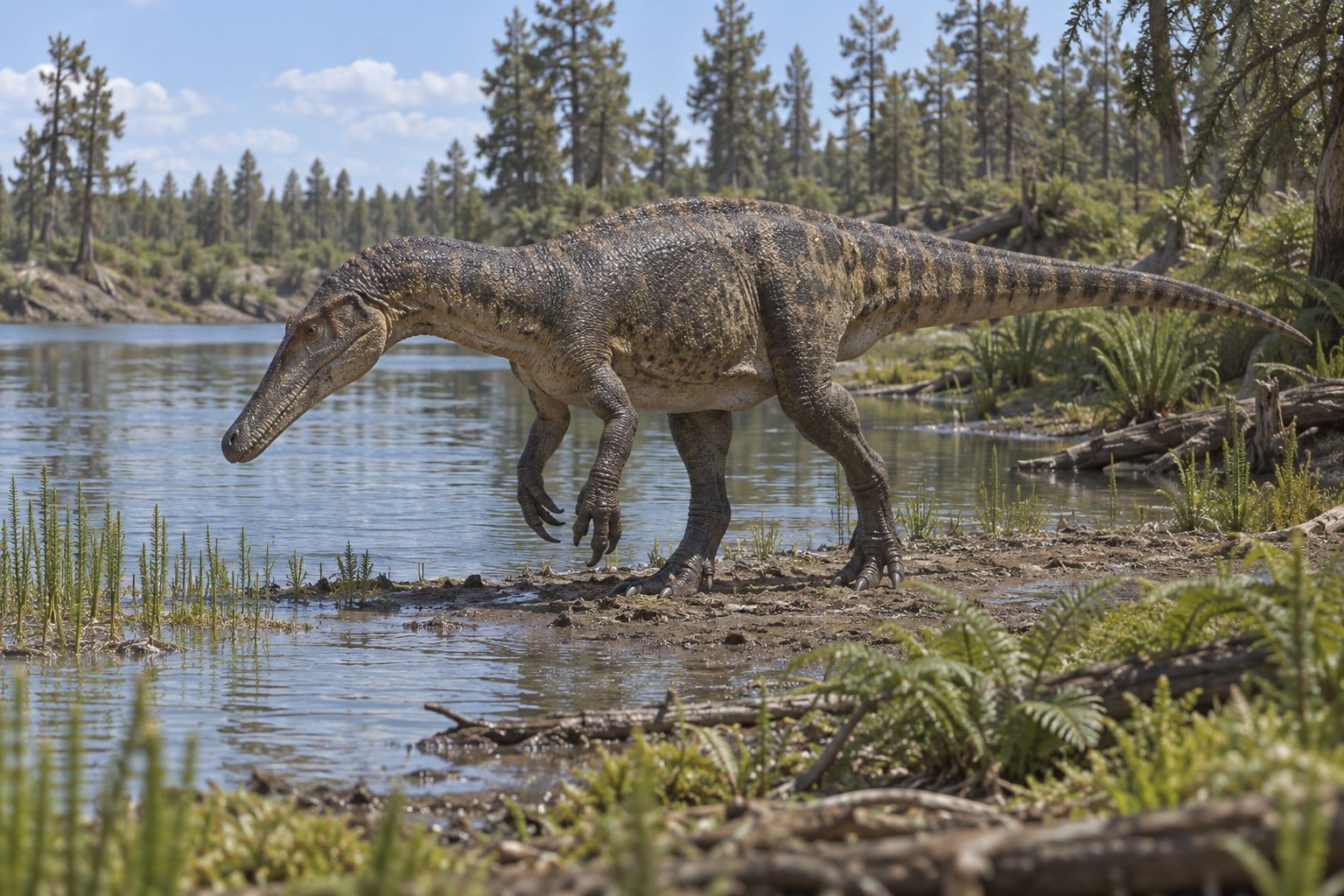
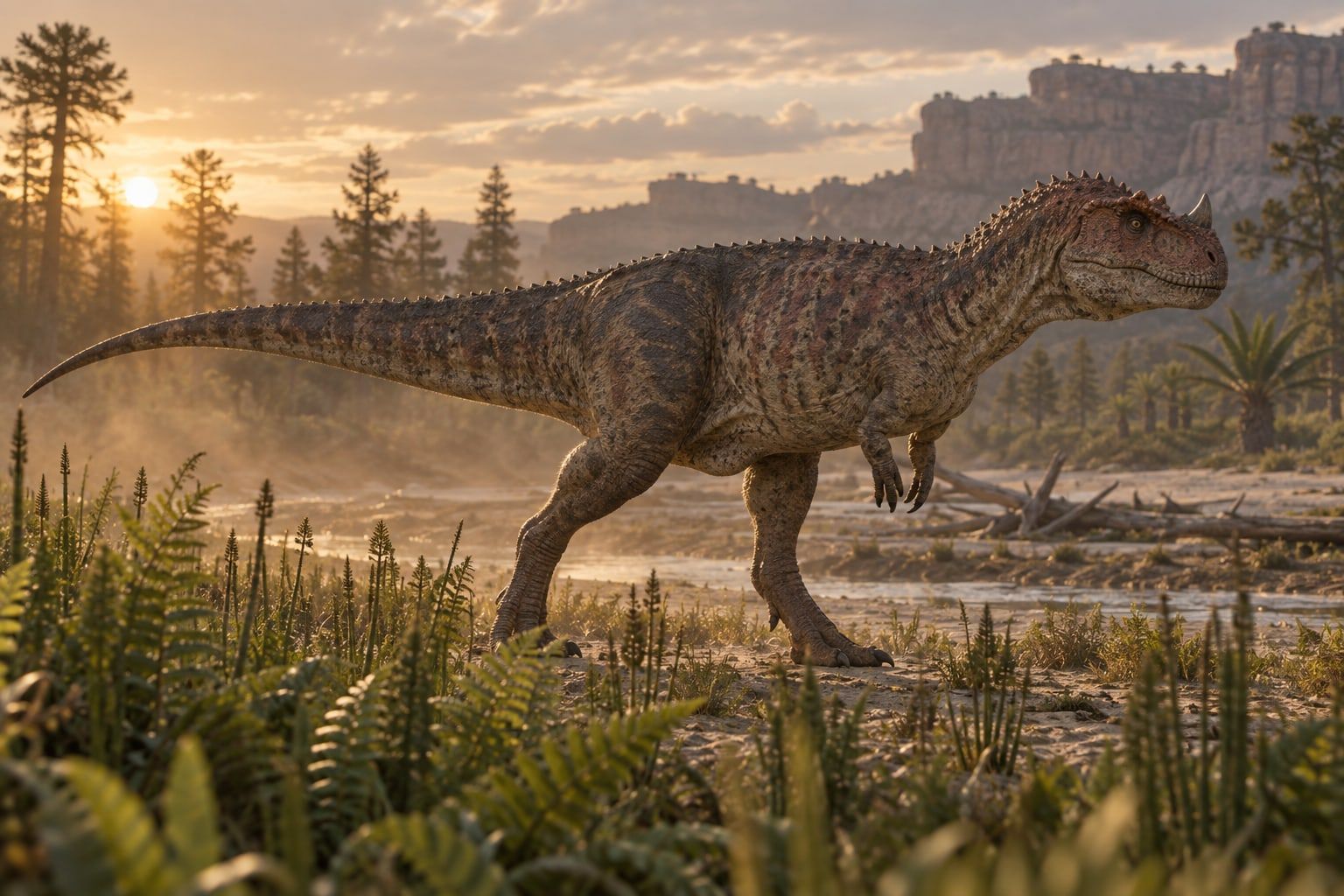
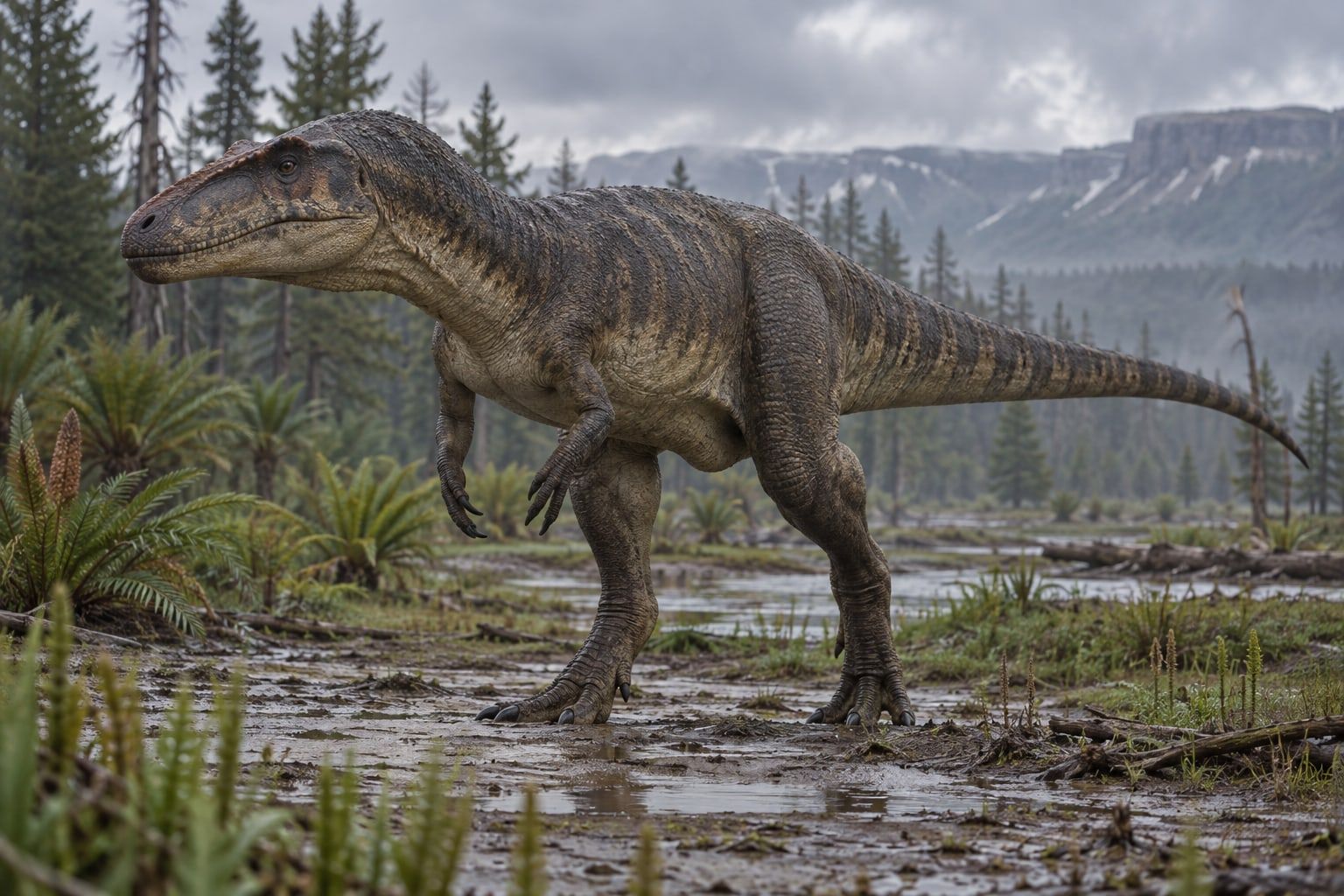
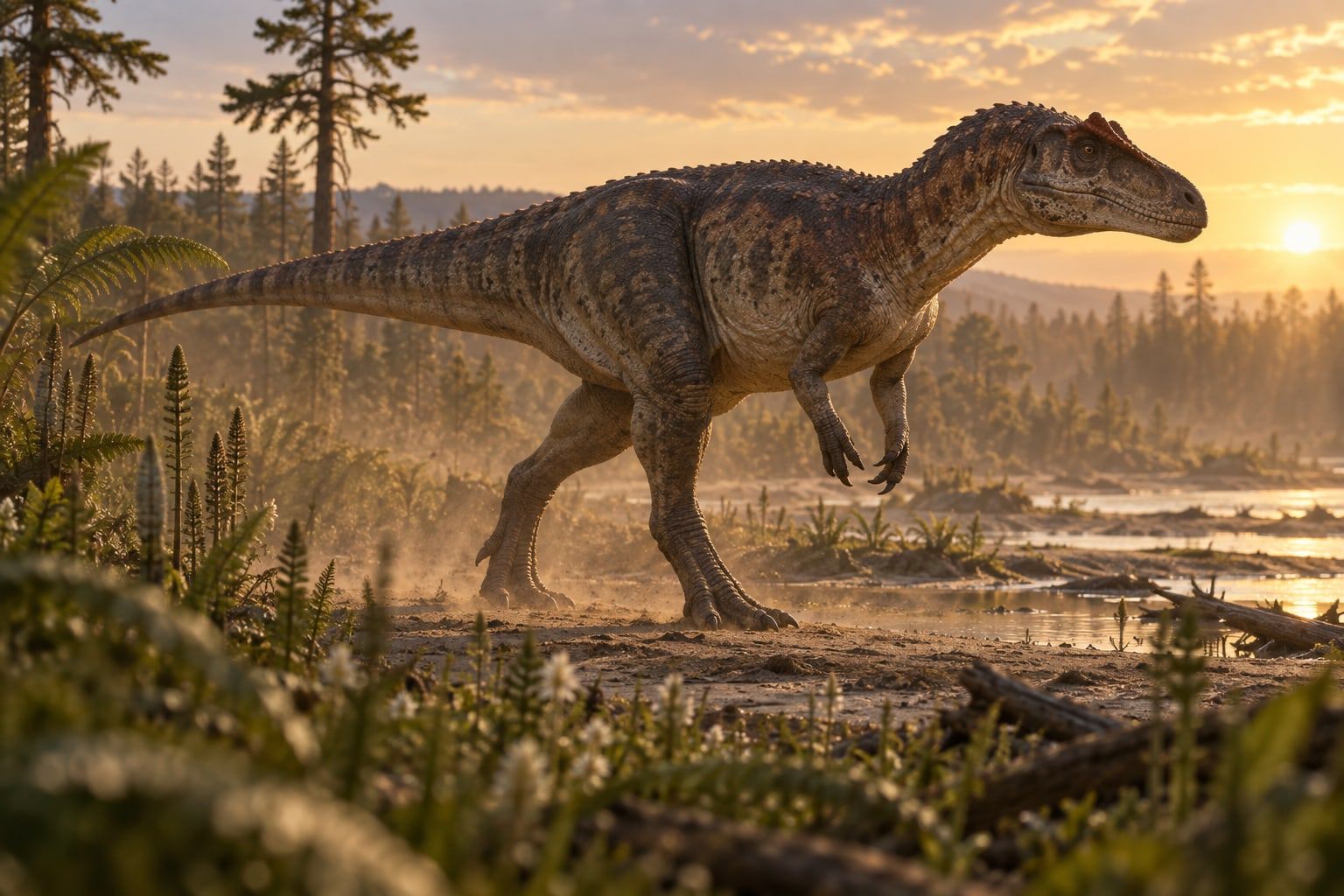
In the United Kingdom, it lived alongside larger dinosaurs such as Iguanodon, Baryonyx, and the armored Polacanthus, as well as predators including Megalosaurus and Allosaurus.
How it was found
Huxley named Hypsilophodon in 1870. It is the namesake of Hypsilophodontidae, a family of small, fast-moving ornithopods related to Vectidromeus and Gideonmantellia. With seven finds across several countries, Hypsilophodon is one of the better-known early ornithopods, though scientists still debate exactly how it fits among other ornithischians.
Lived alongside
Found in the same rock formations
Close relatives
Other members of Hypsilophodontidae
Sources: WikidataNamed in: T. H. Huxley. 1870. On Hypsilophodon foxii, a new dinosaurian from the Wealden of the Isle of Wight. Quarterly Review of the Geological Society of London 26:3-12