Outline: a typical theropod
Lusovenator
"Portuguese hunter"
Type species Lusovenator santosi
- Lived
- 152 to 143 million years ago, Late Jurassic to Early Cretaceous
- Diet
- Carnivore
- Group
- Theropods
- Found in
- Portugal
- Named by
- Malafaia et al. 2020
Where its fossils were found
The evidence
Today

150 million years ago
Field notes
About Lusovenator
What it was like
Lusovenator was a medium-sized meat eater known from part of a skeleton. It belongs to the carcharodontosaurs, the family of big-toothed hunters that later produced giants such as Giganotosaurus.
It is one of the oldest members of that group, which shows that the family had already appeared in the Jurassic.
Its world
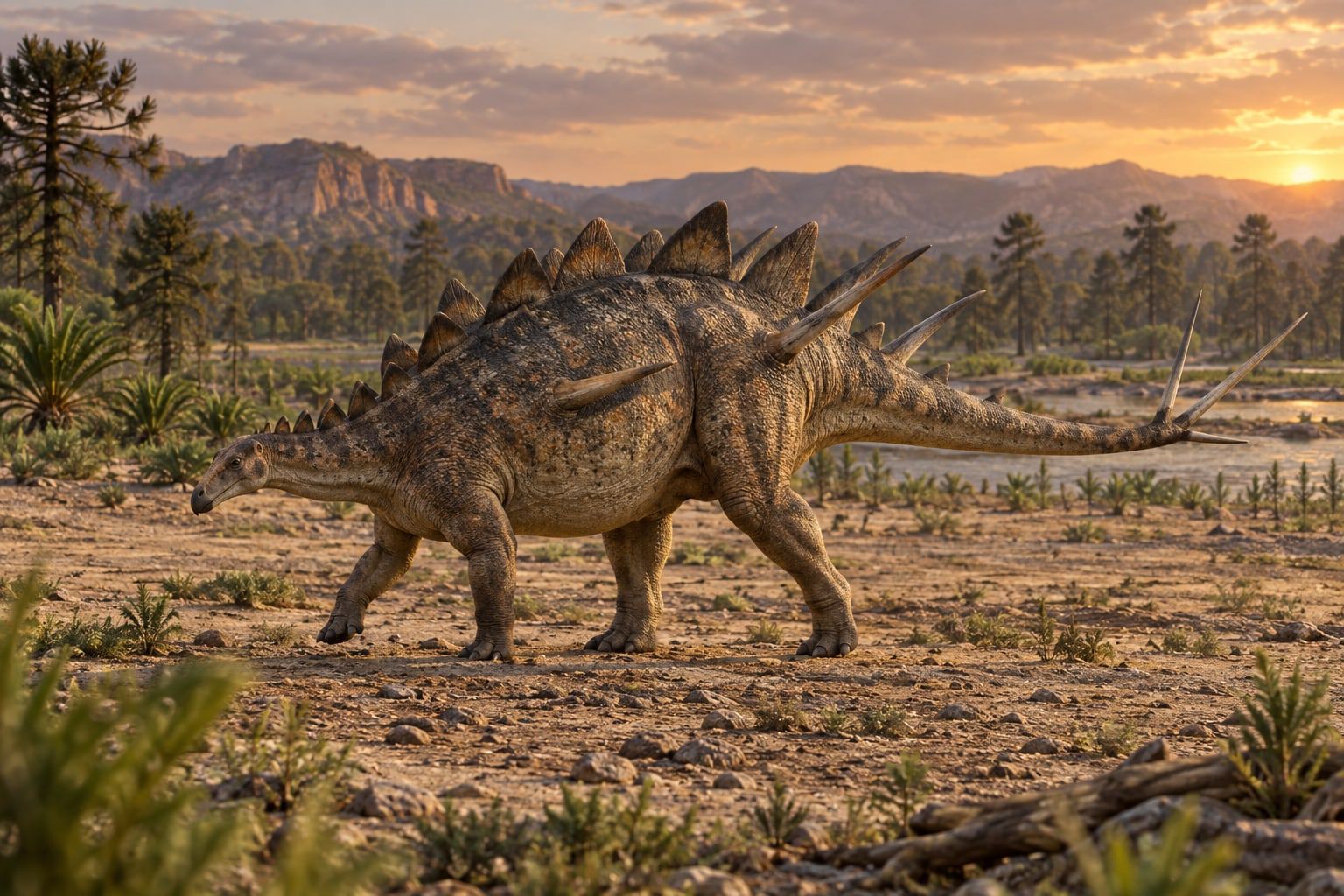
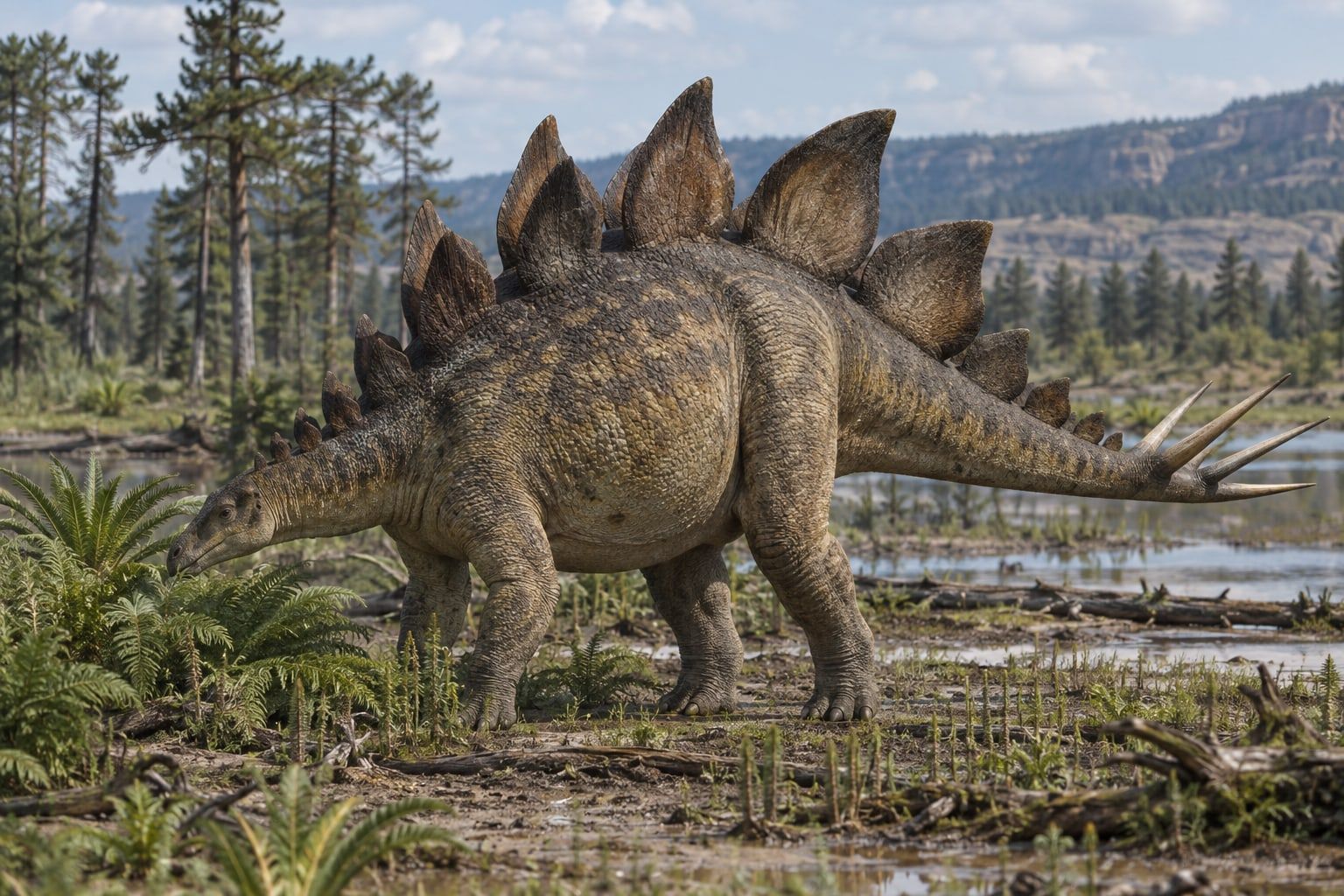
It lived in the Late Jurassic, around 152 million years ago or a little later, in what is now Portugal. It shared the land with the stegosaurs Dacentrurus and Stegosaurus, the armored Dracopelta and the long-necked Zby.
How it was found
Malafaia and colleagues named Lusovenator santosi in 2020, from two finds.
Lived alongside
Found in the same rock formations
Close relatives
Other members of Carcharodontosauria
Sources: WikidataNamed in: E. Malafaia, P. Mocho, and F. Escaso, F. Ortega. 2020. A new carcharodontosaurian theropod from the Lusitanian Basin: evidence of allosauroid sympatry in the European Late Jurassic. Journal of Vertebrate Paleontology 40(1):e1768106:1-8