Turiasaurus
"Turia lizard"
- Lived
- 155 to 143 million years ago, Late Jurassic
- Diet
- Herbivore
- Group
- Sauropods
- Found in
- Spain
- Named by
- Royo-Torres et al. 2006
Where its fossils were found
The evidence
Today

150 million years ago
Habitat
A coastal plain crossed by channels and flooded from time to time, beside tidal flats and a shallow sea. Dacentrurus, Losillasaurus and Aragosaurus lived in the same region.
Field notes
About Turiasaurus
What it was like
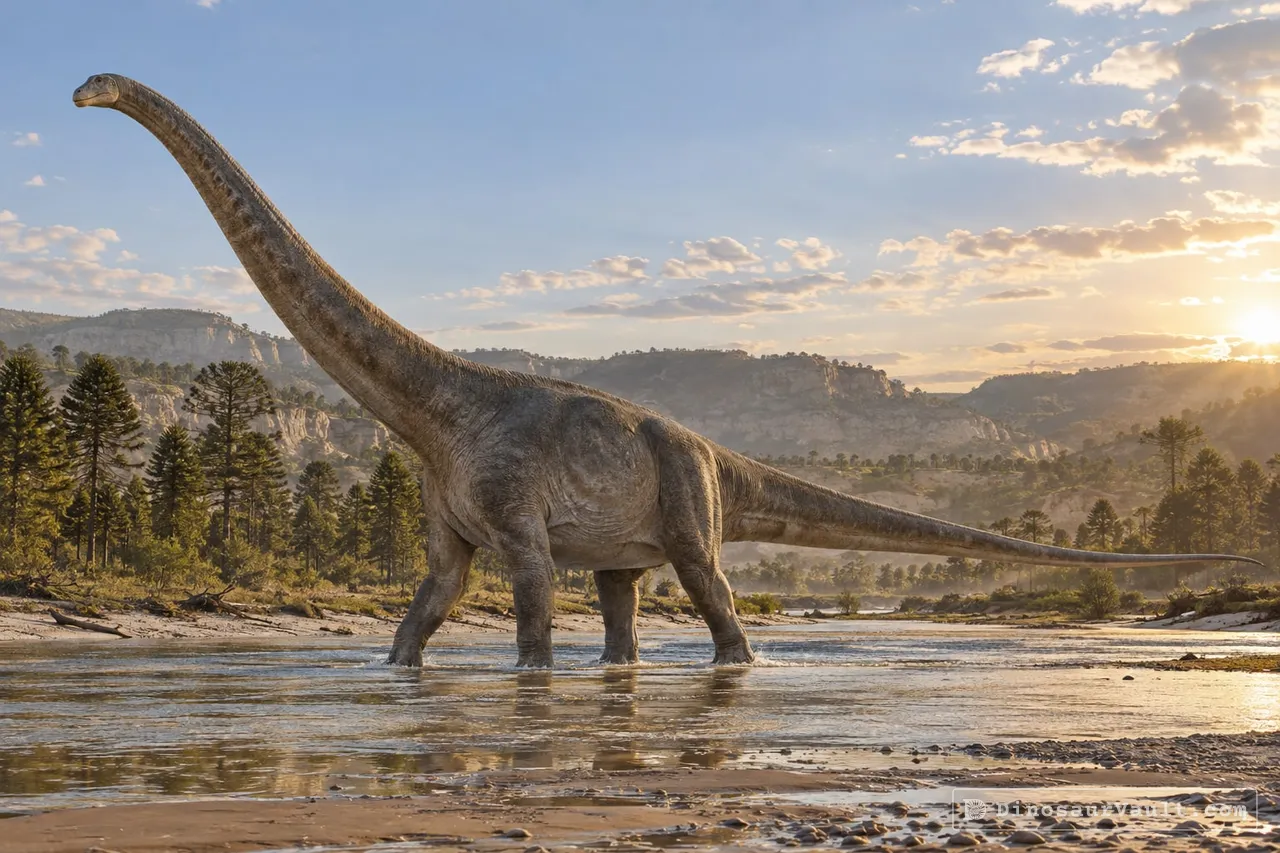
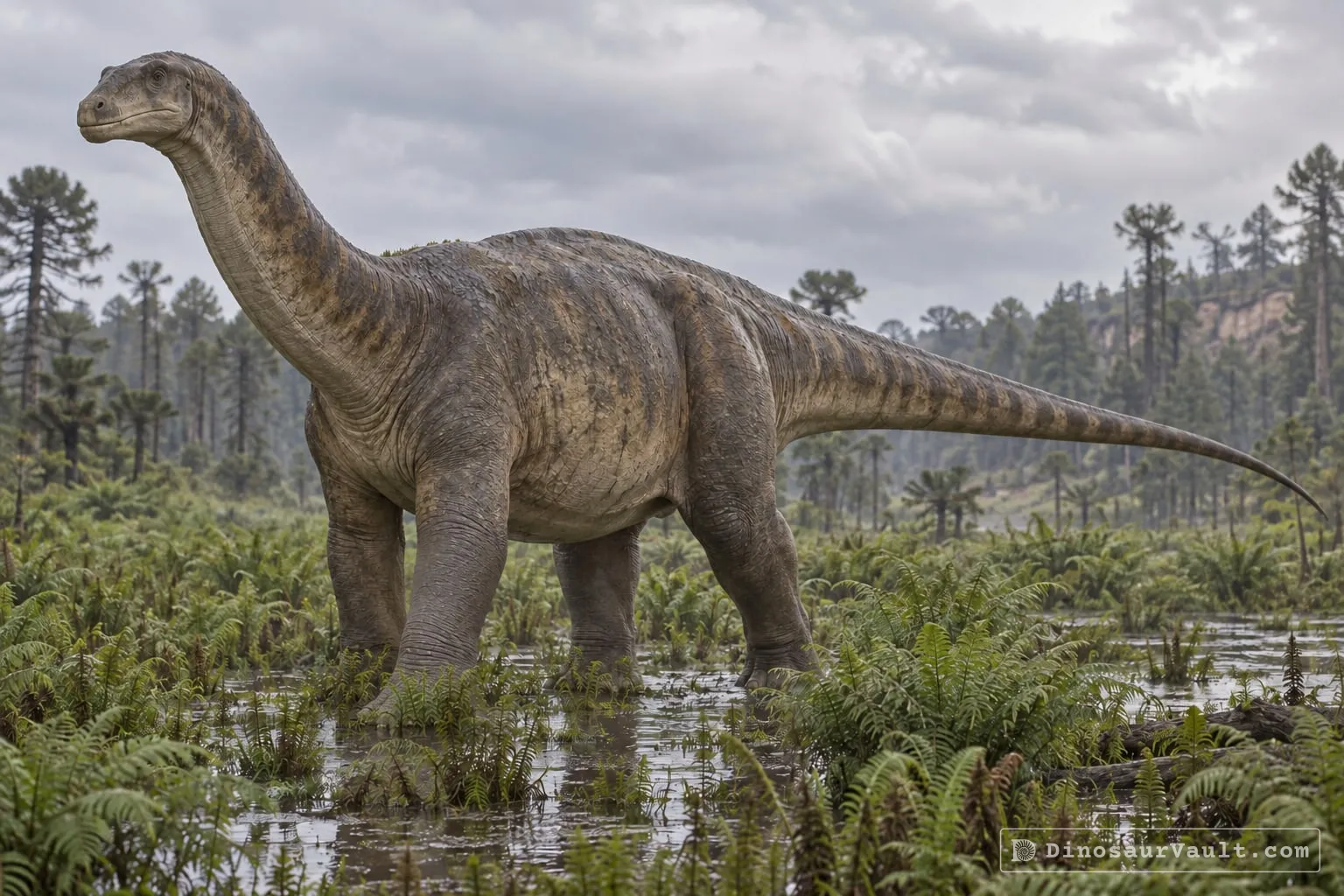
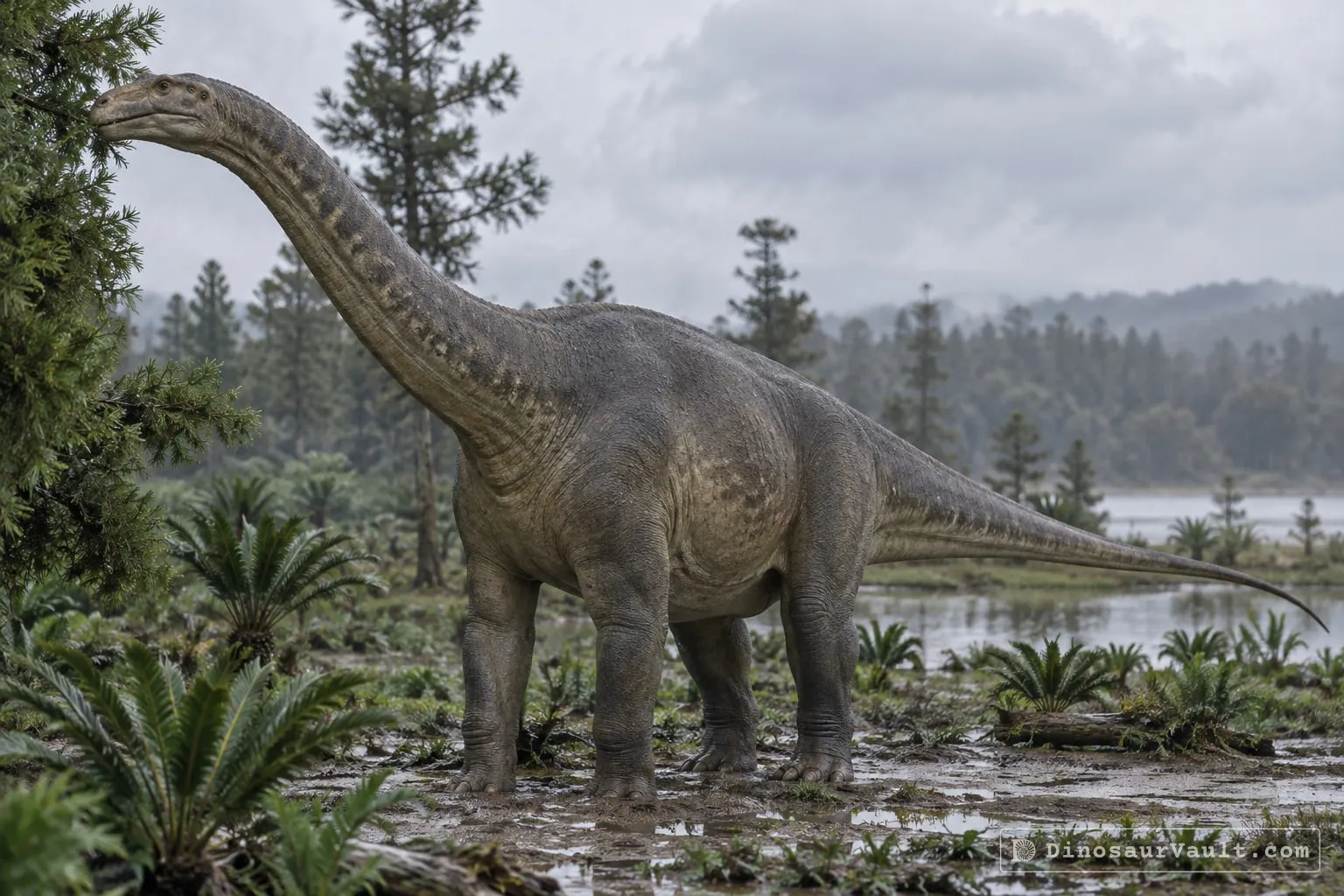
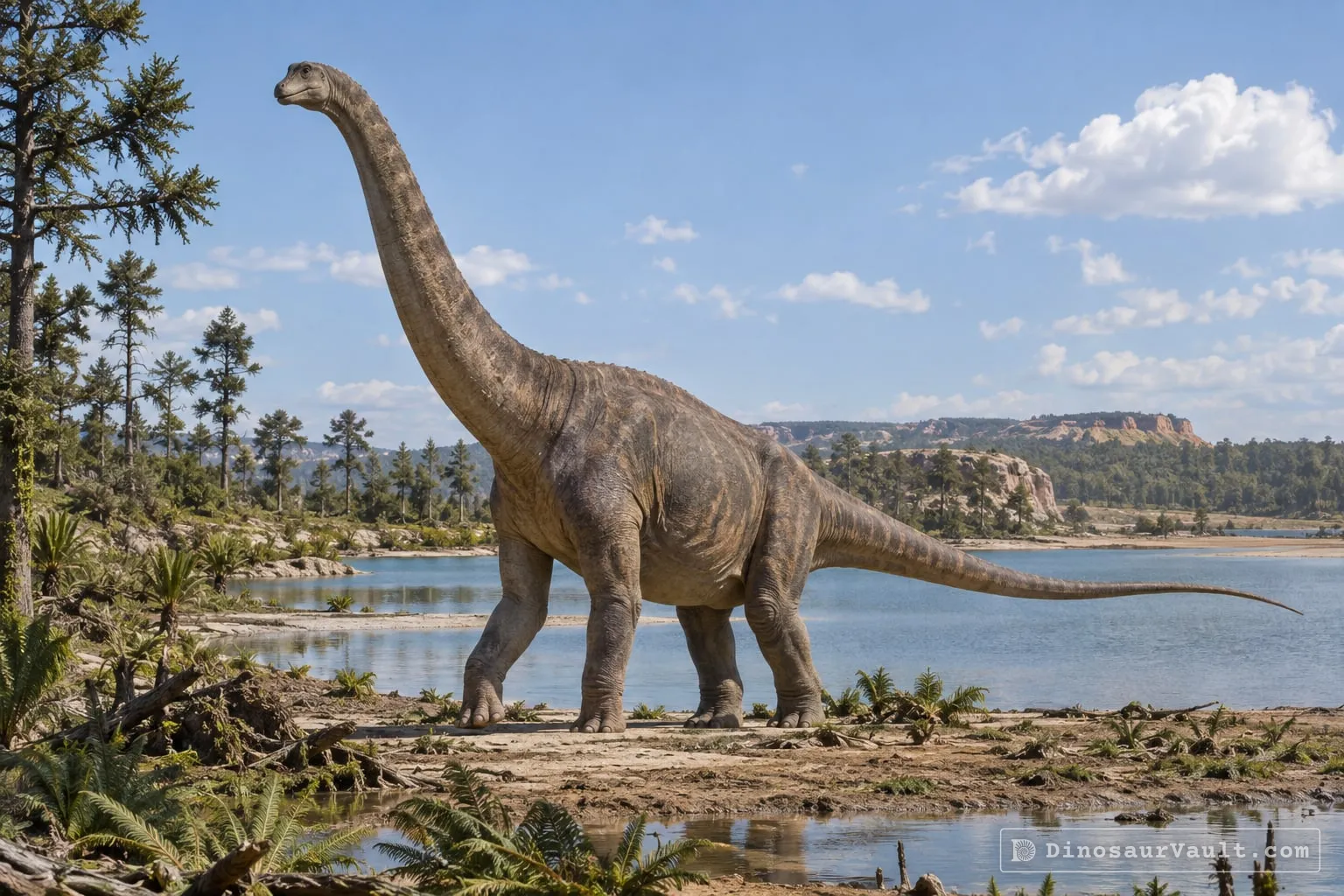
Turiasaurus was one of the largest dinosaurs ever found in Europe. It was a long-necked, four-legged plant eater, with heart-shaped teeth.
It gives its name to a group of sauropods, the turiasaurs, which lived in Europe, Africa and North America.
Its world
It lived in the Late Jurassic in what is now eastern Spain. Its bones come from the Villar del Arzobispo Formation, where it shared the land with the stegosaur Dacentrurus and other long-necked plant eaters such as Losillasaurus.
How it was found
Royo-Torres and colleagues named Turiasaurus in 2006. Five finds are known, and its giant arm bone shows just how large it was.
Field gallery
More views of Turiasaurus
Scenes reconstructed from the available fossil evidence.
Lived alongside
Found in the same rock formations
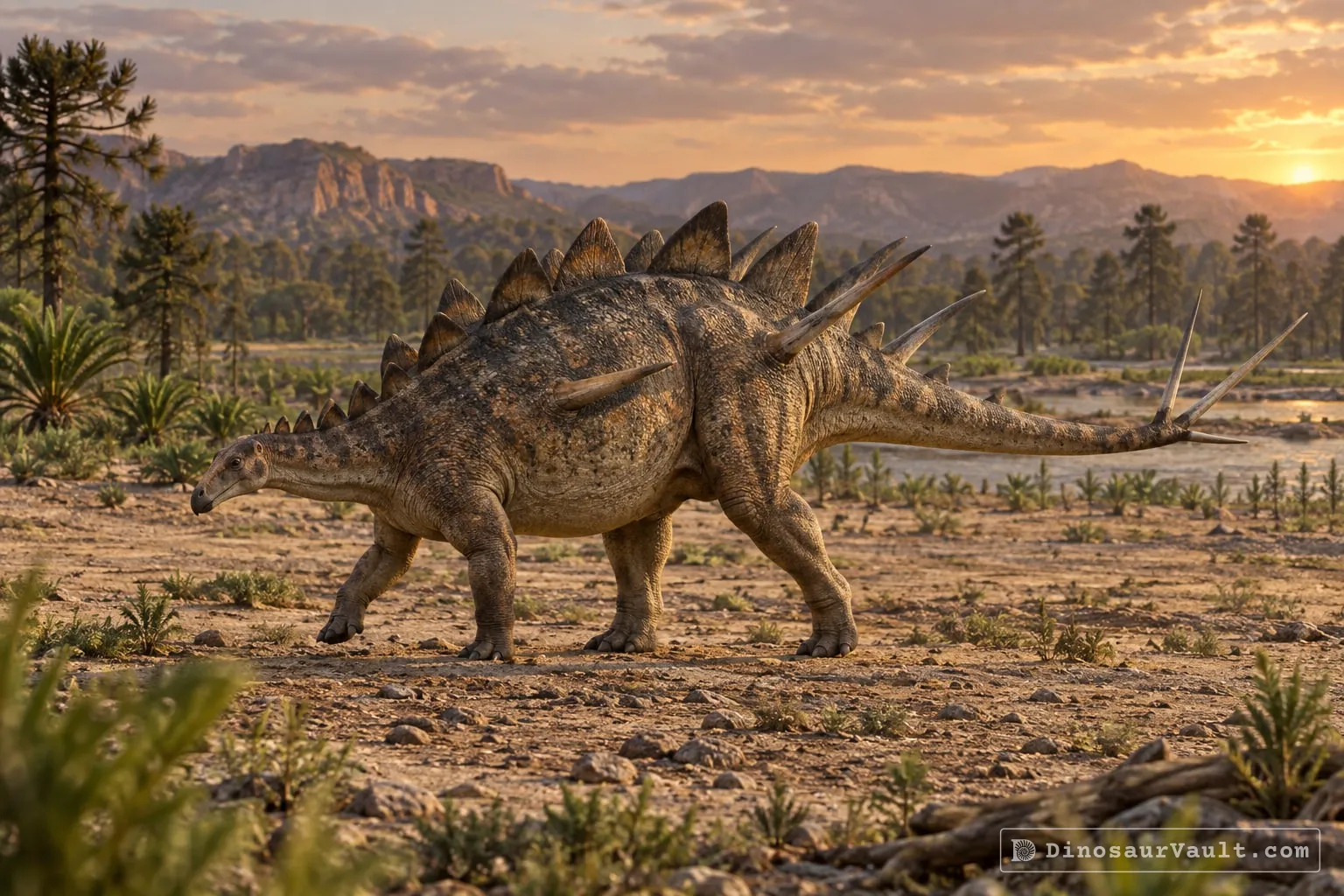
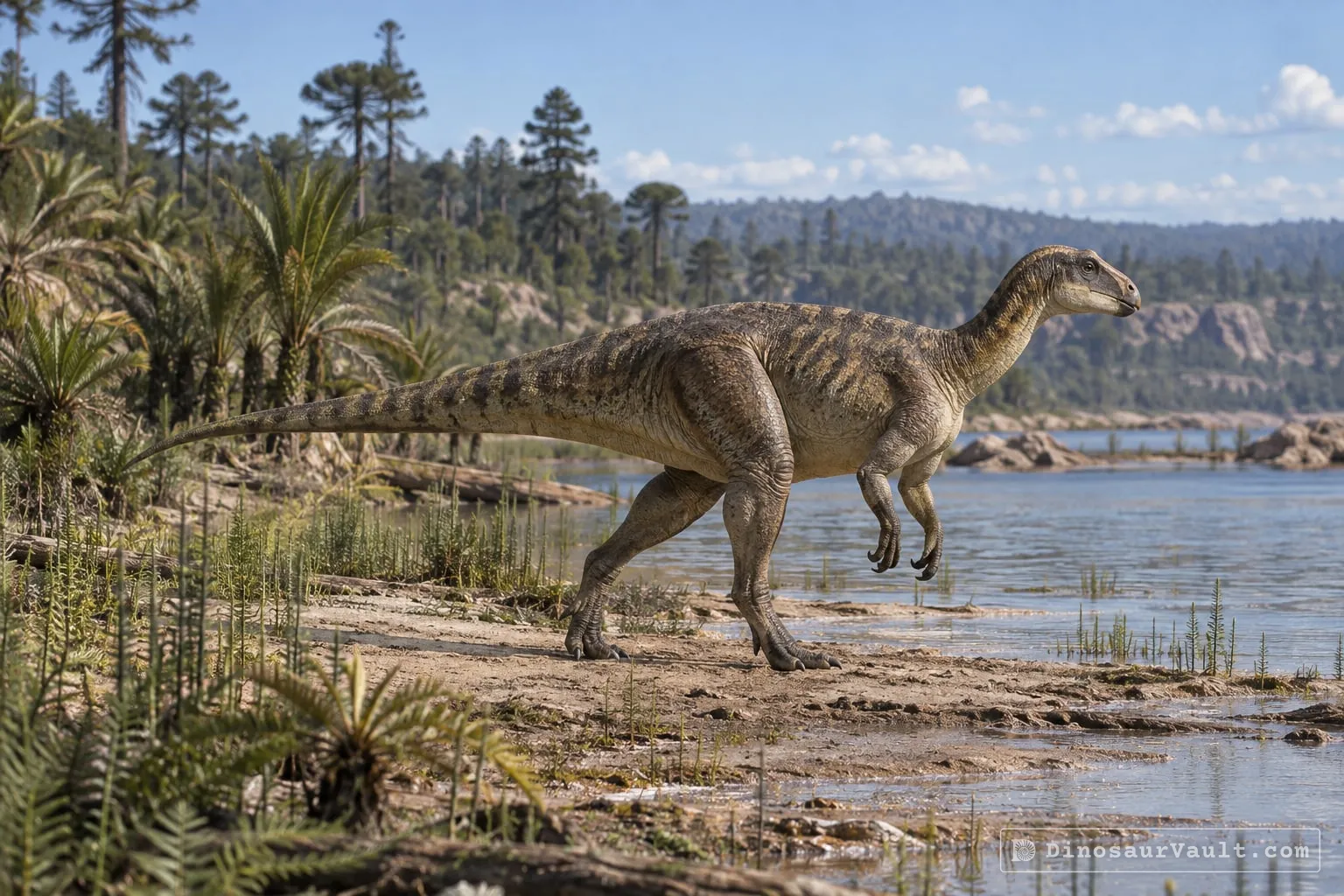


A rock formation can hold fossils laid down millions of years apart, so not every animal here met Turiasaurus.
The evidence
The science behind Turiasaurus
Which parts of the picture come from its own bones, and which come from its relatives.
From its own fossils
- A huge upper arm bone and an associated forelimb show a strongly built, four-legged animal.
- The back of the skull, lower jaw and pieces of the snout preserve broad teeth and a rounded muzzle.
Borrowed from relatives
- Missing parts of the skull are restored by comparison with Jobaria, Camarasaurus and Mamenchisaurus.
Still unknown
- The complete shape and length of its neck and tail.
- Its color and skin pattern.
- How its proportions changed as it grew.
Discovery timeline
- 2006Named itRoyo-Torres, Cobos & Alcalá
- 2012SkullRoyo-Torres & Upchurch
- 2017Family treeRoyo-Torres et al.
Key papers
The research behind what we know of Turiasaurus
Named it
Named a giant sauropod from Spain and recognized a separate branch of the sauropod family tree.
A Giant European Dinosaur and a New Sauropod Clade. Science 314: 1925-1927
Read the paper : A Giant European Dinosaur and a New Sauropod Clade (opens in a new tab)Skull
Described the skull and broad teeth, and supported a close relationship between Turiasaurus and Losillasaurus.
The cranial anatomy of the sauropod Turiasaurus riodevensis and implications for its phylogenetic relationships. Journal of Systematic Palaeontology 10: 553-583
Read the paper : The cranial anatomy of the sauropod Turiasaurus riodevensis and implications for its phylogenetic relationships (opens in a new tab)Family tree
Placed Mierasaurus and Moabosaurus in the same branch as Turiasaurus, showing that turiasaurs reached North America.
Descendants of the Jurassic turiasaurs from Iberia found refuge in the Early Cretaceous of western USA. Scientific Reports 7
Read the paper : Descendants of the Jurassic turiasaurs from Iberia found refuge in the Early Cretaceous of western USA (opens in a new tab)
Close relatives
Other members of Turiasauria


Sources: Wikidata