Losillasaurus
"Losilla lizard"
Type species Losillasaurus giganteus
- Lived
- 155 to 143 million years ago, Late Jurassic
- Diet
- Herbivore
- Group
- Sauropods
- Found in
- Spain and Portugal
- Named by
- Casanovas et al. 2001
Where its fossils were found
The evidence
Today

150 million years ago
Habitat
The Villar del Arzobispo Formation records coastal plains crossed by channels and flooded from time to time. Turiasaurus and Dacentrurus also inhabited this landscape.
Field notes
About Losillasaurus
What it was like
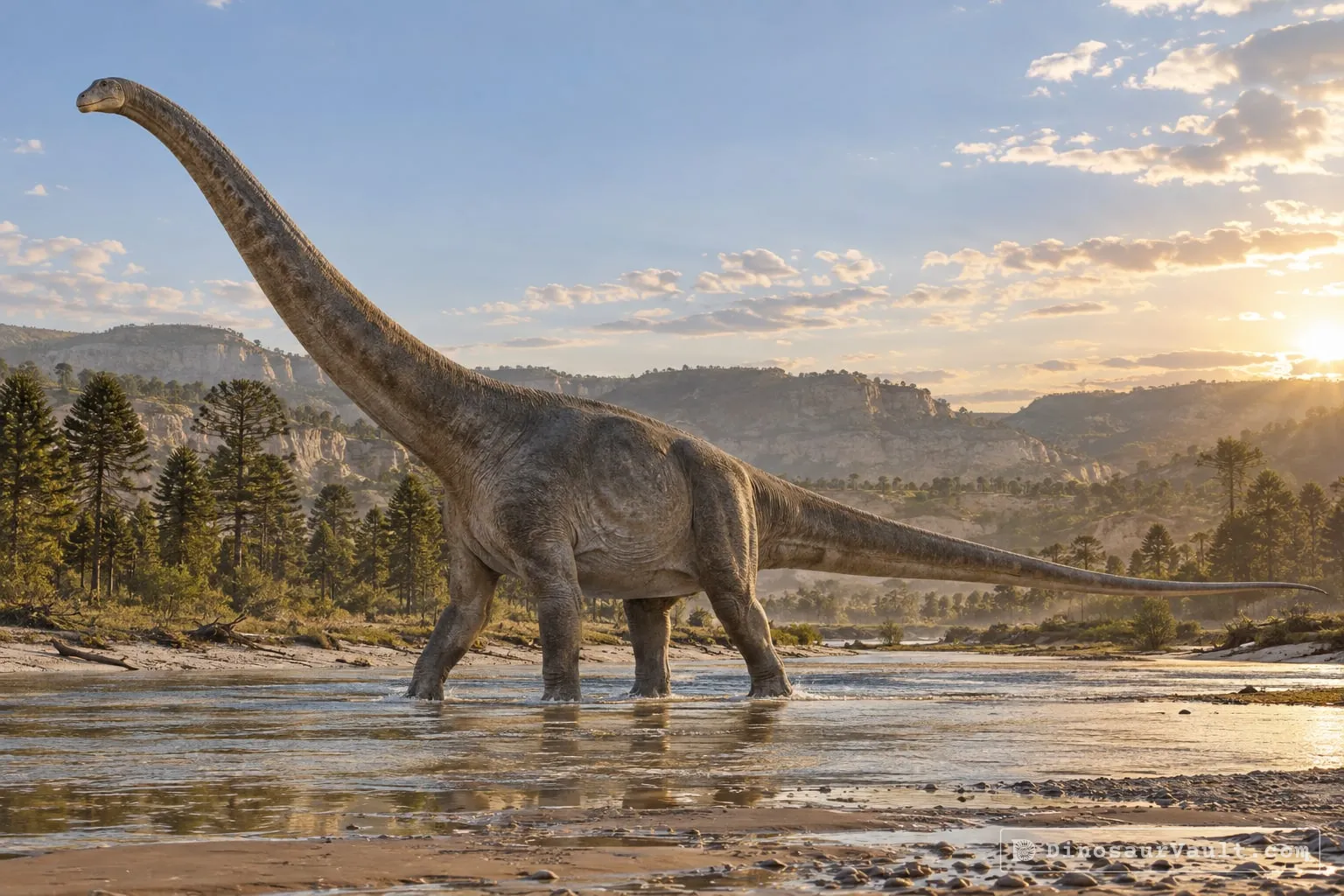
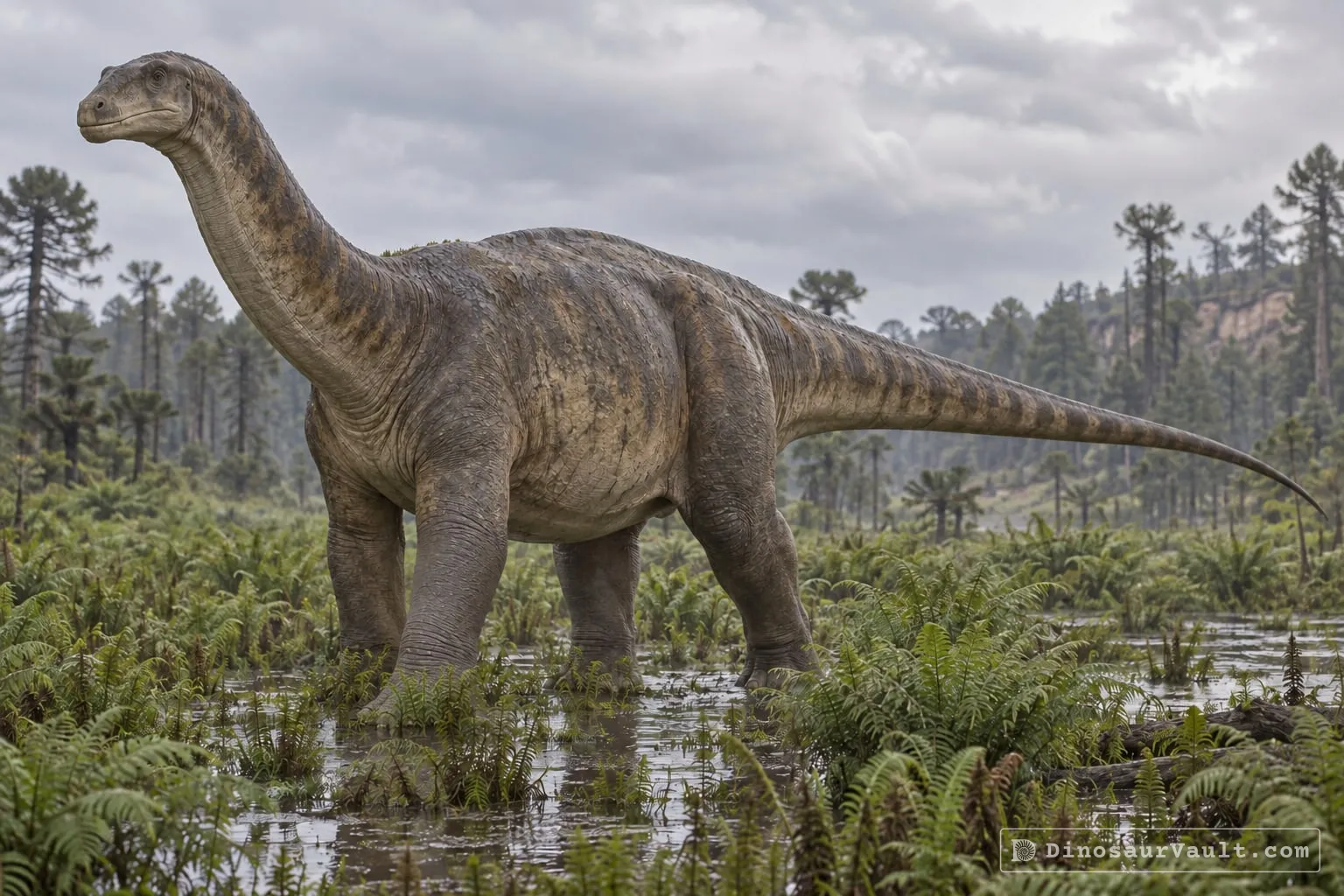
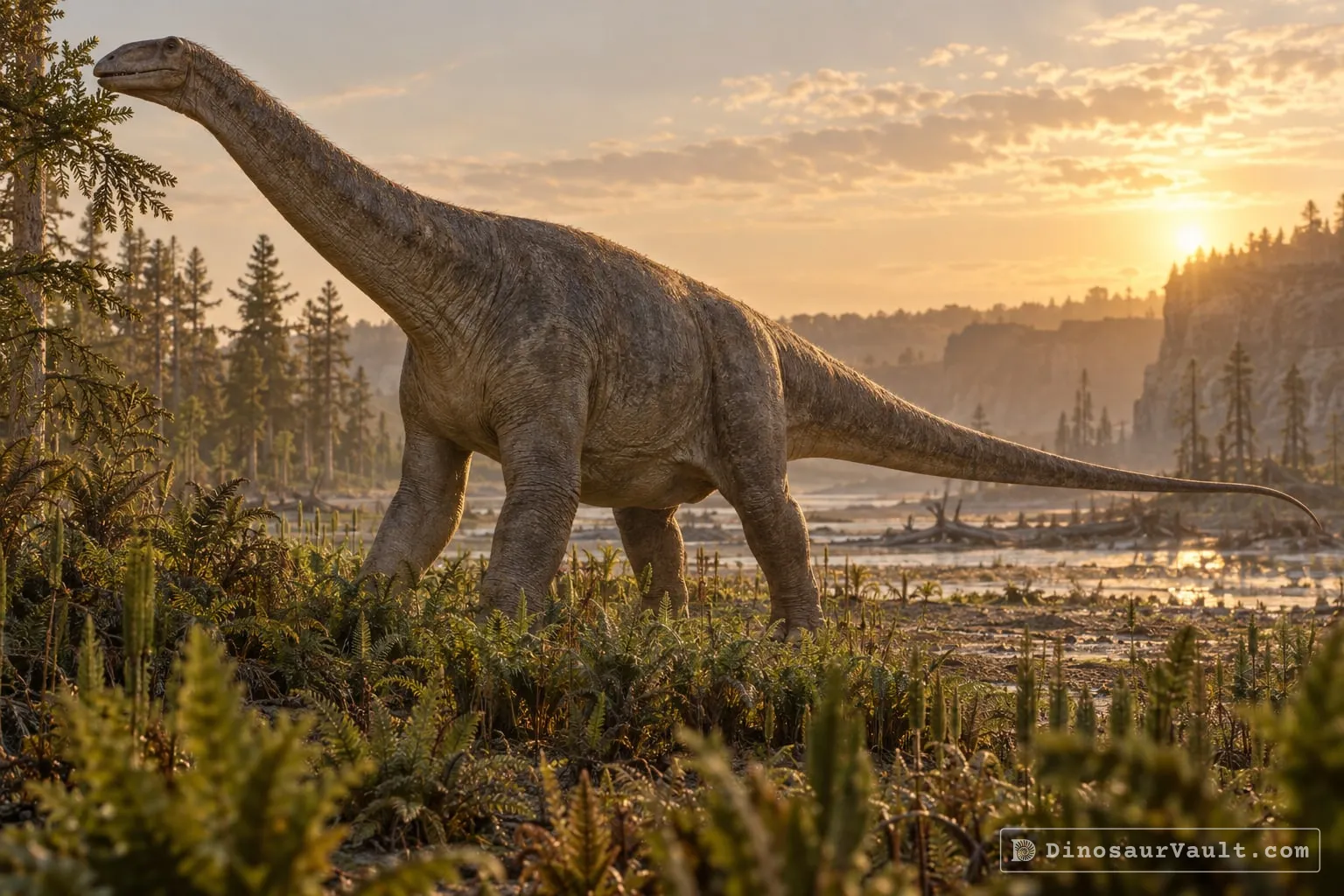
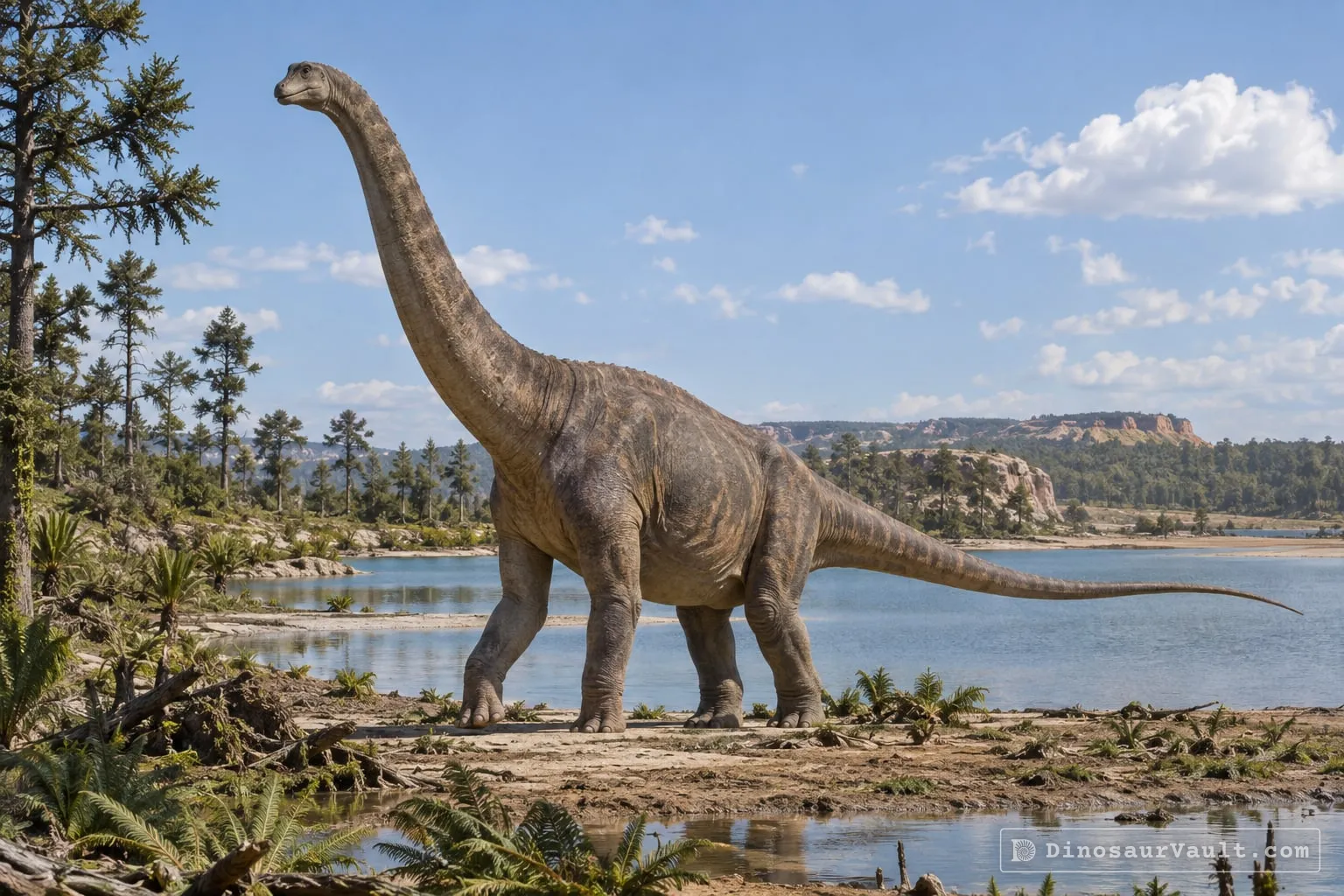
Losillasaurus was a large sauropod, a long-necked plant eater, from the turiasaurs. It is known from parts of the skull and skeleton.
Its world
It lived around the time the Jurassic ended and the Cretaceous began, in what is now Spain, with possible finds in Portugal. It shared its world with the huge sauropod Turiasaurus and the stegosaur Dacentrurus.
How it was found
Casanovas and colleagues named Losillasaurus in 2001. The type species is Losillasaurus giganteus.
Field gallery
More views of Losillasaurus
Scenes reconstructed from the available fossil evidence.
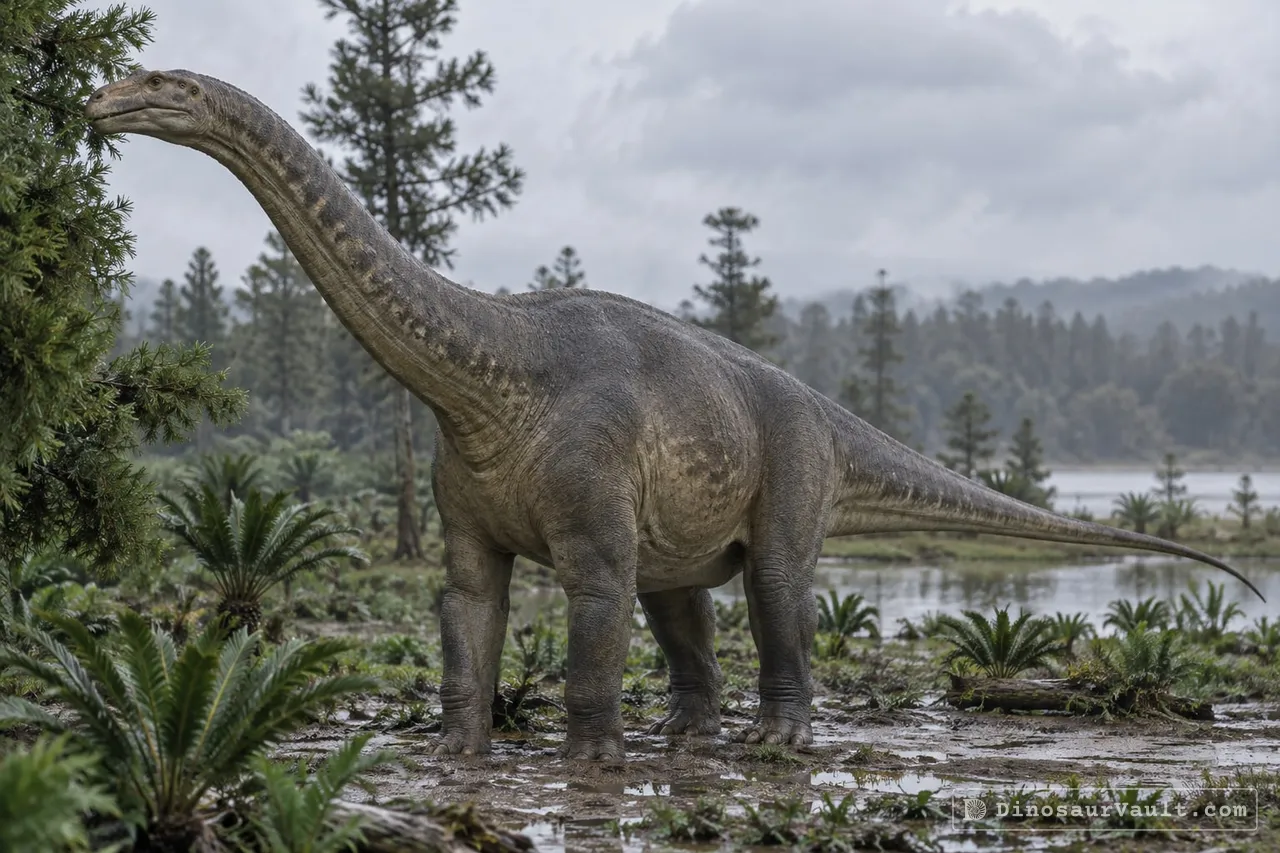
1 of 2
Lived alongside
Found in the same rock formations
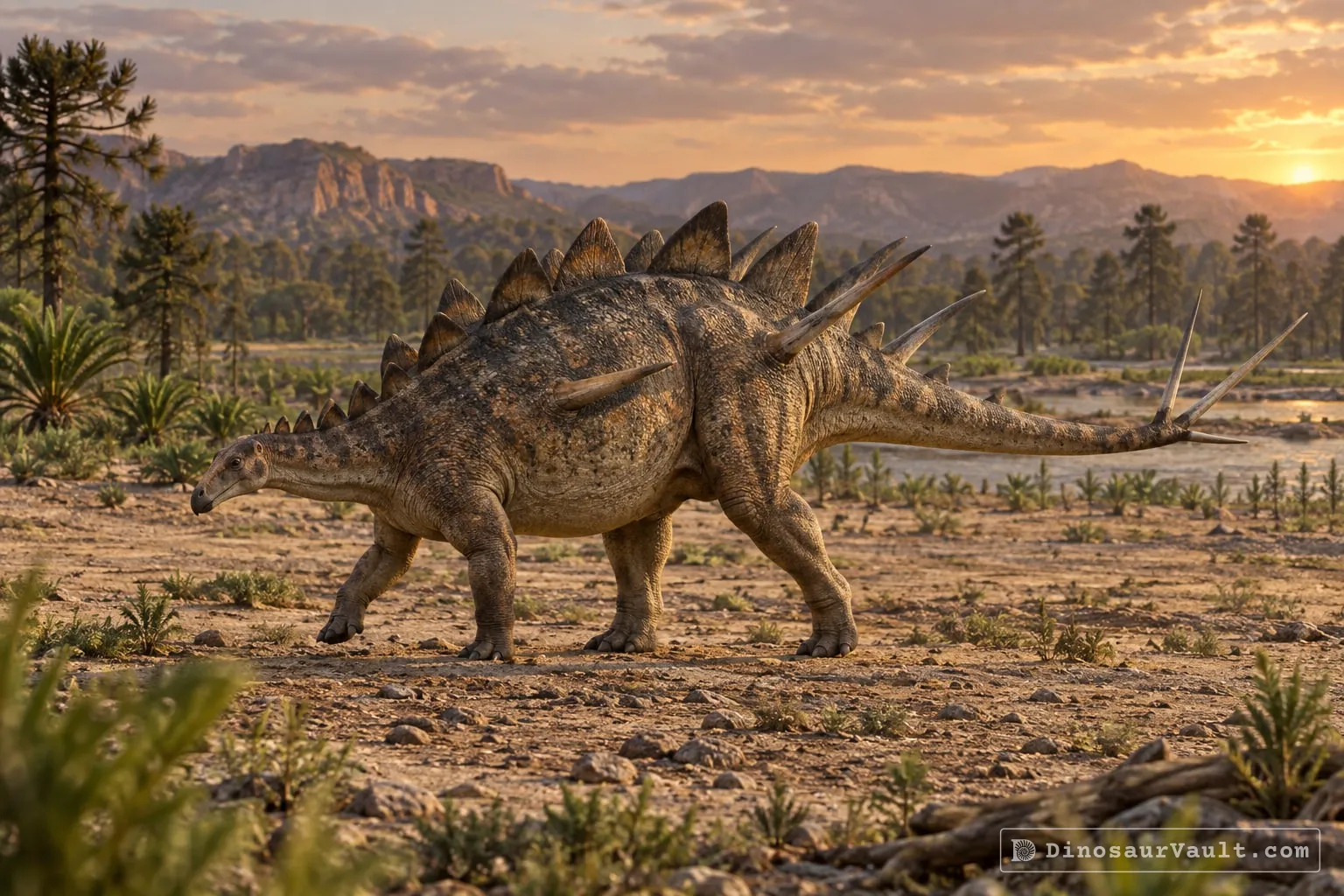
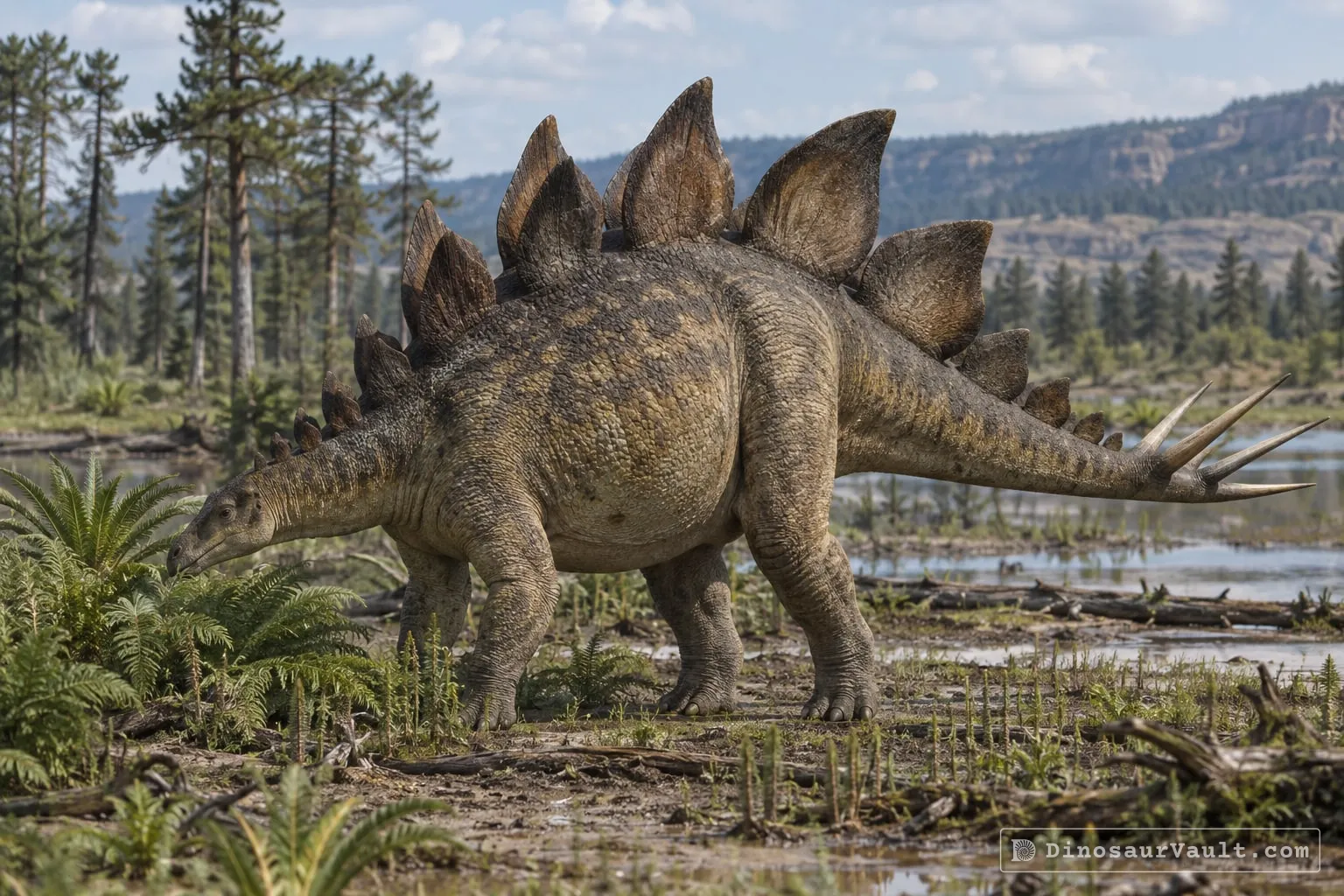
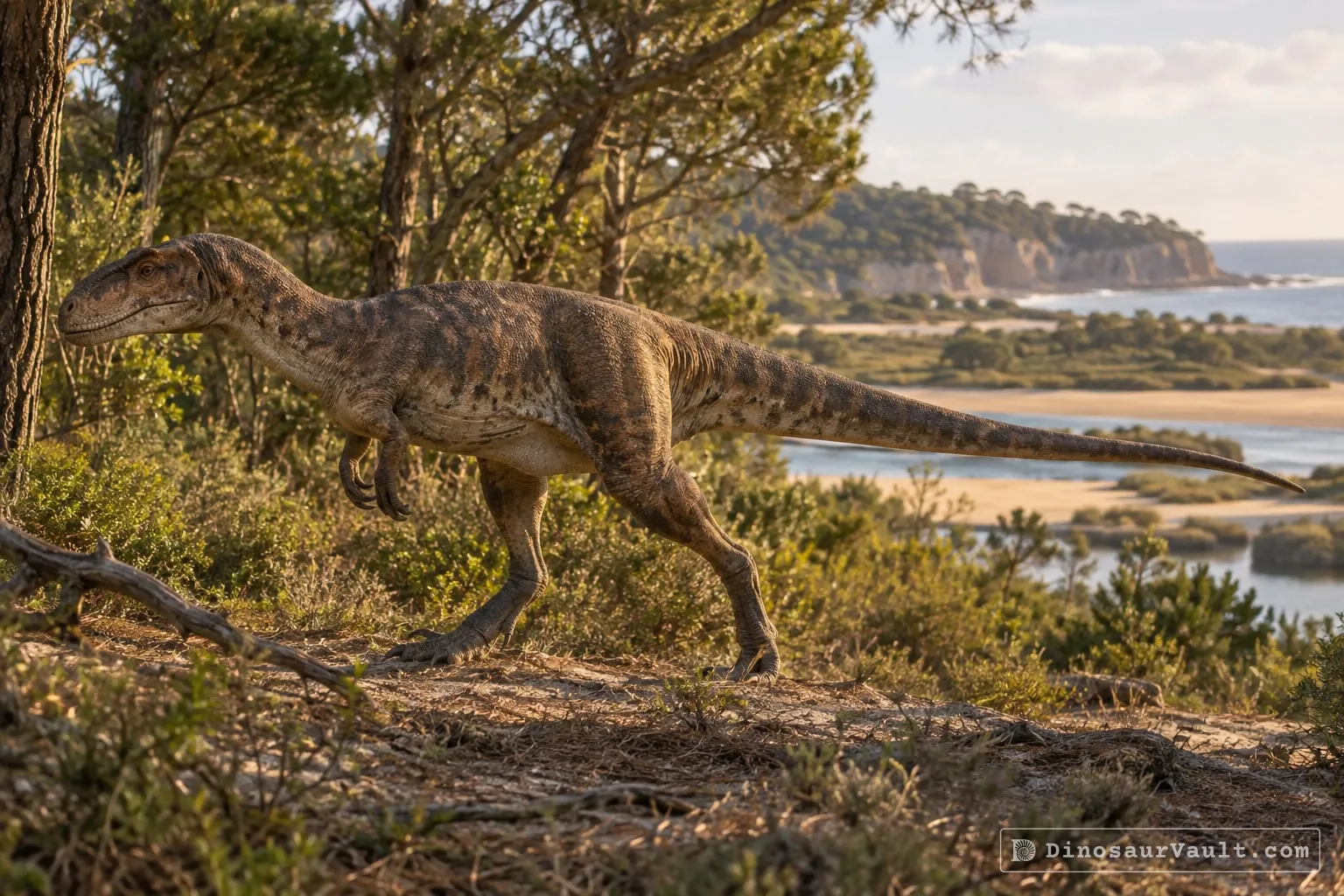
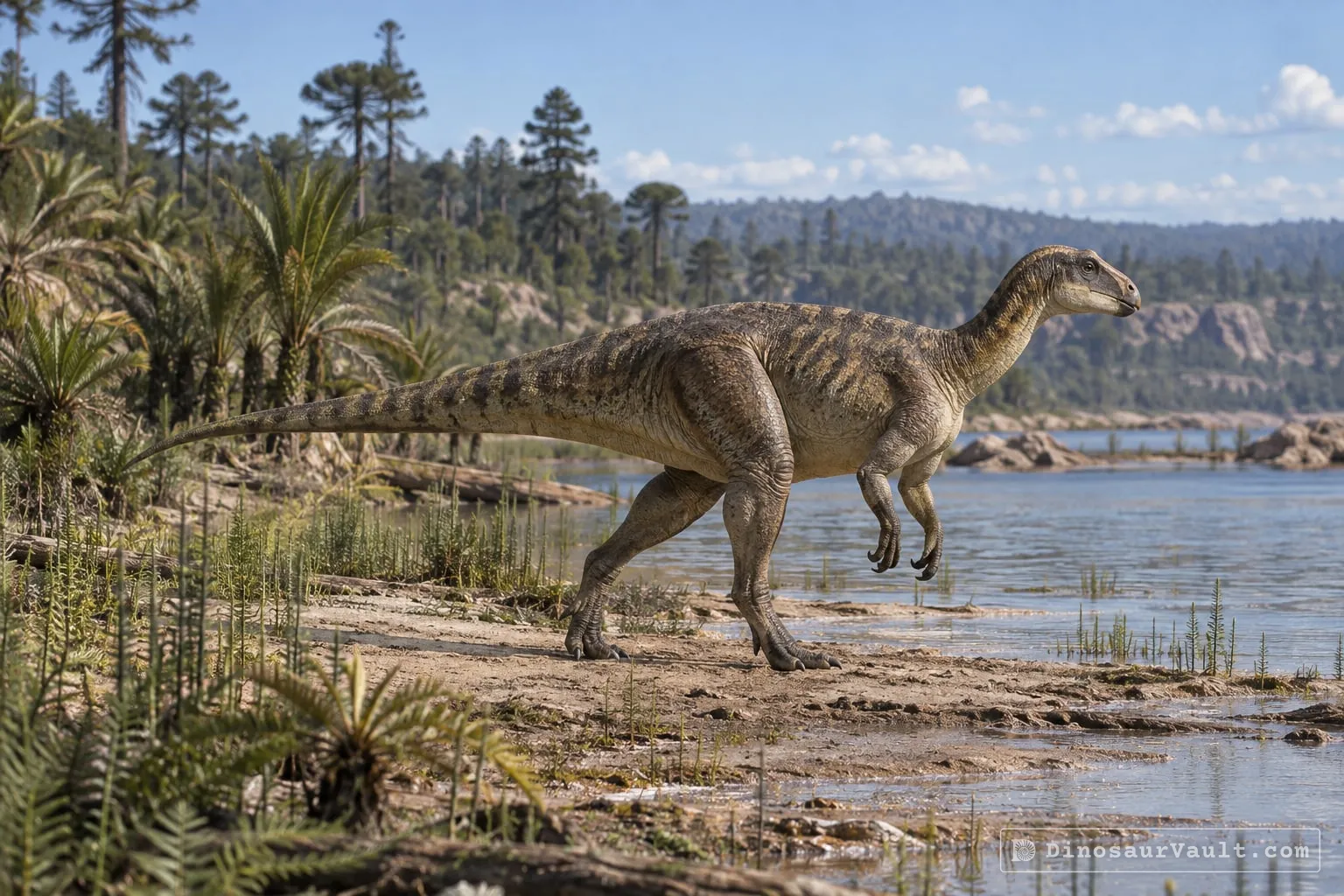


A rock formation can hold fossils laid down millions of years apart, so not every animal here met Losillasaurus.
The evidence
The science behind Losillasaurus
Which parts of the picture come from its own bones, and which come from its relatives.
From its own fossils
- Its fossils include parts of the skull, neck, back, tail, arms and pelvis.
- The original description noted bony spines near the base of the tail curved like the blade of a cutlass.
- A second skeleton, referred to it because its tail vertebrae share the same distinctive ridges and grooves, preserves an articulated upper jaw (premaxilla and maxilla), both lower jaws, teeth and a relatively slender forearm bone. The lower jaws are thick and bend downward at the front.
Borrowed from relatives
- The back of the skull roof, the neck, the chest and shoulder blade, and the rest of the forearm around the referred ulna are restored by comparison with Mierasaurus, a turiasaur from North America.
- Mnyamawamtuka, a more distant sauropod, provides a comparison for the upper arm and elbow.
Still unknown
- The top of its skull and the area around the eyes and nose.
- Its closest relative among the turiasaurs. Different analyses give different answers, and some leave its position unresolved.
- A later study dropped the original tail-spine height measure as a way to tell it apart, judging it a result of crushing after burial.
Discovery timeline
- 2001Named itCasanovas, Santafé & Sanz
- 2006Family treeRoyo-Torres, Cobos & Alcalá
- 2017Close relativeRoyo-Torres et al.
- 2017Its worldCampos-Soto et al.
- 2021New findRoyo-Torres et al.
Key papers
The research behind what we know of Losillasaurus
Named it
Described skull and skeleton remains, including the curved bony spines near the base of the tail.
Losillasaurus giganteus, un nuevo saurópodo del tránsito Jurásico-Cretácico de la cuenca de "Los Serranos" (Valencia, España) [Losillasaurus giganteus, a new sauropod from the Jurassic-Cretaceous transition of the "Los Serranos" basin (Valencia, Spain)]. Paleontologia i Evolucio 32-33: 99-122
No link available
Family tree
Described Turiasaurus and identified a separate branch of large sauropods that includes Losillasaurus.
A Giant European Dinosaur and a New Sauropod Clade. Science 314: 1925-1927
Read the paper : A Giant European Dinosaur and a New Sauropod Clade (opens in a new tab)Close relative
Named Mierasaurus, a turiasaur from the Early Cretaceous of the western United States, with preserved skull and neck bones.
Descendants of the Jurassic turiasaurs from Iberia found refuge in the Early Cretaceous of western USA. Scientific Reports 7
Read the paper : Descendants of the Jurassic turiasaurs from Iberia found refuge in the Early Cretaceous of western USA (opens in a new tab)Its world
Traced changing coastal and river environments in the Villar del Arzobispo Formation, including floodplains that preserved dinosaur bones.
Jurassic Coastal Park: A great diversity of palaeoenvironments for the dinosaurs of the Villar del Arzobispo Formation (Teruel, eastern Spain). Palaeogeography, Palaeoclimatology, Palaeoecology 485: 154-177
Read the paper : Jurassic Coastal Park: A great diversity of palaeoenvironments for the dinosaurs of the Villar del Arzobispo Formation (Teruel, eastern Spain) (opens in a new tab)New find
Described a new Losillasaurus skeleton that clarified variation in its skull, teeth and body bones, and expanded the turiasaur family tree.
Origin and evolution of turiasaur dinosaurs set by means of a new ‘rosetta’ specimen from Spain. Zoological Journal of the Linnean Society 191: 201-227
Read the paper : Origin and evolution of turiasaur dinosaurs set by means of a new ‘rosetta’ specimen from Spain (opens in a new tab)
Close relatives
Other members of Turiasauria


Sources: Wikidata