Tendaguria
"the Tendaguru one"
- Lived
- 149 to 143 million years ago, Late Jurassic
- Diet
- Herbivore
- Group
- Sauropods
- Found in
- Tanzania
- Named by
- Bonaparte et al. 2000
Where its fossils were found
The evidence
Today

145 million years ago
Habitat
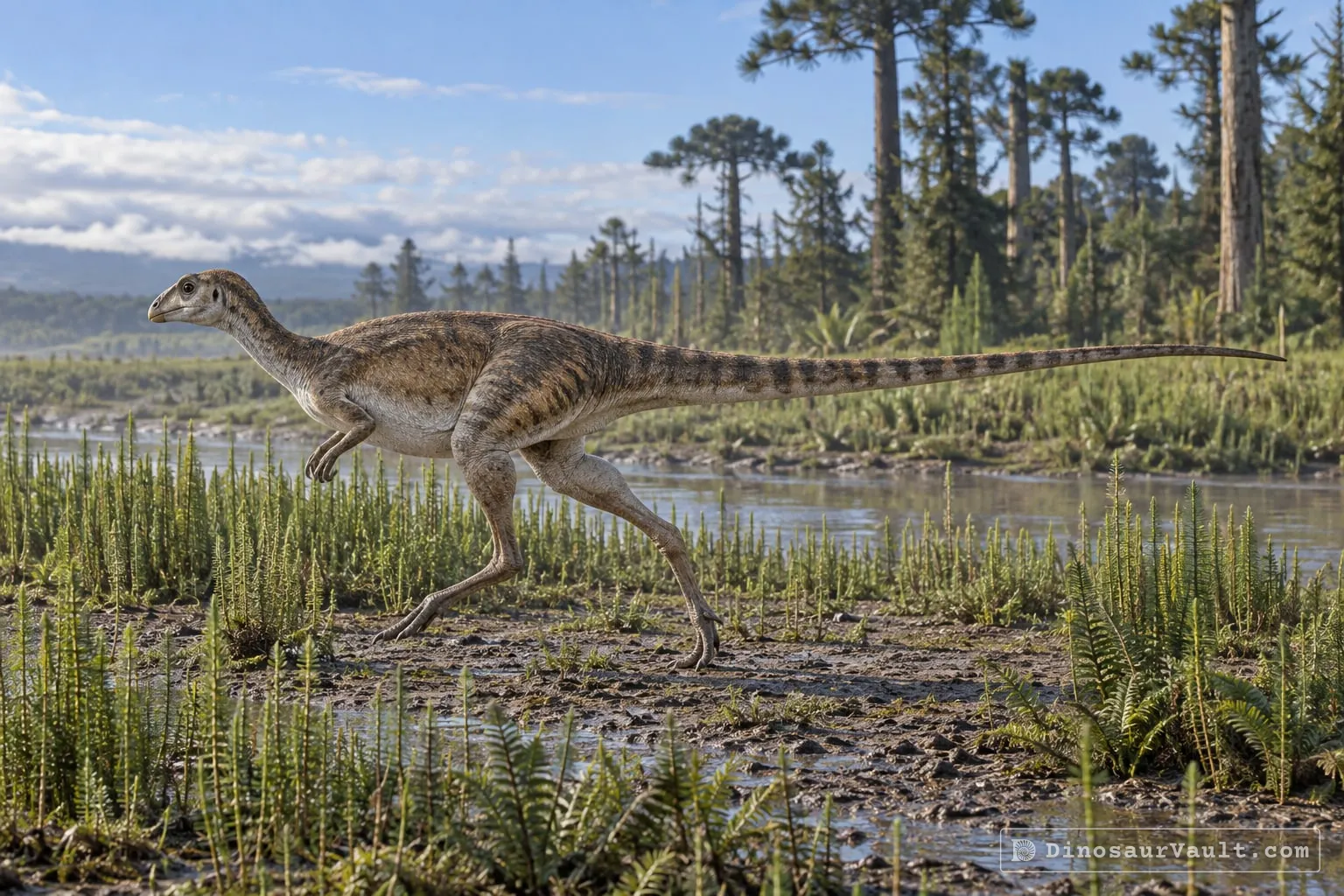
A low coastal plain had small river channels, ponds and nearby tidal flats. Conifers and ferns grew in the region, alongside dinosaurs such as Giraffatitan, Kentrosaurus and Dicraeosaurus.
Field notes
About Tendaguria
What it was like
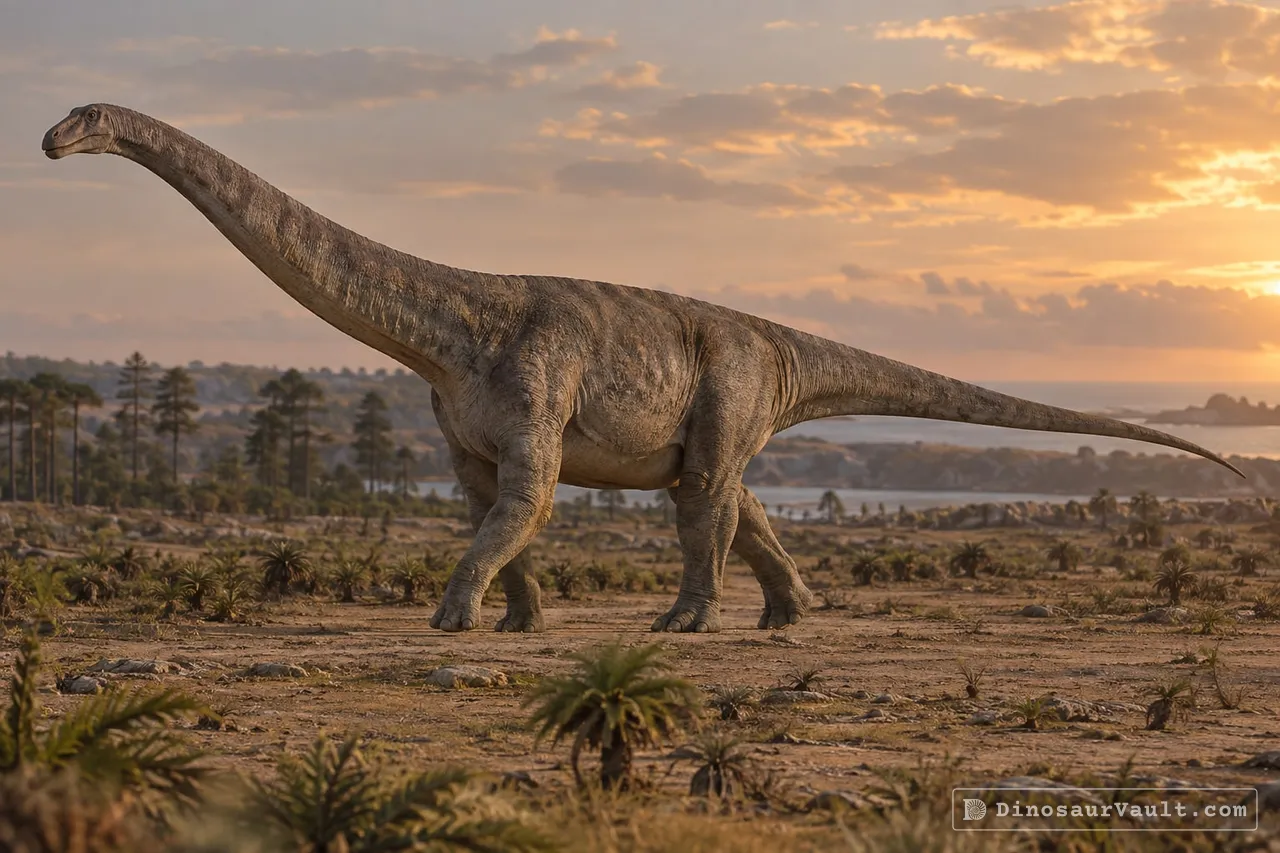
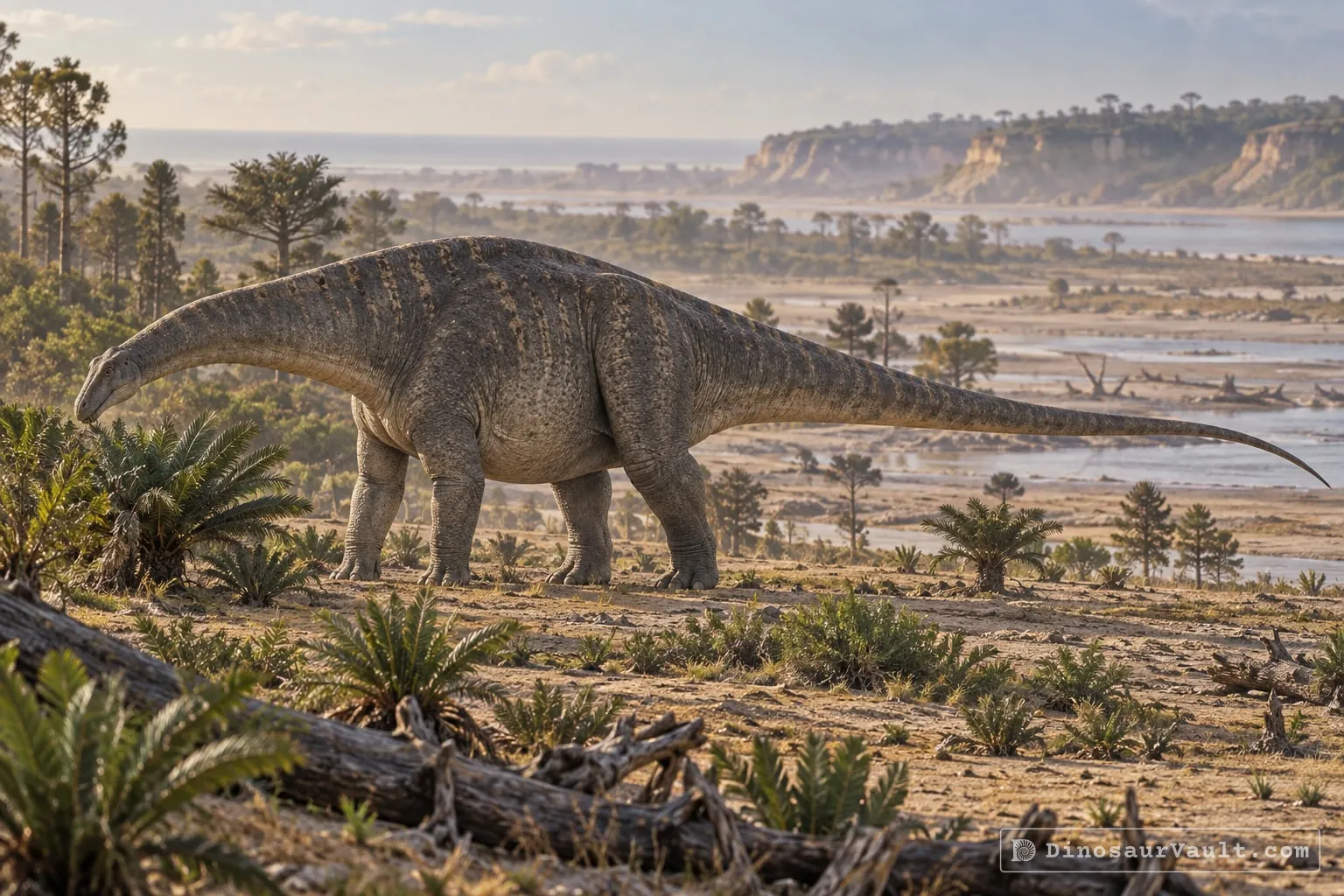
Tendaguria was a large long-necked sauropod known from two back bones. The bones have very low spines, unlike those of most sauropods.
Its world
It lived in the Late Jurassic in what is now Tanzania. Its bones come from the Tendaguru Formation, a rich site shared with the giant Giraffatitan, the spiked Kentrosaurus and the predators Ceratosaurus and Elaphrosaurus.
How it was found
Bonaparte and colleagues named it in 2000.
Field gallery
More views of Tendaguria
Scenes reconstructed from the available fossil evidence.
1 of 2
Lived alongside
Found in the same rock formations
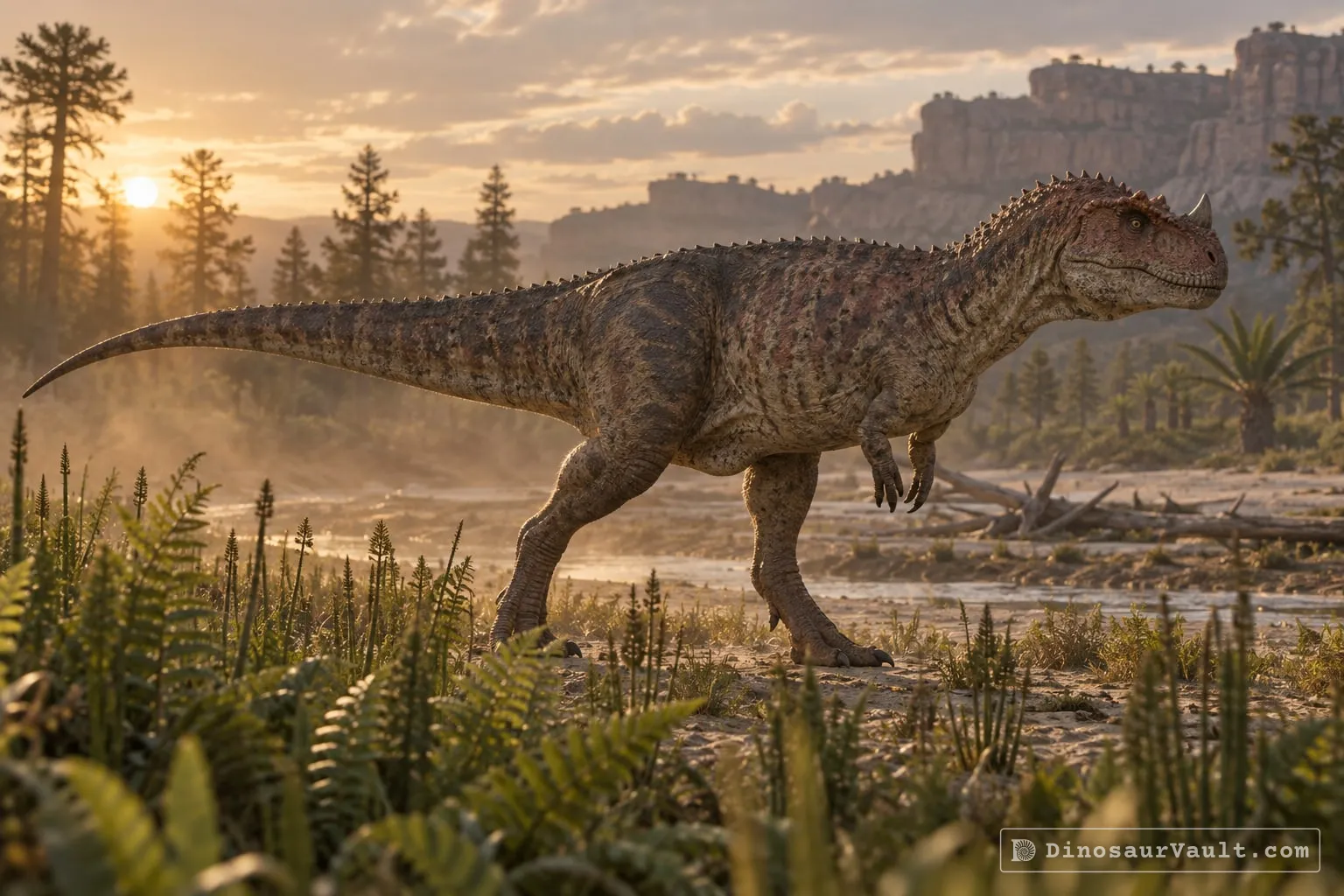
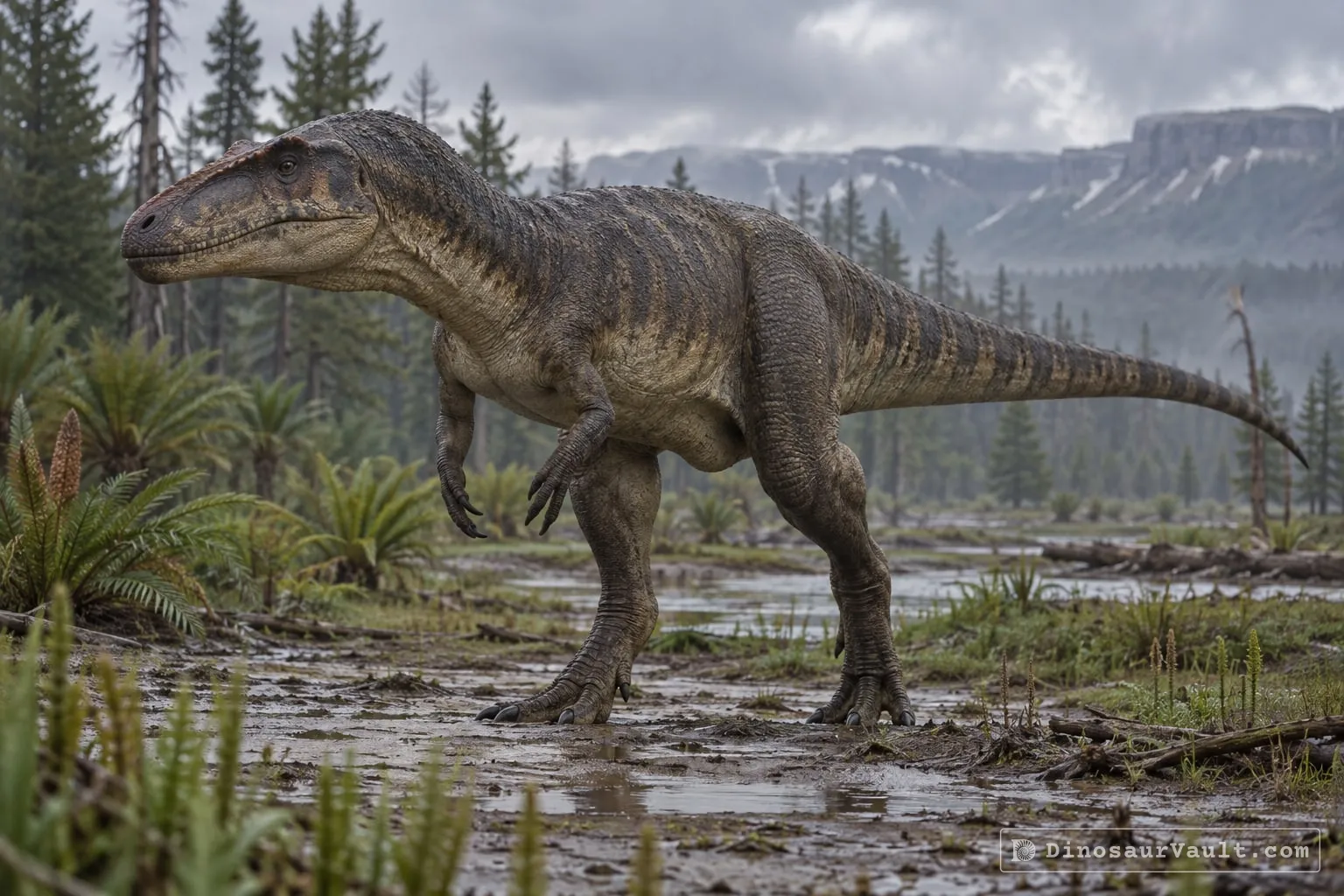
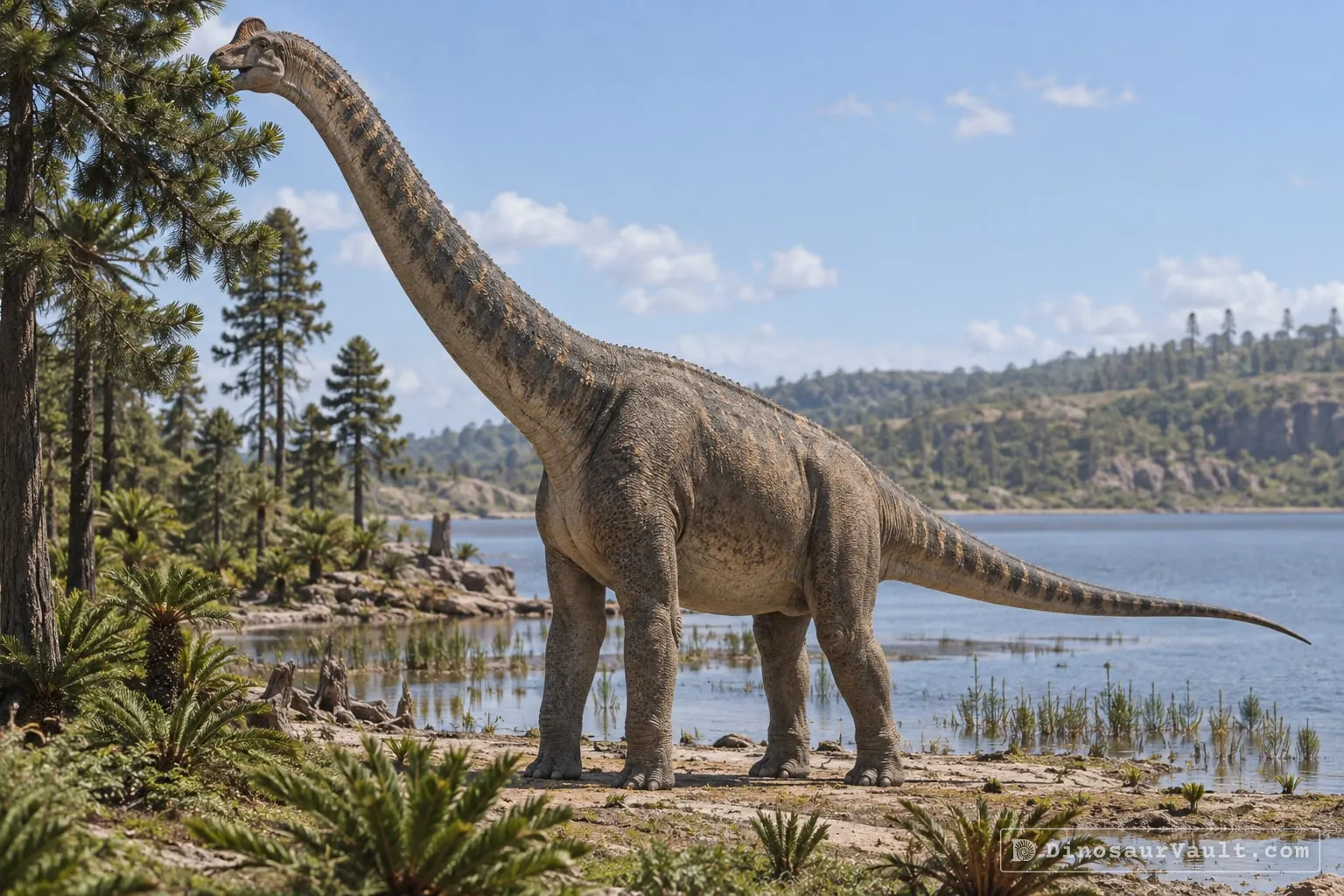
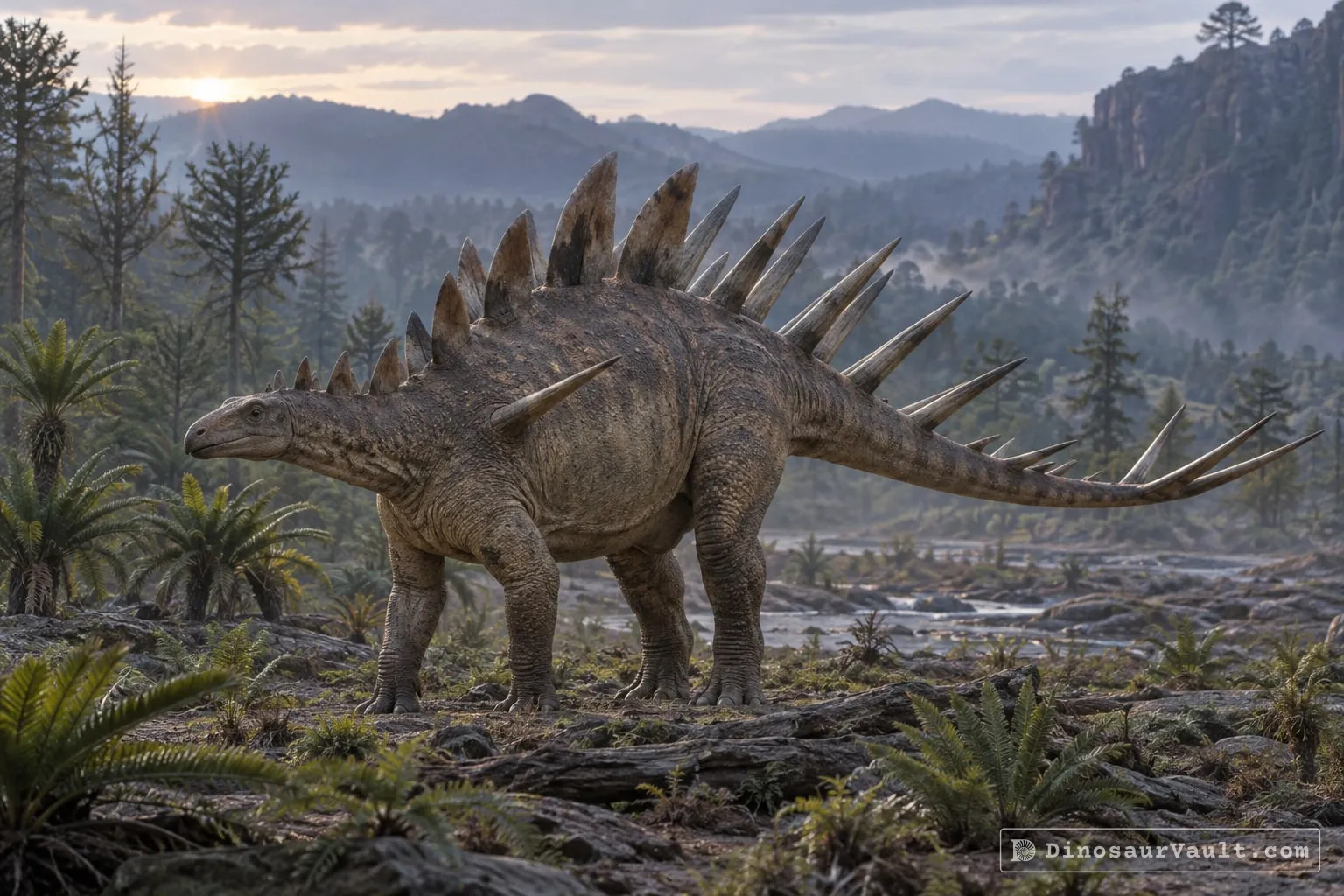
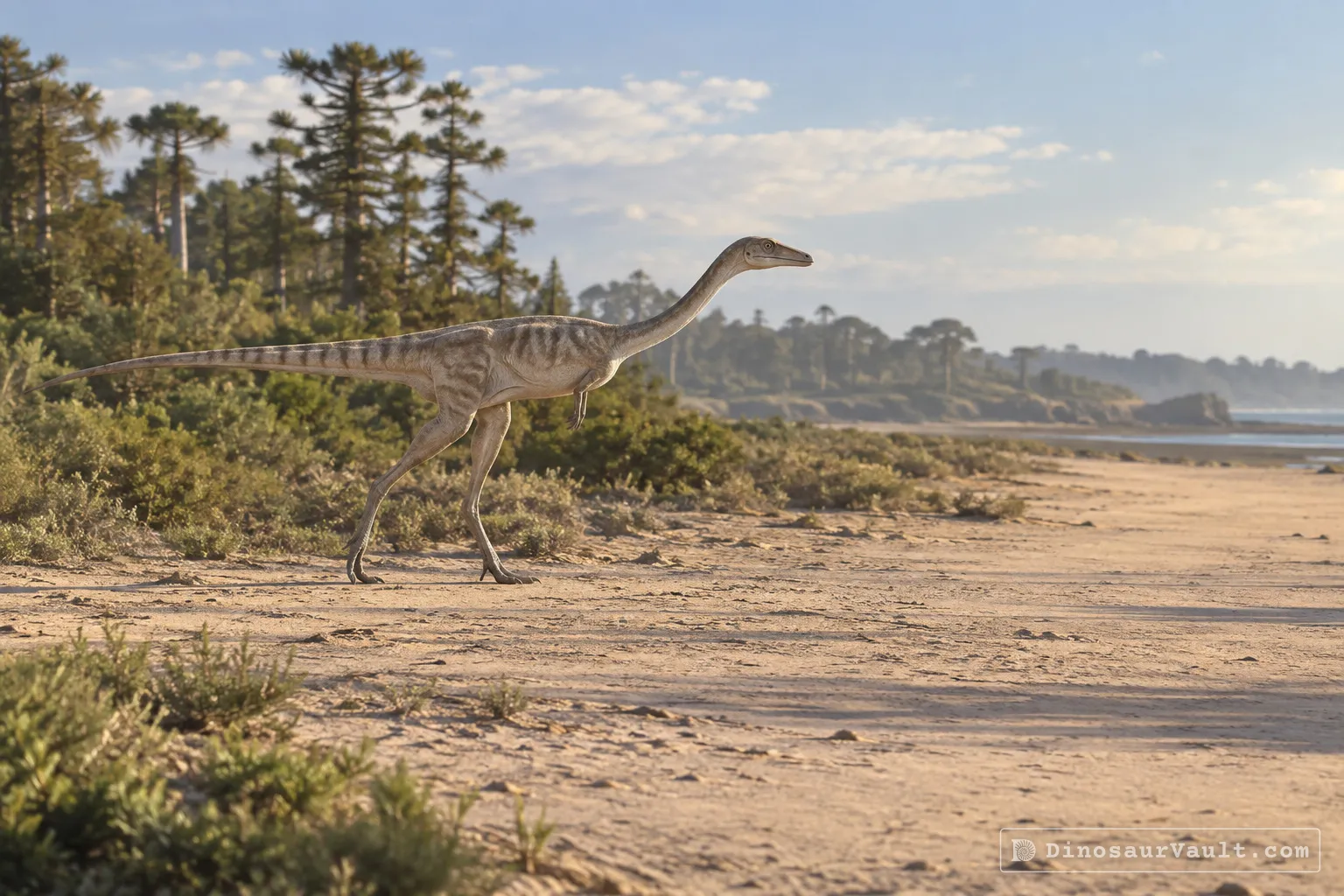
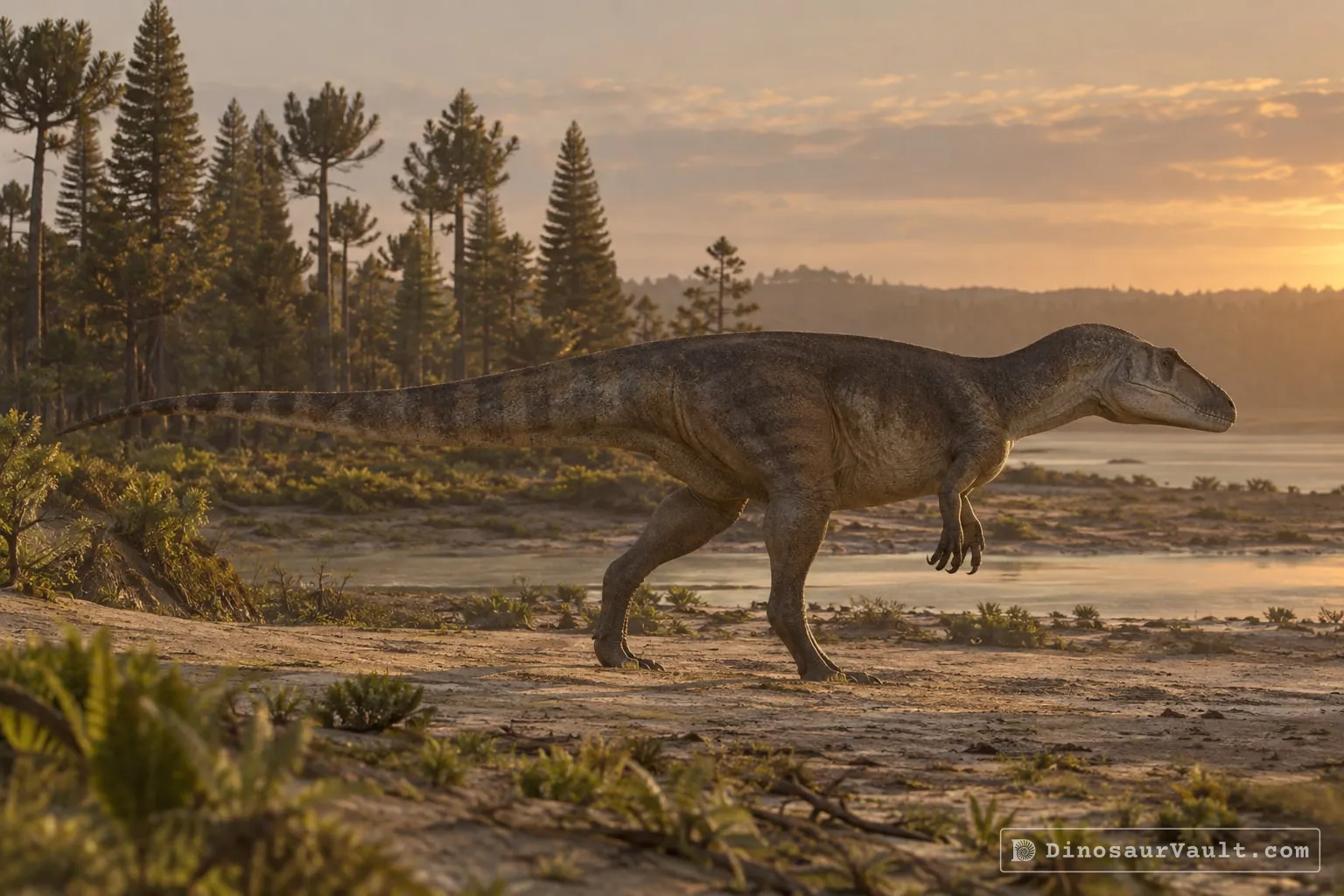


A rock formation can hold fossils laid down millions of years apart, so not every animal here met Tendaguria.
The evidence
The science behind Tendaguria
Which parts of the picture come from its own bones, and which come from its relatives.
From its own fossils
- The defining fossils are a pair of vertebrae from the front of the back.
- Their spines are exceptionally low and undivided, rising only slightly above the neighboring projections.
Borrowed from relatives
- Moabosaurus shares the unusually low back spines and helps guide the restoration of missing body parts.
- The long neck and four-legged build follow more complete sauropods such as Turiasaurus.
Still unknown
- Its skull shape and full body proportions.
- Whether a neck vertebra assigned to it really belongs to the same animal.
- Its skin covering and color.
Discovery timeline
- 2000Named itBonaparte, Heinrich & Wild
- 2009Its worldBussert, Heinrich & Aberhan
- 2019RedescriptionMannion et al.
Key papers
The research behind what we know of Tendaguria
Named it
Separated the distinctive back vertebrae from material assigned to Janenschia and named Tendaguria.
Review of Janenschia Wild, with the description of a new sauropod from the Tendaguru beds of Tanzania and a discussion on the systematic value of procoelous caudal vertebrae in the sauropoda. Palaeontographica Abteilung A 256: 25-76
Read the paper : Review of Janenschia Wild, with the description of a new sauropod from the Tendaguru beds of Tanzania and a discussion on the systematic value of procoelous caudal vertebrae in the sauropoda (opens in a new tab)Its world
Reconstructed a changing shoreline with tidal flats, lagoons, small rivers and coastal plains around the dinosaur habitats.
The Tendaguru Formation (Late Jurassic to Early Cretaceous, southern Tanzania): definition, palaeoenvironments, and sequence stratigraphy. Fossil Record 12: 141-174
Read the paper : The Tendaguru Formation (Late Jurassic to Early Cretaceous, southern Tanzania): definition, palaeoenvironments, and sequence stratigraphy (opens in a new tab)Redescription
Restudied the vertebrae and their internal structure, placing Tendaguria close to Moabosaurus among turiasaurs.
Taxonomic affinities of the putative titanosaurs from the Late Jurassic Tendaguru Formation of Tanzania: phylogenetic and biogeographic implications for eusauropod dinosaur evolution. Zoological Journal of the Linnean Society 185: 784-909
Read the paper : Taxonomic affinities of the putative titanosaurs from the Late Jurassic Tendaguru Formation of Tanzania: phylogenetic and biogeographic implications for eusauropod dinosaur evolution (opens in a new tab)
Close relatives
Other members of Turiasauria


Sources: Wikidata