Viavenator
"road hunter"
- Lived
- 86 to 84 million years ago, Late Cretaceous
- Diet
- Carnivore
- Group
- Theropods, Abelisauridae
- Found in
- Argentina
- Named by
- Filippi et al. 2016
Where its fossils were found
The evidence
Today

80 million years ago
Habitat
Rivers crossed the sandy plains of the Bajo de la Carpa Formation. Other dinosaurs from these rocks include Alvarezsaurus, Neuquensaurus and Bonitasaura.
Field notes
About Viavenator
What it was like
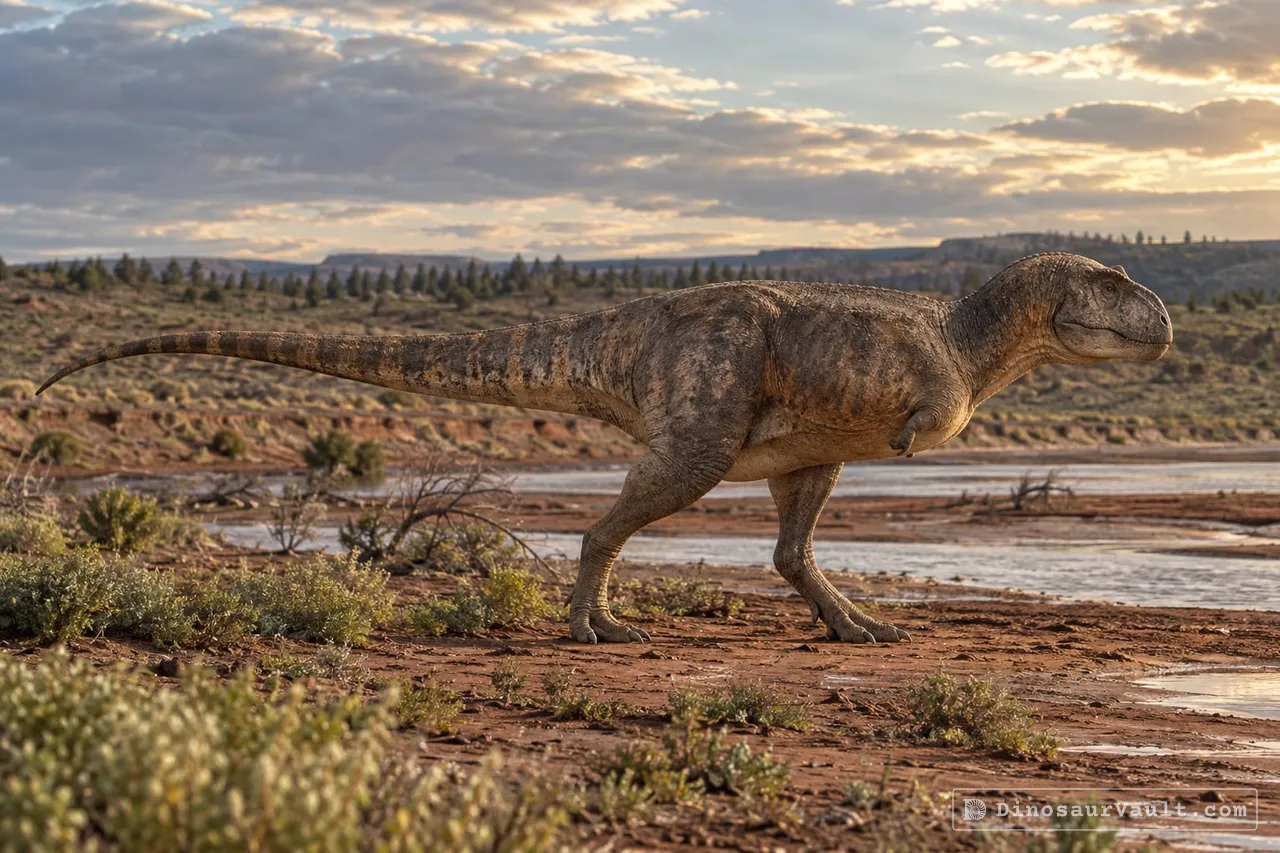
Viavenator was an abelisaur, a predator with a short skull and tiny arms. Its braincase is well preserved and shows details of its hearing and sense of balance.
Its world
It lived about 86 to 84 million years ago, in the Late Cretaceous, in what is now Argentina. It comes from the Bajo de la Carpa Formation, where it shared the land with the megaraptor Tratayenia, the alvarezsaur Alvarezsaurus and the titanosaurs Neuquensaurus and Bonitasaura.
How it was found
Filippi and colleagues named Viavenator in 2016. The name refers to a road near the dig site.
Field gallery
More views of Viavenator
Scenes reconstructed from the available fossil evidence.
1 of 2
Lived alongside
Found in the same rock formations
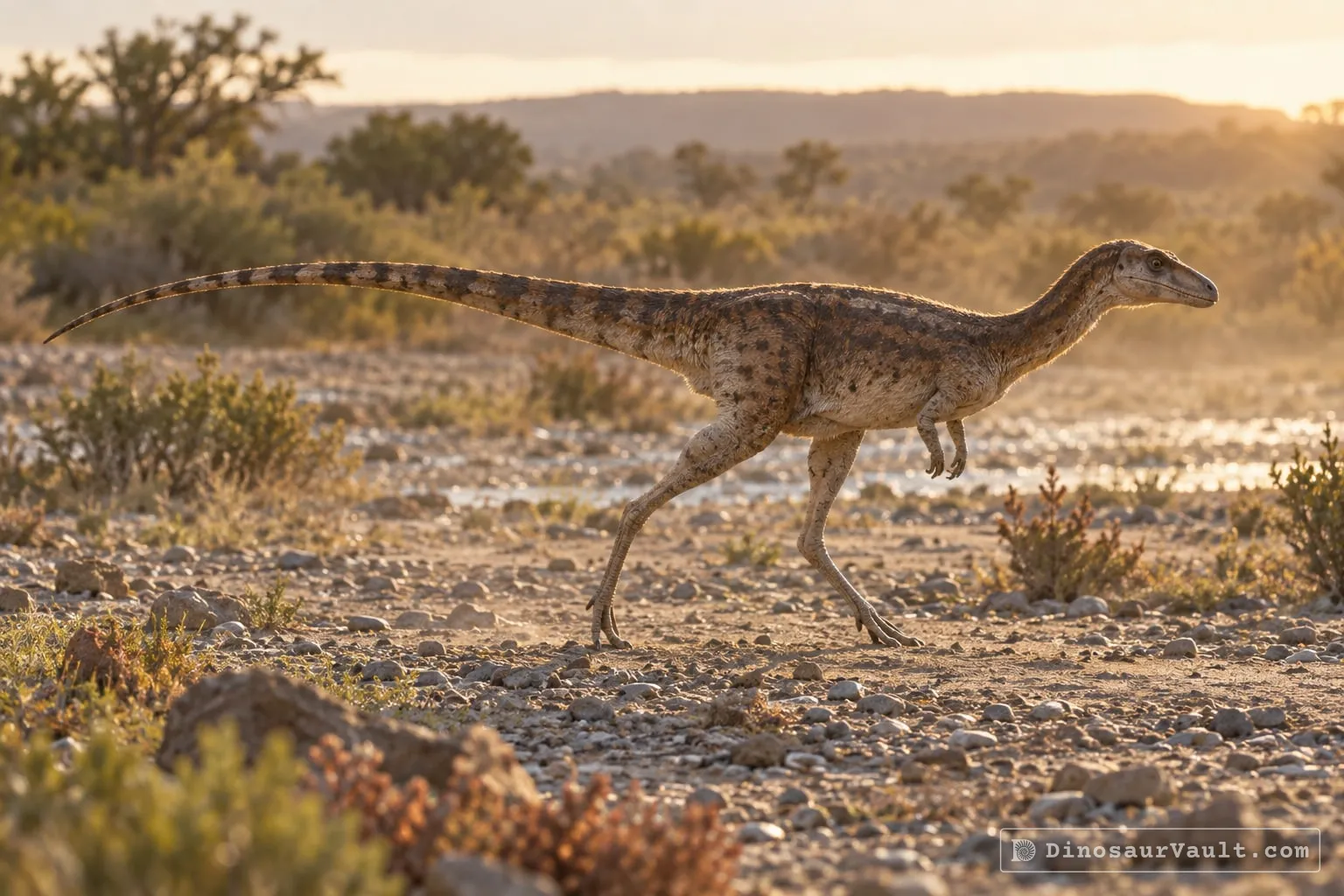
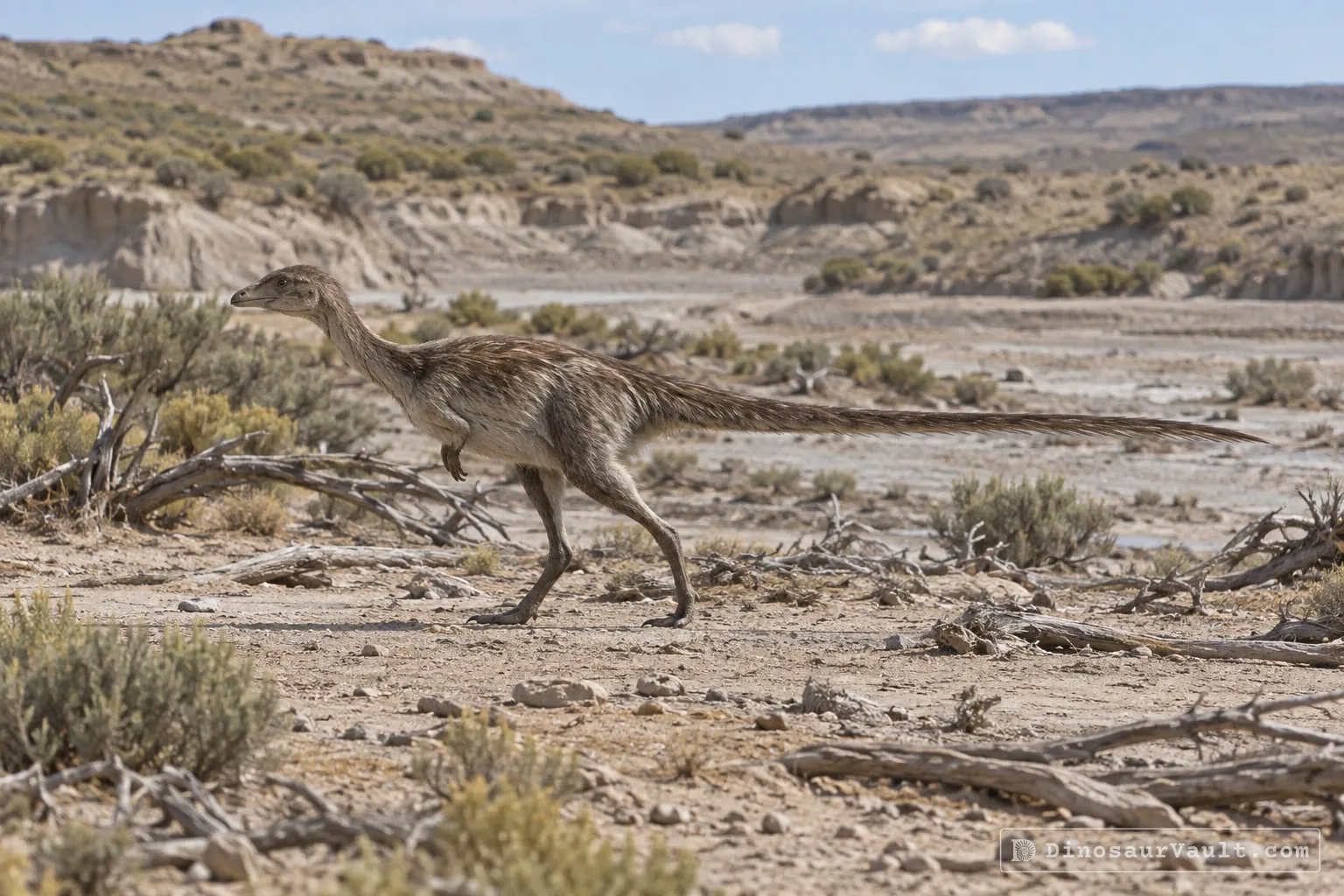
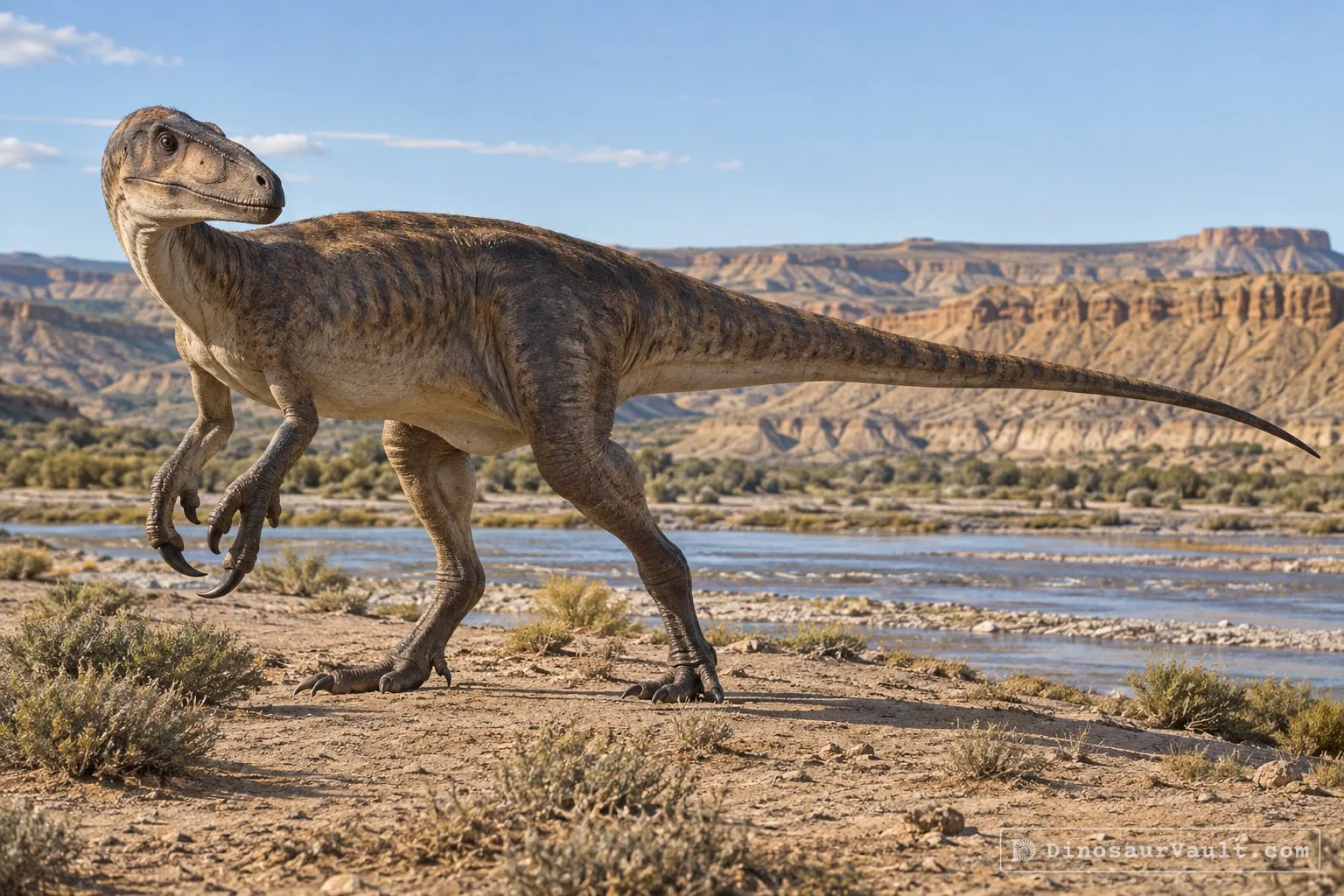
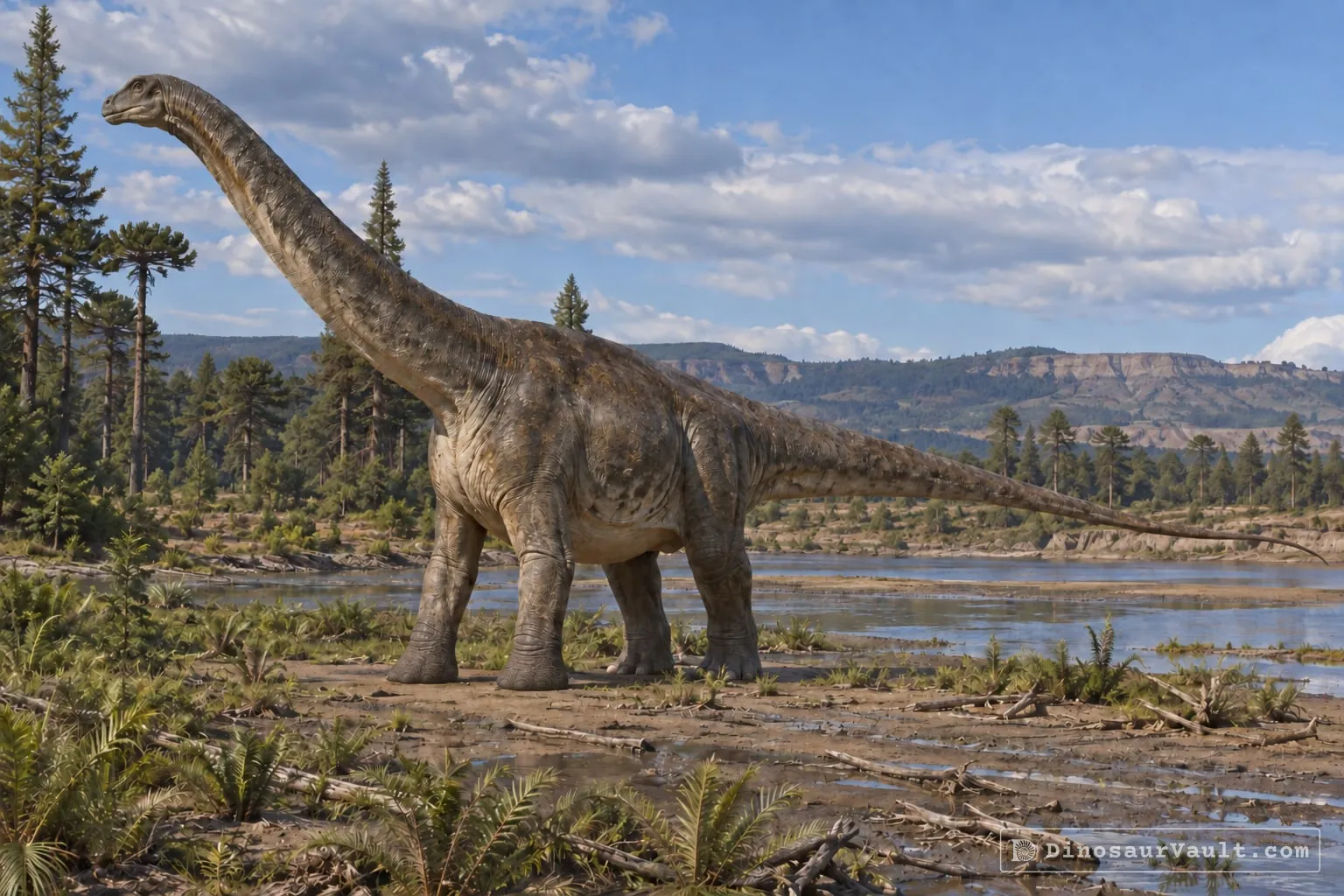
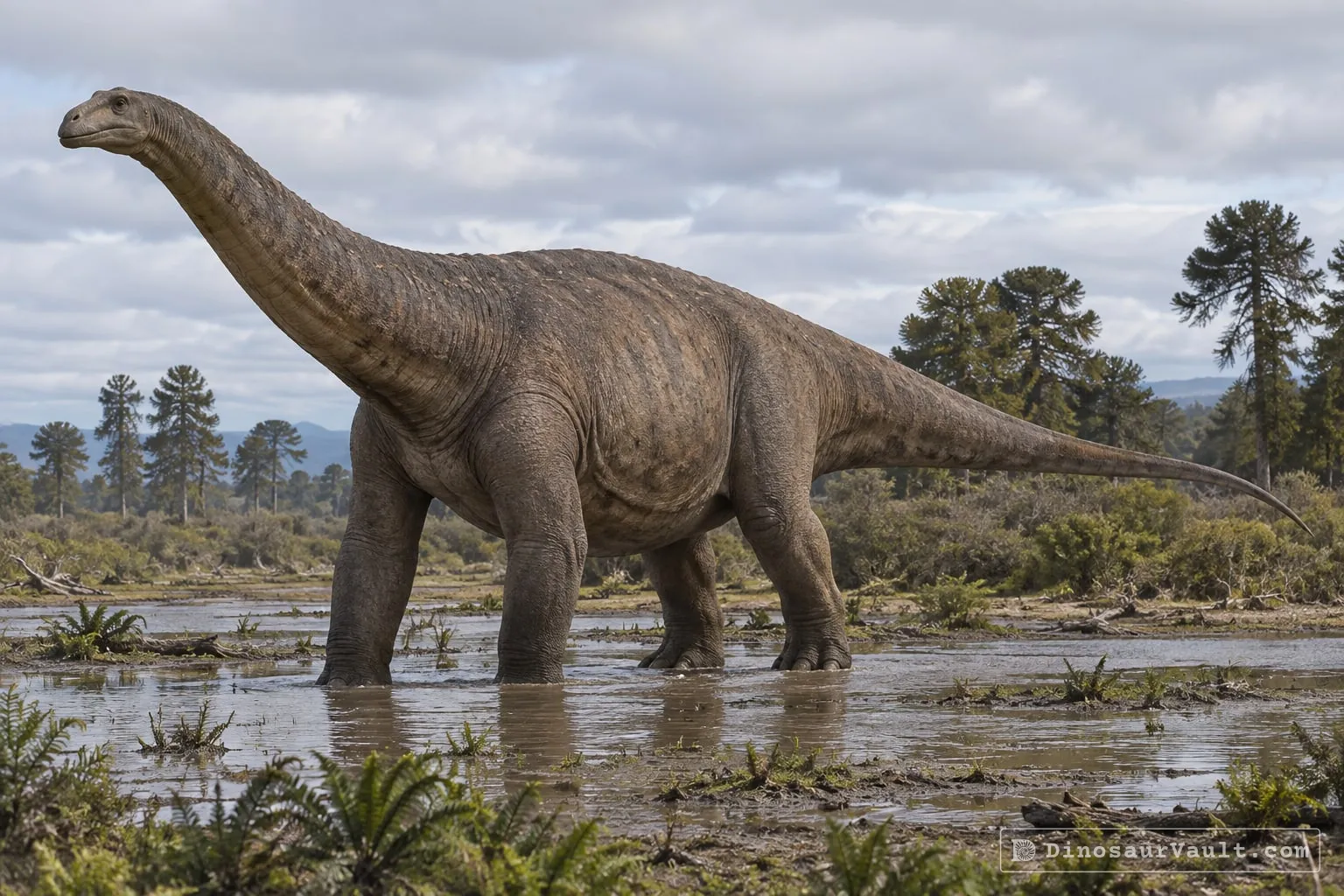
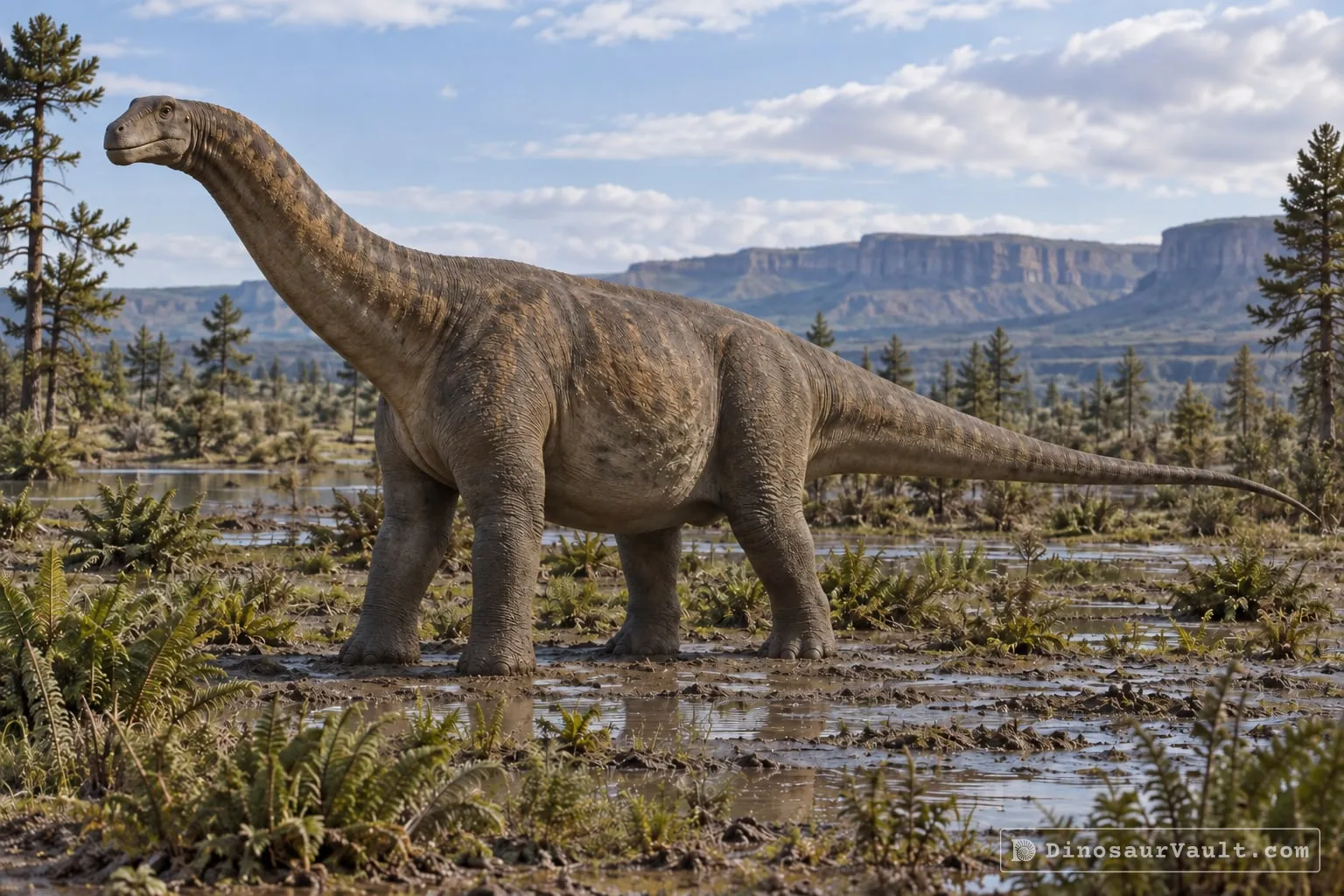
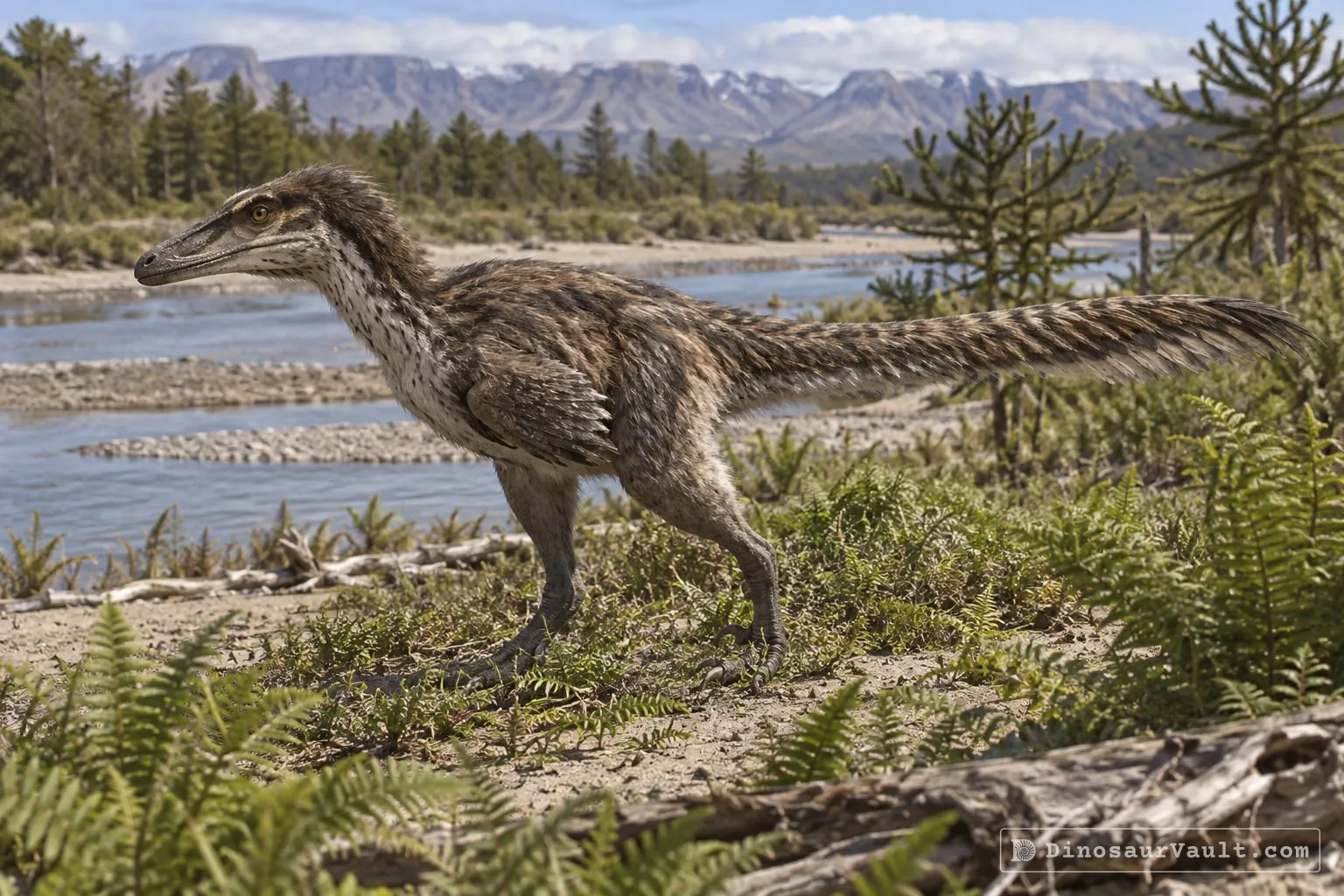


A rock formation can hold fossils laid down millions of years apart, so not every animal here met Viavenator.
The evidence
The science behind Viavenator
Which parts of the picture come from its own bones, and which come from its relatives.
From its own fossils
- The partial skeleton includes a well-preserved braincase, neck, back and tail vertebrae, a shoulder blade and part of the pelvis.
- The skull roof is nearly flat, with low ornamentation above the eyes.
- Extra joints between the back vertebrae helped stiffen the backbone.
Borrowed from relatives
- The missing snout and lower jaw are restored using the deep face of Majungasaurus as a guide.
- Majungasaurus also provides a model for the probably very short arms, reduced hands and sturdy feet.
Still unknown
- The exact shape of its snout and lower jaw.
- Its finger and toe arrangement.
- Its skin covering and color.
Often drawn wrong
- Large paired horns like those of Carnotaurus conflict with its flat skull roof.
- The extra joints along its backbone belong beneath the muscles, rather than forming exposed spikes or a sail.
Discovery timeline
- 2016Named itFilippi et al.
- 2018Full descriptionFilippi et al.
- 2018SkullPaulina-Carabajal & Filippi
Key papers
The research behind what we know of Viavenator
Named it
Named an abelisaurid with a flat skull roof and extra joints that strengthened its backbone.
A new brachyrostran with hypertrophied axial structures reveals an unexpected radiation of latest Cretaceous abelisaurids. Cretaceous Research 61: 209-219
Read the paper : A new brachyrostran with hypertrophied axial structures reveals an unexpected radiation of latest Cretaceous abelisaurids (opens in a new tab)Full description
Described the skull, vertebrae and other preserved bones, including the extra joints along the back.
Osteology of Viavenator exxoni (Abelisauridae; Furileusauria) from the Bajo de la Carpa Formation, NW Patagonia, Argentina. Cretaceous Research 83: 95-119
Read the paper : Osteology of Viavenator exxoni (Abelisauridae; Furileusauria) from the Bajo de la Carpa Formation, NW Patagonia, Argentina (opens in a new tab)Skull
Reconstructed the brain cavity and inner ear from scans of the braincase, revealing details of hearing and balance.
Neuroanatomy of the abelisaurid theropod Viavenator : The most complete reconstruction of a cranial endocast and inner ear for a South American representative of the clade. Cretaceous Research 83: 84-94
Read the paper : Neuroanatomy of the abelisaurid theropod Viavenator : The most complete reconstruction of a cranial endocast and inner ear for a South American representative of the clade (opens in a new tab)
Close relatives
Other members of Abelisauridae


Sources: Wikidata