Tratayenia
- Lived
- 86 to 84 million years ago, Late Cretaceous
- Diet
- Carnivore
- Group
- Theropods, Megaraptoridae
- Found in
- Argentina
- Named by
- Porfiri et al. 2018
Where its fossils were found
The evidence
Today

80 million years ago
Habitat
Rivers crossed sandy floodplains in what is now Argentina. Alvarezsaurus, Neuquensaurus and Yeneen lived in the Bajo de la Carpa Formation.
Field notes
About Tratayenia
What it was like
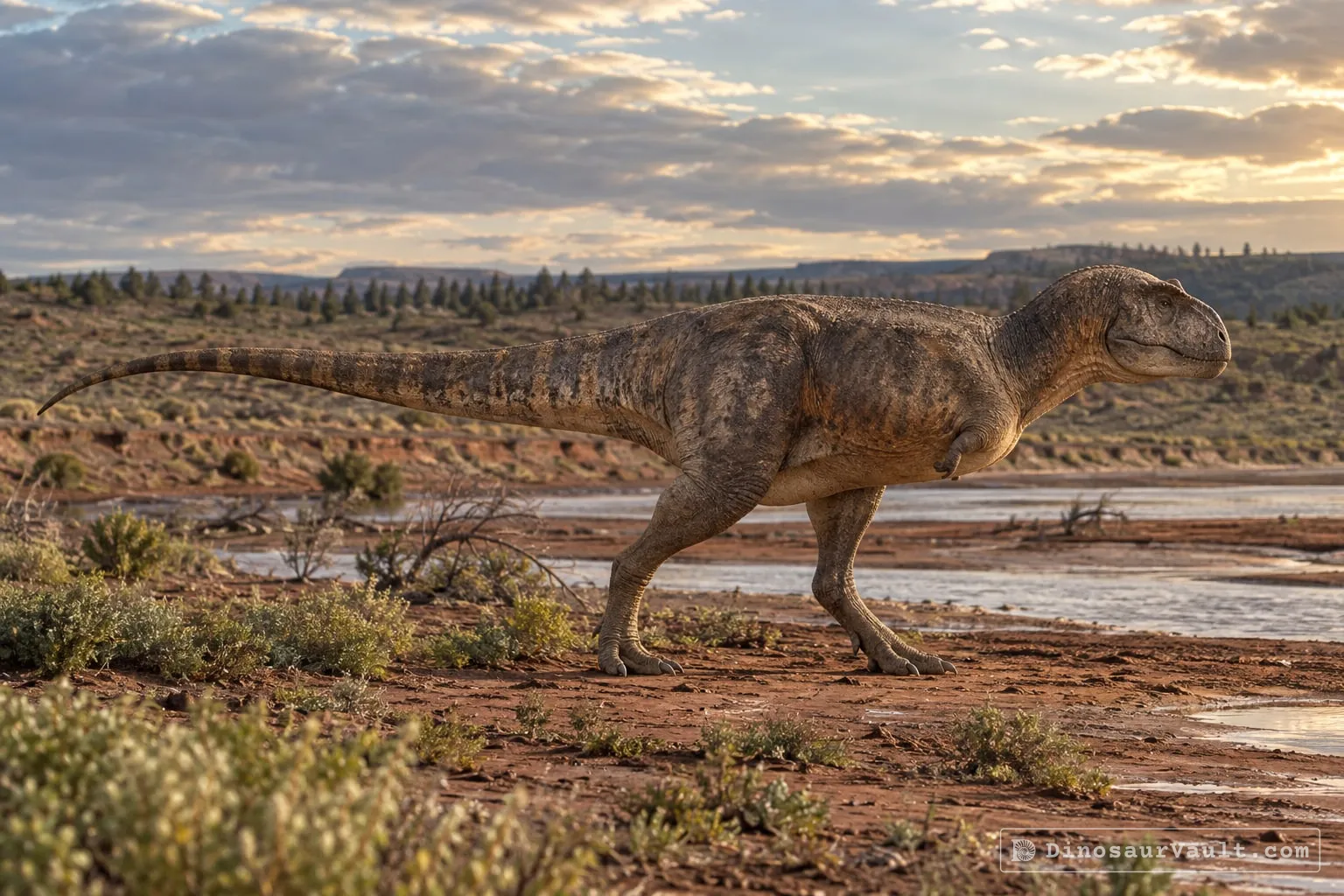
Tratayenia was a megaraptor, a predator with long arms and big hand claws. It is known from part of the backbone and hips.
Its world
It lived about 86 to 84 million years ago, in the Late Cretaceous, in what is now Argentina. It comes from the Bajo de la Carpa Formation, where it shared the land with the small alvarezsaur Alvarezsaurus and the titanosaurs Neuquensaurus and Yeneen. It was probably the top predator there.
How it was found
Porfiri and colleagues named Tratayenia in 2018.
Field gallery
More views of Tratayenia
Scenes reconstructed from the available fossil evidence.
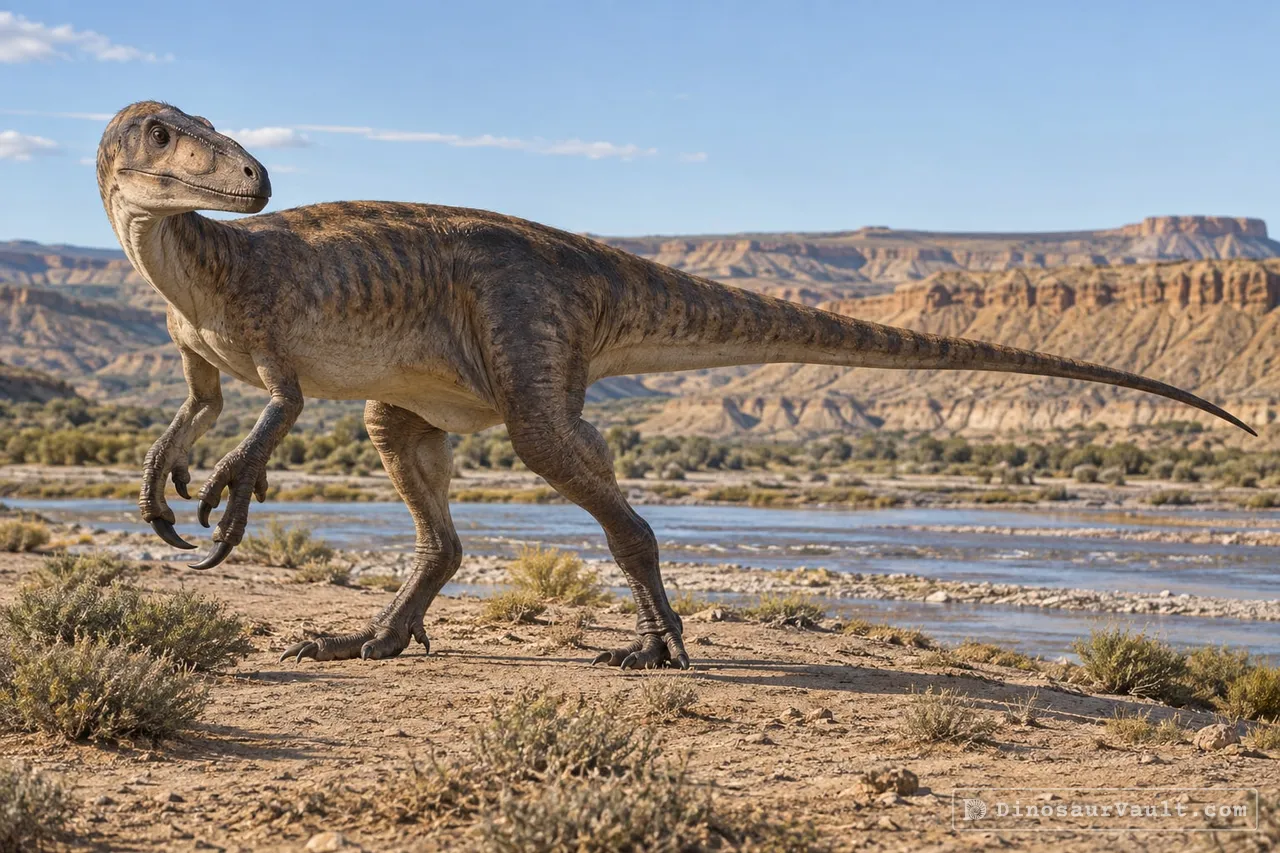
1 of 3
Lived alongside
Found in the same rock formations
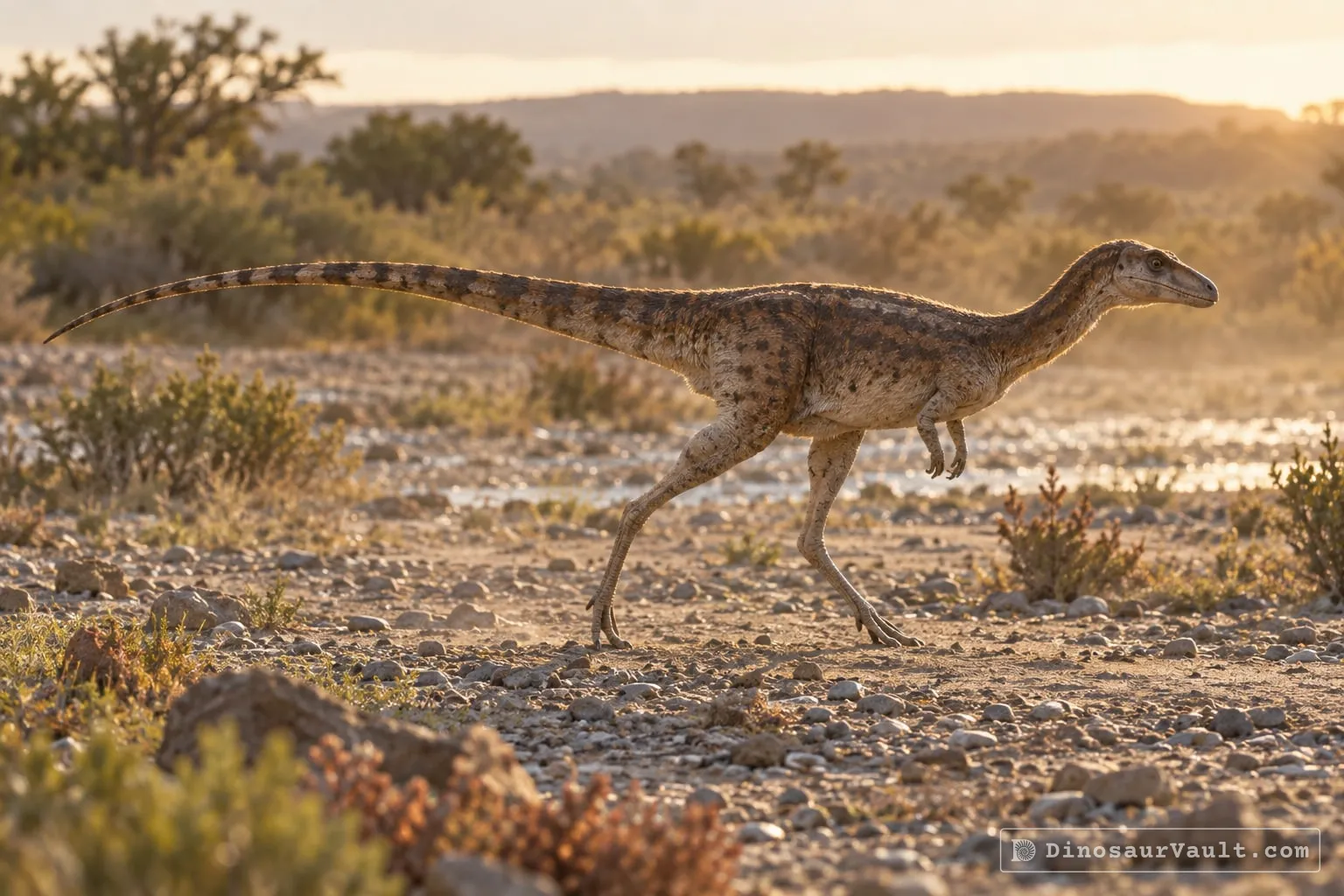
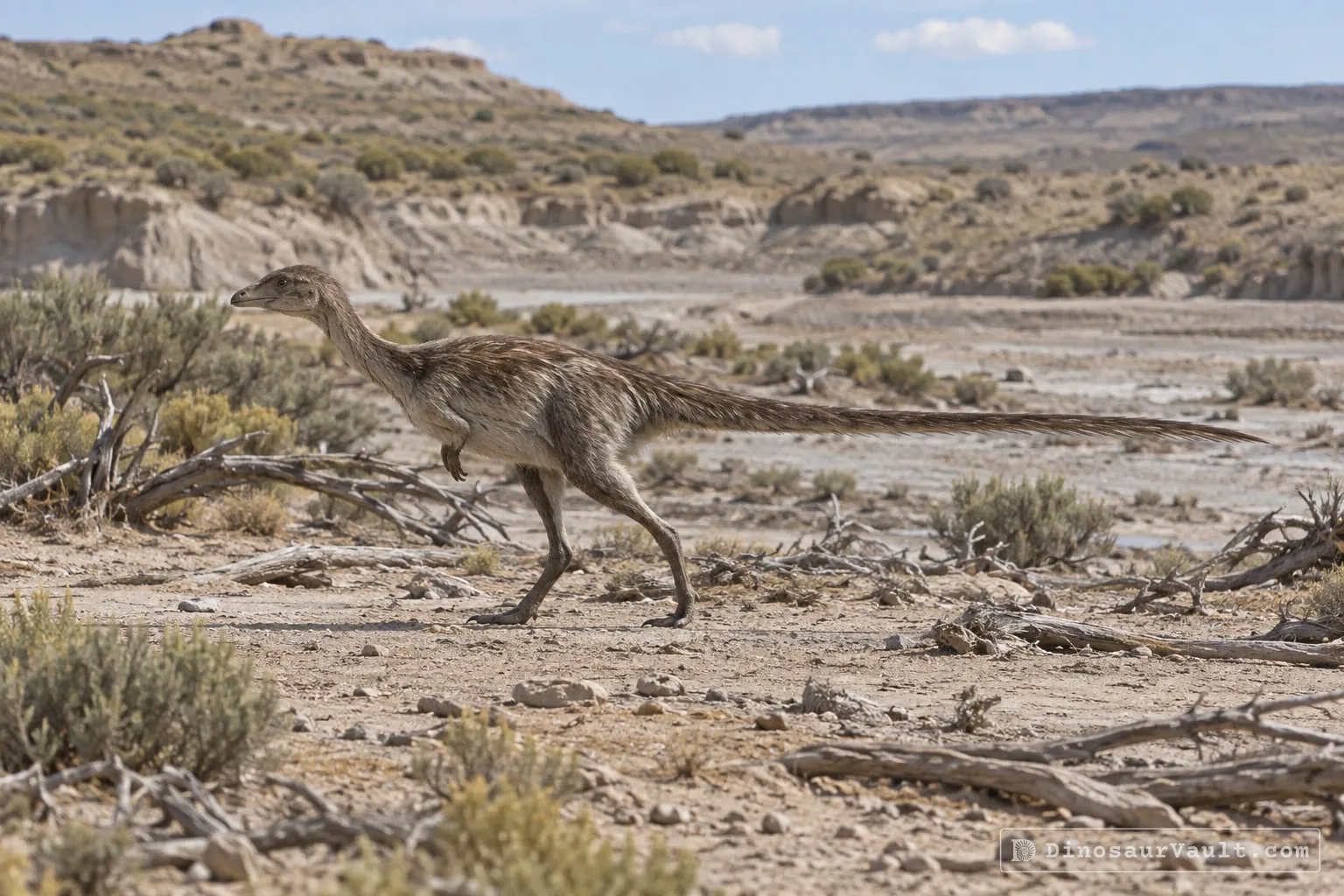
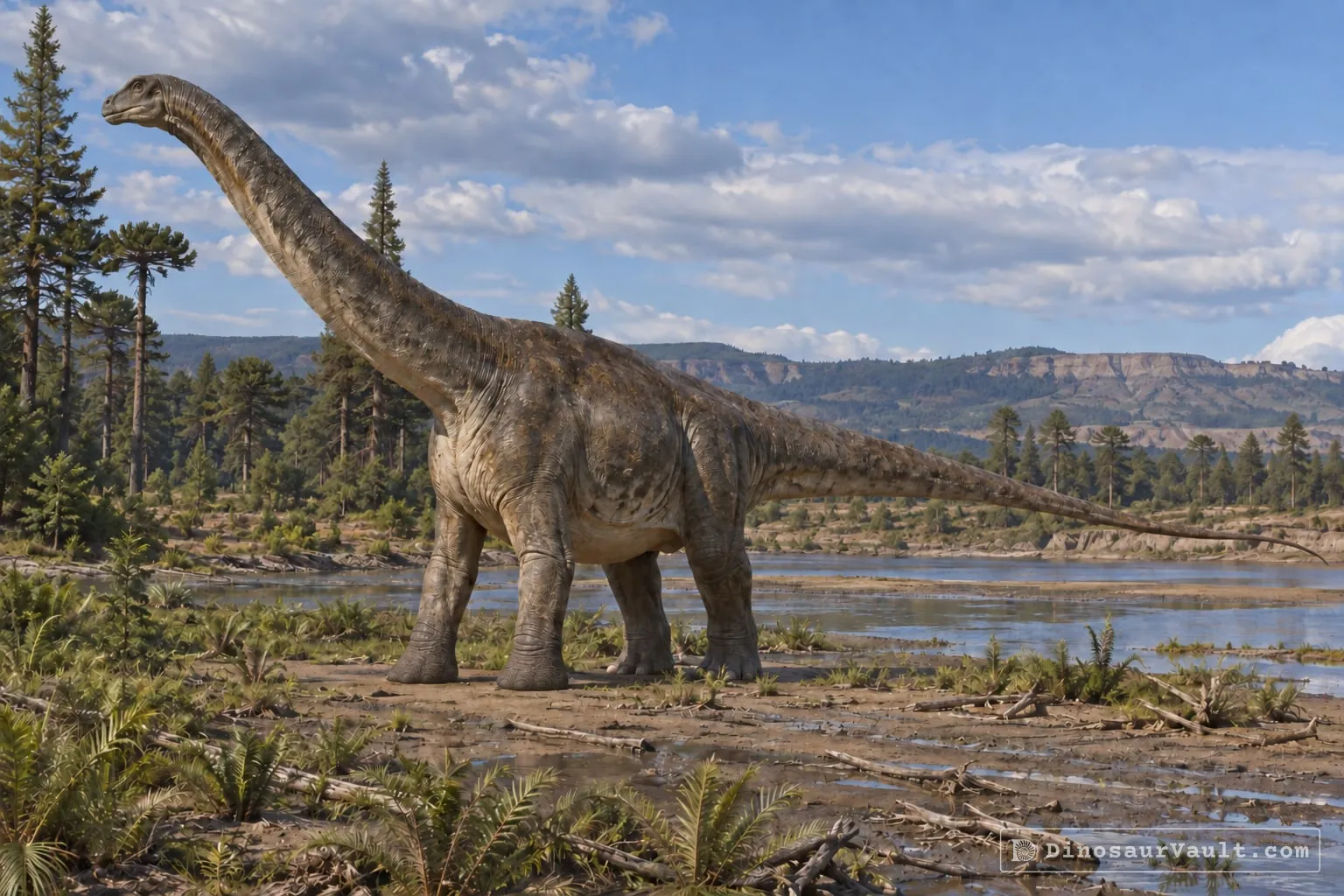
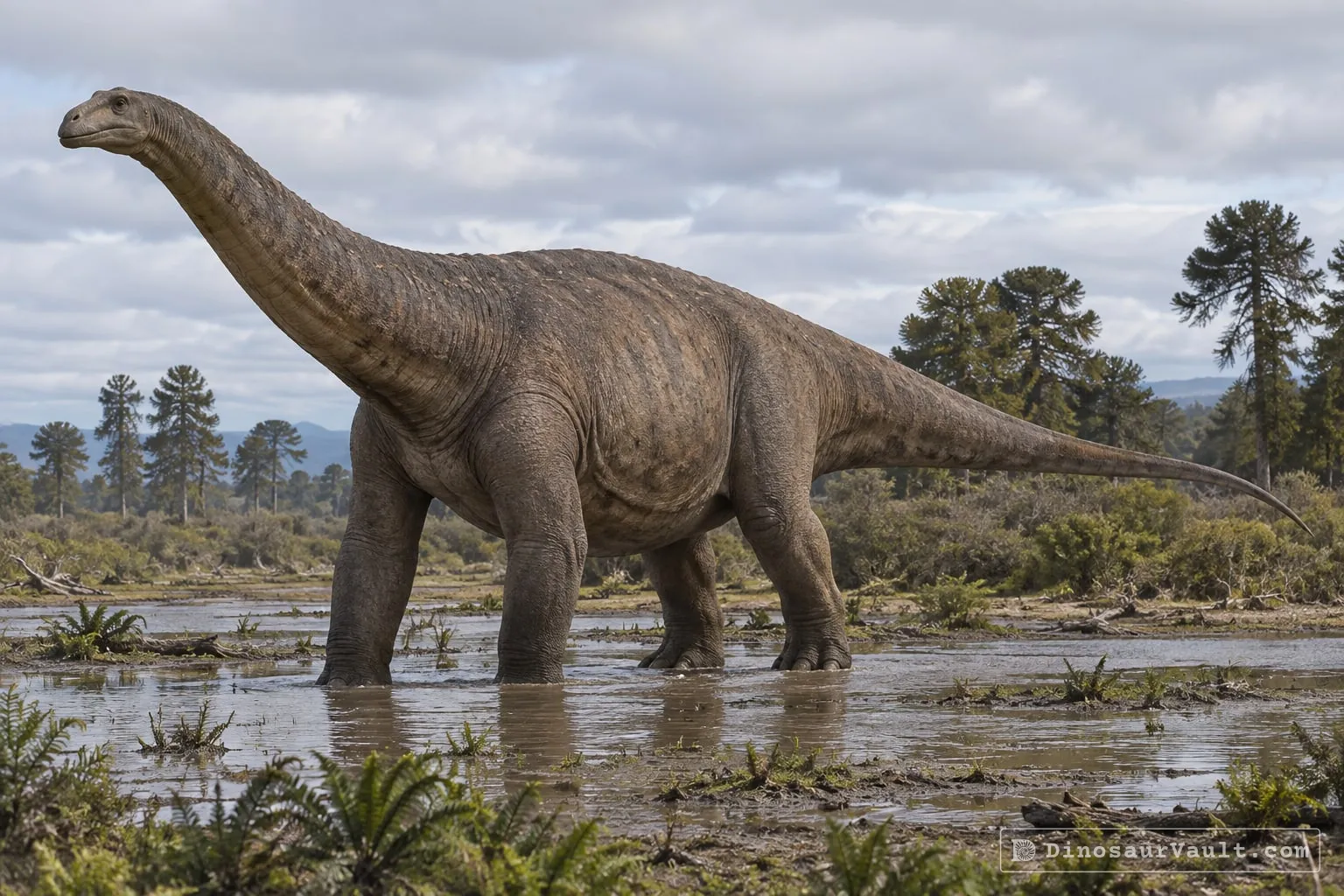
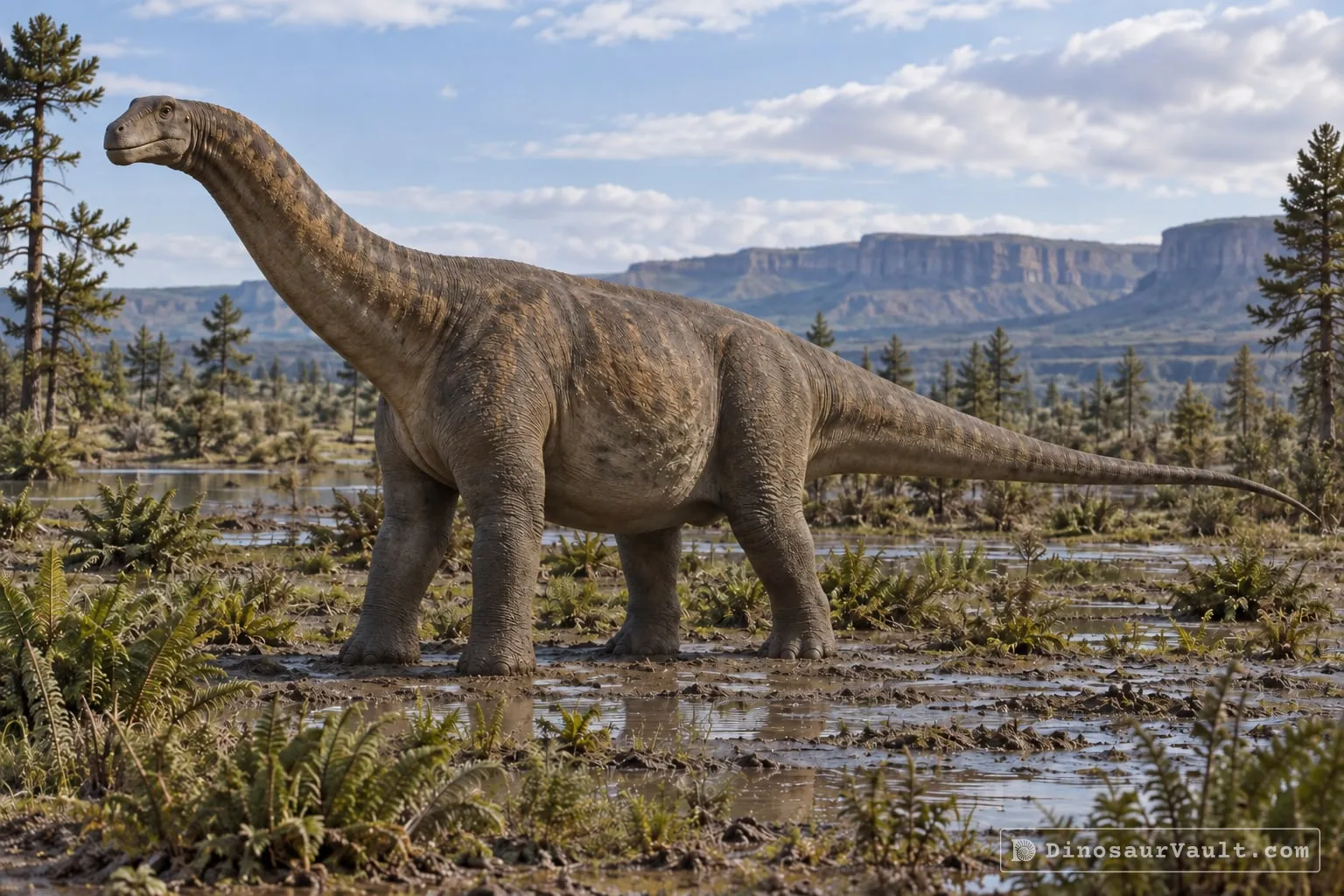
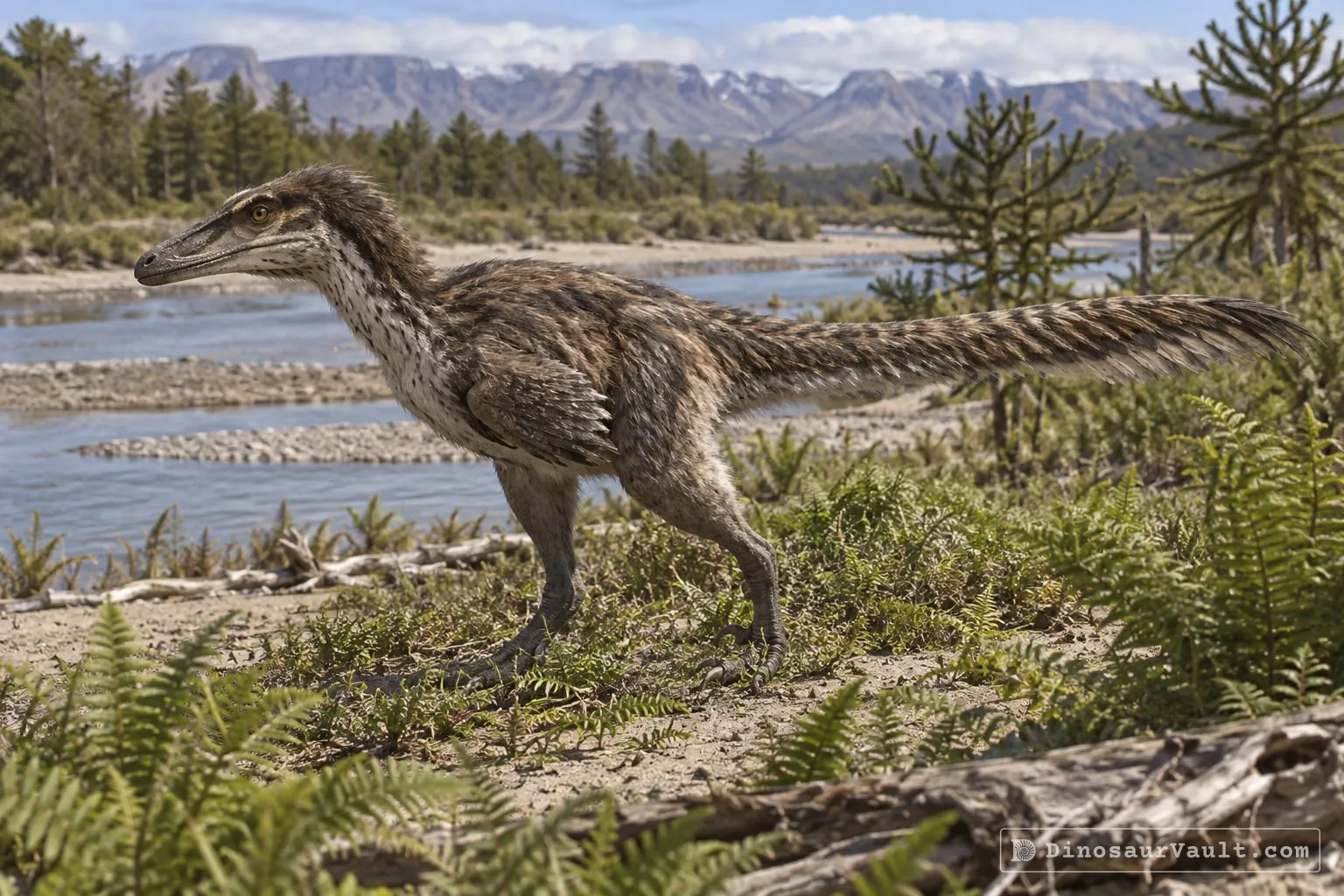
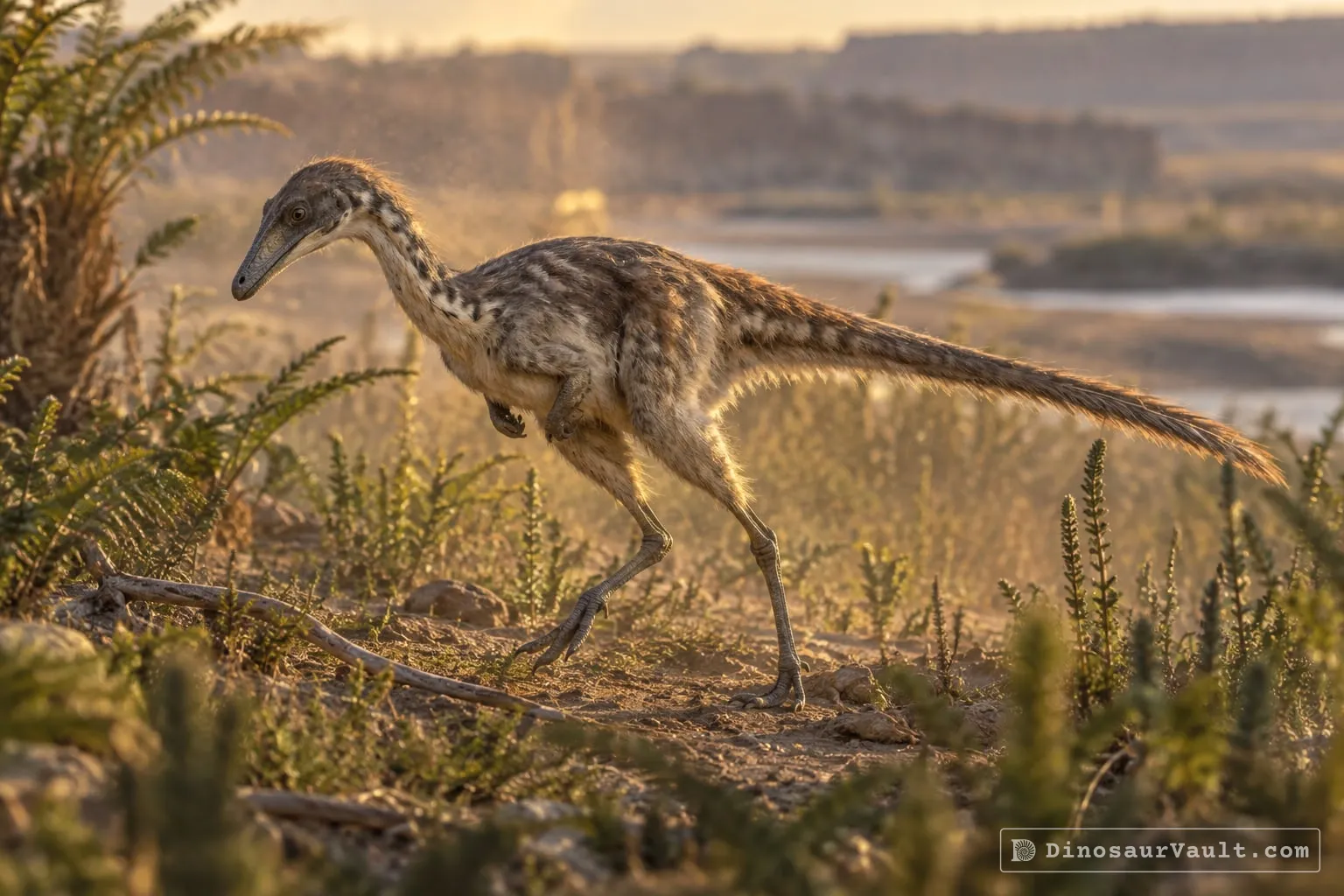


A rock formation can hold fossils laid down millions of years apart, so not every animal here met Tratayenia.
The evidence
The science behind Tratayenia
Which parts of the picture come from its own bones, and which come from its relatives.
From its own fossils
- Its partial skeleton preserves much of the back and hip backbone, ribs and parts of the pelvis.
- Distinctive details of the back bones, hip backbone and pelvis separate it from other megaraptorids.
Borrowed from relatives
- Murusraptor provides a comparison for a low, narrow head.
- Megaraptor provides a model for substantial arms and enlarged, curved hand claws.
- Australovenator provides a model for the missing feet and toes.
Still unknown
- The shape of its own skull and any head ornaments.
- The exact proportions of its arms and the size of its hand claws.
- Its color and body covering.
Often drawn wrong
- The enlarged claws belong on the hands in a megaraptorid restoration, rather than on raised sickle toes like those of Velociraptor.
Discovery timeline
- 2016Close relativeCoria & Currie
- 2016Close relativeWhite et al.
- 2018Named itPorfiri et al.
Key papers
The research behind what we know of Tratayenia
Close relative
Described Murusraptor, including skull and jaw bones that help guide restorations of the missing head of Tratayenia.
A New Megaraptoran Dinosaur (Dinosauria, Theropoda, Megaraptoridae) from the Late Cretaceous of Patagonia. PLOS ONE 11: e0157973
Read the paper : A New Megaraptoran Dinosaur (Dinosauria, Theropoda, Megaraptoridae) from the Late Cretaceous of Patagonia (opens in a new tab)Close relative
Revised the foot anatomy of Australovenator and reconstructed how its toes moved, providing comparisons for the missing feet of Tratayenia.
The pes ofAustralovenator wintonensis(Theropoda: Megaraptoridae): analysis of the pedal range of motion and biological restoration. PeerJ 4: e2312
Read the paper : The pes ofAustralovenator wintonensis(Theropoda: Megaraptoridae): analysis of the pedal range of motion and biological restoration (opens in a new tab)Named it
Named Tratayenia from an associated backbone and pelvis, identifying it as a megaraptorid.
A new megaraptoran theropod dinosaur from the Upper Cretaceous Bajo de la Carpa Formation of northwestern Patagonia. Cretaceous Research 89: 302-319
Read the paper : A new megaraptoran theropod dinosaur from the Upper Cretaceous Bajo de la Carpa Formation of northwestern Patagonia (opens in a new tab)
Close relatives
Other members of Megaraptoridae


Sources: Wikidata