Achillesaurus
"Achilles lizard"
Type species Achillesaurus manazzonei
- Lived
- 86 to 84 million years ago, Late Cretaceous
- Diet
- Carnivore
- Group
- Theropods, Alvarezsauridae
- Found in
- Argentina
- Named by
- Martinelli and Vera 2007
Where its fossils were found
The evidence
Today

80 million years ago
Habitat
The Bajo de la Carpa Formation records sandy river channels, floodplains and dunes. Alvarezsaurus, Tratayenia and Viavenator lived in the same region.
Field notes
About Achillesaurus
What it was like
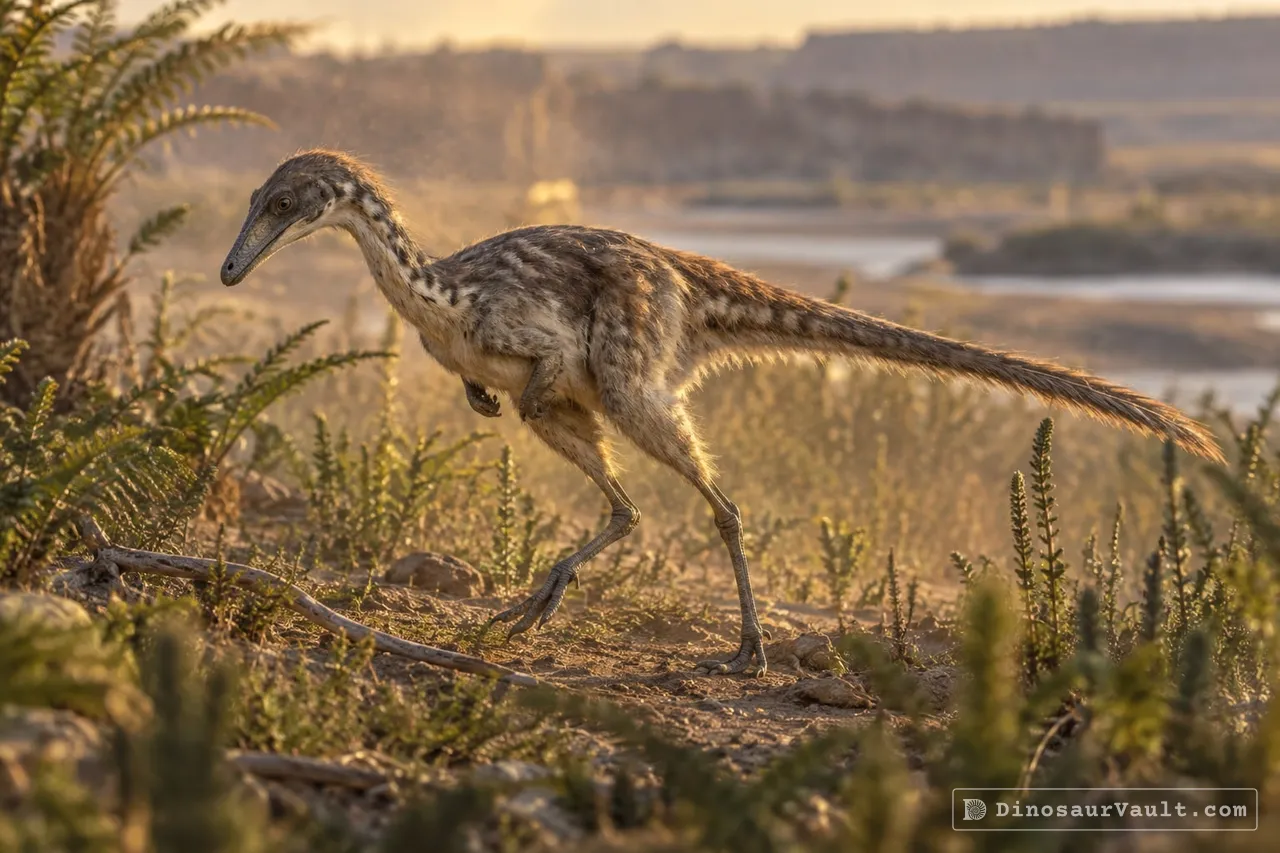
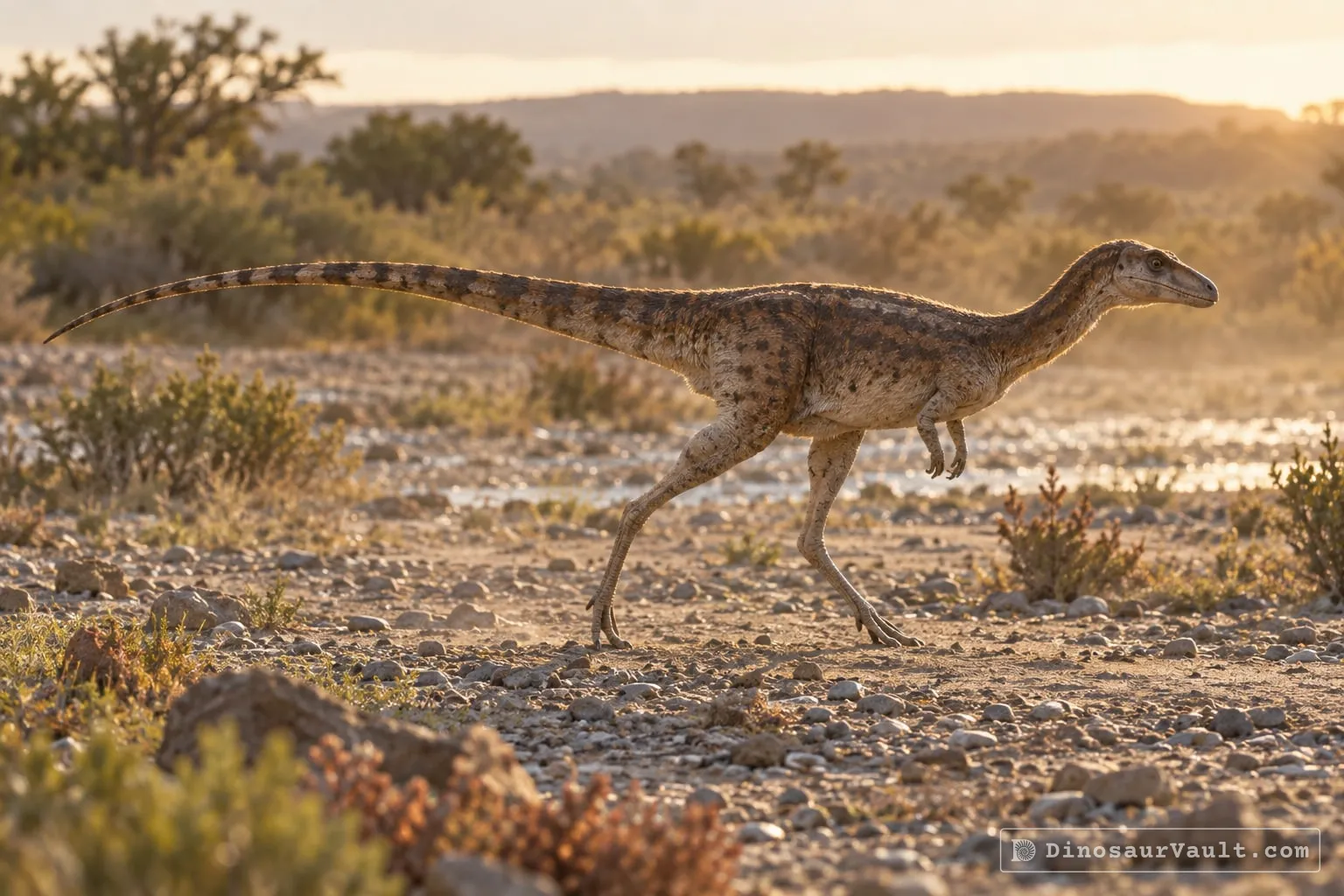
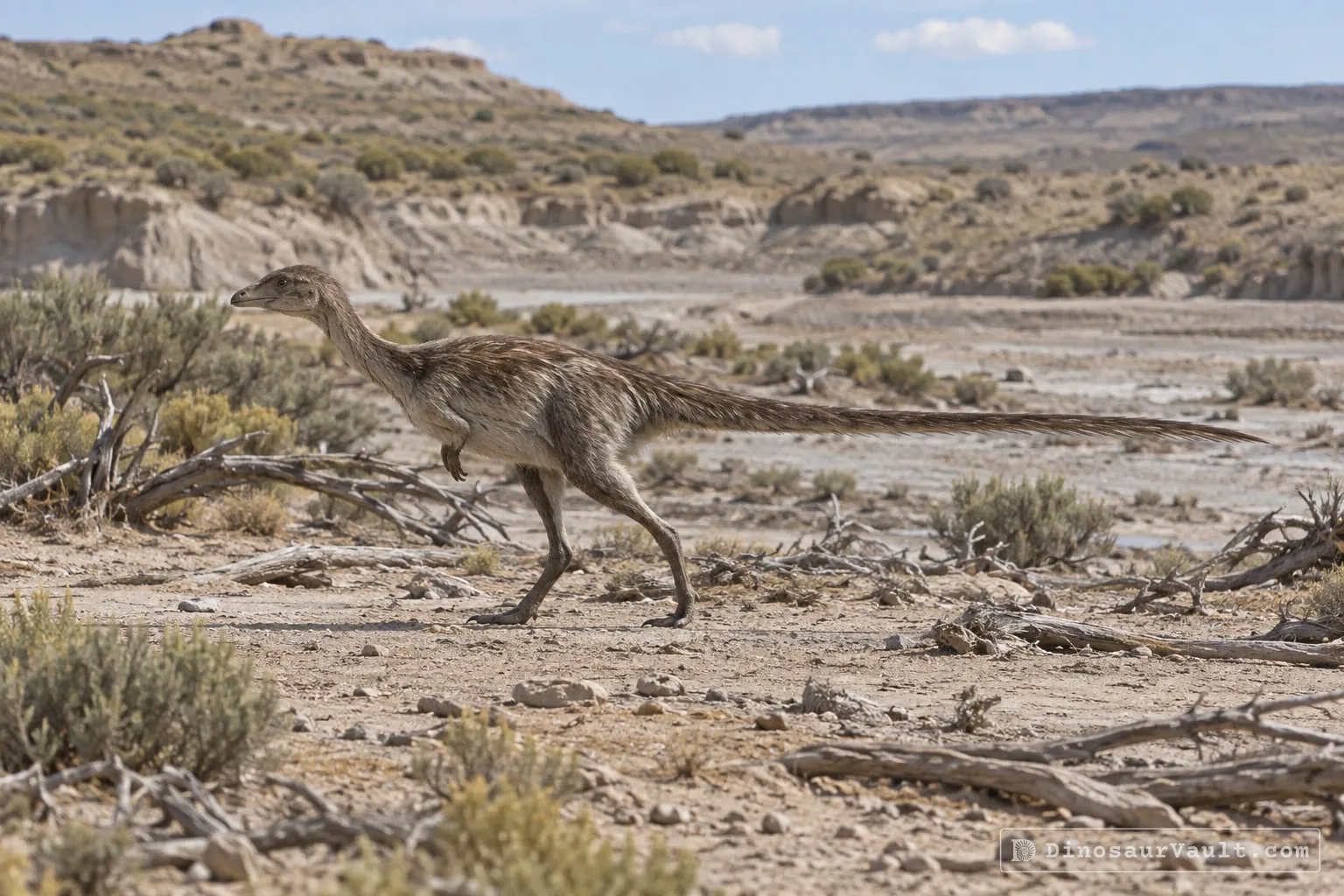
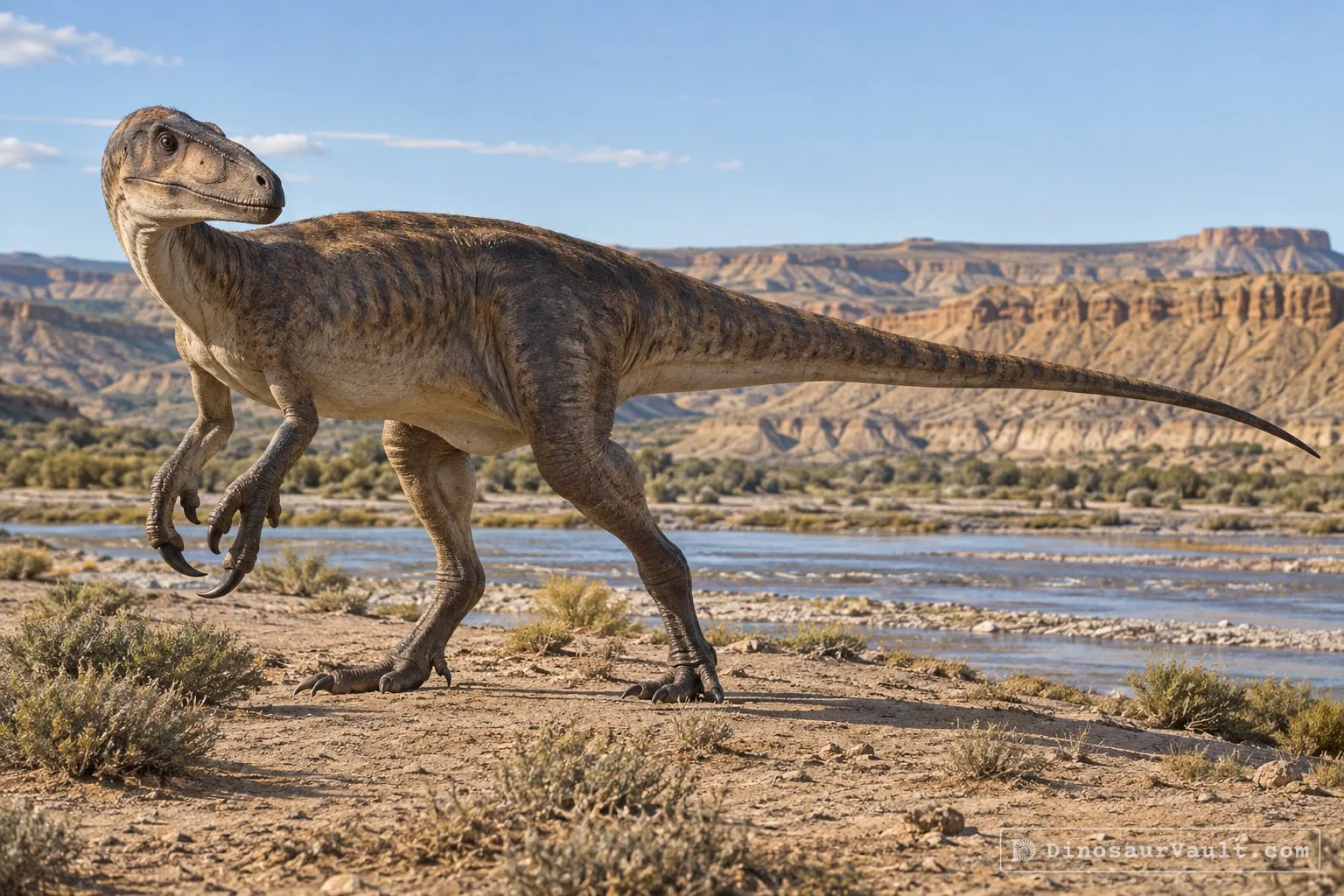
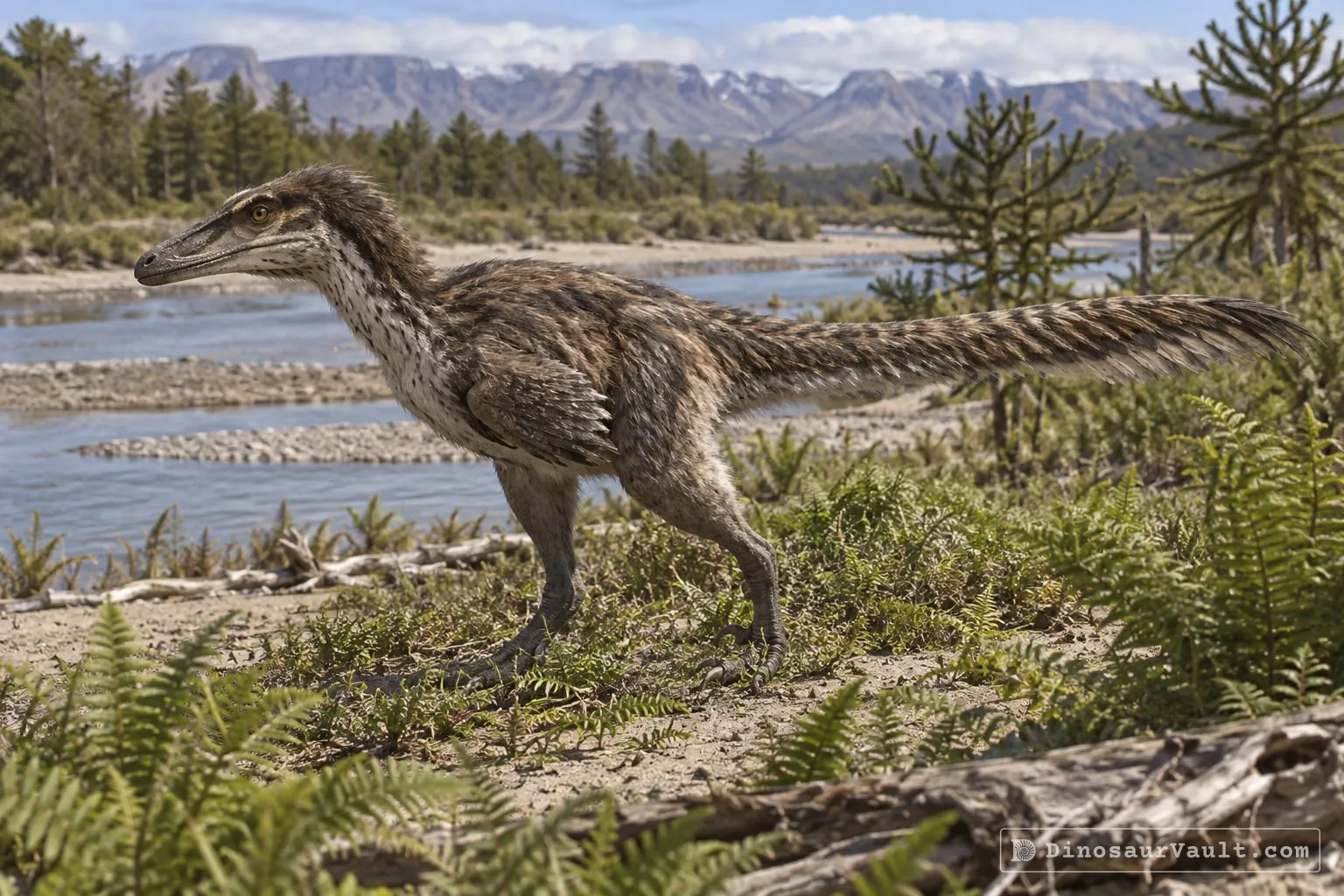
Achillesaurus was an alvarezsaur, a small, long-legged theropod. It is known from part of a leg, hip and tail. Some scientists think it may be the same animal as Alvarezsaurus.
Its world
It lived about 86 to 84 million years ago, in the Late Cretaceous, in what is now Argentina. It comes from the Bajo de la Carpa Formation, where it shared the land with Alvarezsaurus, the megaraptor Tratayenia and the abelisaur Viavenator.
How it was found
Martinelli and Vera named Achillesaurus in 2007. The type species is Achillesaurus manazzonei. Its name refers to the well preserved heel bone.
Field gallery
More views of Achillesaurus
Scenes reconstructed from the available fossil evidence.
Lived alongside
Found in the same rock formations
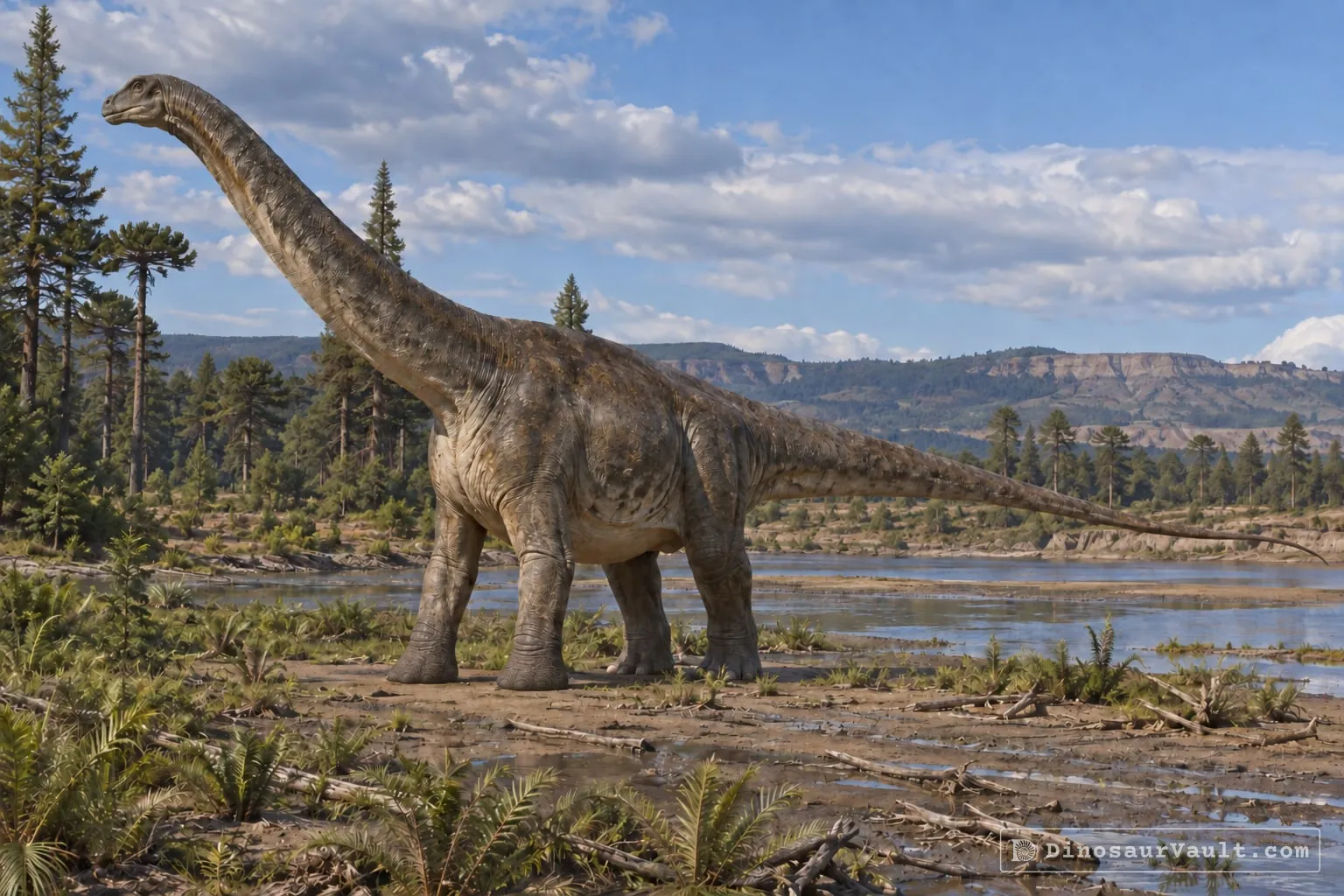
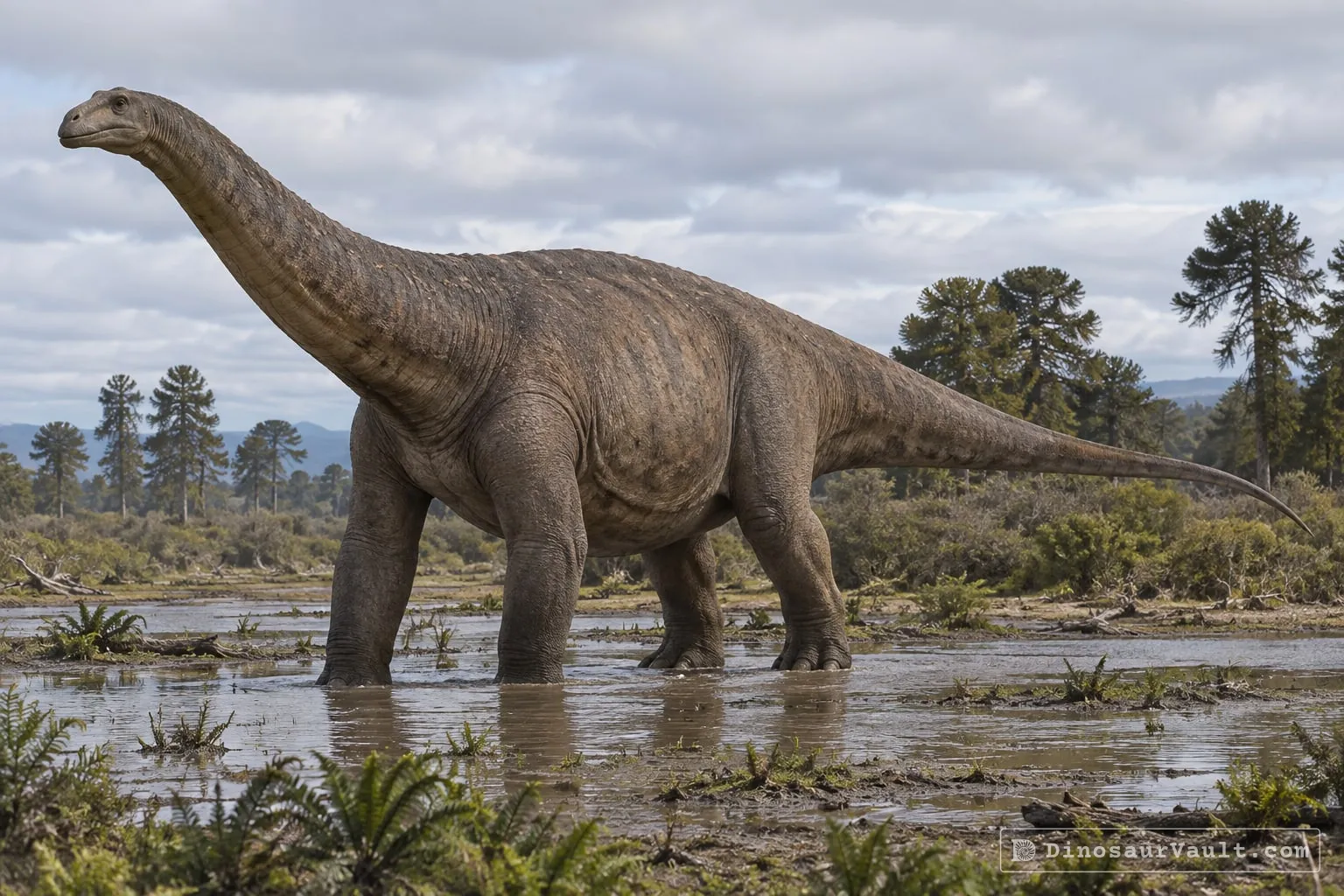
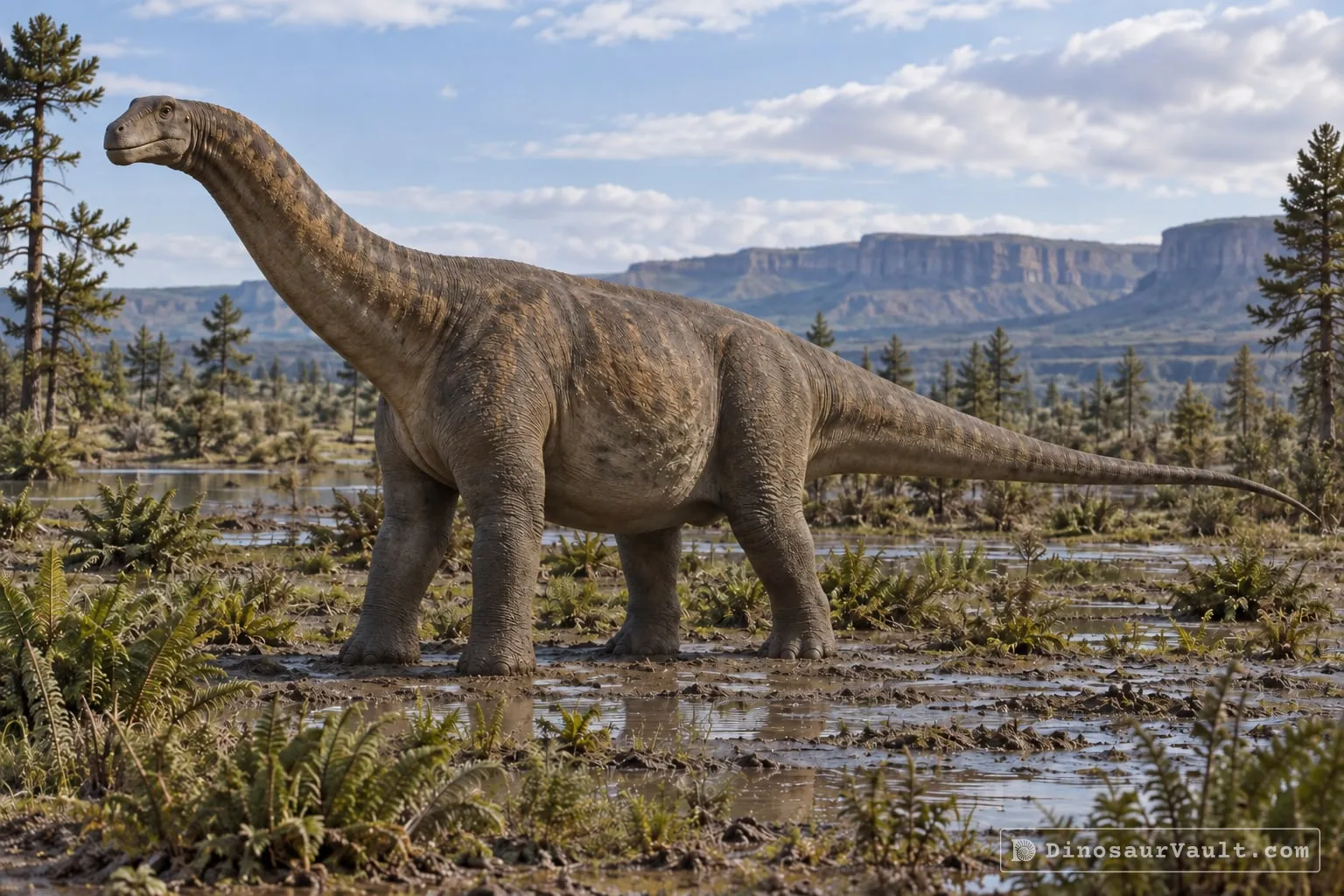
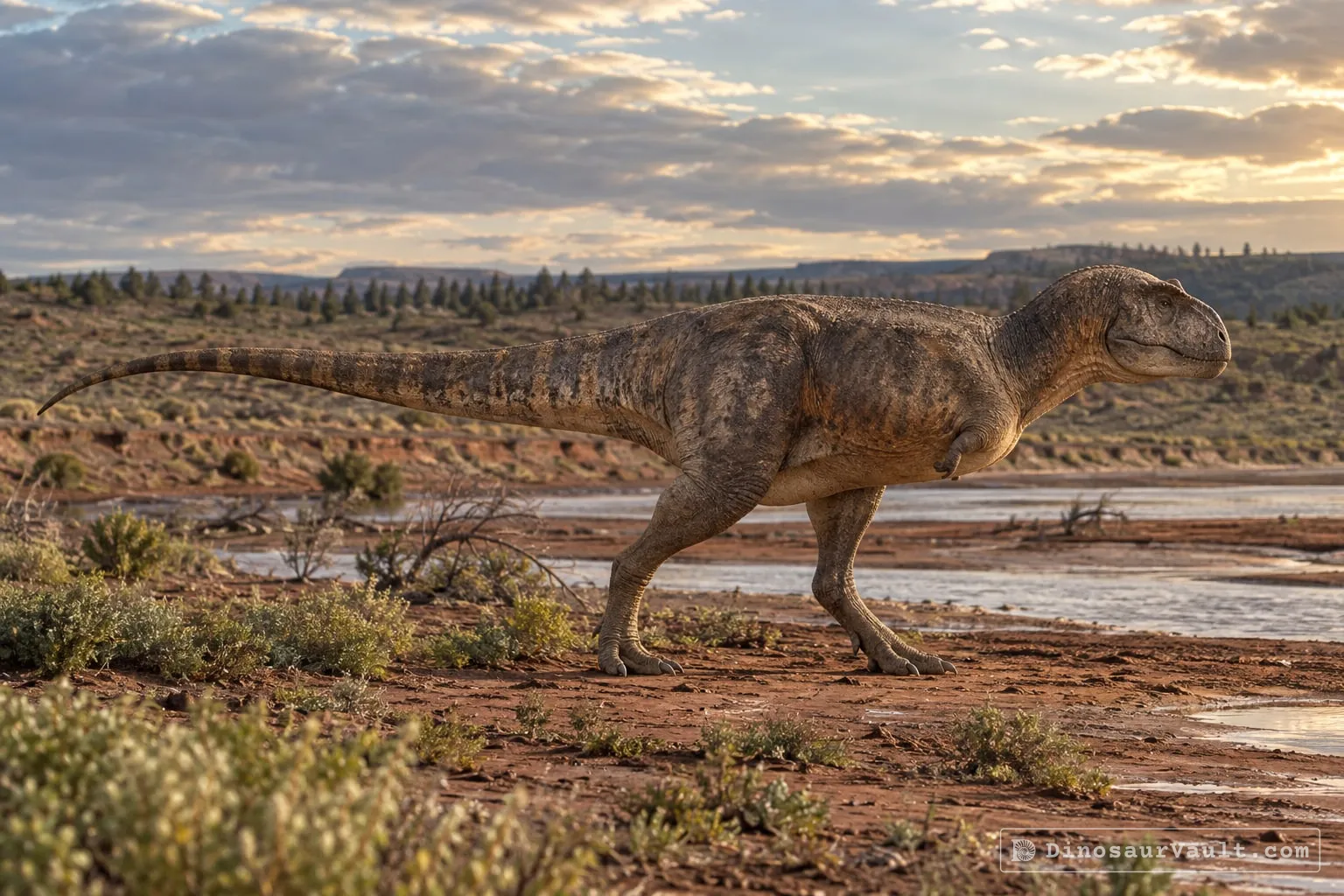


A rock formation can hold fossils laid down millions of years apart, so not every animal here met Achillesaurus.
The evidence
The science behind Achillesaurus
Which parts of the picture come from its own bones, and which come from its relatives.
From its own fossils
- The partial skeleton preserves parts of a hind leg, the hip and the tail.
- A tail vertebra has hollowed joint surfaces at both ends.
- Its ankle bones were separate rather than fused together.
Borrowed from relatives
- The missing head and upper body are restored by comparison with early alvarezsaurs such as Alvarezsaurus.
- Later relatives such as Albertonykus had short arms adapted for digging into insect nests.
Still unknown
- Whether it is a separate genus or the same animal as Alvarezsaurus.
- The shape of its arms and hands.
- Its body covering and color.
Discovery timeline
- 2007Named itMARTINELLI & VERA
- 2009Close relativeLongrich & Currie
- 2012Family treeMakovicky, Apesteguía & Gianechini
Key papers
The research behind what we know of Achillesaurus
Named it
Named an alvarezsaur from hip, leg and tail bones, including a tail vertebra with hollowed joint surfaces at both ends.
Achillesaurus manazzonei, a new alvarezsaurid theropod (Dinosauria) from the Late Cretaceous Bajo de la Carpa Formation, Río Negro Province, Argentina. Zootaxa 1582
Read the paper : Achillesaurus manazzonei, a new alvarezsaurid theropod (Dinosauria) from the Late Cretaceous Bajo de la Carpa Formation, Río Negro Province, Argentina (opens in a new tab)Close relative
Described specialized digging arms in Albertonykus and proposed that it broke into insect nests.
Albertonykus borealis, a new alvarezsaur (Dinosauria: Theropoda) from the Early Maastrichtian of Alberta, Canada: implications for the systematics and ecology of the Alvarezsauridae. Cretaceous Research 30: 239-252
Read the paper : Albertonykus borealis, a new alvarezsaur (Dinosauria: Theropoda) from the Early Maastrichtian of Alberta, Canada: implications for the systematics and ecology of the Alvarezsauridae (opens in a new tab)Family tree
Suggested Achillesaurus might be the same animal as Alvarezsaurus while studying the relationships of Alnashetri.
A New Coelurosaurian Theropod from the La Buitrera Fossil Locality of Río Negro, Argentina. Fieldiana Life and Earth Sciences 5: 90-98
Read the paper : A New Coelurosaurian Theropod from the La Buitrera Fossil Locality of Río Negro, Argentina (opens in a new tab)
Close relatives
Other members of Alvarezsauridae


Sources: Wikidata