Centrosaurus
SEN-troh-SORE-us
"pointed lizard"
- Lived
- 84 to 72 million years ago, Late Cretaceous
- Diet
- Herbivore
- Length
- about 6 m (20 ft)
- Group
- Ceratopsians, Ceratopsidae
- Found in
- Canada and United States
- Named by
- Lambe 1905
Size comparison
To scale


Scale in meters
Where its fossils were found
The evidence
Today

80 million years ago
Habitat
Rivers crossed a low coastal plain in what is now Alberta. Corythosaurus, Euoplocephalus and Gorgosaurus were regional neighbors.
Field notes
About Centrosaurus
What it was like
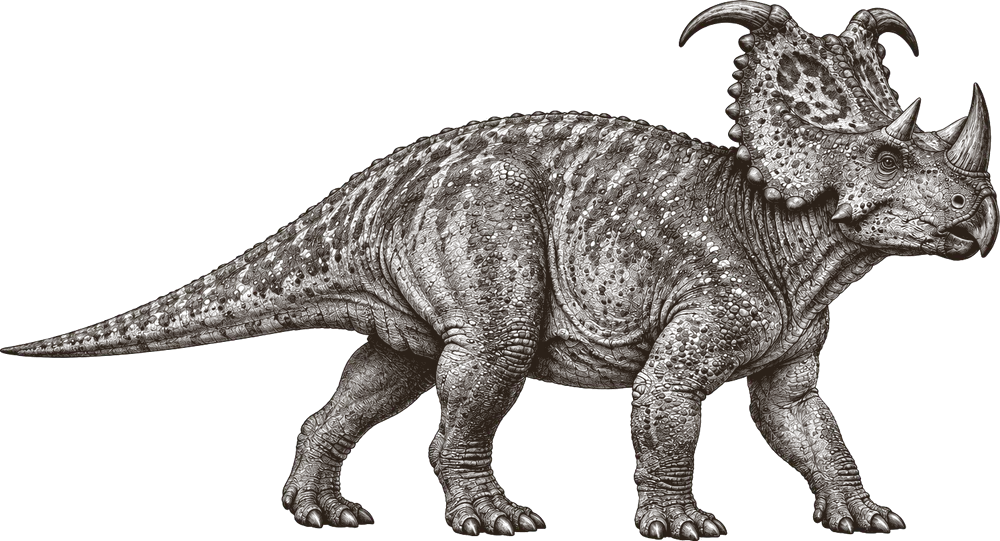
Centrosaurus was a horned dinosaur that grew to about 6 meters (20 feet) long, with a single long horn curving up from its nose and a pair of smaller hooked spikes along the edge of its bony frill. Its name refers to this pointed horn. Centrosaurus moved on four legs, cropped plants with a sharp beak, and ground tough vegetation with rows of shearing teeth further back in its jaws.
Its world
Centrosaurus lived across what is now Alberta, Canada, and neighboring parts of Montana and Colorado in the United States, from about 84 to 72 million years ago. Vast numbers of its bones have been found together in single bonebeds, suggesting that herds sometimes died together, perhaps while crossing a flooded river. It shared its world with hadrosaurs such as Corythosaurus, the armored Euoplocephalus, and predators including Gorgosaurus and Daspletosaurus.
How it was found
Lambe named Centrosaurus in 1905, and it is now known from about 57 separate fossil finds, making it one of the best represented horned dinosaurs. It is closely related to other large-horned ceratopsids such as Styracosaurus and Chasmosaurus.
Field gallery
More views of Centrosaurus
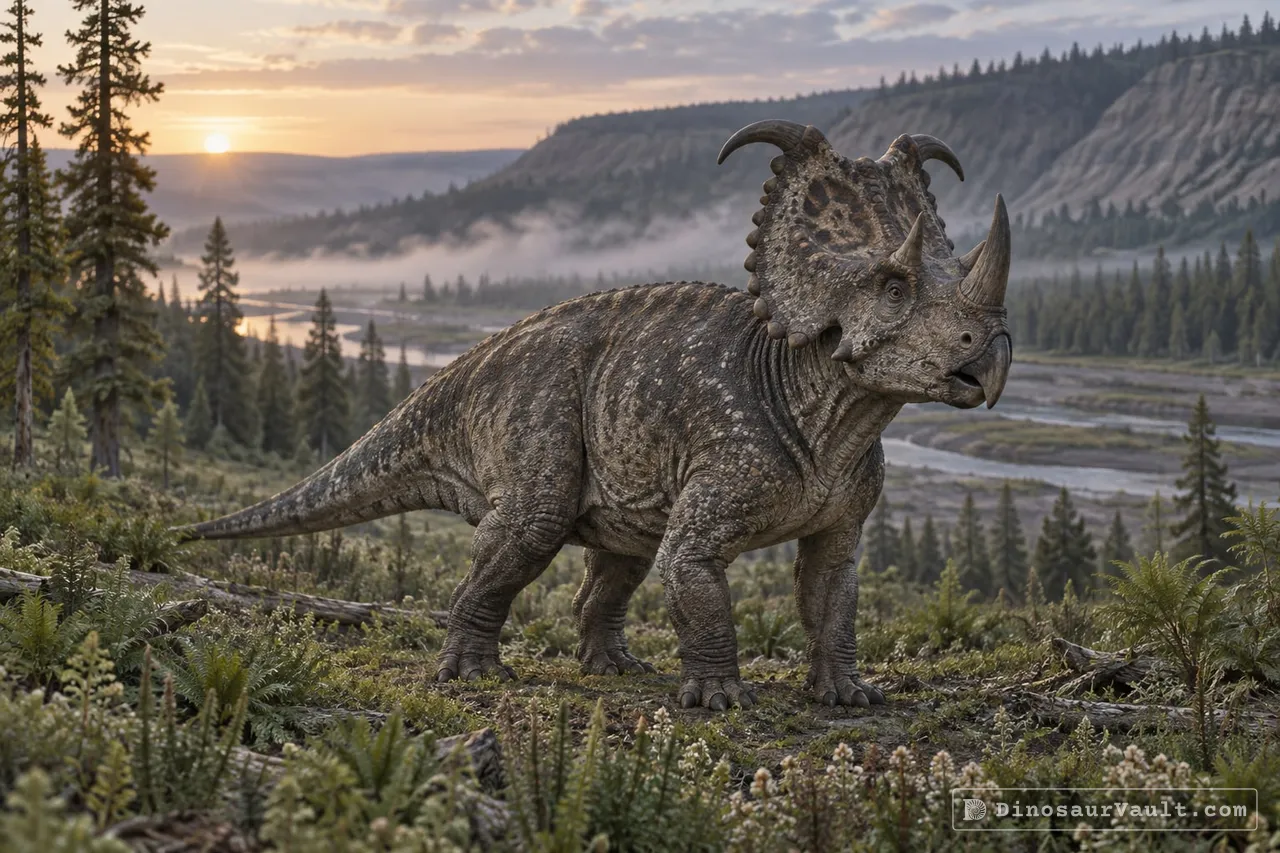
Scenes reconstructed from the available fossil evidence.
1 of 7
Lived alongside
Found in the same rock formations
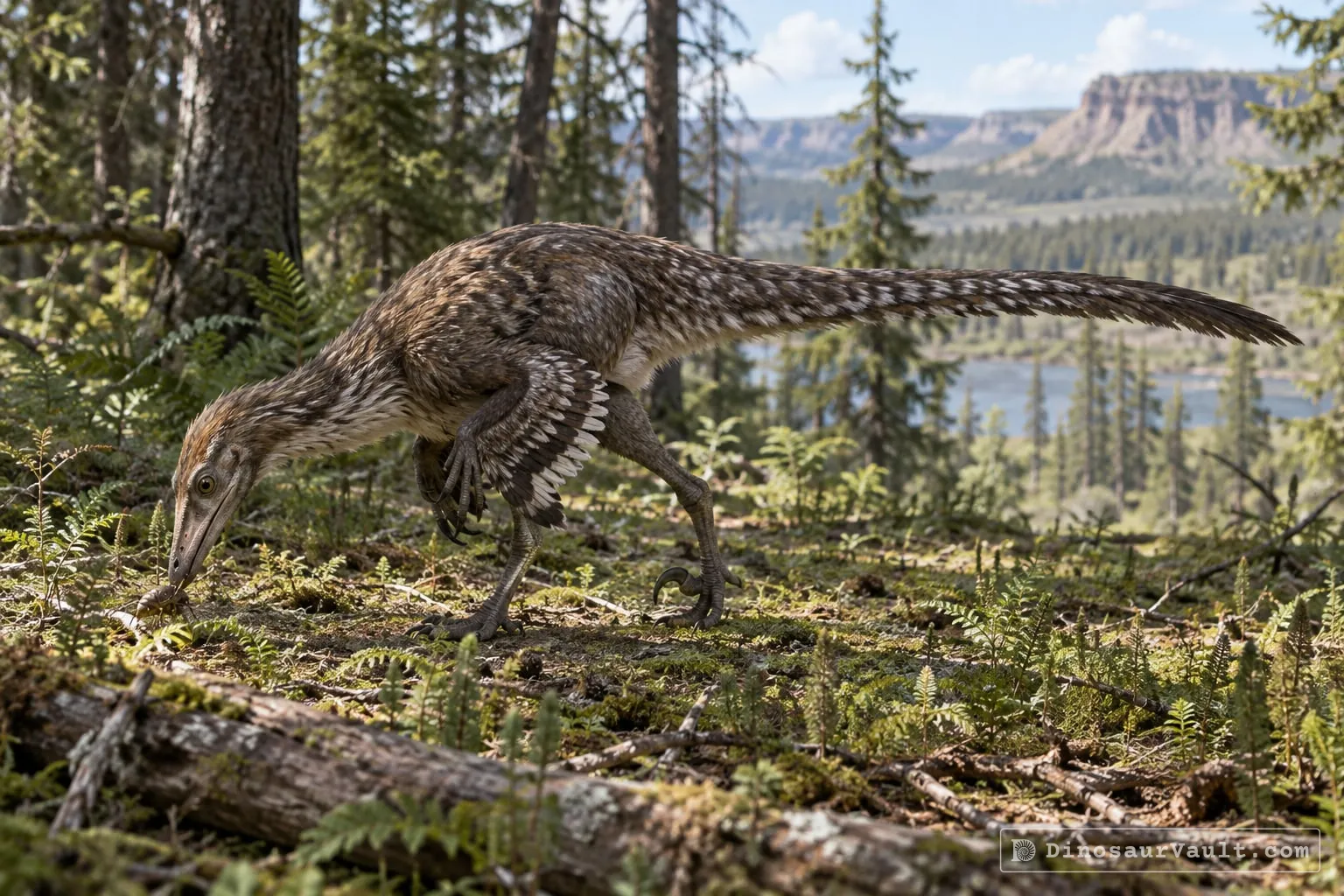
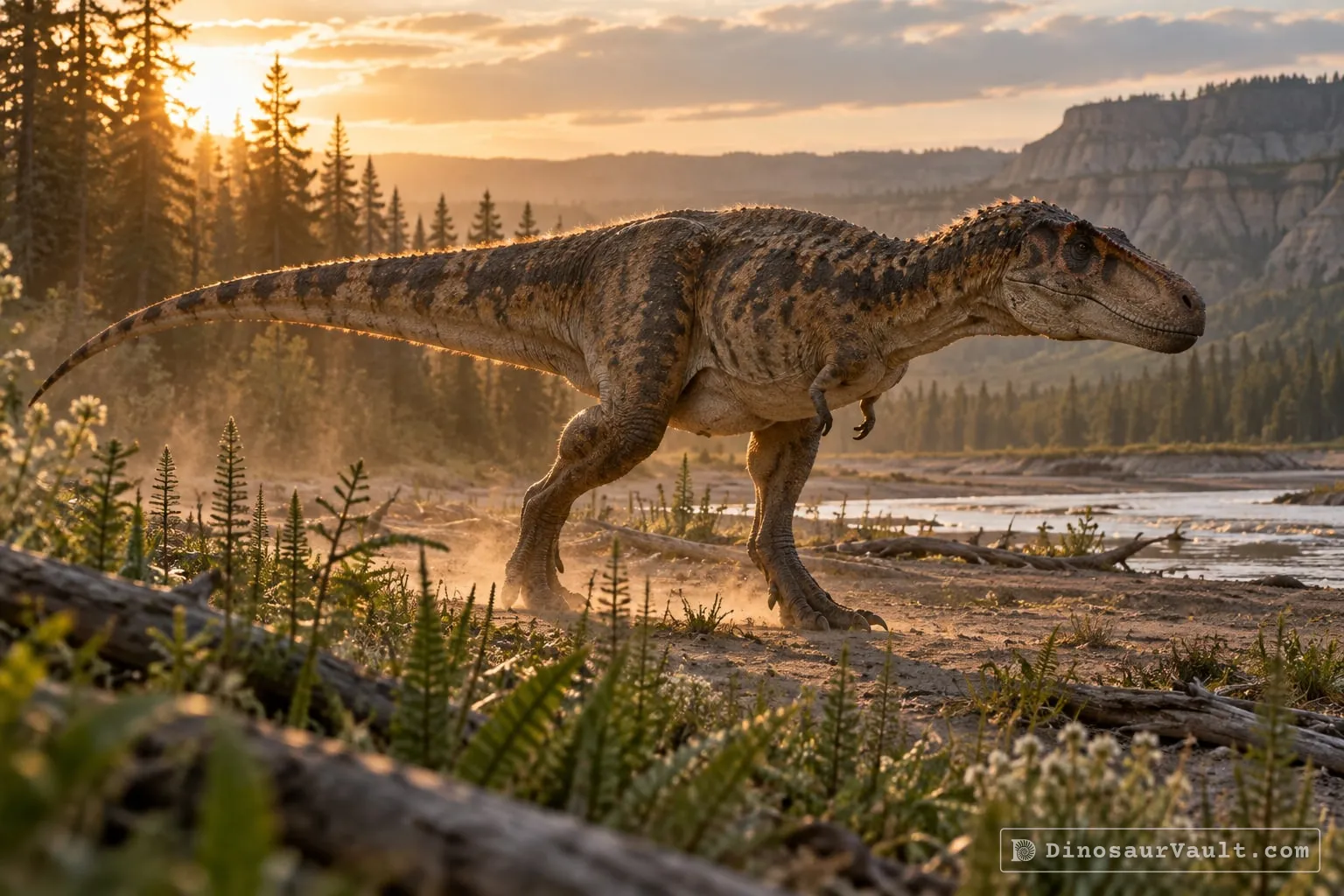
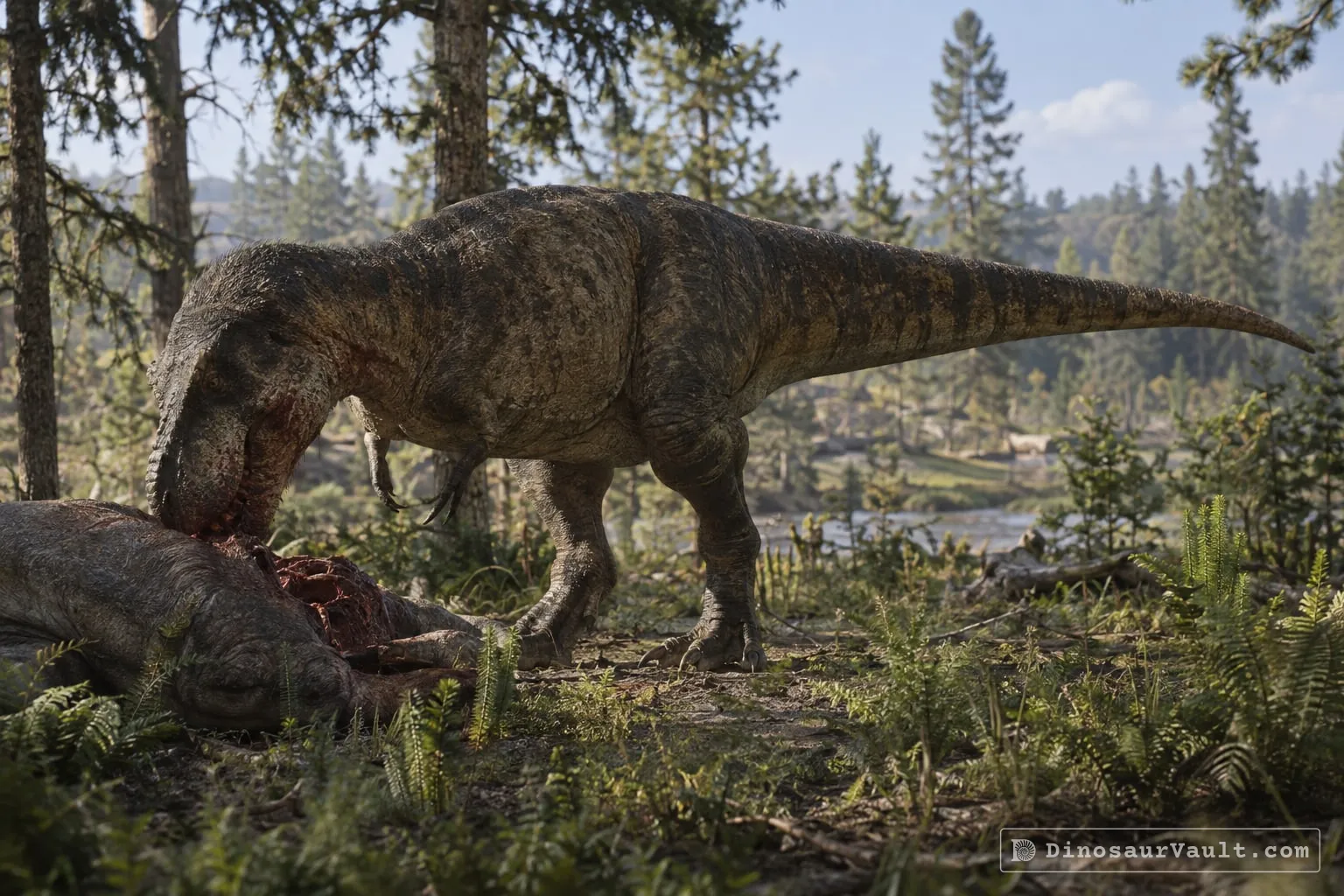
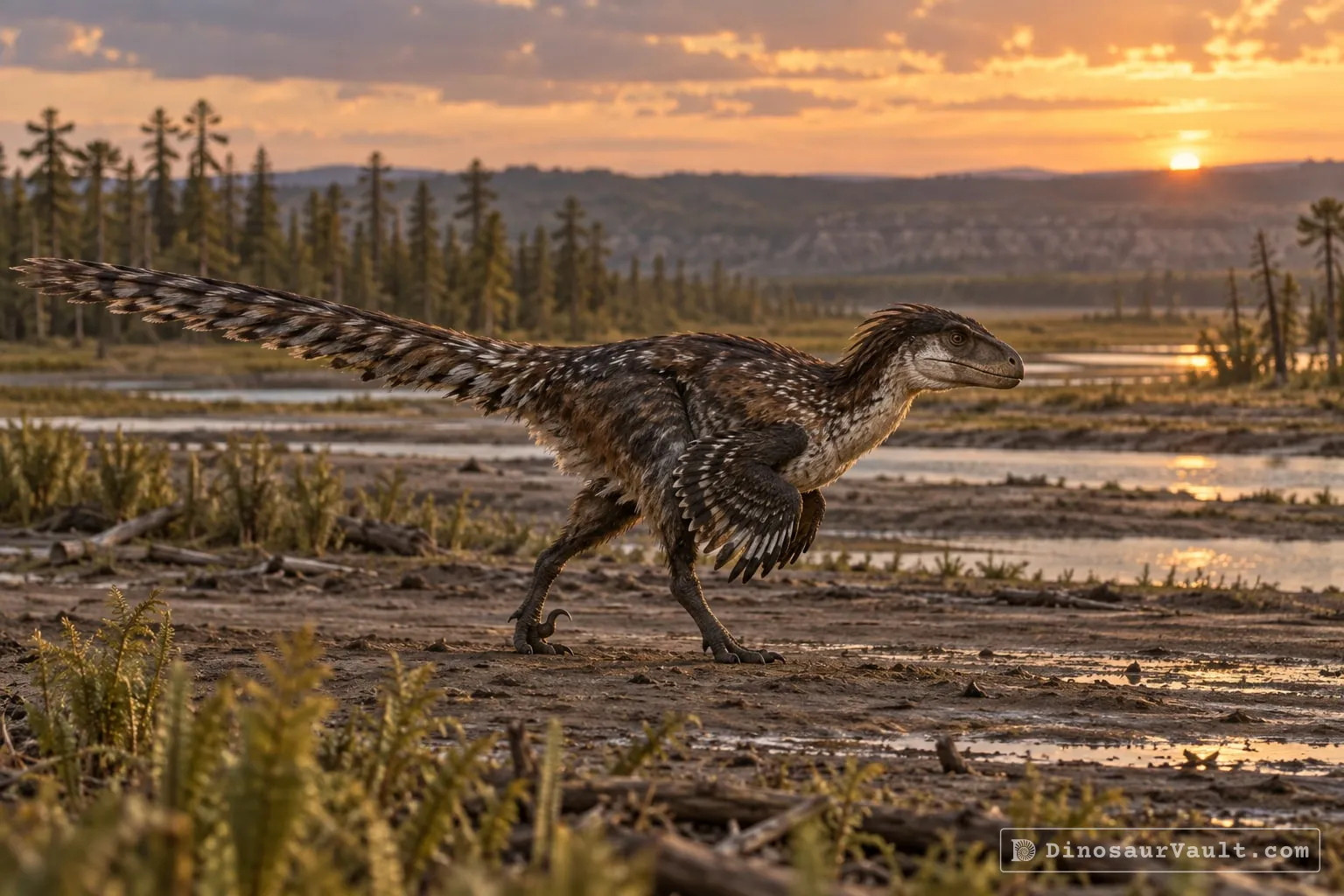
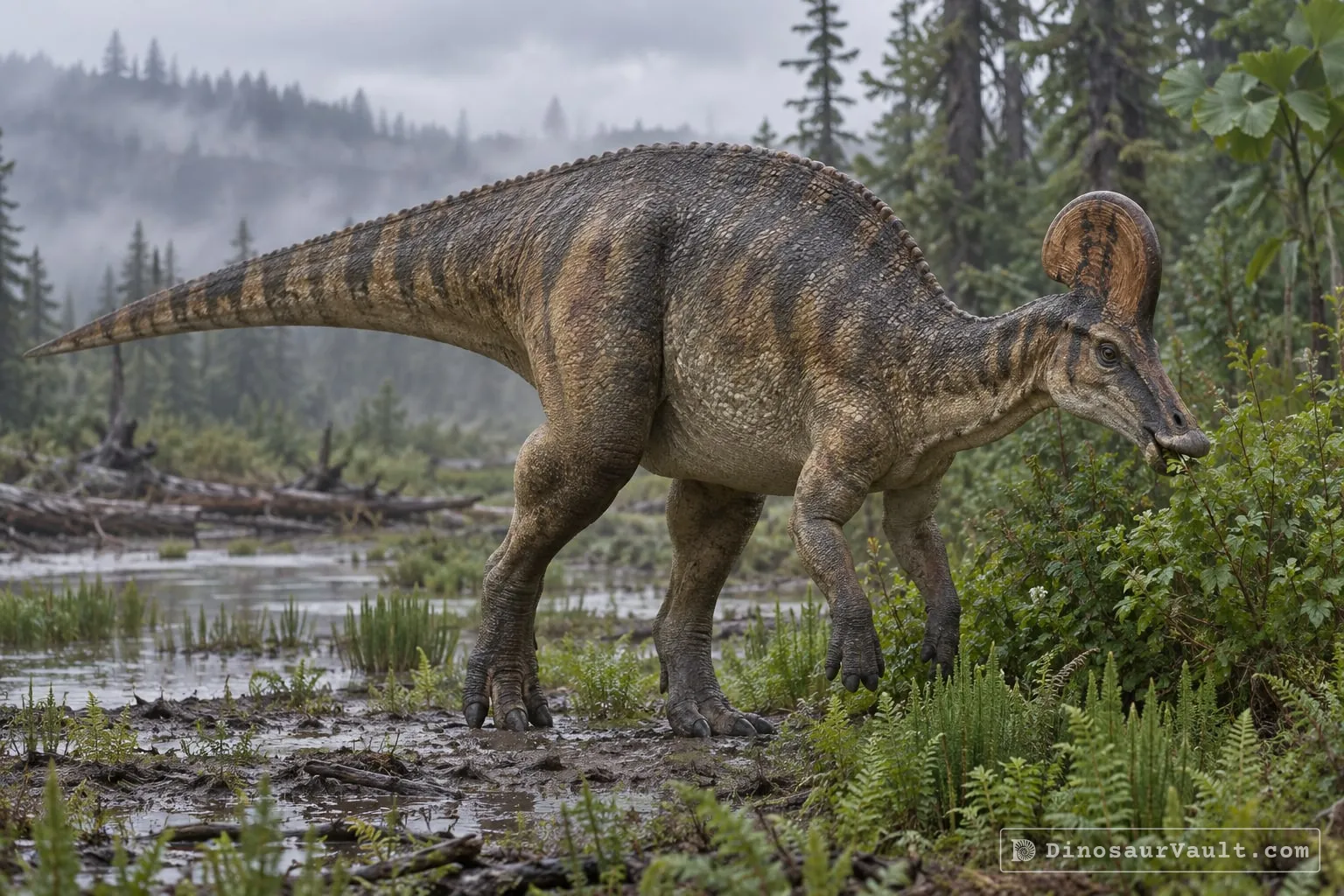
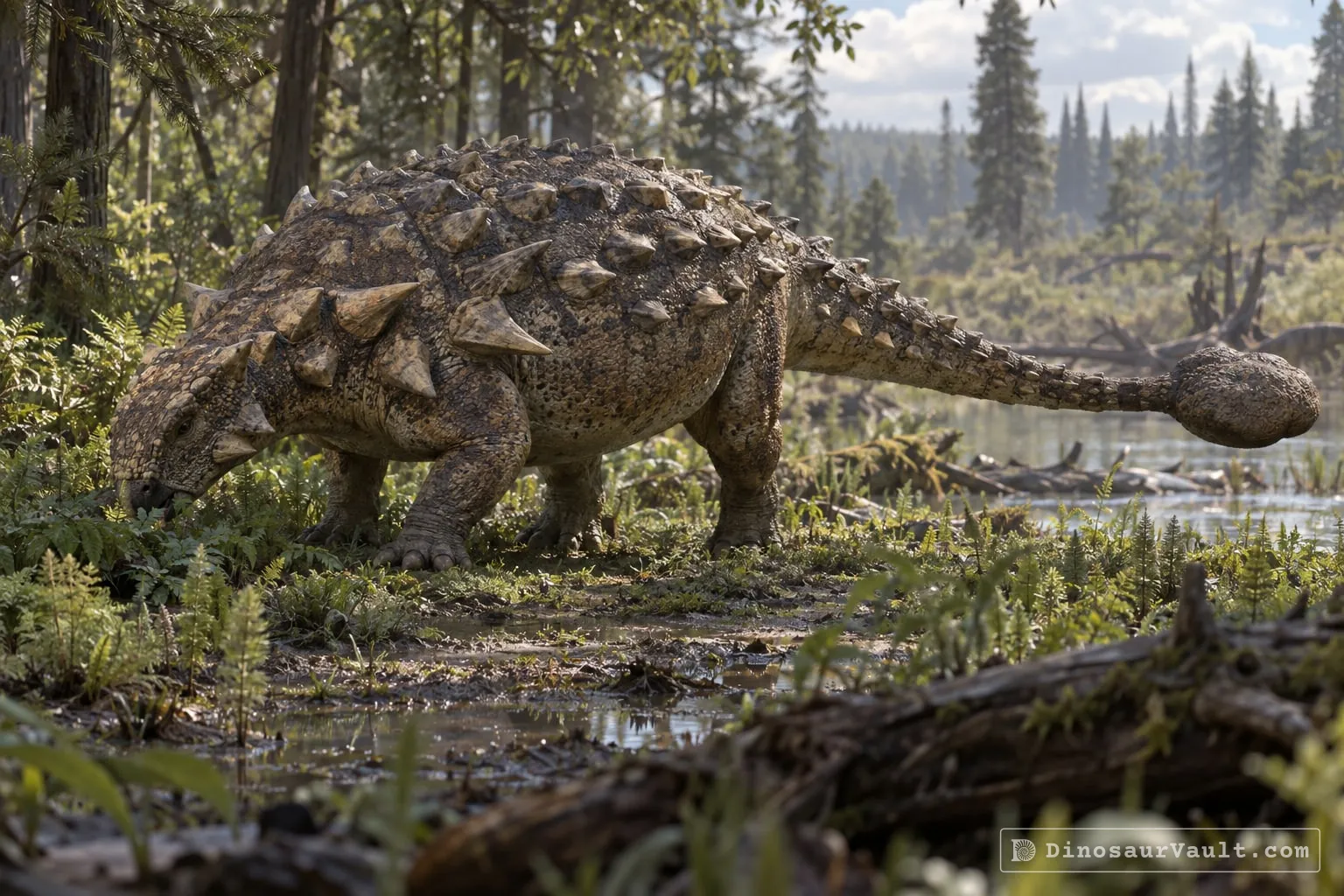


A rock formation can hold fossils laid down millions of years apart, so not every animal here met Centrosaurus.
The evidence
The science behind Centrosaurus
Which parts of the picture come from its own bones, and which come from its relatives.
From its own fossils
- Skulls preserve a prominent nasal horn, low brow bosses and a short frill with inward-curving hooks.
- Skulls of different growth stages show major changes in the horn and frill ornaments.
- Large concentrations of its bones suggest that herds sometimes died together.
Borrowed from relatives
- Almost the whole skeleton is known from its own bones, so little of its body plan needs to be borrowed.
- The outer coverings of the beak and horns are inferred from other horned dinosaurs and living relatives.
Still unknown
- Its color and the exact shape of the horns' outer coverings.
- Whether adults cared for their young.
- Exactly how it used its horn and frill in contests.
Often drawn wrong
- Its main horn rose from the nose; it lacked the long brow horns of Triceratops.
- Young animals had less developed frill hooks and different horn shapes from adults.
Discovery timeline
- 1905Named itLambe
- 2009Close relativeFarke, Wolff & Tanke
- 2014Growing upFrederickson & Tumarkin-Deratzian
- 2020New findEkhtiari et al.
- 2022SkullMallon, Holmes & Rufolo
Key papers
The research behind what we know of Centrosaurus
Named it
Named Centrosaurus from horned dinosaur skull material, emphasizing the distinctive ornamented frill.
On the squamoso-parietal crest of the horned dinosaurs Centrosaurus apertus and Monoclonius canadensis from the Cretaceous of Alberta. Proceedings and Transactions of the Royal Society of Canada, series 2 10: 1-9
No link available
Close relative
Found fewer frill injuries in Centrosaurus than in Triceratops, suggesting different uses of their head ornaments or different fighting styles.
Evidence of Combat in Triceratops. PLoS ONE 4: e4252
Read the paper : Evidence of Combat in Triceratops (opens in a new tab)Growing up
Compared skulls across growth stages and traced changes in the nasal horn, brow ornaments and frill hooks.
Craniofacial ontogeny inCentrosaurus apertus. PeerJ 2: e252
Read the paper : Craniofacial ontogeny inCentrosaurus apertus (opens in a new tab)New find
Diagnosed malignant bone cancer in a Centrosaurus lower leg bone using scans and microscopic examination.
First case of osteosarcoma in a dinosaur: a multimodal diagnosis. The Lancet Oncology 21: 1021-1022
Read the paper : First case of osteosarcoma in a dinosaur: a multimodal diagnosis (opens in a new tab)Skull
Studied unusual Centrosaurus frills and proposed that the central ornaments began as separate bones that fused to the frill during growth.
Development and homology of the medial parietal ornamentation in centrosaurine ceratopsids (Dinosauria, Ornithischia). Journal of Vertebrate Paleontology 42
Read the paper : Development and homology of the medial parietal ornamentation in centrosaurine ceratopsids (Dinosauria, Ornithischia) (opens in a new tab)
Close relatives
Other members of Ceratopsidae


Sources: Wikidata