Sinoceratops
SY-no-SEH-ruh-tops
"Chinese horned face"
Type species Sinoceratops zhuchengensis
- Lived
- 84 to 72 million years ago, Late Cretaceous
- Diet
- Herbivore
- Group
- Ceratopsians, Ceratopsidae
- Found in
- China
- Named by
- Xu et al. 2010
Where its fossils were found
The evidence
Today

80 million years ago
Habitat
It probably lived on a river floodplain with seasonal changes in rainfall. The Hongtuya Formation also contains Shantungosaurus and Zhuchengtyrannus.
Field notes
About Sinoceratops
What it was like
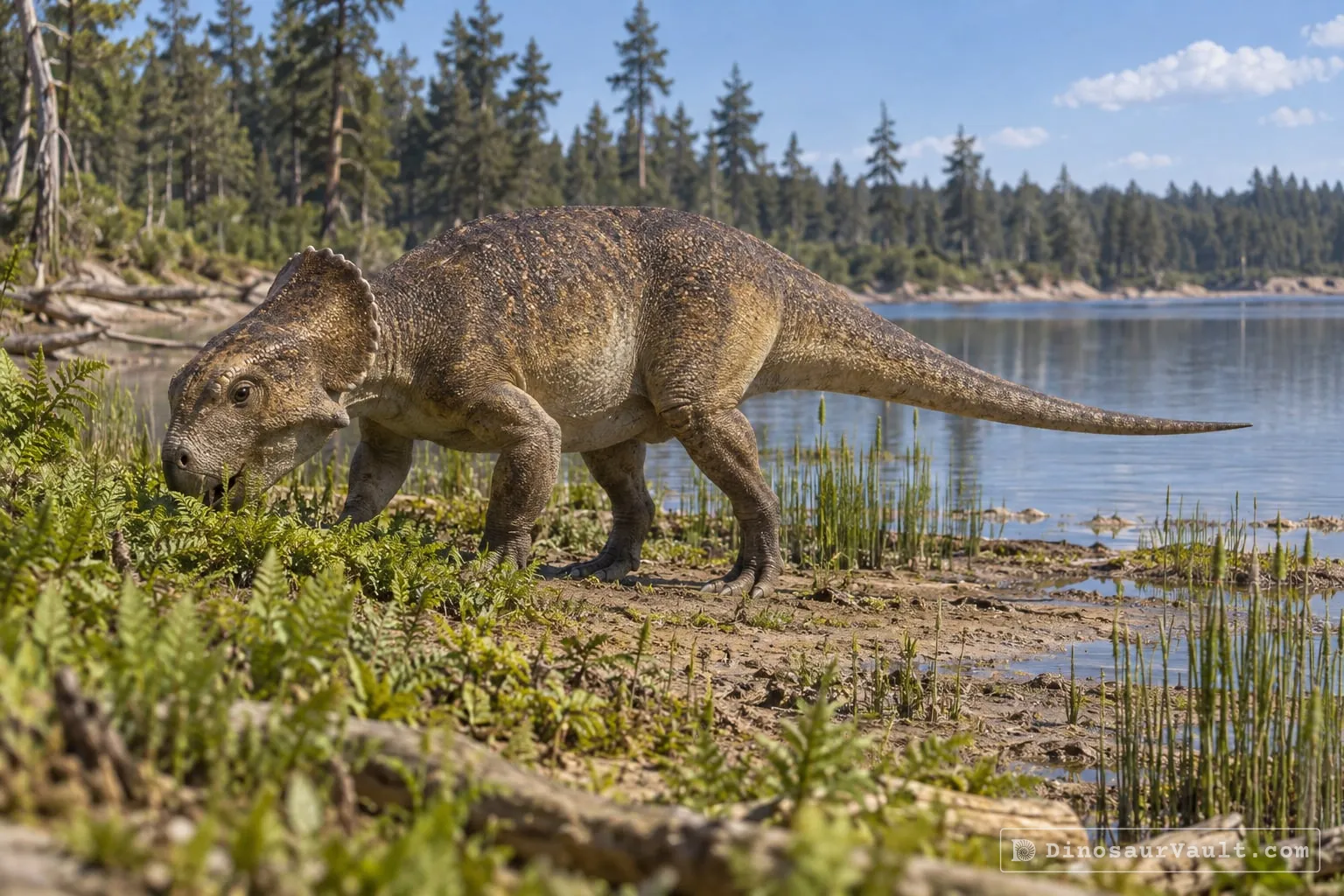
Sinoceratops was a large, four-legged plant eater with a broad, bony frill and a row of short horns curling forward along its edge, along with a single horn on its nose. Its build was sturdy and its size was fairly typical for a ceratopsid, the group that also includes Triceratops.
It is the only ceratopsid dinosaur known from Asia. All its close relatives, including Triceratops, Styracosaurus, and Centrosaurus, come from fossil beds in North America, making Sinoceratops important evidence that this group of horned dinosaurs once crossed between the continents.
Its world
Sinoceratops lived from about 84 to 72 million years ago, in the Late Cretaceous, in what is now China. Its remains come from the Hongtuya Formation.
It shared this world with the huge duck-billed Shantungosaurus, the tyrannosaur Zhuchengtyrannus, and smaller dinosaurs including the horned Zhuchengceratops and the armored Sinankylosaurus.
How it was found
Xu and colleagues named Sinoceratops in 2010, giving it the species name Sinoceratops zhuchengensis. It is known from a single find, but that discovery filled a long-standing gap, since no ceratopsid had ever been confirmed outside North America before.
Field gallery
More views of Sinoceratops
Scenes reconstructed from the available fossil evidence.
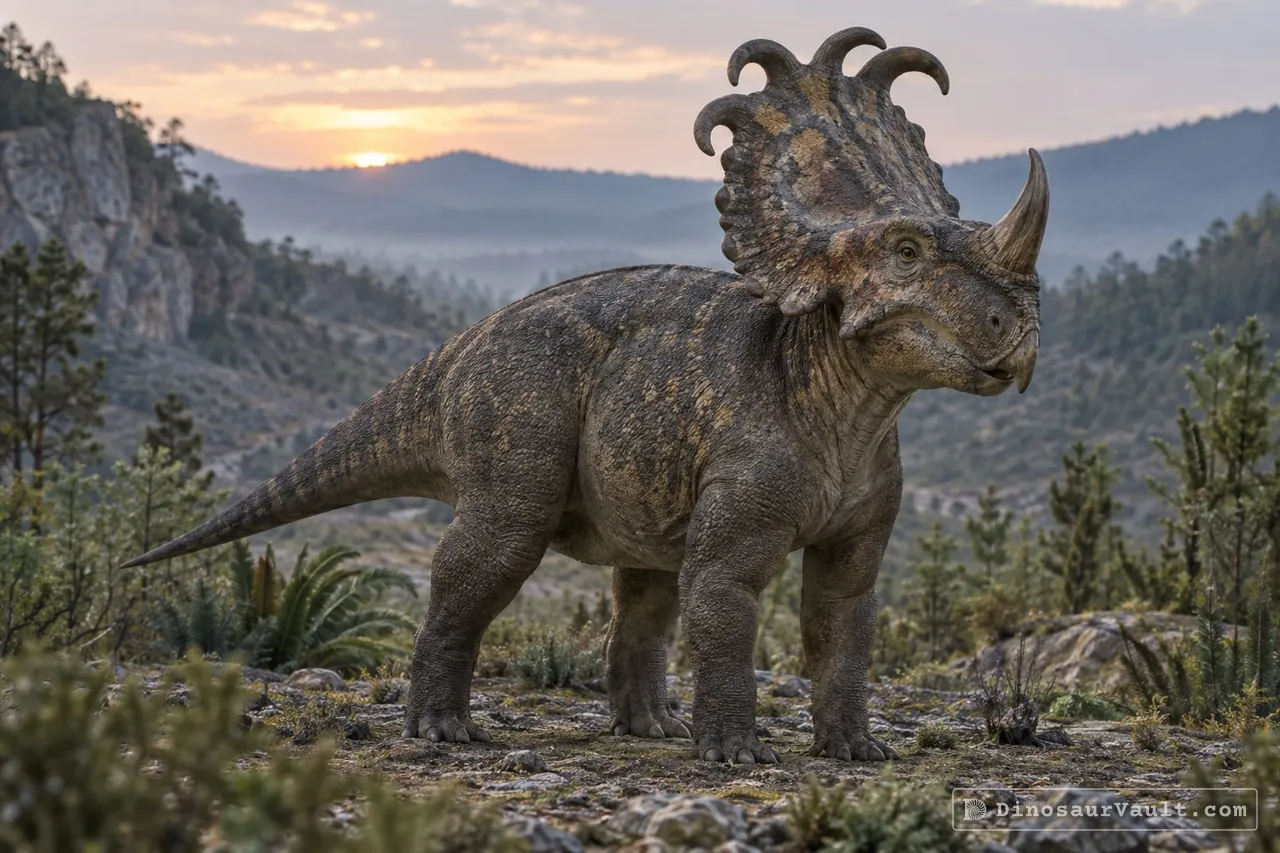
1 of 7
Lived alongside
Found in the same rock formations
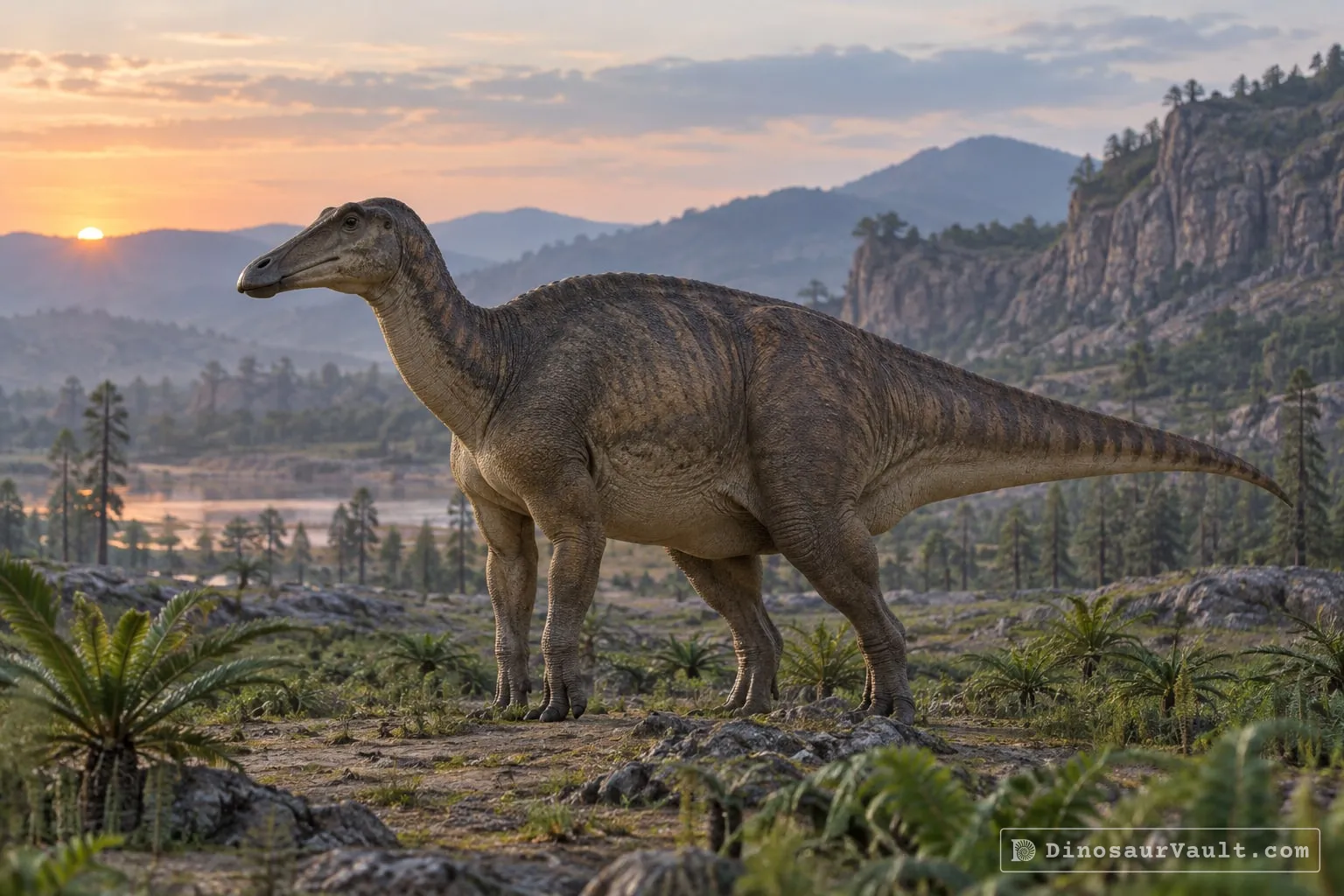
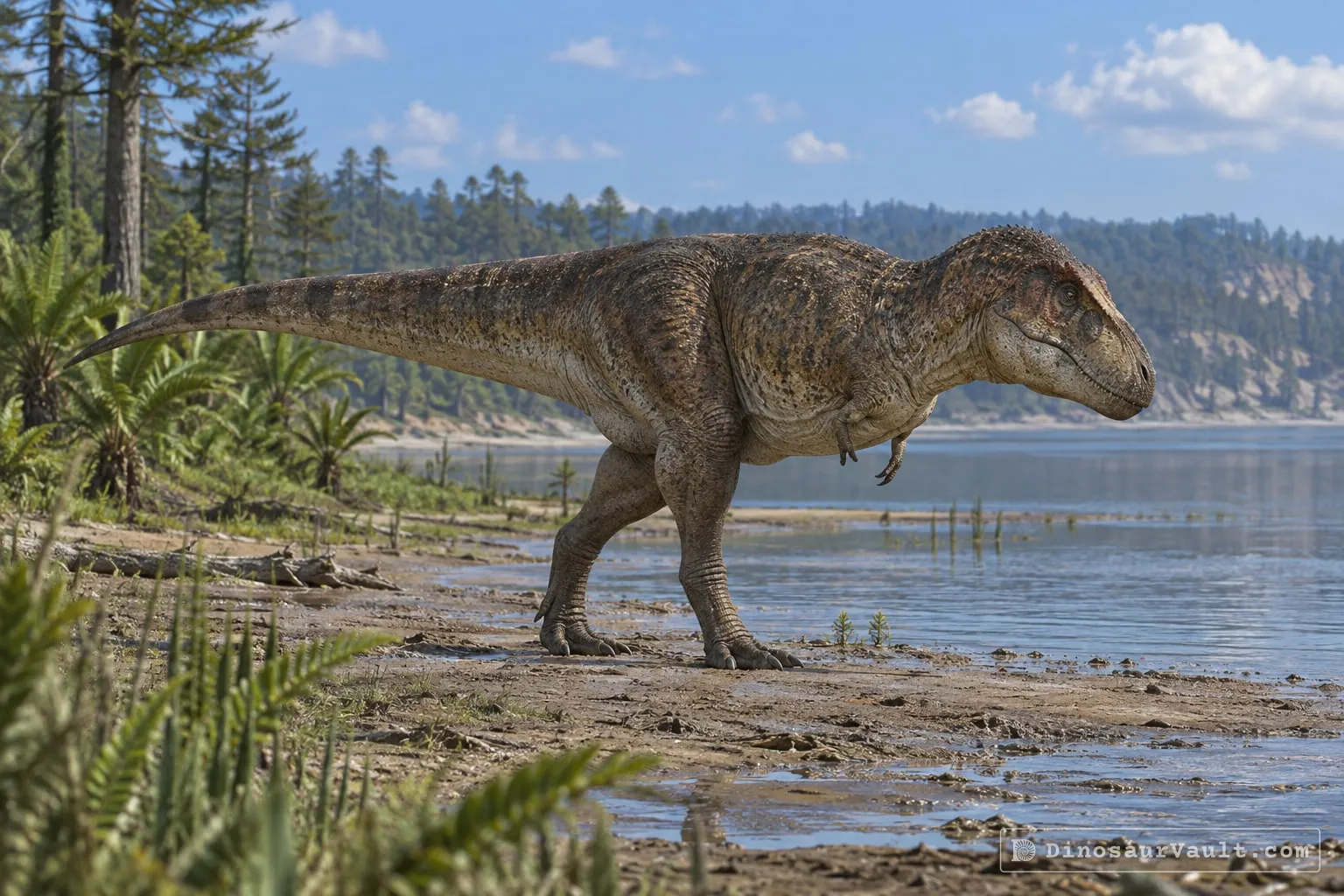
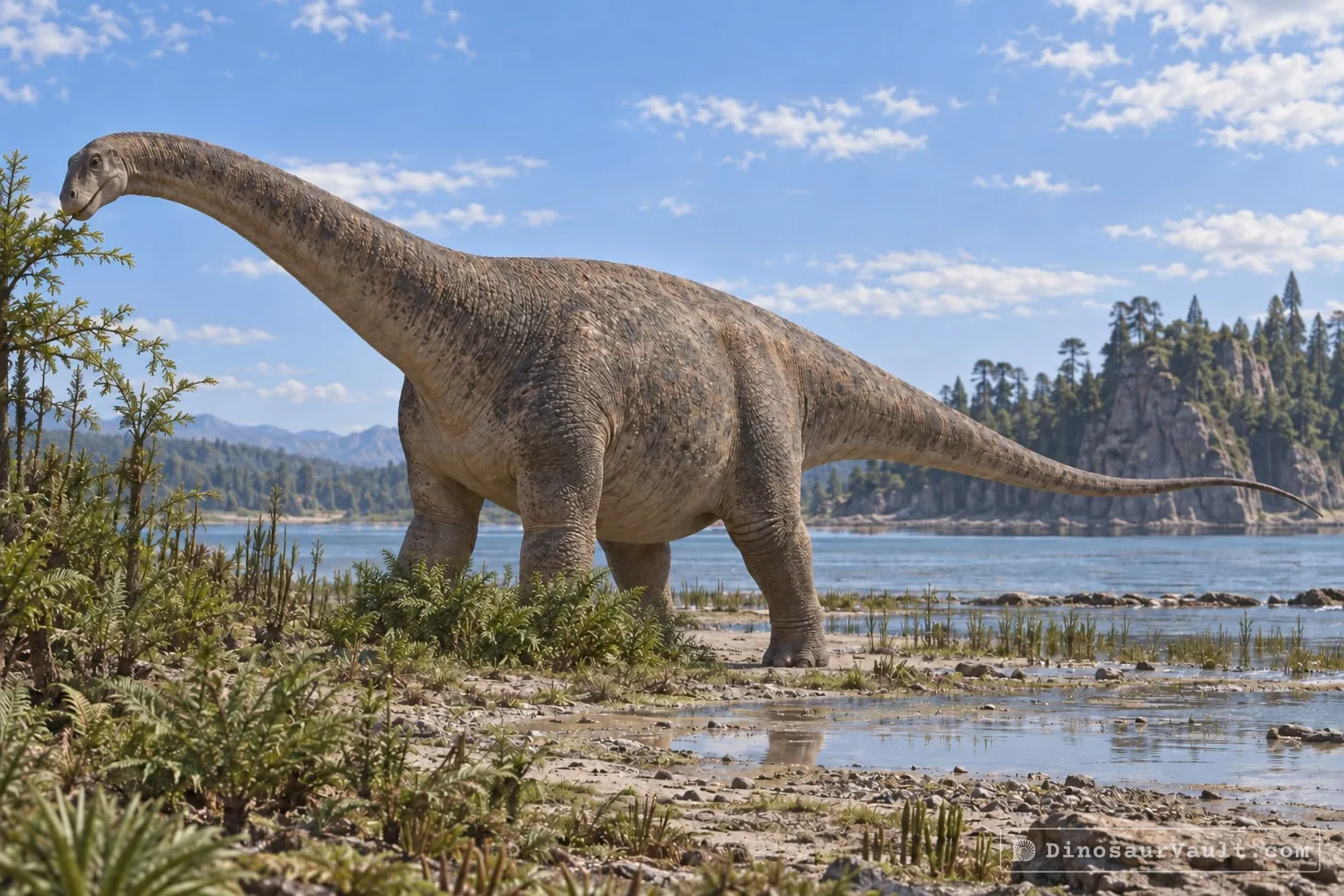
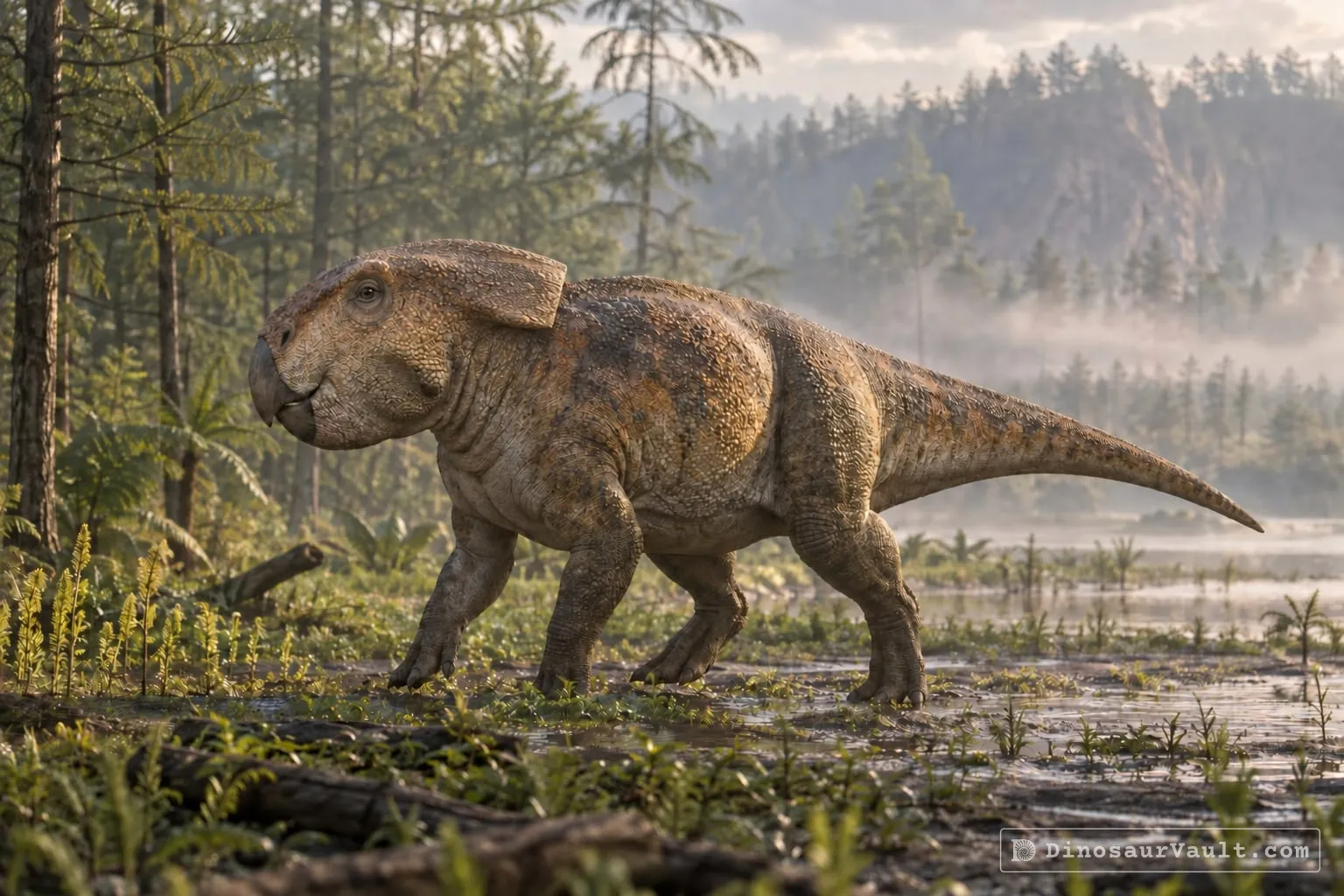
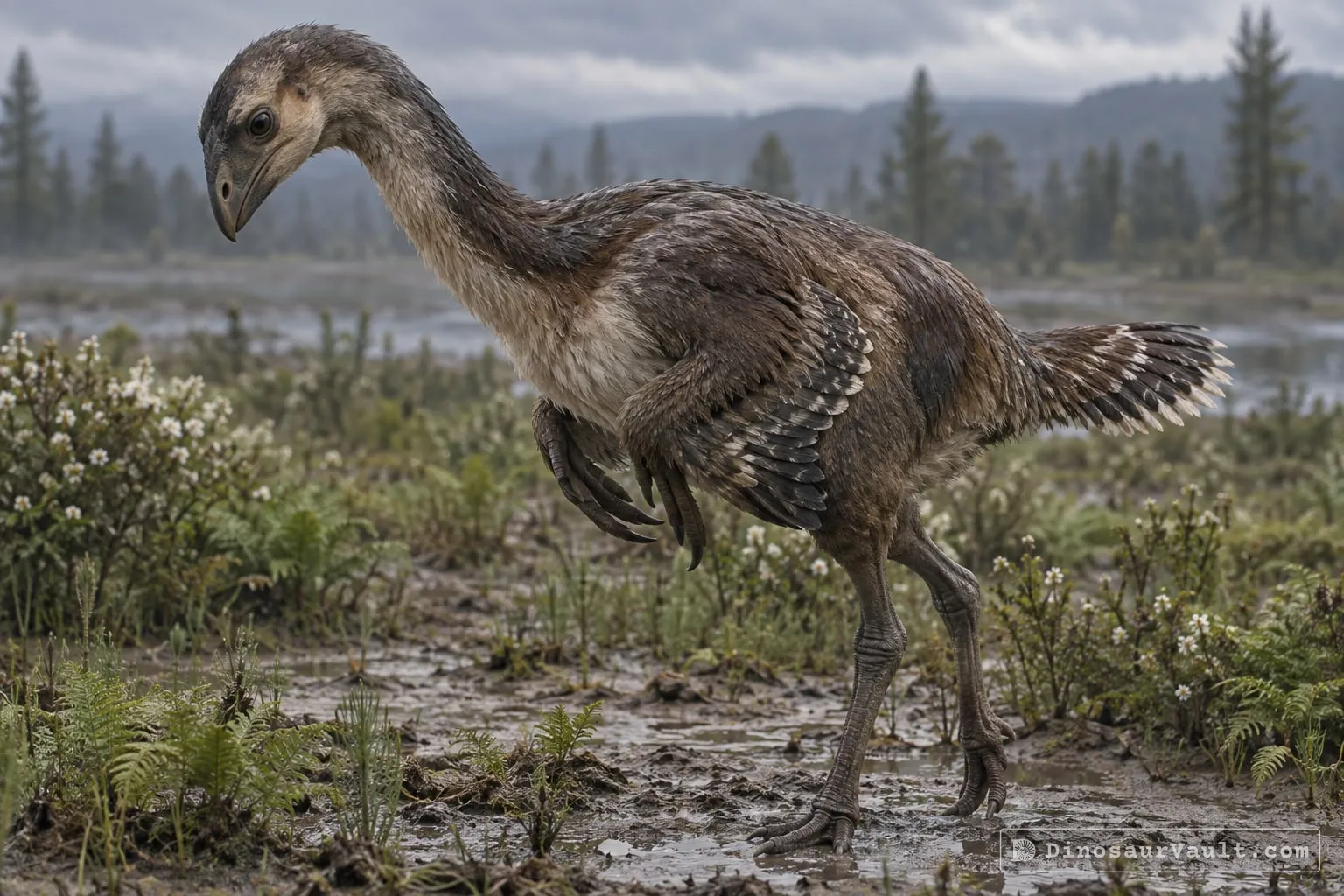
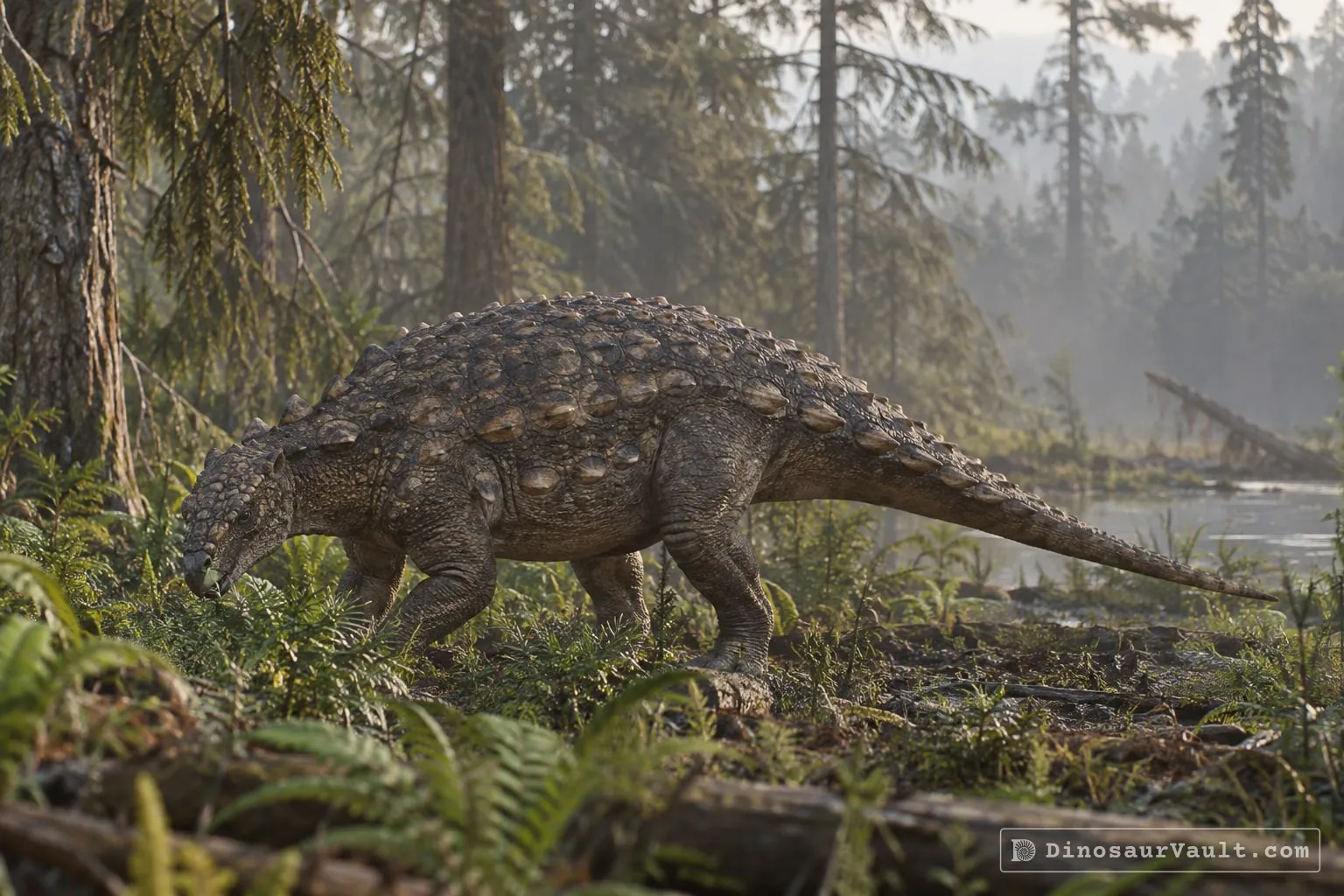


A rock formation can hold fossils laid down millions of years apart, so not every animal here met Sinoceratops.
The evidence
The science behind Sinoceratops
Which parts of the picture come from its own bones, and which come from its relatives.
From its own fossils
- Partial skulls preserve much of the skull roof and the braincase.
- A horn rose from the nose, with small bumps above the eyes.
- The broad frill carried stout hooks that curved forward along its edge.
Borrowed from relatives
- The sturdy body, legs and tail are restored from better-known horned dinosaurs such as Centrosaurus.
- Scaly skin follows relatives such as Centrosaurus and Triceratops.
Still unknown
- Its exact body length.
- Its color and the pattern of its scales.
- How it used its hooked frill.
Often drawn wrong
- The openings in the frill bone were covered by skin in life, rather than left as holes through the head.
Discovery timeline
- 2010Named itXu et al.
- 2011Same rocksHone et al.
- 2015Family treeEvans & Ryan
Key papers
The research behind what we know of Sinoceratops
Named it
Named Sinoceratops from partial skulls in China, revealing a horned dinosaur with forward-curving frill hooks and links to relatives in North America.
First ceratopsid dinosaur from China and its biogeographical implications. Chinese Science Bulletin 55: 1631-1635
Read the paper : First ceratopsid dinosaur from China and its biogeographical implications (opens in a new tab)Same rocks
Described the giant tyrannosaur Zhuchengtyrannus from partial jaws in the same fossil area as Sinoceratops.
A new, large tyrannosaurine theropod from the Upper Cretaceous of China. Cretaceous Research 32: 495-503
Read the paper : A new, large tyrannosaurine theropod from the Upper Cretaceous of China (opens in a new tab)Family tree
Compared hooked frills and placed Wendiceratops beside Sinoceratops as its closest relative in the study's family tree.
Cranial Anatomy of Wendiceratops pinhornensis gen. et sp. nov., a Centrosaurine Ceratopsid (Dinosauria: Ornithischia) from the Oldman Formation (Campanian), Alberta, Canada, and the Evolution of Ceratopsid Nasal Ornamentation. PLOS ONE 10: e0130007
Read the paper : Cranial Anatomy of Wendiceratops pinhornensis gen. et sp. nov., a Centrosaurine Ceratopsid (Dinosauria: Ornithischia) from the Oldman Formation (Campanian), Alberta, Canada, and the Evolution of Ceratopsid Nasal Ornamentation (opens in a new tab)
Close relatives
Other members of Ceratopsidae


Sources: Wikidata