Pachyrhinosaurus
PAK-ee-RY-no-SORE-us
"thick-nosed lizard"
Type species Pachyrhinosaurus canadensis
- Lived
- 84 to 66 million years ago, Late Cretaceous
- Diet
- Herbivore
- Length
- estimates range from 6 to 8 m (20 to 26 ft)
- Group
- Ceratopsians, Ceratopsidae
- Found in
- Canada and United States
- Named by
- Sternberg 1950
Where its fossils were found
The evidence
Today

75 million years ago
Habitat
Its world included river floodplains and woodland in Canada and Alaska. Conifers, broadleaf trees and fern patches probably grew near the rivers; regional neighbors included Edmontosaurus, Albertosaurus and Saurornitholestes.
Field notes
About Pachyrhinosaurus
What it was like
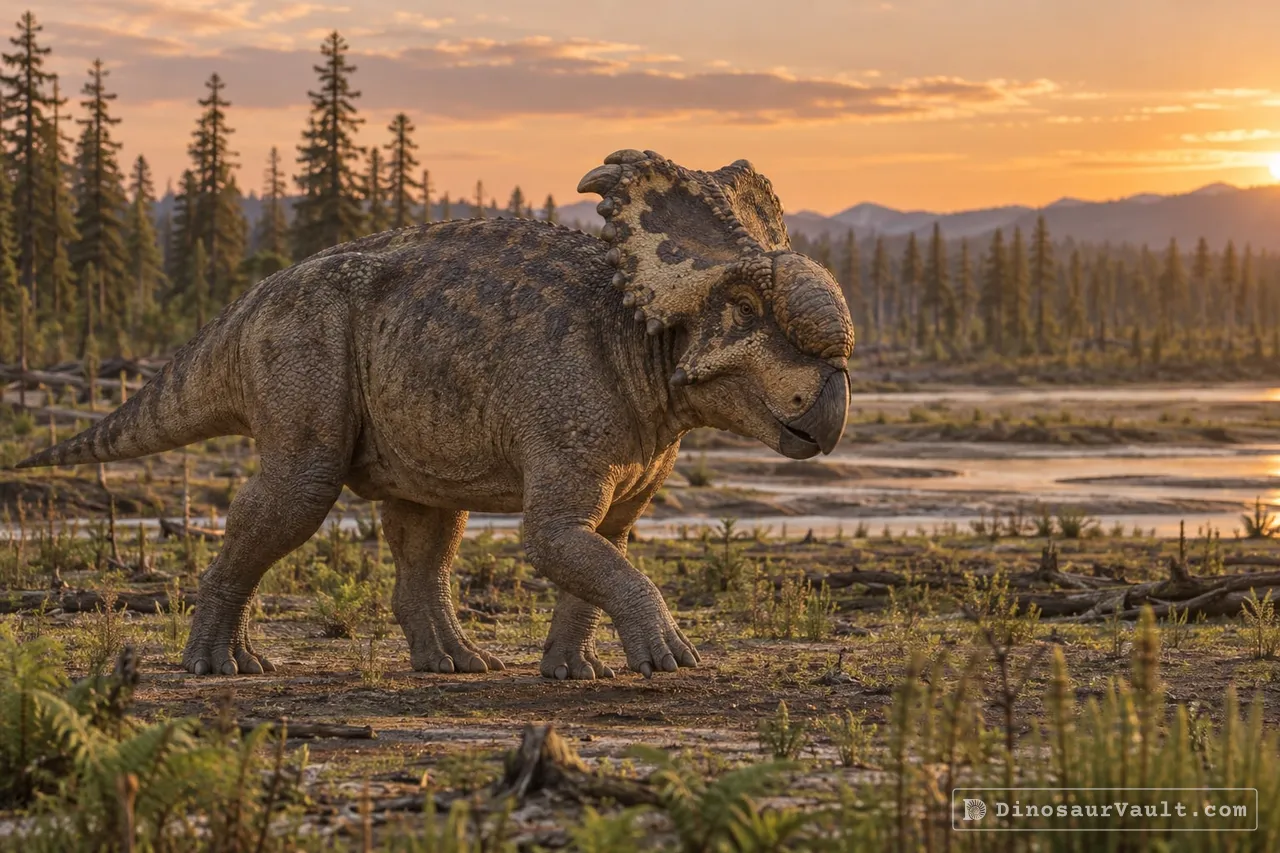
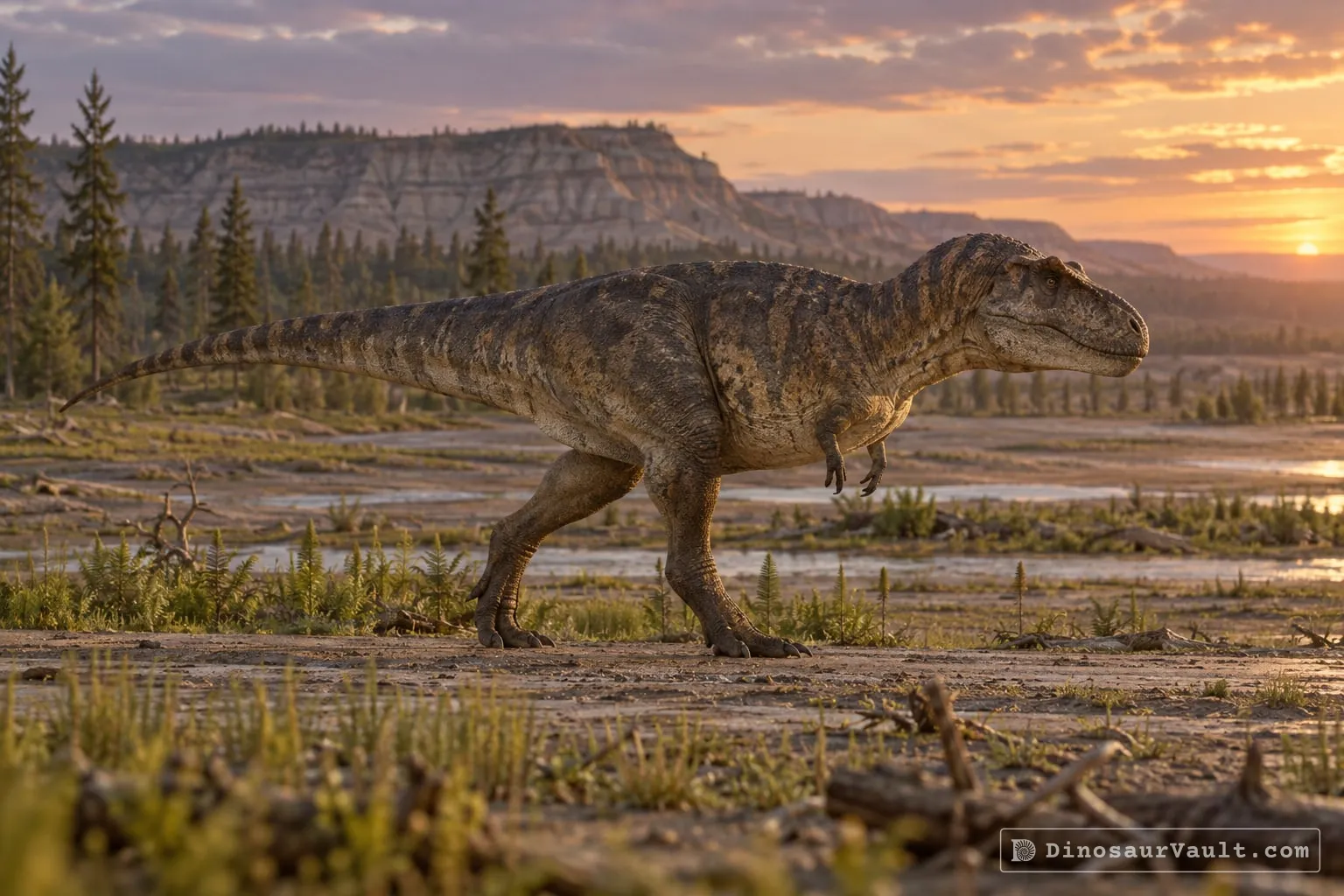
Pachyrhinosaurus was a large ceratopsian, growing to roughly 6 to 8 meters (20 to 26 feet) long, but instead of the long nose horn seen in relatives like Triceratops, it carried a thick, rough boss of bone across its snout. Bony bumps also topped its brow and the frill behind its head.
The boss was probably used for shoving matches with rivals or for display, much like the horns of its relatives served in other ceratopsids.
Its world
Pachyrhinosaurus lived from about 84 to 66 million years ago, in the Late Cretaceous, across what is now Alberta and Alaska. Its fossils come from the Wapiti, Horseshoe Canyon, and Prince Creek formations, among others.
It shared its world with the plant eater Edmontosaurus, the horned Anchiceratops and Montanoceratops, the armored Euoplocephalus, the troodontid Troodon, and the small hunters Saurornitholestes, Richardoestesia, and Albertosaurus.
How it was found
Sternberg named Pachyrhinosaurus canadensis in 1950. About 13 fossil finds of the genus are known, including large bonebeds with the remains of many individuals together, evidence that these animals may have moved in herds.
Field gallery
More views of Pachyrhinosaurus
Scenes reconstructed from the available fossil evidence.
1 of 7
Lived alongside
Found in the same rock formations
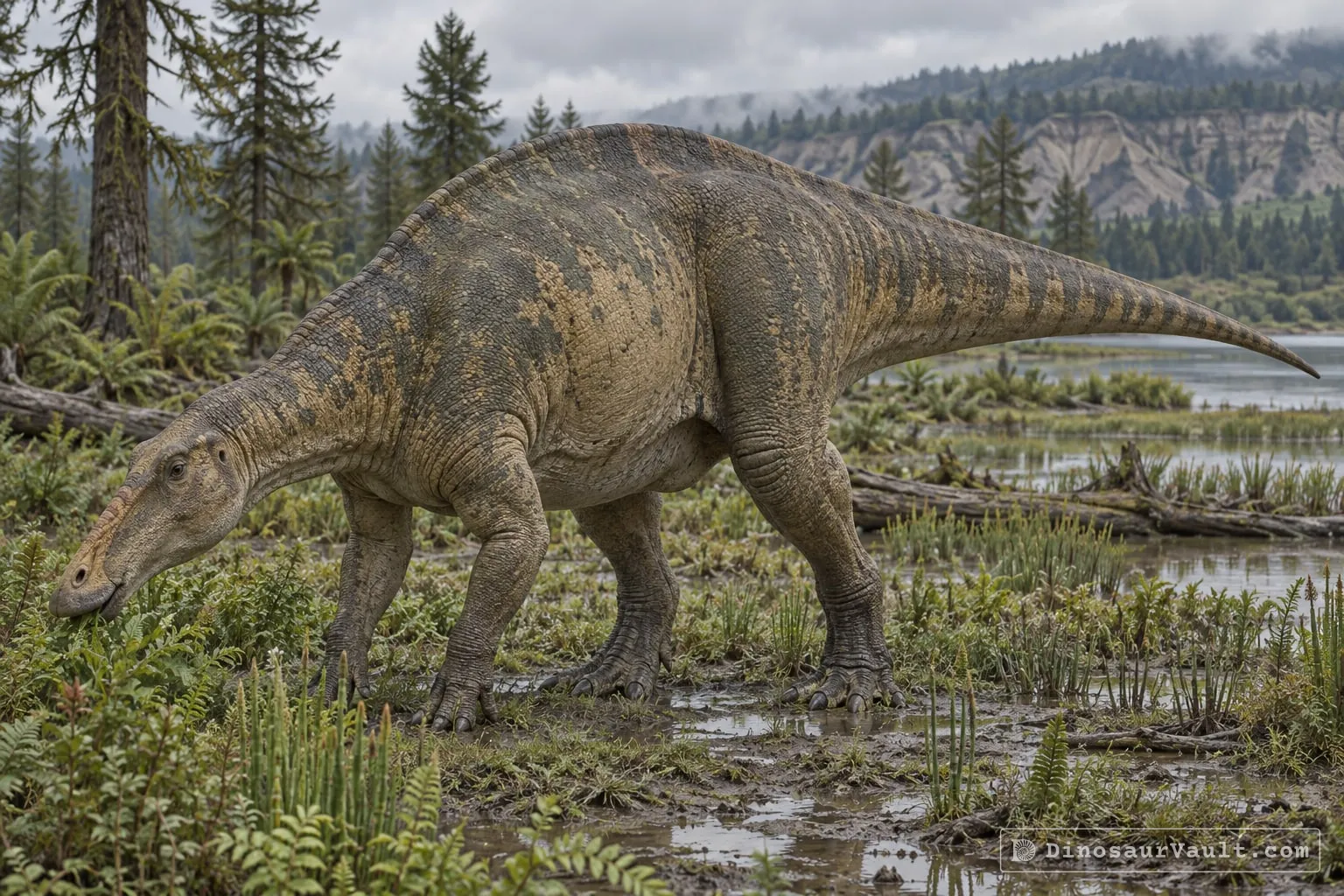
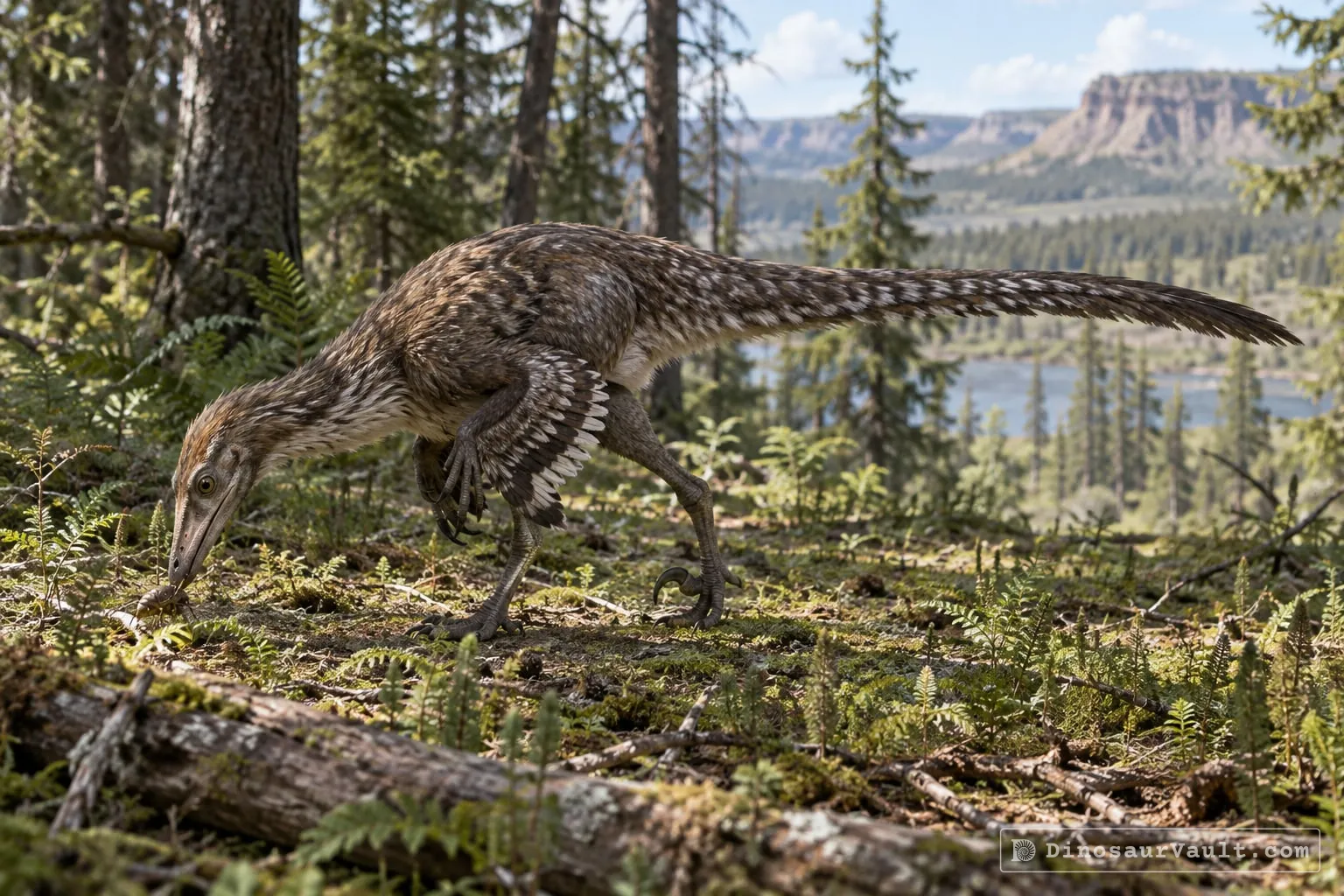
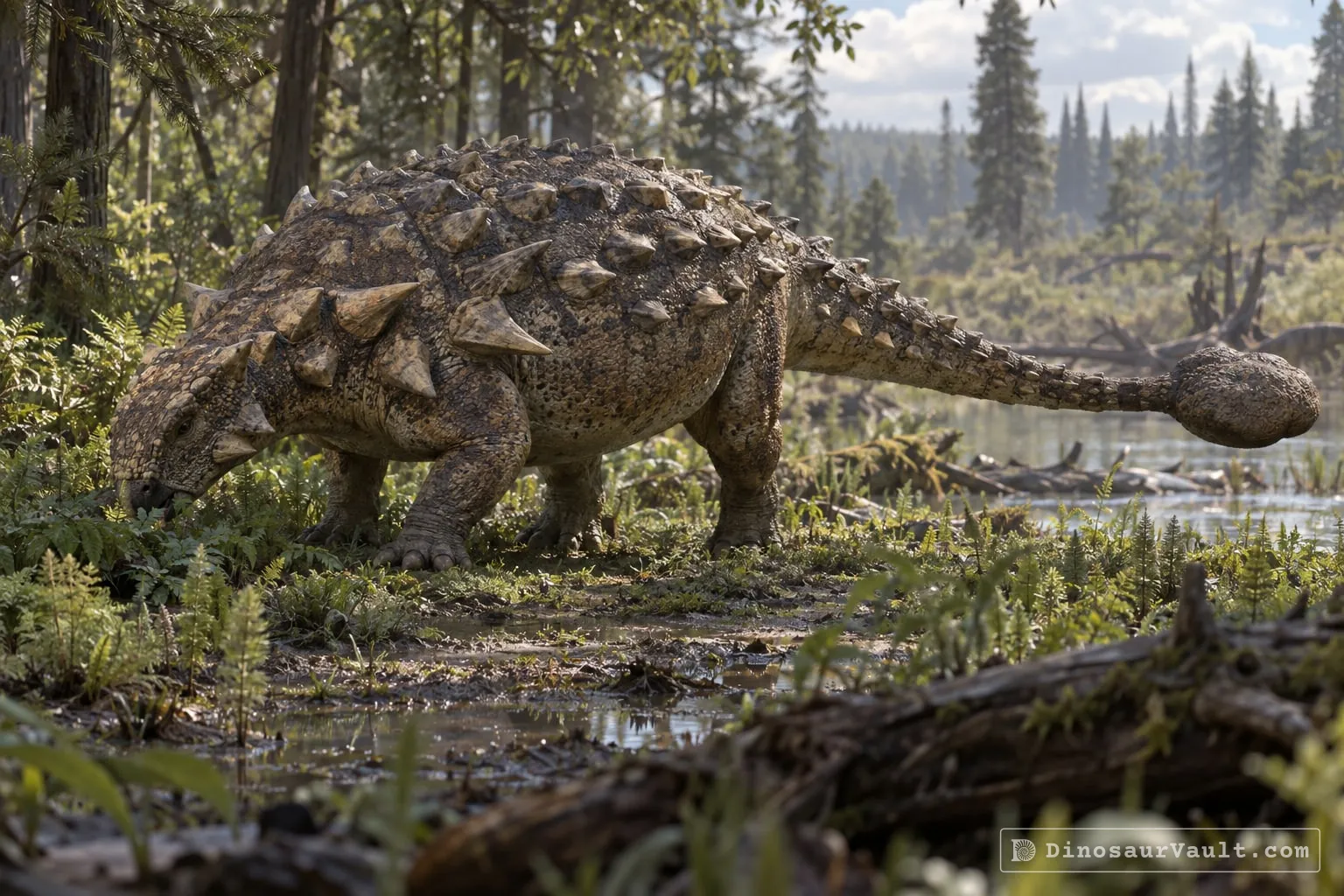
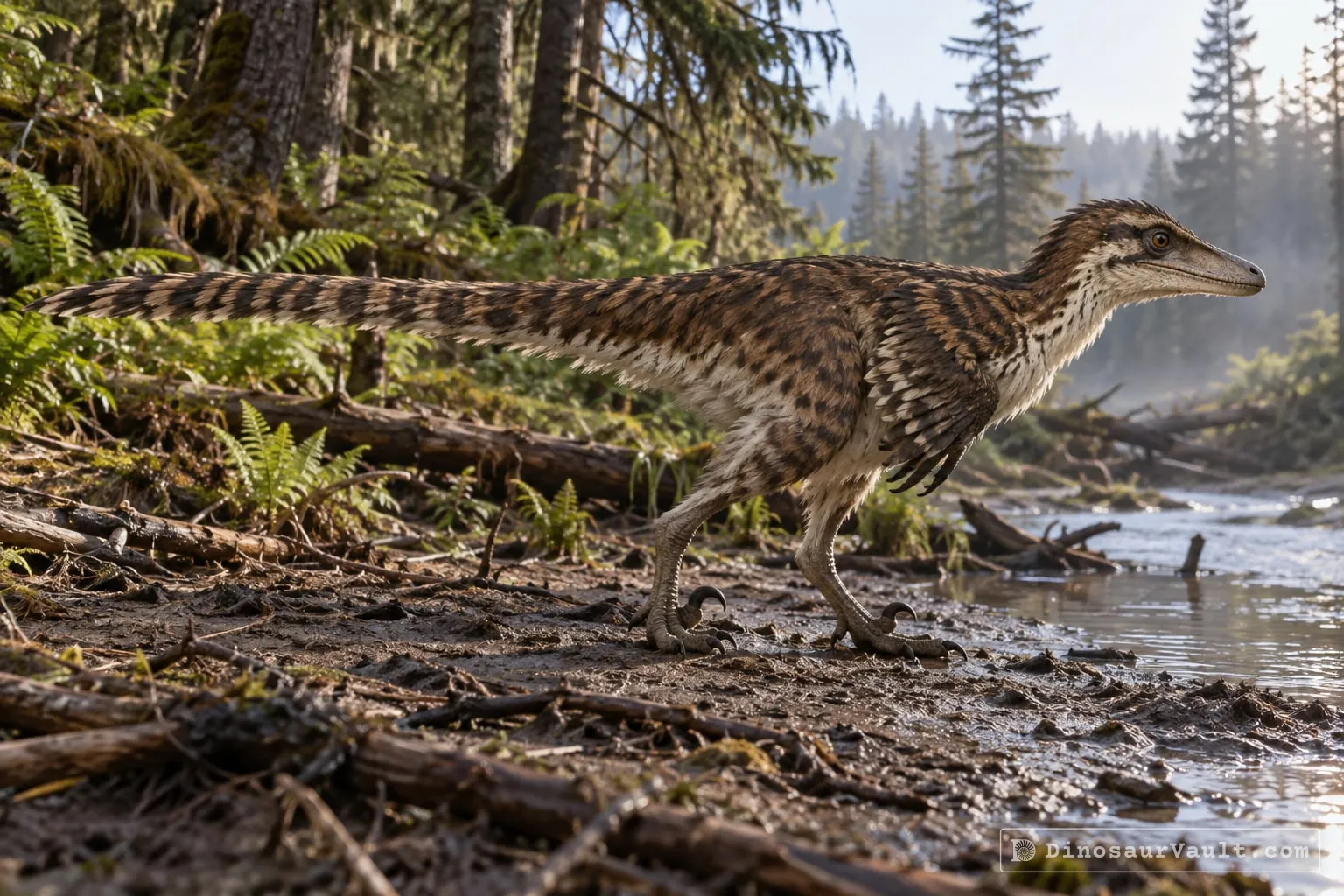
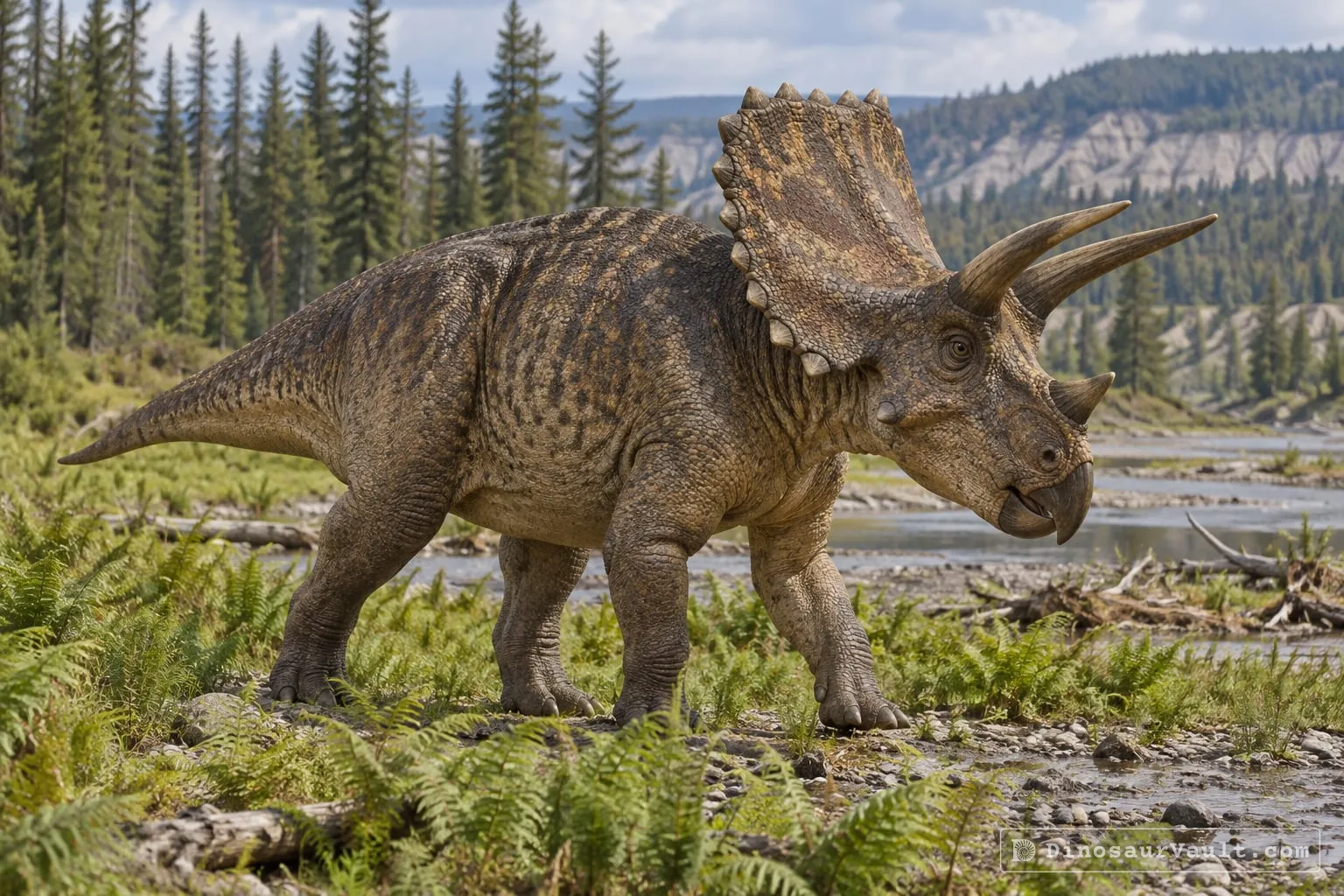
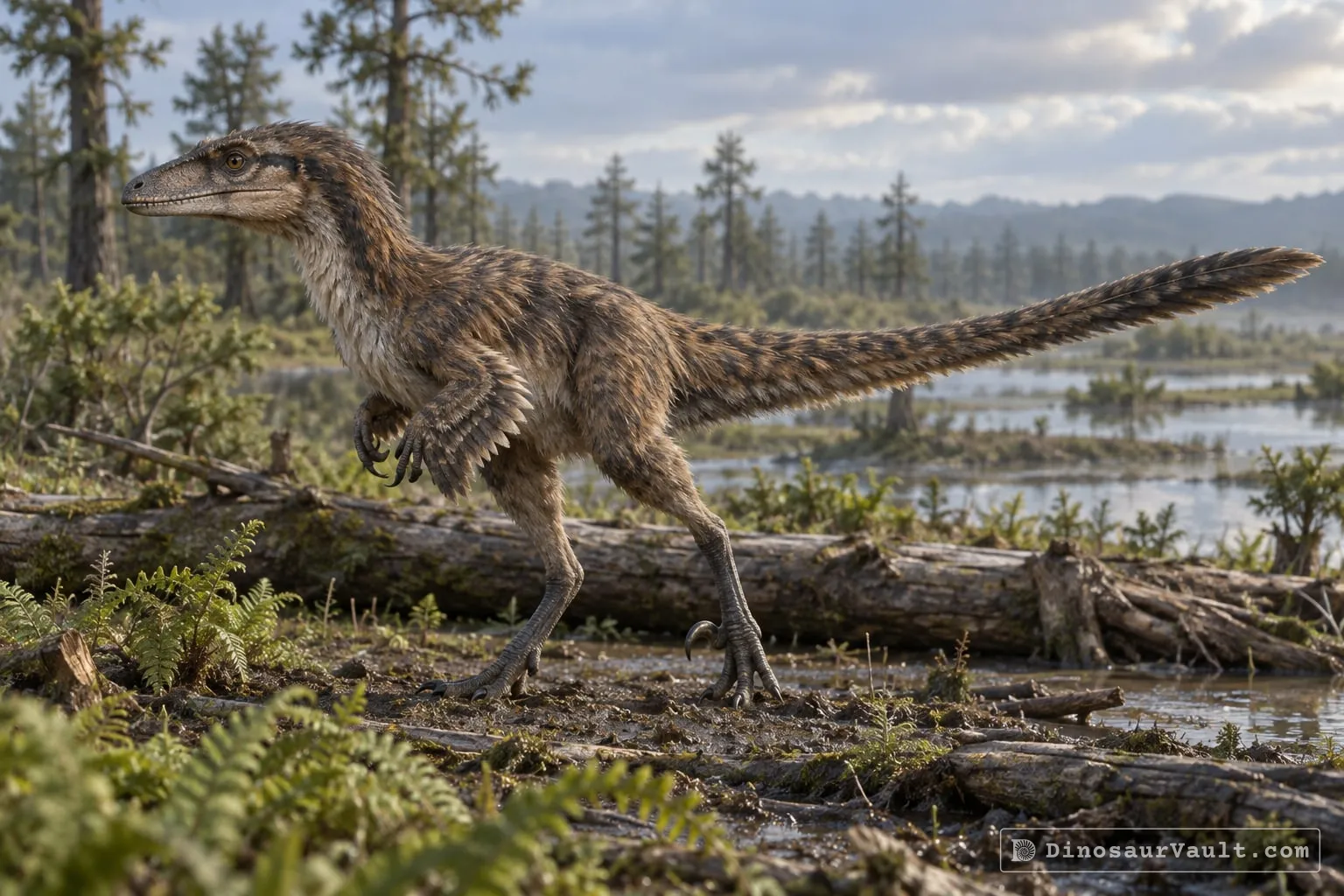
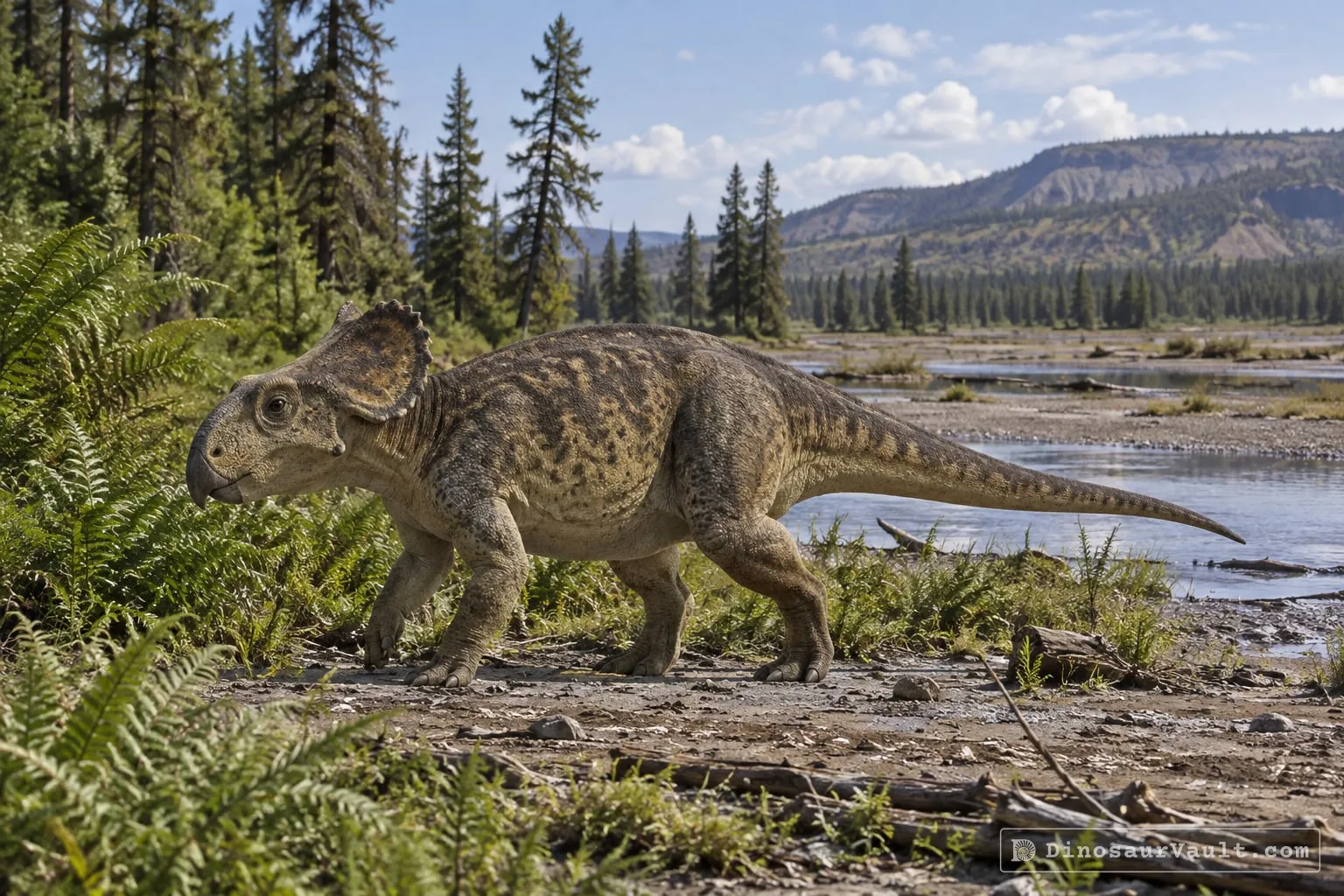


A rock formation can hold fossils laid down millions of years apart, so not every animal here met Pachyrhinosaurus.
The evidence
The science behind Pachyrhinosaurus
Which parts of the picture come from its own bones, and which come from its relatives.
From its own fossils
- Skulls show a broad, rough boss of bone over the nose, smaller brow bosses and a frill with projecting horns.
- Large bonebeds contain the remains of many individuals, including young and adults.
- The shape of the frill ornament and nasal boss differs between species.
Borrowed from relatives
- The body is reconstructed from its own bones and comparisons with close relatives such as Centrosaurus and Achelousaurus.
- The rough bosses probably carried thick pads of horn-like skin, based on comparisons with living horned animals.
Still unknown
- Its color and the pattern of scales across its body.
- How often it used its bosses to shove or strike rivals.
- Whether adults cared for their young.
Often drawn wrong
- A long bony nose horn replaces the broad boss found on adult skulls.
- Long brow horns like those of Triceratops give it the wrong head shape.
- The openings in the bony frill were covered by soft tissue in life.
Discovery timeline
- 1950Named itSternberg
- 2009SkinHieronymus et al.
- 2012New findFiorillo & Tykoski
- 2012SkullTykoski & Fiorillo
- 2013Growing upFiorillo & Tykoski
Key papers
The research behind what we know of Pachyrhinosaurus
Named it
Described a horned dinosaur whose broad nasal and brow bosses set it apart from familiar horn-bearing relatives.
Pachyrhinosaurus canadensis, representing a new family of the Ceratopsia, from southern Alberta.
Read the paper : Pachyrhinosaurus canadensis, representing a new family of the Ceratopsia, from southern Alberta (opens in a new tab)Skin
Compared skull bone textures with living animals and proposed thick pads of horn-like skin over the bosses.
The Facial Integument of Centrosaurine Ceratopsids: Morphological and Histological Correlates of Novel Skin Structures. The Anatomical Record 292: 1370-1396
Read the paper : The Facial Integument of Centrosaurine Ceratopsids: Morphological and Histological Correlates of Novel Skin Structures (opens in a new tab)New find
Named Pachyrhinosaurus perotorum from Alaska, distinguishing it by the shape and arrangement of its skull ornaments.
A New Maastrichtian Species of the Centrosaurine CeratopsidPachyrhinosaurusfrom the North Slope of Alaska. Acta Palaeontologica Polonica 57: 561-573
Read the paper : A New Maastrichtian Species of the Centrosaurine CeratopsidPachyrhinosaurusfrom the North Slope of Alaska (opens in a new tab)Skull
Compared braincases across species and found that visible facial and frill ornaments were more useful for telling them apart.
Beauty or brains? The braincase ofPachyrhinosaurus perotorumand its utility for species-level distinction in the centrosaurine ceratopsidPachyrhinosaurus. Earth and Environmental Science Transactions of the Royal Society of Edinburgh 103: 487-499
Read the paper : Beauty or brains? The braincase ofPachyrhinosaurus perotorumand its utility for species-level distinction in the centrosaurine ceratopsidPachyrhinosaurus (opens in a new tab)Growing up
Described a young animal's nasal bone and found that boss development differed between Pachyrhinosaurus species.
An Immature Pachyrhinosaurus perotorum (Dinosauria: Ceratopsidae) Nasal Reveals Unexpected Complexity of Craniofacial Ontogeny and Integument in Pachyrhinosaurus. PLoS ONE 8: e65802
Read the paper : An Immature Pachyrhinosaurus perotorum (Dinosauria: Ceratopsidae) Nasal Reveals Unexpected Complexity of Craniofacial Ontogeny and Integument in Pachyrhinosaurus (opens in a new tab)
Close relatives
Other members of Ceratopsidae


Sources: Wikidata