Chasmosaurus
KAZ-moh-SORE-us
"opening lizard"
- Lived
- 84 to 72 million years ago, Late Cretaceous
- Diet
- Herbivore
- Length
- about 5 m (16 ft)
- Group
- Ceratopsians, Ceratopsidae
- Found in
- Canada
- Named by
- Lambe 1914
Size comparison
To scale
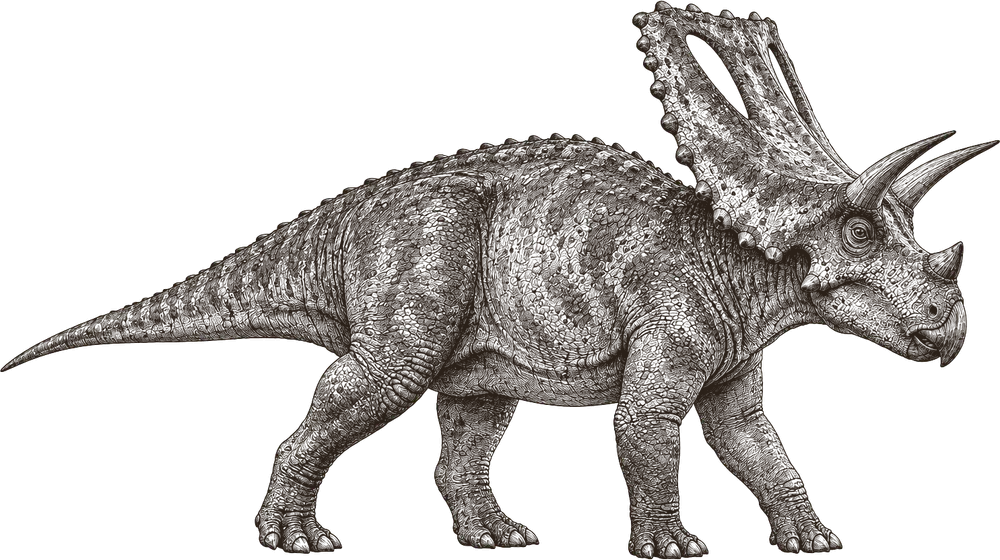


Scale in meters
Where its fossils were found
The evidence
Today

80 million years ago
Habitat
Rivers crossed the low floodplains of Alberta, with forests and fern-covered ground. Regional neighbors included Centrosaurus, Corythosaurus and Gorgosaurus.
Field notes
About Chasmosaurus
What it was like
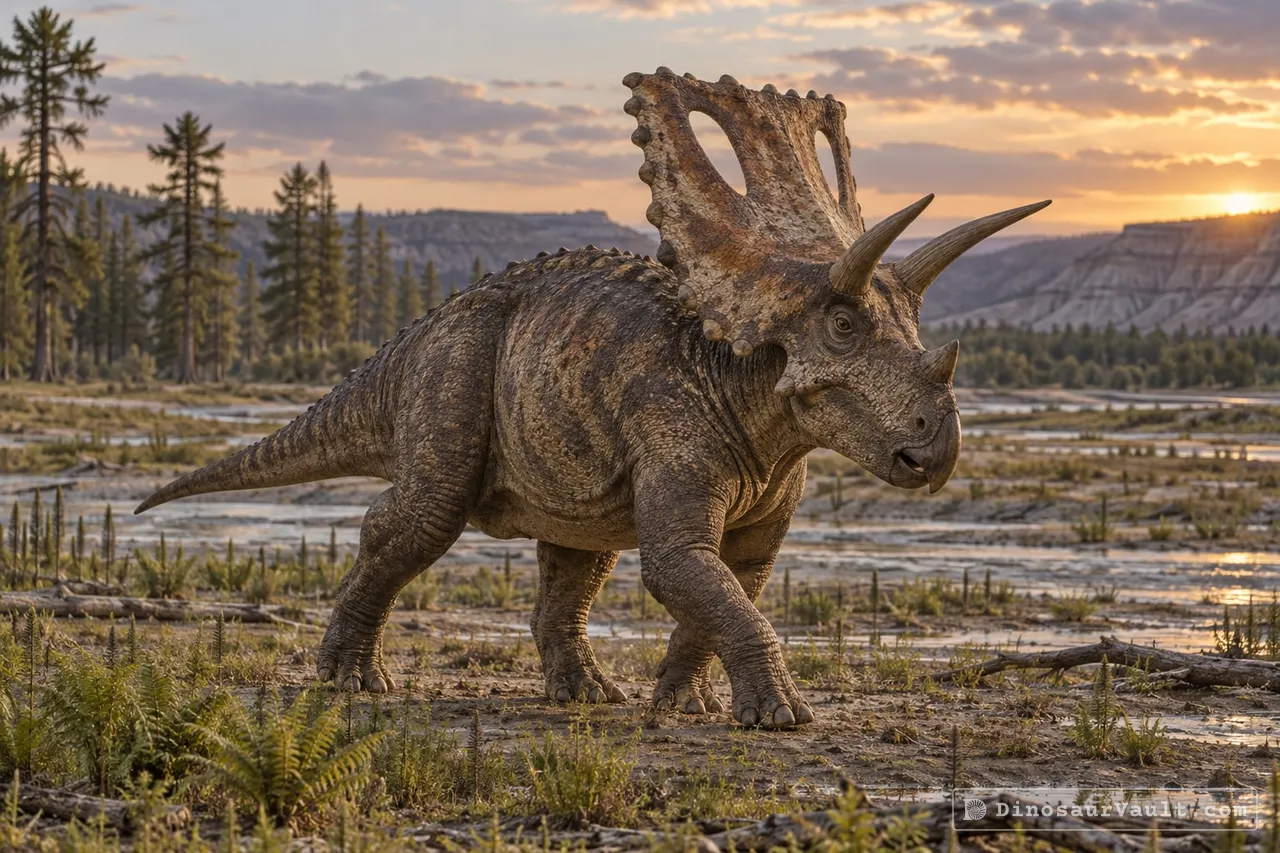
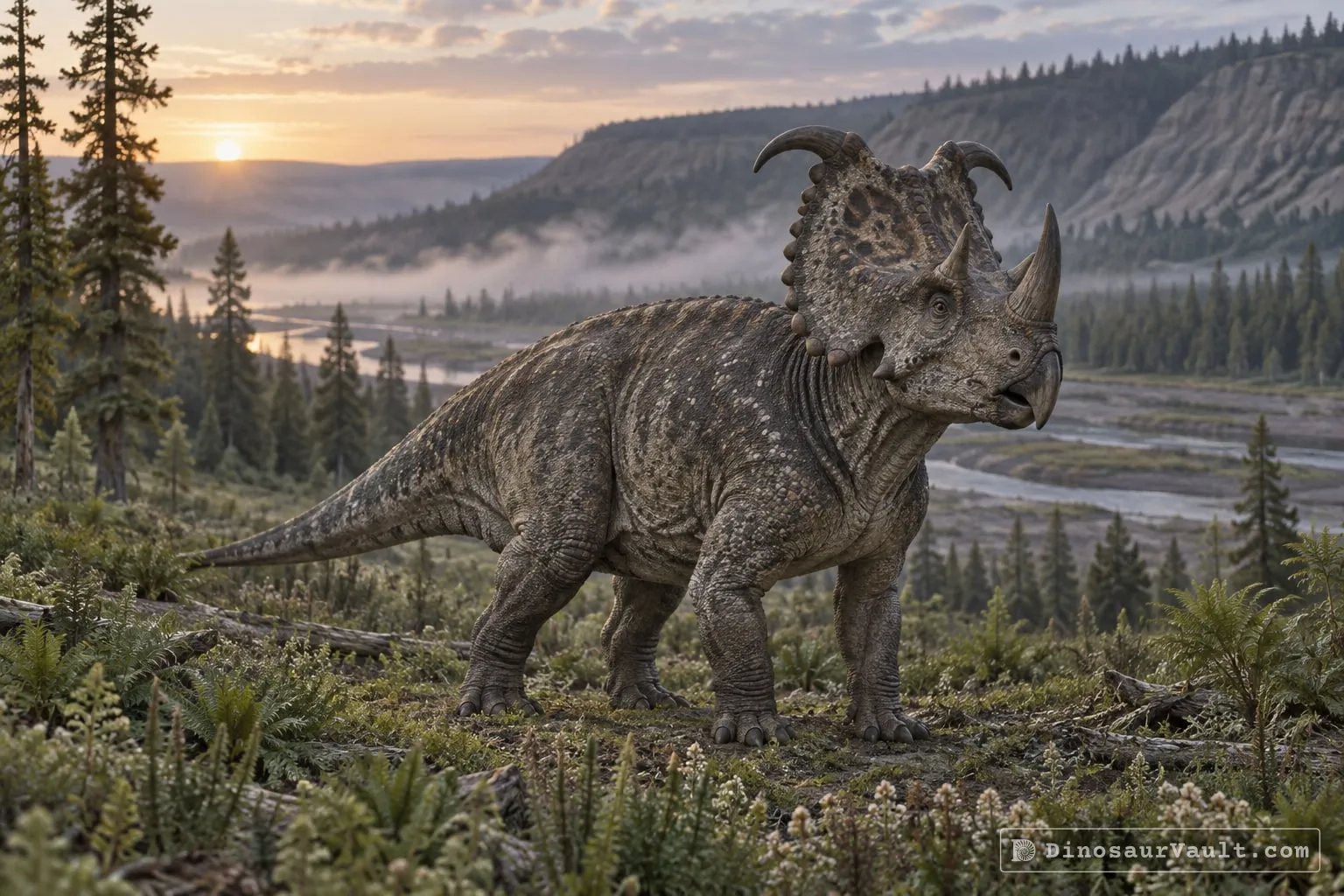
Chasmosaurus was a horned dinosaur that grew to about 5 meters (16 feet) long, with a long, bony frill extending back from its skull. Unlike some relatives, its frill had two large openings in it, which gave the genus its name and likely made the structure lighter without weakening it much. Chasmosaurus carried a pair of horns above its eyes and a shorter horn on its nose, and moved on four sturdy legs while cropping low plants with its beaked mouth.
Its world
Chasmosaurus lived in Alberta, Canada, from about 84 to 72 million years ago, sharing its floodplain habitat with fellow horned dinosaurs such as Centrosaurus and with hadrosaurs like Lambeosaurus and Corythosaurus. Predators including Gorgosaurus and Daspletosaurus hunted across the same ground, while smaller theropods such as Troodon and Dromaeosaurus likely targeted young or weakened animals.
How it was found
Lambe named Chasmosaurus in 1914, and its remains have since turned up in about 19 separate fossil finds, all from the Dinosaur Park and Oldman formations of Alberta. It is closely related to larger horned dinosaurs such as Triceratops and Torosaurus.
Field gallery
More views of Chasmosaurus
Scenes reconstructed from the available fossil evidence.
1 of 7
Lived alongside
Found in the same rock formations
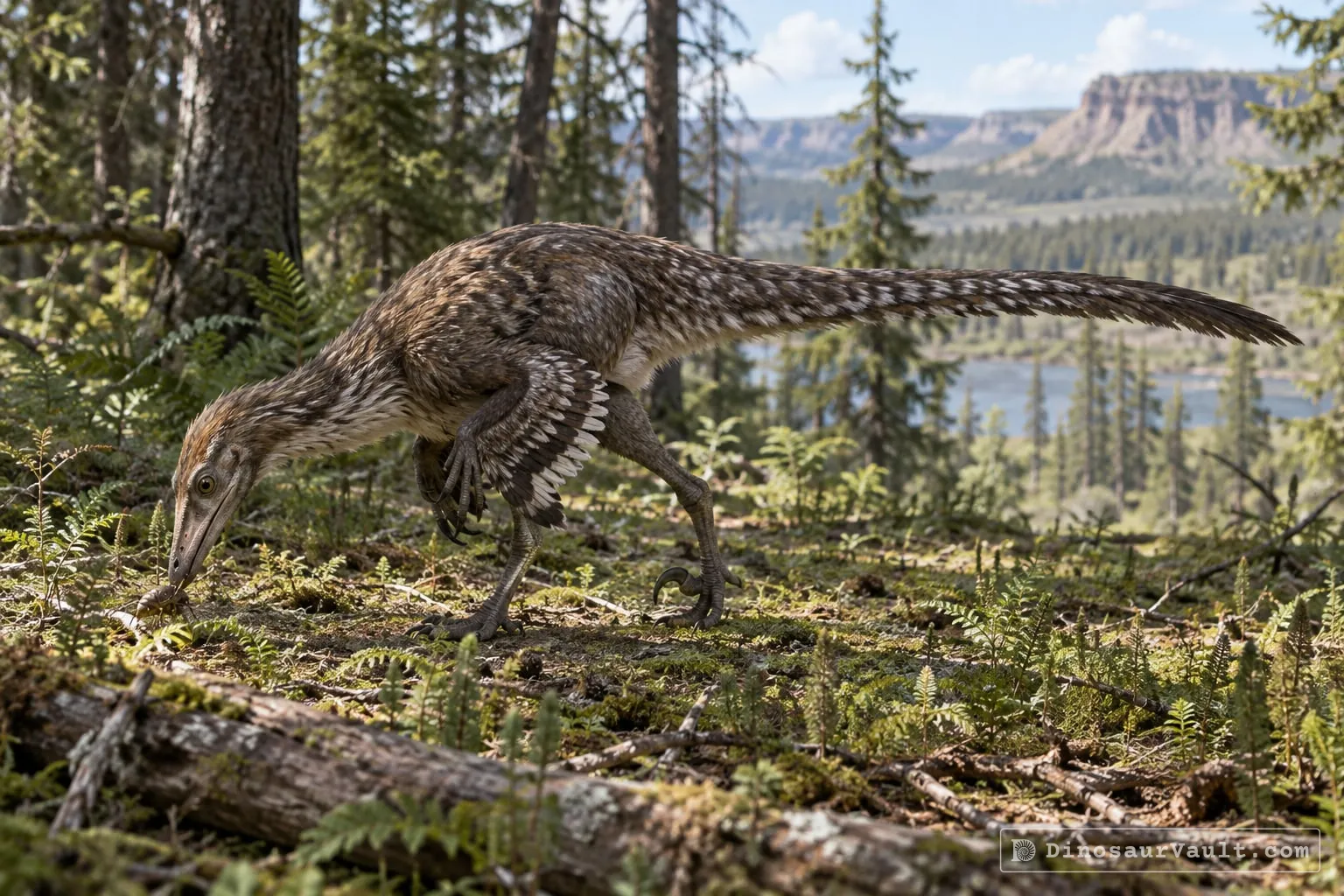
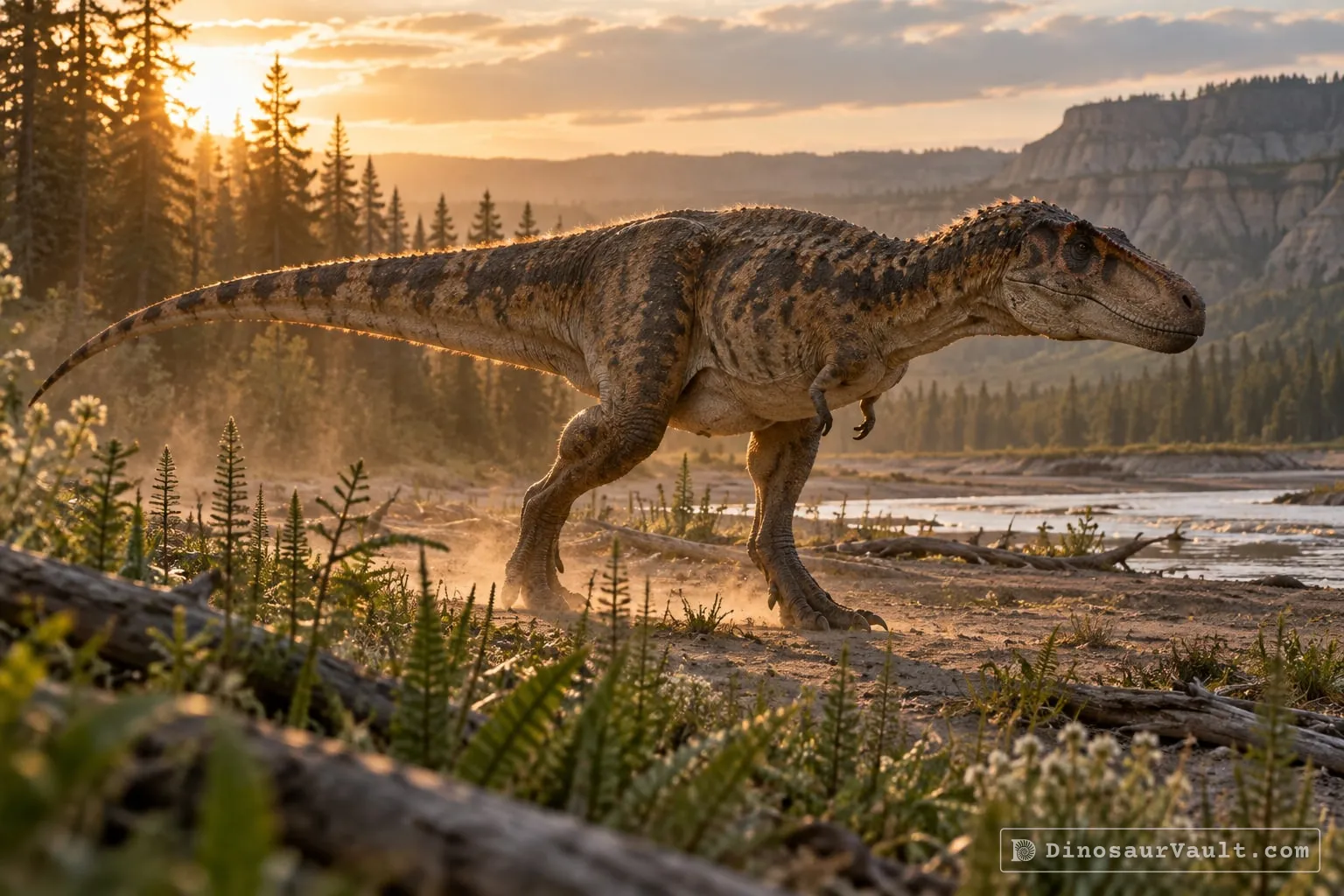
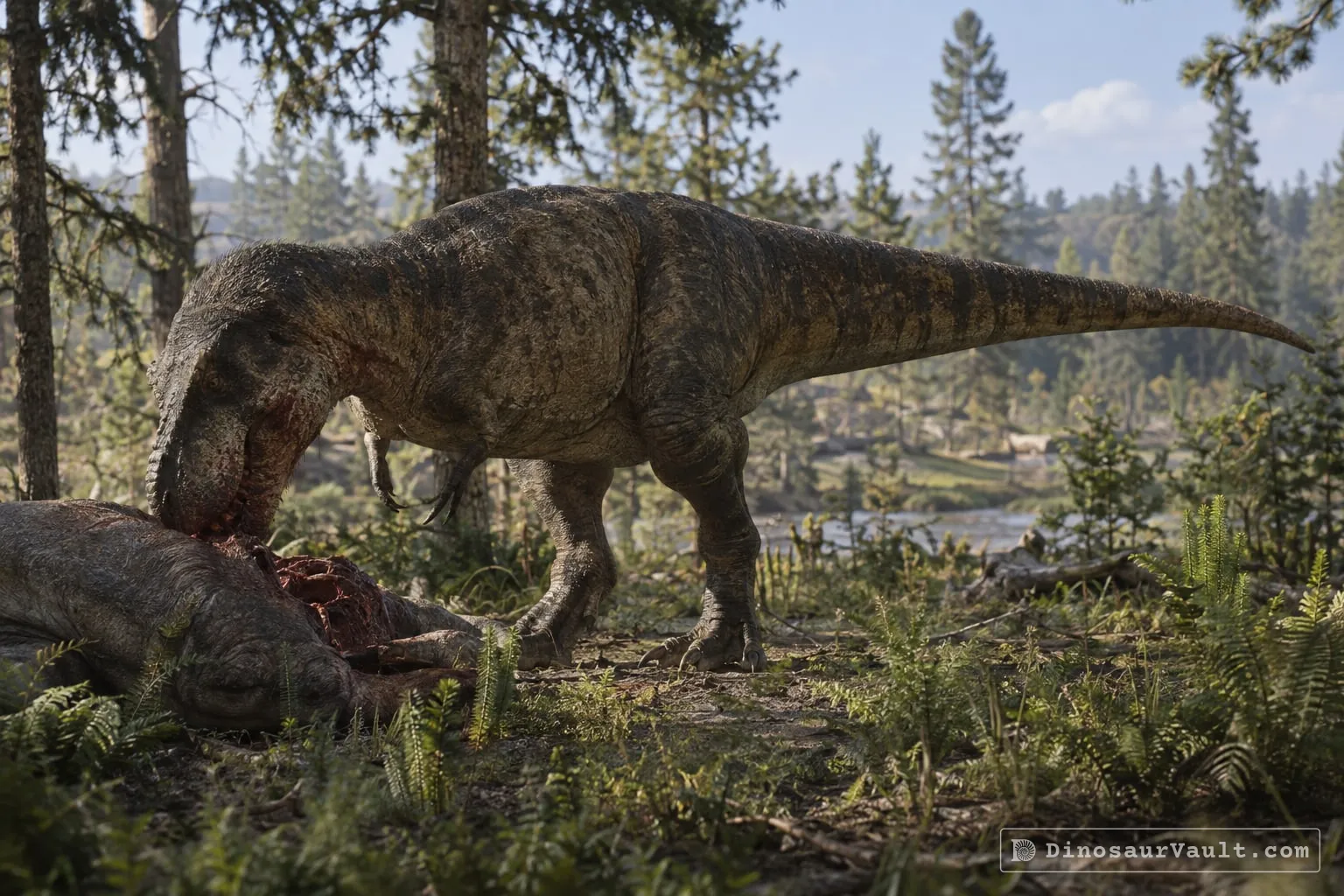
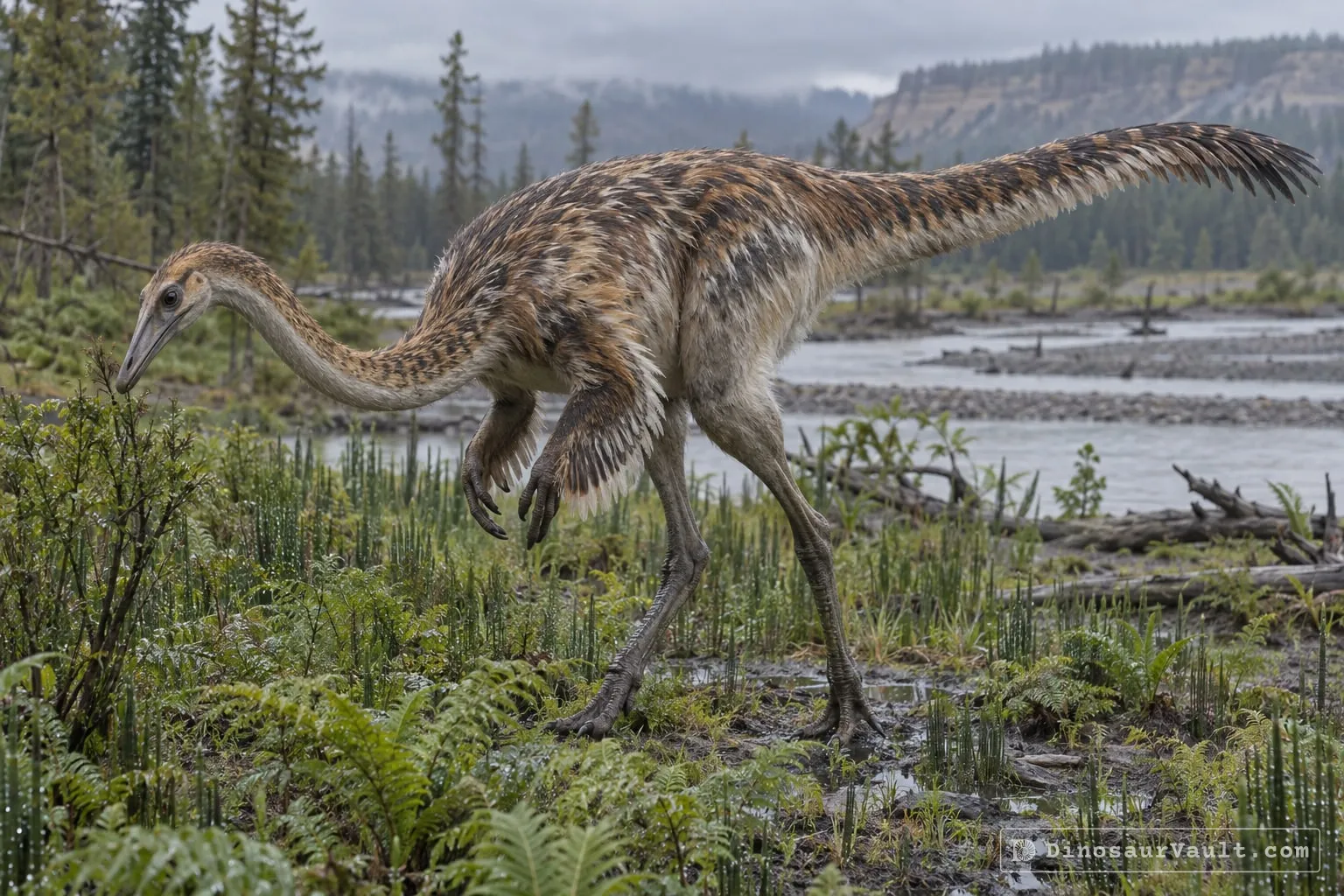
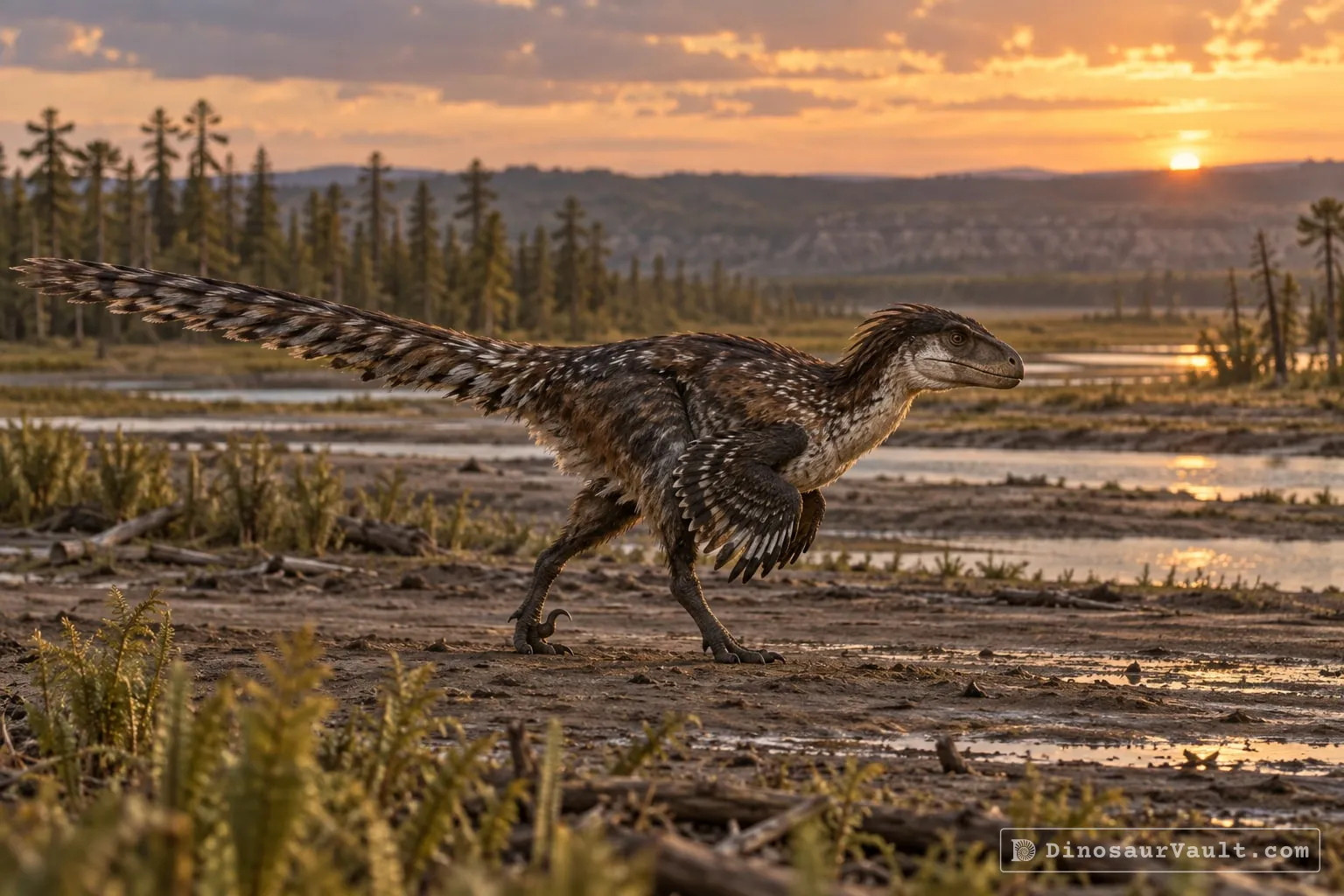
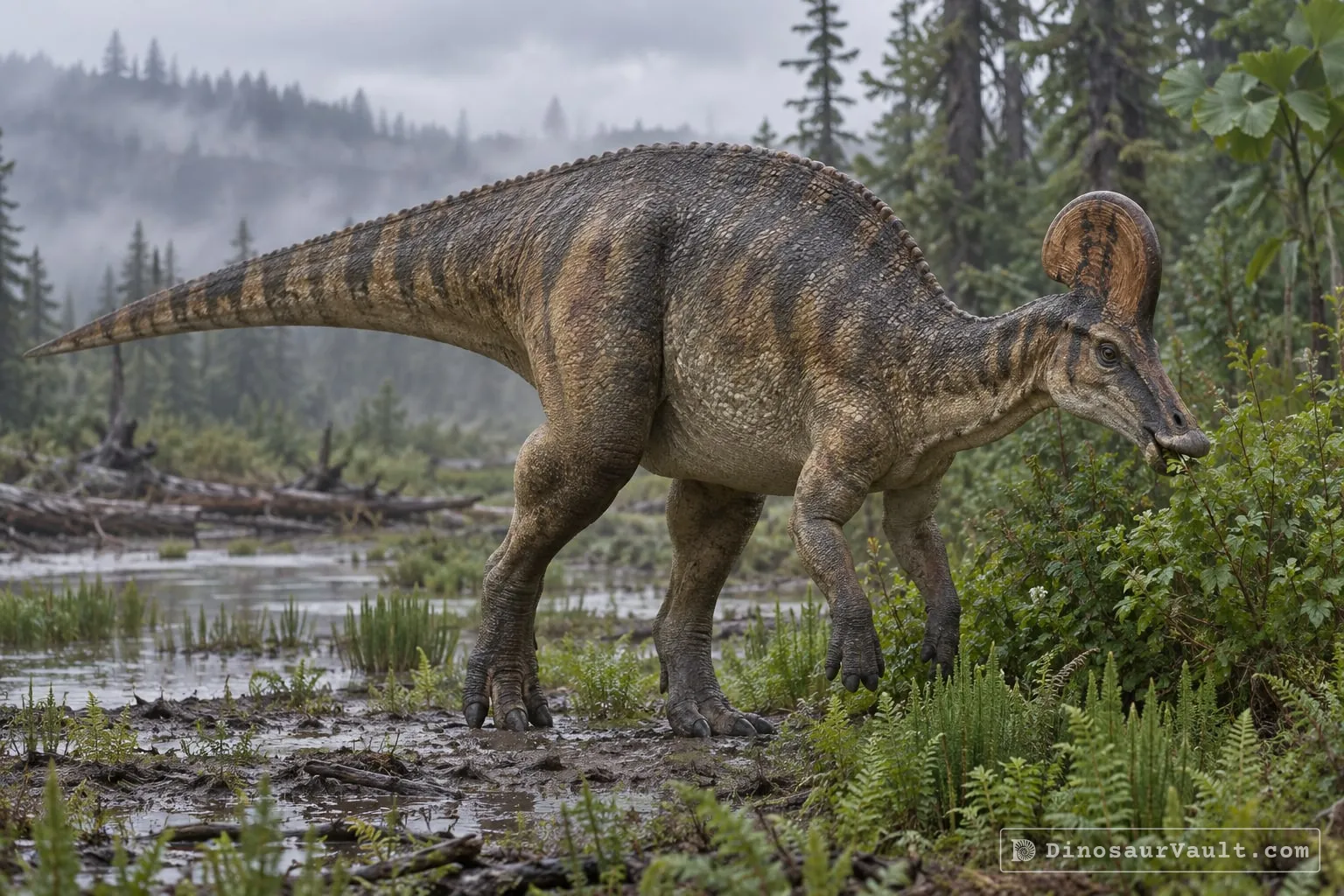
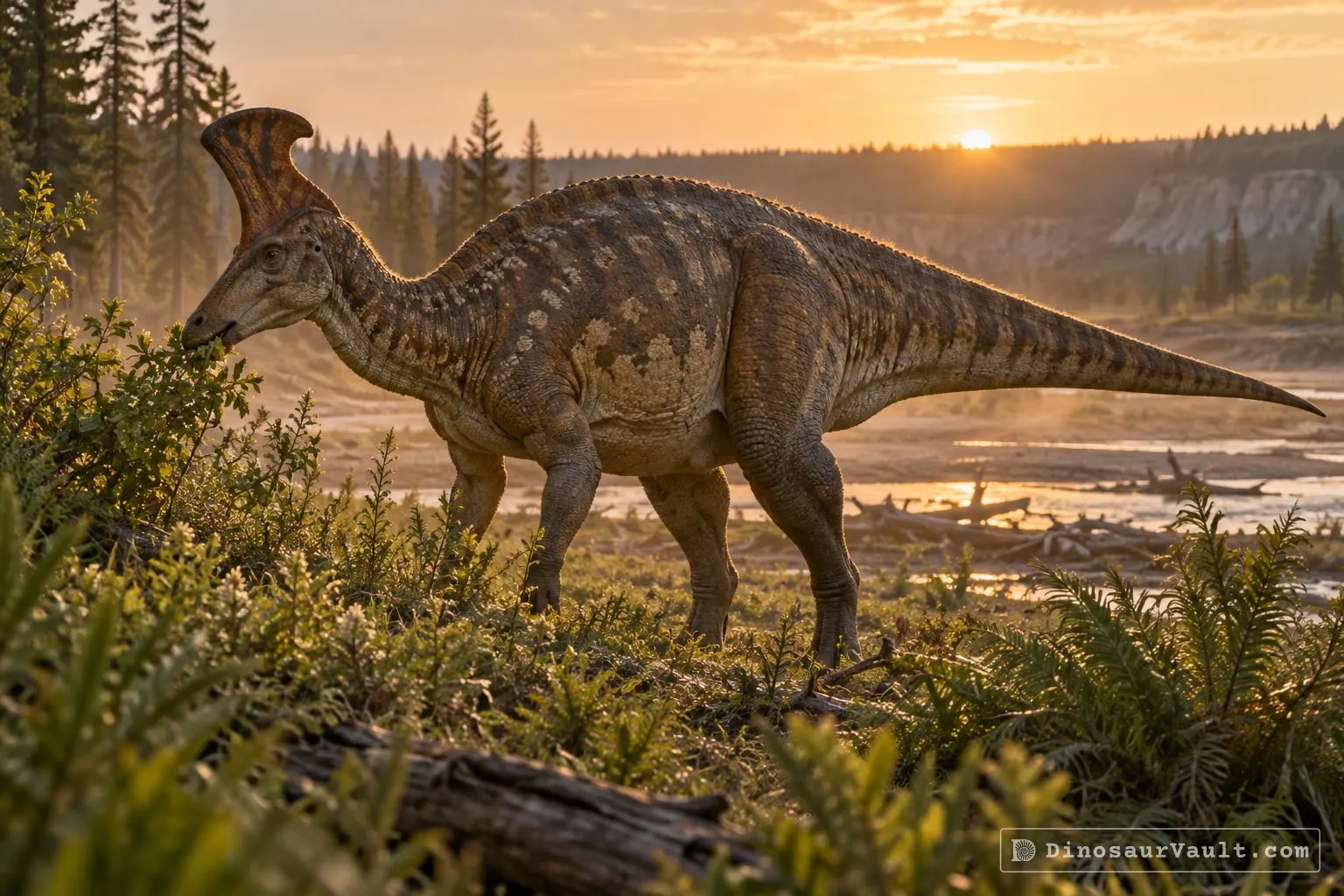


A rock formation can hold fossils laid down millions of years apart, so not every animal here met Chasmosaurus.
The evidence
The science behind Chasmosaurus
Which parts of the picture come from its own bones, and which come from its relatives.
From its own fossils
- Skulls show a long, broad frill with large openings in the bone and horns over the eyes and nose.
- An articulated juvenile skeleton preserves a short, narrow frill and skin impressions.
- Adult skulls show variation in the outline and ornament of the frill.
Borrowed from relatives
- Much of the body is known from its own bones.
- The outer horn covering is reconstructed by comparison with other horned dinosaurs such as Triceratops.
Still unknown
- Its frill color and the thickness of its outer covering.
- Which species the known juvenile belongs to.
- Whether adults cared for their young.
Often drawn wrong
- The openings in the frill bone were covered by living tissue, rather than forming see-through holes.
- A youngster had a shorter, narrower frill than an adult.
Discovery timeline
- 1914Named itLambe
- 2013How it fedMallon et al.
- 2016SkullsCampbell et al.
- 2016Growing upCurrie et al.
- 2018New findCampbell et al.
Key papers
The research behind what we know of Chasmosaurus
Named it
Named Chasmosaurus and described the skull of the long-frilled horned dinosaur from Alberta.
On Gryposaurus notabilis, a new genus and species of trachodont dinosaur from the Belly River Formation of Alberta, with a description of the skull of Chasmosaurus belli. The Ottawa Naturalist 27: 145-155
No link available
How it fed
Compared feeding heights and found horned dinosaurs cropped low plants, while duck-billed dinosaurs could reach higher vegetation.
Feeding height stratification among the herbivorous dinosaurs from the Dinosaur Park Formation (upper Campanian) of Alberta, Canada. BMC Ecology 13: 14
Read the paper : Feeding height stratification among the herbivorous dinosaurs from the Dinosaur Park Formation (upper Campanian) of Alberta, Canada (opens in a new tab)Skulls
Compared skulls and growth stages, finding that frill shape was central to distinguishing the species then assigned to Chasmosaurus.
A Re-Evaluation of the Chasmosaurine Ceratopsid Genus Chasmosaurus (Dinosauria: Ornithischia) from the Upper Cretaceous (Campanian) Dinosaur Park Formation of Western Canada. PLOS ONE 11: e0145805
Read the paper : A Re-Evaluation of the Chasmosaurine Ceratopsid Genus Chasmosaurus (Dinosauria: Ornithischia) from the Upper Cretaceous (Campanian) Dinosaur Park Formation of Western Canada (opens in a new tab)Growing up
Described a young skeleton with a shorter frill, low horns and skin impressions resembling those of mature horned dinosaurs.
A juvenile chasmosaurine ceratopsid (Dinosauria, Ornithischia) from the Dinosaur Park Formation, Alberta, Canada. Journal of Vertebrate Paleontology 36
Read the paper : A juvenile chasmosaurine ceratopsid (Dinosauria, Ornithischia) from the Dinosaur Park Formation, Alberta, Canada (opens in a new tab)New find
Described additional horned dinosaur skulls, including Chasmosaurus, with unusual extra openings in their frills.
New insights into chasmosaurine (Dinosauria: Ceratopsidae) skulls from the Upper Cretaceous (Campanian) of Alberta, and an update on the distribution of accessory frill fenestrae in Chasmosaurinae. PeerJ 6: e5194
Read the paper : New insights into chasmosaurine (Dinosauria: Ceratopsidae) skulls from the Upper Cretaceous (Campanian) of Alberta, and an update on the distribution of accessory frill fenestrae in Chasmosaurinae (opens in a new tab)
Close relatives
Other members of Ceratopsidae


Sources: Wikidata