Uriash
Type species Uriash kadici
- Lived
- 72 to 66 million years ago, Late Cretaceous
- Diet
- Herbivore
- Group
- Sauropods
- Found in
- Romania
- Named by
- Díez Díaz et al. 2025
Where its fossils were found
The evidence
Today

Habitat
An island landscape with river channels and floodplains in what is now Romania. Other dinosaurs from the region include Magyarosaurus, Zalmoxes and Telmatosaurus.
Field notes
About Uriash
What it was like
Uriash was a titanosaur, a long-necked plant eater. It lived on an island, and like other island animals, it may have been small for its kind.
Its world
It lived about 72 to 66 million years ago, at the end of the Late Cretaceous, in what is now Romania. The region was then an island, home to the dwarf titanosaur Magyarosaurus, the plant eaters Zalmoxes and Telmatosaurus and the raptor Balaur. Its bones come from the Densuș-Ciula Formation.
How it was found
Its bones were once placed in another genus. It was given its own name in 2025. The type species is Uriash kadici.
Field gallery
More views of Uriash
Scenes reconstructed from the available fossil evidence.
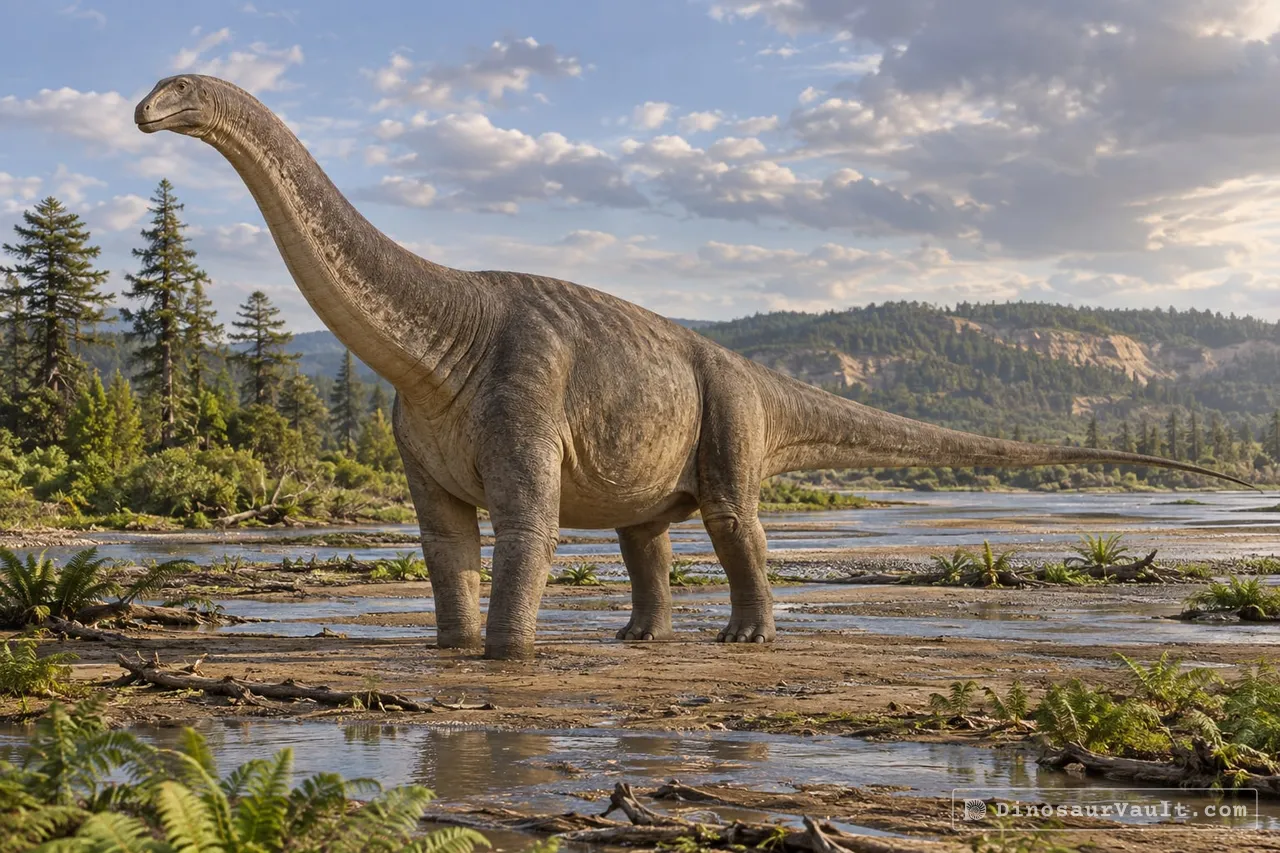
1 of 3
Lived alongside
Found in the same rock formations
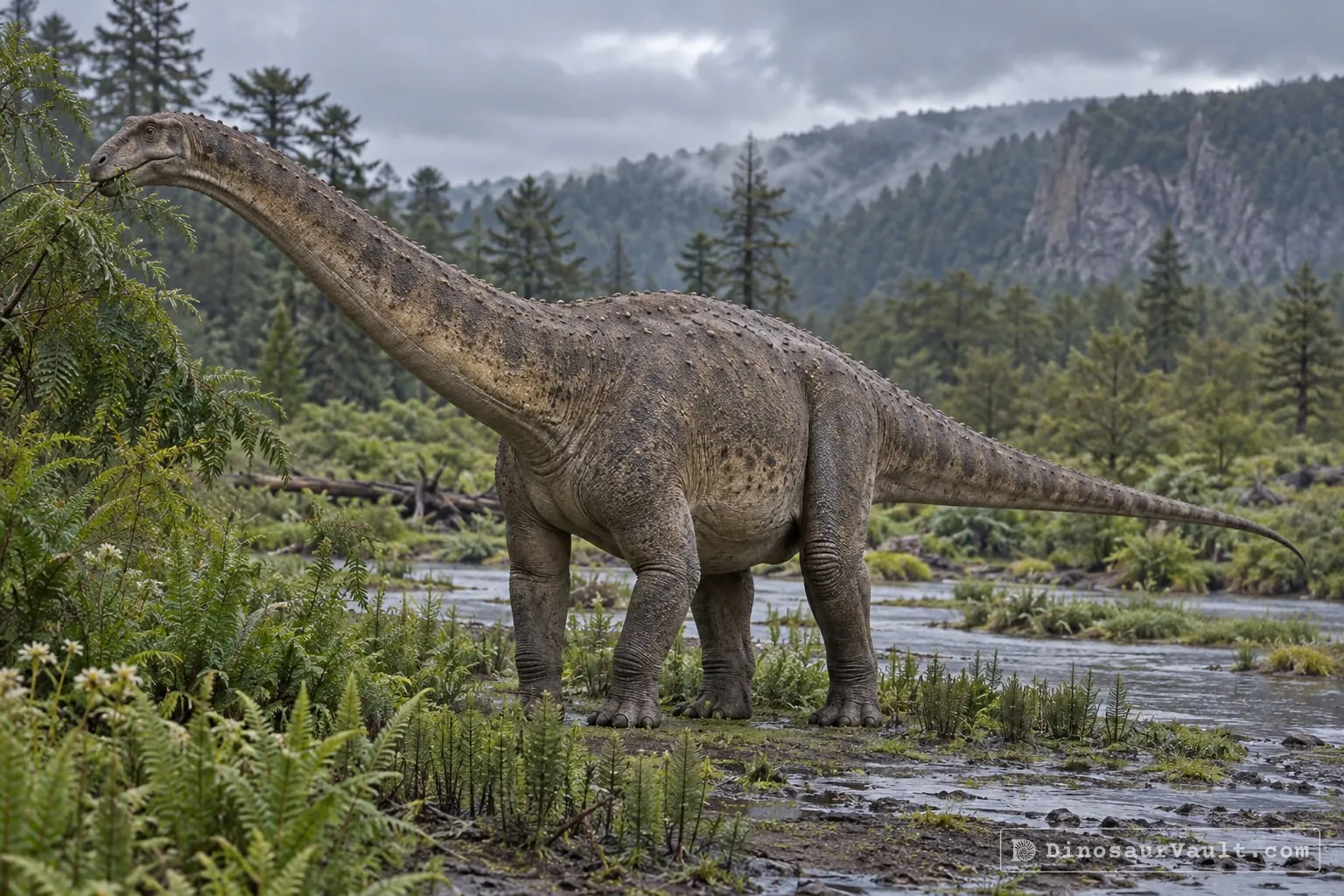
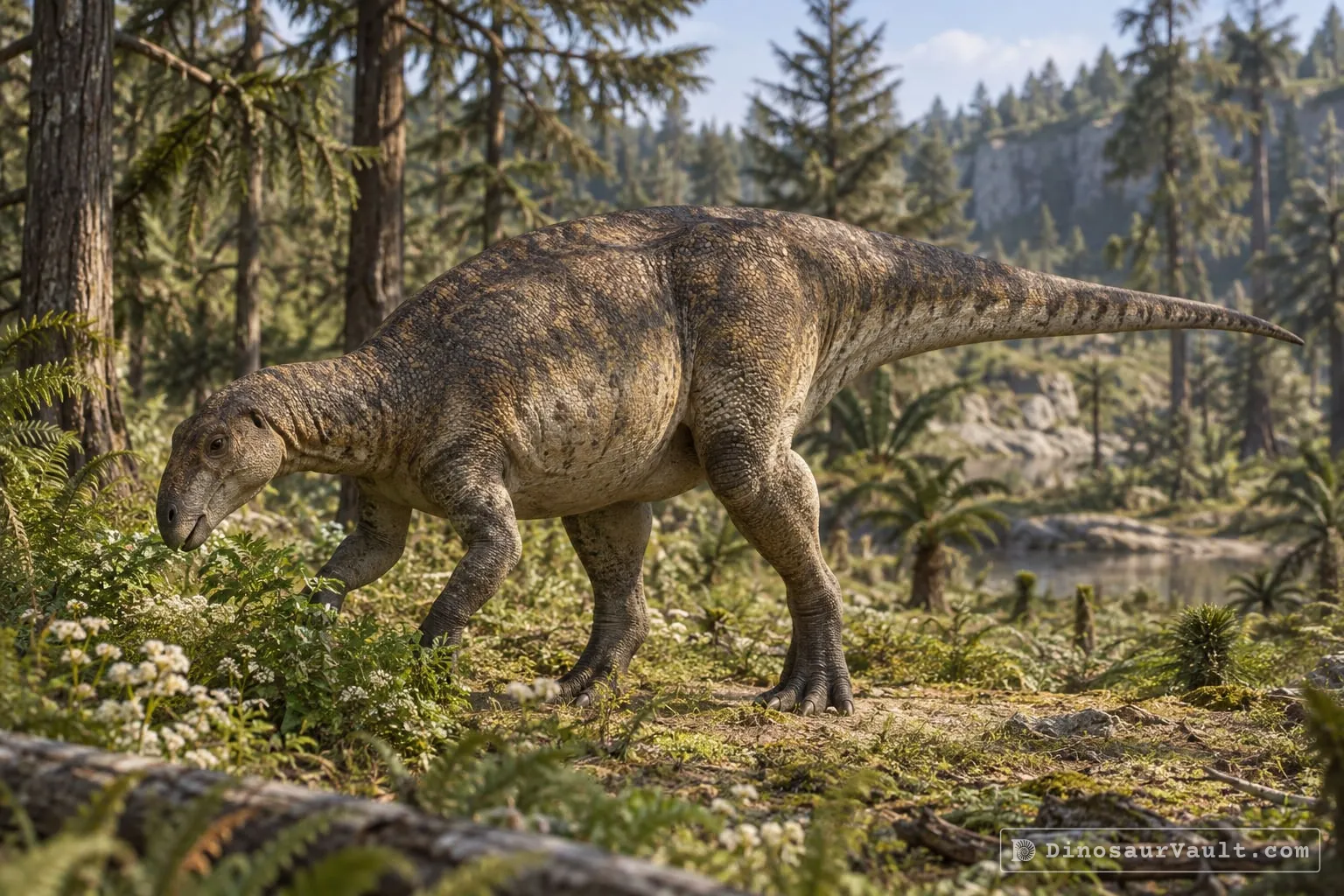
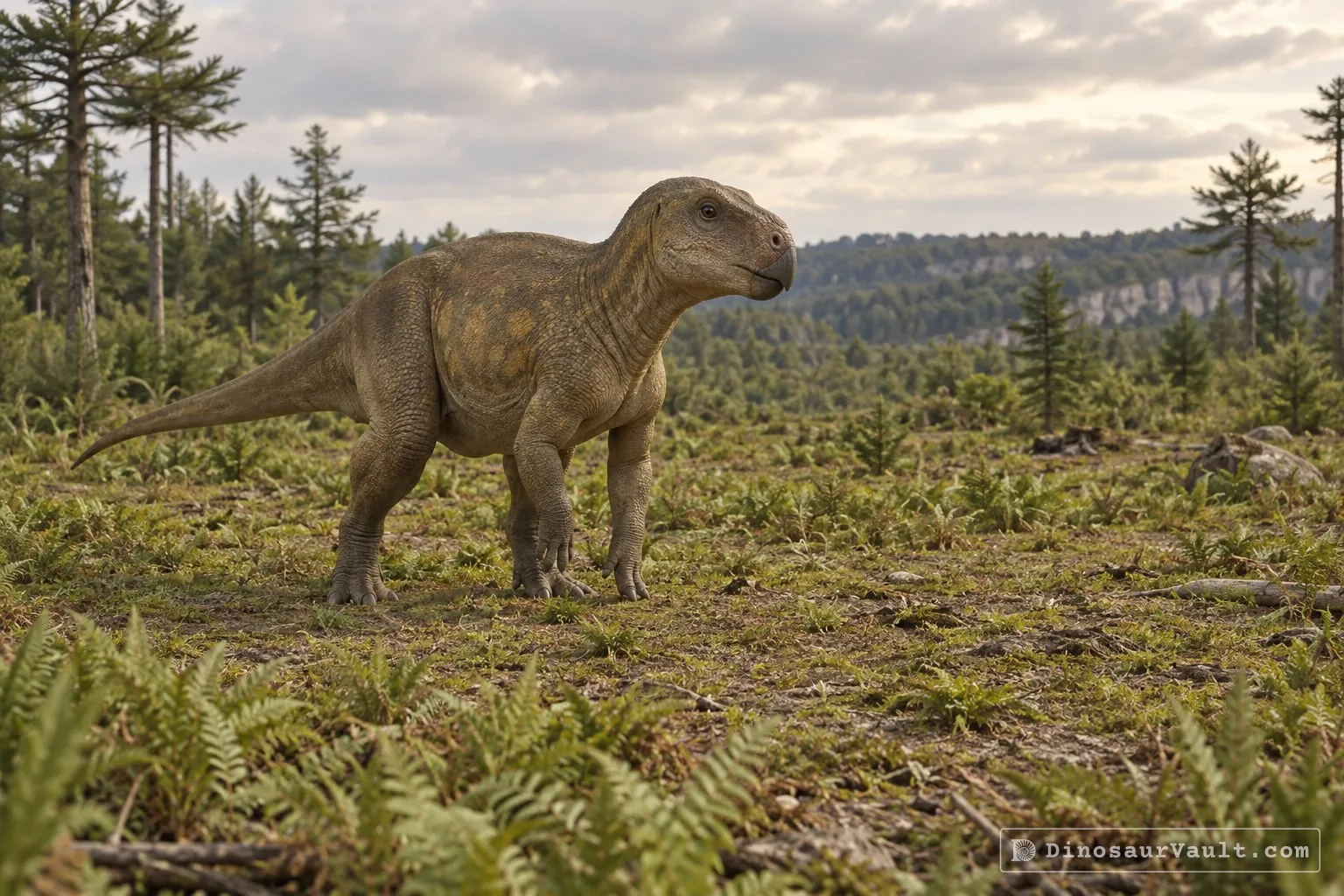
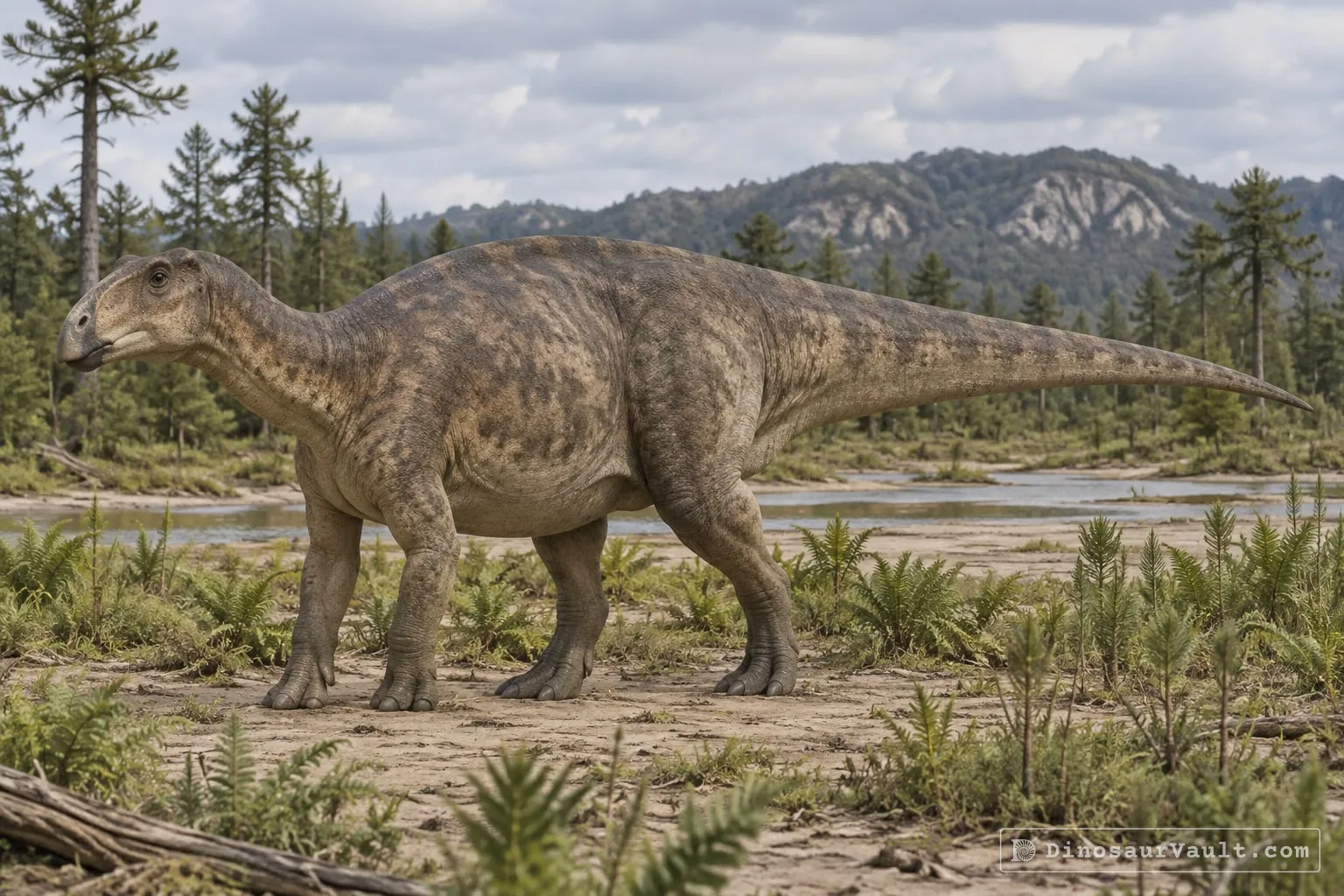
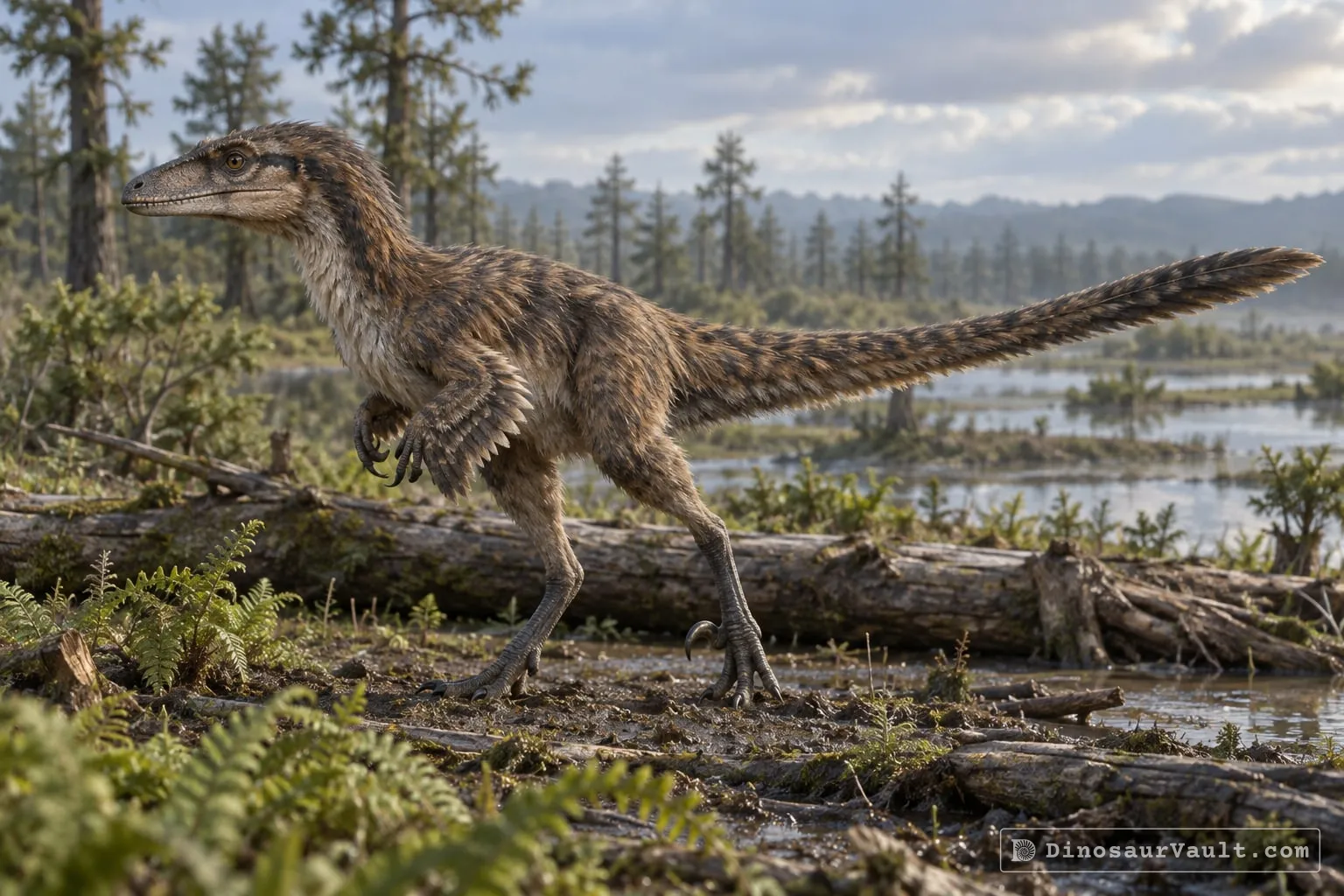
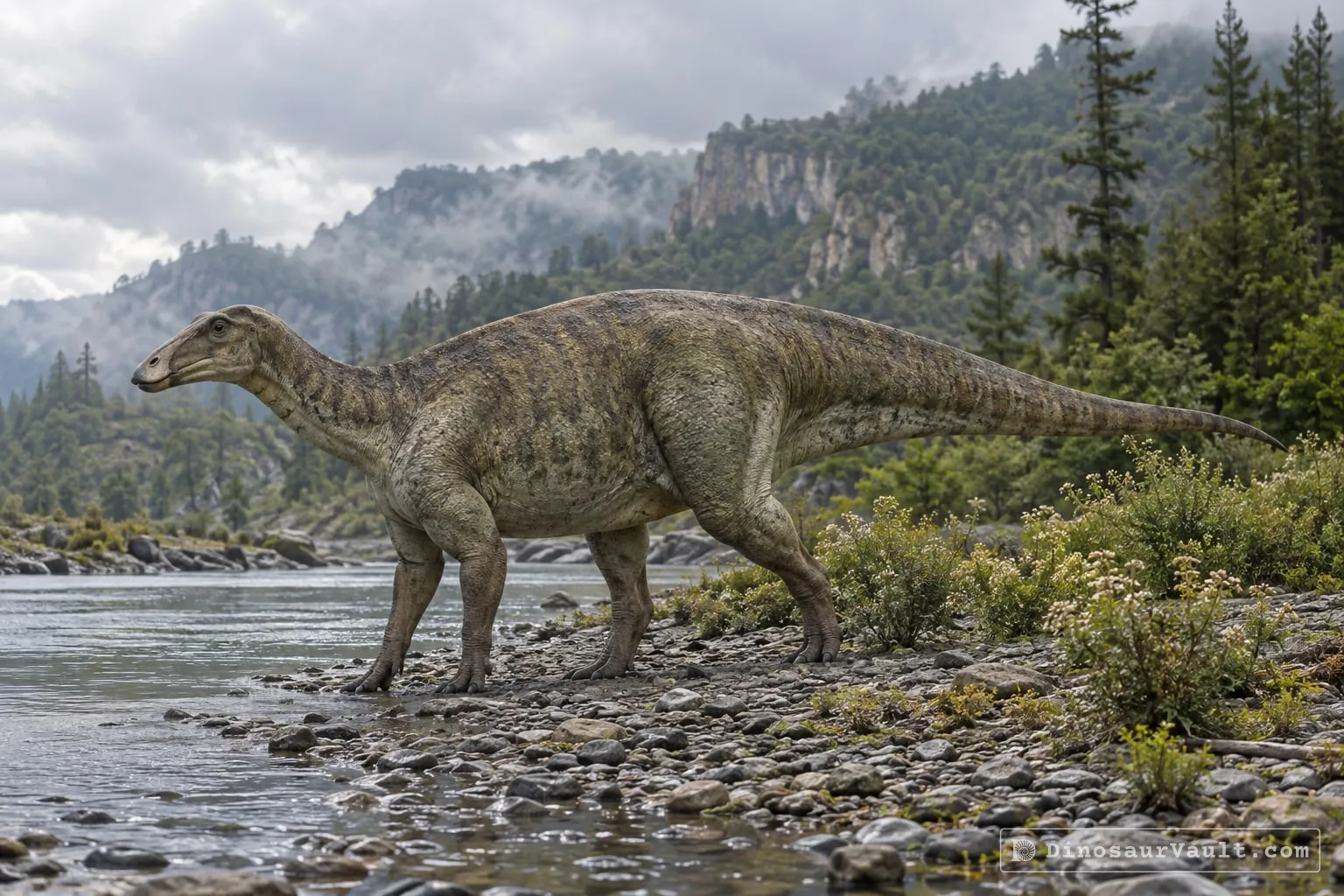
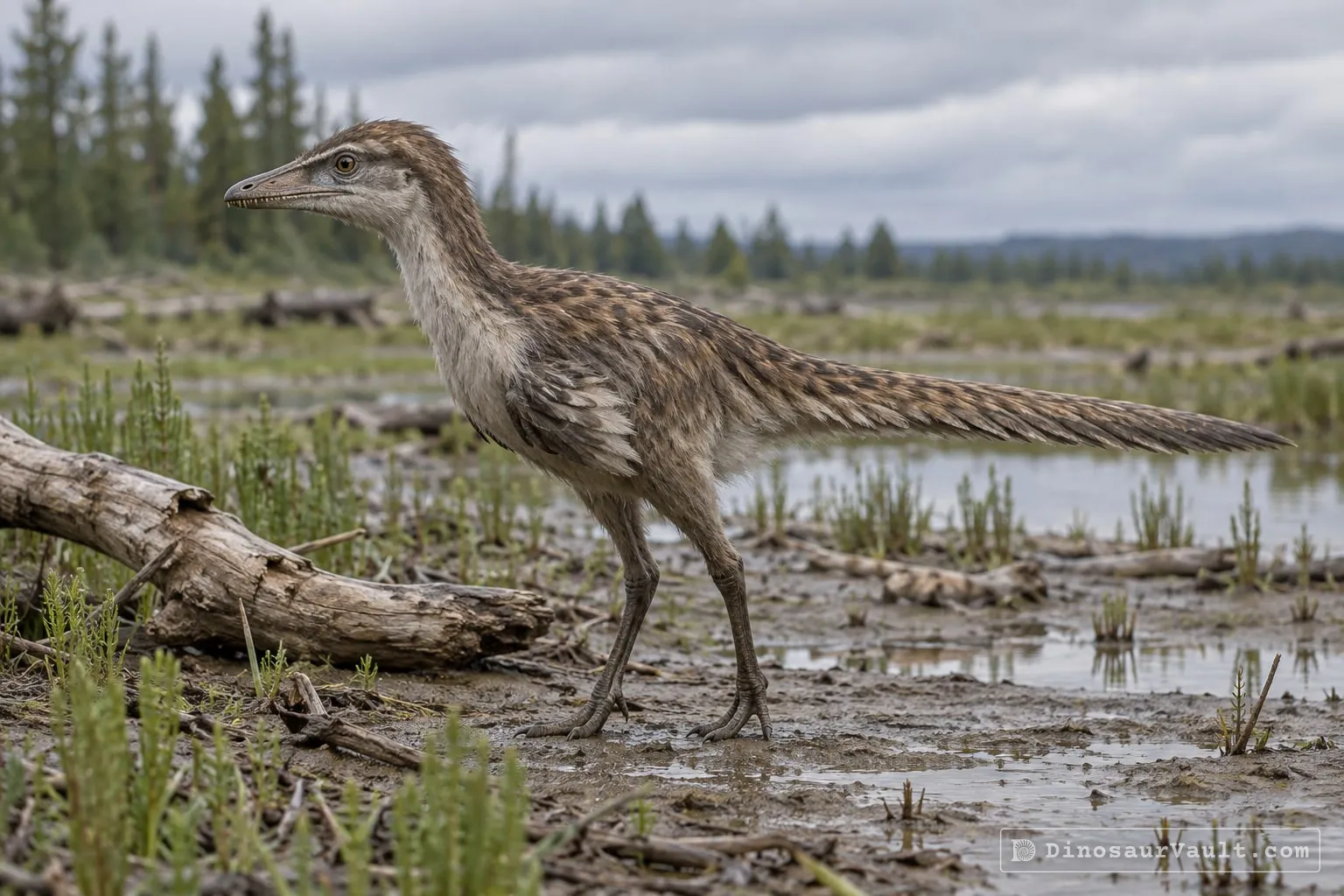
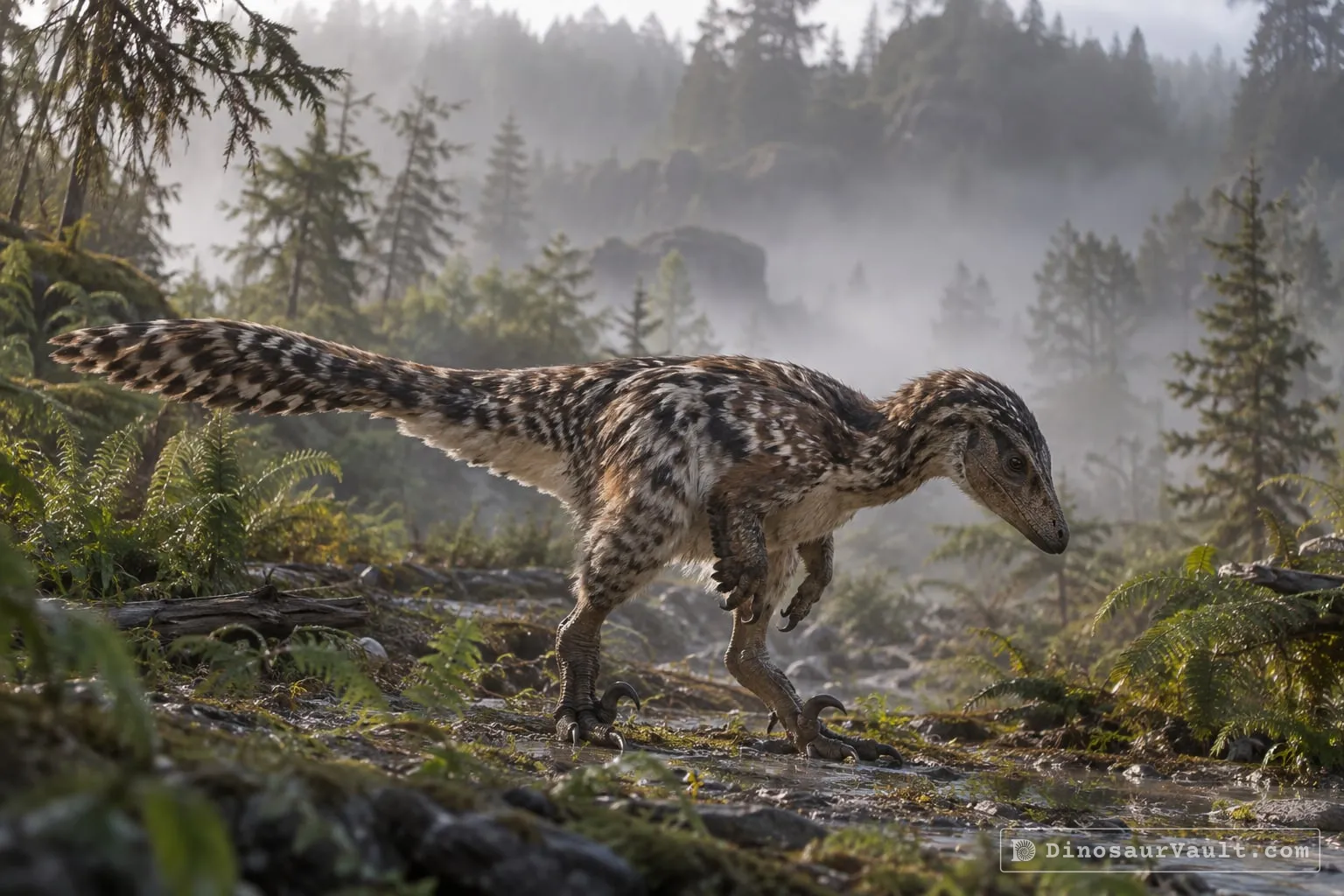


A rock formation can hold fossils laid down millions of years apart, so not every animal here met Uriash.
The evidence
The science behind Uriash
Which parts of the picture come from its own bones, and which come from its relatives.
From its own fossils
- Associated bones include tail vertebrae, part of an upper arm, thigh bones and a bone from the inner side of the hind foot.
- The upper arm and thigh bones have sturdy shafts and broad muscle attachment areas.
- Distinctive features of the tail and limb bones separate Uriash from other titanosaurs found in Romania.
Borrowed from relatives
- Tapuiasaurus provides a comparison for the missing elongated head.
- Mendozasaurus helps restore the missing hands and feet, including a curved column of hand bones and curved inner toe claws.
Still unknown
- The shape of its skull and the length of its neck.
- The complete arrangement of its fingers and toes.
- Its skin, color and whether it carried bony armor.
Discovery timeline
- 2016Close relativeWilson et al.
- 2018Close relativeGonzàlez Riga et al.
- 2025Named itDíaz et al.
Key papers
The research behind what we know of Uriash
Close relative
Described the skull of Tapuiasaurus in detail, providing a titanosaur comparison for the missing head of Uriash.
The skull of the titanosaurTapuiasaurus macedoi(Dinosauria: Sauropoda), a basal titanosaur from the Lower Cretaceous of Brazil. Zoological Journal of the Linnean Society 178: 611-662
Read the paper : The skull of the titanosaurTapuiasaurus macedoi(Dinosauria: Sauropoda), a basal titanosaur from the Lower Cretaceous of Brazil (opens in a new tab)Close relative
Described additional Mendozasaurus bones, including its hind foot, providing comparisons for missing parts of other titanosaurs such as Uriash.
Osteology of the Late Cretaceous Argentinean sauropod dinosaur Mendozasaurus neguyelap: implications for basal titanosaur relationships. Zoological Journal of the Linnean Society 184: 136-181
Read the paper : Osteology of the Late Cretaceous Argentinean sauropod dinosaur Mendozasaurus neguyelap: implications for basal titanosaur relationships (opens in a new tab)Named it
Reexamined sauropod bones from Romania and named Uriash as a distinct titanosaur based on its tail and limb anatomy.
Revision of Romanian sauropod dinosaurs reveals high titanosaur diversity and body-size disparity on the latest Cretaceous Haţeg Island, with implications for titanosaurian biogeography. Journal of Systematic Palaeontology 23
Read the paper : Revision of Romanian sauropod dinosaurs reveals high titanosaur diversity and body-size disparity on the latest Cretaceous Haţeg Island, with implications for titanosaurian biogeography (opens in a new tab)
Close relatives
Other members of Lithostrotia


Sources: Wikidata