Pellegrinisaurus
"Pellegrini lizard"
- Lived
- 72 to 66 million years ago, Late Cretaceous
- Diet
- Herbivore
- Group
- Sauropods
- Found in
- Argentina
- Named by
- Salgado 1996
Where its fossils were found
The evidence
Today

70 million years ago
Habitat
The Allen landscape in Argentina included rivers, shallow lakes and dunes. Dinosaurs from these rocks include Austroraptor, Aeolosaurus and Bonapartesaurus.
Field notes
About Pellegrinisaurus
What it was like
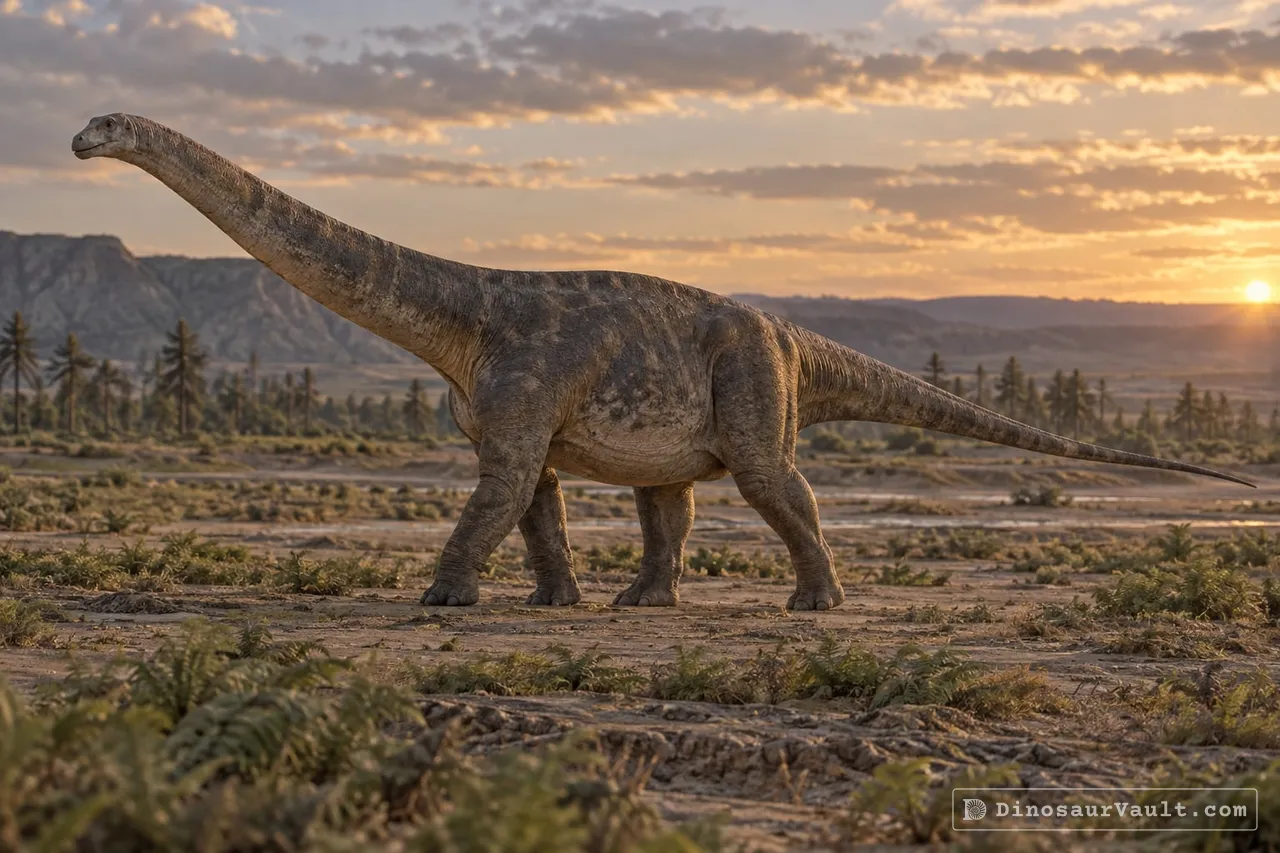
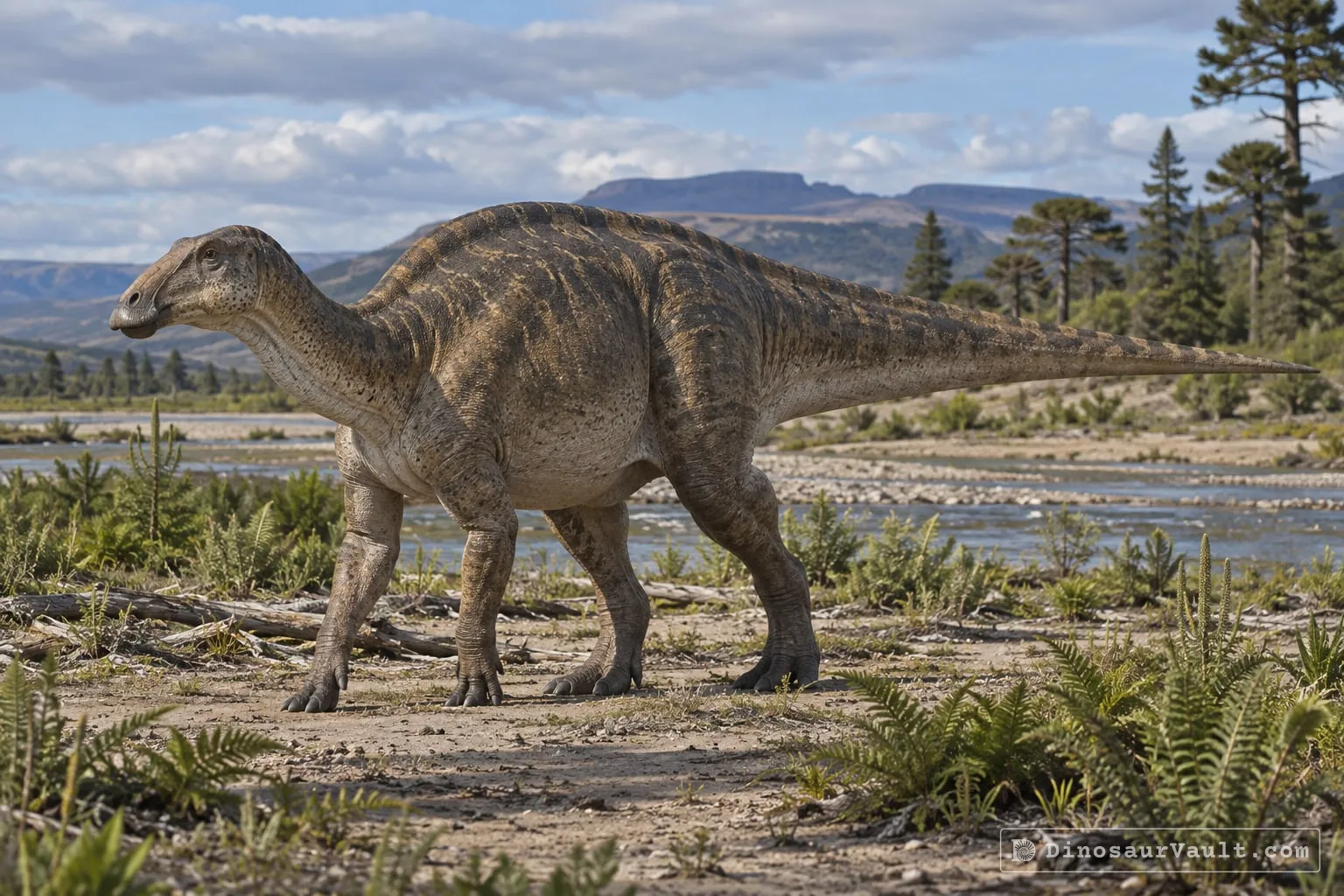
Pellegrinisaurus was a large titanosaur, a long-necked, four-legged plant eater, known from part of the backbone, tail and a thigh bone.
Its world
It lived about 72 to 66 million years ago, at the end of the Late Cretaceous, in what is now Argentina. Its bones come from the Allen Formation, where it shared the land with the raptor Austroraptor, the hunter Abelisaurus and the titanosaurs Aeolosaurus and Neuquensaurus.
How it was found
Salgado named Pellegrinisaurus in 1996, for bones that had been placed in another genus. Its name comes from a lake near where it was found.
Field gallery
More views of Pellegrinisaurus
Scenes reconstructed from the available fossil evidence.
1 of 2
Lived alongside
Found in the same rock formations
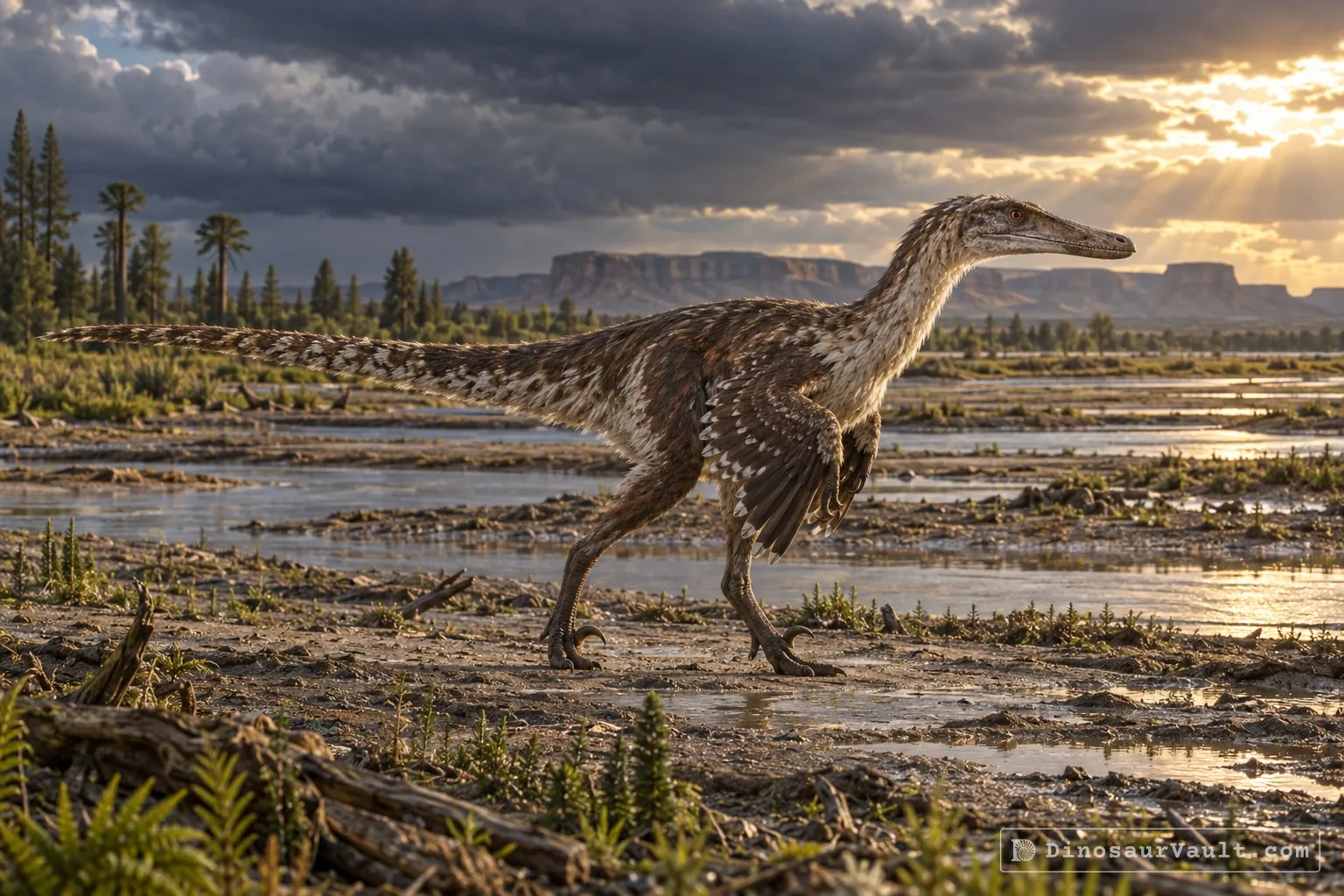
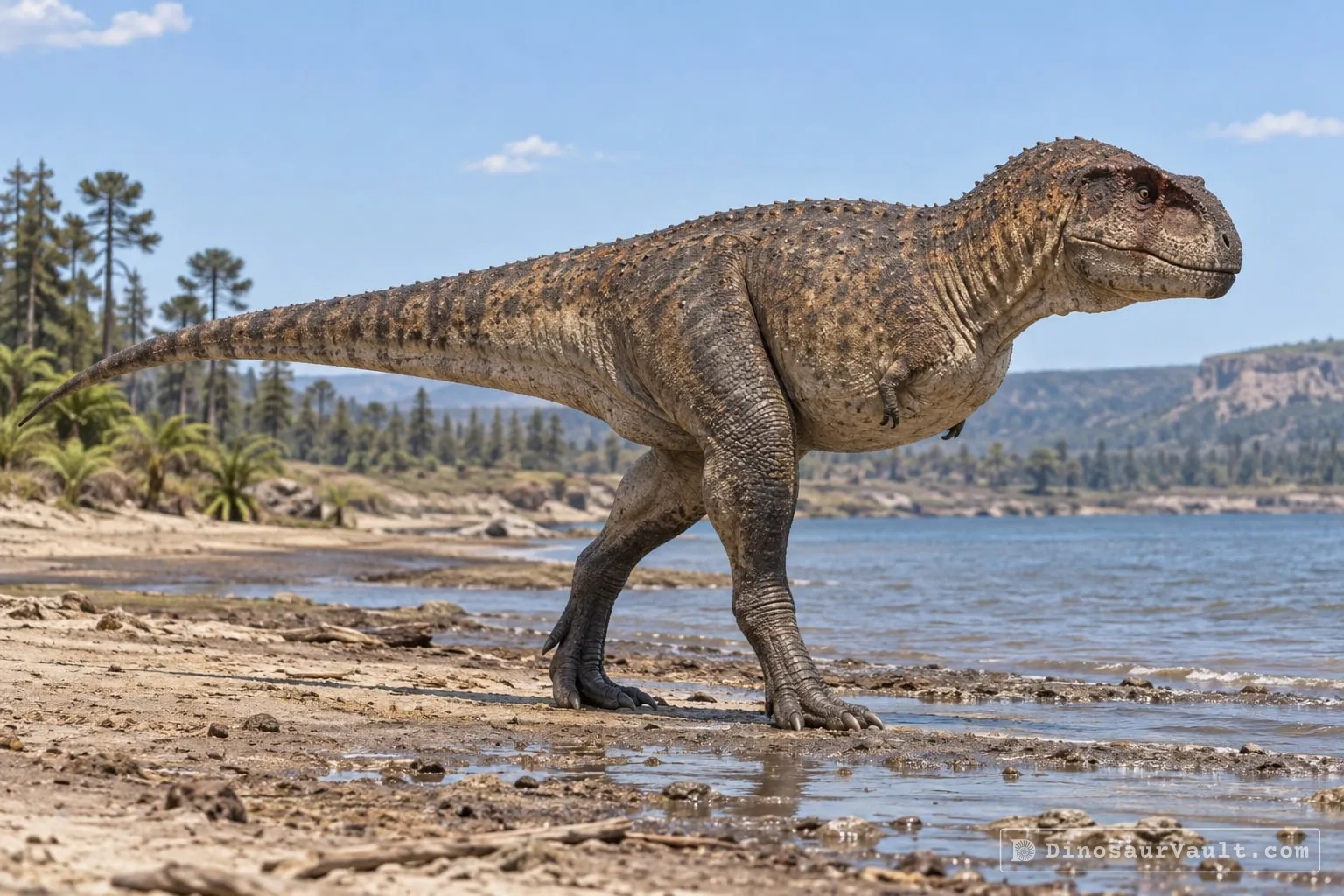
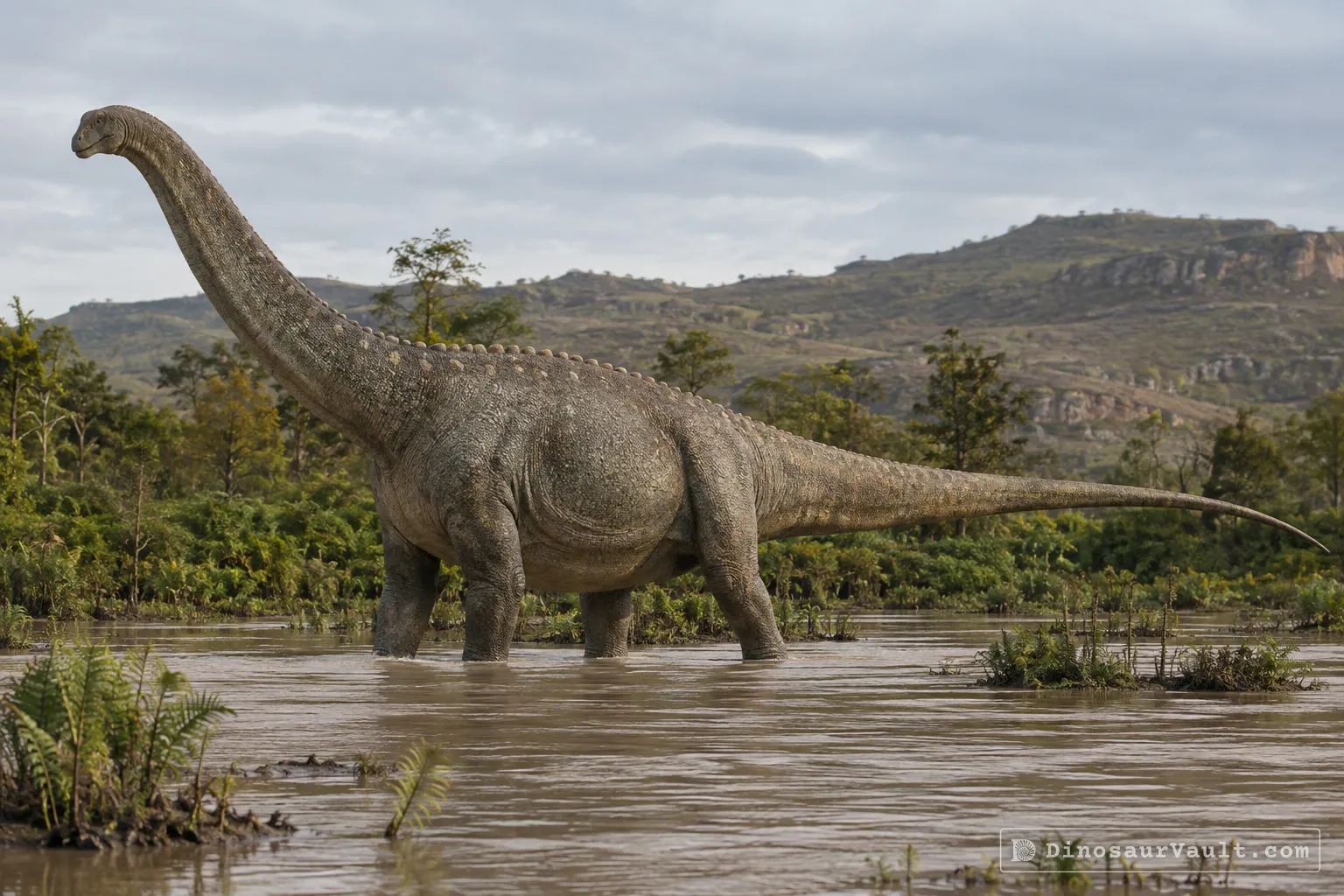
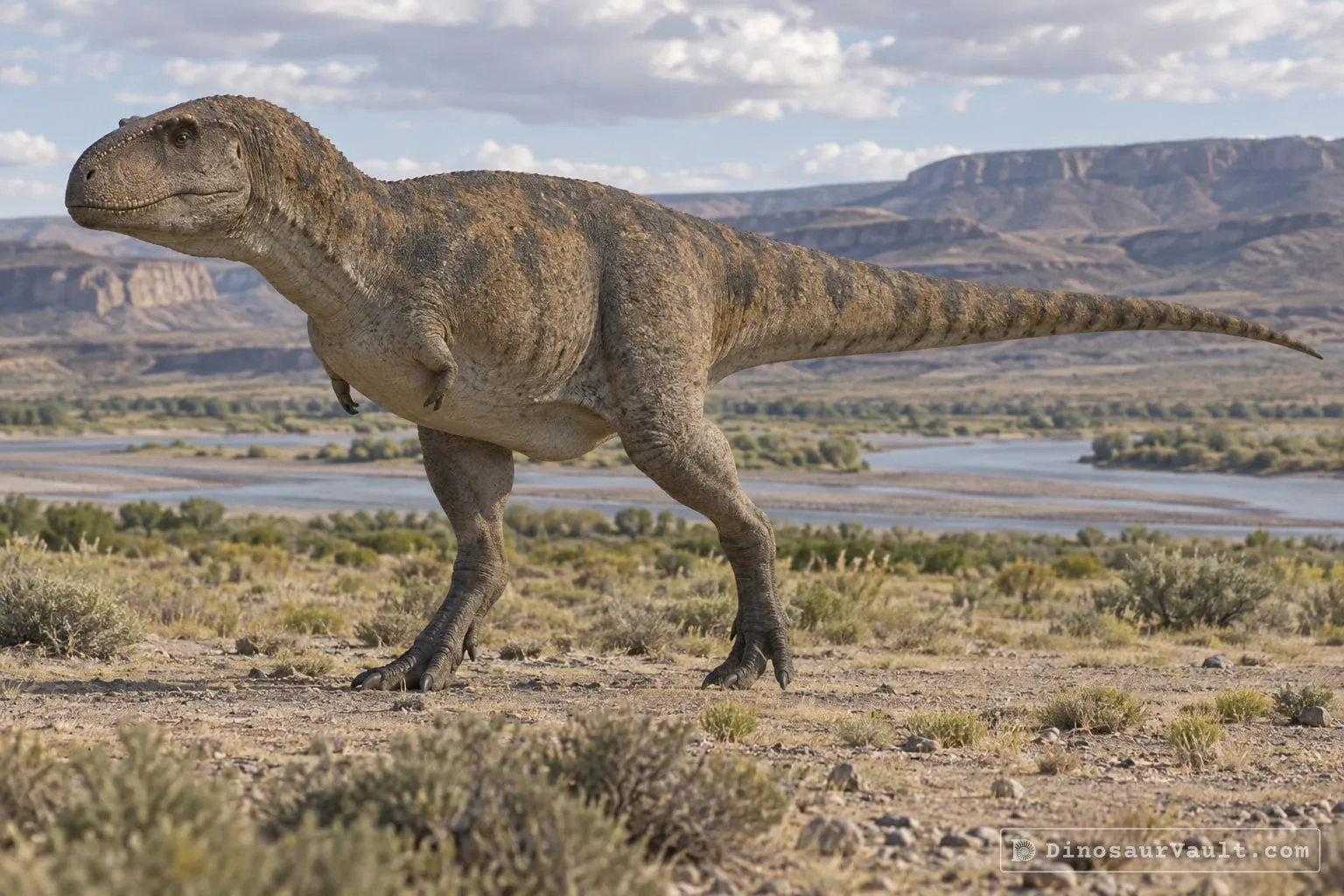
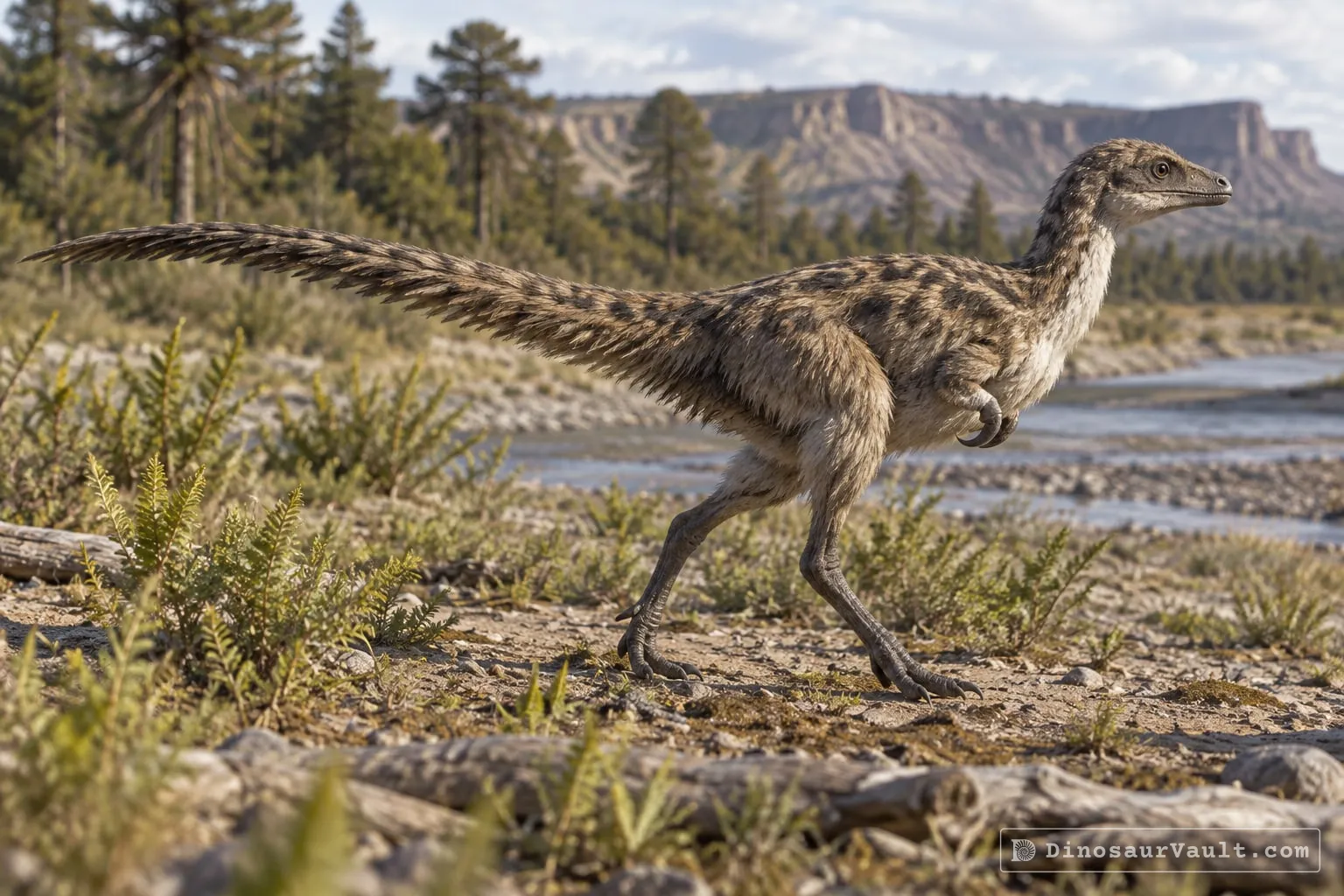
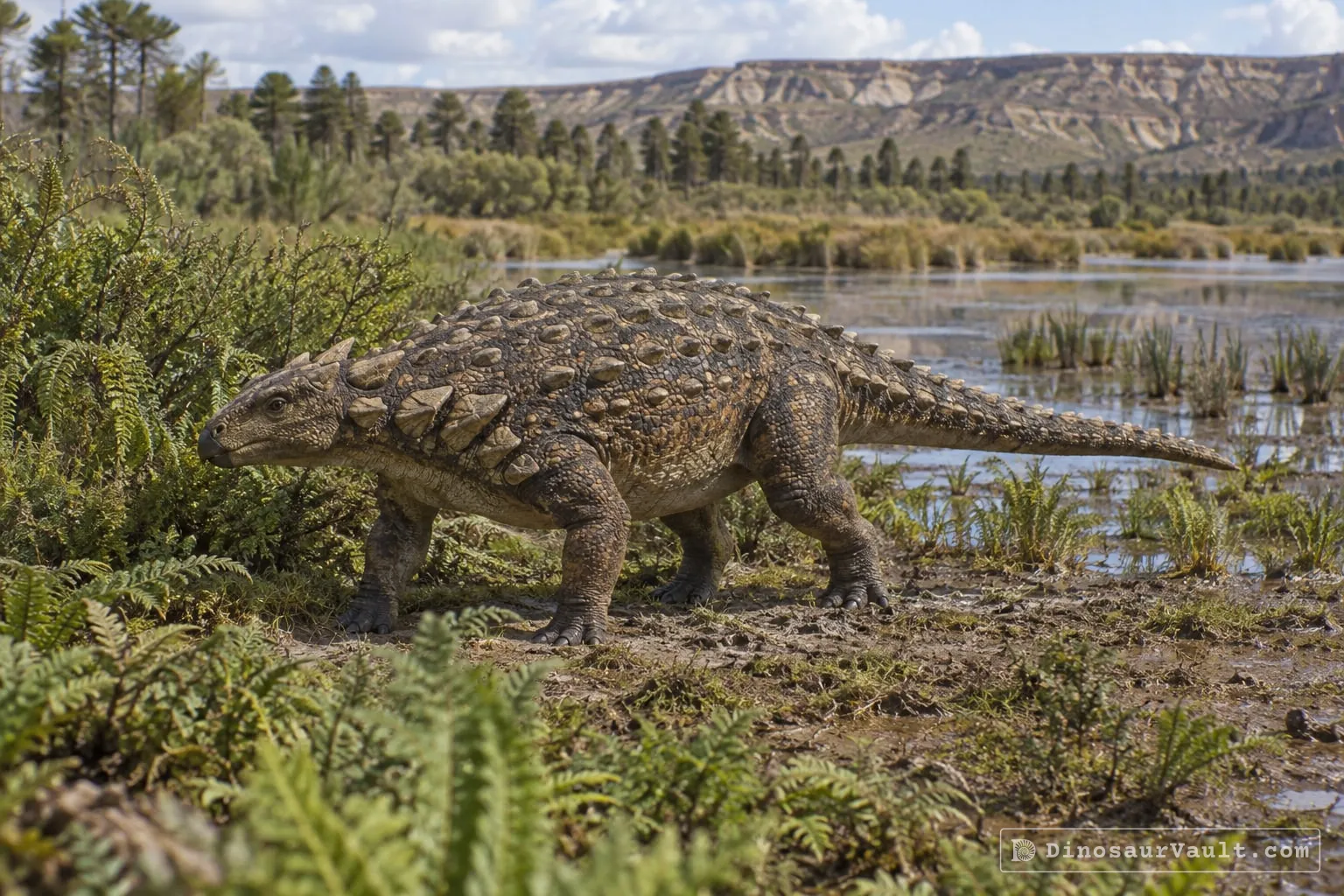
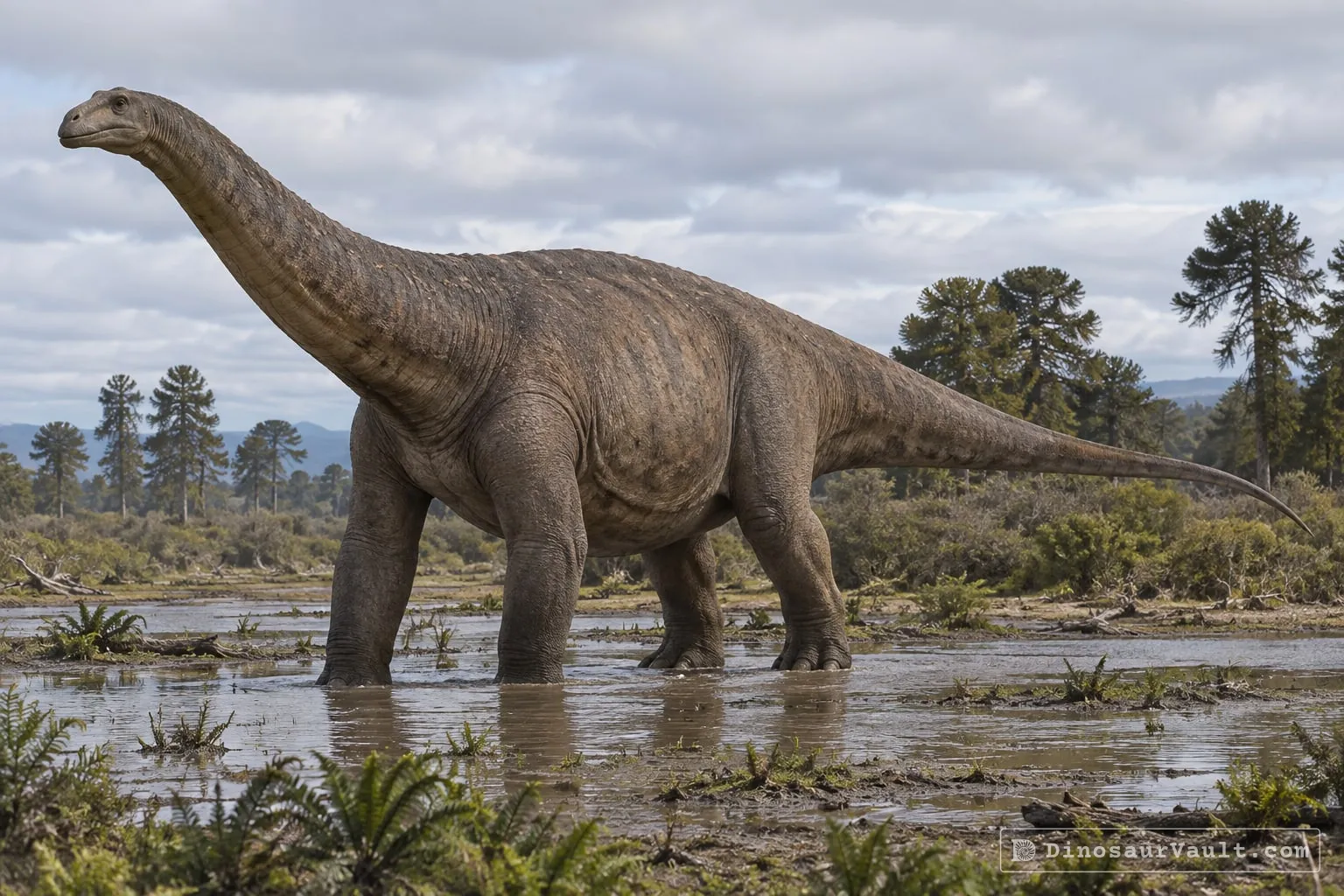


A rock formation can hold fossils laid down millions of years apart, so not every animal here met Pellegrinisaurus.
The evidence
The science behind Pellegrinisaurus
Which parts of the picture come from its own bones, and which come from its relatives.
From its own fossils
- The skeleton preserves parts of the back and tail, along with an incomplete thigh bone.
- The front tail vertebrae have large side depressions with distinct rims along their upper edges.
- A low ridge runs down the back of the thigh bone.
Borrowed from relatives
- The missing head, neck and most limbs are restored from other titanosaurs, with Alamosaurus a close comparison in the revised family tree.
Still unknown
- Its complete neck and tail lengths.
- Its skin color and pattern.
- What newly hatched animals looked like.
Discovery timeline
- 1996Named itSalgado
- 2021RedescriptionCerda et al.
Key papers
The research behind what we know of Pellegrinisaurus
Named it
Named a new titanosaur from back and tail vertebrae and a thigh bone, separating it from Epachthosaurus.
Pellegrinisaurus powelli nov. gen. et sp. (Sauropoda, Titanosauridae) from the Upper Cretaceous of Lago Pellegrini, northwestern Patagonia, Argentina. Ameghiniana 33: 355-365
No link available
Redescription
Revised its distinguishing features, linked it with Alamosaurus and identified the known individual as a young adult still growing.
Osteology, paleohistology and phylogenetic relationships of Pellegrinisaurus powelli (Dinosauria: Sauropoda) from the Upper Cretaceous of Argentinean Patagonia. Cretaceous Research 128: 104957
Read the paper : Osteology, paleohistology and phylogenetic relationships of Pellegrinisaurus powelli (Dinosauria: Sauropoda) from the Upper Cretaceous of Argentinean Patagonia (opens in a new tab)
Close relatives
Other members of Lithostrotia


Sources: Wikidata