Kryptohadros
"hidden hadrosaur"
Type species Kryptohadros kallaiae
- Lived
- 72 to 66 million years ago, Late Cretaceous
- Diet
- Herbivore
- Group
- Ornithopods, Telmatosauridae
- Found in
- Romania
- Named by
- Magyar et al. 2026
Where its fossils were found
The evidence
Today

Habitat
An island landscape in what is now Romania, shared with Magyarosaurus, Zalmoxes and Balaur.
Field notes
About Kryptohadros
What it was like
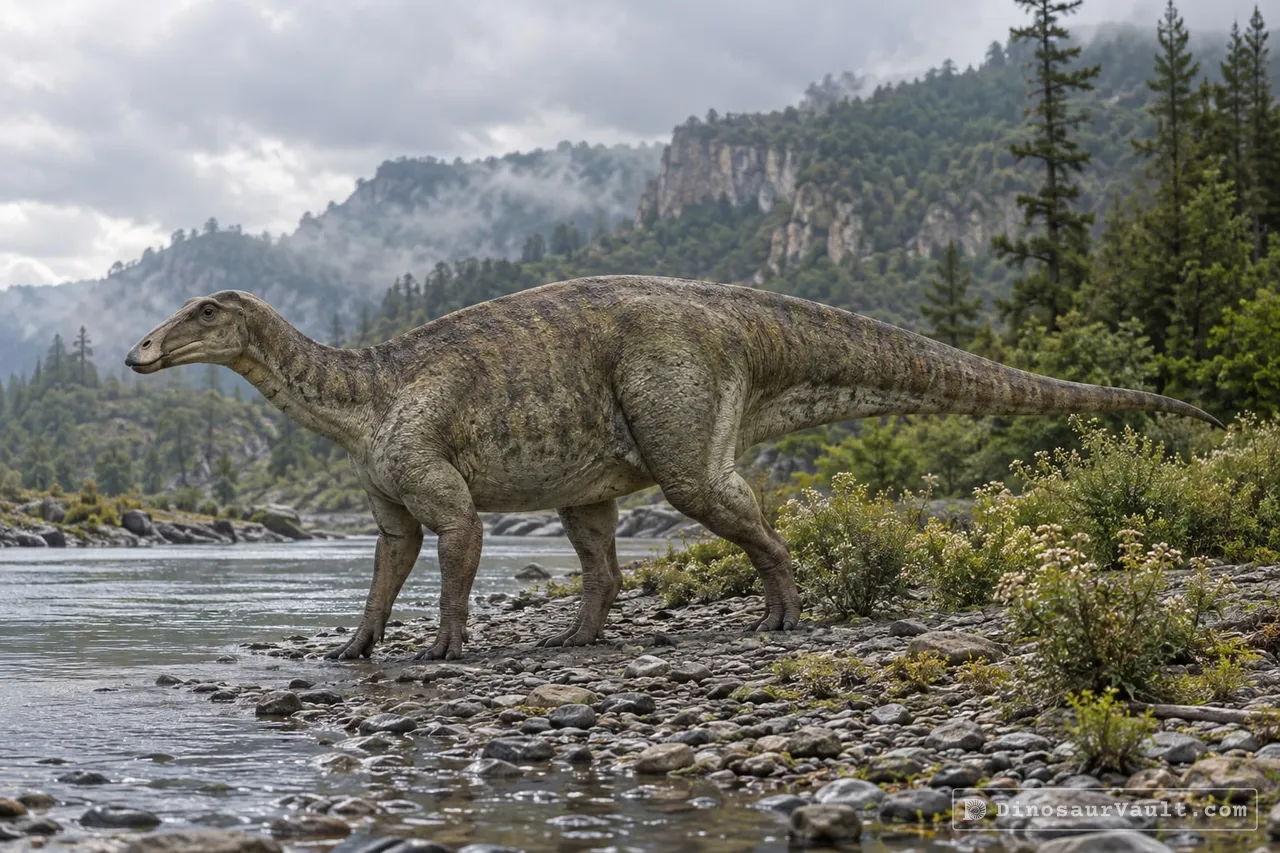
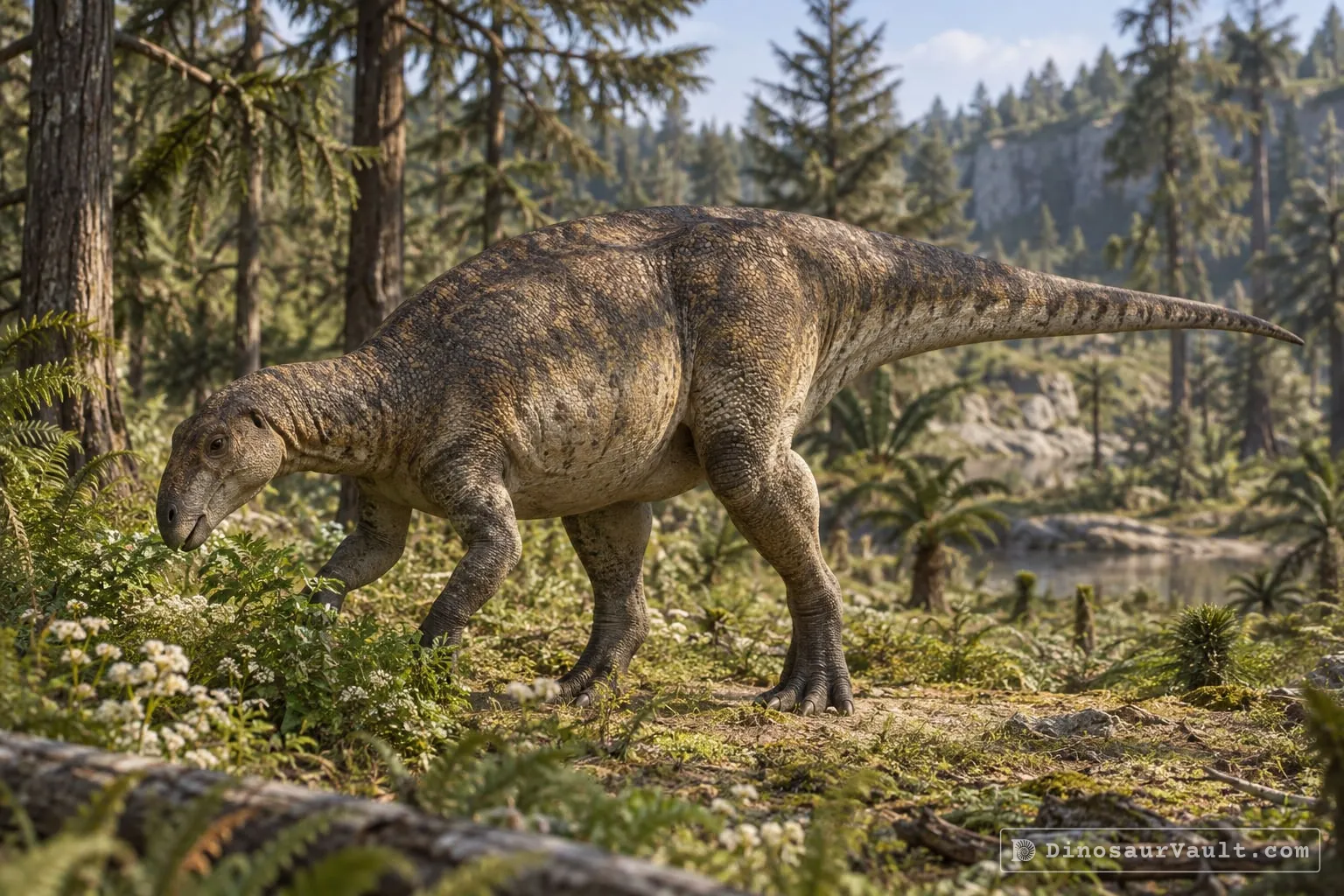
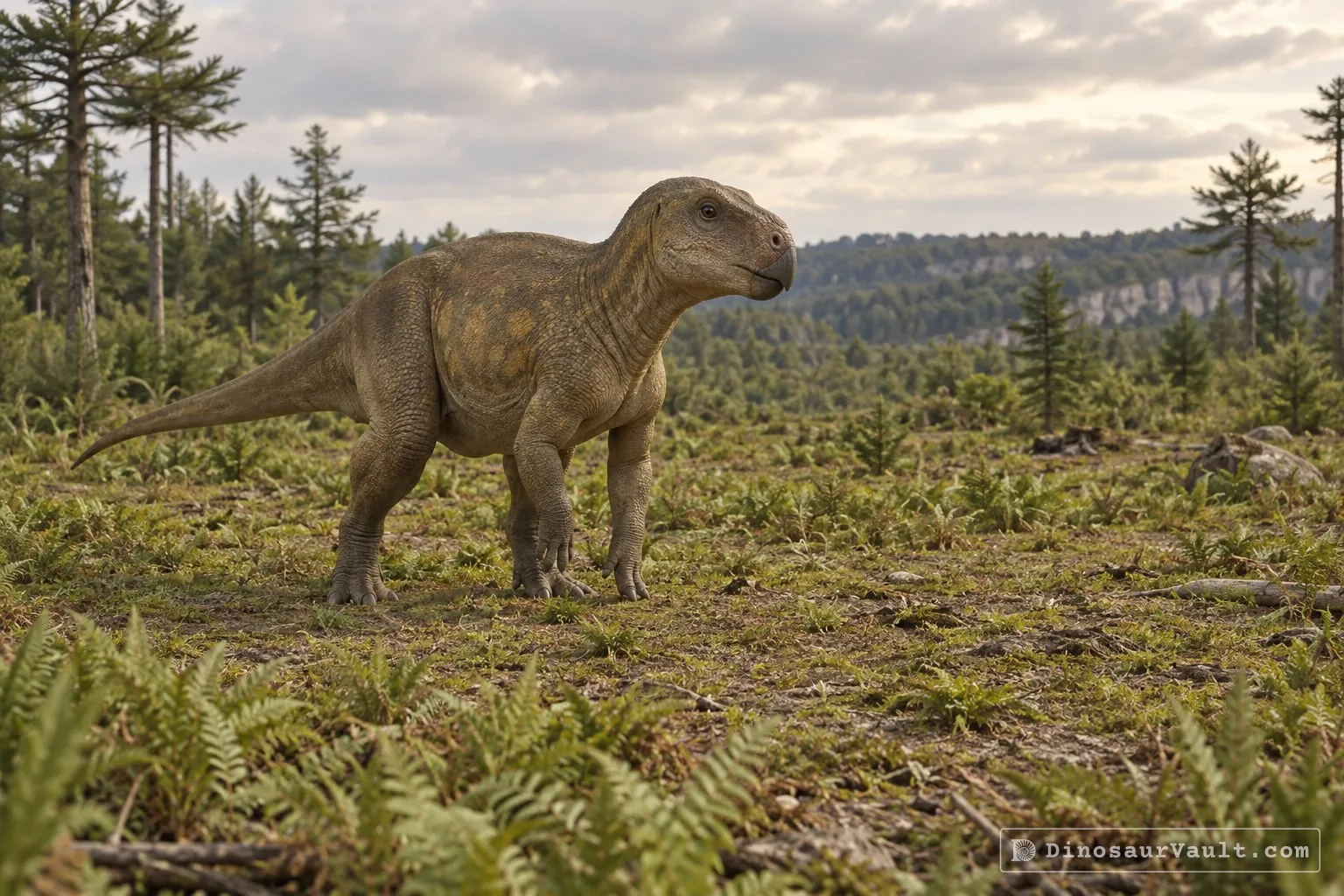
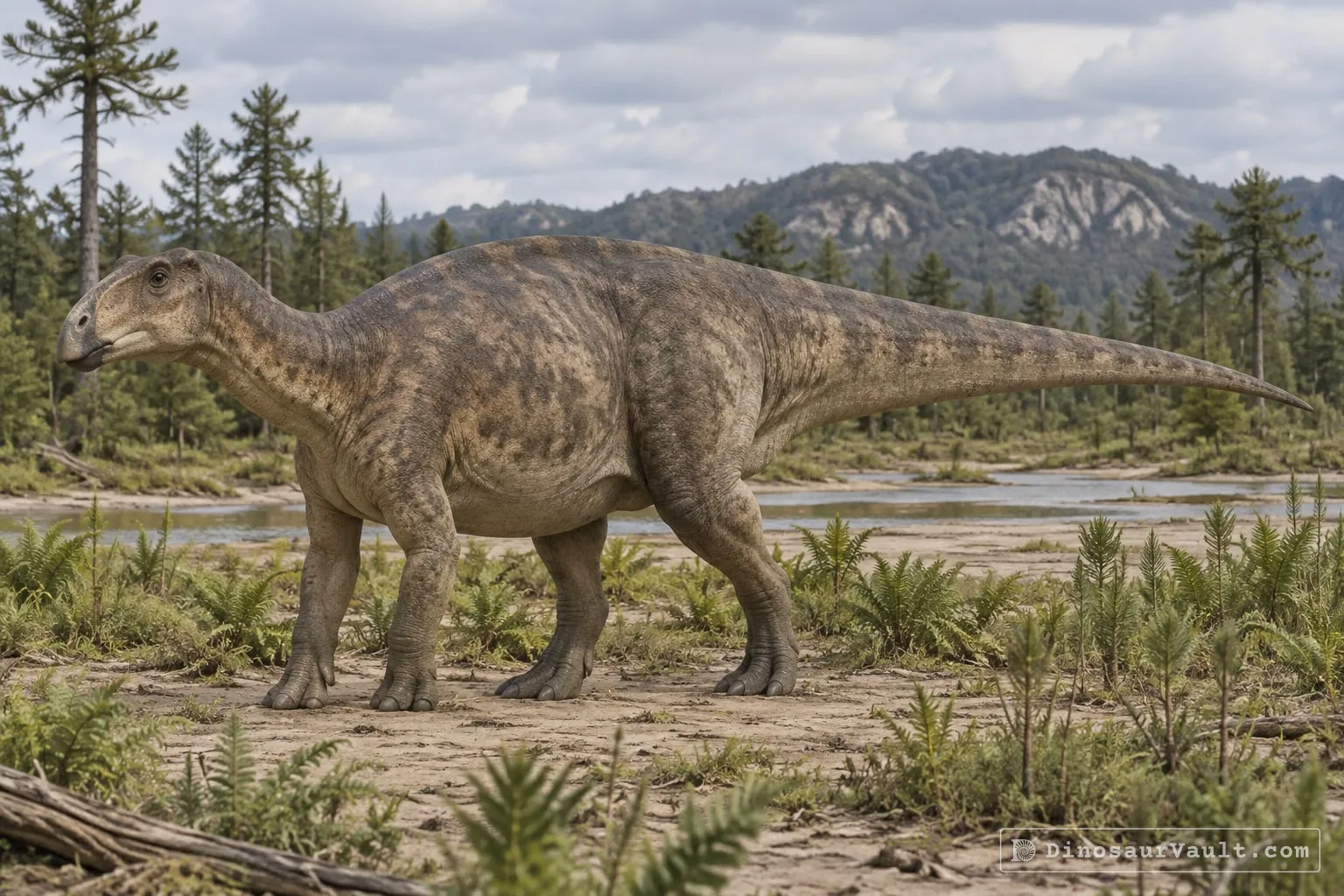
Kryptohadros was a plant eater related to the duck-billed dinosaurs, known from part of a skull and skeleton. It was a close relative of Telmatosaurus, which lived in the same region.
Its world
It lived about 72 to 66 million years ago, at the end of the Late Cretaceous, in what is now Romania. The region was then an island, home to small dinosaurs such as the dwarf titanosaur Magyarosaurus, the plant eater Zalmoxes and the raptor Balaur. Its bones come from the Densuș-Ciula Formation.
How it was found
Magyar and colleagues named it in 2026. The type species is Kryptohadros kallaiae.
Field gallery
More views of Kryptohadros
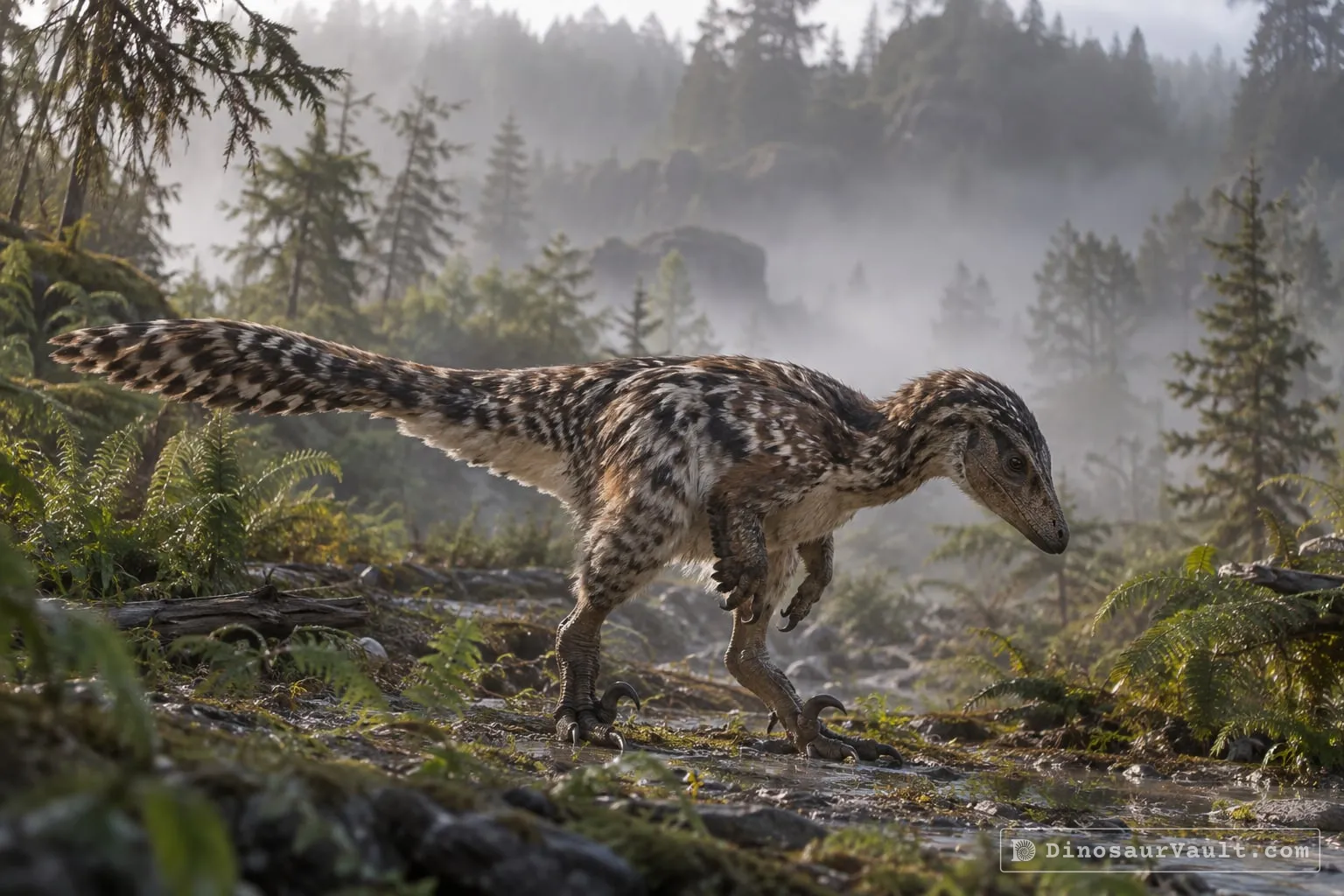
Scenes reconstructed from the available fossil evidence.
Lived alongside
Found in the same rock formations
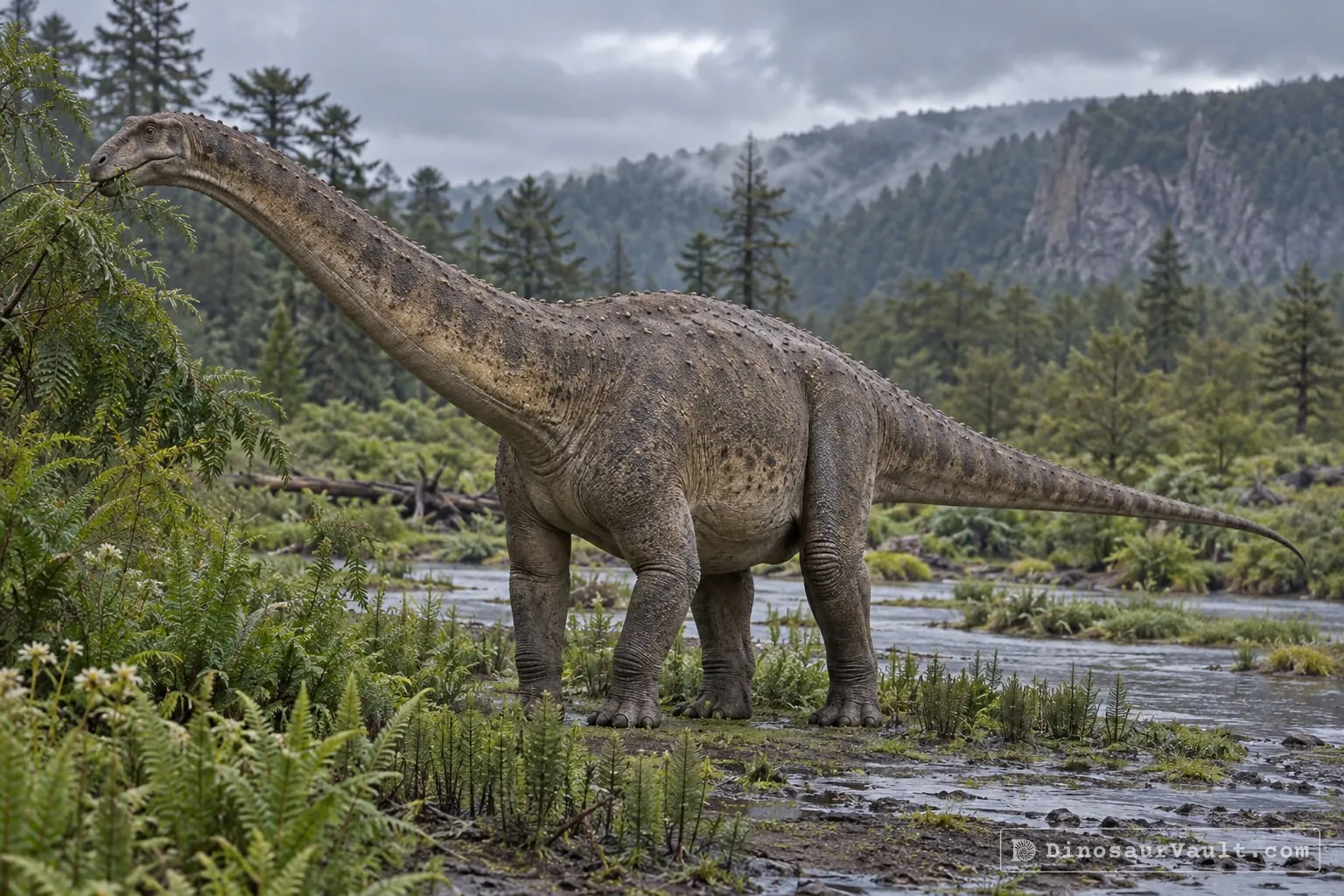
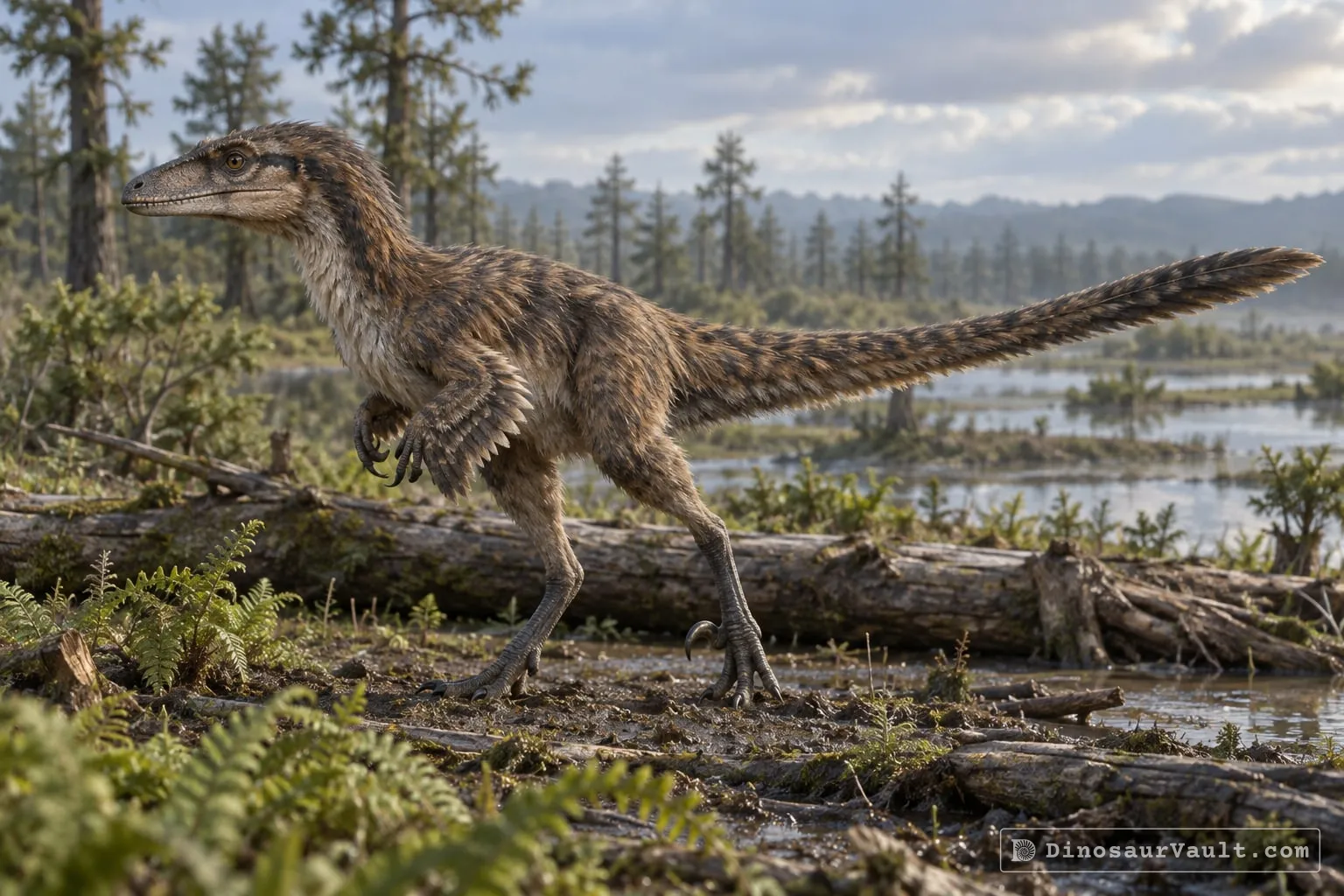
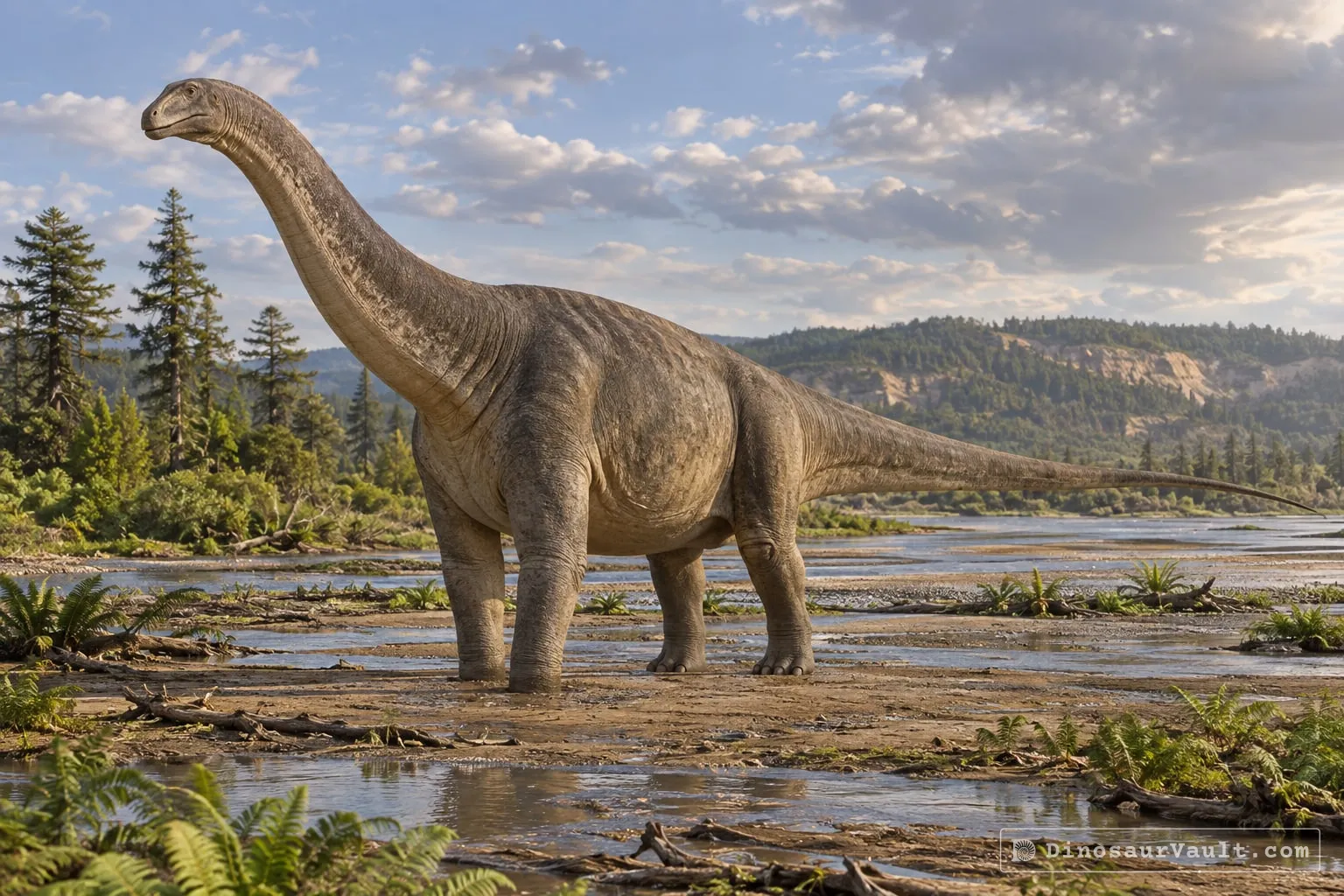
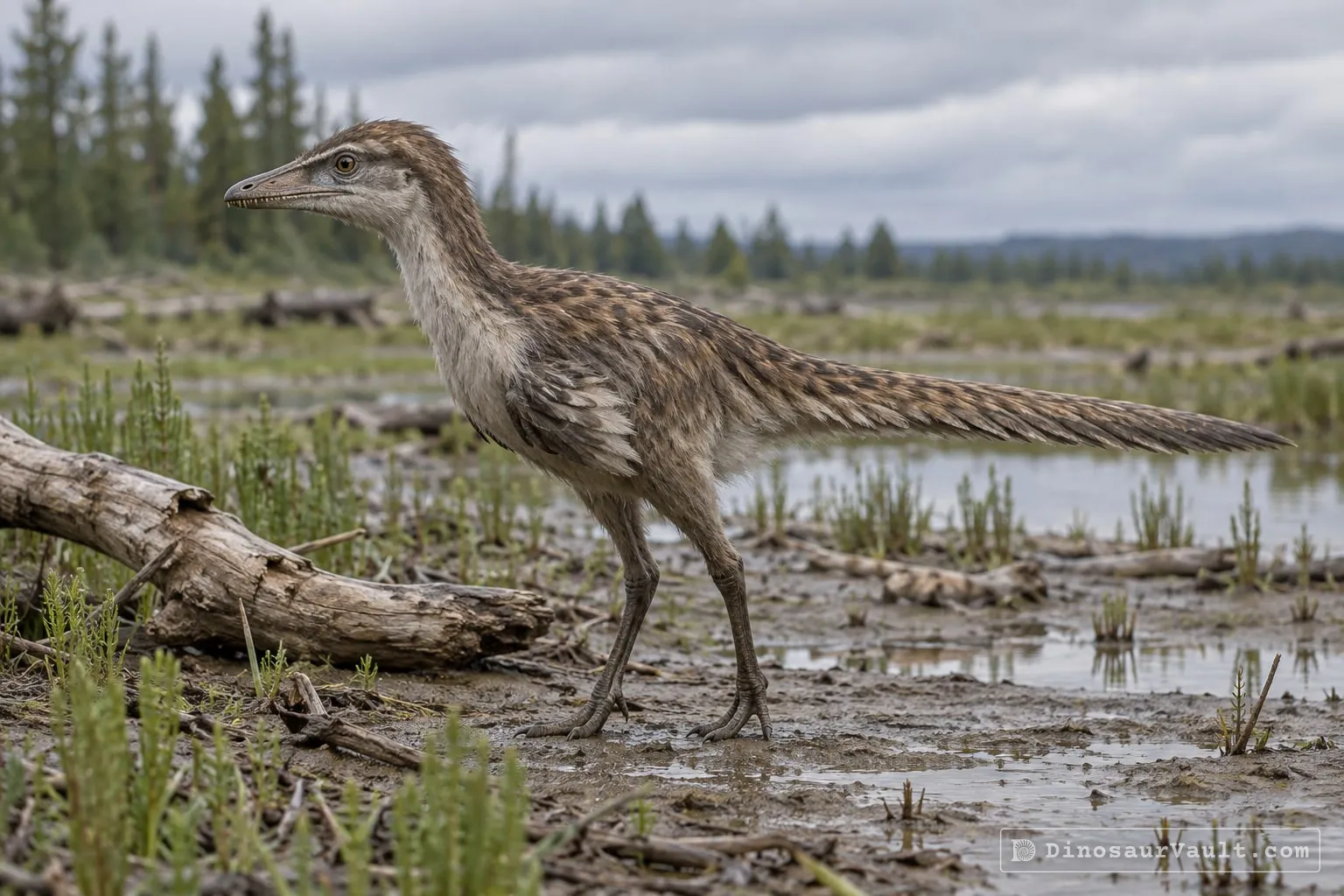


A rock formation can hold fossils laid down millions of years apart, so not every animal here met Kryptohadros.
The evidence
The science behind Kryptohadros
Which parts of the picture come from its own bones, and which come from its relatives.
From its own fossils
- A partial skeleton preserves skull bones, vertebrae and limb bones.
- Distinctive features of the lower jaw separate it from Telmatosaurus.
Borrowed from relatives
- Missing parts of its body are restored by comparison with Telmatosaurus and Tethyshadros, its close relatives.
Still unknown
- Its complete body proportions.
- Its skin texture and color.
- Whether it lived in herds or cared for its young.
Discovery timeline
- 2010Its worldBenton et al.
- 2021Close relativeChiarenza et al.
- 2026Named itMagyar et al.
Key papers
The research behind what we know of Kryptohadros
Its world
Combined geology and bone growth studies to support an island setting and dwarfism in Magyarosaurus and Telmatosaurus.
Dinosaurs and the island rule: The dwarfed dinosaurs from Haţeg Island. Palaeogeography, Palaeoclimatology, Palaeoecology 293: 438-454
Read the paper : Dinosaurs and the island rule: The dwarfed dinosaurs from Haţeg Island (opens in a new tab)Close relative
A larger Tethyshadros skeleton showed that the original specimen was still growing, challenging the idea that this relative was an island dwarf.
An Italian dinosaur Lagerstätte reveals the tempo and mode of hadrosauriform body size evolution. Scientific Reports 11
Read the paper : An Italian dinosaur Lagerstätte reveals the tempo and mode of hadrosauriform body size evolution (opens in a new tab)Named it
Named a plant eater from a partial skeleton and grouped it with Telmatosaurus and Tethyshadros in a distinct European branch.
New early Maastrichtian ‘duck-billed’ dinosaur from Hațeg Basin (Densuș-Ciula Formation, Romania) documents an endemic clade of non-hadrosaurid hadrosauroids in the south-eastern Late Cretaceous European Archipelago. Journal of Systematic Palaeontology 24
Read the paper : New early Maastrichtian ‘duck-billed’ dinosaur from Hațeg Basin (Densuș-Ciula Formation, Romania) documents an endemic clade of non-hadrosaurid hadrosauroids in the south-eastern Late Cretaceous European Archipelago (opens in a new tab)
Close relatives
Other members of Telmatosauridae

Sources: Wikidata