Tylocephale
TIE-loh-SEF-ah-lee
"swollen head"
- Lived
- 84 to 72 million years ago, Late Cretaceous
- Diet
- Herbivore
- Length
- about 1.4 m (5 ft)
- Group
- Pachycephalosaurs, Pachycephalosauridae
- Found in
- Mongolia
- Named by
- Maryańska and Osmólska 1974
Size comparison
To scale

Scale in metersOutline: typical pachycephalosaur shape
Where its fossils were found
The evidence
Today

80 million years ago
Habitat
The Baruungoyot Formation in Mongolia records a dry landscape with windblown sand dunes. Saichania, Tarchia and Shri also inhabited this region.
Field notes
About Tylocephale
What it was like
Tylocephale was a small dome-headed dinosaur, about 1.4 meters (5 feet) long. Its dome was tall and narrow, with the highest point toward the back of the head, and small bony knobs at the rear.
Its world
It lived in the Late Cretaceous in what is now Mongolia. Its skull comes from the Baruungoyot Formation, where it shared the land with the armored Saichania and Tarchia.
How it was found
Maryańska and Osmólska named Tylocephale in 1974, from a single partial skull and jaw.
Field gallery
More views of Tylocephale
Scenes reconstructed from the available fossil evidence.
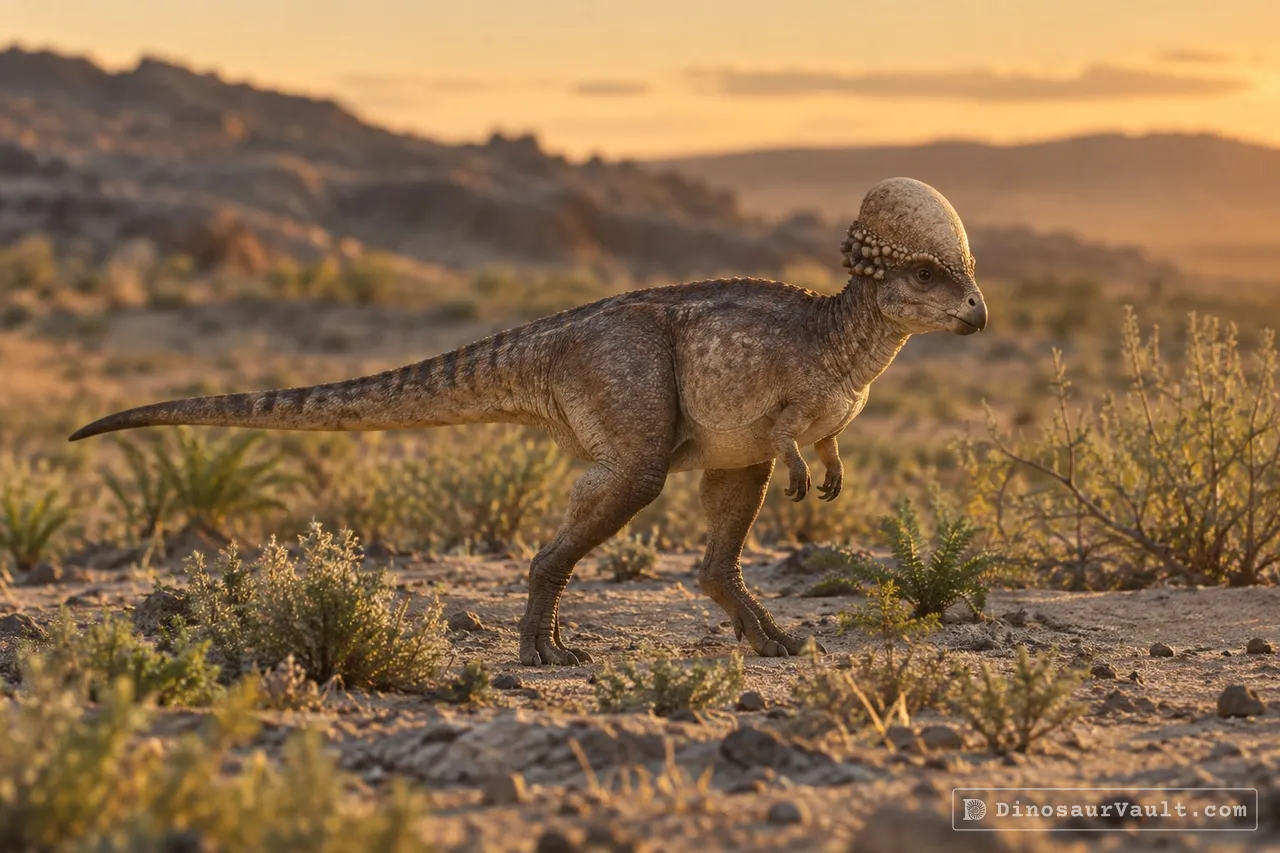
1 of 3
Lived alongside
Found in the same rock formations
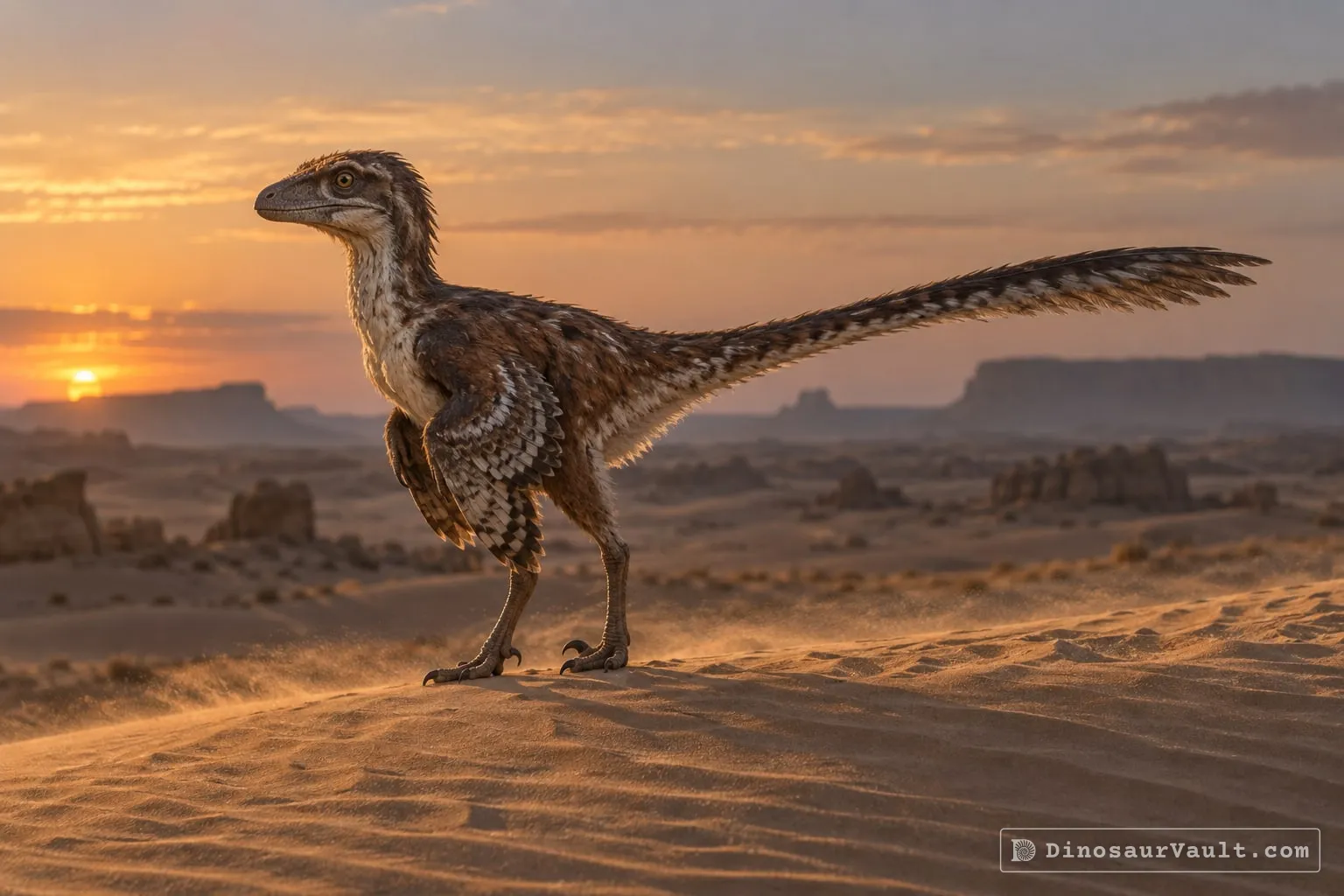
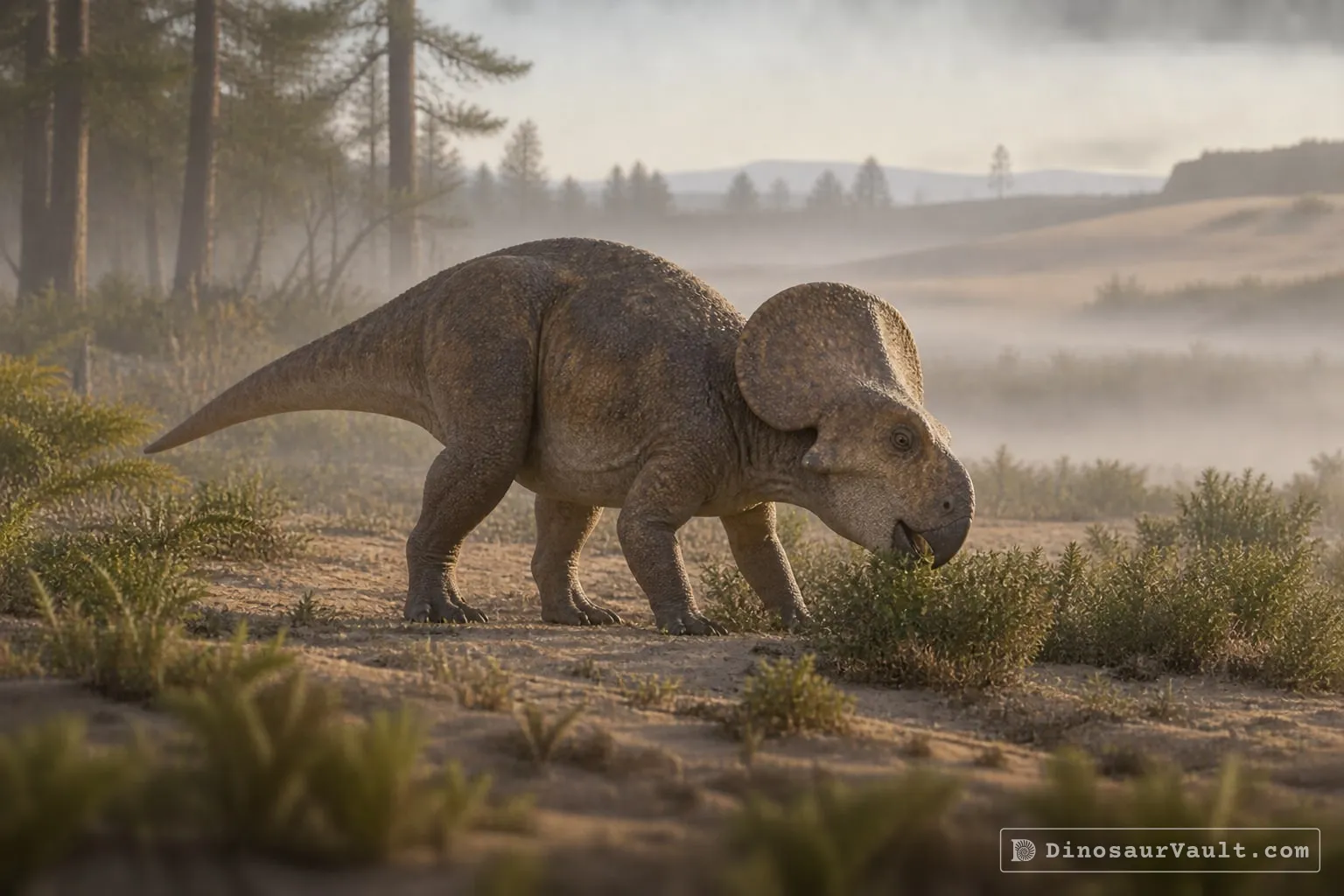
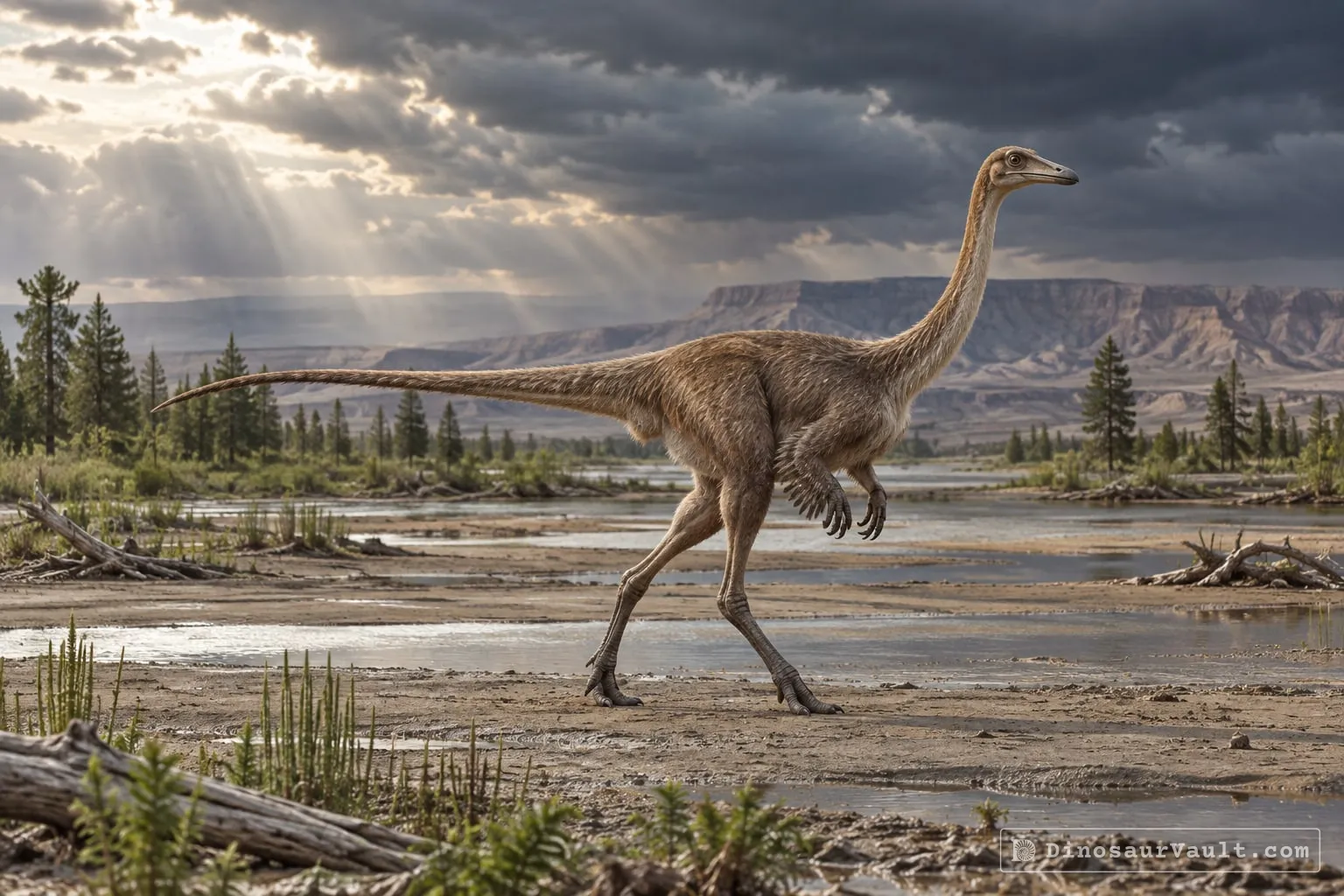
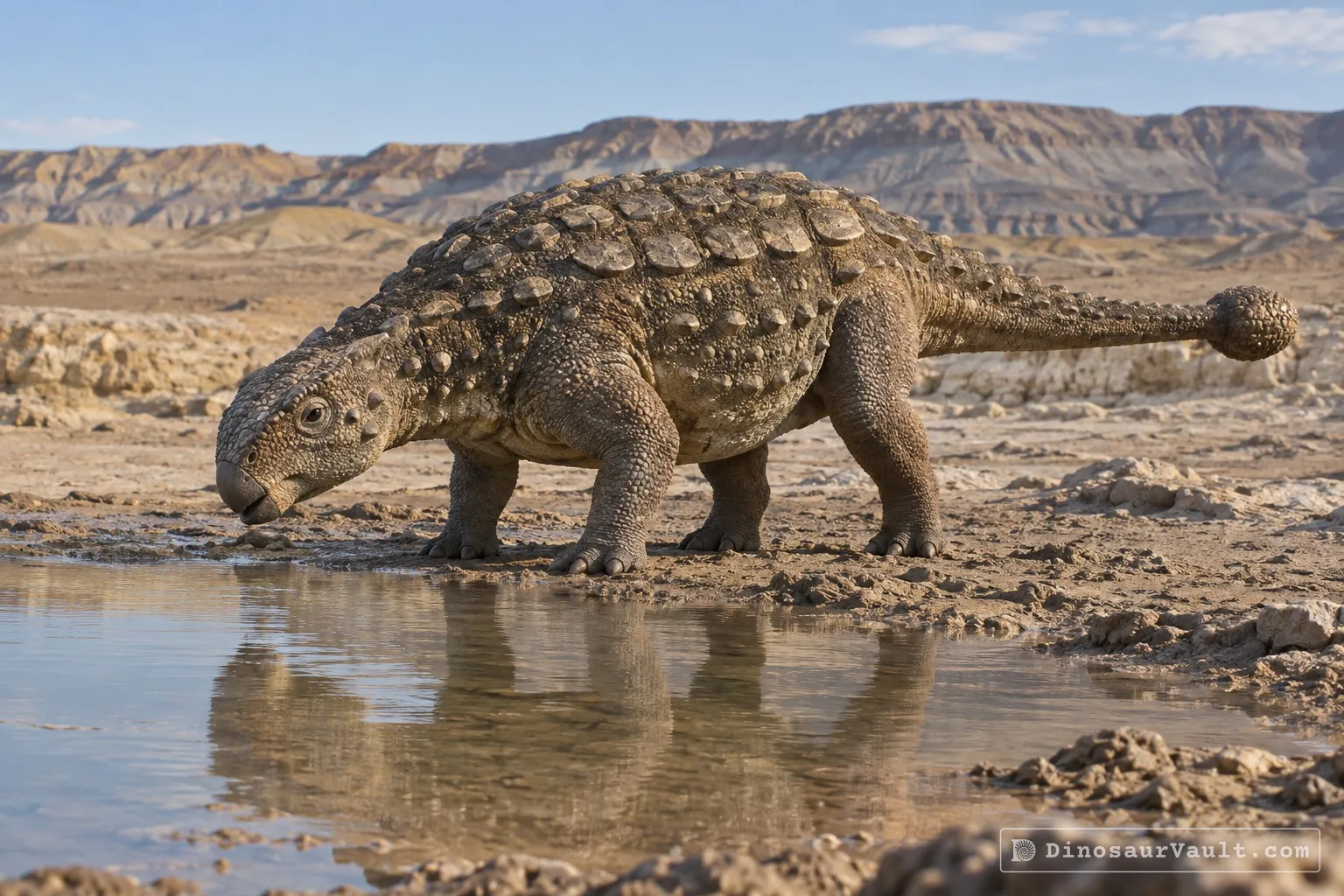
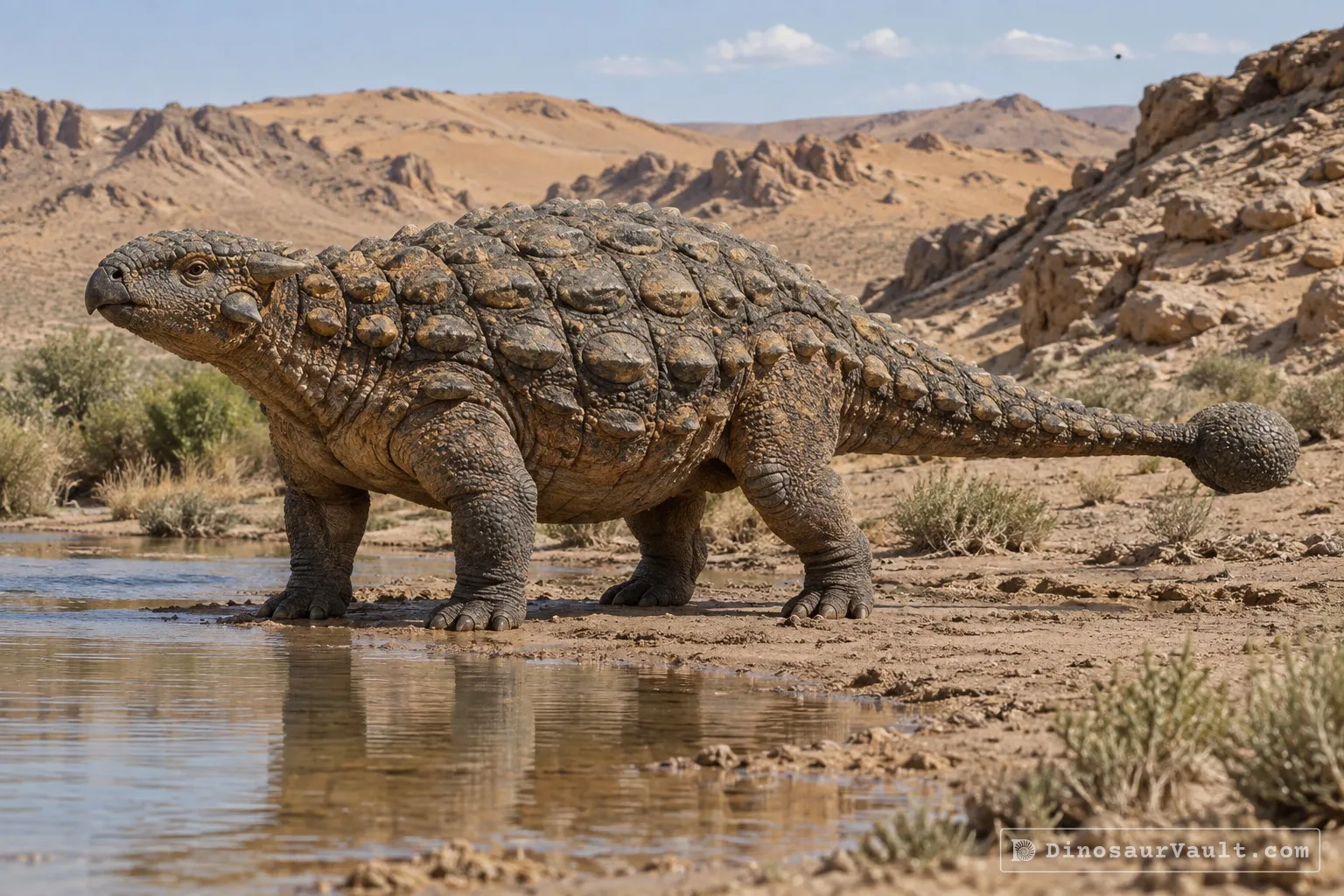
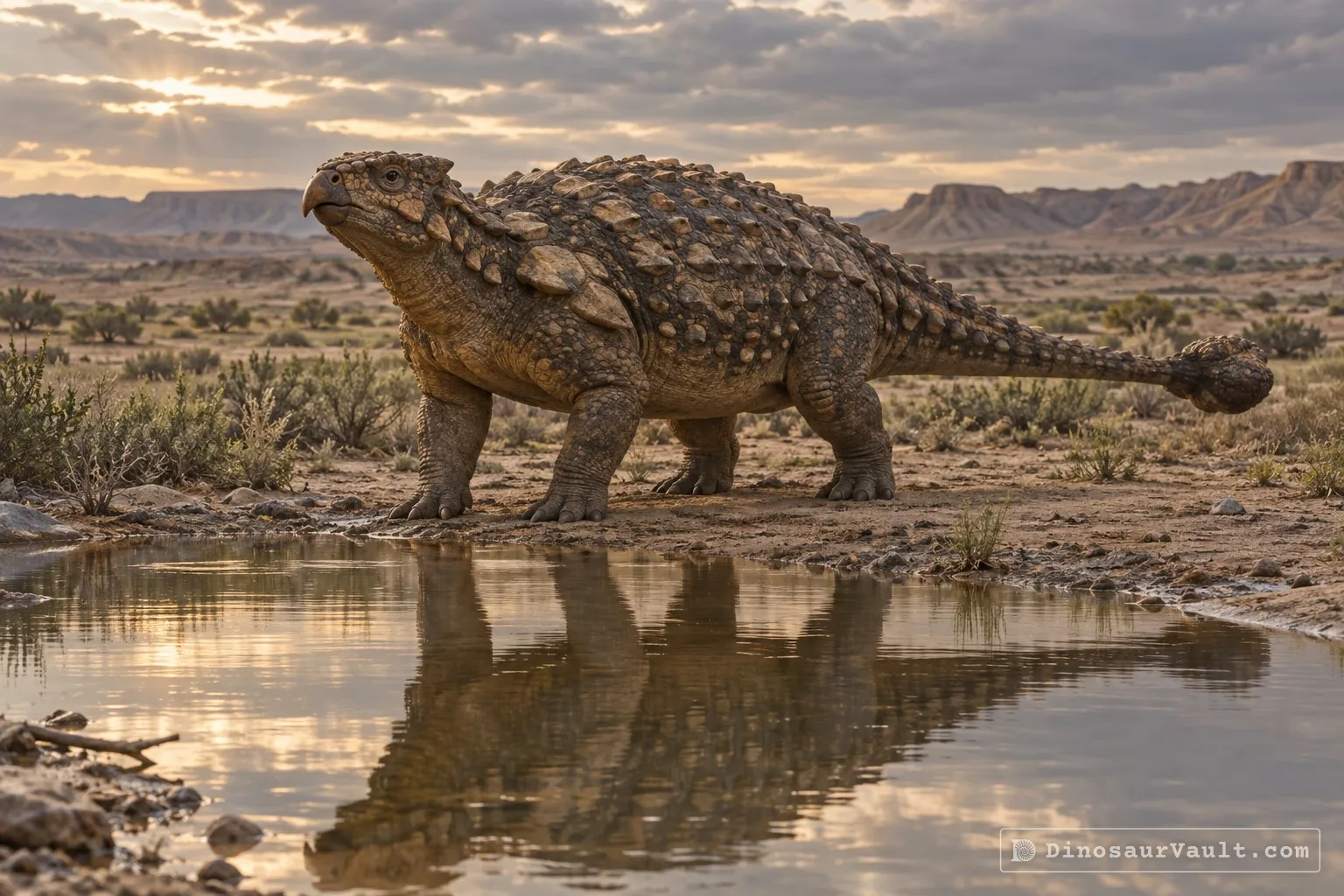
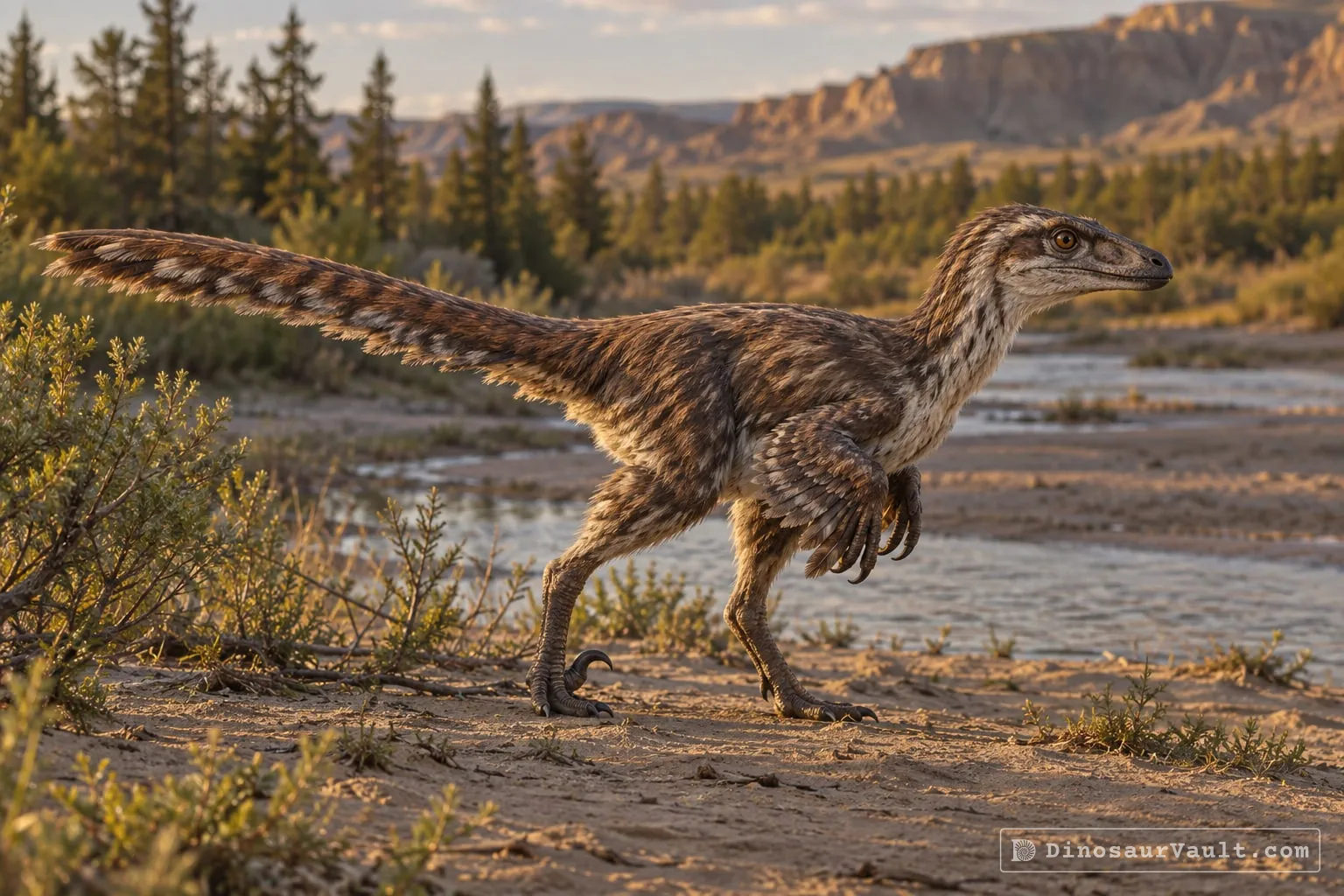


A rock formation can hold fossils laid down millions of years apart, so not every animal here met Tylocephale.
The evidence
The science behind Tylocephale
Which parts of the picture come from its own bones, and which come from its relatives.
From its own fossils
- A damaged skull and lower jaw preserve parts of the tooth rows.
- The skull dome is tall and narrow, with its highest point near the back of the head.
- Its cheek teeth are large in proportion to the skull.
Borrowed from relatives
- The body, limbs and tail are restored from other dome-headed dinosaurs such as Stegoceras and Prenocephale.
Still unknown
- Its exact body proportions and skin covering.
- Whether it used its dome in fights or displays.
- How its dome changed as it grew.
Discovery timeline
- 1974Named itMaryańska & Osmólska
- 2011Close relativeSchott et al.
- 2013Family treeEvans et al.
Key papers
The research behind what we know of Tylocephale
Named it
Named Tylocephale from a damaged skull and jaw, describing its unusually high dome and large cheek teeth.
Pachycephalosauria, a new suborder of ornithischian dinosaurs. Palaeontologia Polonica 30: 45-102
No link available
Close relative
Showed how the dome of Stegoceras grew from a flatter juvenile skull, helping explain differences among dome-headed dinosaurs.
Cranial Ontogeny in Stegoceras validum (Dinosauria: Pachycephalosauria): A Quantitative Model of Pachycephalosaur Dome Growth and Variation. PLoS ONE 6: e21092
Read the paper : Cranial Ontogeny in Stegoceras validum (Dinosauria: Pachycephalosauria): A Quantitative Model of Pachycephalosaur Dome Growth and Variation (opens in a new tab)Family tree
Described Acrotholus and found that fully developed domes appeared early in the history of dome-headed dinosaurs.
The oldest North American pachycephalosaurid and the hidden diversity of small-bodied ornithischian dinosaurs. Nature Communications 4
Read the paper : The oldest North American pachycephalosaurid and the hidden diversity of small-bodied ornithischian dinosaurs (opens in a new tab)
Close relatives
Other members of Pachycephalosauridae


Sources: Wikidata