Platytholus
"flat dome"
Type species Platytholus clemensi
- Lived
- 72 to 66 million years ago, Late Cretaceous
- Diet
- Herbivore
- Group
- Pachycephalosaurs, Pachycephalosauridae
- Found in
- United States
- Named by
- Horner et al. 2023
Where its fossils were found
The evidence
Today

70 million years ago
Habitat
It lived on the river floodplains of the Hell Creek Formation in Montana. Tyrannosaurus, Triceratops and Edmontosaurus inhabited the same region.
Field notes
About Platytholus
What it was like
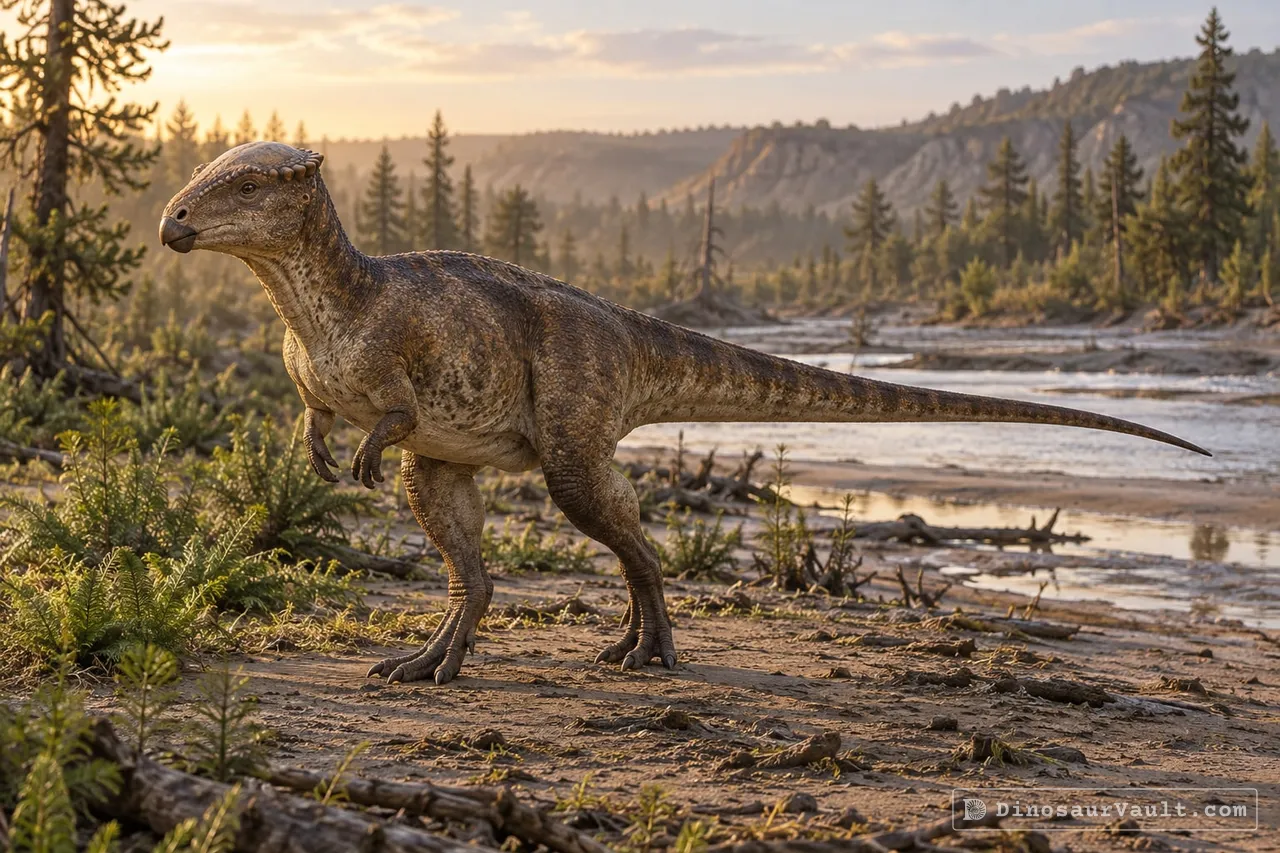
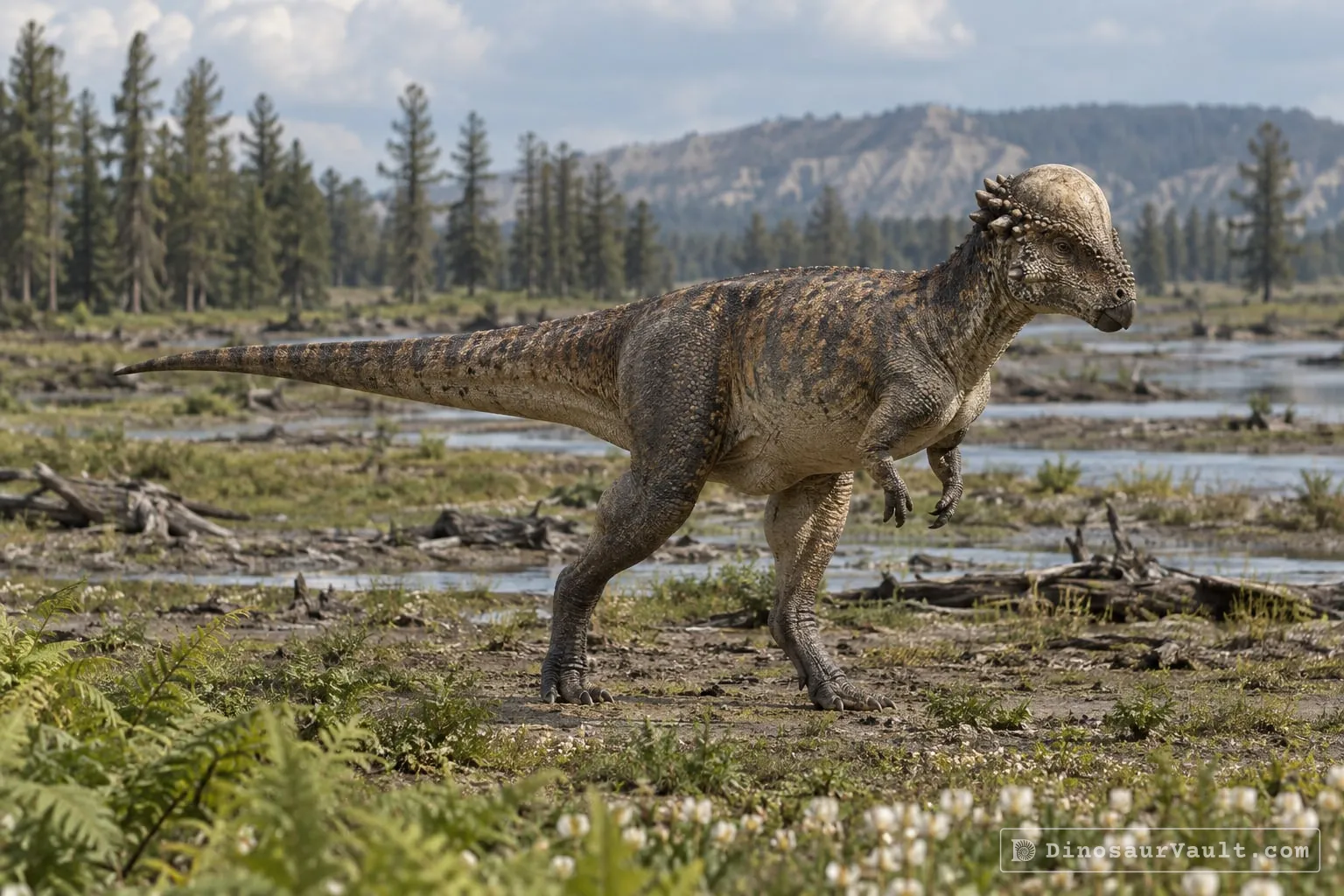
Platytholus was a pachycephalosaur, a plant eater with a thick dome of bone on its head. Its dome was unusually flat on top, which gave it its name. It is known from a single dome.
Its world
It lived about 72 to 66 million years ago, at the very end of the Cretaceous, in what is now Montana. It comes from the Hell Creek Formation, where it shared the land with Tyrannosaurus, Triceratops, Ankylosaurus, Edmontosaurus and the larger dome-head Pachycephalosaurus.
How it was found
Horner and colleagues named Platytholus in 2023. The type species is Platytholus clemensi.
Field gallery
More views of Platytholus
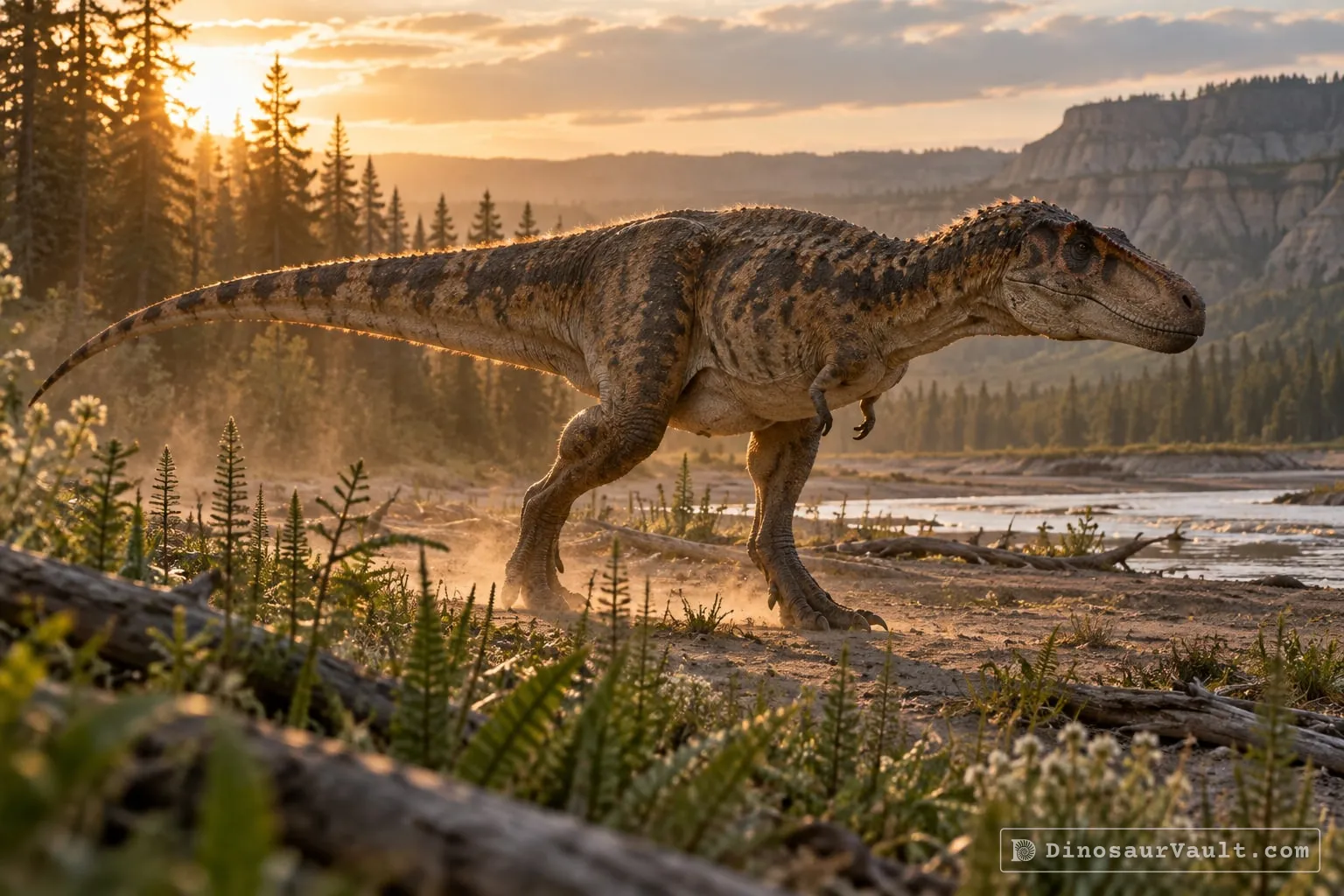
Scenes reconstructed from the available fossil evidence.
Lived alongside
Found in the same rock formations
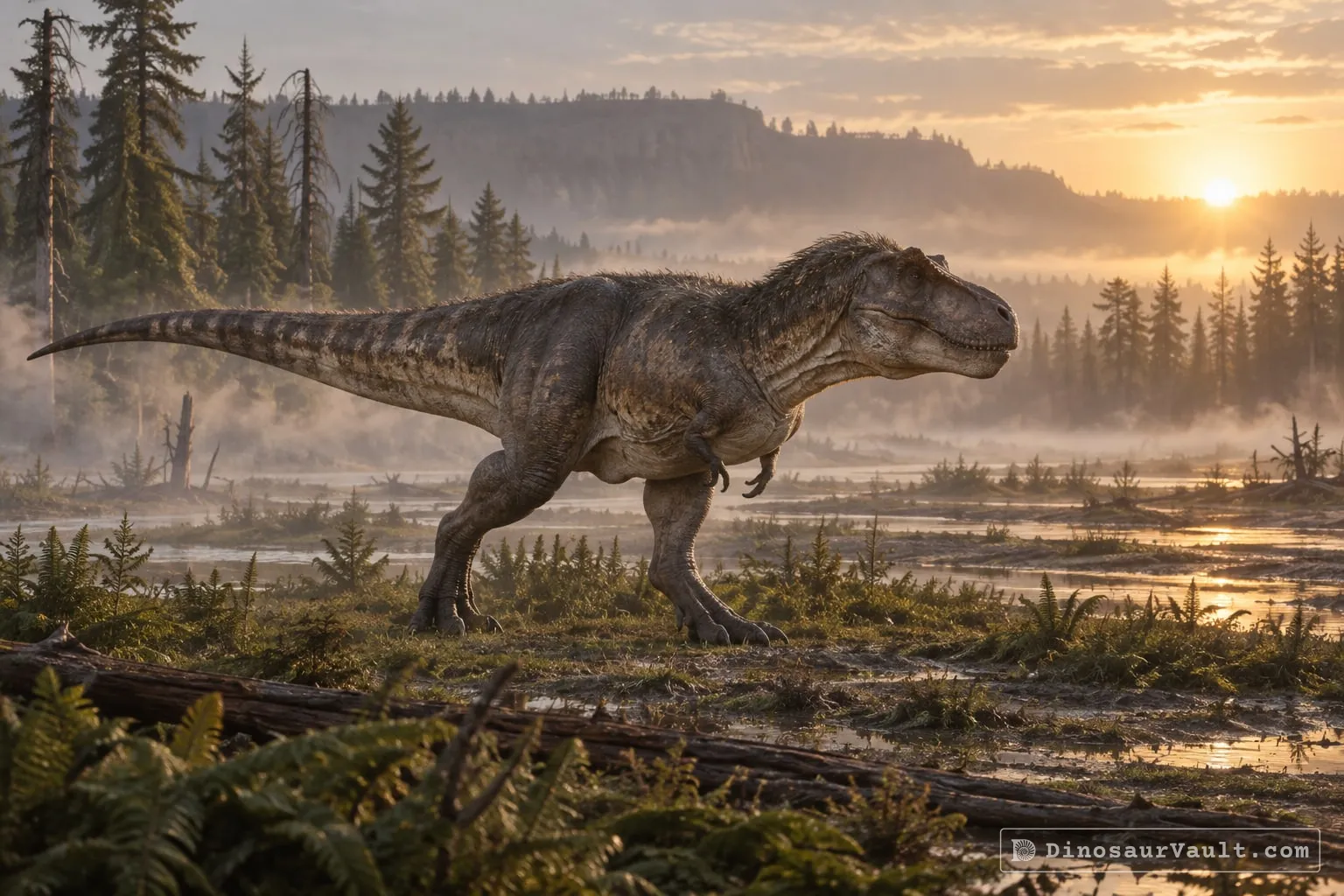
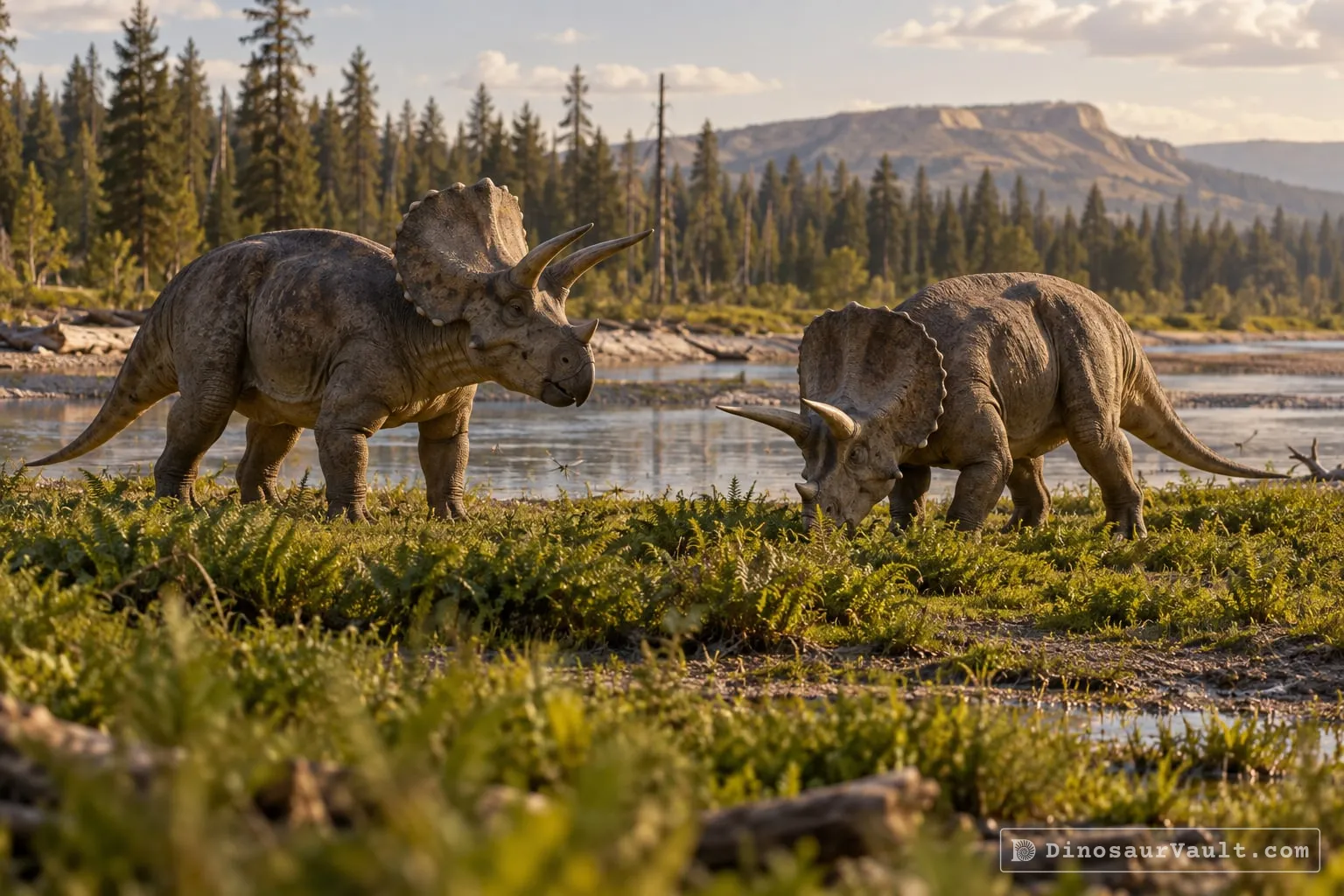
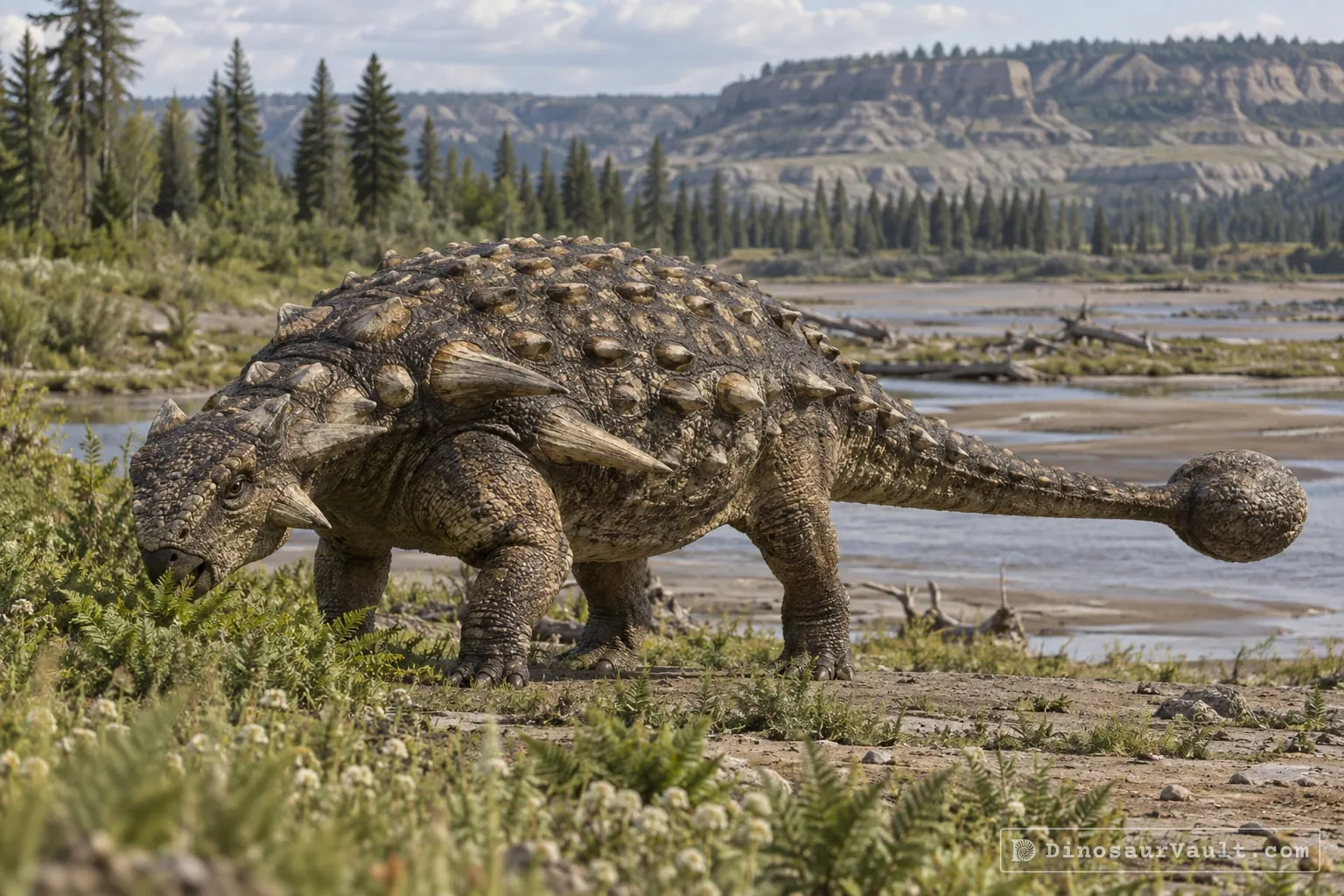
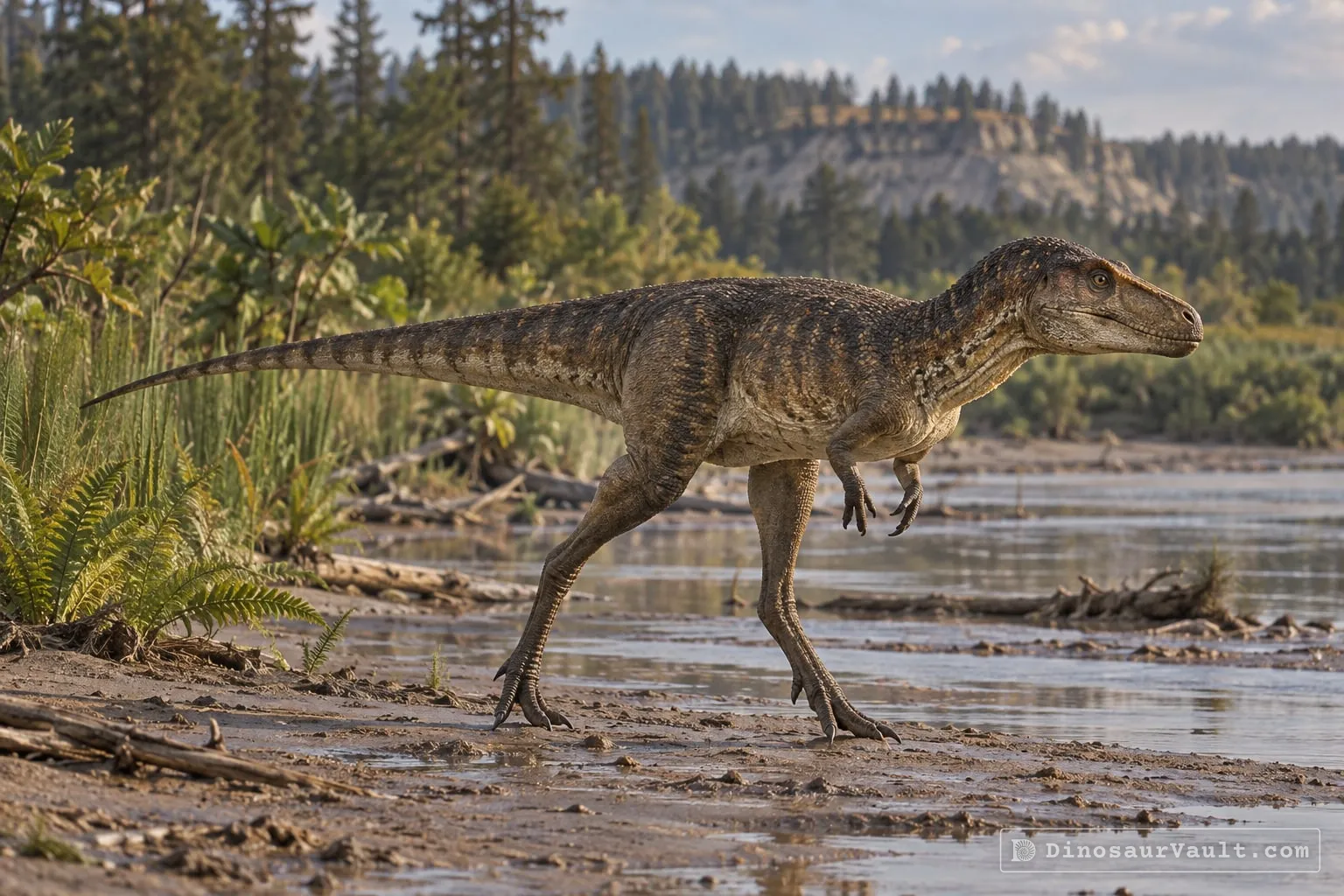
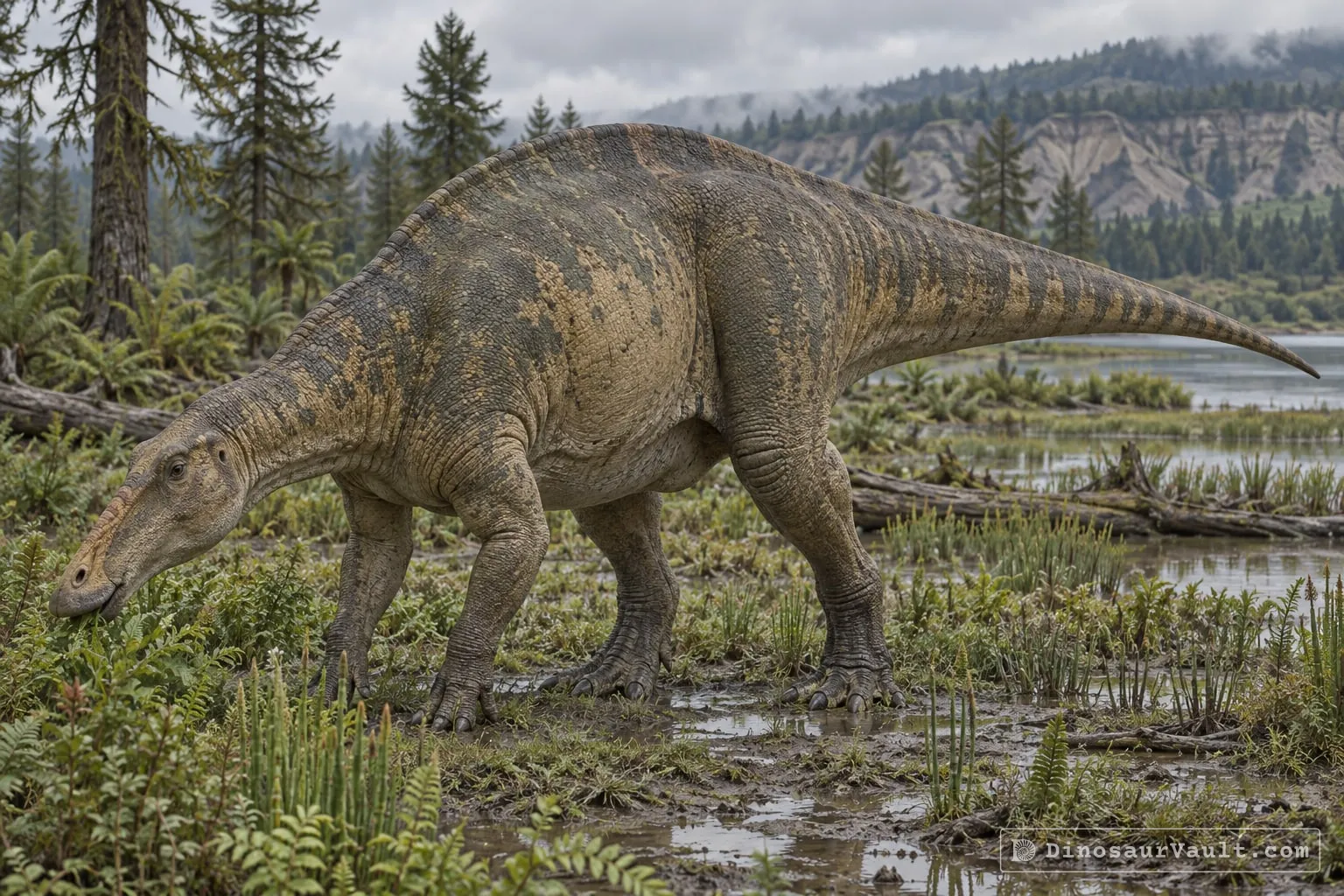
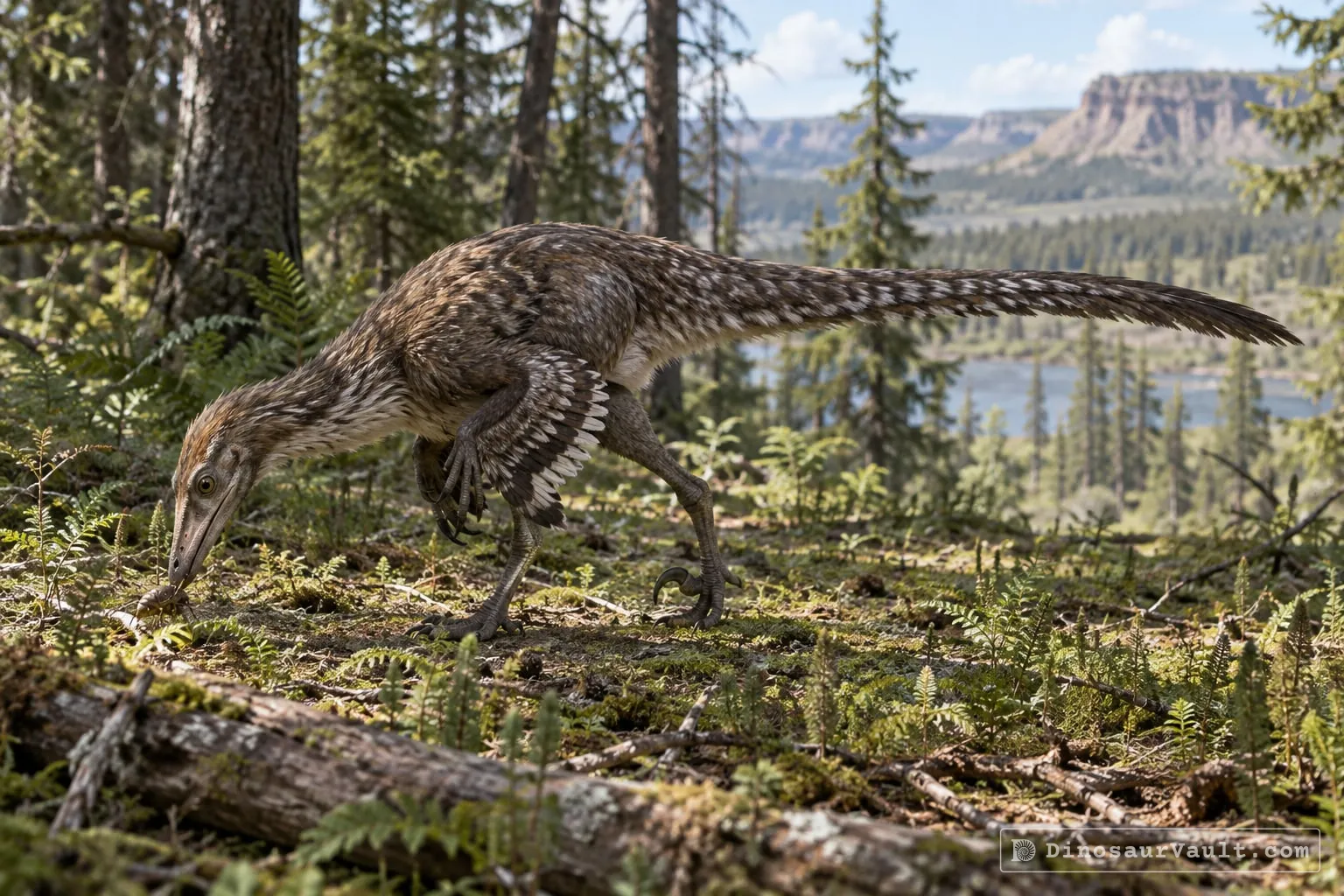


A rock formation can hold fossils laid down millions of years apart, so not every animal here met Platytholus.
The evidence
The science behind Platytholus
Which parts of the picture come from its own bones, and which come from its relatives.
From its own fossils
- A partial skull preserves a low, broad dome with flattened, tab-like bumps along its sides.
- A deep injury on top of the dome had begun to heal.
- Channels through the dome suggest it carried a covering of keratin, the material in claws and beaks.
Borrowed from relatives
- The missing body is restored from better-known dome-headed relatives such as Stegoceras, with short arms, strong hind legs and a long tail.
Still unknown
- The shape and color of the covering above its dome.
- Whether it used its head in fights or displays.
- Its complete skull shape and body size.
Discovery timeline
- 2011Close relativeSchott et al.
- 2013Close relativePeterson, Dischler & Longrich
- 2023Named itHorner, Goodwin & Evans
Key papers
The research behind what we know of Platytholus
Close relative
Tracked dome growth in Stegoceras, providing a model for separating growth changes from differences between species of dome-headed dinosaurs.
Cranial Ontogeny in Stegoceras validum (Dinosauria: Pachycephalosauria): A Quantitative Model of Pachycephalosaur Dome Growth and Variation. PLoS ONE 6: e21092
Read the paper : Cranial Ontogeny in Stegoceras validum (Dinosauria: Pachycephalosauria): A Quantitative Model of Pachycephalosaur Dome Growth and Variation (opens in a new tab)Close relative
Found injuries clustered near the tops of other pachycephalosaur domes, supporting the idea that these animals used their heads in combat.
Distributions of Cranial Pathologies Provide Evidence for Head-Butting in Dome-Headed Dinosaurs (Pachycephalosauridae). PLoS ONE 8: e68620
Read the paper : Distributions of Cranial Pathologies Provide Evidence for Head-Butting in Dome-Headed Dinosaurs (Pachycephalosauridae) (opens in a new tab)Named it
Recognized a distinct dome-headed dinosaur with a low, broad skull roof, healed injury and signs of a keratin covering.
A new pachycephalosaurid from the Hell Creek Formation, Garfield County, Montana, U.S.A. Journal of Vertebrate Paleontology 42(4):e2190369:1-14.
No link available
Close relatives
Other members of Pachycephalosauridae


Sources: Wikidata