Sphaerotholus
"ball dome"
Type species Sphaerotholus goodwini
- Lived
- 84 to 66 million years ago, Late Cretaceous
- Diet
- Herbivore
- Group
- Pachycephalosaurs, Pachycephalosauridae
- Found in
- United States and Canada
- Named by
- Williamson and Carr 2003
Where its fossils were found
The evidence
Today

75 million years ago
Habitat
Its species lived on river floodplains across western North America at different times. The Hell Creek fauna included Tyrannosaurus and Triceratops, while Parasaurolophus lived in the Kirtland landscape.
Field notes
About Sphaerotholus
What it was like
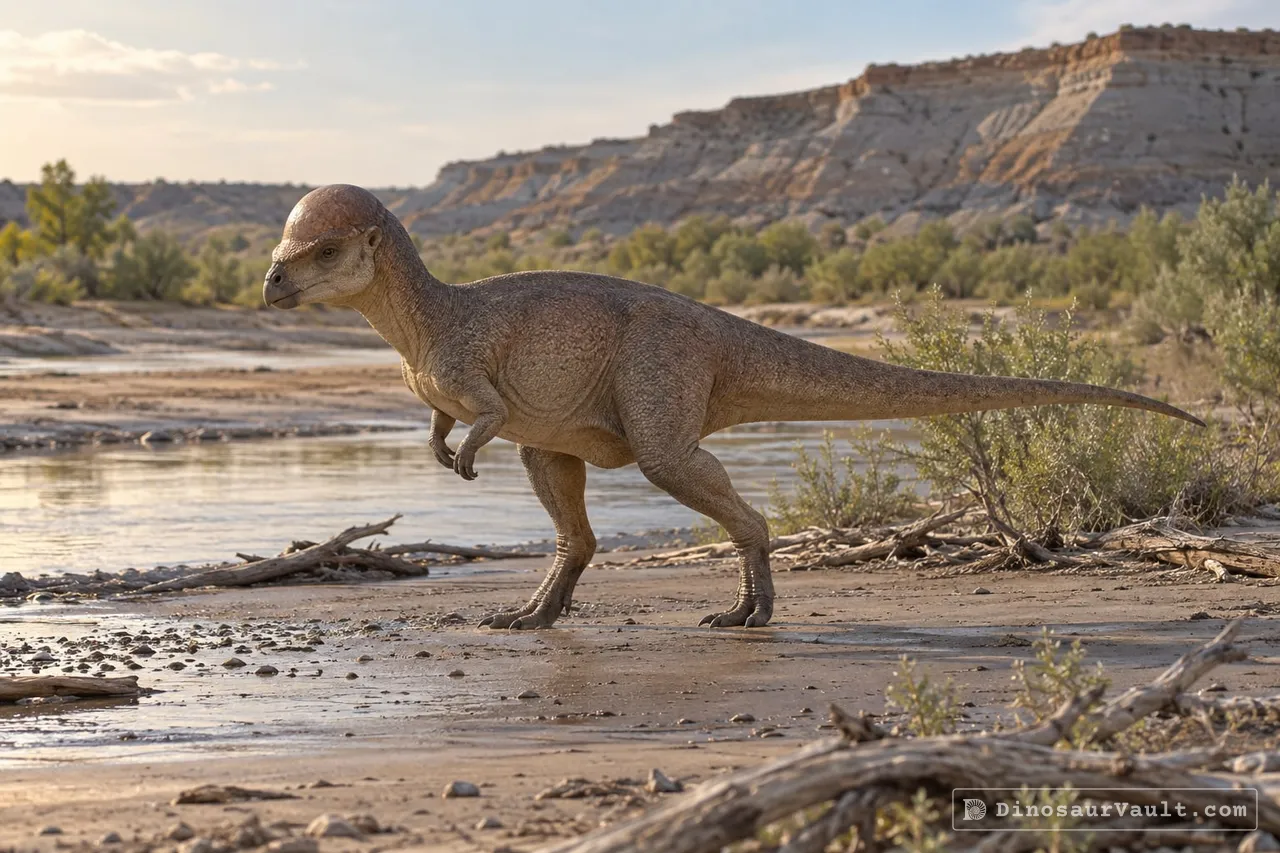
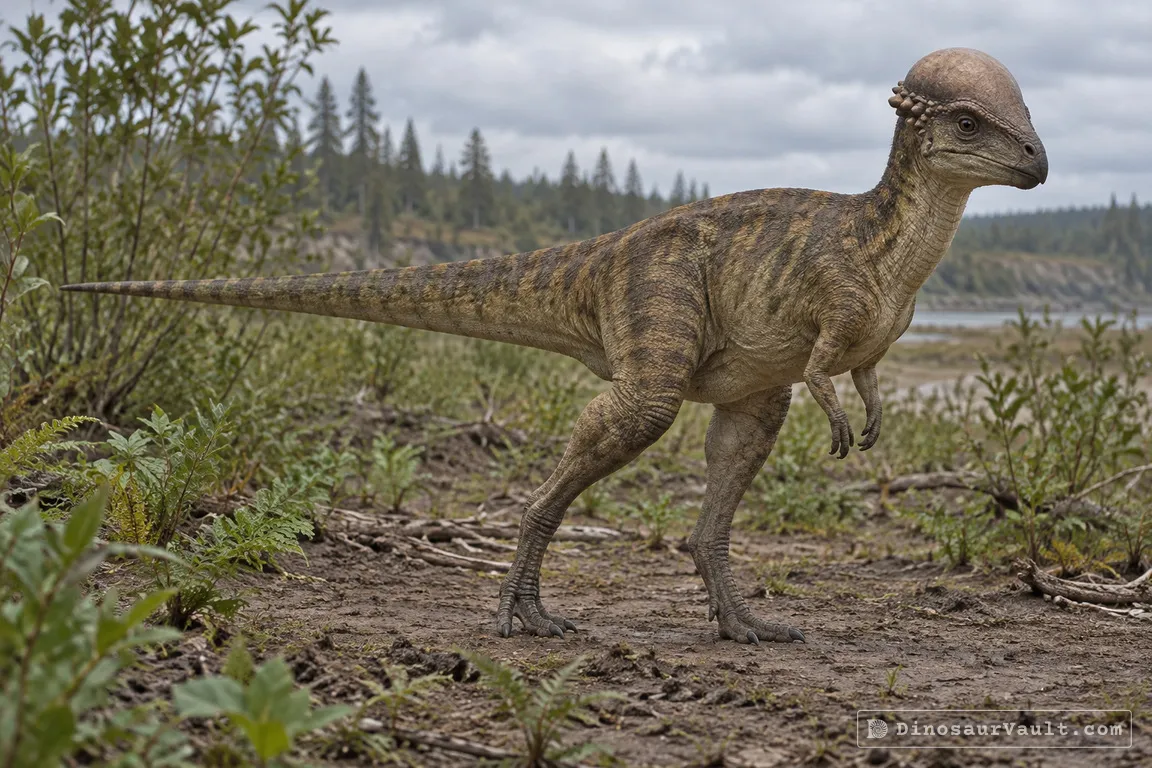
Sphaerotholus was a dome-headed dinosaur with a high, rounded skull dome, ringed with small bony knobs at the back. Like its relatives it walked on two legs and ate plants.
Its world
It lived in the Late Cretaceous in what is now the western United States and Canada. Its fossils come from the Kirtland Formation of New Mexico, the Hell Creek Formation of Montana and the Dinosaur Park Formation of Alberta. Several species are known, from different times.
How it was found
Williamson and Carr named Sphaerotholus in 2003. Most finds are the thick skull domes, which survive much better than the rest of the skeleton.
Field gallery
More views of Sphaerotholus
Scenes reconstructed from the available fossil evidence.
Lived alongside
Found in the same rock formations
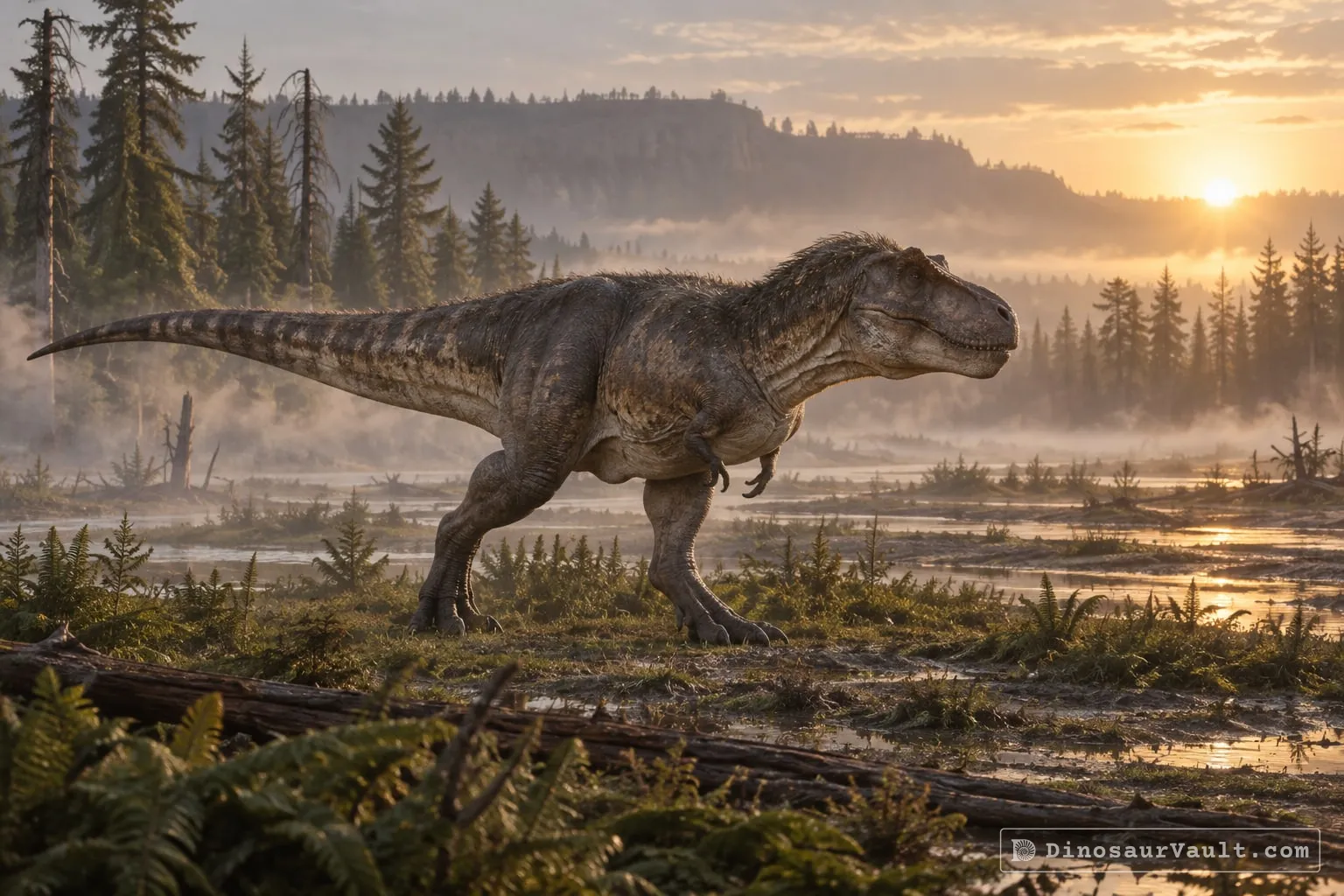
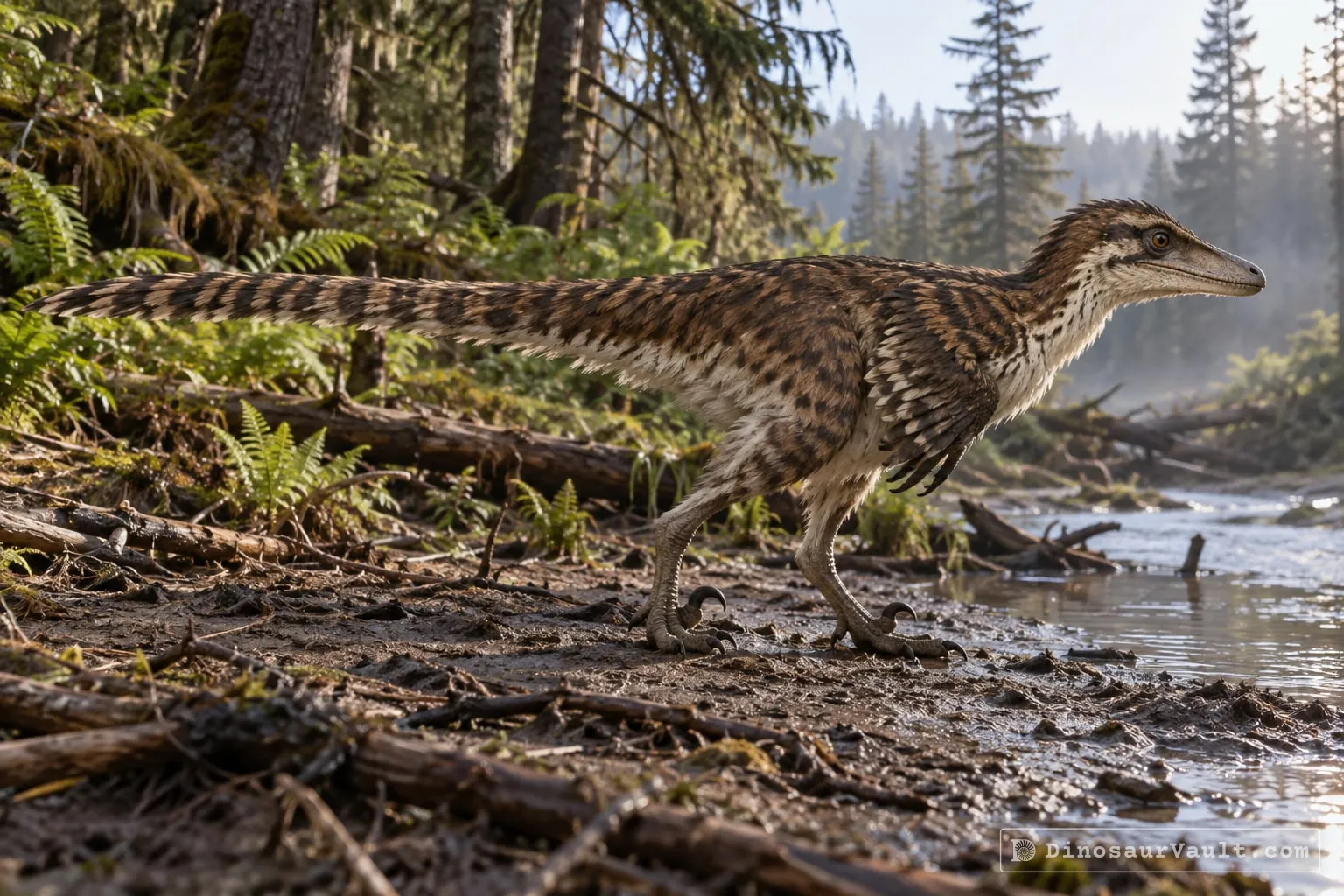
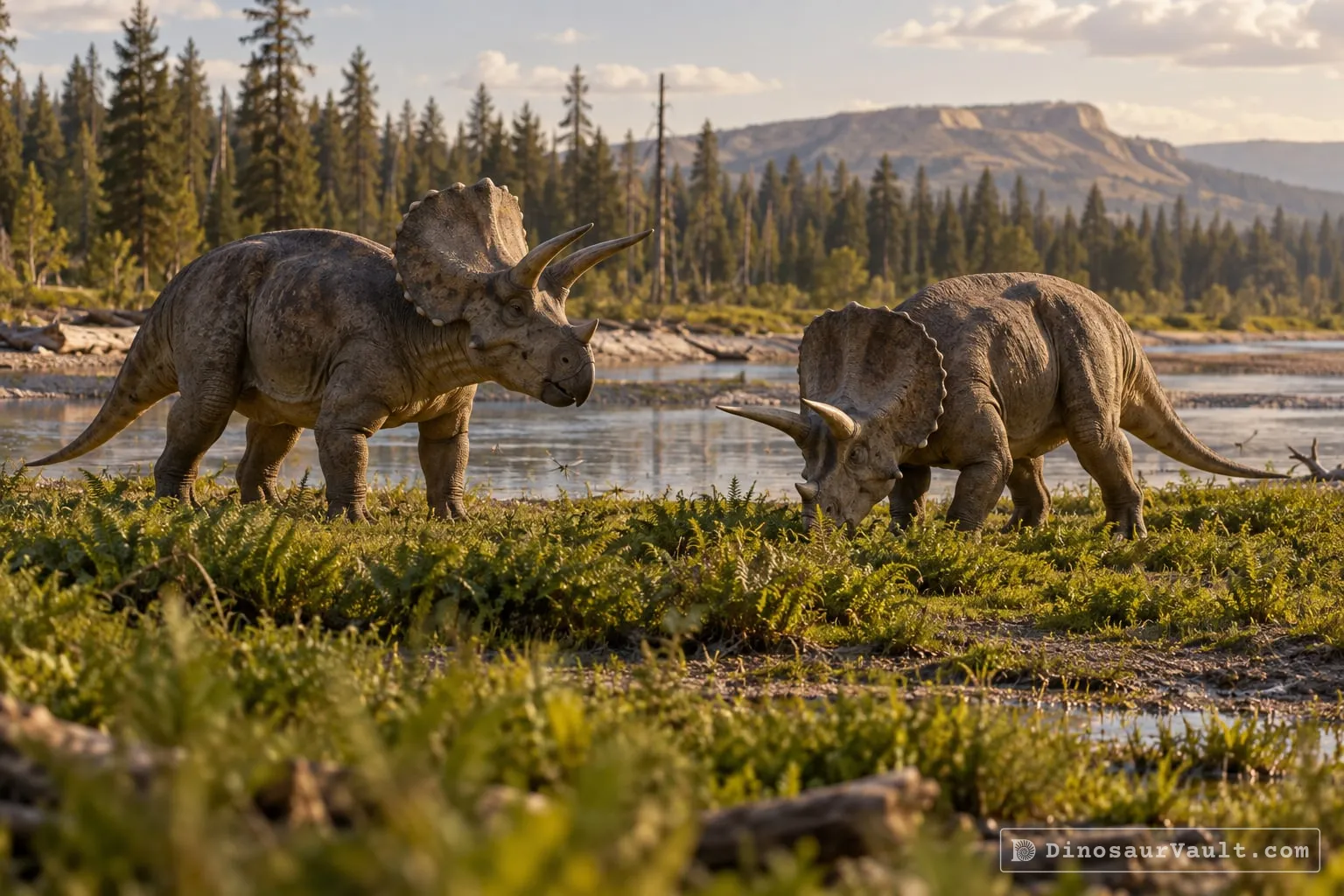
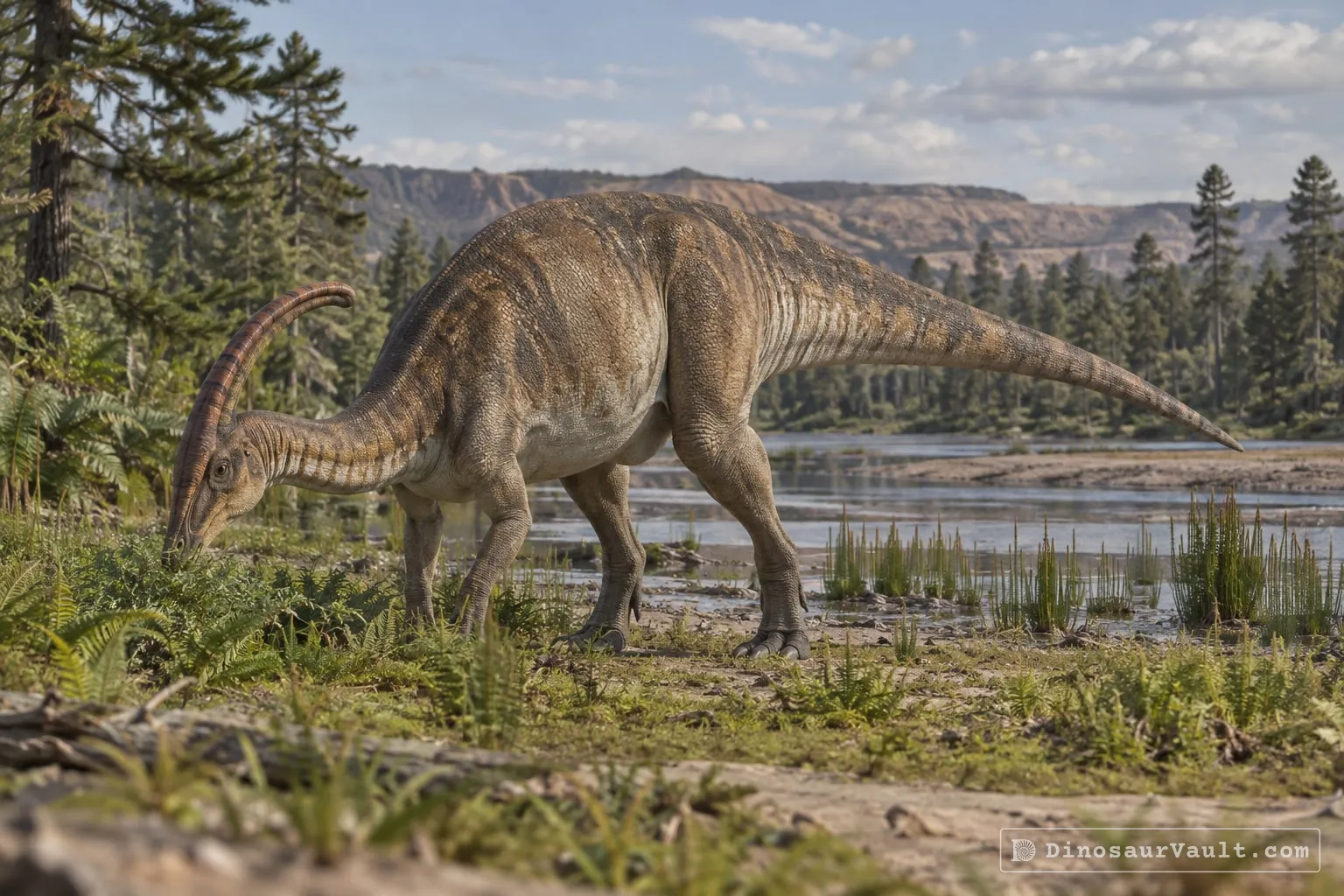
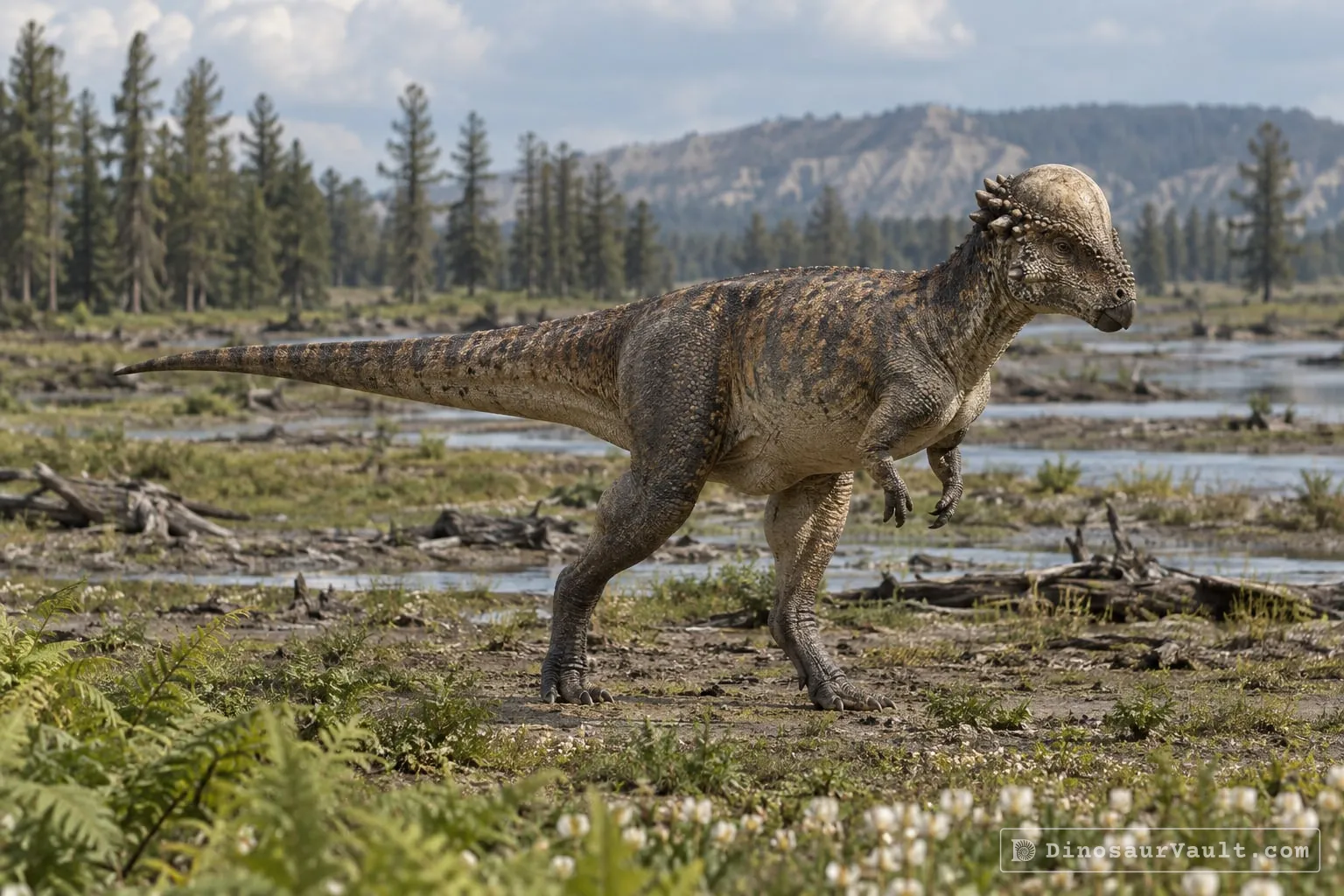
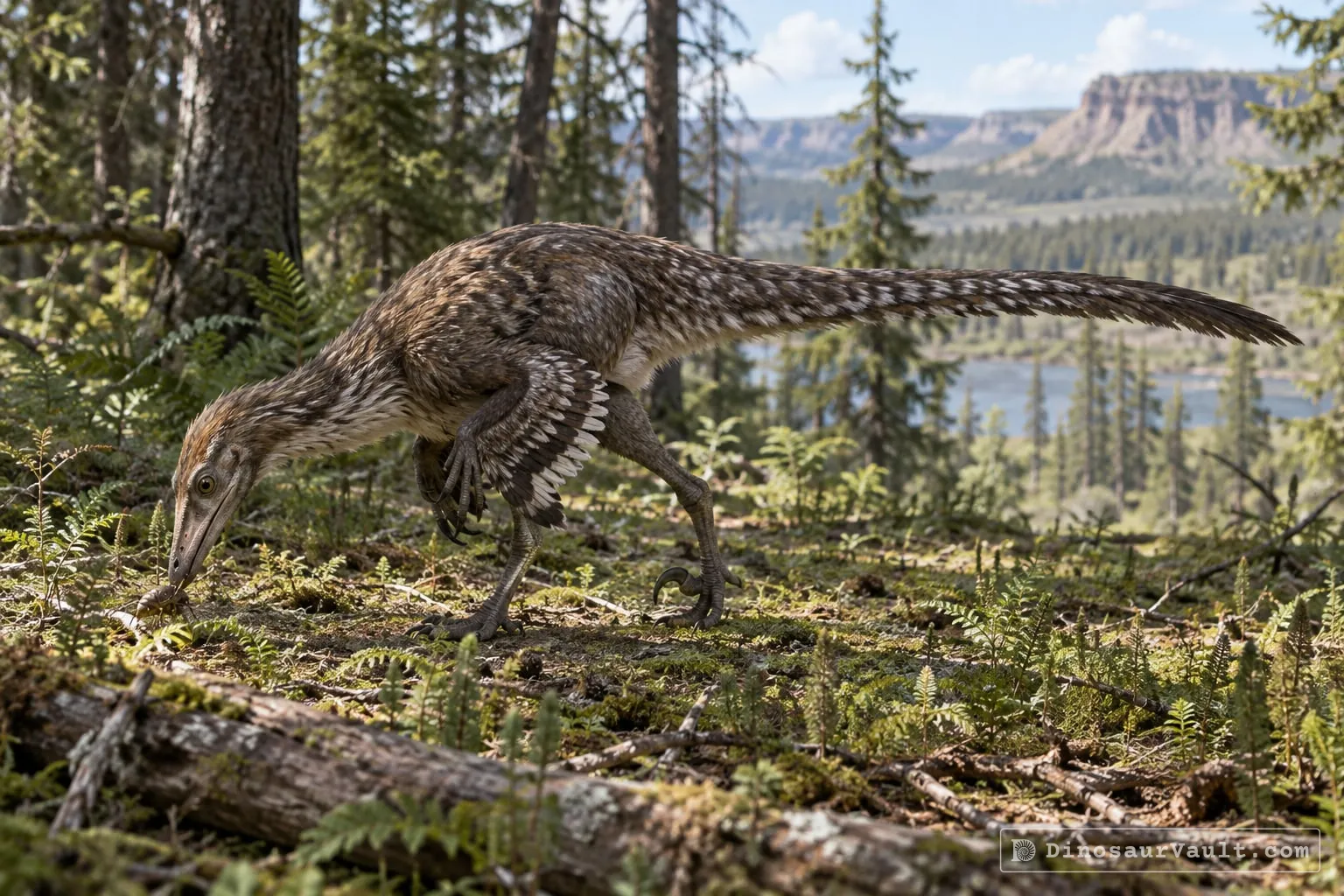


A rock formation can hold fossils laid down millions of years apart, so not every animal here met Sphaerotholus.
The evidence
The science behind Sphaerotholus
Which parts of the picture come from its own bones, and which come from its relatives.
From its own fossils
- Thick skull roofs form a rounded dome with bony knobs along its back edge.
- In the species buchholtzae, mature skulls have a smooth dome and blunt, rounded knobs.
- Other species differ in the rows of knobs along the skull margin.
Borrowed from relatives
- Prenocephale guides the missing snout and eye region.
- Goyocephale provides a comparison for the missing body, legs and blunt triangular toe claws.
Still unknown
- Its complete body proportions.
- Whether it fought by striking with its dome.
- Its skin covering and color.
Often drawn wrong
- A ring of huge spikes replaces the small, rounded knobs of mature buchholtzae in some restorations.
Discovery timeline
- 2003Named itWilliamson & Carr
- 2021Growing upWoodruff et al.
- 2023New findWoodruff, Schott & Evans
Key papers
The research behind what we know of Sphaerotholus
Named it
Named Sphaerotholus from dome-shaped skulls and distinguished species by the shape of the skull margin.
A new genus of derived pachycephalosaurian from western North America. Journal of Vertebrate Paleontology 22: 779-801
Read the paper : A new genus of derived pachycephalosaurian from western North America (opens in a new tab)Growing up
Compared skull shapes and bone structure, showing how the dome and its surrounding knobs changed as Sphaerotholus grew.
Ontogeny and variation of the pachycephalosaurine dinosaurSphaerotholus buchholtzae, and its systematics within the genus. Zoological Journal of the Linnean Society 193: 563-601
Read the paper : Ontogeny and variation of the pachycephalosaurine dinosaurSphaerotholus buchholtzae, and its systematics within the genus (opens in a new tab)New find
Named new Sphaerotholus species from skull fragments with different rows of bony knobs.
Two new species of small‐bodied pachycephalosaurine (Dinosauria, Marginocephalia) from the uppermost Cretaceous of North America suggest hidden diversity in well‐sampled formations. Papers in Palaeontology 9
Read the paper : Two new species of small‐bodied pachycephalosaurine (Dinosauria, Marginocephalia) from the uppermost Cretaceous of North America suggest hidden diversity in well‐sampled formations (opens in a new tab)
Close relatives
Other members of Pachycephalosauridae


Sources: Wikidata