Colepiocephale
"knucklehead"
Type species Colepiocephale lambei
- Lived
- 84 to 72 million years ago, Late Cretaceous
- Diet
- Herbivore
- Group
- Pachycephalosaurs, Pachycephalosauridae
- Found in
- Canada
- Named by
- Sullivan 2003
Where its fossils were found
The evidence
Today

80 million years ago
Habitat
A coastal plain in what is now Alberta. Its neighbors included Xenoceratops, Thanatotheristes and Dromaeosaurus.
Field notes
About Colepiocephale
What it was like
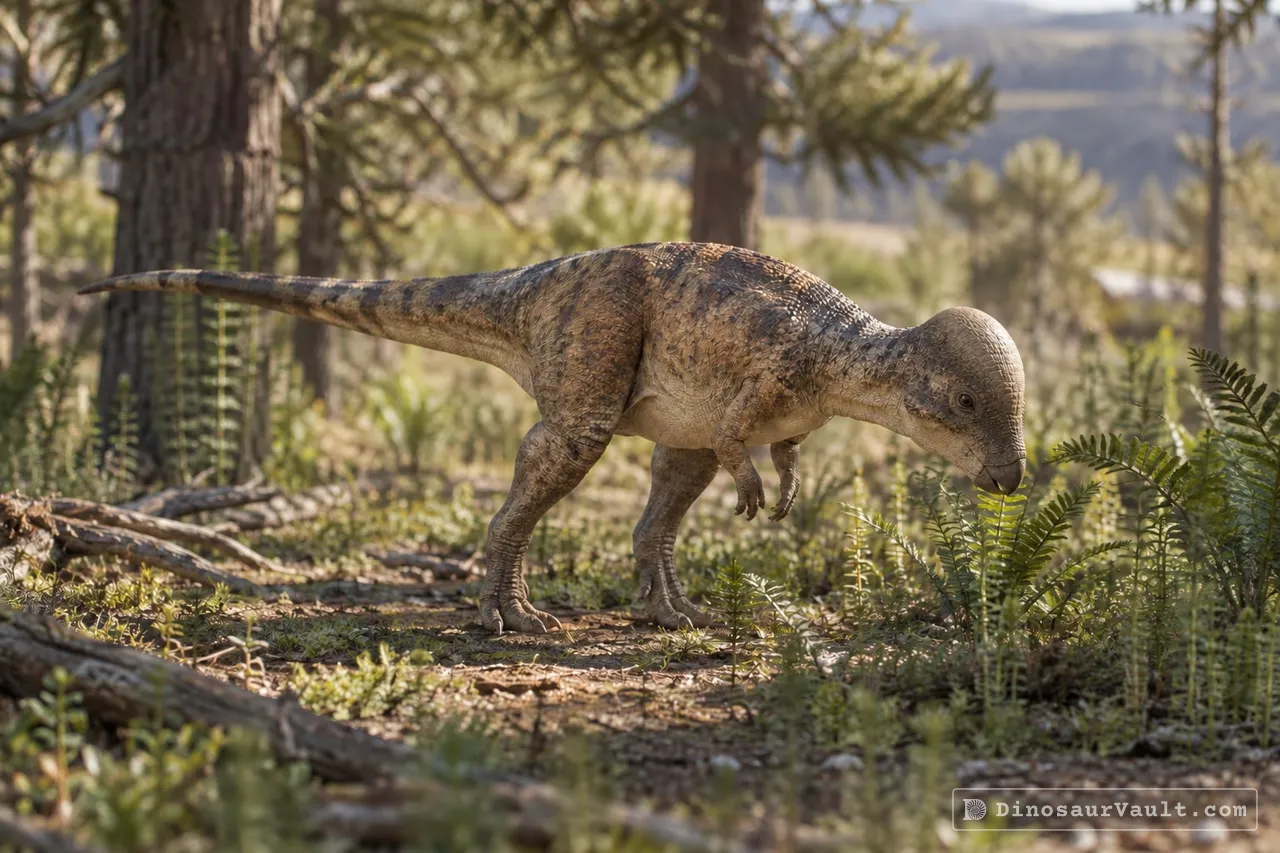
Colepiocephale was a small dome-headed dinosaur known from its thick skull domes. Unlike many of its relatives, its dome had no shelf at the back, and it sloped steeply down at the rear.
Its world
It lived in the Late Cretaceous in what is now Alberta, Canada. Its domes come from the Foremost Formation, where it shared the land with the tyrannosaur Thanatotheristes, the horned Xenoceratops and the small hunter Dromaeosaurus.
How it was found
Its first dome was described as a species of Stegoceras. Sullivan gave it its own genus in 2003. Three finds are known.
Field gallery
More views of Colepiocephale
Scenes reconstructed from the available fossil evidence.
1 of 2
Lived alongside
Found in the same rock formations
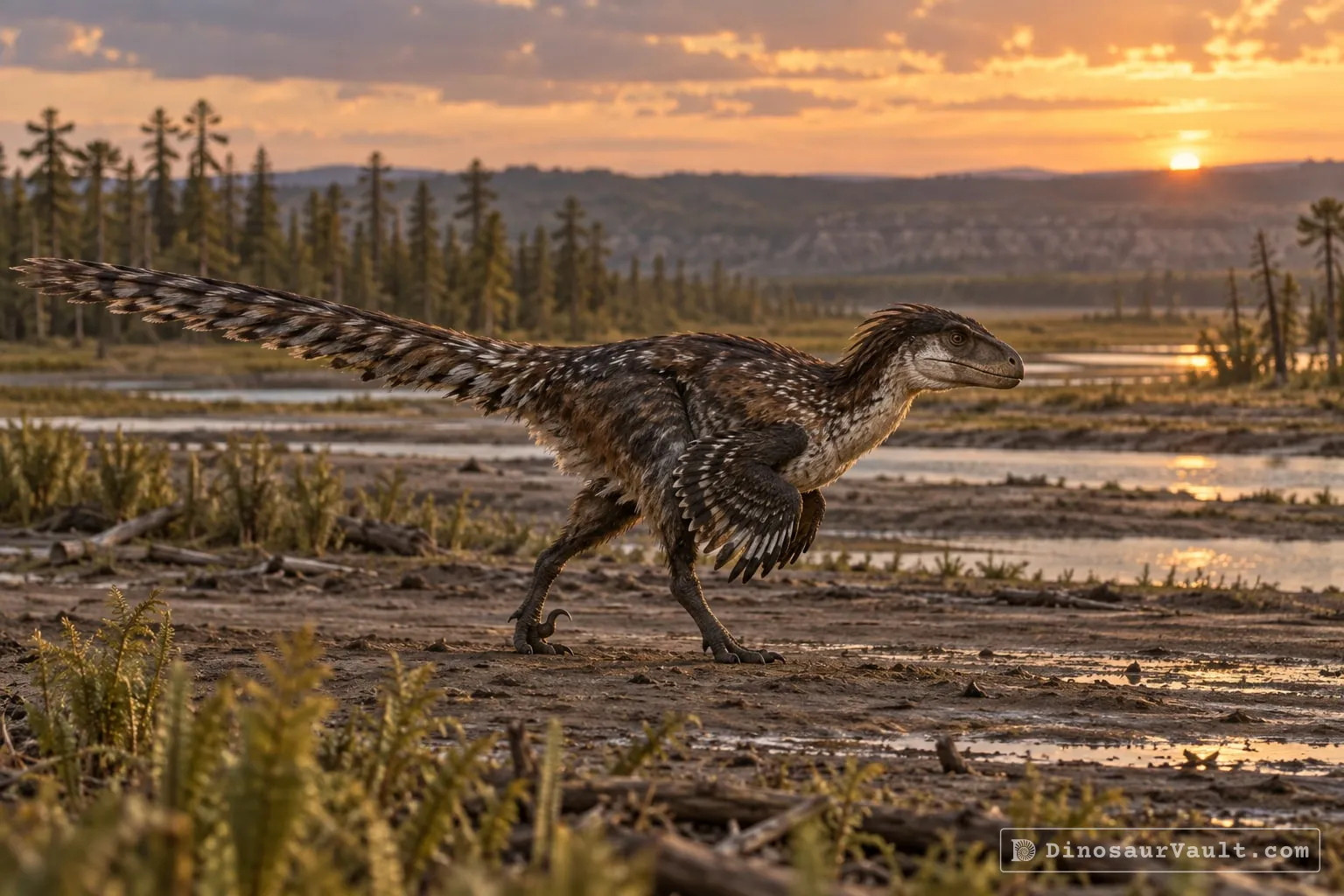
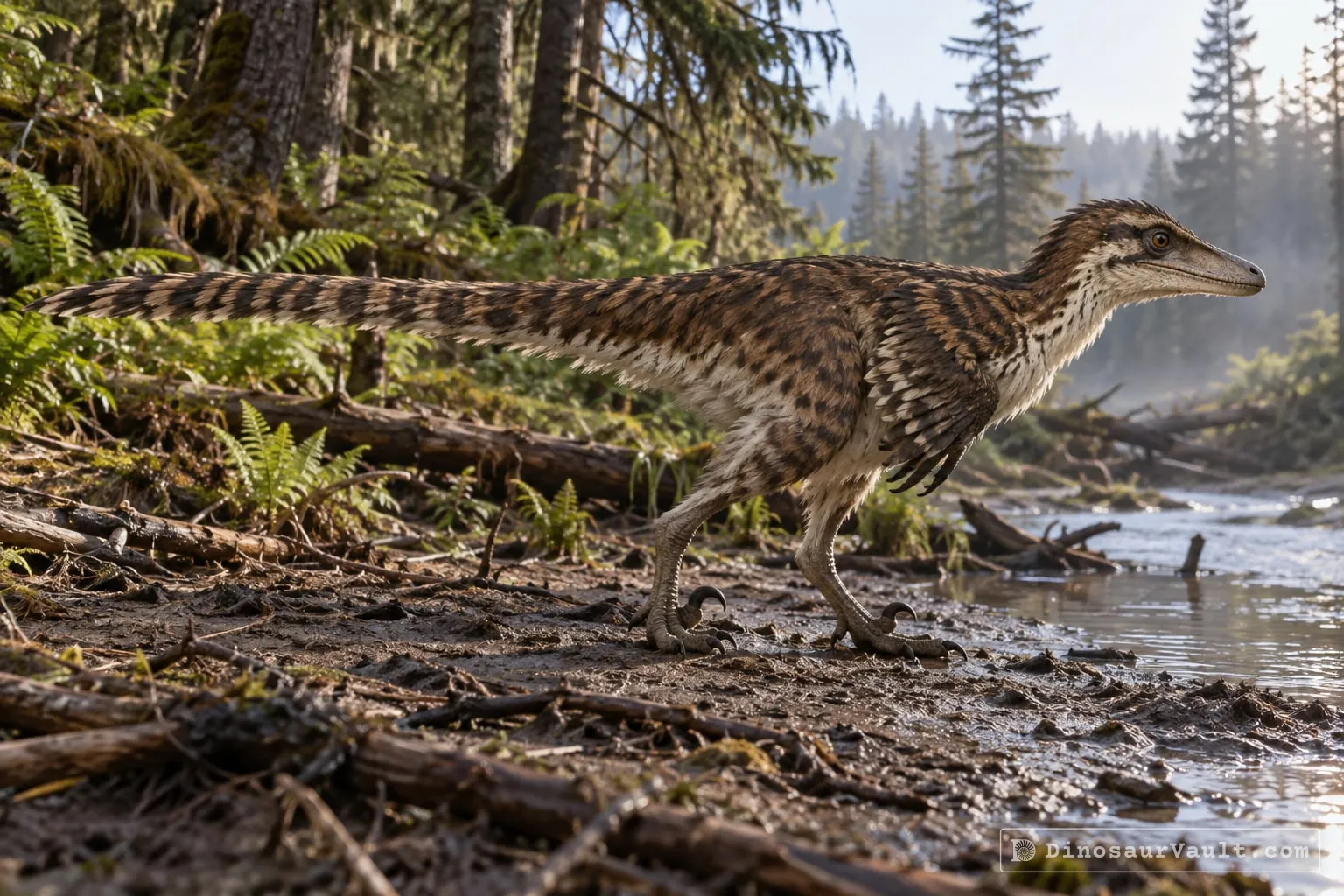
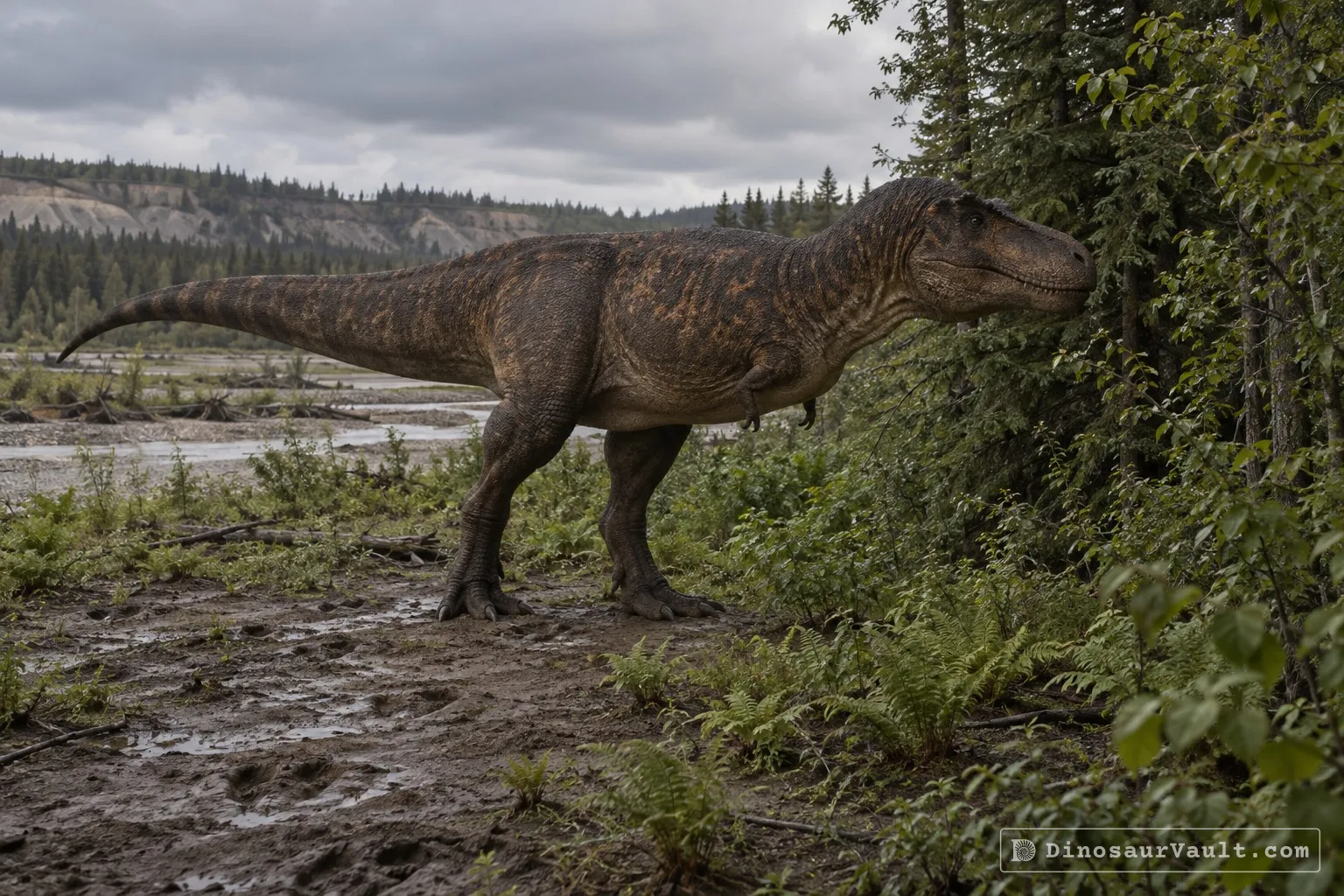
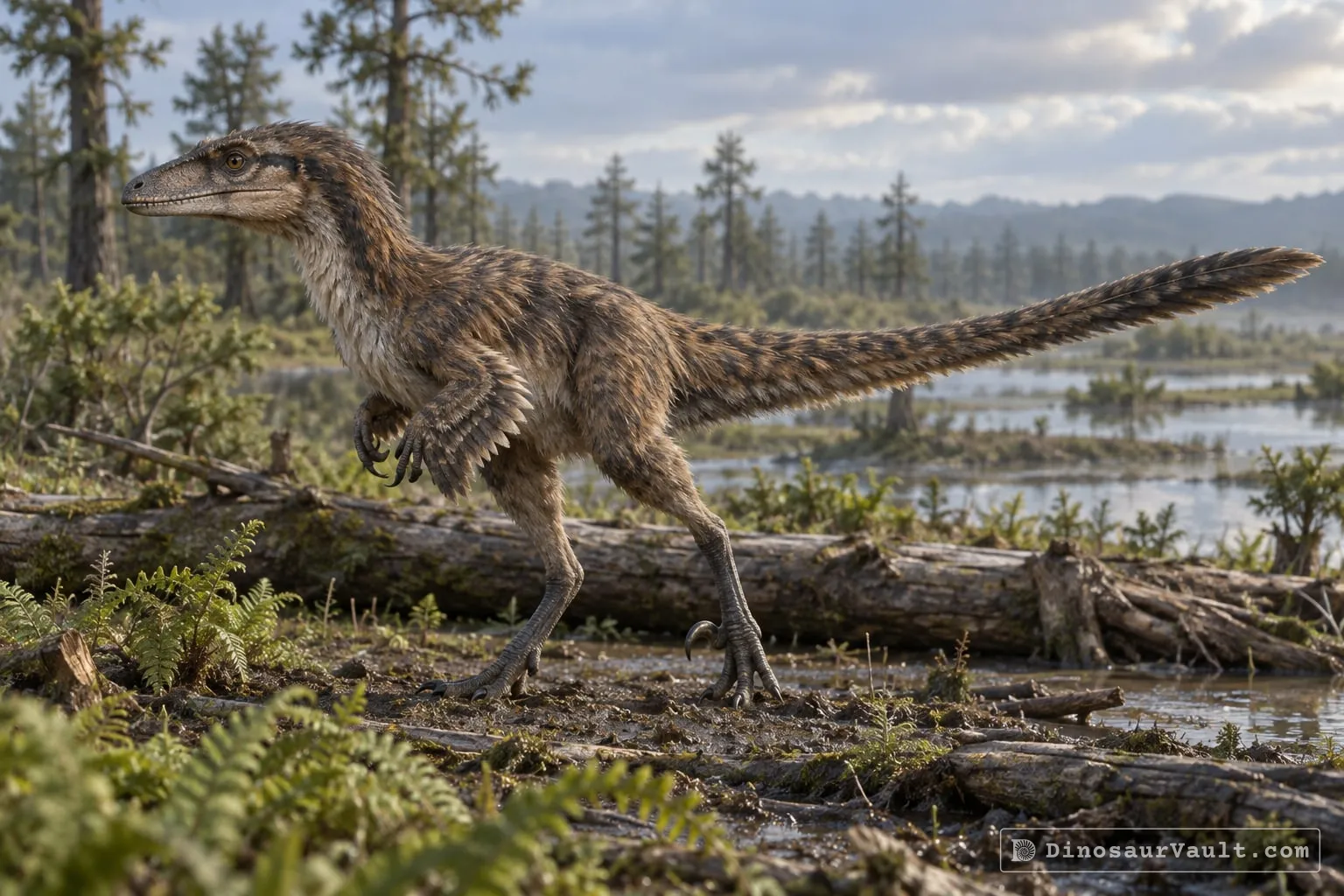
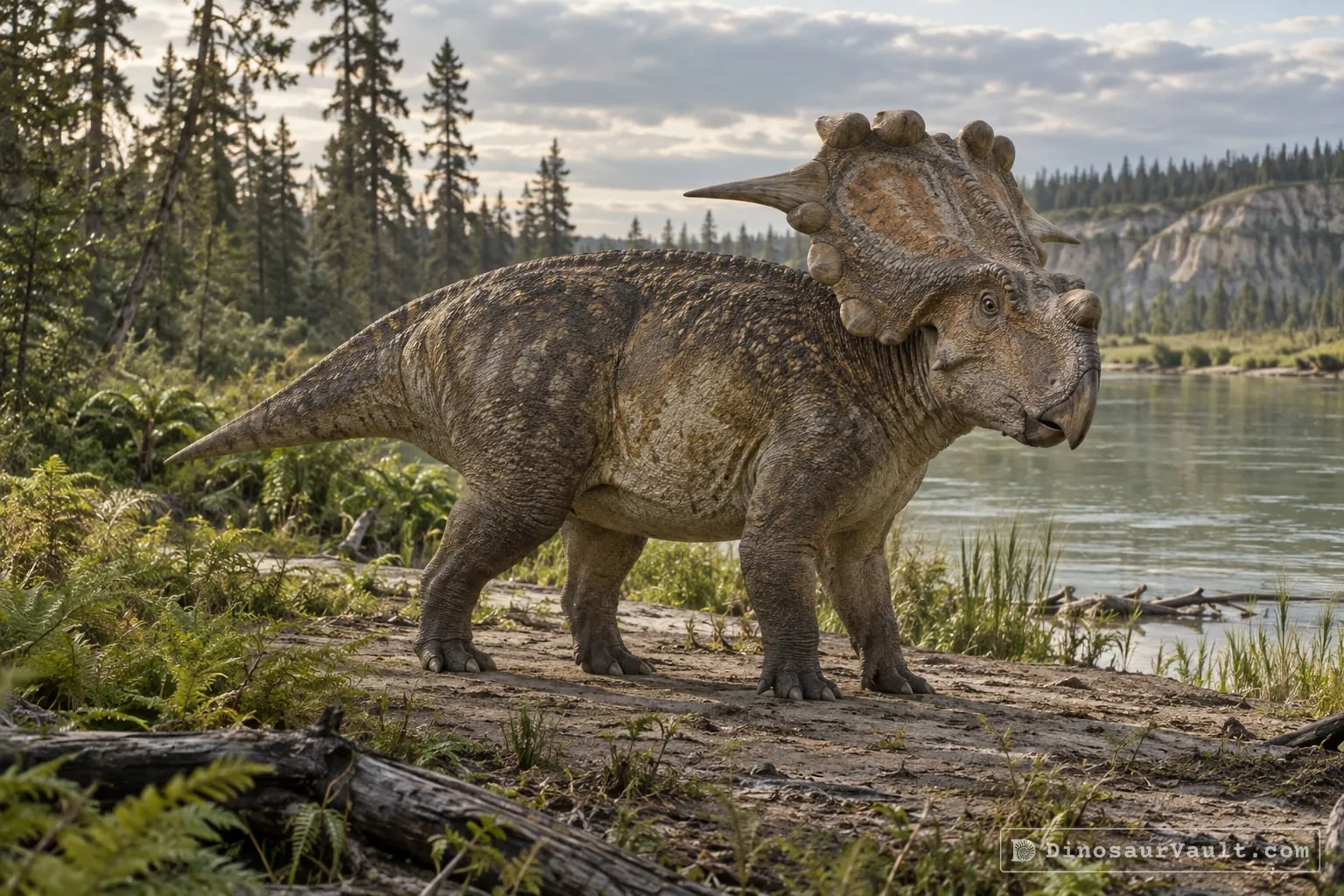
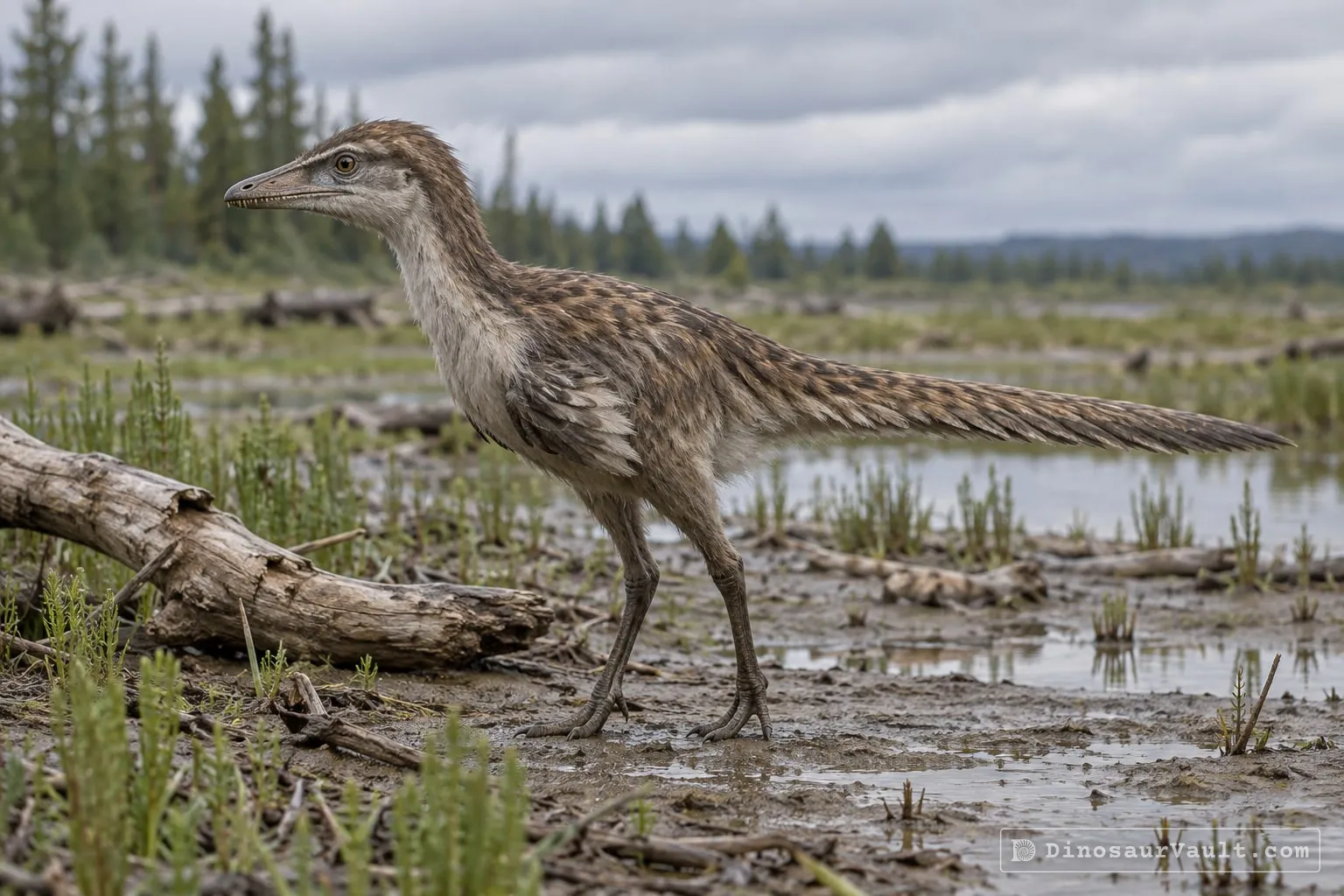


A rock formation can hold fossils laid down millions of years apart, so not every animal here met Colepiocephale.
The evidence
The science behind Colepiocephale
Which parts of the picture come from its own bones, and which come from its relatives.
From its own fossils
- Its fossils are thick skull domes and fragments of the skull roof.
- The shape of the dome distinguishes Colepiocephale from Stegoceras.
- The type dome has a steep front slope, with a raised central lobe and recessed lobes beside it.
Borrowed from relatives
- The missing snout is restored after Prenocephale, and the body, legs, tail and foot claws after Goyocephale.
Still unknown
- The complete shape of its snout and rear skull roof, and the proportions of its body.
- How it used its dome.
- Its skin covering and color.
Discovery timeline
- 2003Named itSullivan
- 2009RedescriptionSchott et al.
- 2013Family treeEvans et al.
Key papers
The research behind what we know of Colepiocephale
Named it
Separated Colepiocephale from Stegoceras after comparing the shapes of their skull domes.
Revision of the dinosaurStegocerasLambe (Ornithischia, Pachycephalosauridae). Journal of Vertebrate Paleontology 23: 181-207
Read the paper : Revision of the dinosaurStegocerasLambe (Ornithischia, Pachycephalosauridae) (opens in a new tab)Redescription
Supported Colepiocephale as distinct and showed that its broken rear skull roof had been misread: the apparent back edge borders the front of large openings.
The anatomy and systematics ofColepiocephale lambei(Dinosauria: Pachycephalosauridae). Journal of Vertebrate Paleontology 29: 771-786
Read the paper : The anatomy and systematics ofColepiocephale lambei(Dinosauria: Pachycephalosauridae) (opens in a new tab)Family tree
Named Acrotholus and showed that tough skull domes preserve more readily than the rest of these small dinosaurs.
The oldest North American pachycephalosaurid and the hidden diversity of small-bodied ornithischian dinosaurs. Nature Communications 4
Read the paper : The oldest North American pachycephalosaurid and the hidden diversity of small-bodied ornithischian dinosaurs (opens in a new tab)
Close relatives
Other members of Pachycephalosauridae


Sources: Wikidata