Outline: a typical pachycephalosaur
Alaskacephale
"Alaska head"
- Lived
- 72 to 66 million years ago, Late Cretaceous
- Diet
- Herbivore
- Group
- Pachycephalosaurs, Pachycephalosauridae
- Found in
- United States
- Named by
- Sullivan 2006
Where its fossils were found
The evidence
Today

70 million years ago
Field notes
About Alaskacephale
What it was like
Alaskacephale was a bone-headed dinosaur, a two-legged plant eater with a thick, domed skull. It is known from a single bone from the back of the skull, covered in bony knobs.
Its world
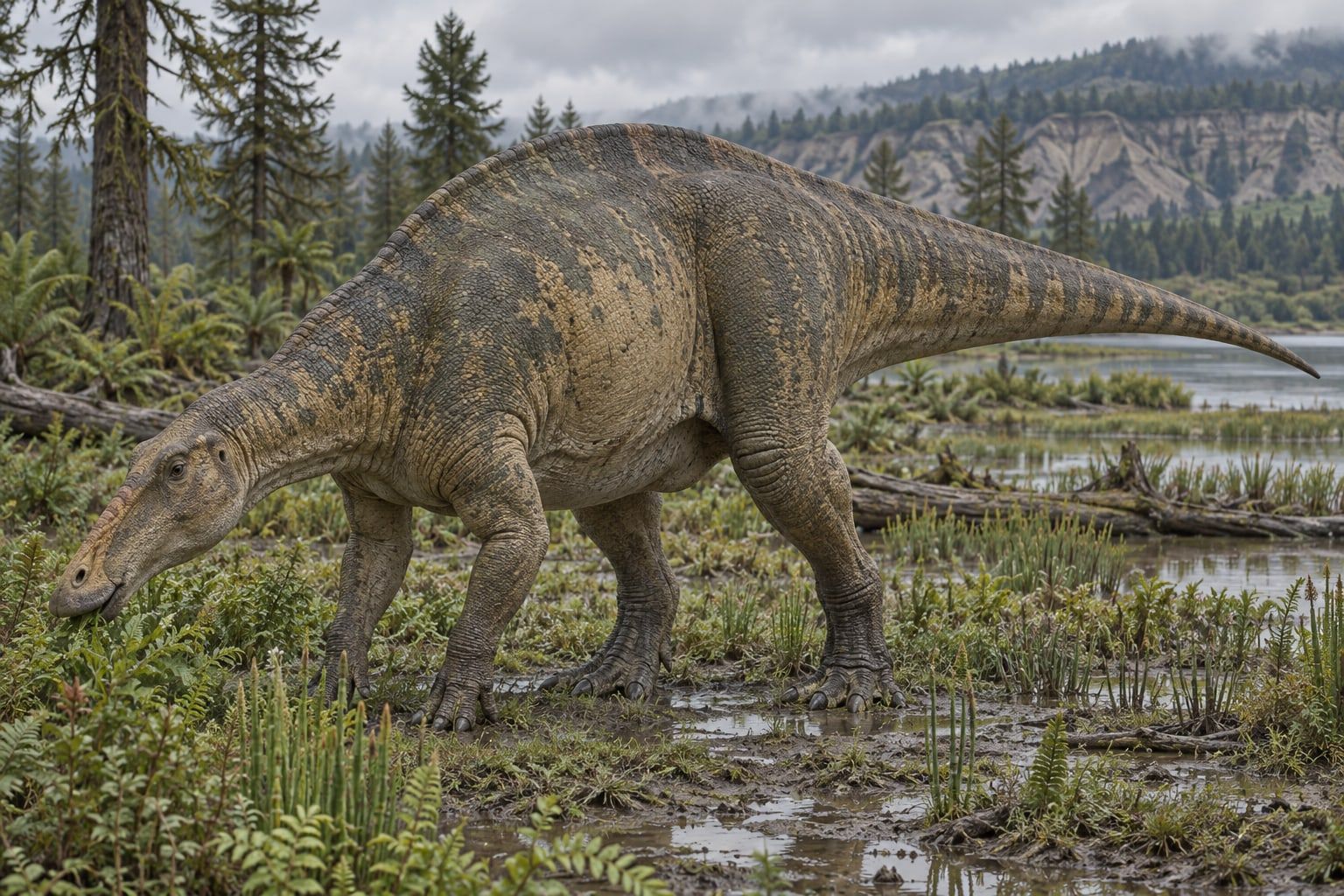
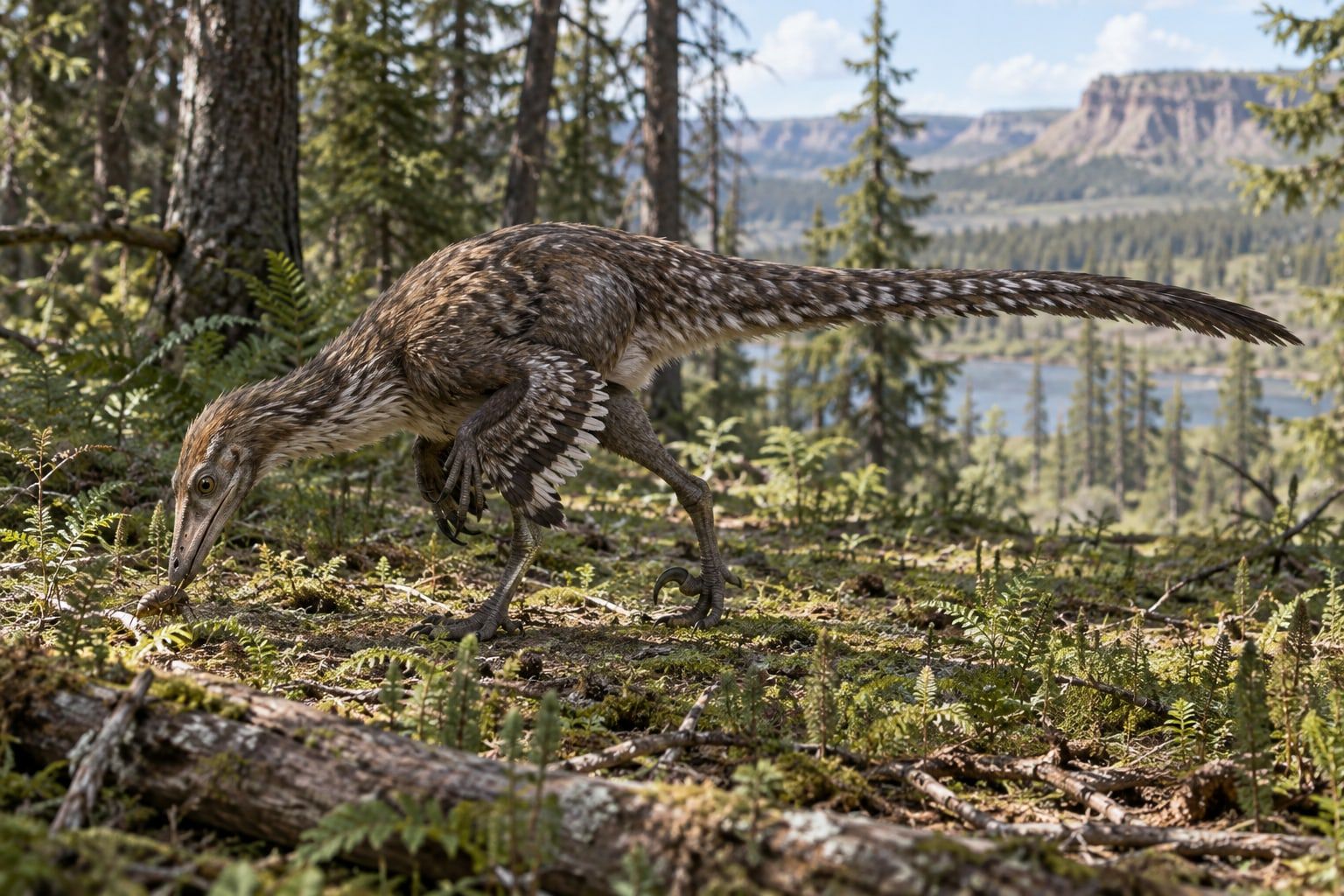
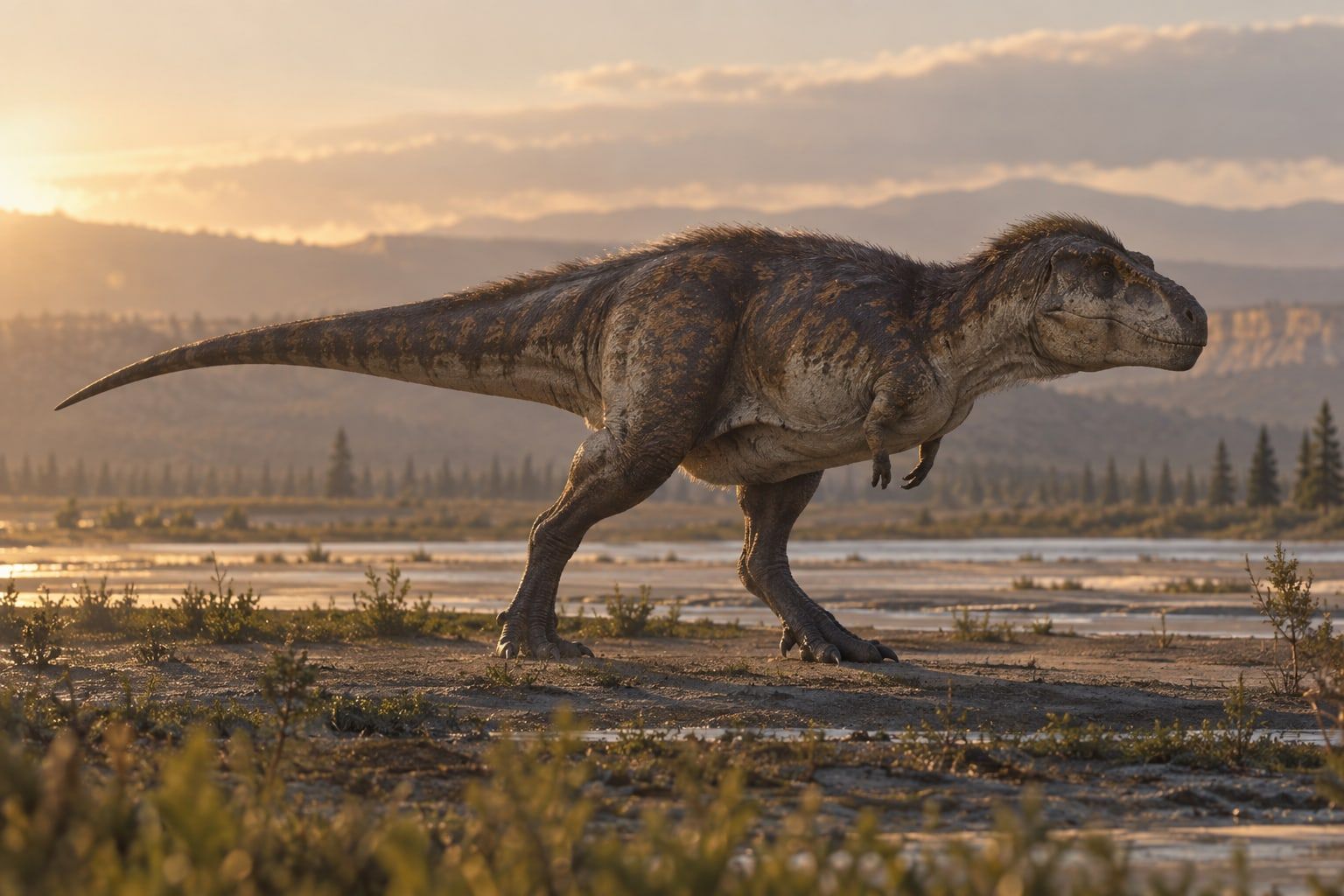
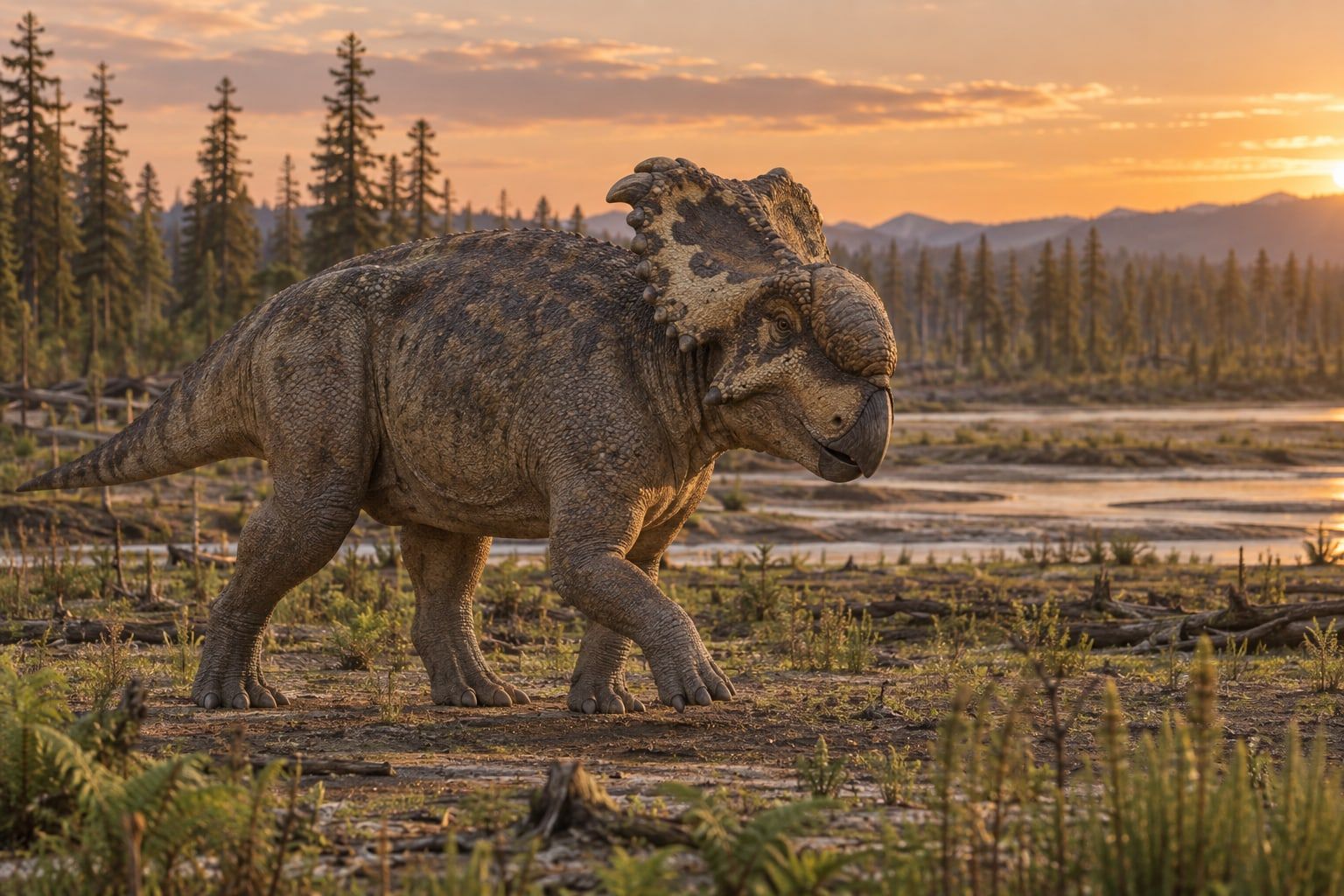
It lived about 72 to 66 million years ago, at the end of the Late Cretaceous, in what is now northern Alaska. The region lay far north even then, with dark winters. Its bones come from the Prince Creek Formation, where it shared the land with the horned Pachyrhinosaurus, the duckbill Edmontosaurus and the small tyrannosaur Nanuqsaurus.
How it was found
Sullivan named Alaskacephale in 2006 from one find. It is one of the few bone-headed dinosaurs known from the far north.
Lived alongside
Found in the same rock formations
Close relatives
Other members of Pachycephalosauridae
Sources: WikidataNamed in: R. M. Sullivan. 2006. A taxonomic review of the Pachycephalosauridae (Dinosauria: Ornithischia). Late Cretaceous Vertebrates from the Western Interior. New Mexico Museum of Natural History and Science Bulletin 35:348-365