Megaraptor
MEG-ah-RAP-tor
"giant thief"
- Lived
- 94 to 86 million years ago, Late Cretaceous
- Diet
- Carnivore
- Length
- about 8 m (26 ft)
- Group
- Theropods, Megaraptoridae
- Found in
- Argentina
- Named by
- Novas 1998
Size comparison
To scale


Scale in meters
Where its fossils were found
The evidence
Today

90 million years ago
Habitat
It lived on river plains in the Portezuelo Formation of Argentina, with channel banks, sandbars and open woodland. Futalognkosaurus, Unenlagia and Patagonykus lived in the same region.
Field notes
About Megaraptor
What it was like
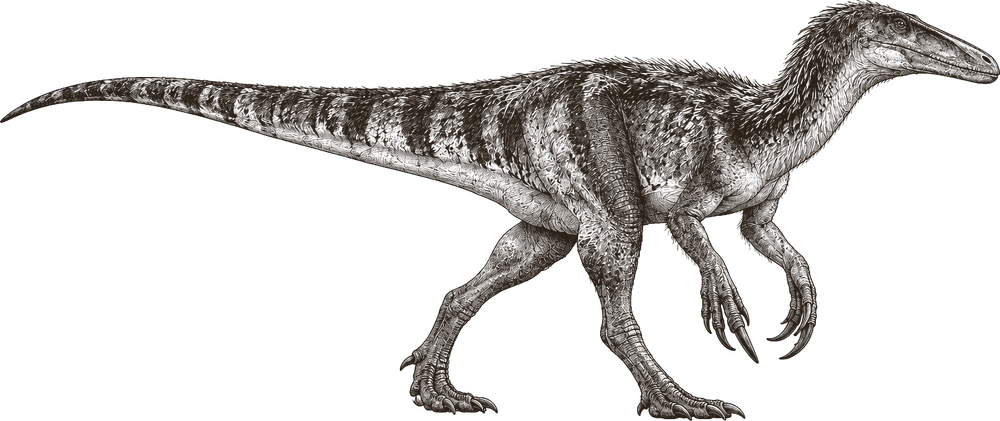
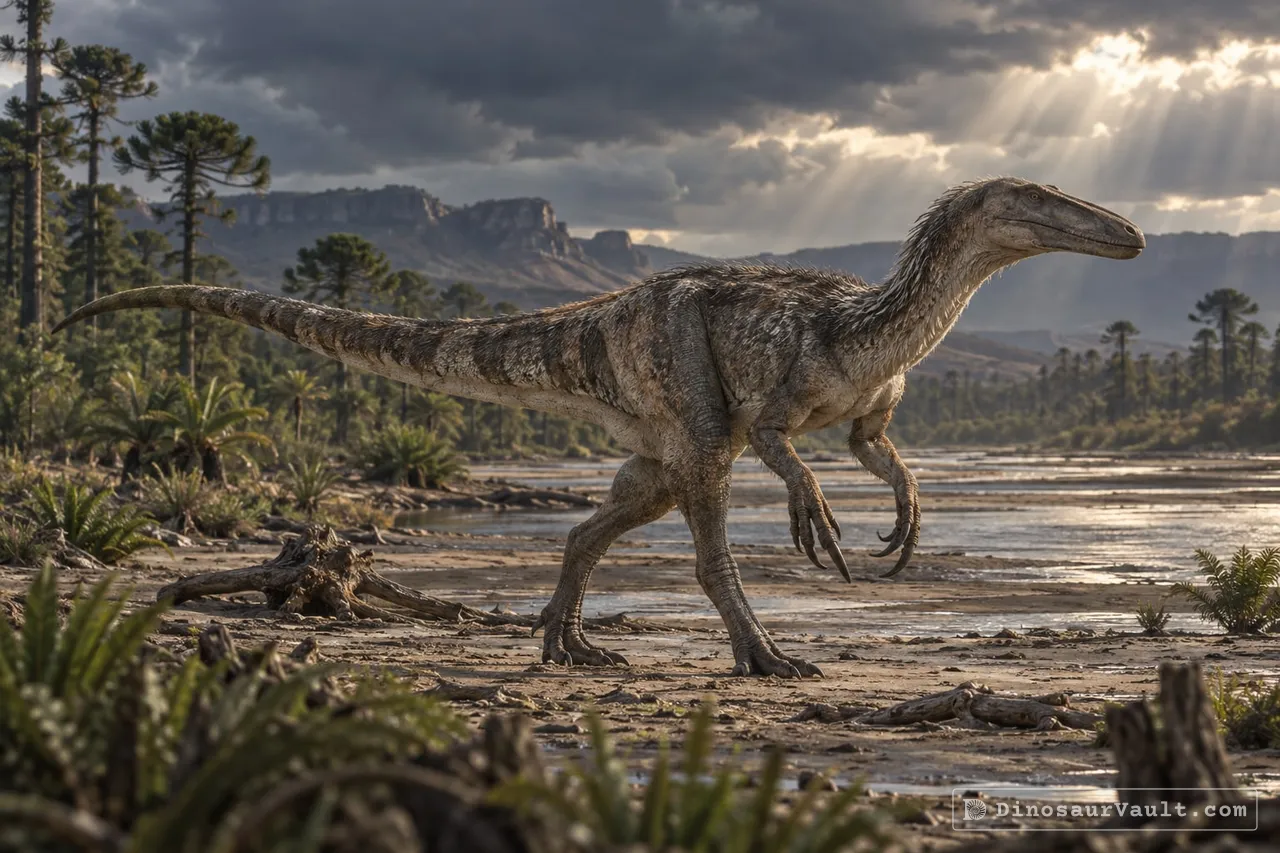
Megaraptor is best known for its huge, strongly curved hand claws, among the largest of any theropod. When it was first described, paleontologists thought the claw came from the foot and pictured Megaraptor as a giant relative of Velociraptor. Later discoveries showed the claw actually belonged to the hand.
Since then, scientists have kept revising where Megaraptor fits on the dinosaur family tree, and where exactly the group it named, the megaraptorans, belongs is still debated. Its long, low skull and small eye sockets in known juvenile remains suggest it grew a deeper, sturdier skull as an adult, and it probably used its powerful arms and claws to grab prey.
Its world
Megaraptor lived from about 94 to 86 million years ago, in the Late Cretaceous, in what is now Argentina. Its fossils come from the Portezuelo Formation.
It shared its river habitat with the giant sauropod Futalognkosaurus, the small hunters Unenlagia, Neuquenraptor, and Patagonykus, and other local dinosaurs such as Pamparaptor, Elemgasem, and Baalsaurus.
How it was found
Novas named Megaraptor in 1998, and only about three fossil finds of the genus are known, most of them fragmentary. Even so, it gave its name to an entire group of similar clawed predators found across South America and beyond, including relatives such as Australovenator and Orkoraptor.
Field gallery
More views of Megaraptor
Scenes reconstructed from the available fossil evidence.
1 of 7
Lived alongside
Found in the same rock formations
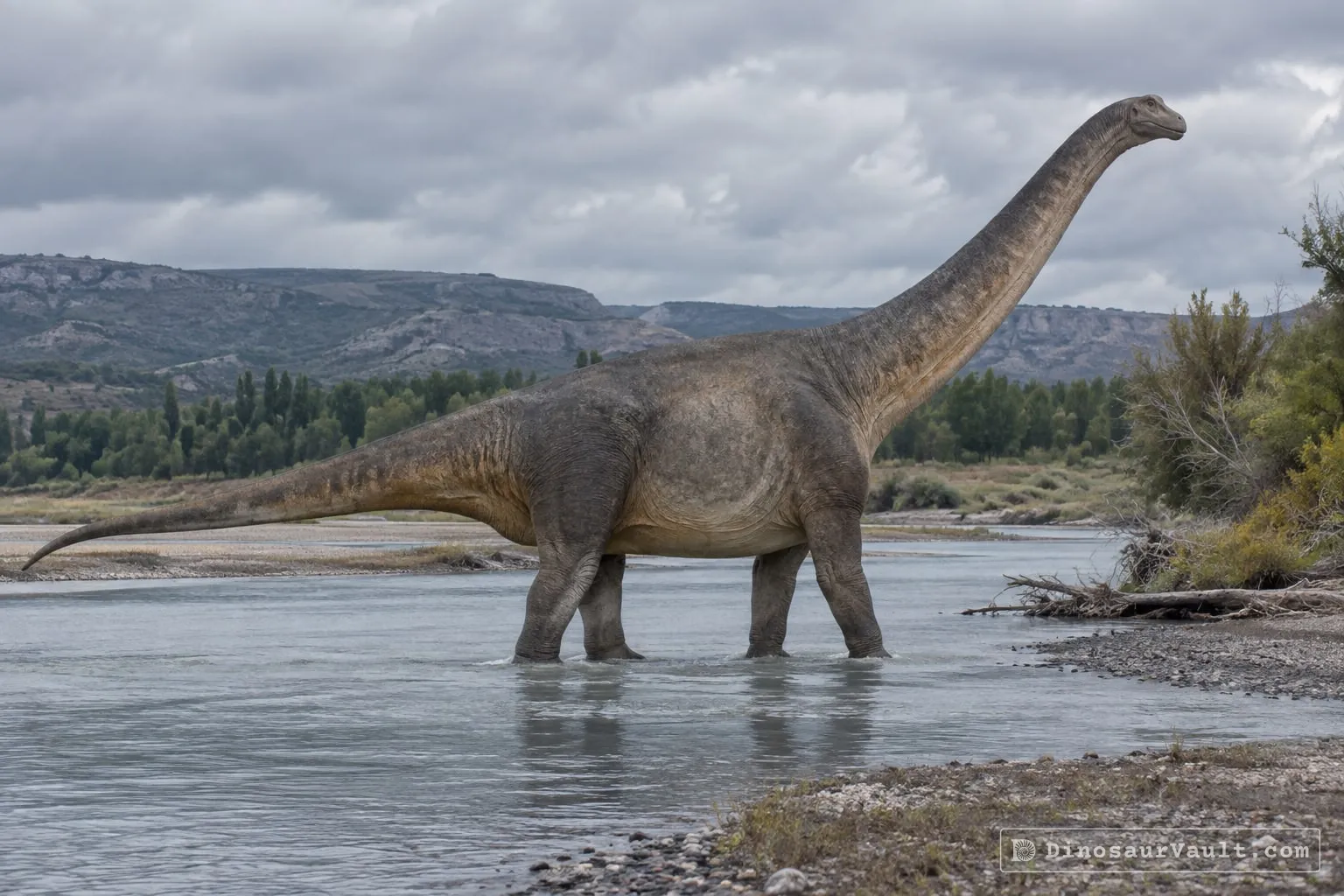
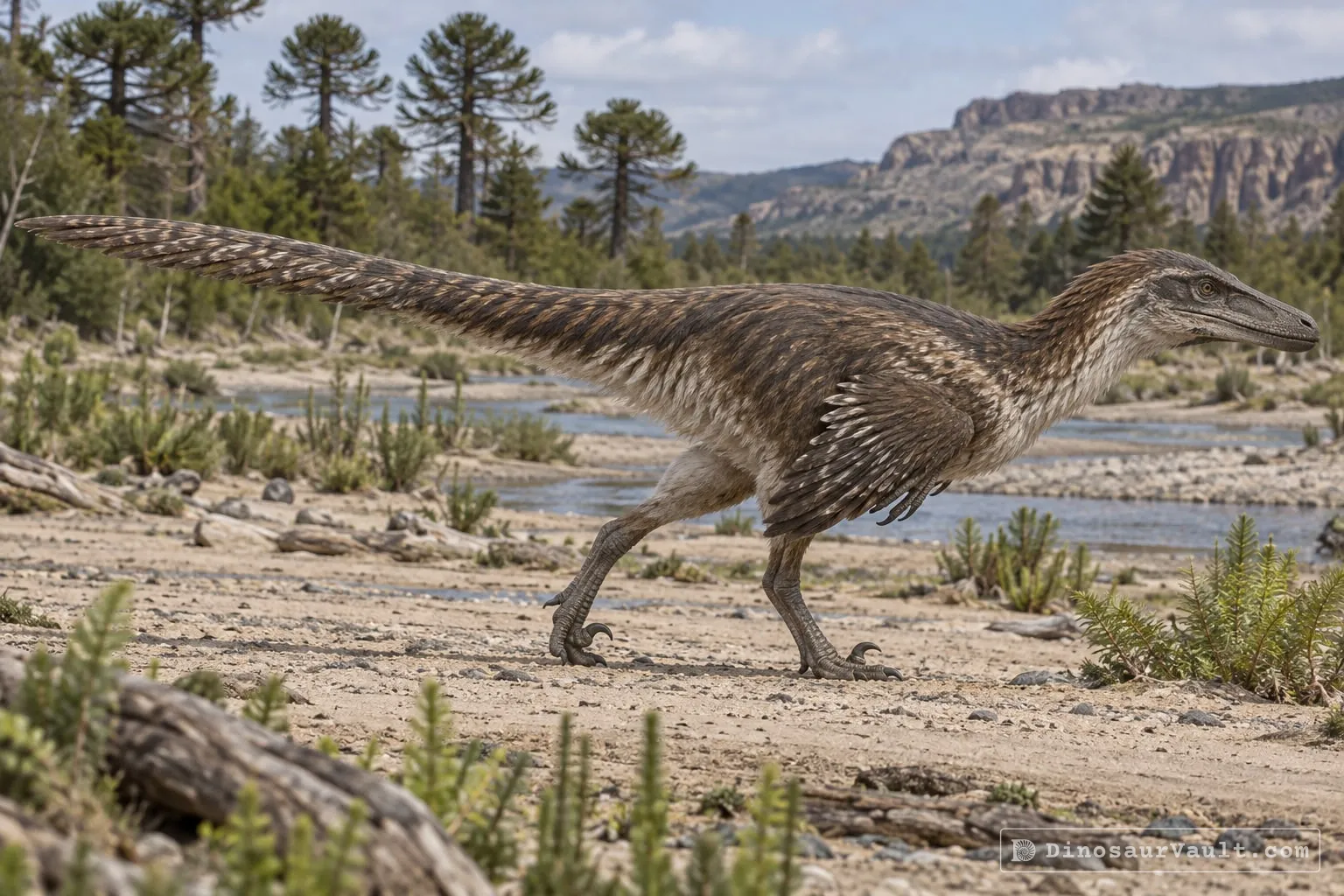
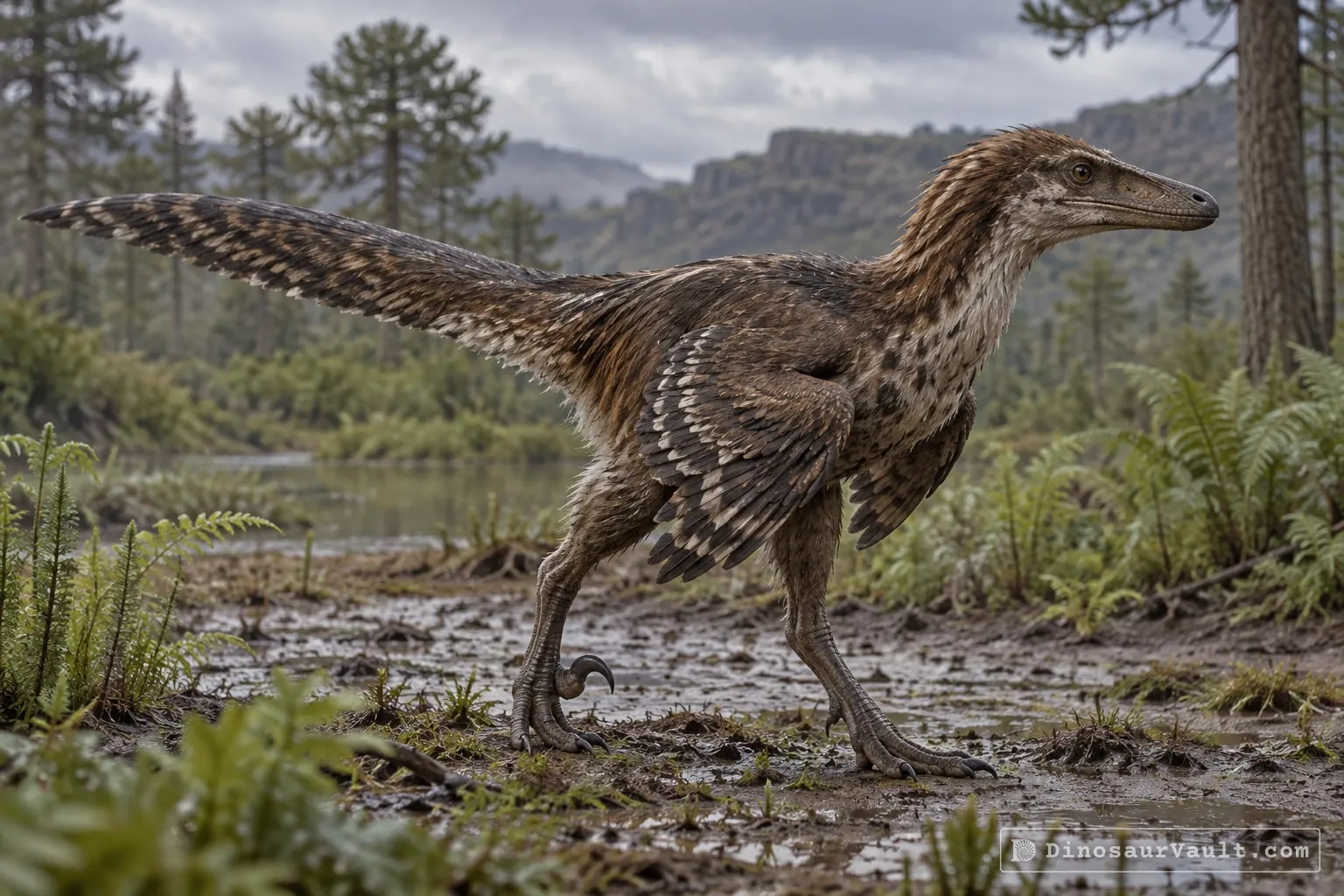
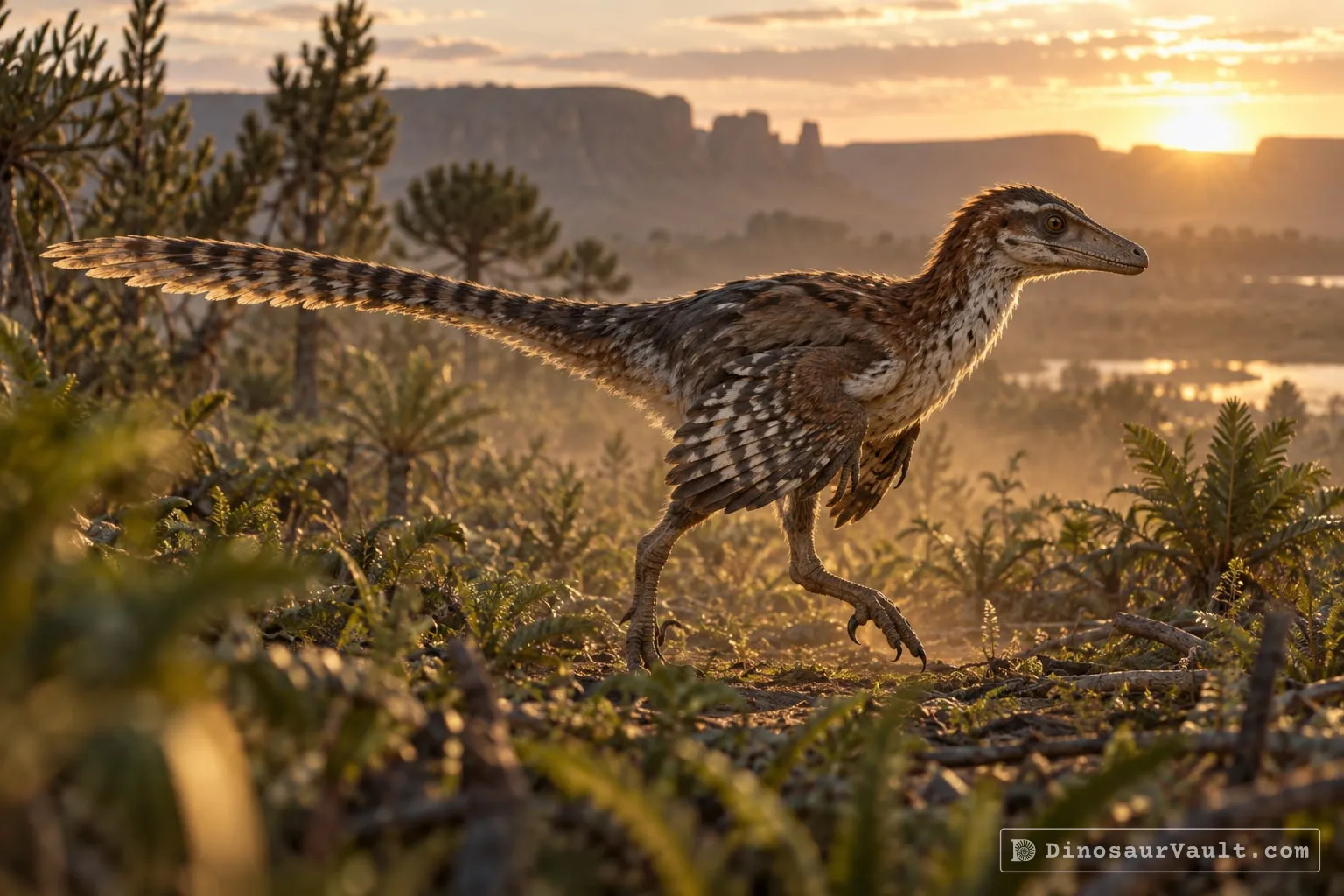
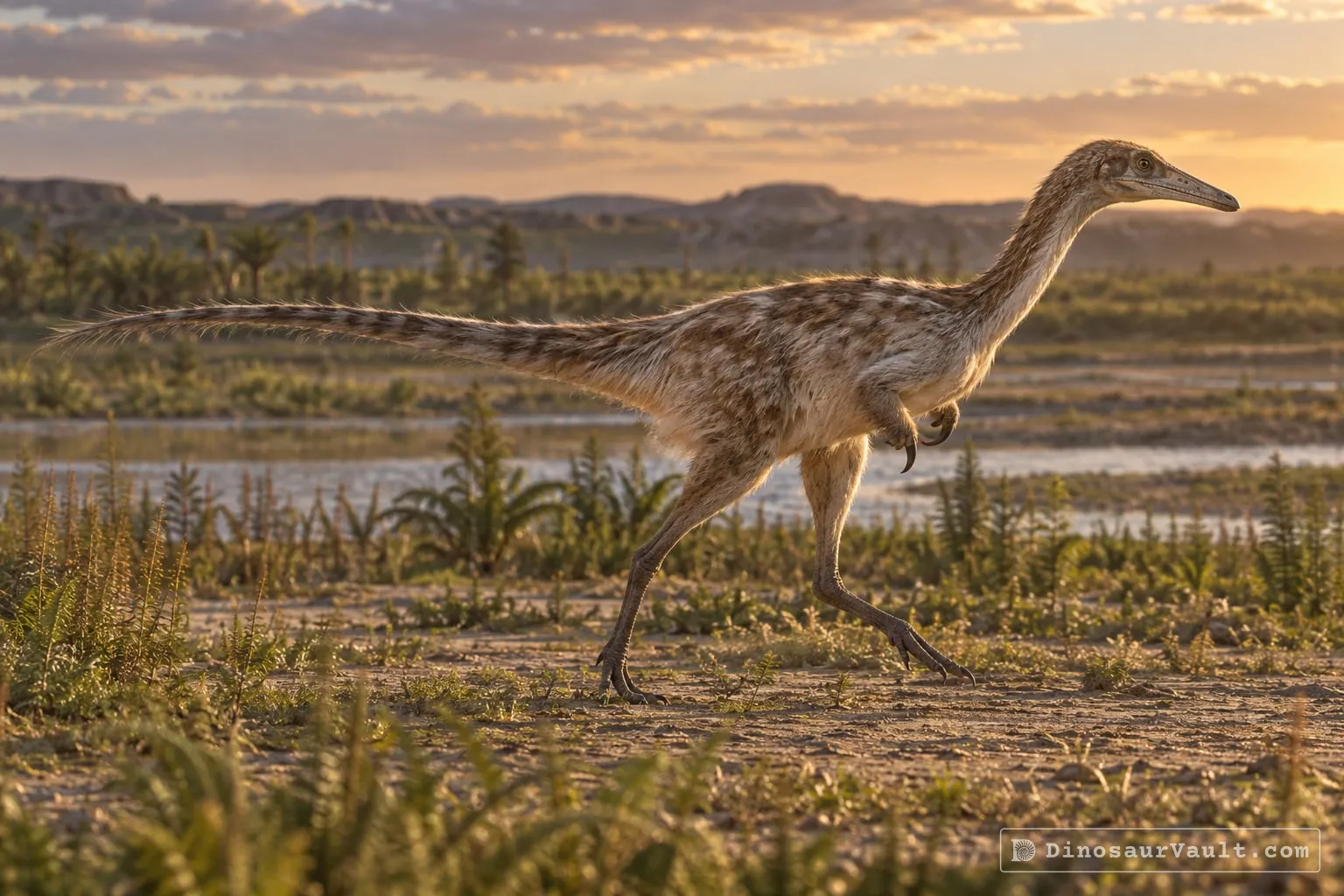
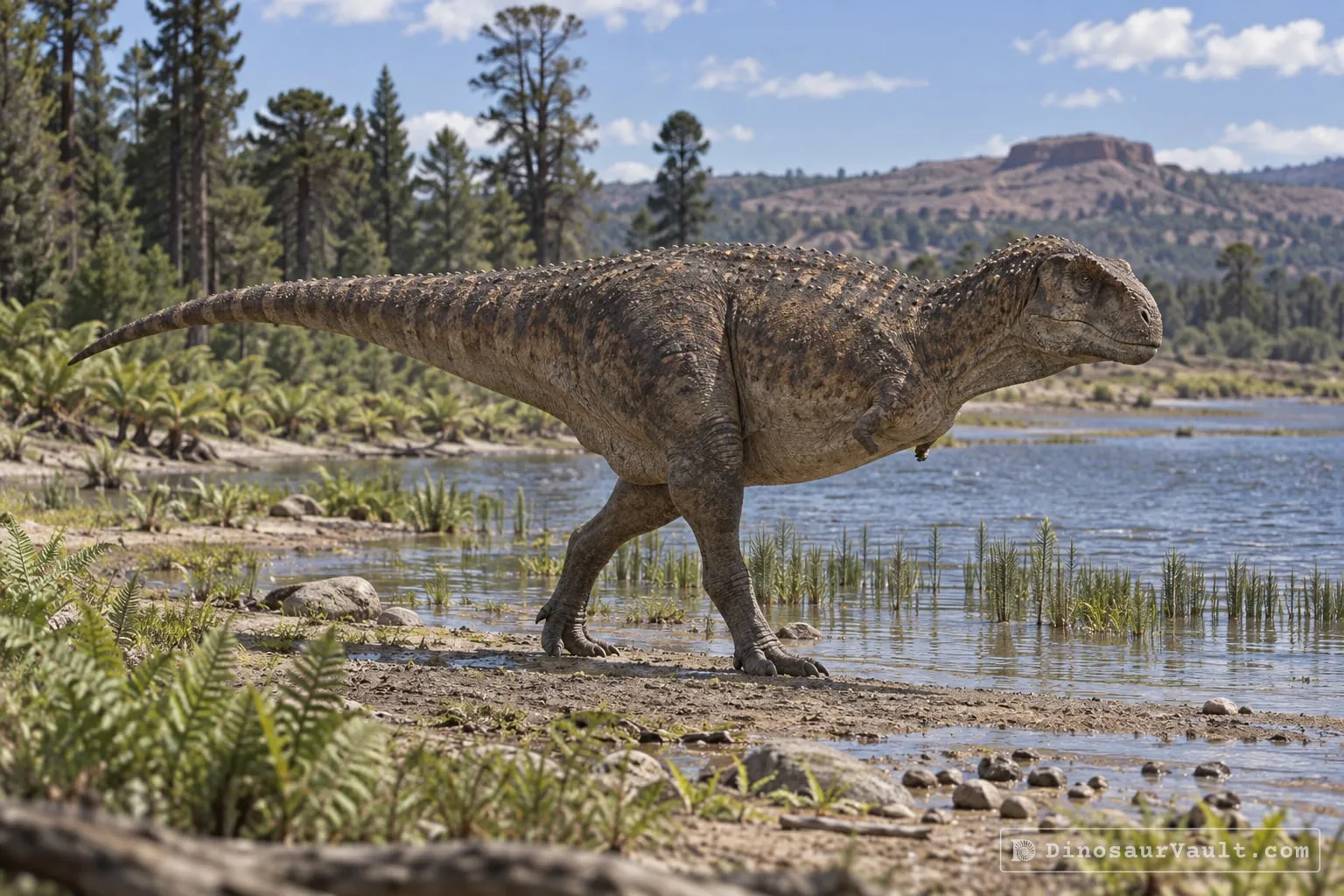
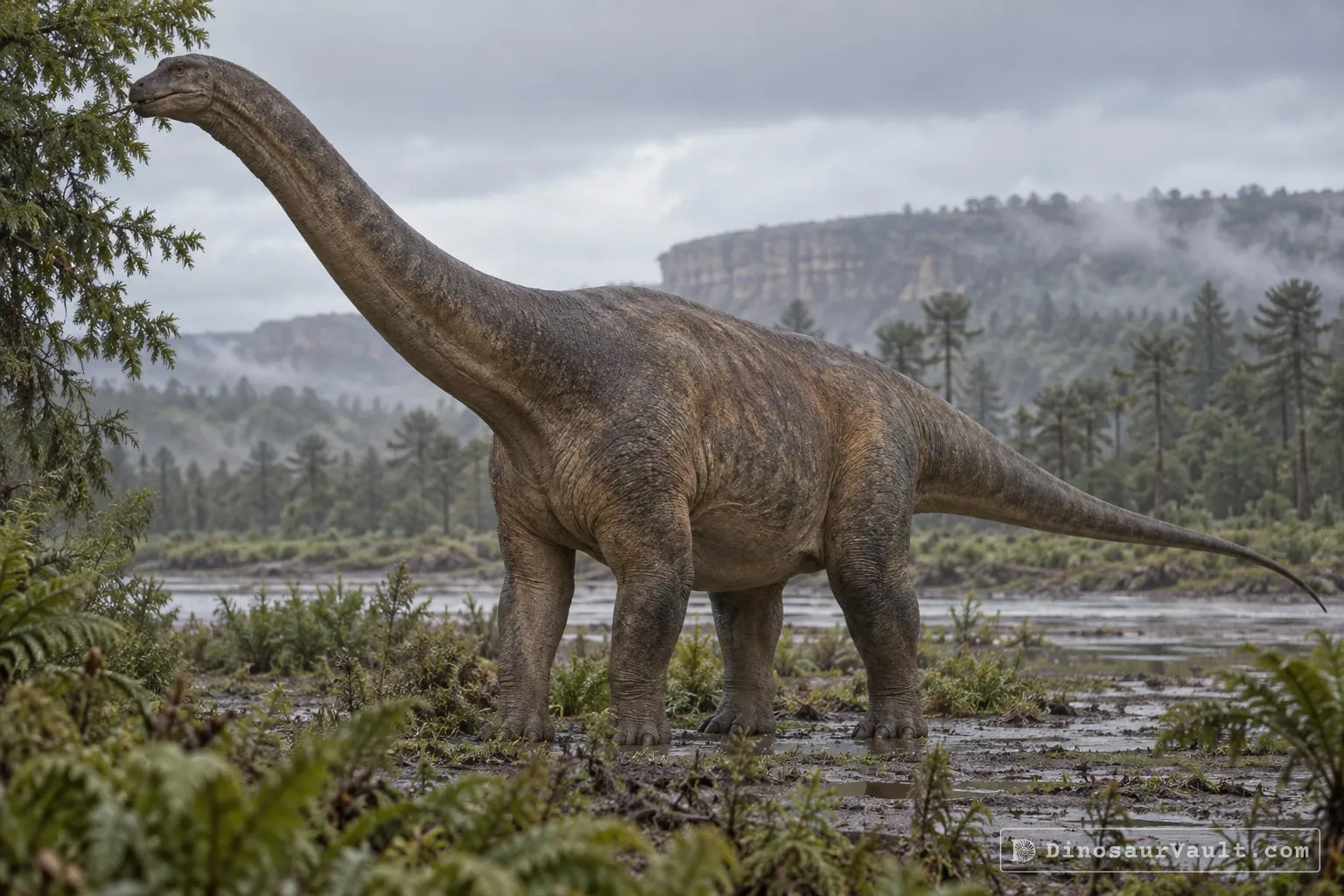


A rock formation can hold fossils laid down millions of years apart, so not every animal here met Megaraptor.
The evidence
The science behind Megaraptor
Which parts of the picture come from its own bones, and which come from its relatives.
From its own fossils
- Arm and hand bones show long, powerful forelimbs with greatly enlarged curved claws.
- A young specimen preserves parts of the skull and body skeleton.
Borrowed from relatives
- Missing parts of the adult body are restored by comparison with megaraptorids such as Australovenator and Murusraptor.
- The adult head is partly inferred from the young specimen and other megaraptorids.
Still unknown
- Its full adult size and the shape of the mature skull.
- Its skin covering and color.
- The exact position of megaraptorans within the theropod family tree.
Often drawn wrong
- Its huge claws belong on the hands rather than on raised second toes like those of Velociraptor.
- Its long arms and grasping hands should not be replaced with tiny tyrannosaur arms.
Discovery timeline
- 1998Named itNovas
- 2014Growing upPorfiri et al.
- 2016Family treeNovas, Rolando & Agnolín
Key papers
The research behind what we know of Megaraptor
Named it
Named a large predator from fragmentary bones, initially interpreting its enormous claw as a foot claw.
Megaraptor namunhuaiquii, gen. et sp. nov., a large-clawed, Late Cretaceous theropod from Patagonia. Journal of Vertebrate Paleontology 18: 4-9
Read the paper : Megaraptor namunhuaiquii, gen. et sp. nov., a large-clawed, Late Cretaceous theropod from Patagonia (opens in a new tab)Growing up
Described a young Megaraptor with partial skull and body bones and used its skull to explore relationships with tyrannosauroids.
Juvenile specimen of Megaraptor (Dinosauria, Theropoda) sheds light about tyrannosauroid radiation. Cretaceous Research 51: 35-55
Read the paper : Juvenile specimen of Megaraptor (Dinosauria, Theropoda) sheds light about tyrannosauroid radiation (opens in a new tab)Family tree
Compared hand bones and claws, finding a mixture of traits that challenged a close relationship with tyrannosaurs.
Phylogenetic relationships of the Cretaceous Gondwanan theropods Megaraptor and Australovenator: the evidence afforded by their manual anatomy. Memoirs of Museum Victoria 74: 49-61
Read the paper : Phylogenetic relationships of the Cretaceous Gondwanan theropods Megaraptor and Australovenator: the evidence afforded by their manual anatomy (opens in a new tab)
Close relatives
Other members of Megaraptoridae


Sources: Wikidata