Joaquinraptor
Type species Joaquinraptor casali
- Lived
- 72 to 66 million years ago, Late Cretaceous
- Diet
- Carnivore
- Length
- about 7 m (23 ft)
- Group
- Theropods, Megaraptoridae
- Found in
- Argentina
- Named by
- Ibiricu et al. 2025
Size comparison
To scale
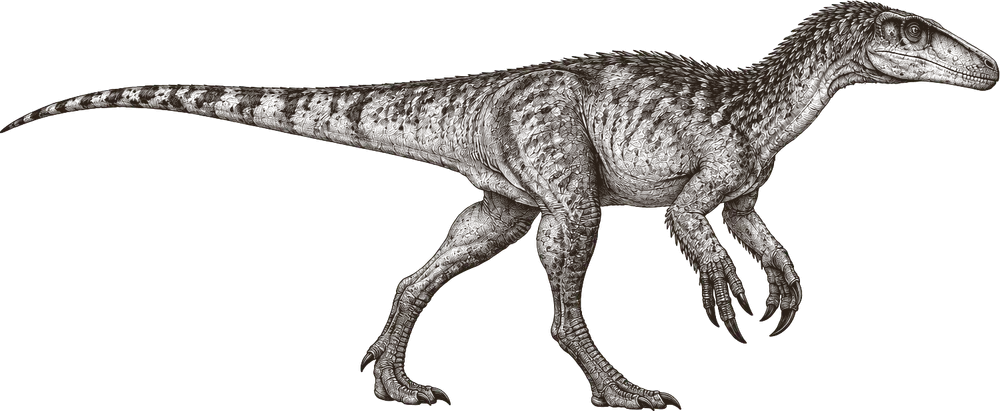


Scale in meters
Where its fossils were found
The evidence
Today

70 million years ago
Habitat
It probably lived on a warm, humid floodplain near the sea in Argentina. Regional neighbors included Aeolosaurus, Argyrosaurus and Secernosaurus.
Field notes
About Joaquinraptor
What it was like
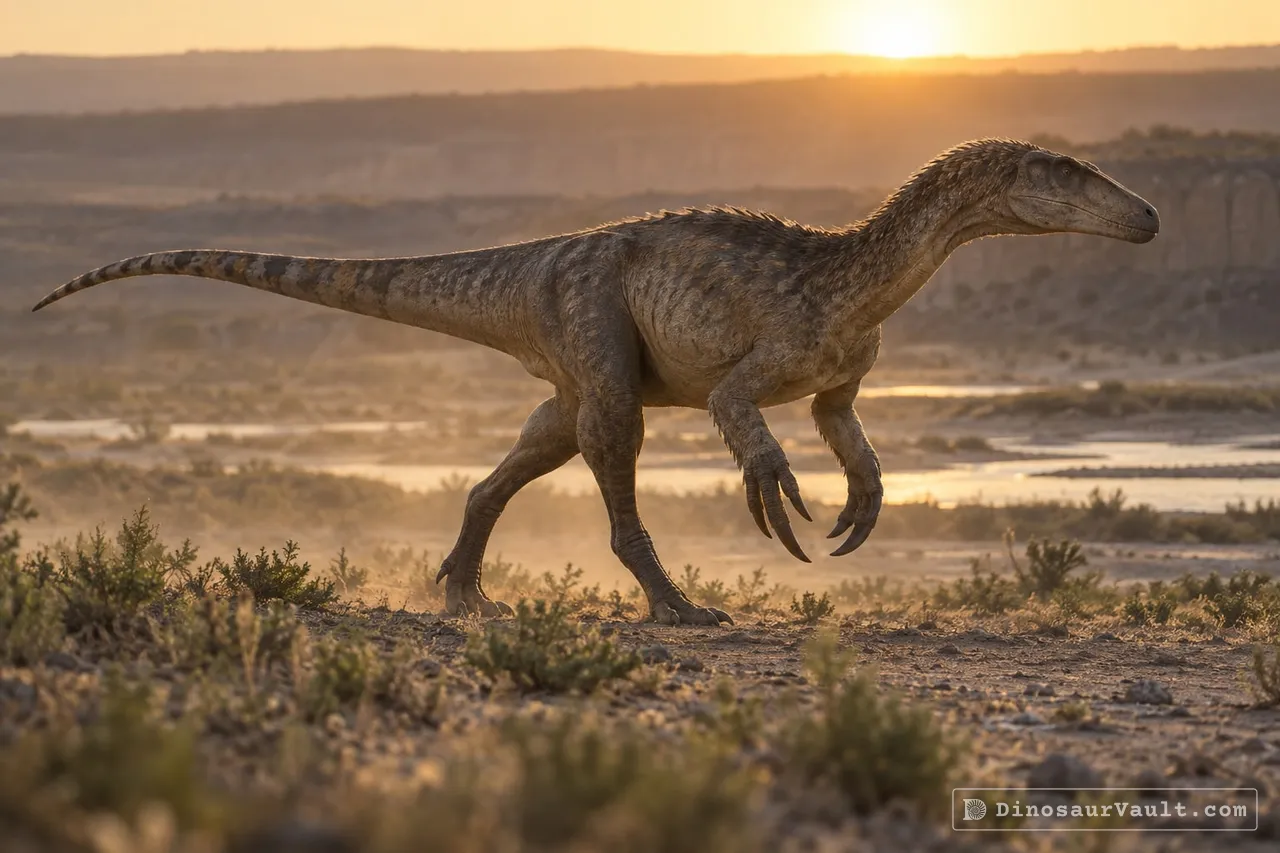
Joaquinraptor was a carnivorous theropod belonging to the megaraptorids, a group of predators best known for the long, curved claws on their hands. Like its relatives, it probably used these claws as much as its teeth when attacking prey. It is known from a single partial skeleton, still being studied, so many details of its full size and appearance are not yet settled.
Its world
Joaquinraptor lived in what is now Argentina between about 72 and 66 million years ago, right at the end of the Cretaceous. It shared its habitat with long-necked sauropods such as Aeolosaurus and Argyrosaurus, as well as the horned Notoceratops. As one of the last known megaraptorids, it lived alongside relatives such as Maip and Orkoraptor elsewhere in South America.
How it was found
Ibiricu and colleagues named Joaquinraptor in 2025, based on fossils from the Lago Colhué Huapi Formation. Being so newly described, much about its biology is still being worked out.
Field gallery
More views of Joaquinraptor
Scenes reconstructed from the available fossil evidence.
1 of 7
Lived alongside
Found in the same rock formations
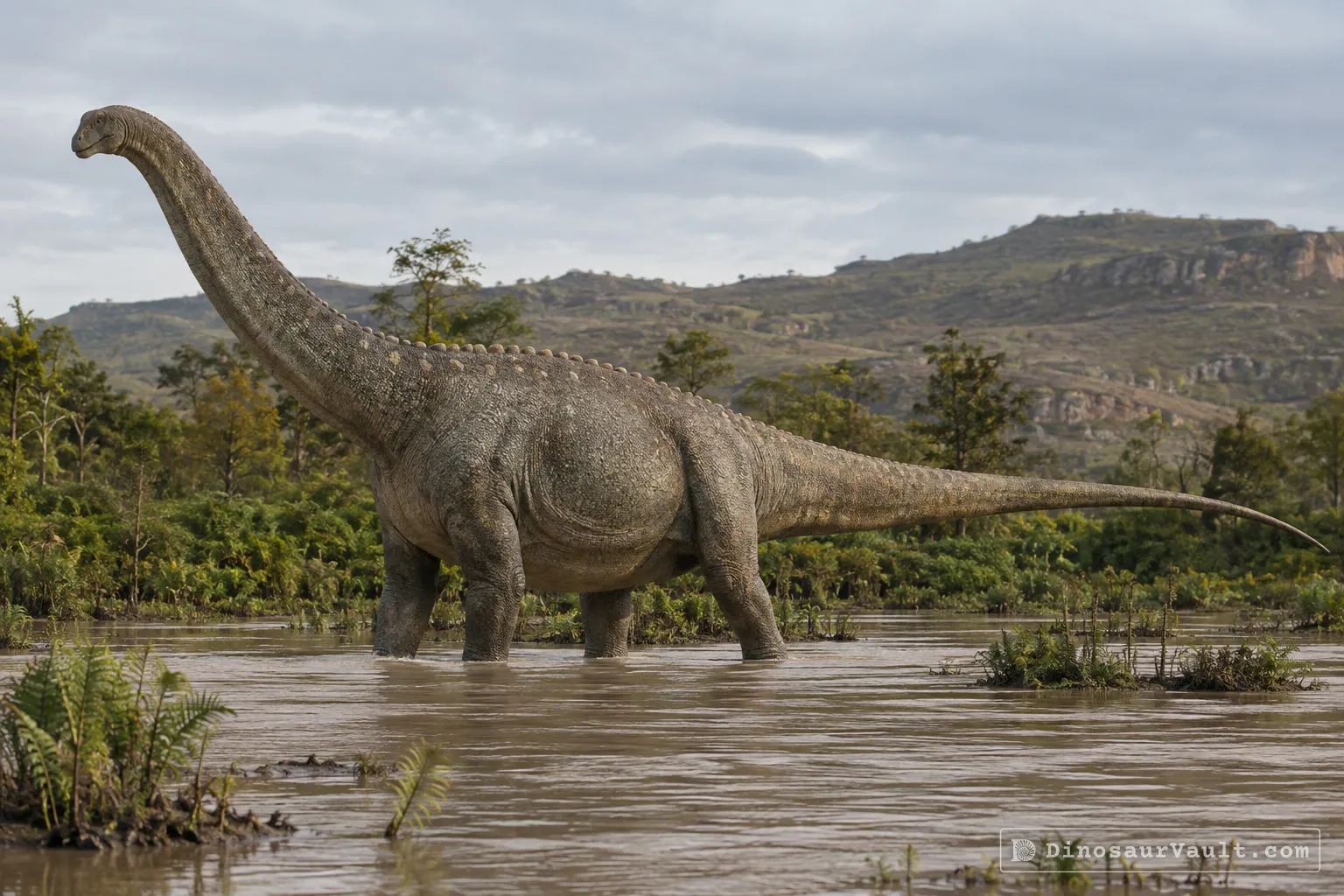
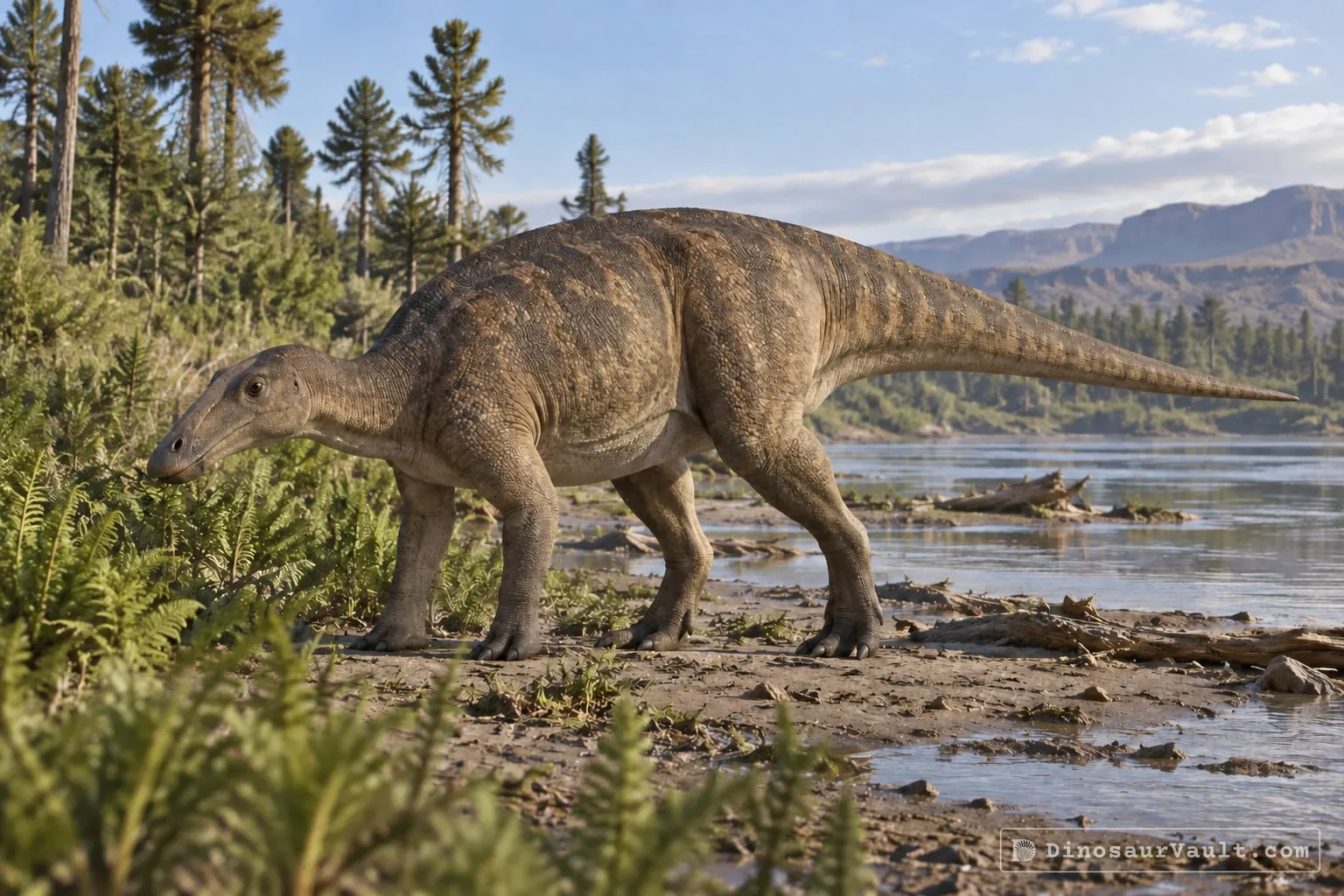
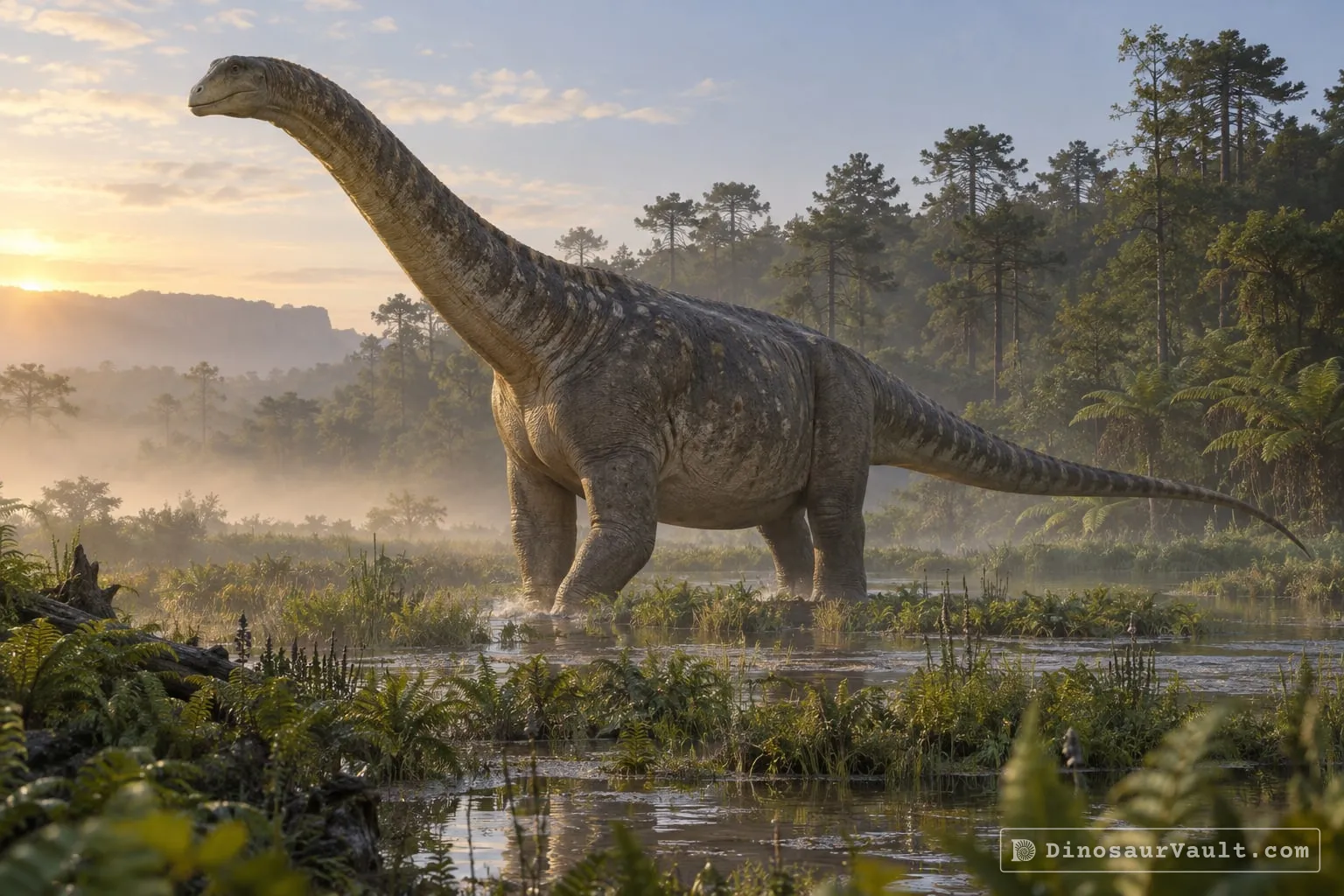
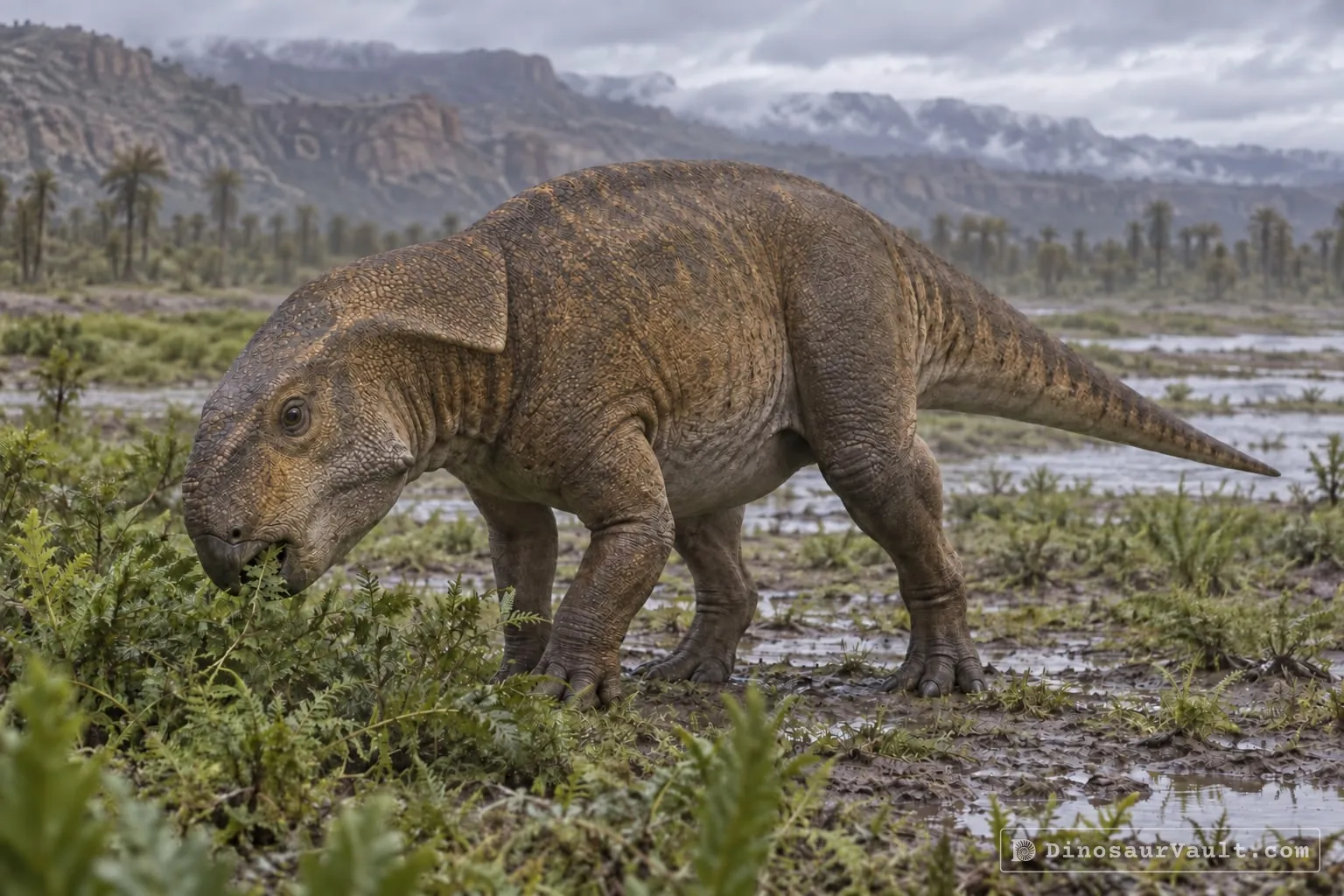
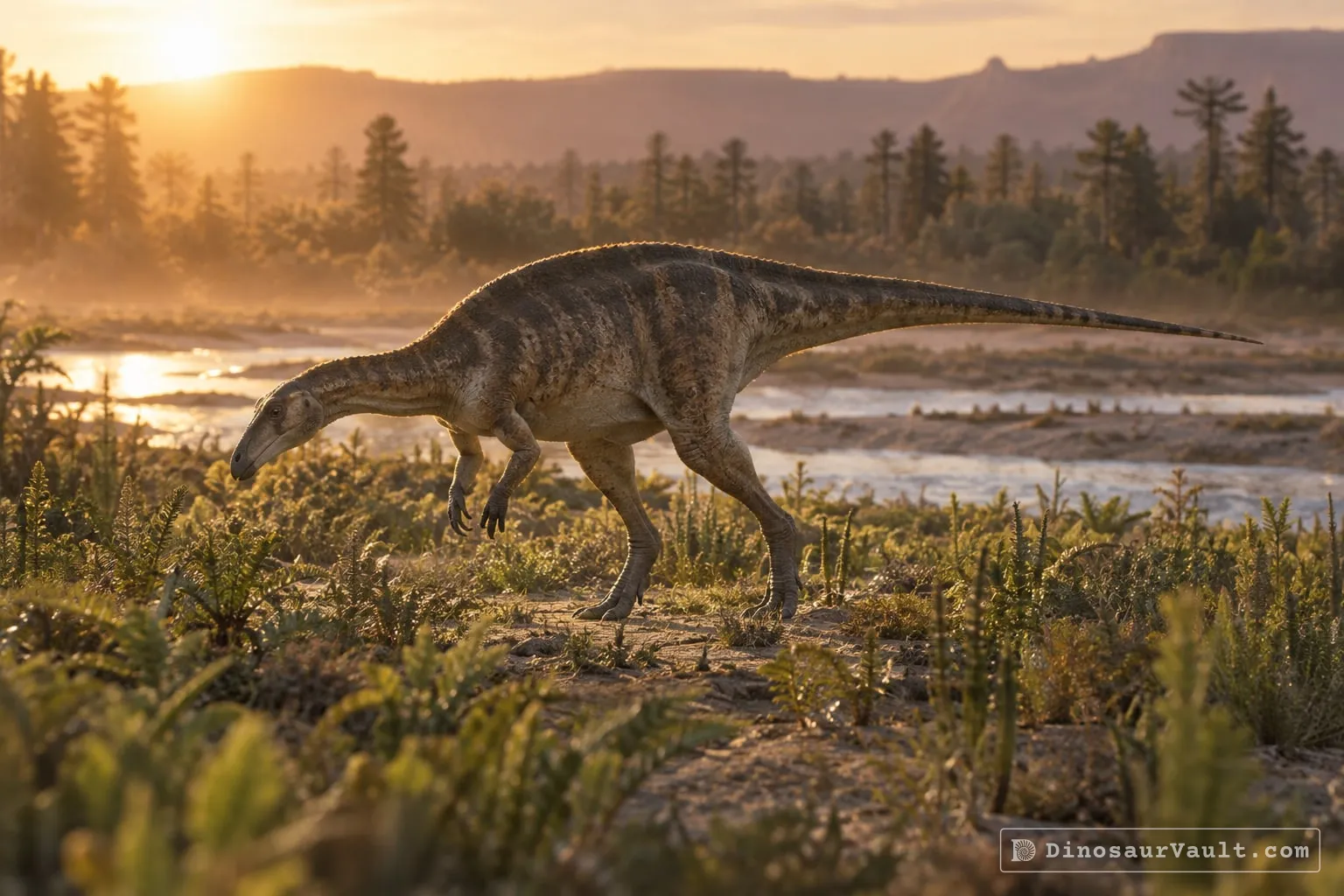


A rock formation can hold fossils laid down millions of years apart, so not every animal here met Joaquinraptor.
The evidence
The science behind Joaquinraptor
Which parts of the picture come from its own bones, and which come from its relatives.
From its own fossils
- A partial skeleton preserves pieces of the skull, backbone, shoulder region and limbs.
- The forearm bones show strong muscle attachments, and the hands carried enlarged claws.
- A crocodile relative's limb bone lay between its lower jaws.
Borrowed from relatives
- Missing parts of the skull are restored using relatives such as Murusraptor and Megaraptor.
- The complete hand and claw arrangement follows better-known megaraptorids, including Australovenator.
Still unknown
- Its fully grown size and complete skull shape.
- Its skin covering and color.
- How it caught and handled prey.
Often drawn wrong
- The enlarged claws belong on its hands, rather than on a raised sickle toe like Deinonychus.
- Its powerful arms should not be reduced to tiny limbs like those of Tyrannosaurus.
Discovery timeline
- 2015Close relativeWhite et al.
- 2016Close relativeCoria & Currie
- 2025Named itIbiricu et al.
Key papers
The research behind what we know of Joaquinraptor
Close relative
Tested the arm and hand movements of Australovenator, helping explain how related megaraptorids may have grasped with their large claws.
Forearm Range of Motion in Australovenator wintonensis (Theropoda, Megaraptoridae). PLOS ONE 10: e0137709
Read the paper : Forearm Range of Motion in Australovenator wintonensis (Theropoda, Megaraptoridae) (opens in a new tab)Close relative
Described Murusraptor, adding skull and skeletal details useful for comparing and restoring incomplete megaraptorids such as Joaquinraptor.
A New Megaraptoran Dinosaur (Dinosauria, Theropoda, Megaraptoridae) from the Late Cretaceous of Patagonia. PLOS ONE 11: e0157973
Read the paper : A New Megaraptoran Dinosaur (Dinosauria, Theropoda, Megaraptoridae) from the Late Cretaceous of Patagonia (opens in a new tab)Named it
Named Joaquinraptor from a partial skeleton and used its bones to study growth, anatomy and the evolution of megaraptorids.
Latest Cretaceous megaraptorid theropod dinosaur sheds light on megaraptoran evolution and palaeobiology. Nature Communications 16
Read the paper : Latest Cretaceous megaraptorid theropod dinosaur sheds light on megaraptoran evolution and palaeobiology (opens in a new tab)
Close relatives
Other members of Megaraptoridae


Sources: Wikidata