Tanycolagreus
"long-limbed hunter"
- Lived
- 155 to 143 million years ago, Late Jurassic
- Diet
- Carnivore
- Length
- about 4 m (13 ft)
- Group
- Theropods
- Found in
- United States
- Named by
- Carpenter et al. 2005
Size comparison
To scale

Scale in metersOutline: typical theropod shape
Where its fossils were found
The evidence
Today

150 million years ago
Habitat
It lived on floodplains crossed by rivers, with conifers and patches of ferns, in what is now the western United States. Allosaurus, Stegosaurus and Diplodocus are among the dinosaurs from the Morrison Formation.
Field notes
About Tanycolagreus
What it was like
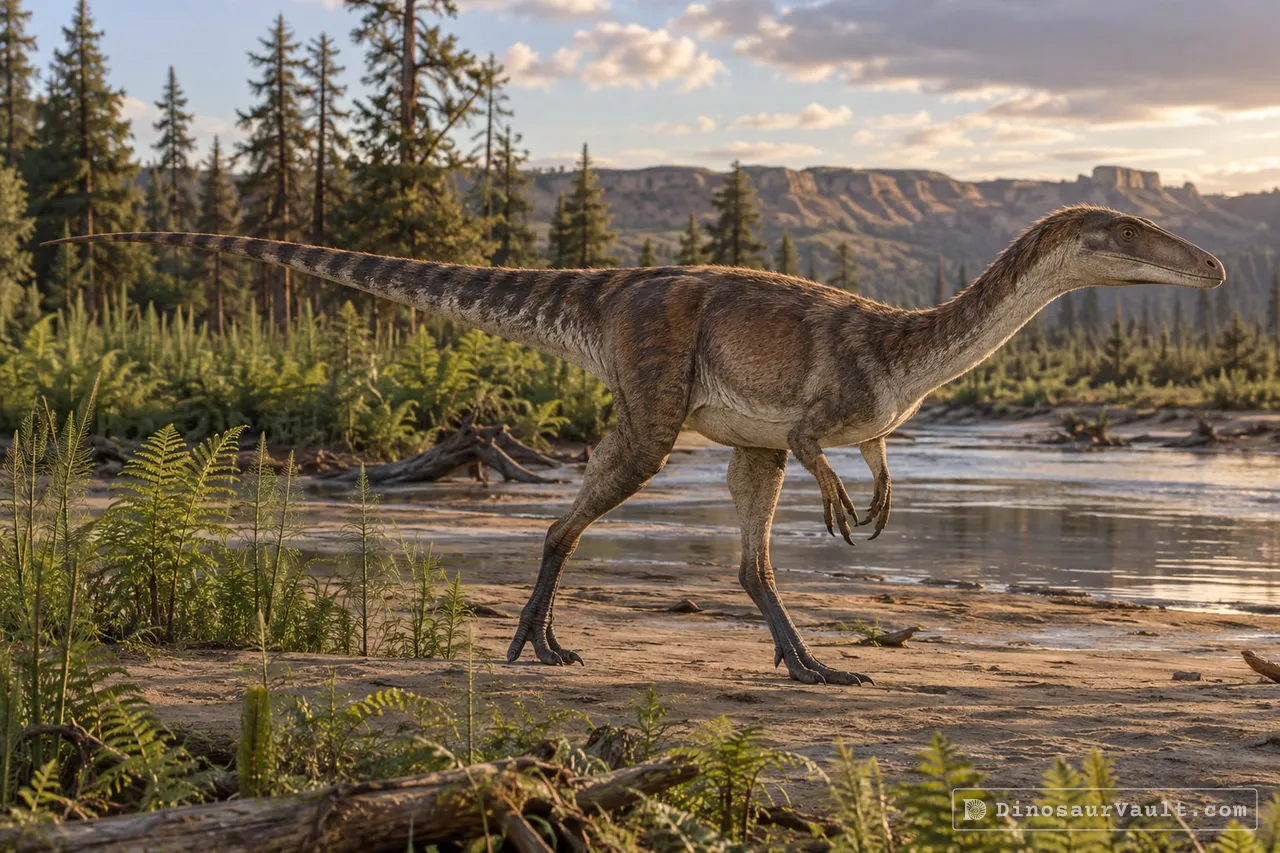
Tanycolagreus was a lightly built predator about 4 meters (13 feet) long, with long legs and long arms ending in grasping hands. It was an early coelurosaur, part of the group that later produced tyrannosaurs and birds.
Its world
It lived in the Late Jurassic in what is now Wyoming and Utah. Its bones come from the Morrison Formation, where it lived alongside Allosaurus, Stegosaurus and giant sauropods such as Diplodocus.
How it was found
Carpenter and colleagues named Tanycolagreus in 2005. Its bones were first thought to belong to Coelurus, a similar small predator from the same rocks.
Field gallery
More views of Tanycolagreus
Scenes reconstructed from the available fossil evidence.
Lived alongside
Found in the same rock formations
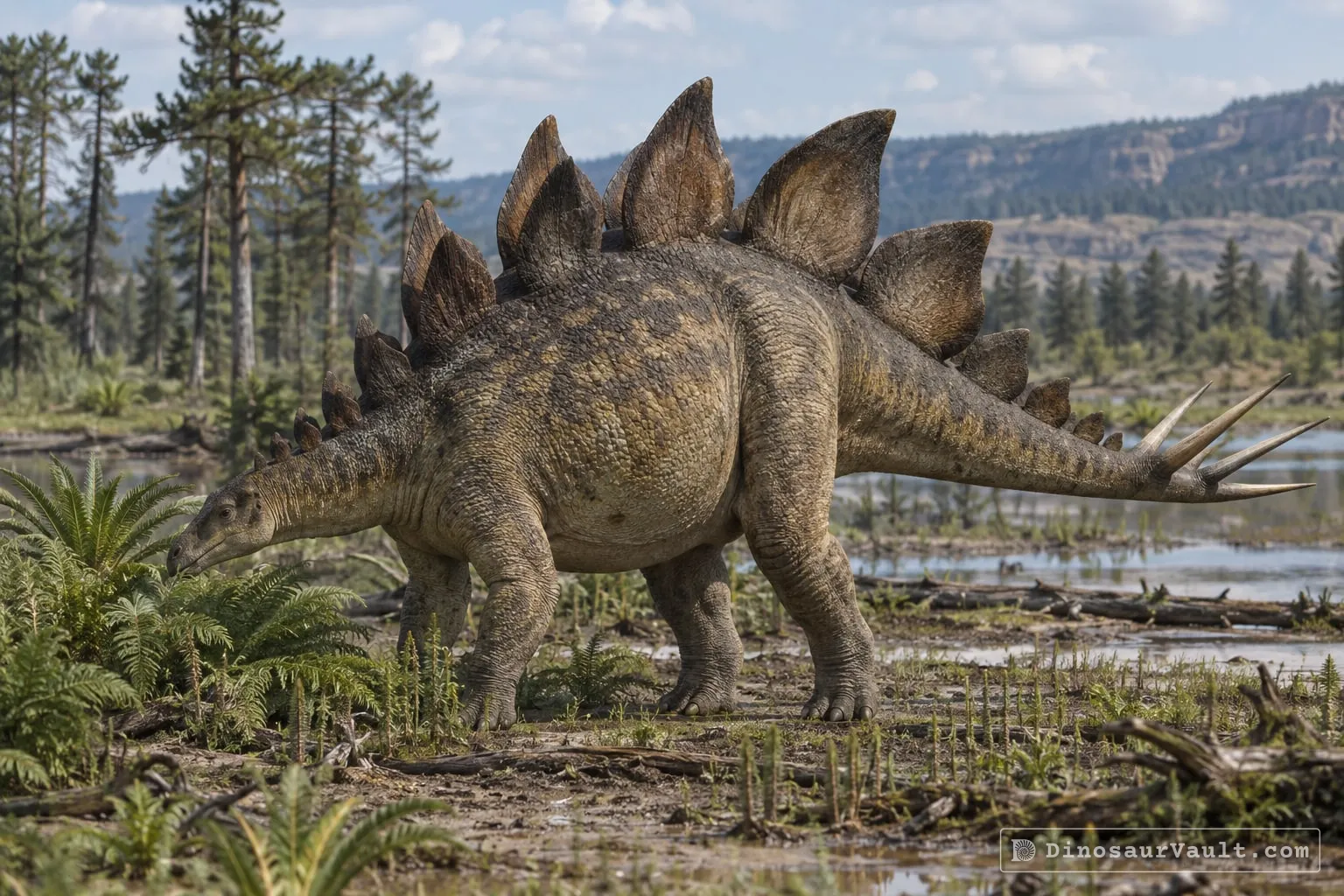
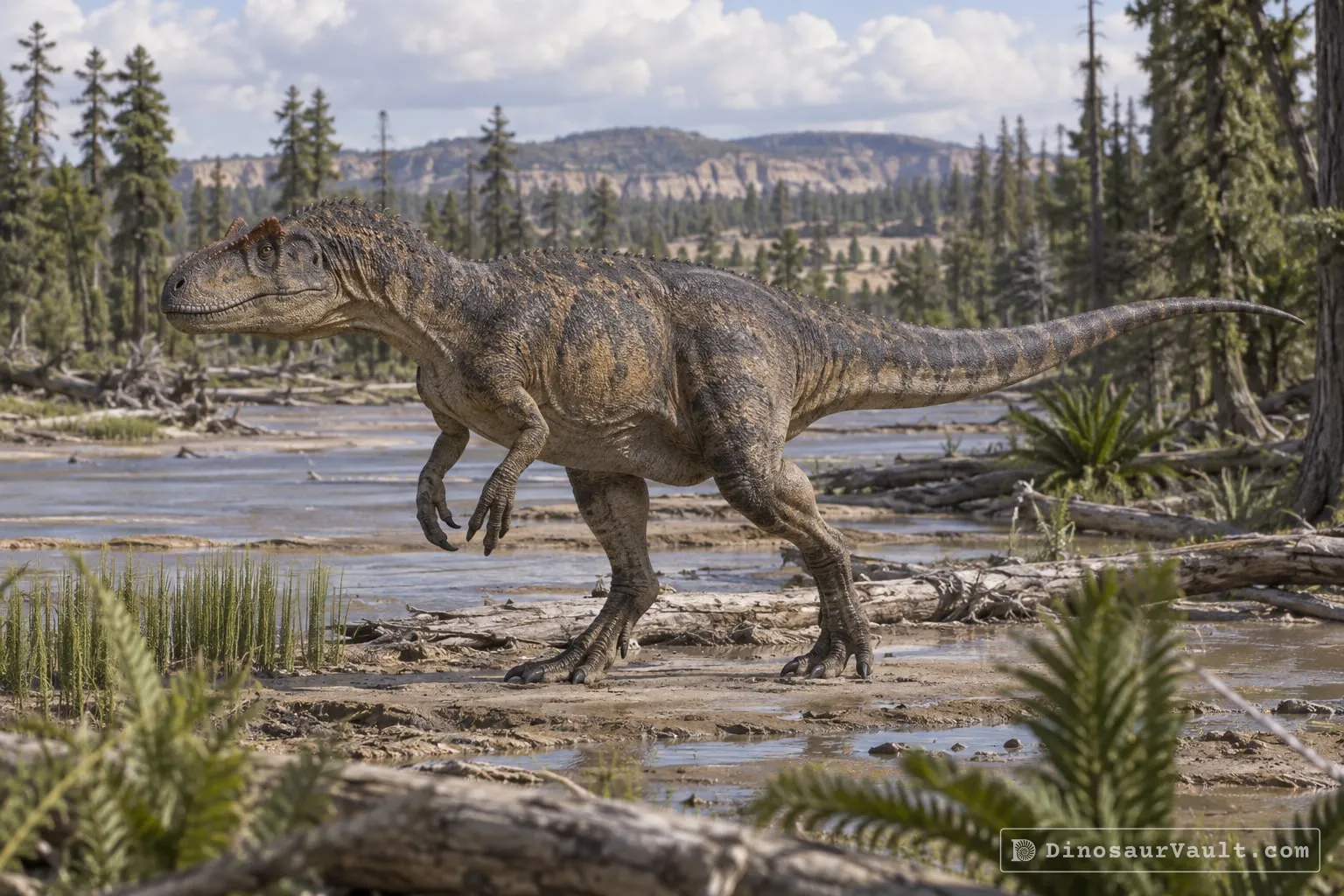
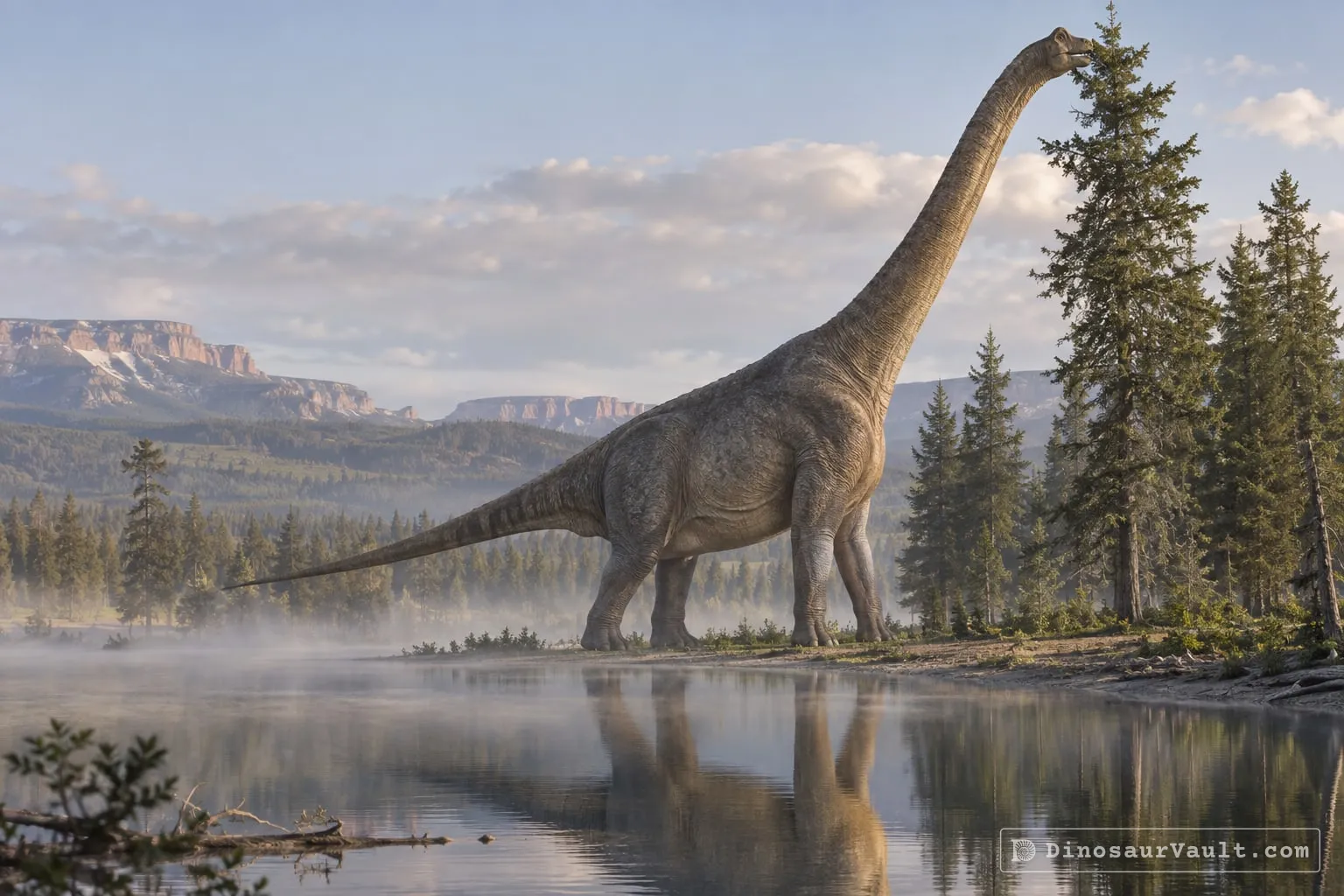
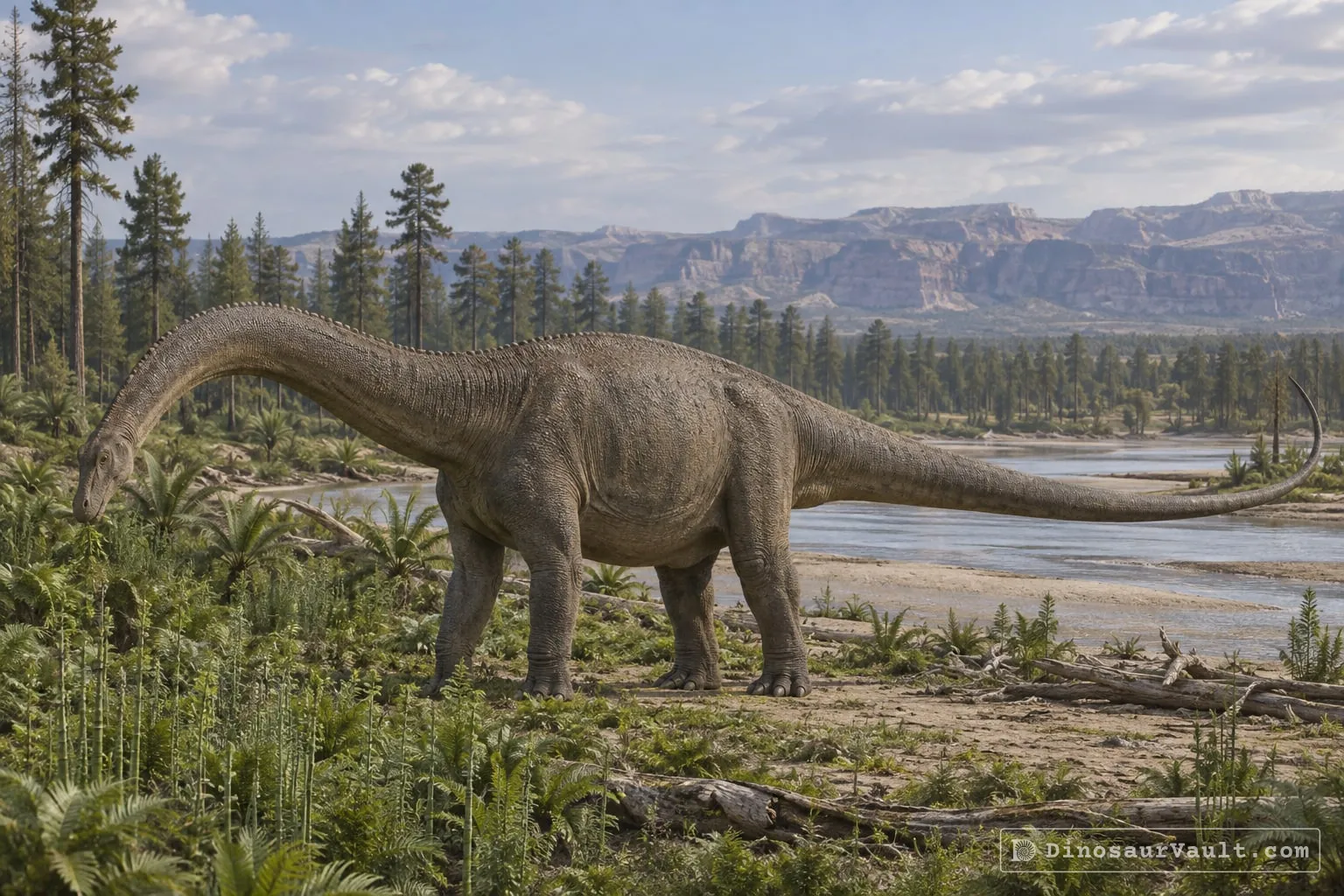
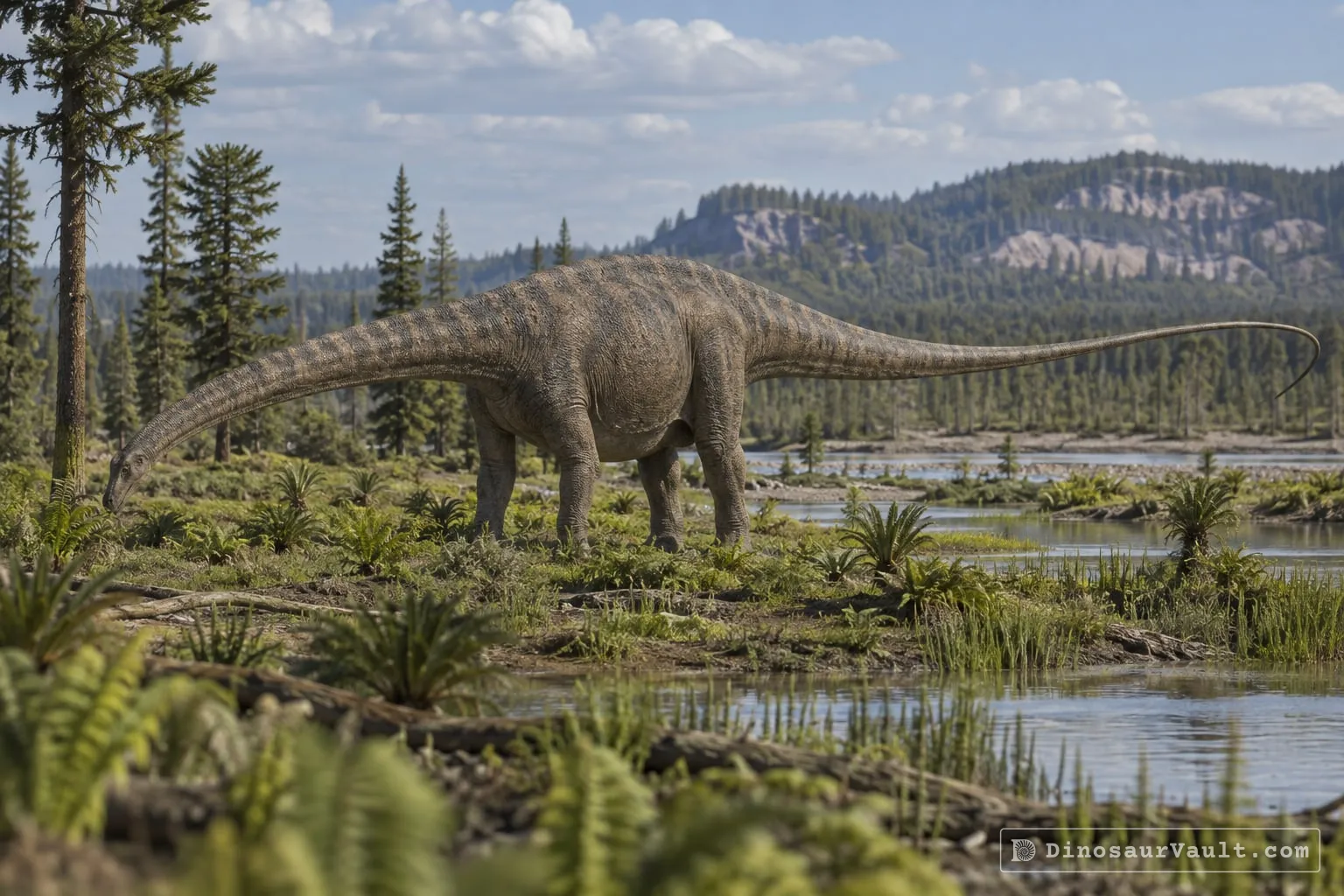
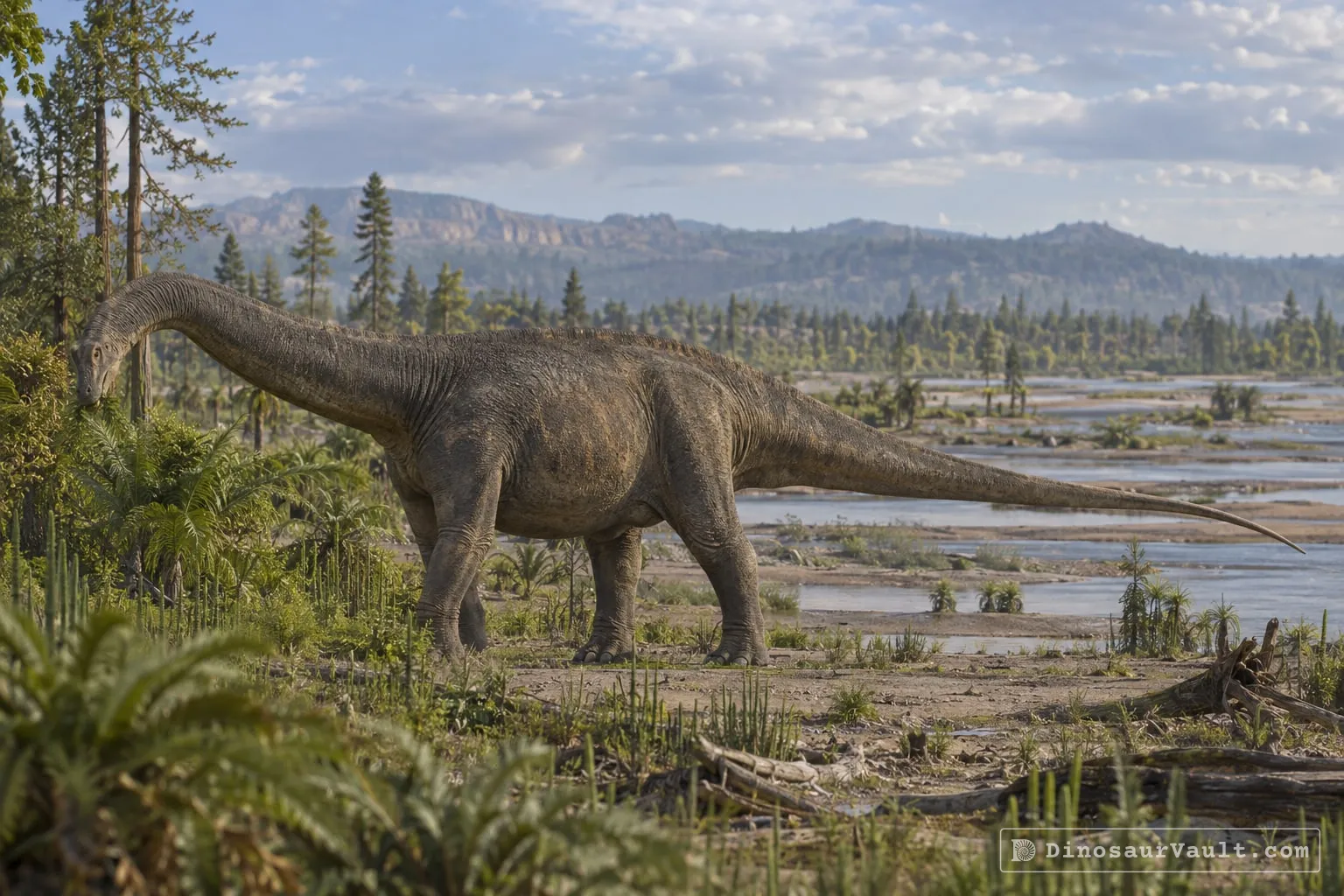
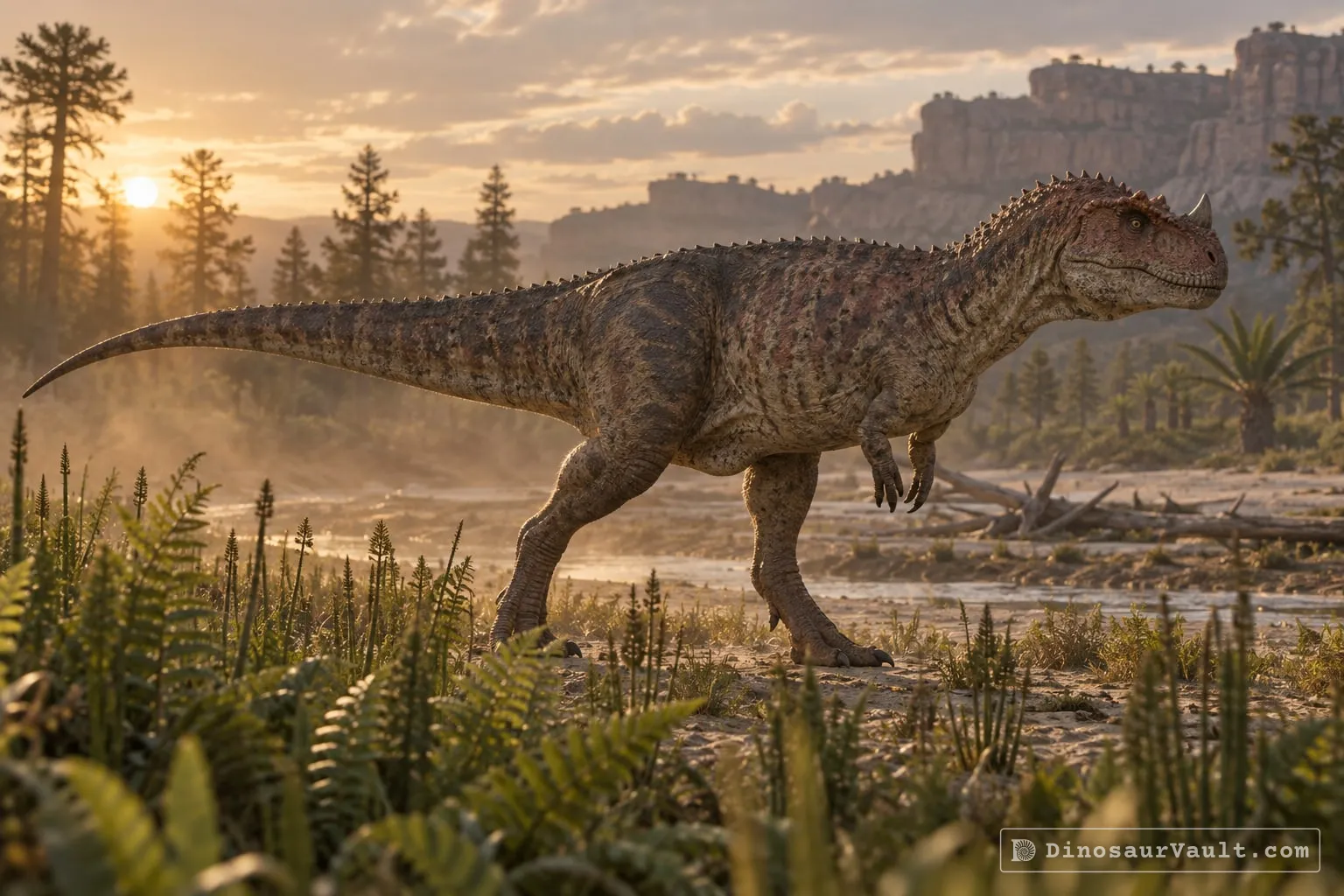
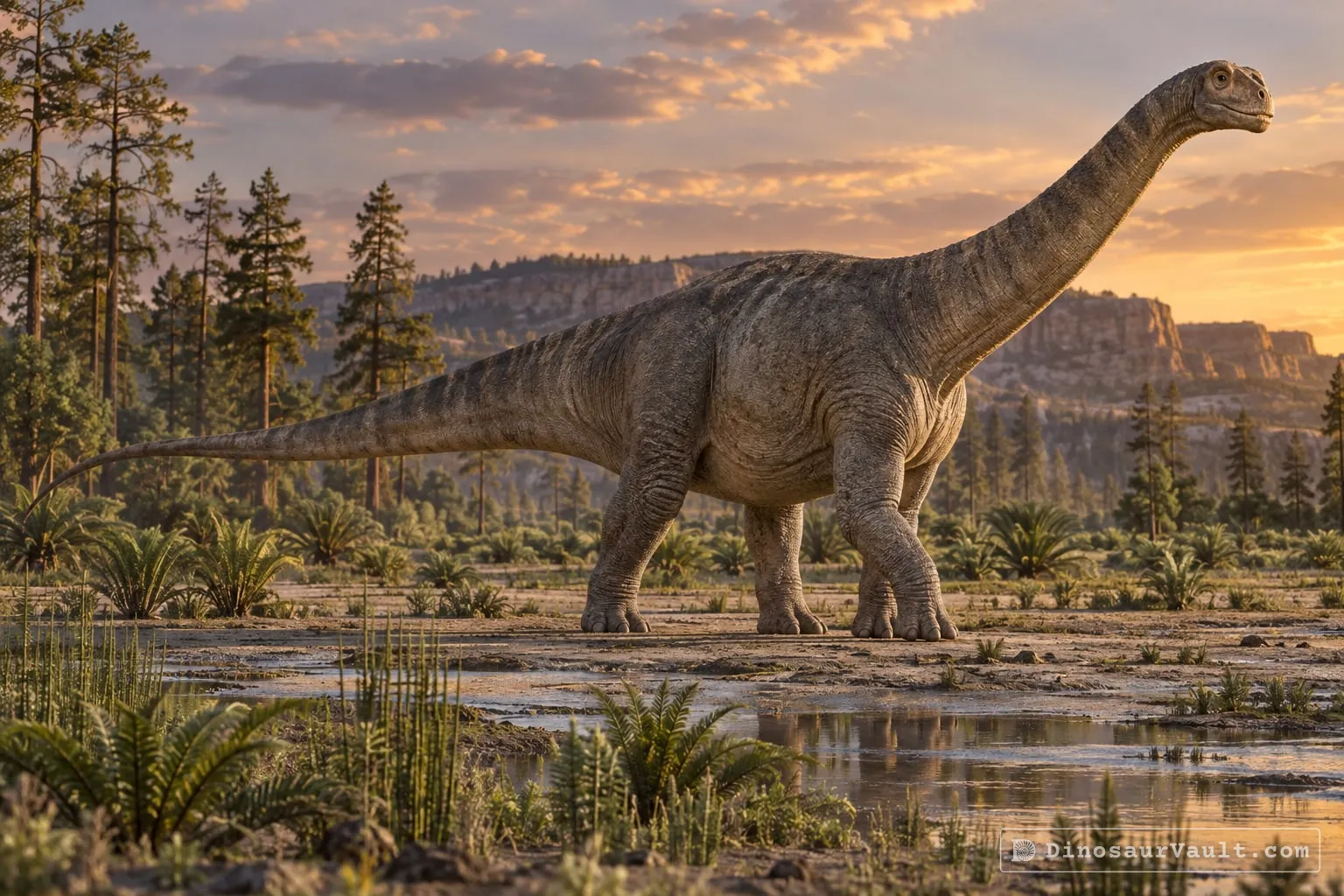


A rock formation can hold fossils laid down millions of years apart, so not every animal here met Tanycolagreus.
The evidence
The science behind Tanycolagreus
Which parts of the picture come from its own bones, and which come from its relatives.
From its own fossils
- A partial skeleton includes a shoulder girdle bone (scapulocoracoid) and foot bones.
- Its foot bones show outer weight-bearing toes of similar length.
- A later study notes that its fused wrist bones are flat.
Borrowed from relatives
- Its missing bones are unknown.
Still unknown
- Its exact position in the coelurosaur family tree.
- Its skin covering and color.
- What it hunted.
Discovery timeline
- 2005Named itCarpenter, Miles & Cloward
- 2007Family treeSenter
- 2019Family treeHartman et al.
- 2020Family treeSayão et al.
Key papers
The research behind what we know of Tanycolagreus
Named it
Named Tanycolagreus as a distinct small theropod from the Morrison Formation.
New small theropod from the Upper Jurassic Morrison Formation of Wyoming. The Carnivorous Dinosaurs. Indiana University Press, Bloomington.
No link available
Family tree
Placed Tanycolagreus and Coelurus near the base of the tyrannosaur branch of the family tree.
A new look at the phylogeny of coelurosauria (Dlnosauria: Theropoda). Journal of Systematic Palaeontology 5: 429-463
Read the paper : A new look at the phylogeny of coelurosauria (Dlnosauria: Theropoda) (opens in a new tab)Family tree
Described the fused, very flat distal wrist bones of Tanycolagreus in a paper on a Jurassic paravian.
A new paravian dinosaur from the Late Jurassic of North America supports a late acquisition of avian flight. PeerJ 7: e7247
Read the paper : A new paravian dinosaur from the Late Jurassic of North America supports a late acquisition of avian flight (opens in a new tab)Family tree
Compared early coelurosaur feet and recovered Tanycolagreus near the base of Coelurosauria rather than on the tyrannosaur branch.
The first theropod dinosaur (Coelurosauria, Theropoda) from the base of the Romualdo Formation (Albian), Araripe Basin, Northeast Brazil. Scientific Reports 10
Read the paper : The first theropod dinosaur (Coelurosauria, Theropoda) from the base of the Romualdo Formation (Albian), Araripe Basin, Northeast Brazil (opens in a new tab)
Close relatives
Other members of Coelurosauria


Sources: Wikidata