Coelurus
see-LURE-us
"hollow tail"
Type species Coelurus fragilis
- Lived
- 155 to 143 million years ago, Late Jurassic
- Diet
- Carnivore
- Length
- about 1.8 m (6 ft)
- Group
- Theropods
- Found in
- United States
- Named by
- Marsh 1879
Size comparison
To scale

Scale in metersOutline: typical theropod shape
Where its fossils were found
The evidence
Today

150 million years ago
Habitat
Rivers crossed plains with conifers, ferns and horsetails. Allosaurus, Diplodocus and Stegosaurus lived in the same region.
Field notes
About Coelurus
What it was like
Coelurus was a small, lightly built meat eater about 1.8 meters (6 feet) long, with long legs and a long tail. Its name comes from its hollow tail bones, which kept its body light.
Its world
It lived in the Late Jurassic in what is now Wyoming, in the United States, with other fossils reported from Utah and Colorado. Its bones come from the Morrison Formation, where it lived in the shadow of giants such as Diplodocus and Brontosaurus, and of the big hunters Allosaurus and Ceratosaurus.
How it was found
Marsh named Coelurus in 1879. For a long time it was mixed up with Ornitholestes, another small Morrison hunter, and several species were named and later dropped. Today it is seen as an early coelurosaur, part of the group that includes tyrannosaurs and birds.
Field gallery
More views of Coelurus
Scenes reconstructed from the available fossil evidence.
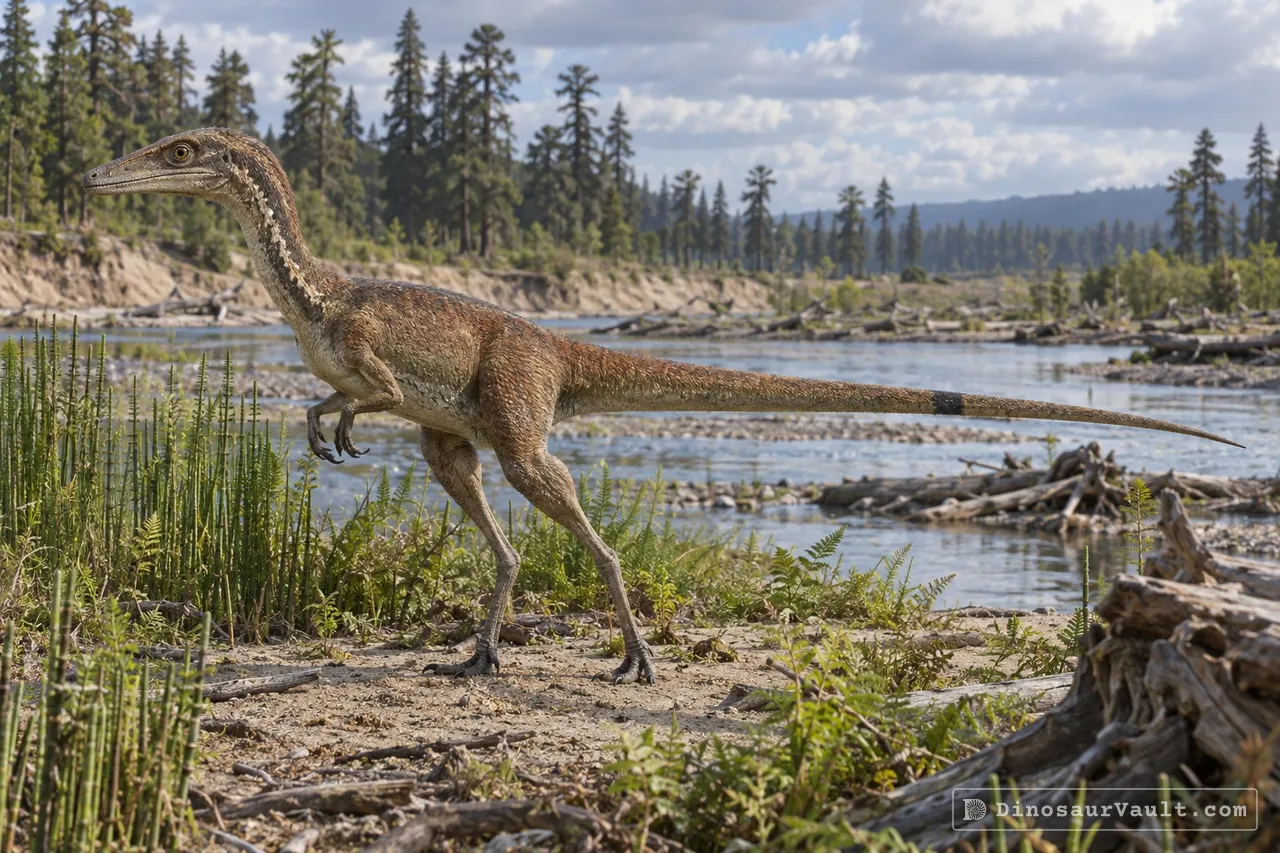
1 of 3
Lived alongside
Found in the same rock formations
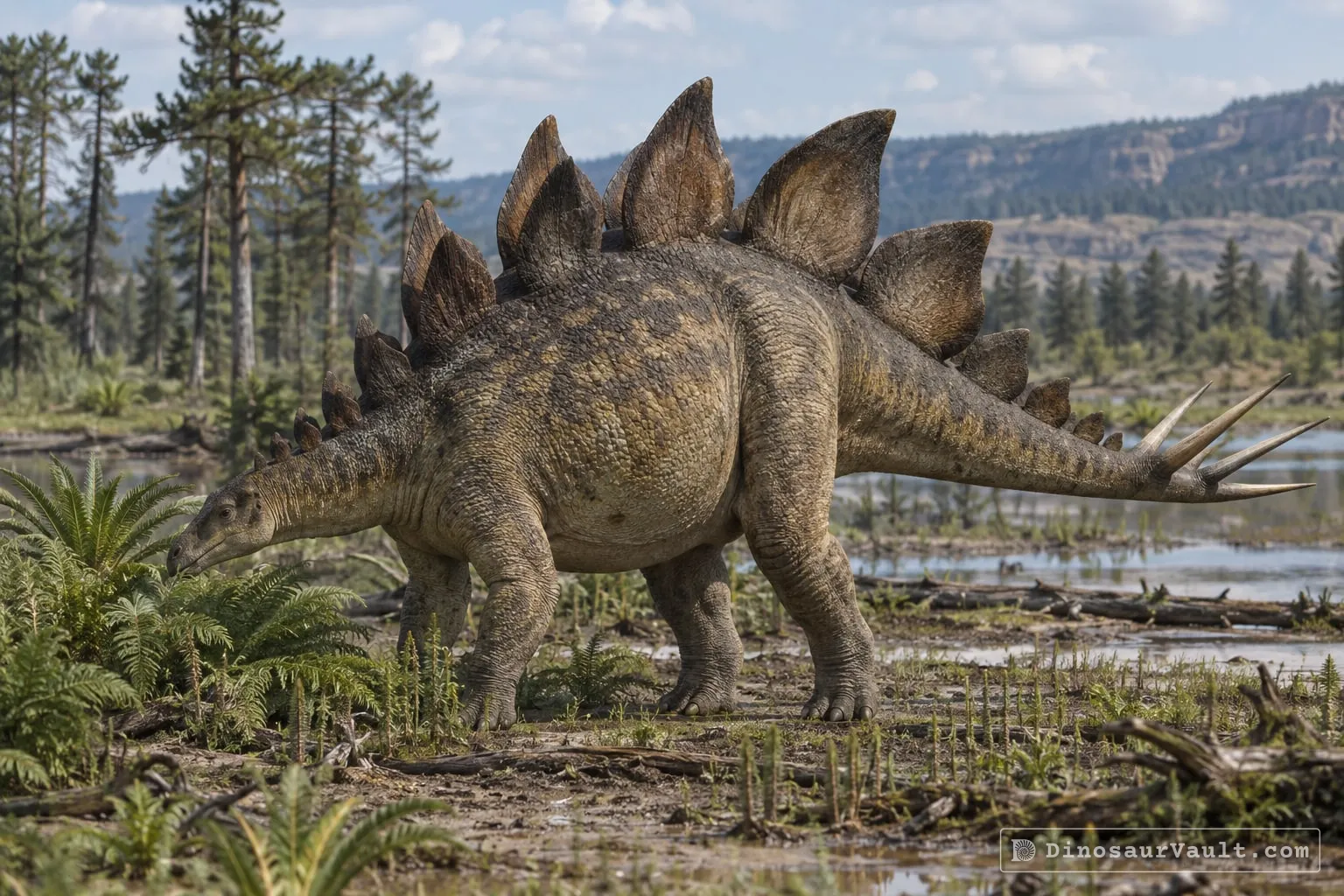
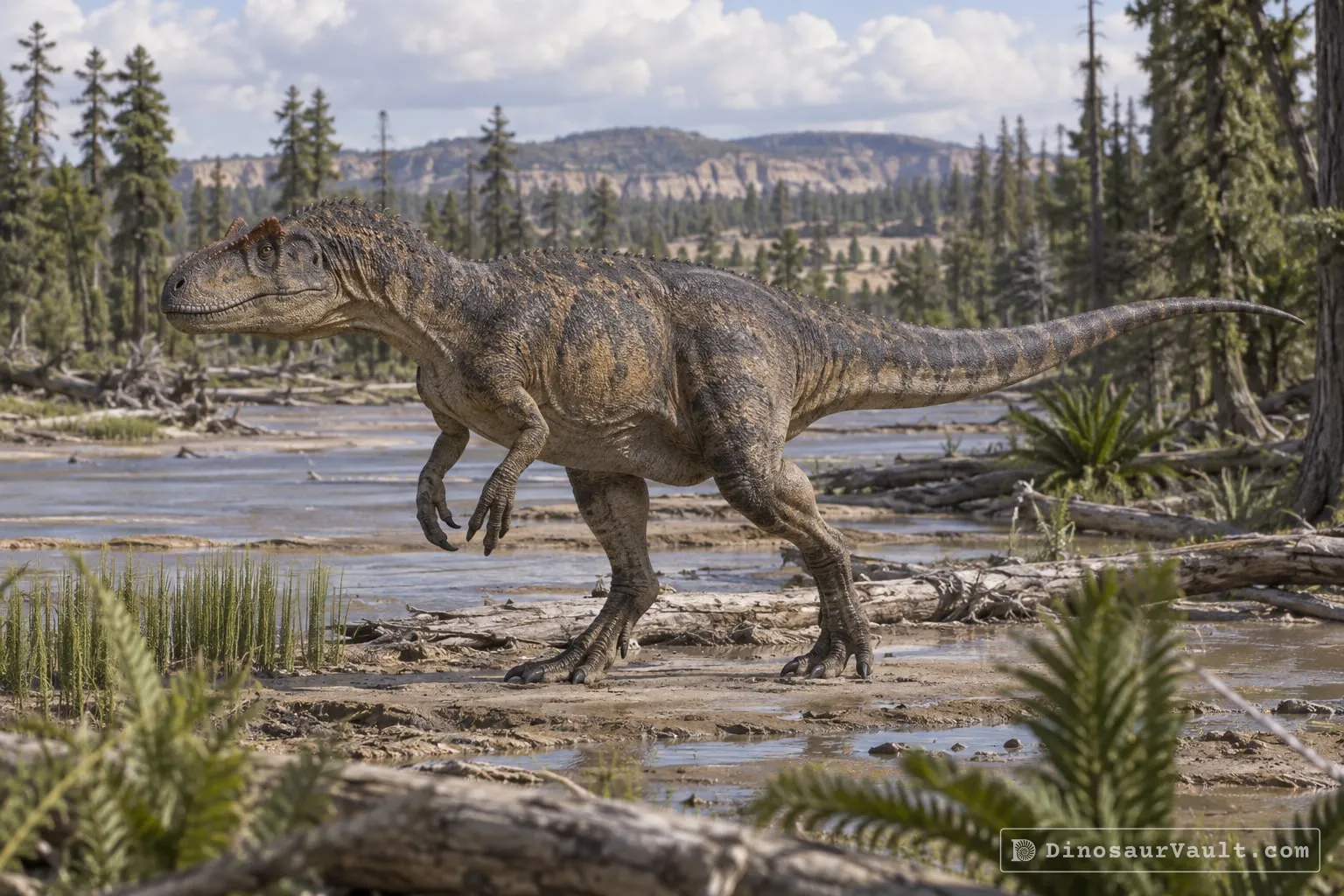
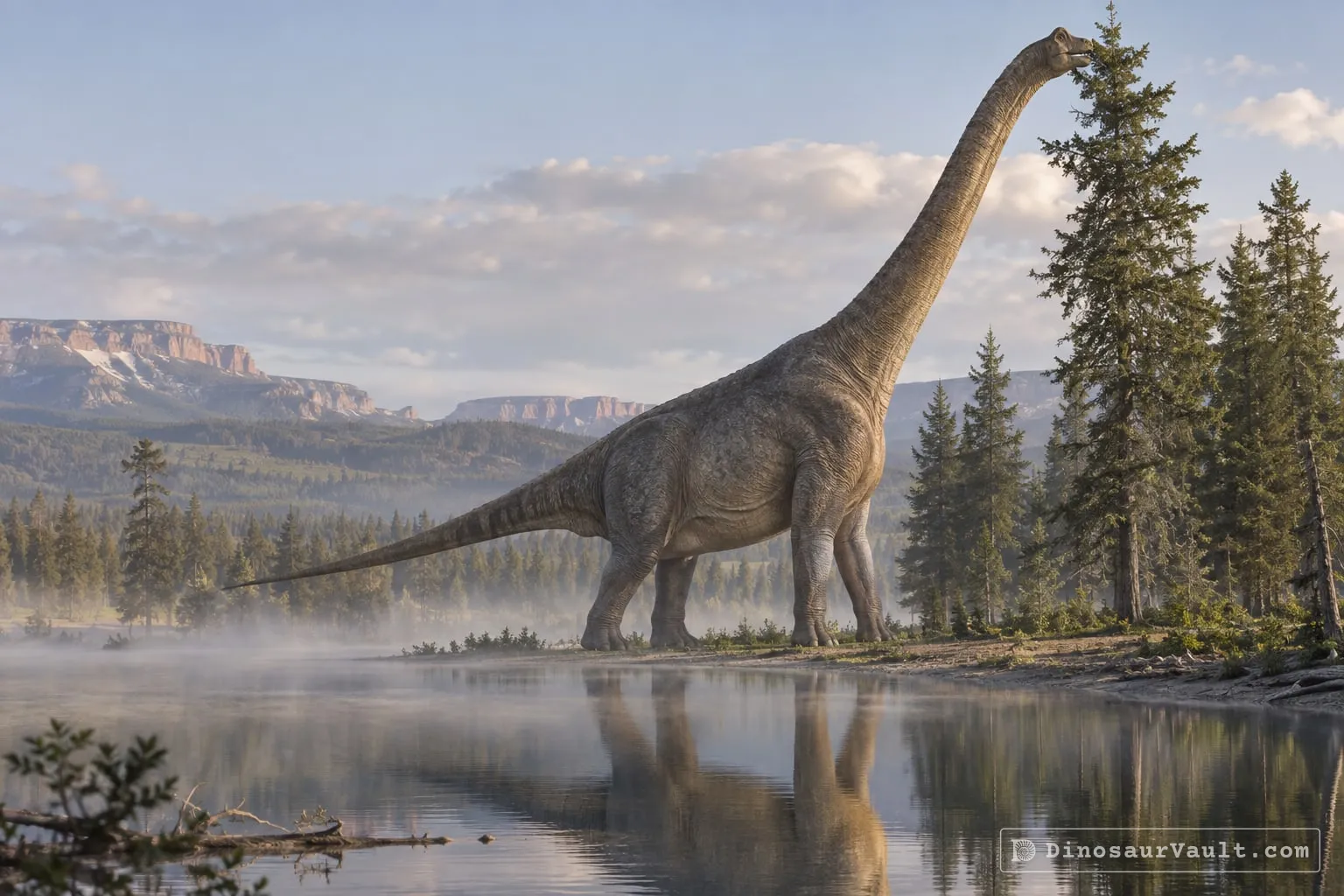
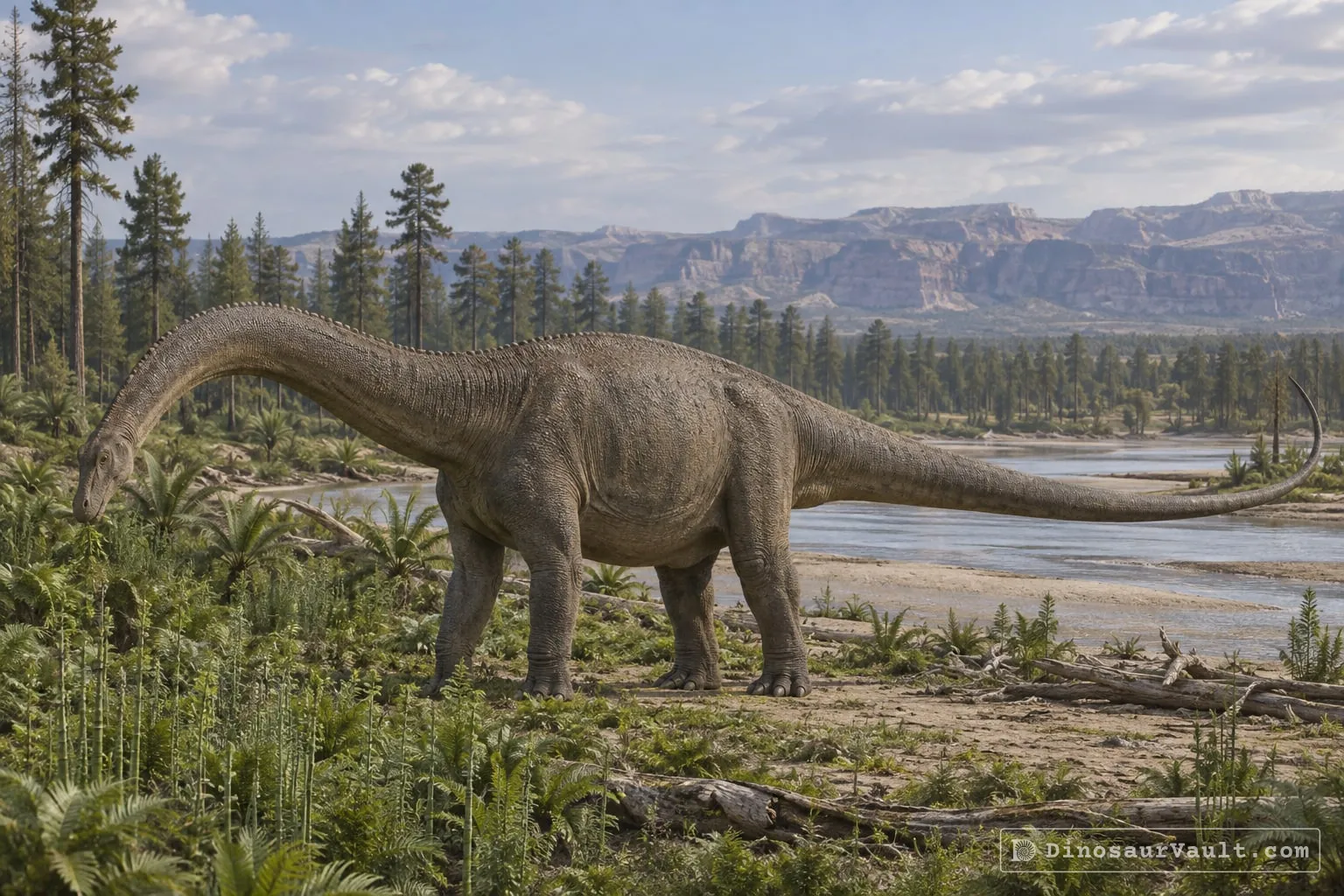
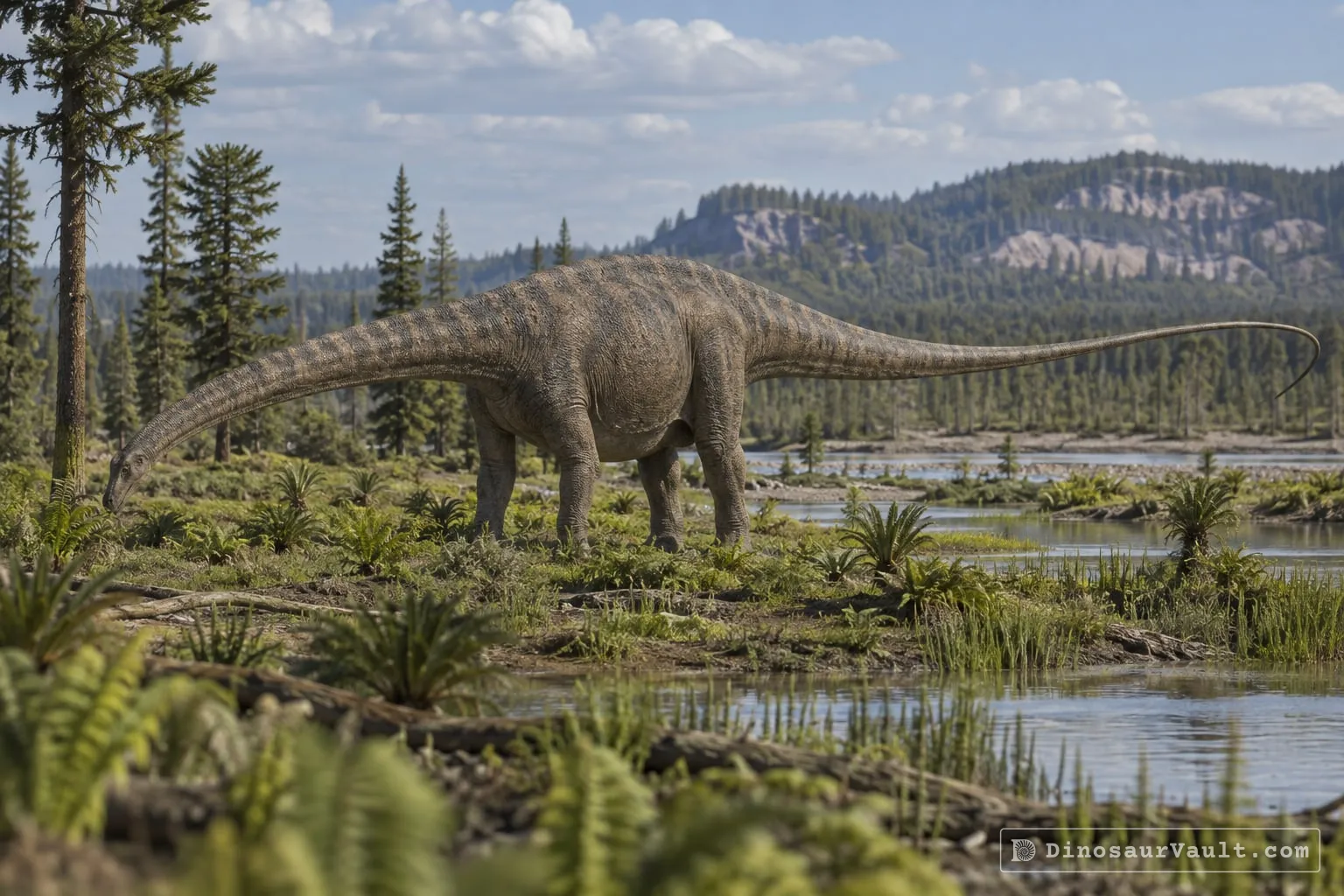
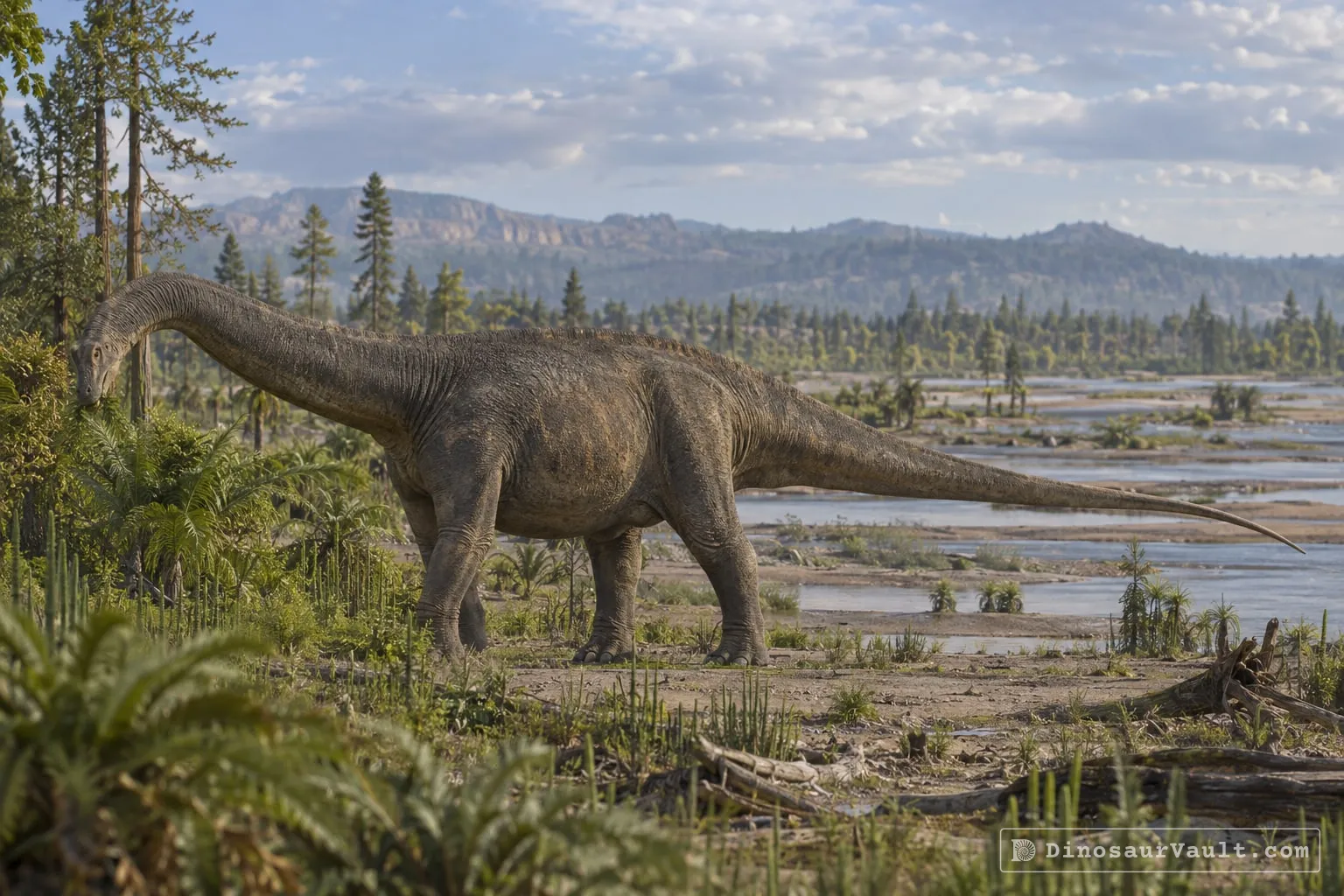
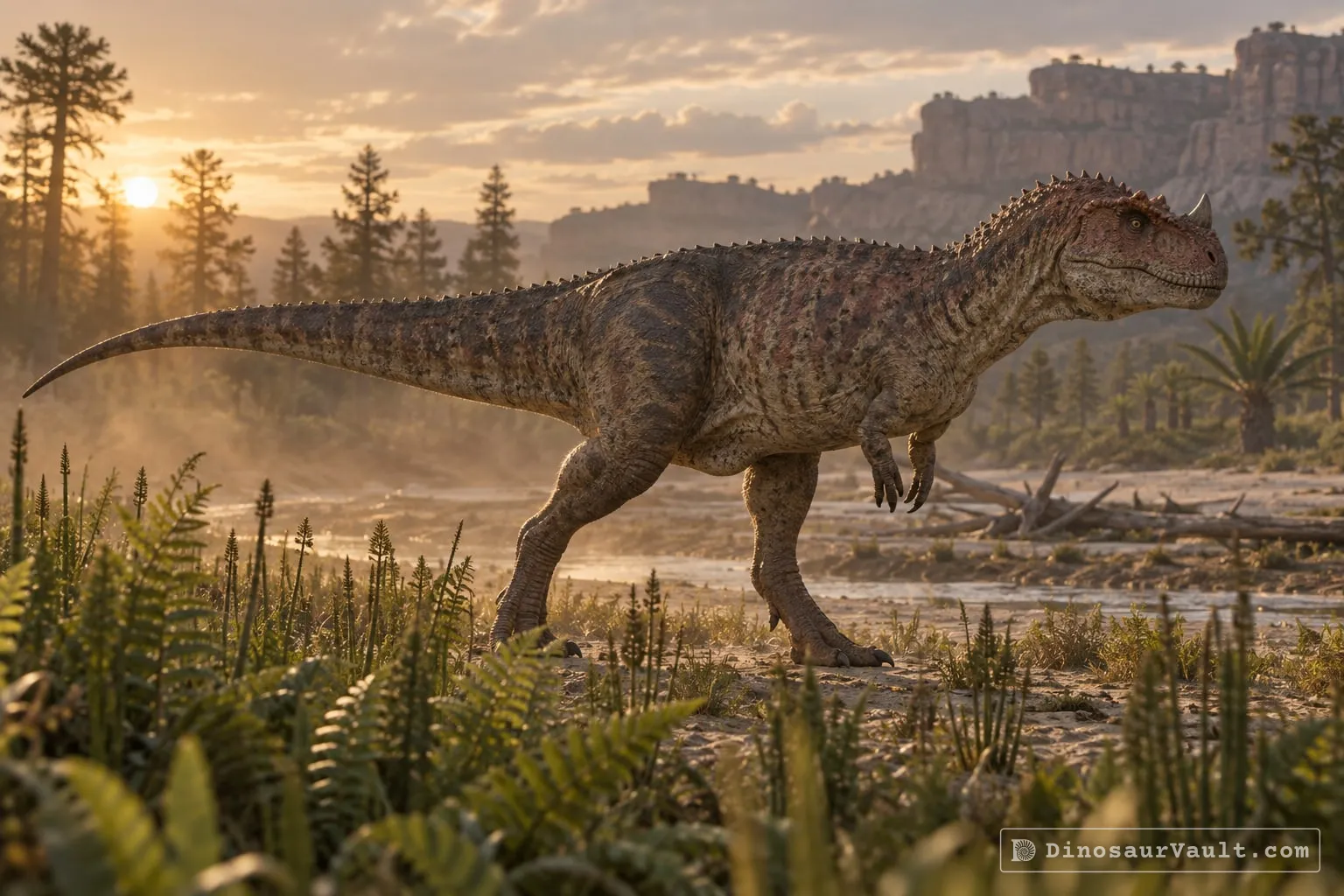
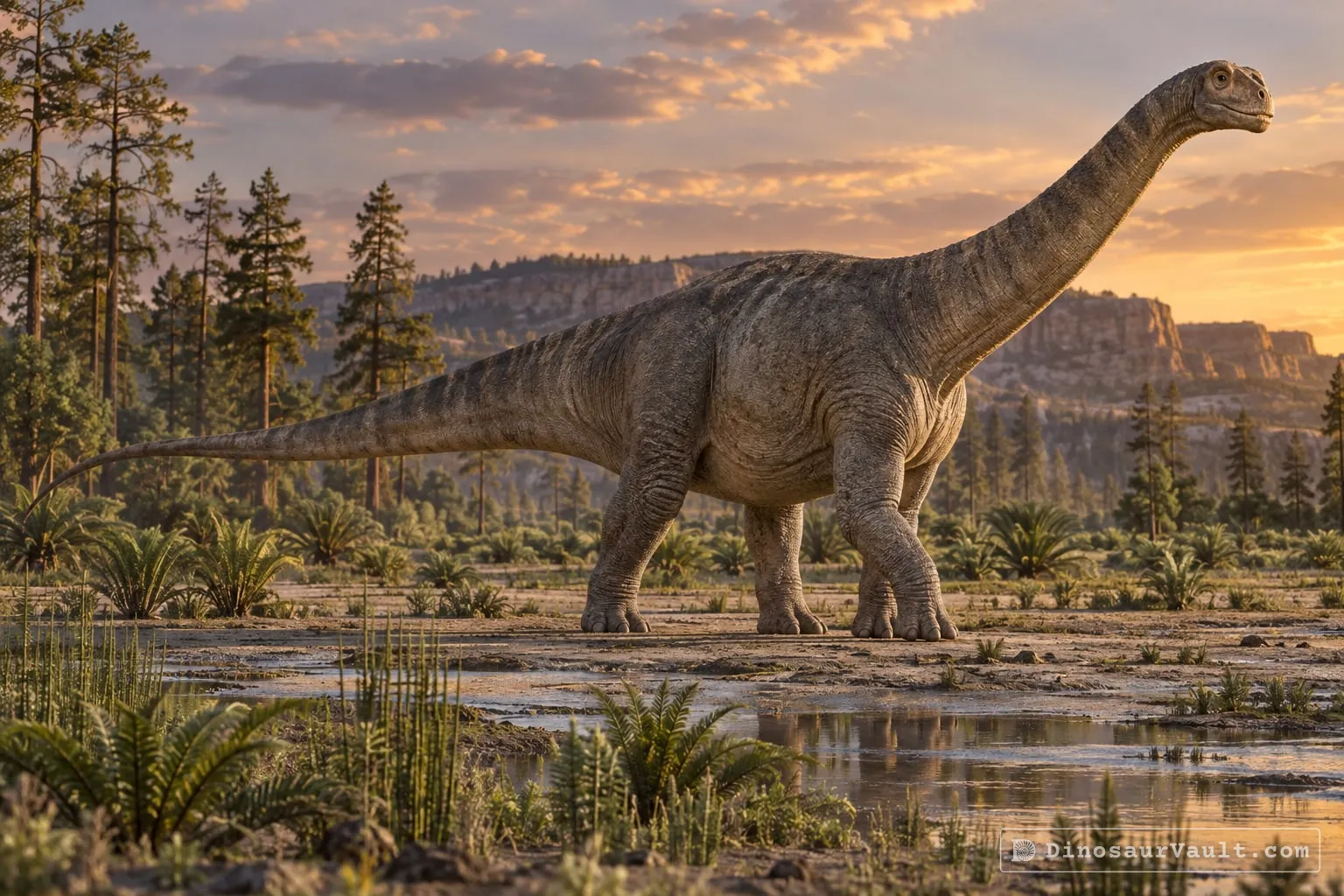


A rock formation can hold fossils laid down millions of years apart, so not every animal here met Coelurus.
The evidence
The science behind Coelurus
Which parts of the picture come from its own bones, and which come from its relatives.
From its own fossils
- Backbone and limb bones show a slender, two-legged dinosaur with long legs and substantial arms.
- The long, slender bones between the ankle and toes helped lengthen the hindlimbs.
- Its tail vertebrae have hollow spaces inside them.
Borrowed from relatives
- Ornitholestes provides a comparison for the missing head and jaws.
- Simple body feathers are inferred from feathered early coelurosaurs such as Sinosauropteryx.
Still unknown
- The shape of its skull; a possible lower-jaw fragment has a disputed identity.
- The arrangement of all its fingers and toes.
- Its feather covering and color.
Often drawn wrong
- A nasal horn borrowed from old pictures of Ornitholestes repeats a feature caused by crushing of that animal's skull.
- A raised sickle claw like a raptor's has no fossil support.
Discovery timeline
- 1879Named itMarsh
- 2012Family treeCarrano, Benson & Sampson
- 2017Close relativeSmithwick et al.
Key papers
The research behind what we know of Coelurus
Named it
Named Coelurus from vertebrae with hollow interiors.
Notice of new Jurassic reptiles. American Journal of Science s3-18: 501-505
Read the paper : Notice of new Jurassic reptiles (opens in a new tab)Family tree
Compared theropod skeletons to trace their relationships, including the early coelurosaur branch to which Coelurus belongs.
The phylogeny of Tetanurae (Dinosauria: Theropoda). Journal of Systematic Palaeontology 10: 211-300
Read the paper : The phylogeny of Tetanurae (Dinosauria: Theropoda) (opens in a new tab)Close relative
Studied the preserved feather covering and color pattern of Sinosauropteryx, a comparison for simple feathers in early coelurosaurs such as Coelurus.
Countershading and Stripes in the Theropod Dinosaur Sinosauropteryx Reveal Heterogeneous Habitats in the Early Cretaceous Jehol Biota. Current Biology 27: 3337-3343.e2
Read the paper : Countershading and Stripes in the Theropod Dinosaur Sinosauropteryx Reveal Heterogeneous Habitats in the Early Cretaceous Jehol Biota (opens in a new tab)
Close relatives
Other members of Coelurosauria


Sources: Wikidata