Dakotaraptor
duh-KOH-tuh-RAP-tor
"Dakota thief"
- Lived
- 72 to 66 million years ago, Late Cretaceous
- Diet
- Carnivore
- Group
- Theropods, Dromaeosauridae
- Found in
- United States
- Named by
- DePalma et al. 2015
Where its fossils were found
The evidence
Today

70 million years ago
Habitat
The Hell Creek landscape had wooded floodplains, river channels and low vegetation. Tyrannosaurus, Triceratops and Ankylosaurus lived in the same region.
Field notes
About Dakotaraptor
What it was like
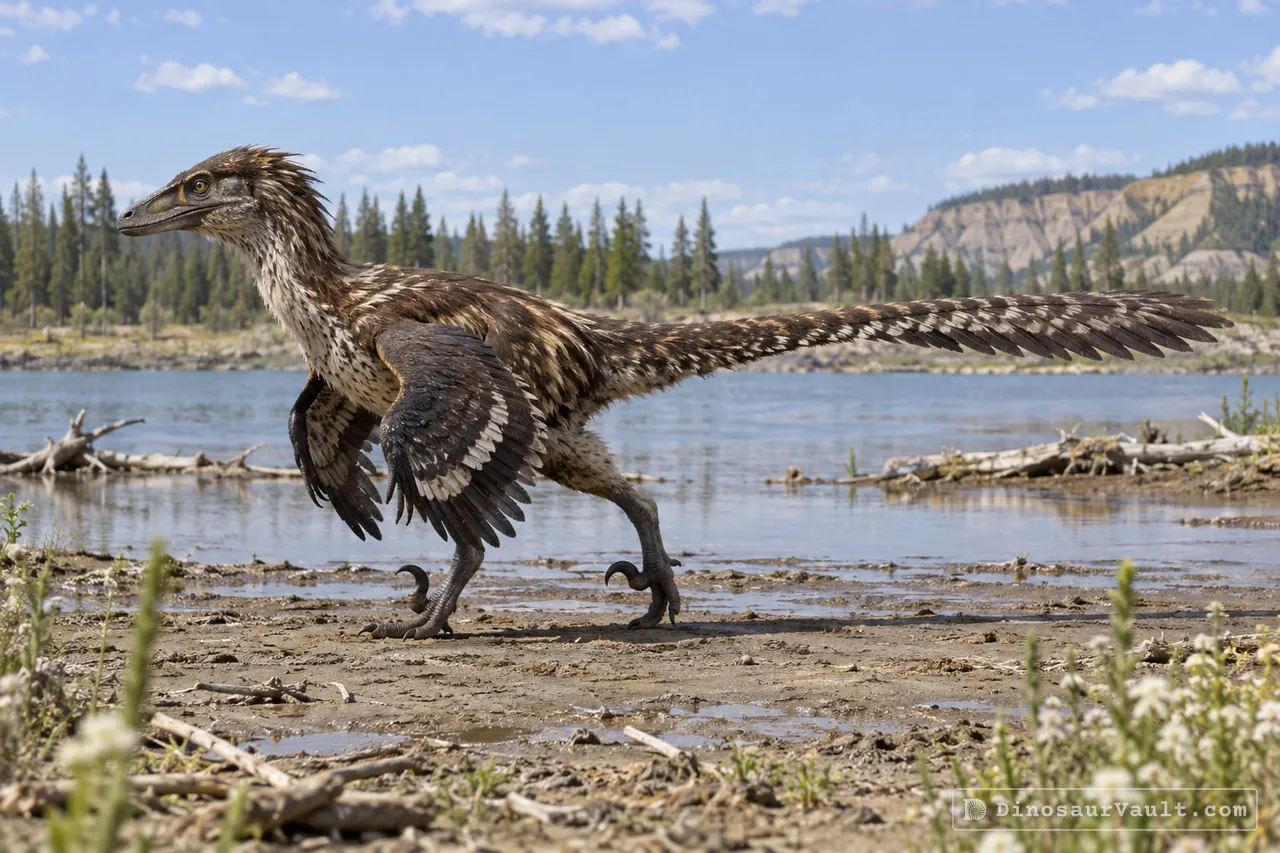
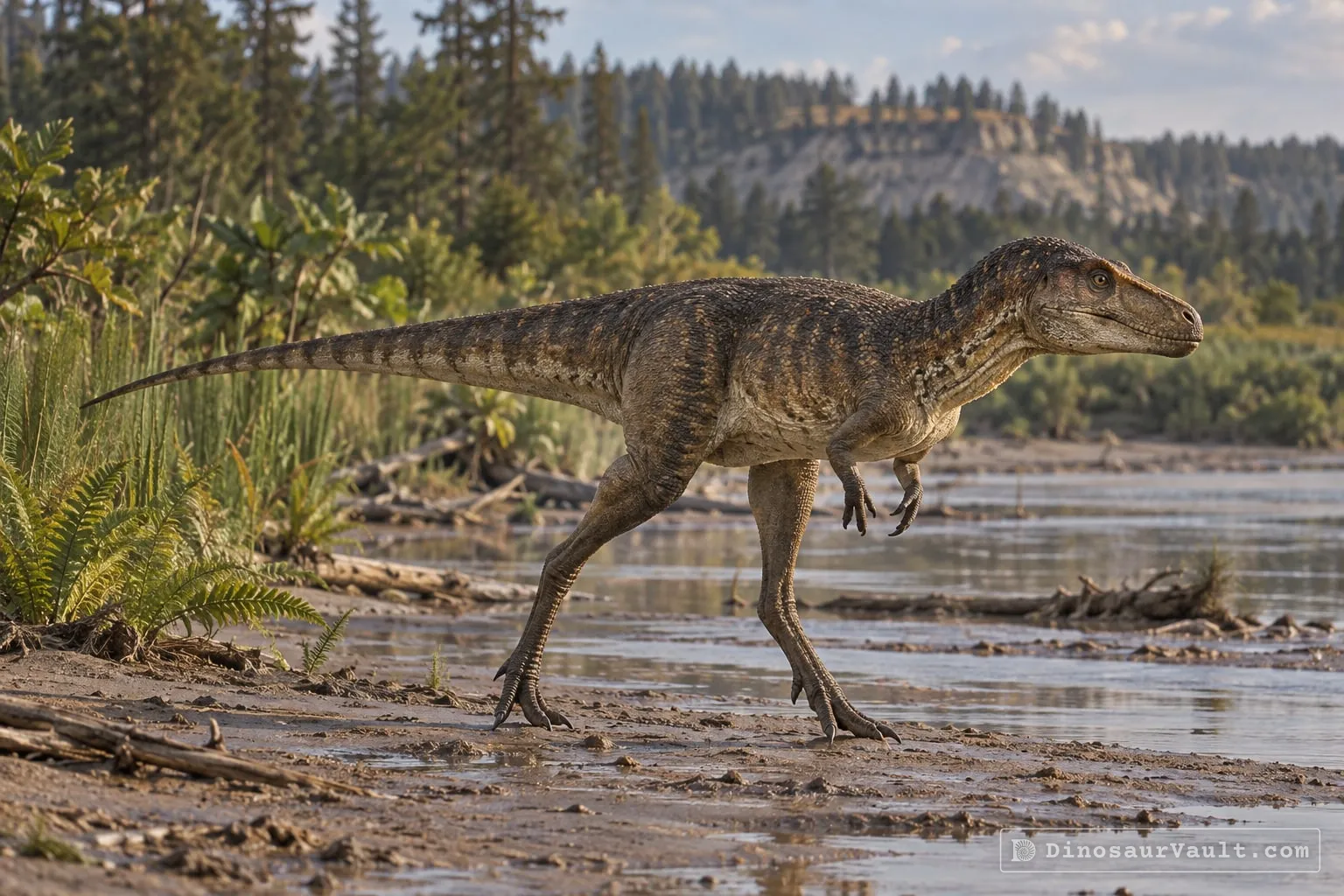
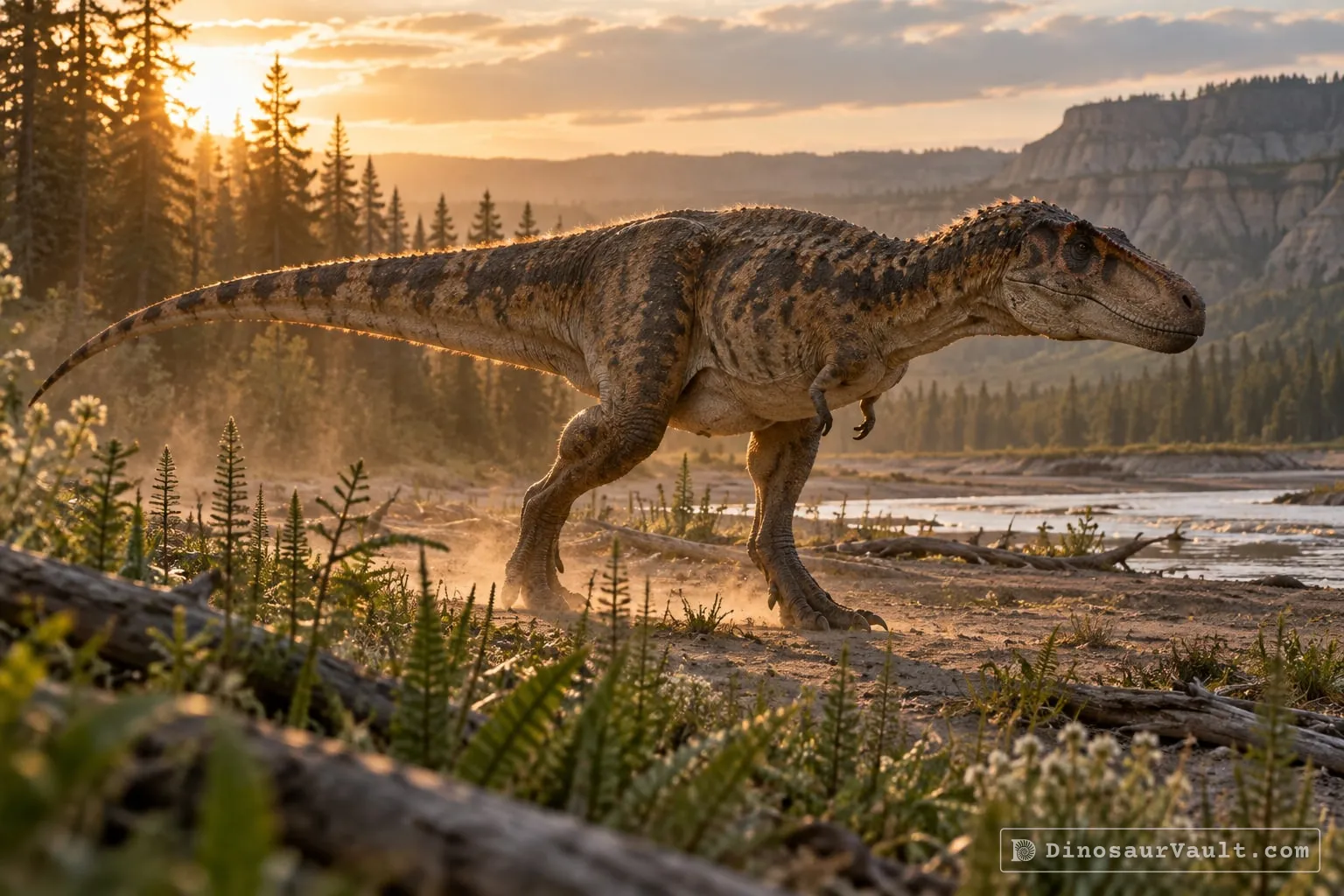
Dakotaraptor was a large, powerfully built dromaeosaurid, among the biggest raptors known from North America. It had long legs suited for fast running and, like its relatives, an enlarged, curved claw on each second toe for gripping prey.
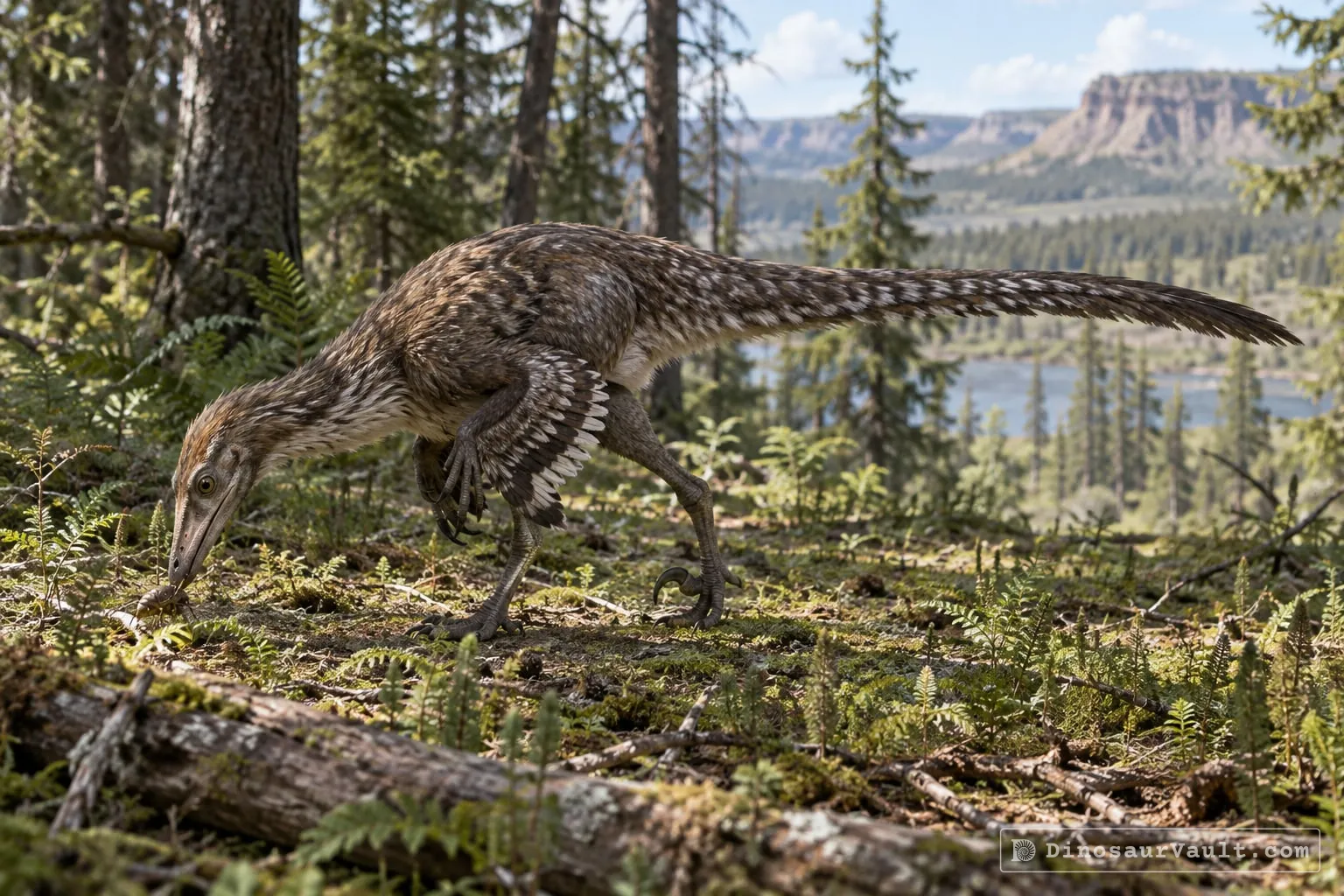
Some of its arm bones show ridges where large flight-type feathers likely attached, suggesting Dakotaraptor was feathered even though it was far too big and heavy to fly.
Its world
Dakotaraptor lived from about 72 to 66 million years ago, right at the end of the Late Cretaceous, in what is now South Dakota, in the United States. Its fossils come from the Hell Creek Formation.
It shared its world with Tyrannosaurus, Triceratops, the armored Ankylosaurus, and the dome-headed Pachycephalosaurus, in one of the best-studied ecosystems from just before the mass extinction that ended the Mesozoic.
How it was found
DePalma and colleagues named Dakotaraptor in 2015. Only two fossil finds have been reported for the genus, and the bones have ended up split between institutions and a private collection, which has made further study difficult and left parts of its classification debated. Dakotaraptor may have been one of the last dromaeosaurids to survive before the end of the Cretaceous, though some researchers question exactly where it belongs within the family.
Field gallery
More views of Dakotaraptor
Scenes reconstructed from the available fossil evidence.
Lived alongside
Found in the same rock formations
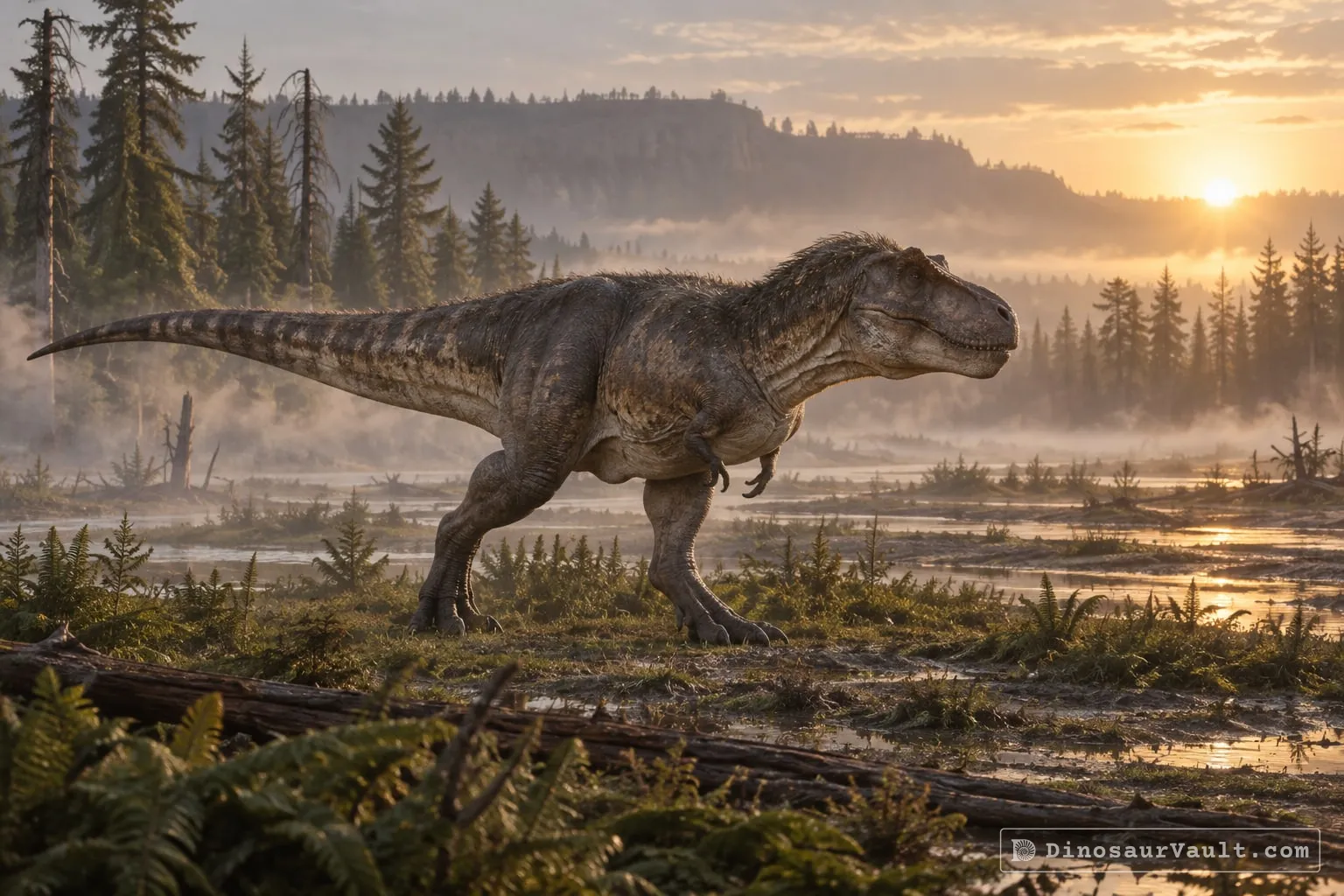
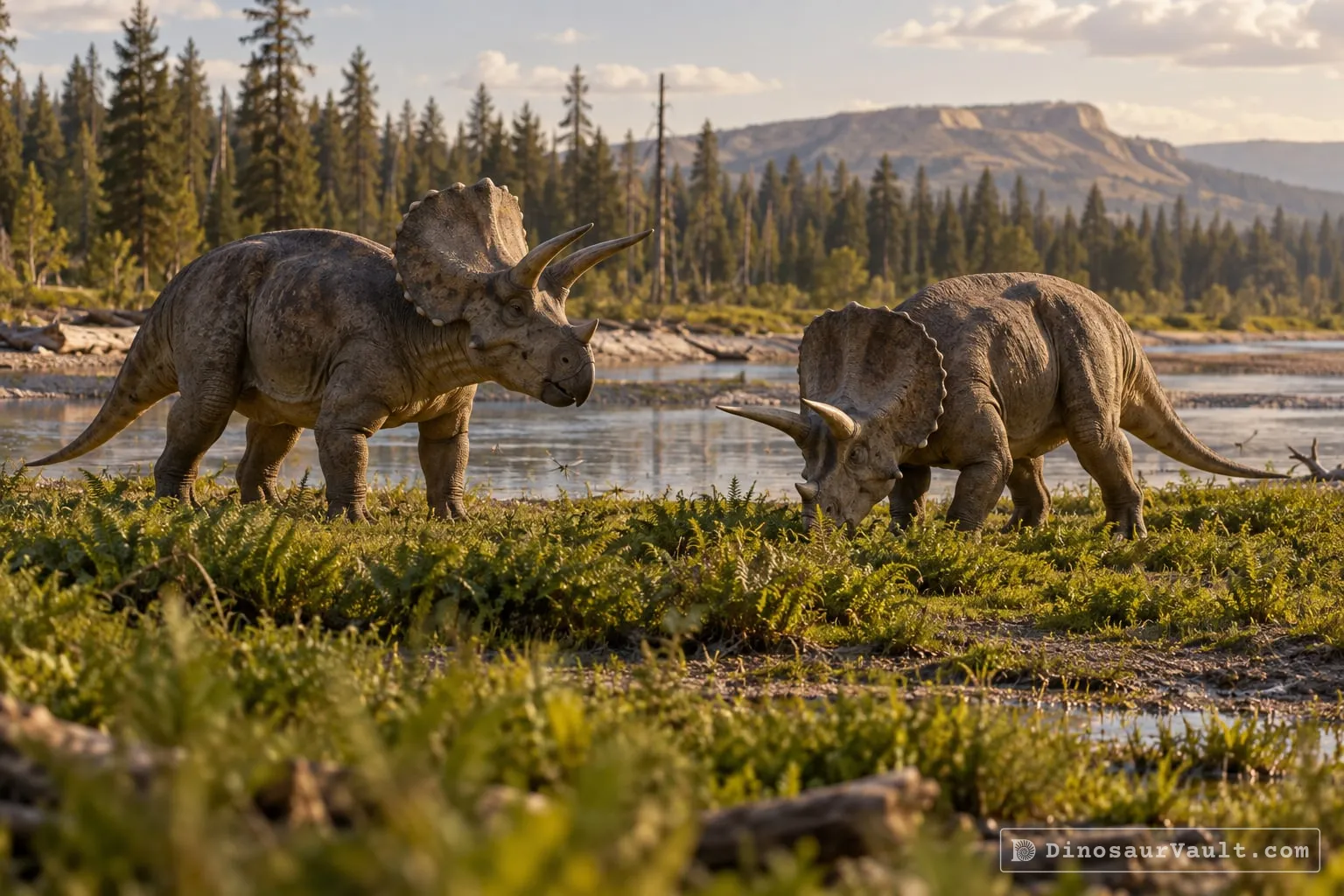
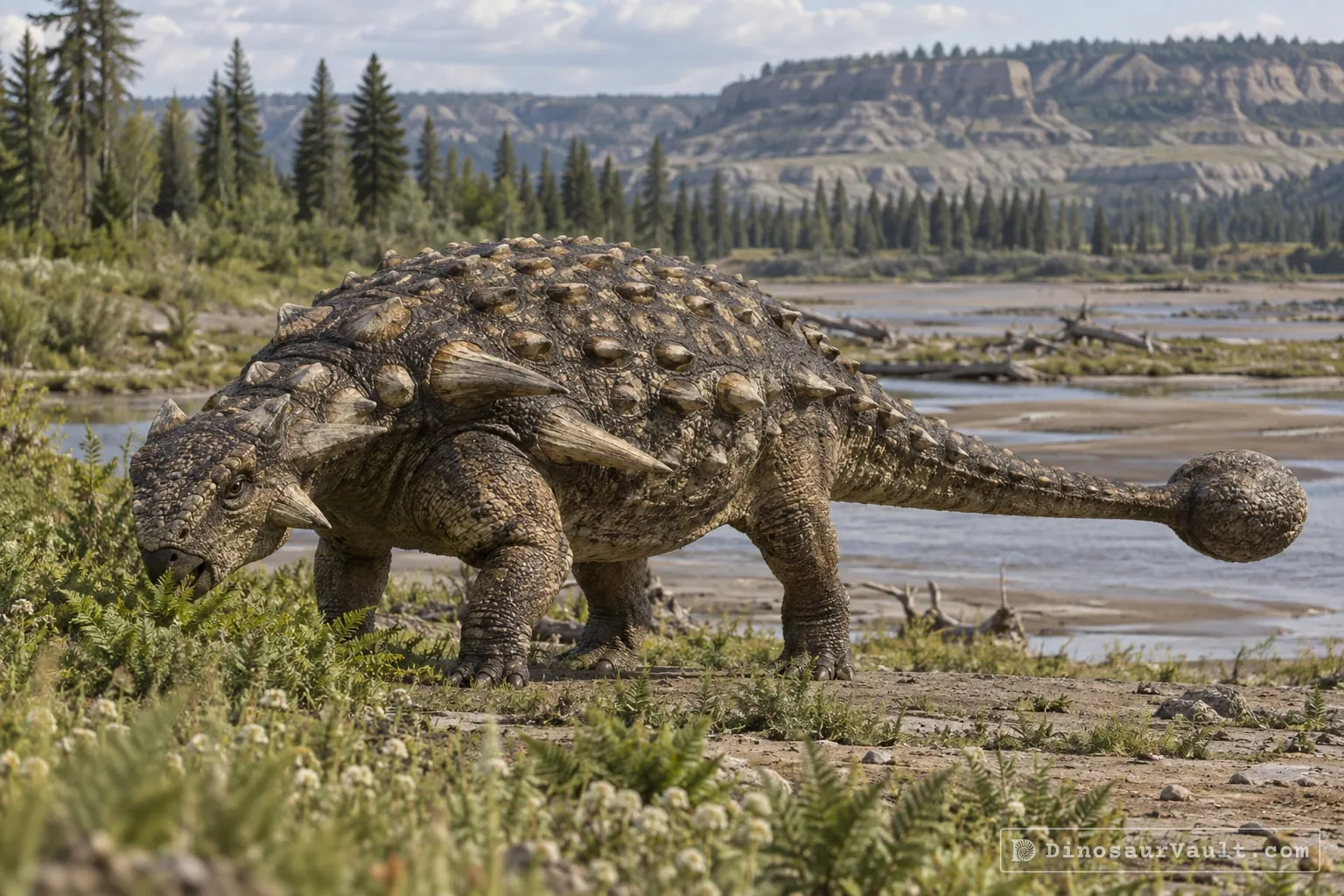
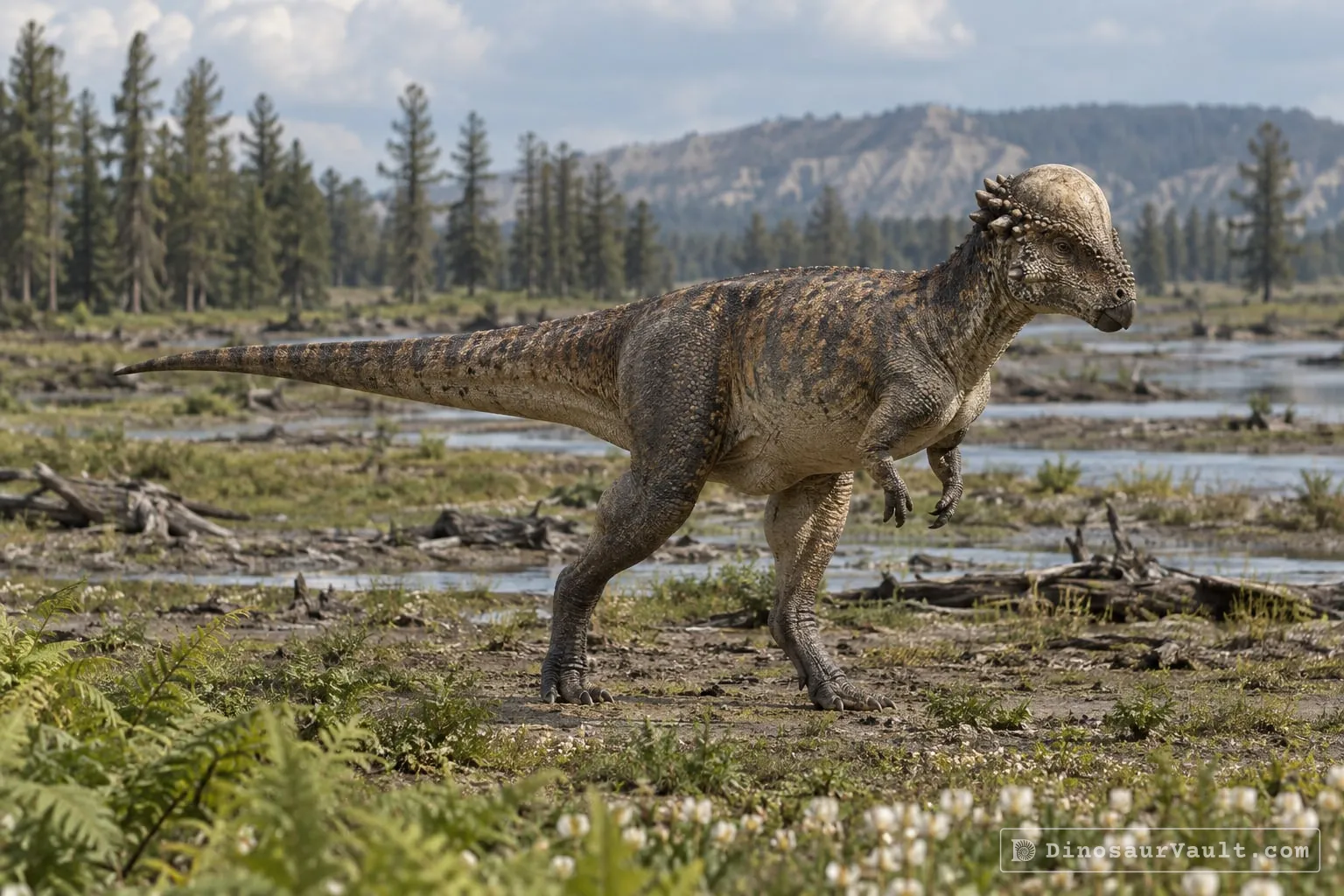
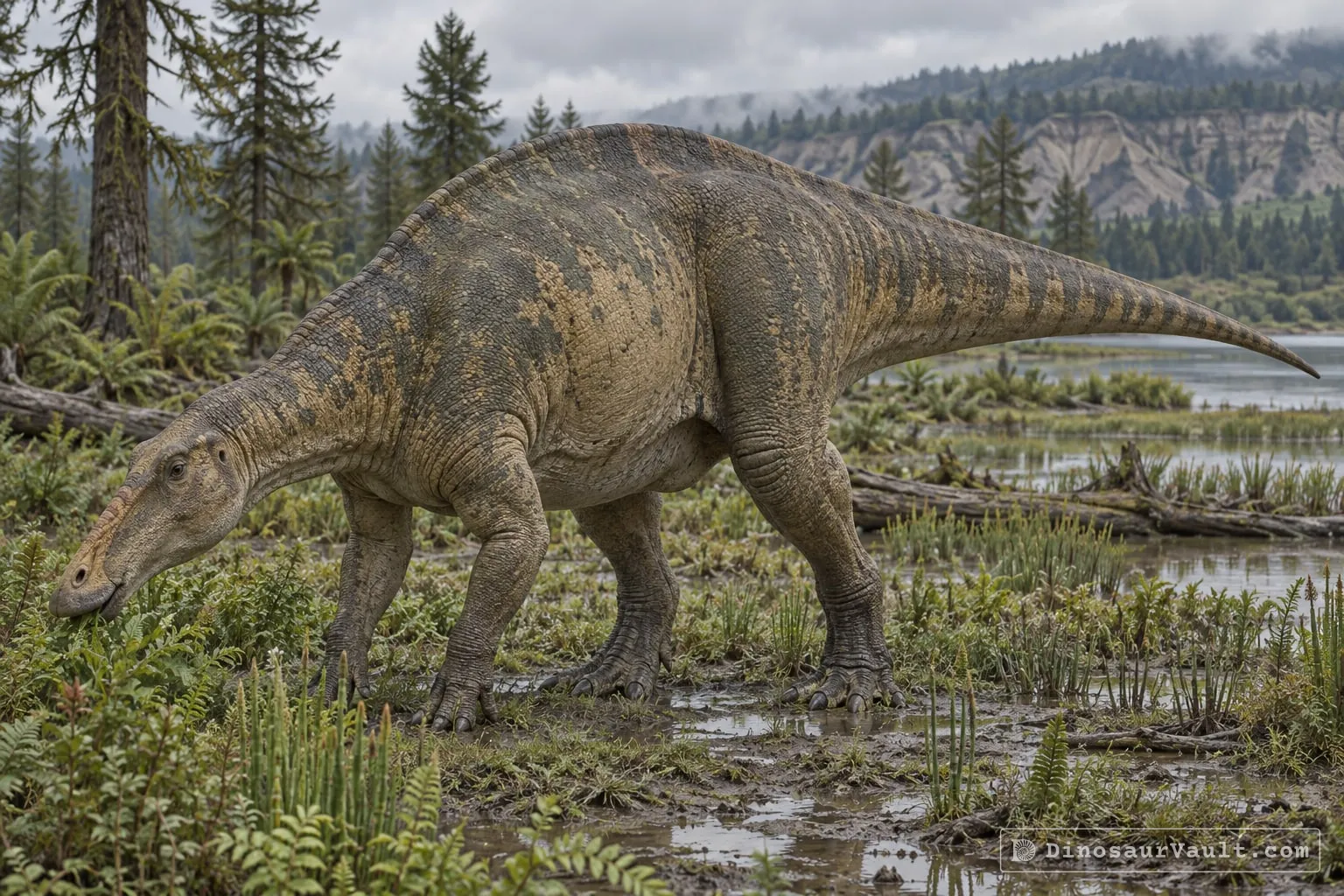


A rock formation can hold fossils laid down millions of years apart, so not every animal here met Dakotaraptor.
The evidence
The science behind Dakotaraptor
Which parts of the picture come from its own bones, and which come from its relatives.
From its own fossils
- Limb bones and large curved toe claws were described as belonging to a large raptor.
- A reported forearm bone has bumps interpreted as attachment points for long feathers.
- Bones first identified as wishbones were later shown to be parts of turtle shells.
Borrowed from relatives
- Velociraptor has feather attachment bumps on its forearm and provides a comparison for the reported arm feathers.
- Deinonychus and other large raptors provide the body proportions used in proposed restorations.
Still unknown
- Which of the remaining bones belonged to the same animal.
- Its complete body shape, size and exact place in the raptor family.
- Its feather covering, color and young.
Often drawn wrong
- Turtle shell bones should not be included as wishbones in its skeleton.
Discovery timeline
- 2007Close relativeTurner, Makovicky & Norell
- 2015Named itDePalma et al.
- 2016RedescriptionArbour et al.
Key papers
The research behind what we know of Dakotaraptor
Close relative
Identified feather attachment bumps on a Velociraptor forearm, providing a comparison for the bumps reported in Dakotaraptor.
Feather quill knobs in the dinosaur Velociraptor. Science 317: 1721
Read the paper : Feather quill knobs in the dinosaur Velociraptor (opens in a new tab)Named it
Proposed a large raptor from the Hell Creek Formation, describing limb bones, toe claws and reported feather attachment bumps.
The first giant raptor (Theropoda: Dromaeosauridae) from the Hell Creek Formation. The University of Kansas Paleontological Contributions 14: 1-16
No link available
Redescription
Showed that the supposed Dakotaraptor wishbones were turtle shell bones, removing them from the dinosaur's known skeleton.
The furculae of the dromaeosaurid dinosaur Dakotaraptor steini are trionychid turtle entoplastra. PeerJ 4: e1691
Read the paper : The furculae of the dromaeosaurid dinosaur Dakotaraptor steini are trionychid turtle entoplastra (opens in a new tab)
Close relatives
Other members of Dromaeosauridae


Sources: Wikidata