Microraptor
MY-kro-RAP-tor
"small thief"
- Lived
- 121 to 113 million years ago, Early Cretaceous
- Diet
- Carnivore
- Length
- about 0.8 m (3 ft)
- Group
- Theropods, Dromaeosauridae
- Found in
- China
- Named by
- Xu et al. 2000
Size comparison
To scale
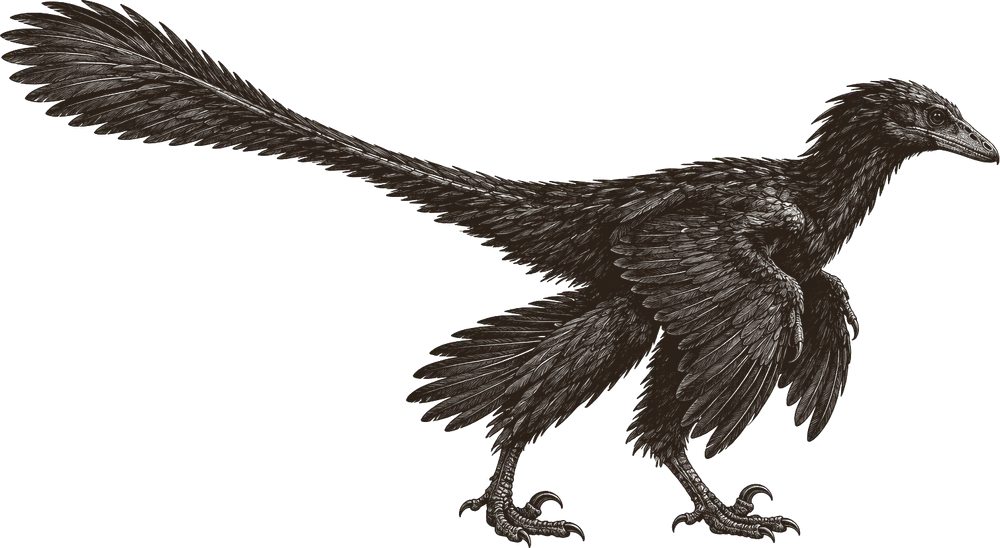

Scale in meters
Where its fossils were found
The evidence
Today

115 million years ago
Habitat
Forests and lakes covered its part of China, where fossils come from the Jiufotang Formation. Regional neighbors included Psittacosaurus, Similicaudipteryx and Wulong.
A Dinosaur Vault film
We Know What Color This Dinosaur Was
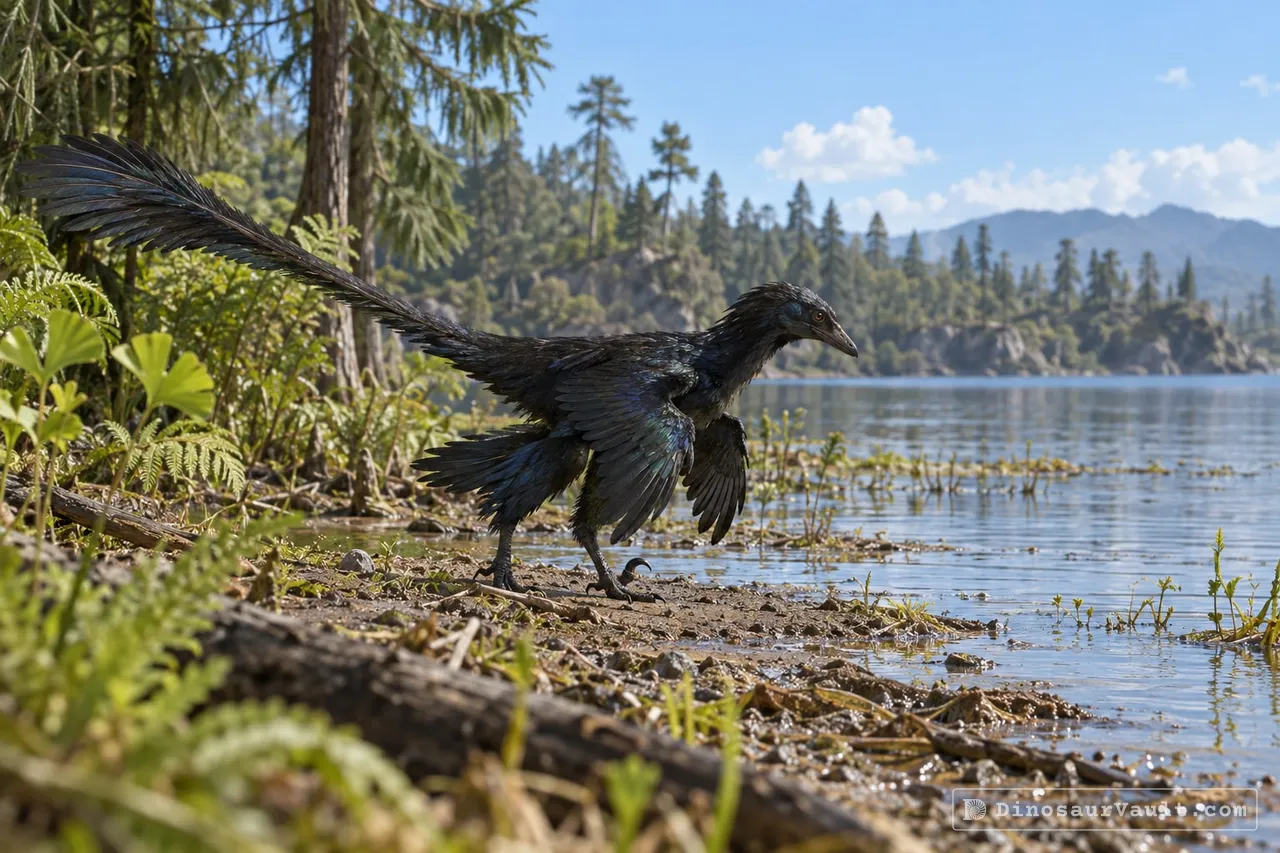
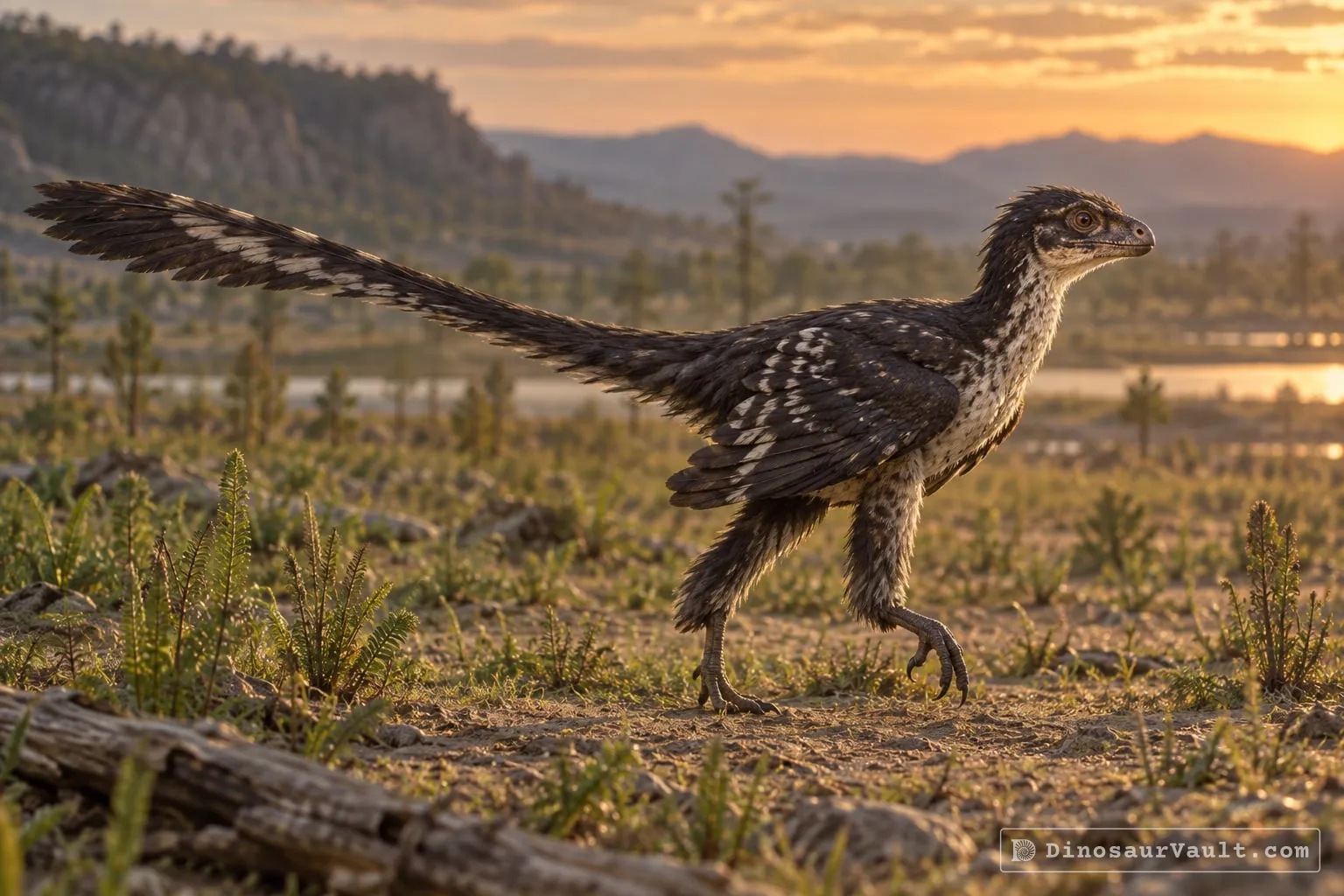
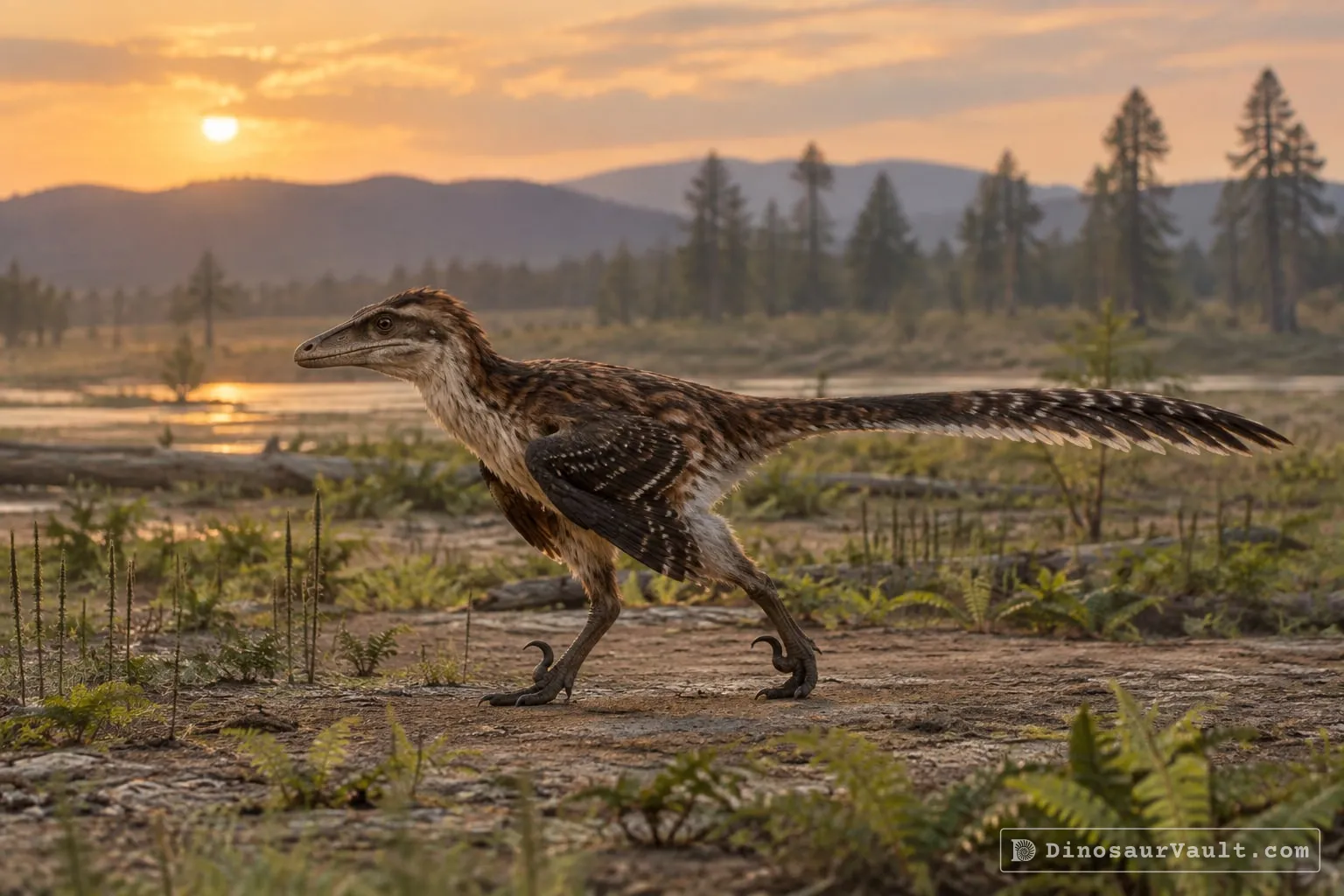
Tiny pigment structures inside its fossil feathers show that Microraptor, a small dinosaur with feathered wings on its arms and legs, was glossy, iridescent black.
Subscribe on YouTubeField notes
About Microraptor
What it was like
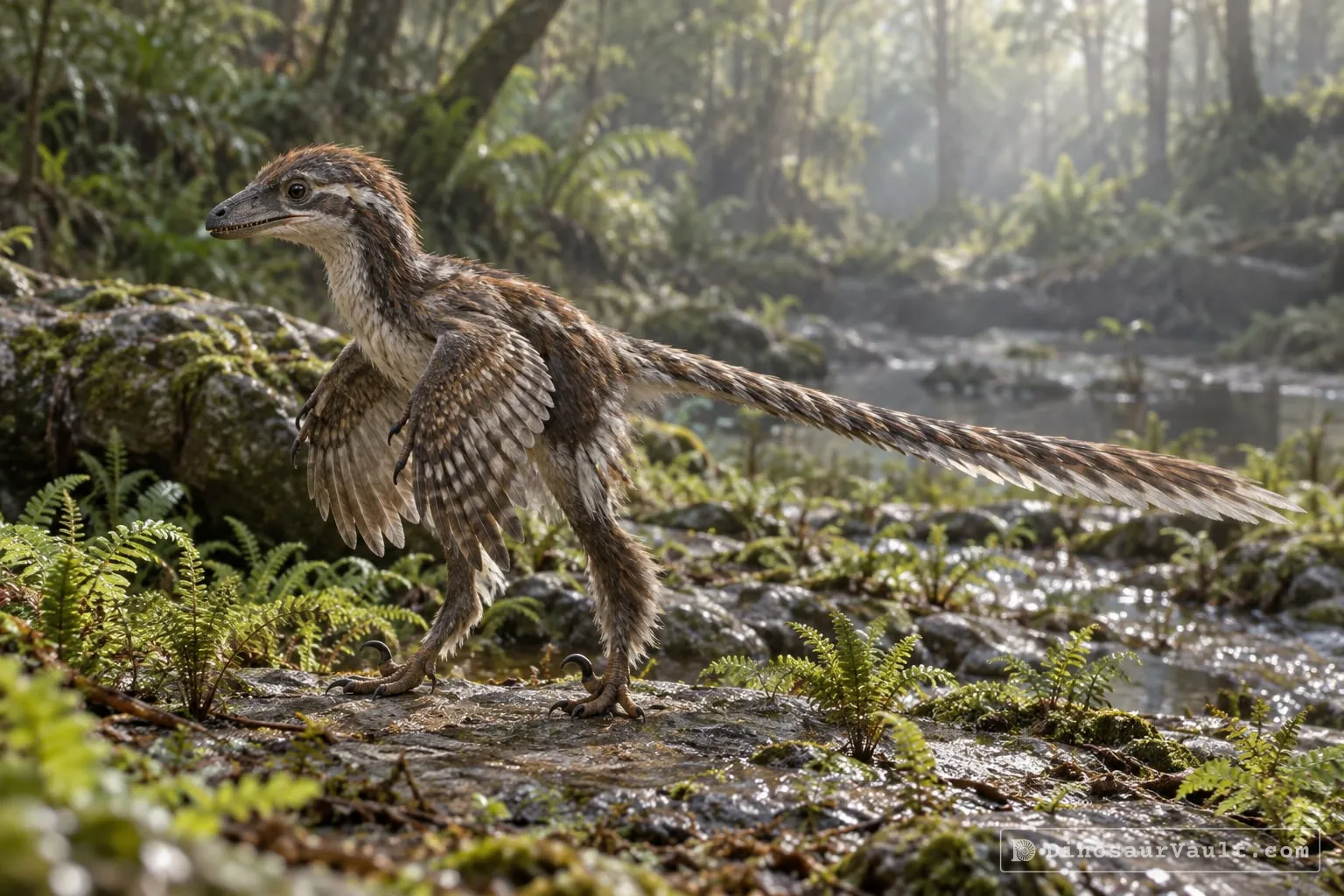
Microraptor was a tiny, feathered dinosaur, one of the smallest non-bird dinosaurs known, growing to about 0.8 meters (3 feet) long including its long tail. Long feathers grew not just on its arms but also on its legs, giving it four wing-like surfaces.
Researchers think Microraptor probably glided from tree to tree using all four limbs, and some studies suggest it may even have been capable of powered flight. Its build was light and its claws were curved and sharp, suited for climbing as well as catching small prey.
Its world
Microraptor lived from about 121 to 113 million years ago, during the Early Cretaceous, in what is now China. Its fossils come from the Jiufotang Formation.
It shared its world with small plant eaters such as Psittacosaurus and other feathered dinosaurs, including Similicaudipteryx and Wulong. Thick forests and lakes covered the region, giving a small, tree-climbing hunter like Microraptor plenty of cover and places to perch.
How it was found
Xu and colleagues named Microraptor in 2000. Around 9 finds are now known, more than for most other small theropods, giving scientists an unusually detailed picture of its feathers and skeleton. Its closest relatives include Velociraptor and Deinonychus, other members of the dromaeosaurid family.
Field gallery
More views of Microraptor
Scenes reconstructed from the available fossil evidence.
1 of 7
Lived alongside
Found in the same rock formations
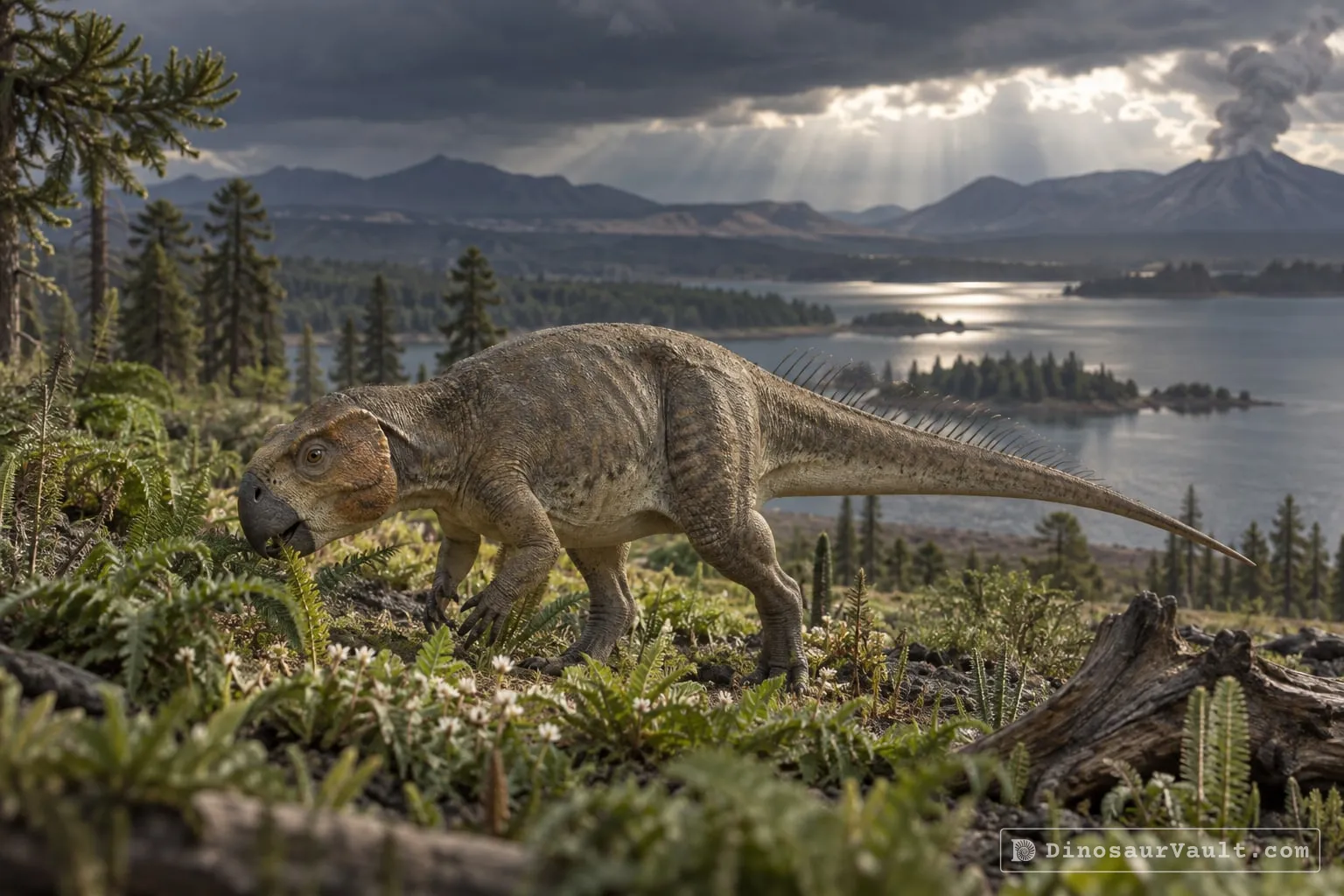
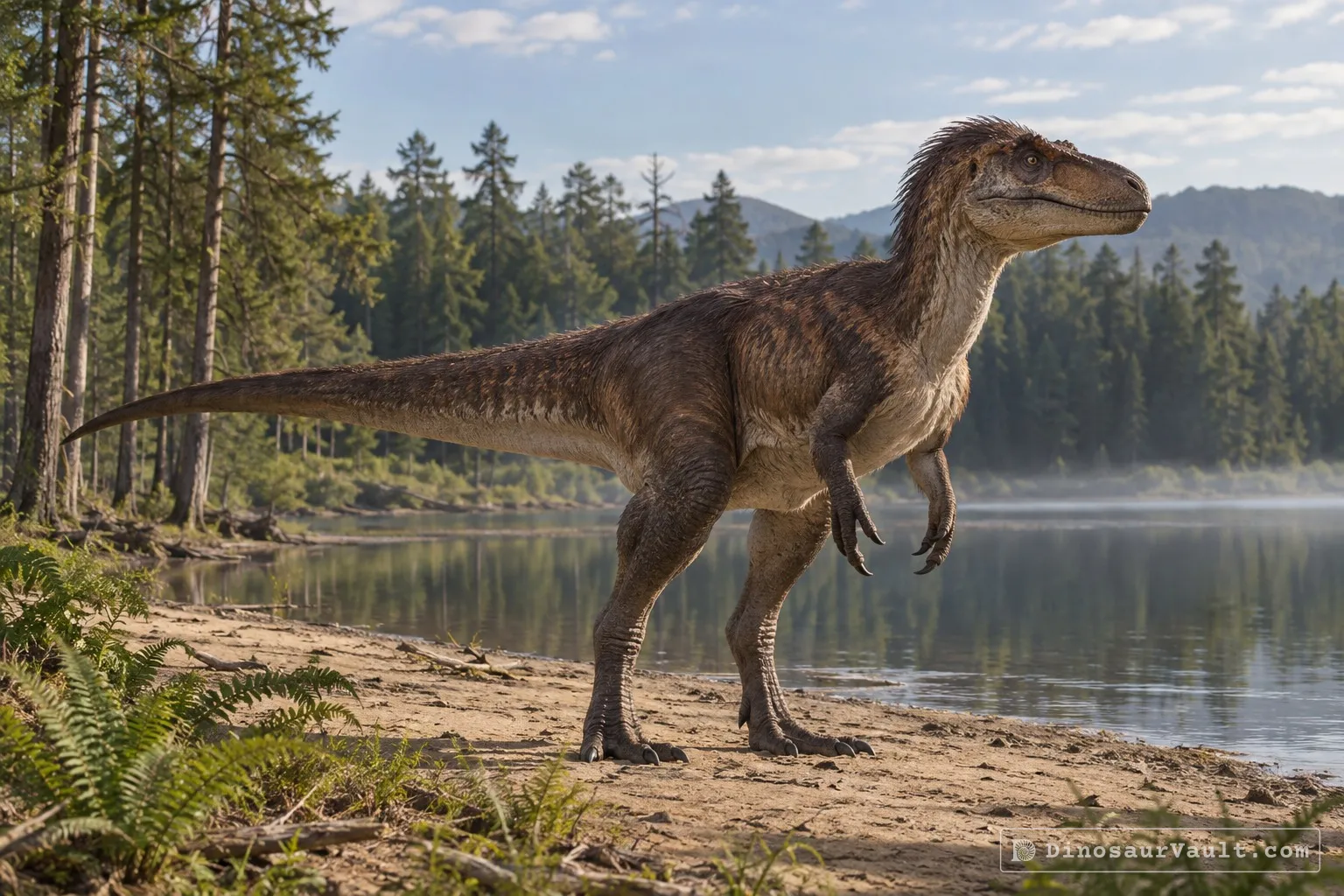
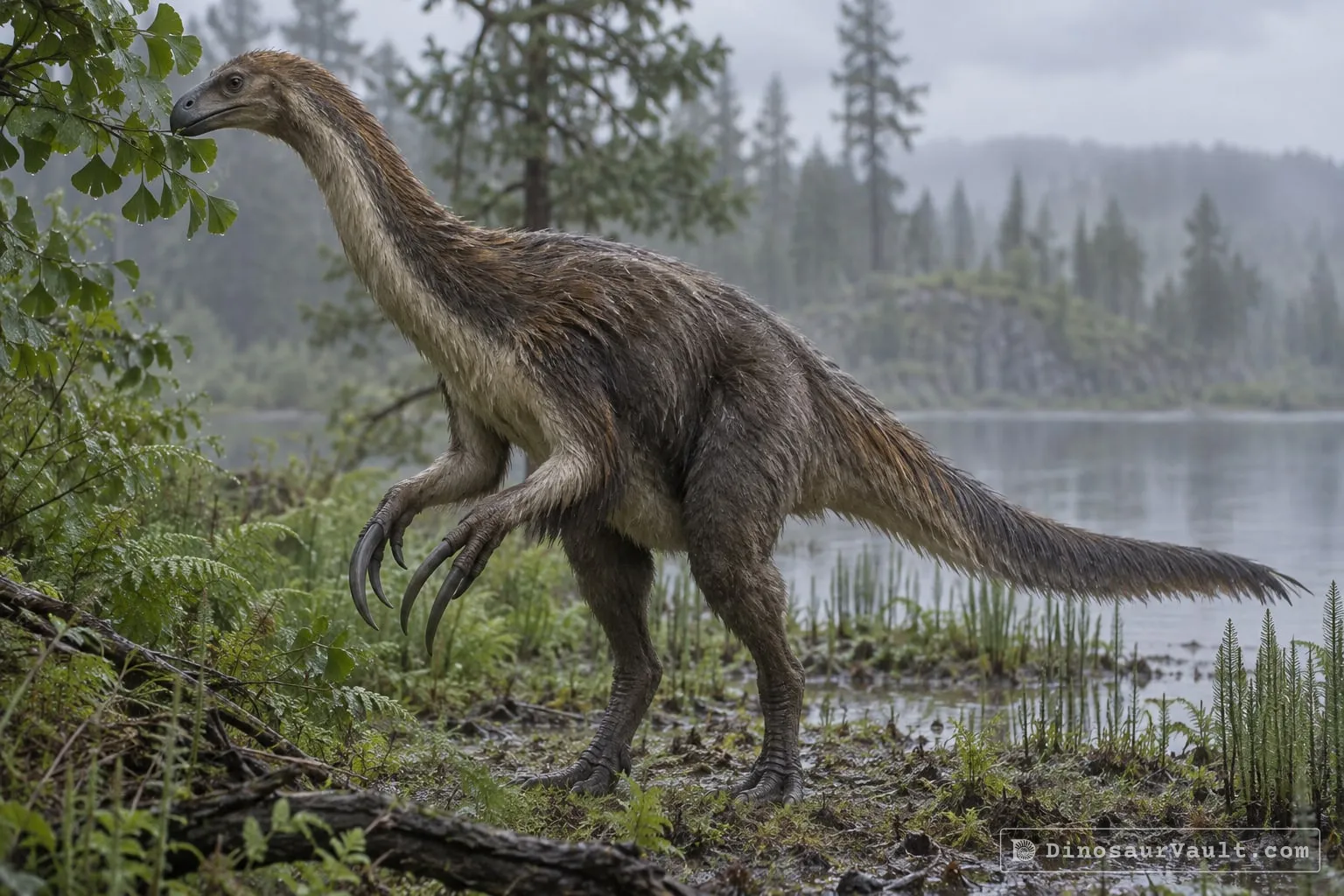


A rock formation can hold fossils laid down millions of years apart, so not every animal here met Microraptor.
The evidence
The science behind Microraptor
Which parts of the picture come from its own bones, and which come from its relatives.
From its own fossils
- Well-preserved skeletons have long flight feathers on both arms and both legs, plus a long feathered tail.
- Tiny pigment structures in one specimen suggest dark feathers with an iridescent sheen.
- Bird bones and fish remains preserved inside different specimens show that it ate both.
Borrowed from relatives
- Almost the whole body and its feather arrangement are known from its own fossils.
- Living birds help interpret the pigment structures in its feathers and the way its wings worked.
Still unknown
- How much it relied on gliding compared with flapping flight.
- Whether all its species and individuals shared the same feather colors.
- How the long wing and leg feathers developed as it grew.
Often drawn wrong
- Bare legs leave out the long feathers that formed its hindwings.
- Its hindwings were feathered legs, not an extra pair of arms or sheets of skin.
- A modern bird's toothless beak replaces its toothed snout.
Discovery timeline
- 2000Named itXu, Zhou & Wang
- 2003New findXu et al.
- 2011How it fedO'Connor, Zhou & Xu
- 2012SkinLi et al.
- 2013How it fedXing et al.
Key papers
The research behind what we know of Microraptor
Named it
Named a tiny dinosaur with bird-like features and a long tail from fossils in China.
The smallest known non-avian theropod dinosaur. Nature 408: 705-708
Read the paper : The smallest known non-avian theropod dinosaur (opens in a new tab)New find
Described Microraptor with long feathers on its arms and legs, revealing wing surfaces on all its limbs.
Four-winged dinosaurs from China. Nature 421: 335-340
Read the paper : Four-winged dinosaurs from China (opens in a new tab)How it fed
Found a small bird's bones inside a Microraptor, showing that birds were part of its diet.
Additional specimen of Microraptor provides unique evidence of dinosaurs preying on birds. Proceedings of the National Academy of Sciences 108: 19662-19665
Read the paper : Additional specimen of Microraptor provides unique evidence of dinosaurs preying on birds (opens in a new tab)Skin
Compared fossil pigment structures with those of living birds and inferred dark, iridescent feathers in one Microraptor.
Reconstruction of Microraptor and the Evolution of Iridescent Plumage. Science 335: 1215-1219
Read the paper : Reconstruction of Microraptor and the Evolution of Iridescent Plumage (opens in a new tab)How it fed
Described fish remains inside a Microraptor, showing that this feathered hunter also fed on aquatic prey.
PISCIVORY IN THE FEATHERED DINOSAURMICRORAPTOR. Evolution 67: 2441-2445
Read the paper : PISCIVORY IN THE FEATHERED DINOSAURMICRORAPTOR (opens in a new tab)
Close relatives
Other members of Dromaeosauridae


Sources: Wikidata