Rayososaurus
"Rayoso lizard"
- Lived
- 113 to 110 million years ago, Early Cretaceous
- Diet
- Herbivore
- Group
- Sauropods, Rebbachisauridae
- Found in
- Argentina
- Named by
- Bonaparte 1996
Where its fossils were found
The evidence
Today

110 million years ago
Habitat
Its bones were buried in muddy sand in the Candeleros Formation of Argentina. Giganotosaurus, Buitreraptor and Andesaurus lived in the landscape recorded by these rocks.
Field notes
About Rayososaurus
What it was like
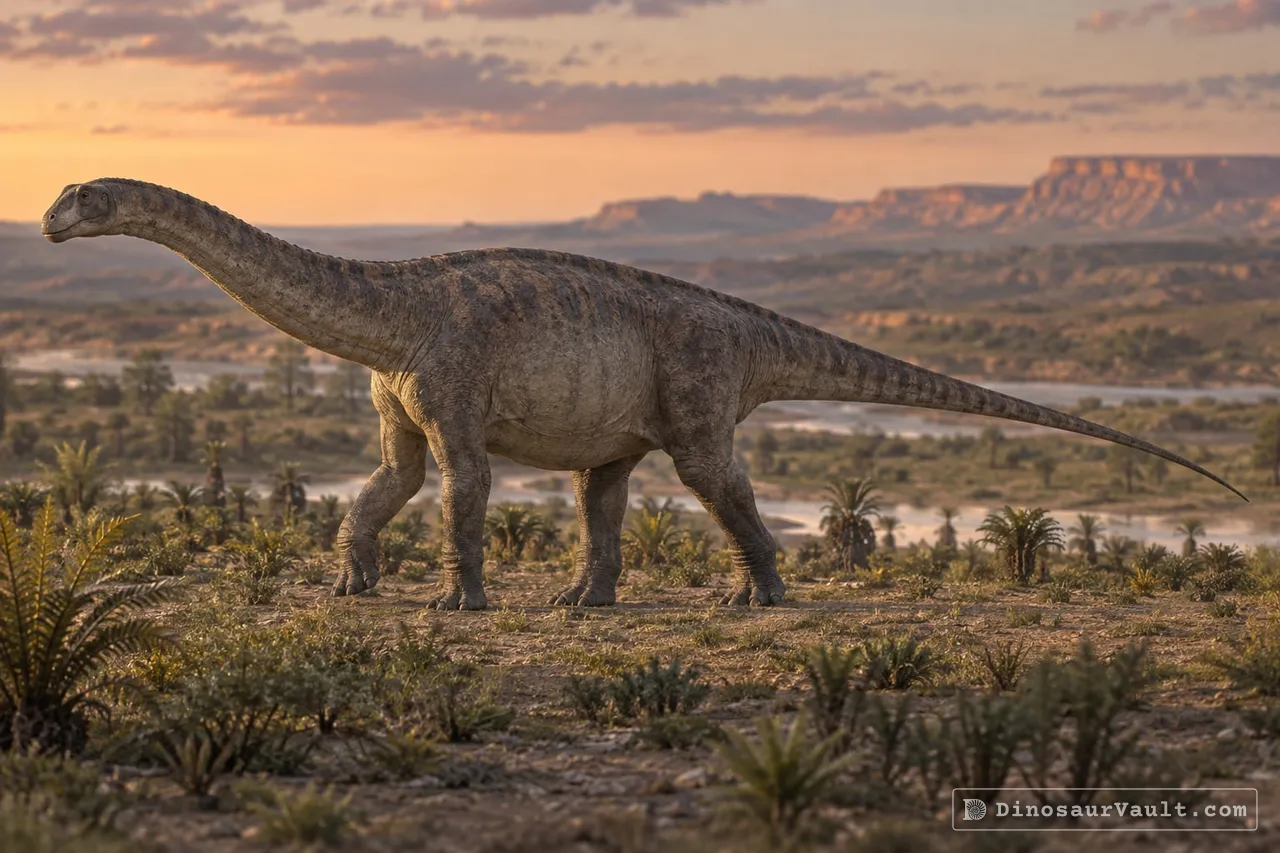
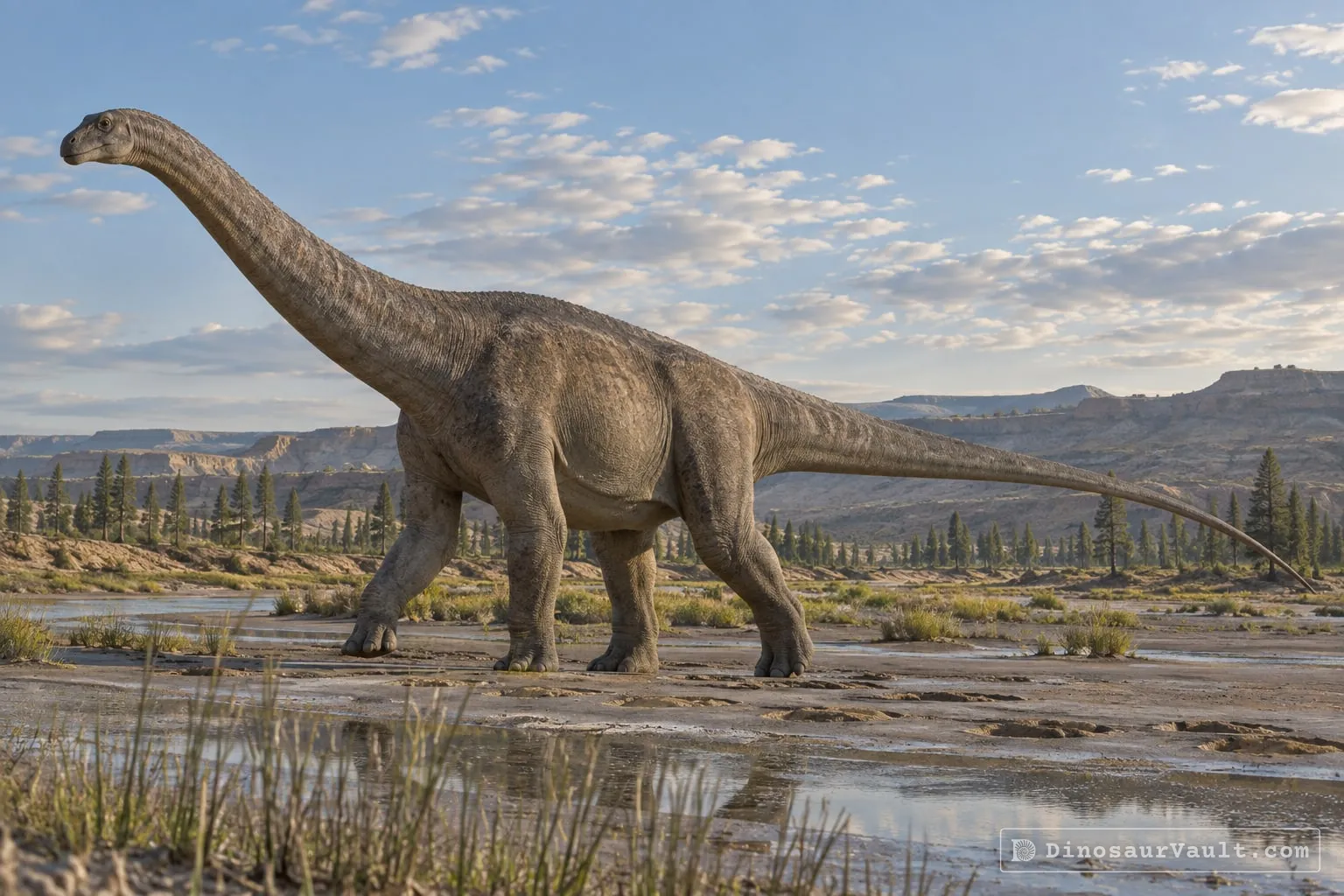
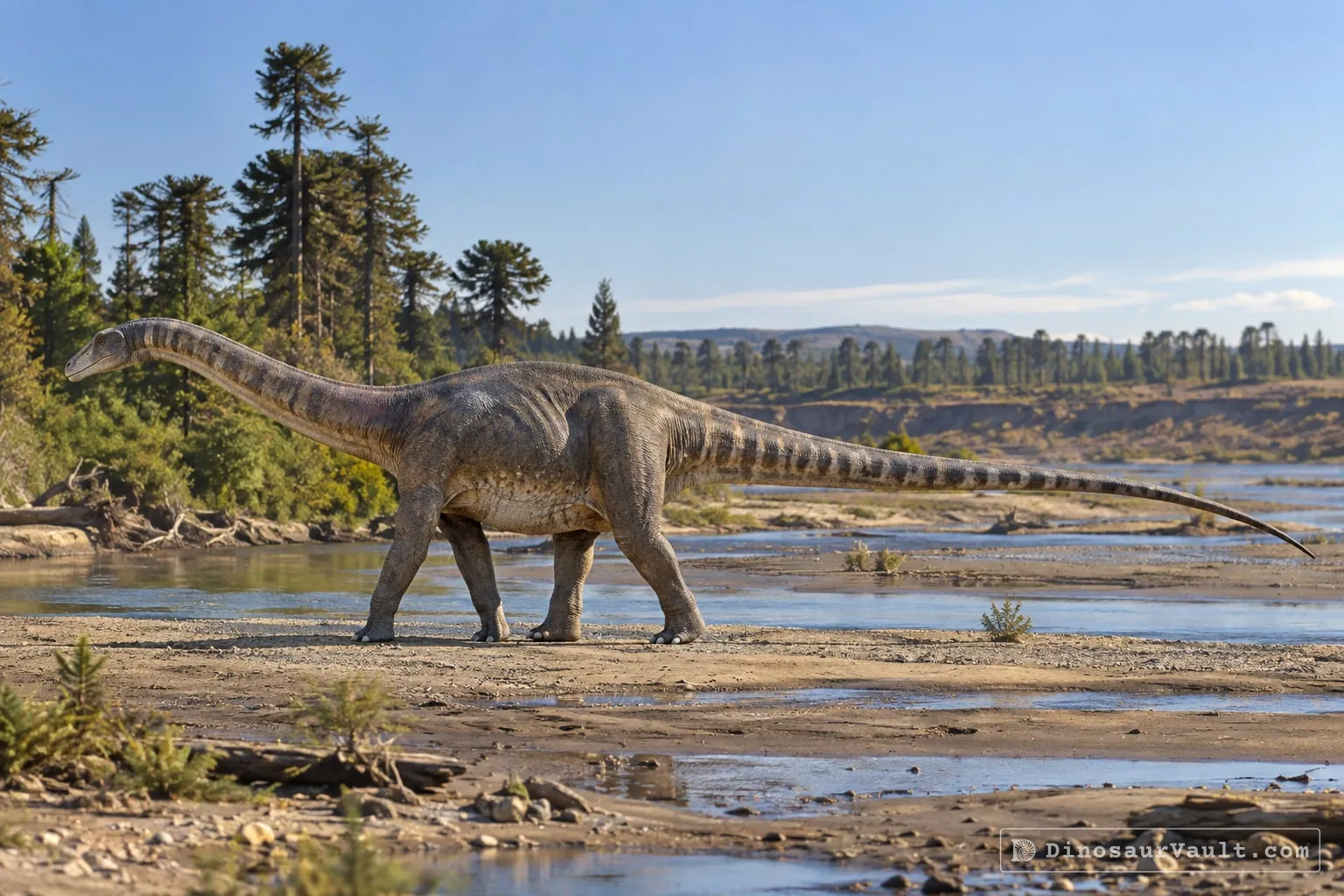
Rayososaurus was a rebbachisaur, a long-necked plant eater from a family related to Diplodocus. It is known from a shoulder blade and a few leg bones.
Its world
It lived in the Cretaceous in what is now Argentina. Its bones come from the Candeleros Formation, where it shared the land with the giant hunter Giganotosaurus, the small raptor Buitreraptor and the titanosaur Andesaurus.
How it was found
Bonaparte named Rayososaurus in 1996, from a single find. Another species once placed in it now belongs to Limaysaurus.
Field gallery
More views of Rayososaurus
Scenes reconstructed from the available fossil evidence.
Lived alongside
Found in the same rock formations
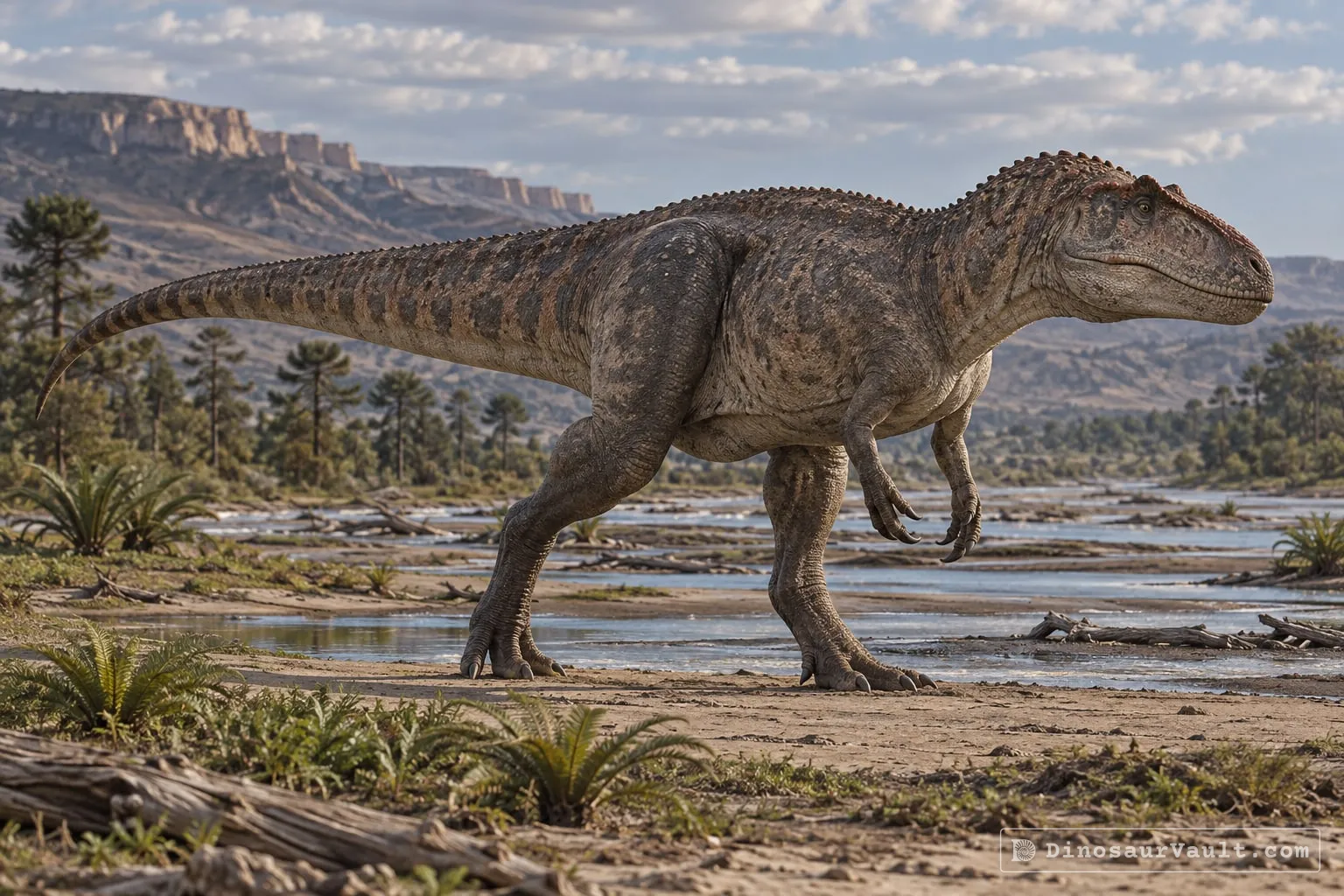
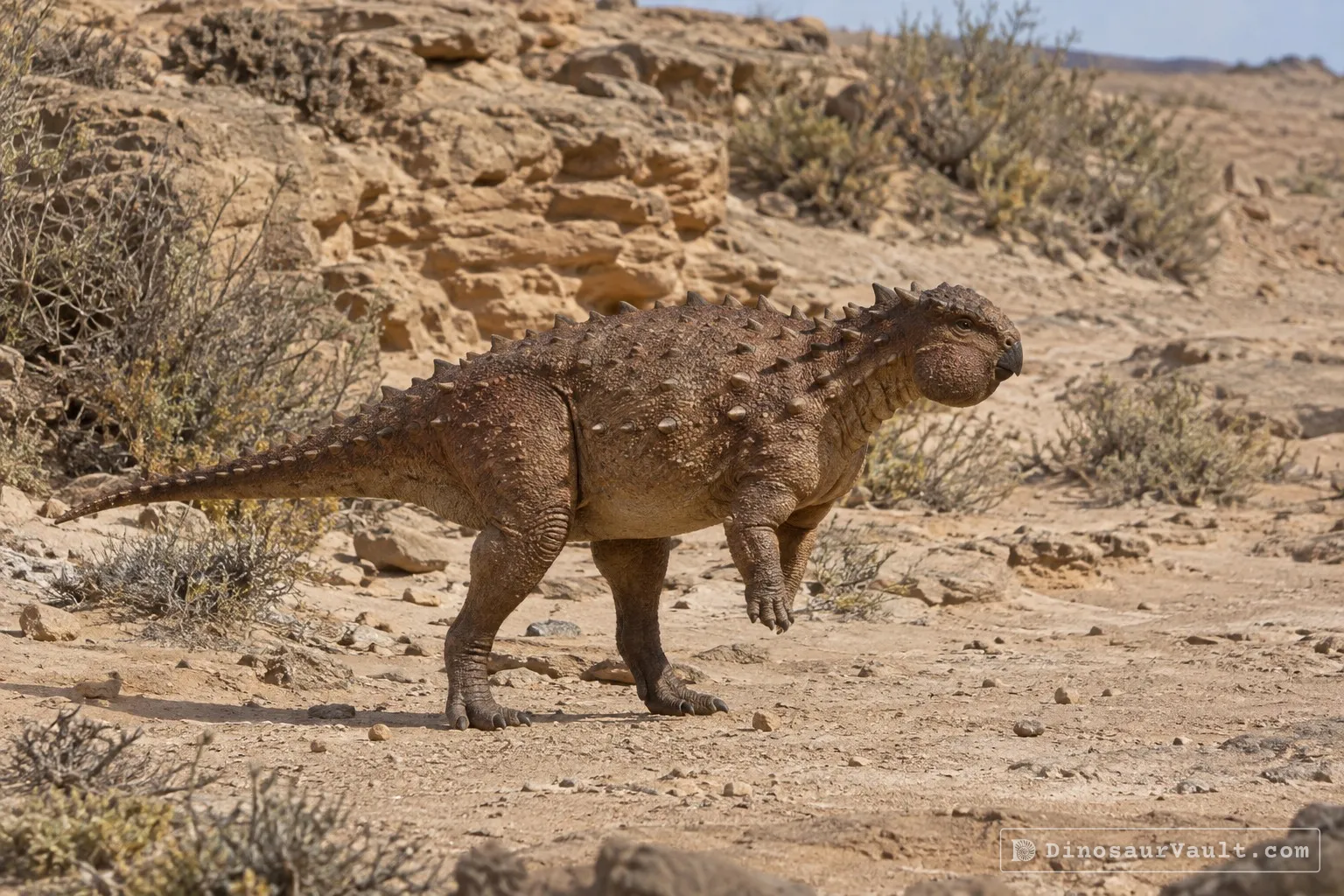
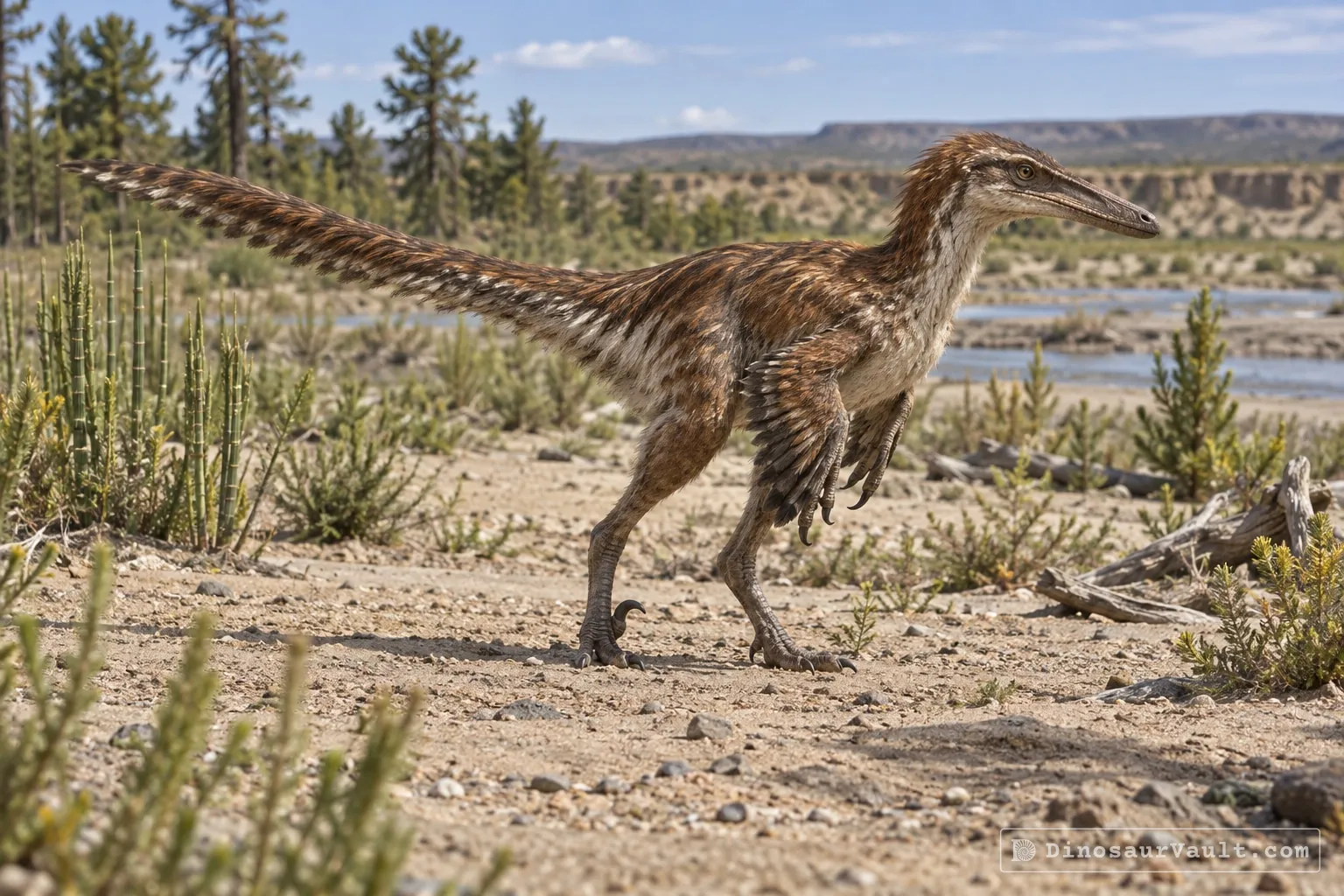
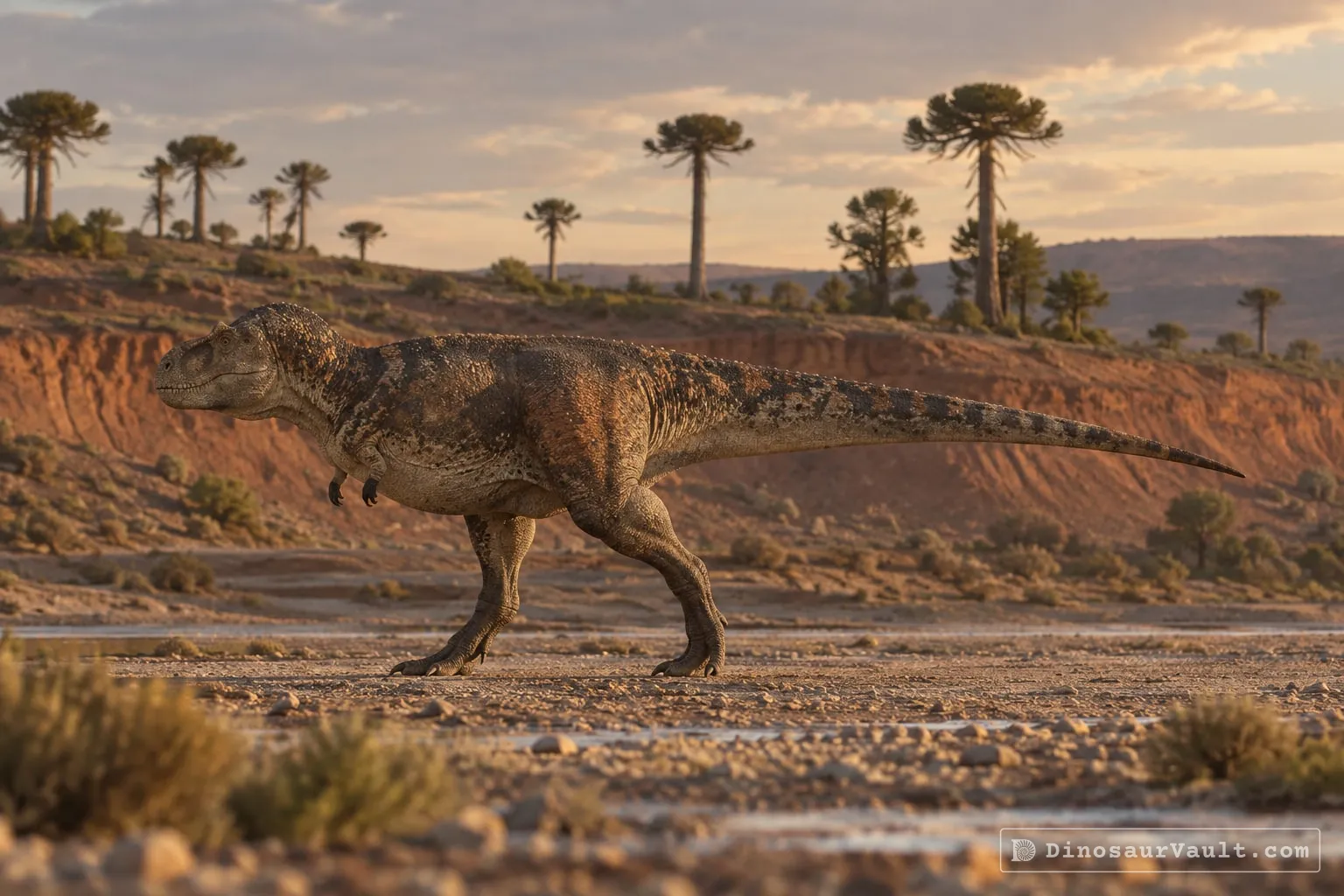
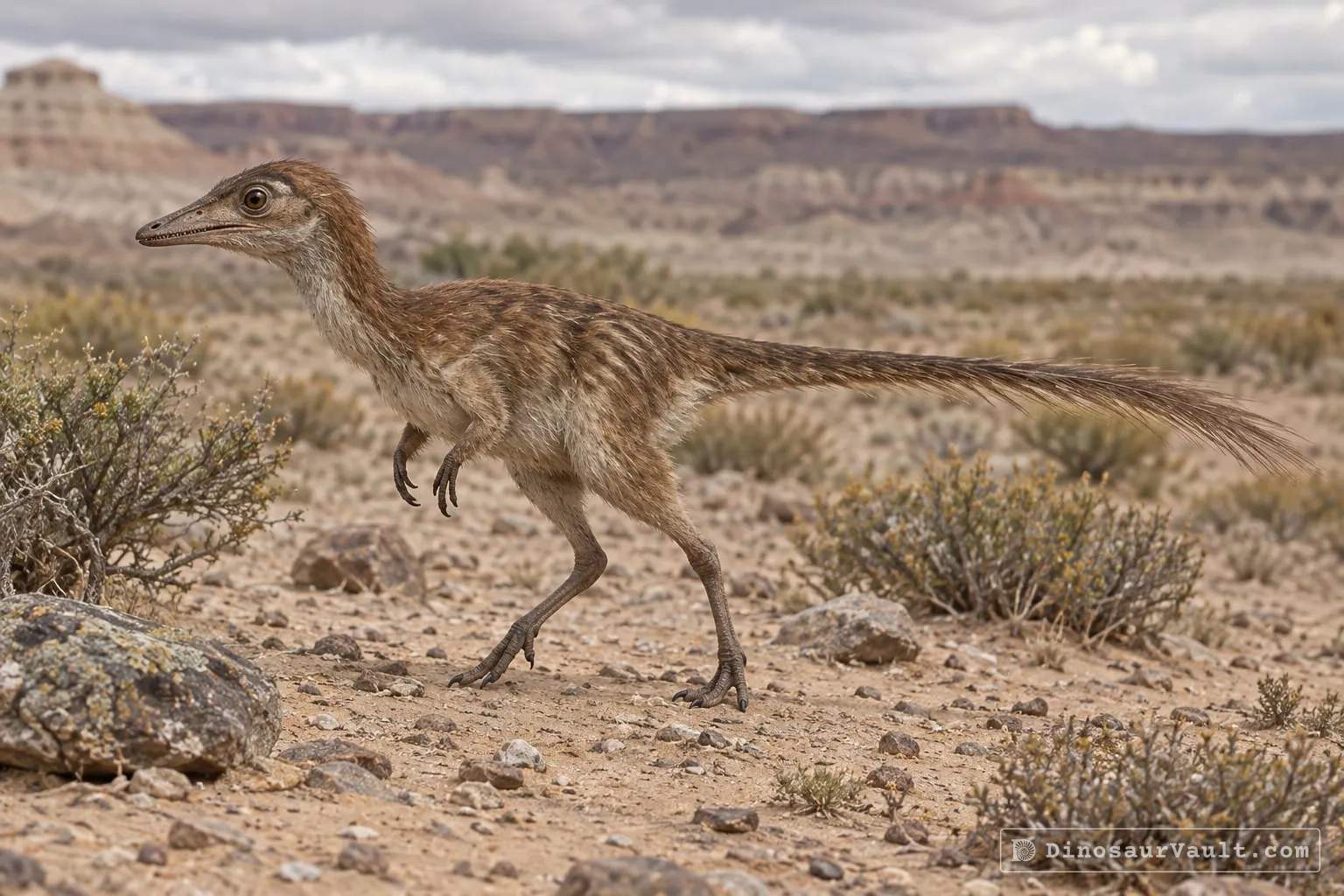
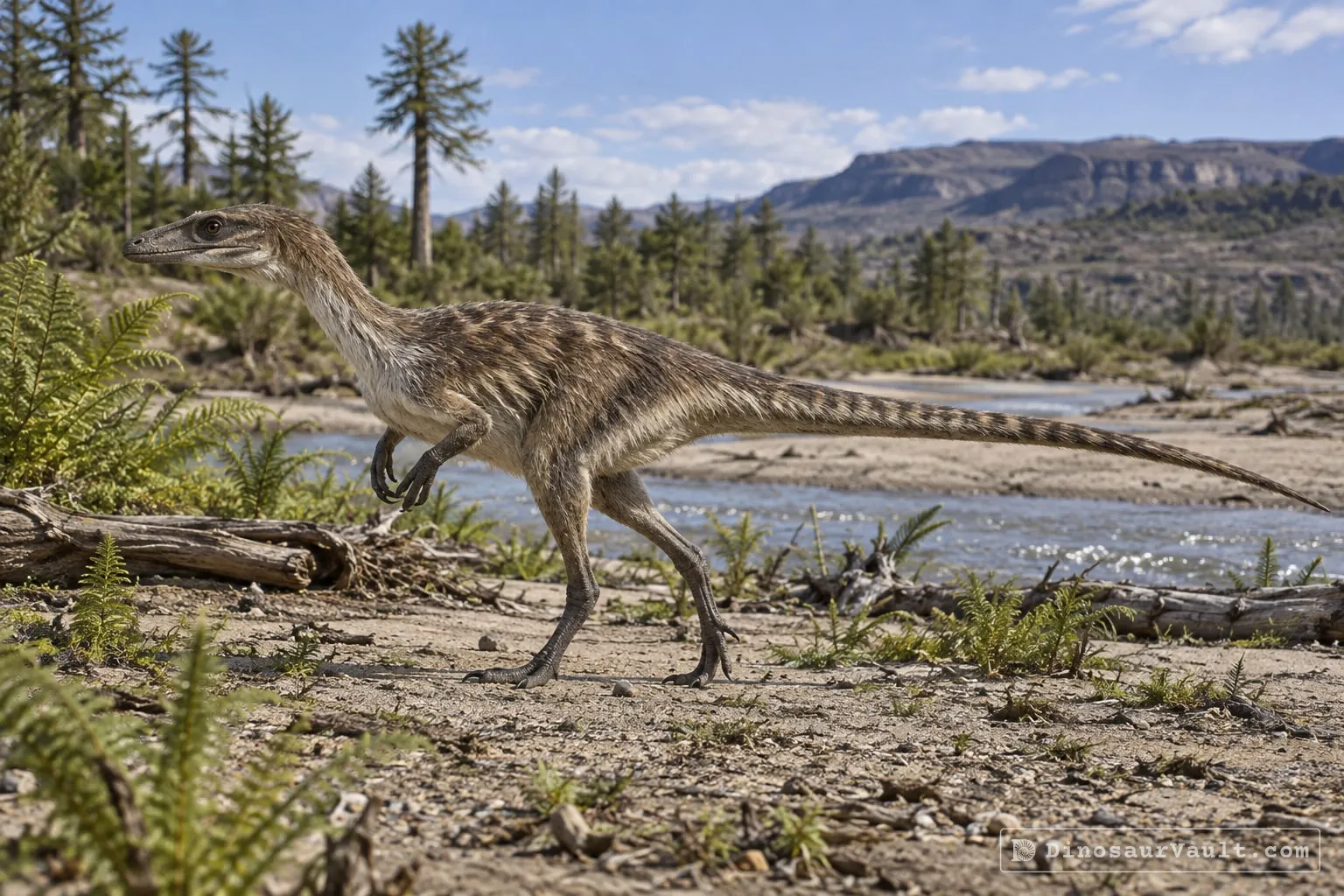


A rock formation can hold fossils laid down millions of years apart, so not every animal here met Rayososaurus.
The evidence
The science behind Rayososaurus
Which parts of the picture come from its own bones, and which come from its relatives.
From its own fossils
- The known remains are parts of both shoulder blades, a thigh bone and an outer lower-leg bone from a single animal.
- Its shoulder blade has a strongly backward-pointing projection and a broad lower edge, features that distinguish Rayososaurus.
Borrowed from relatives
- Its missing neck, trunk and tail are restored by comparison with other rebbachisaurids such as Lavocatisaurus and Rebbachisaurus.
- Lavocatisaurus preserves much of the skull and provides a comparison for the missing head.
Still unknown
- Its skull shape and tooth arrangement.
- Its full body proportions.
- Its skin covering and color.
Discovery timeline
- 1996Named itBonaparte
- 2010RedescriptionCarballido et al.
- 2018Close relativeCanudo et al.
Key papers
The research behind what we know of Rayososaurus
Named it
Named Rayososaurus from fragmentary shoulder and leg bones and recognized similarities to Rebbachisaurus.
Cretaceous tetrapods of Argentina. Münchner Geowissenschaften Abhandlungen 30: 73-130
No link available
Redescription
Confirmed distinctive shoulder-blade features and traced the original find to the Candeleros Formation rather than the older rocks first proposed.
Redescription of Rayososaurus agrioensis Bonaparte (Sauropoda, Diplodocoidea), a rebbachisaurid from the early Late Cretaceous of Neuquén. Geobios 43: 493-502
Read the paper : Redescription of Rayososaurus agrioensis Bonaparte (Sauropoda, Diplodocoidea), a rebbachisaurid from the early Late Cretaceous of Neuquén (opens in a new tab)Close relative
Described Lavocatisaurus from adult and immature remains, including much of the skull, giving a fuller comparison for fragmentary rebbachisaurids such as Rayososaurus.
A new rebbachisaurid sauropod from the Aptian–Albian, Lower Cretaceous Rayoso Formation, Neuquén, Argentina. Acta Palaeontologica Polonica 63
Read the paper : A new rebbachisaurid sauropod from the Aptian–Albian, Lower Cretaceous Rayoso Formation, Neuquén, Argentina (opens in a new tab)
Close relatives
Other members of Rebbachisauridae


Sources: Wikidata