Overoraptor
- Lived
- 110 to 106 million years ago, Early Cretaceous
- Diet
- Carnivore
- Group
- Theropods
- Found in
- Argentina
- Named by
- Motta et al. 2020
Where its fossils were found
The evidence
Today

110 million years ago
Habitat
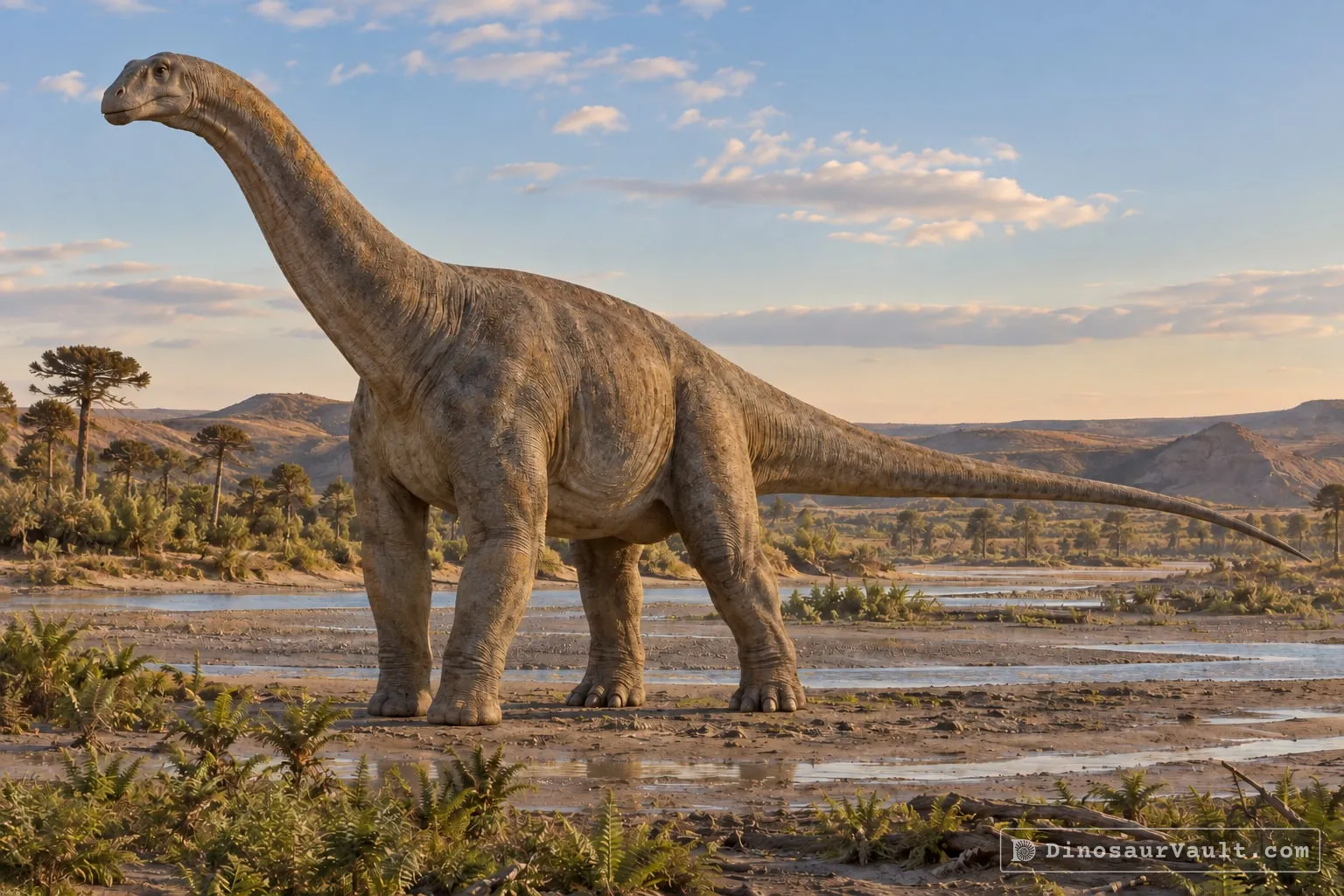
It lived on the plains preserved in the Huincul Formation. Mapusaurus, Skorpiovenator and Argentinosaurus inhabited the same region.
Field notes
About Overoraptor
What it was like
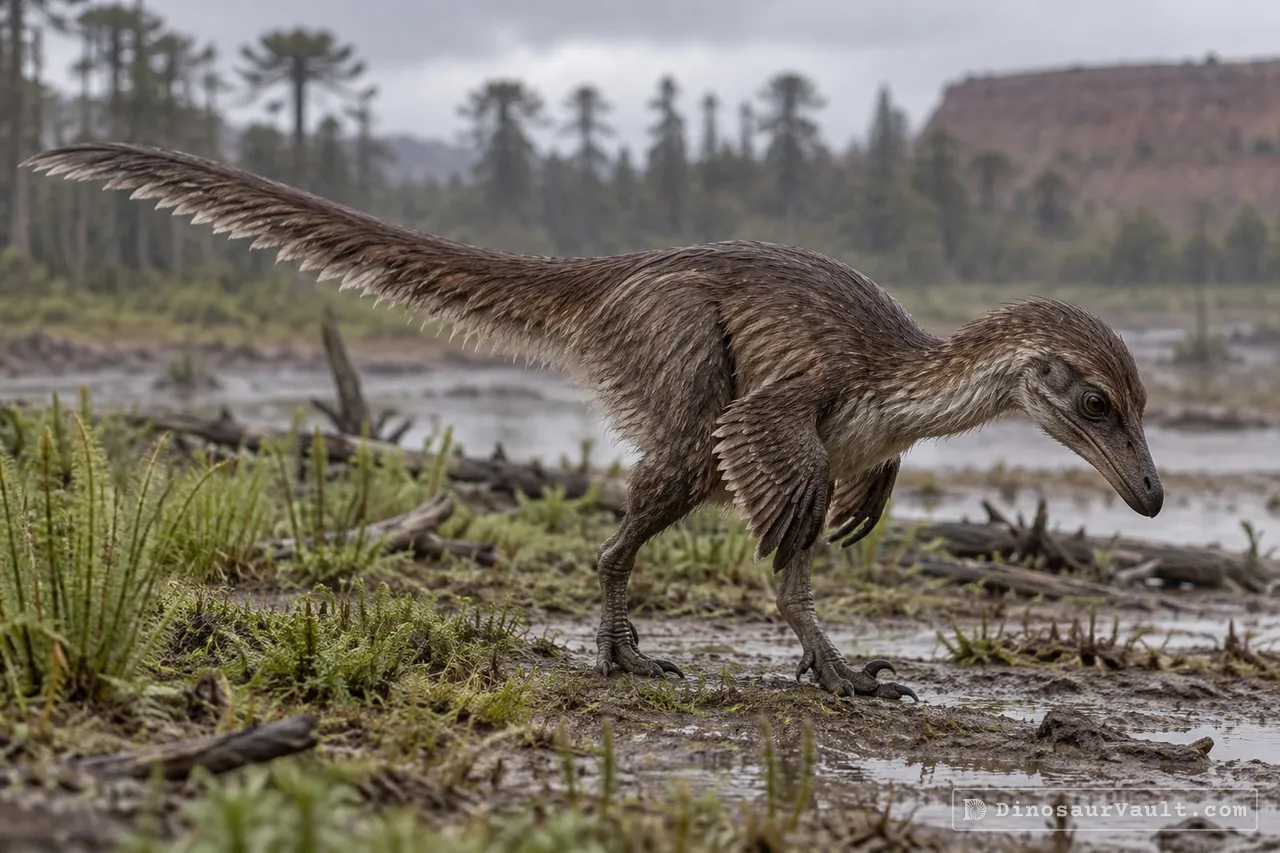
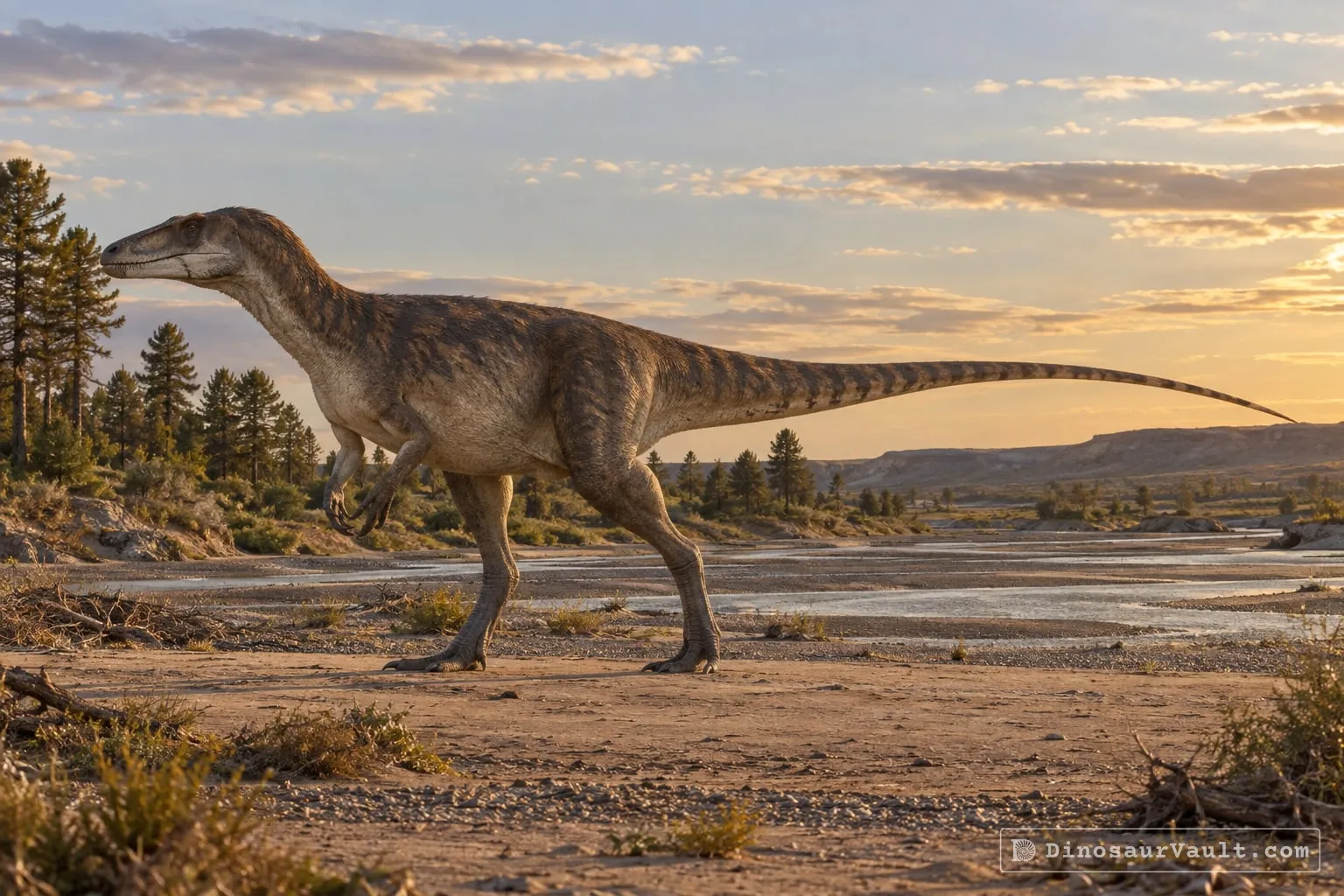
Overoraptor was a small theropod with long legs and arms that may have been built a bit like those of early birds. It probably had feathers like its relatives, though none are preserved. It is known from part of the skeleton.
Its world
It lived in the Cretaceous, in what is now Argentina. It comes from the Huincul Formation, where it shared the land with the giant predators Mapusaurus and Meraxes and the huge sauropod Argentinosaurus.
How it was found
Motta and colleagues named Overoraptor in 2020.
Field gallery
More views of Overoraptor
Scenes reconstructed from the available fossil evidence.
1 of 3
Lived alongside
Found in the same rock formations
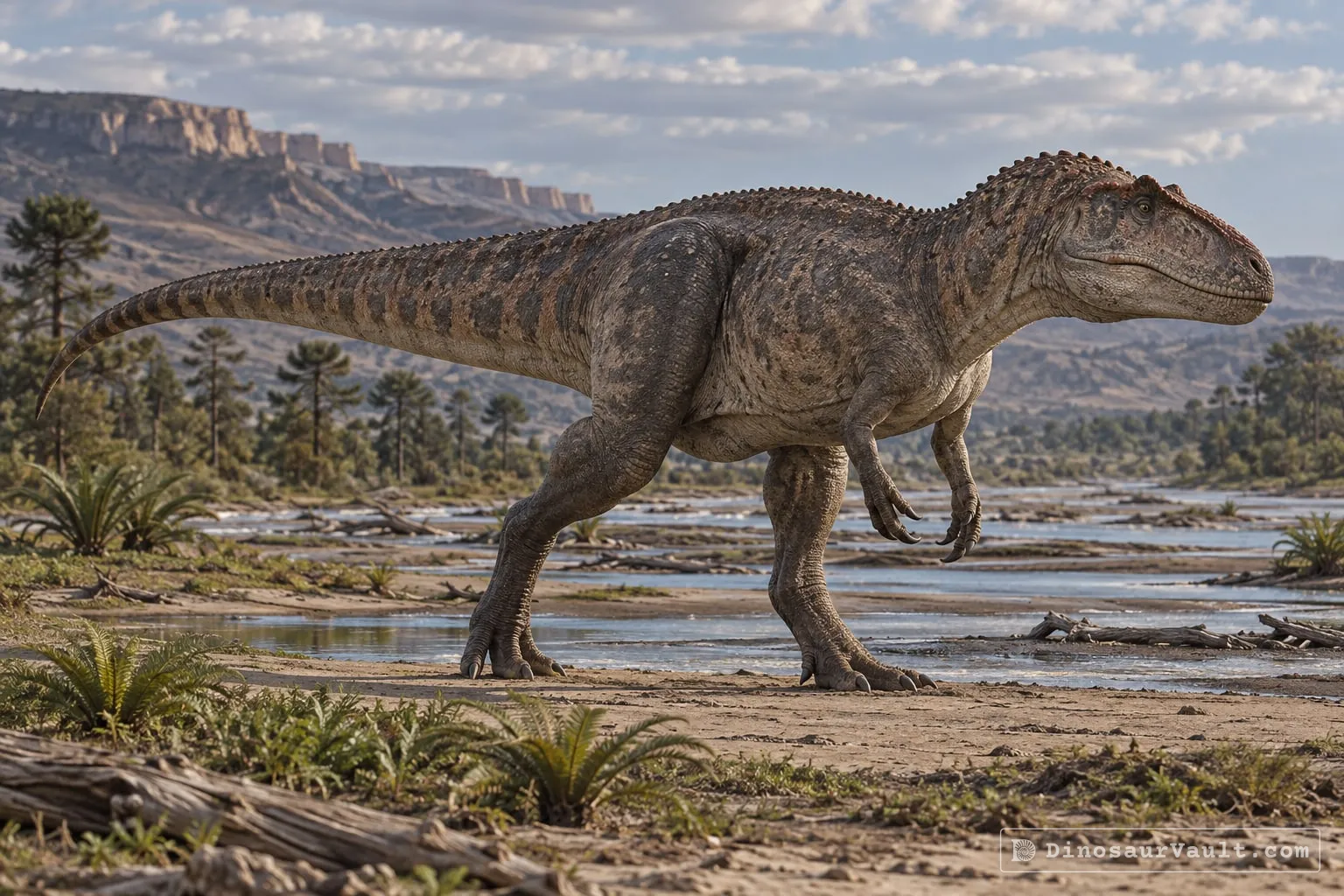
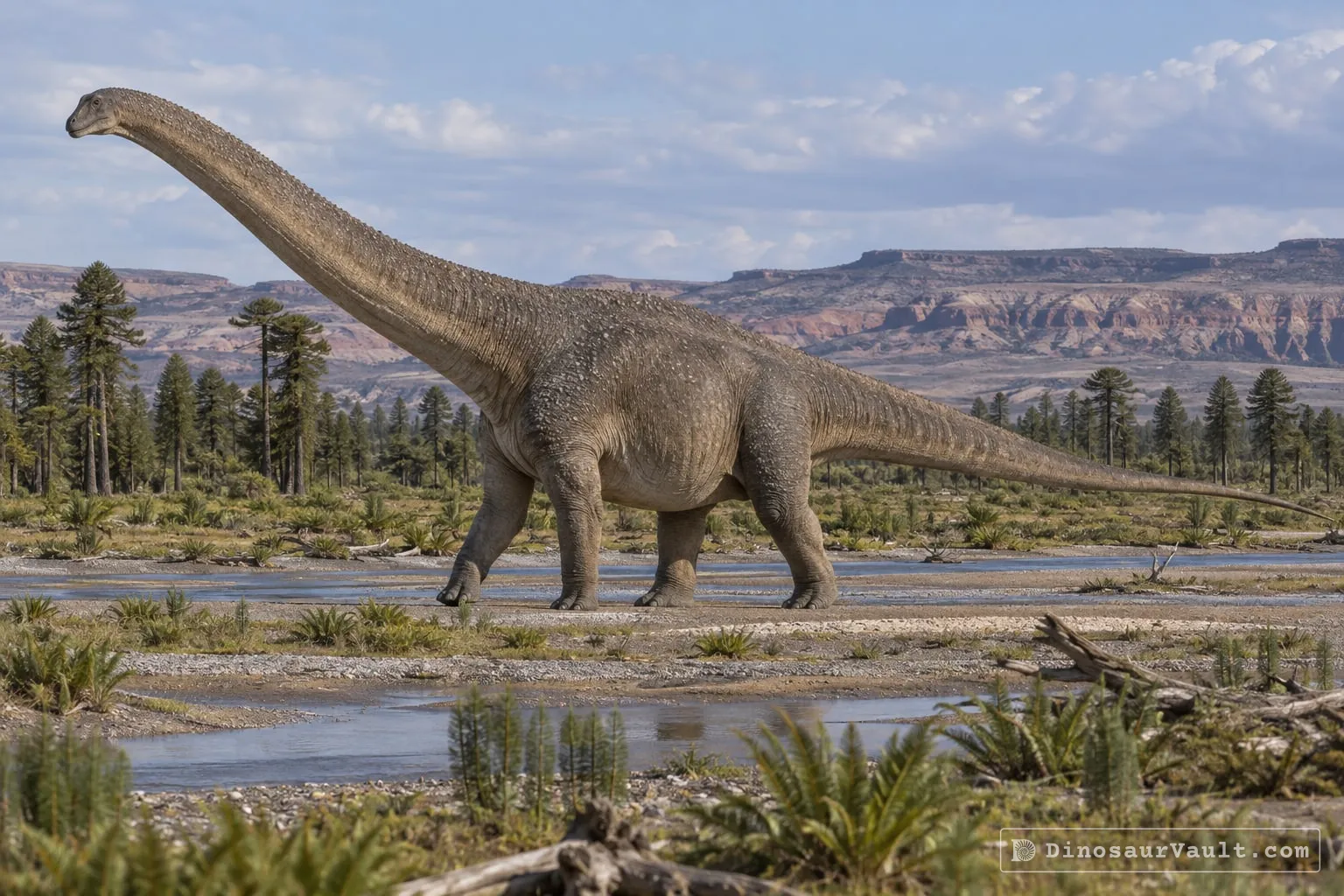
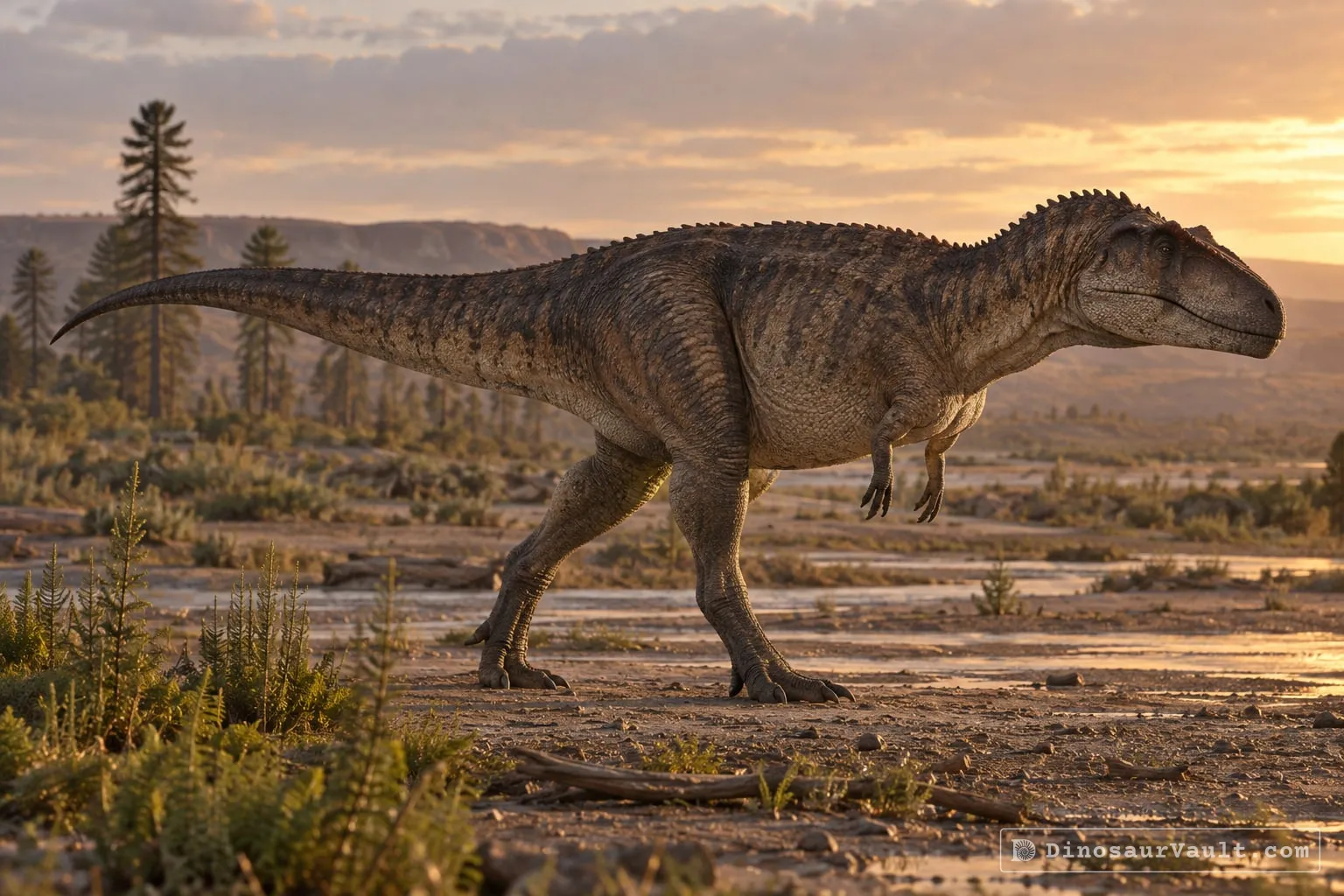
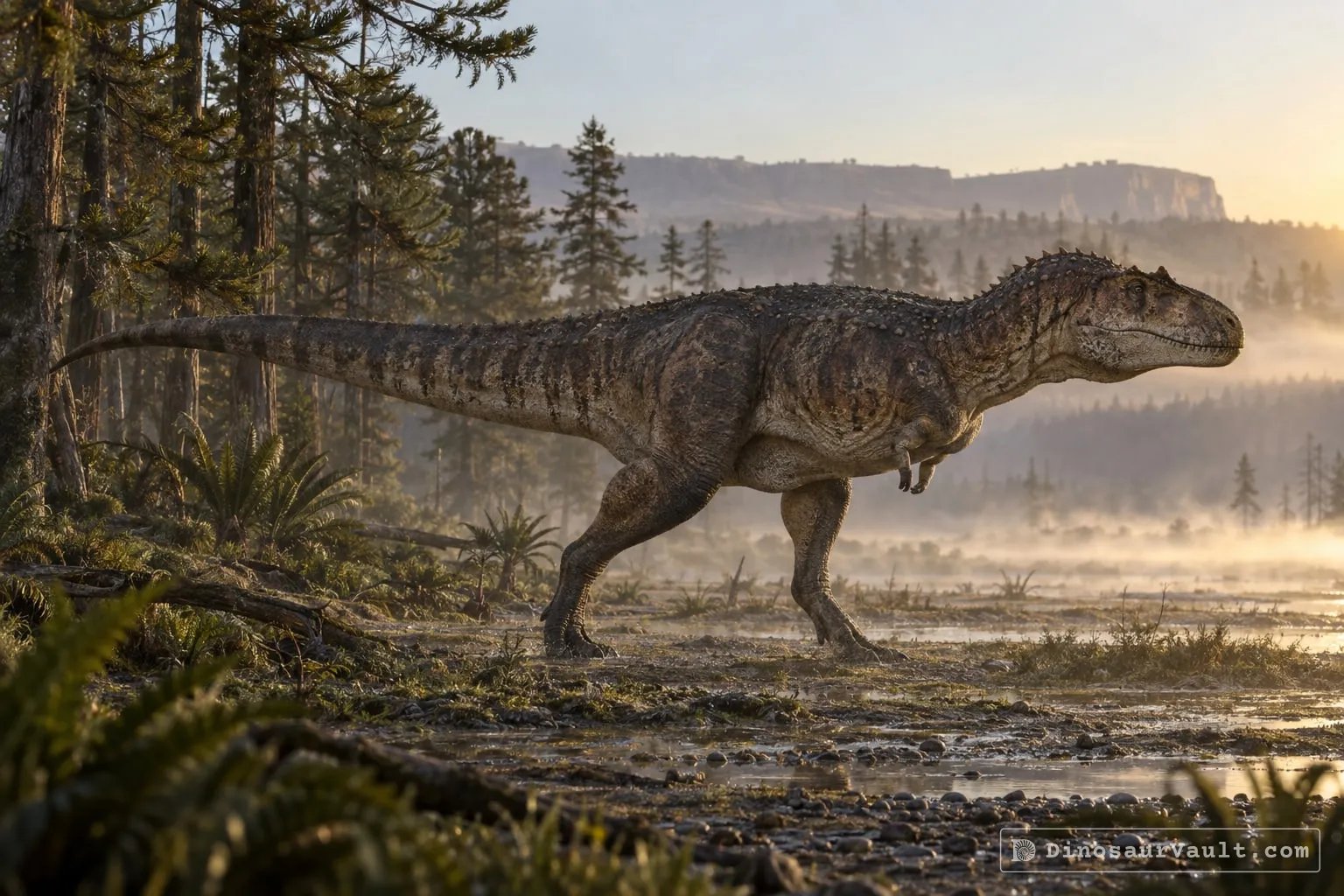
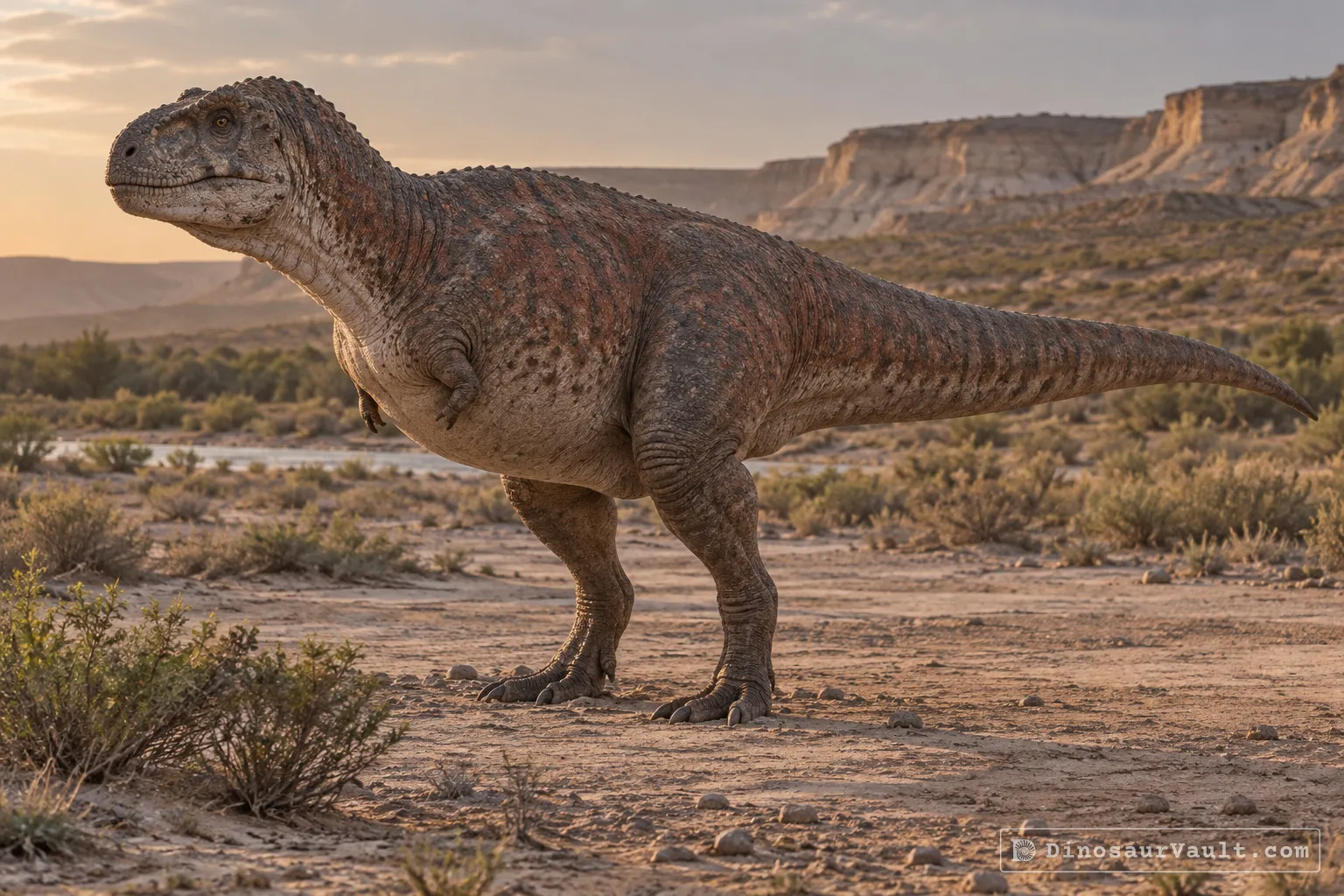
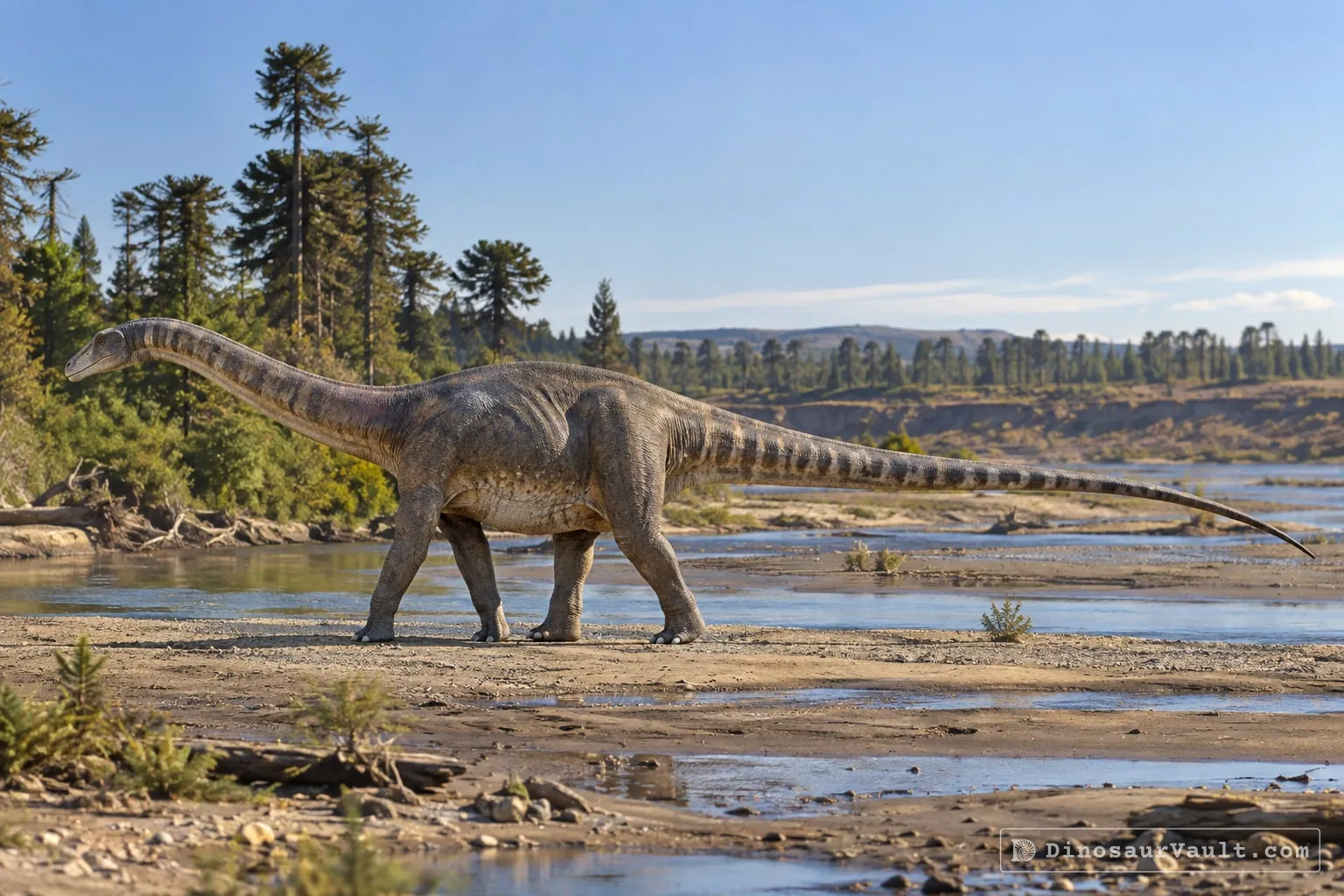


A rock formation can hold fossils laid down millions of years apart, so not every animal here met Overoraptor.
The evidence
The science behind Overoraptor
Which parts of the picture come from its own bones, and which come from its relatives.
From its own fossils
- The type skeleton includes tail vertebrae, a shoulder blade, a forearm bone, part of a hand, parts of the hips and foot bones. A smaller, less complete specimen from the same quarry has also been assigned to it.
- Its forearm bone is stout and bowed, with a saddle-shaped joint for its partner bone. The first hand bone is short and broad, and the finger claws are sharp, curved and narrow.
- The second toe carried an enlarged claw, narrow from side to side with a sharp lower edge, while the first toe's claw is only slightly curved.
Borrowed from relatives
- Its missing skull is restored after the long, low skull of Buitreraptor, and its neck, body, legs and tail after the rest of that animal's skeleton.
- Its covering of short feathers is borrowed from Anchiornis, a small relative found with its feathers preserved.
Still unknown
- Its place in the family tree. Different analyses put it among early maniraptorans, pennaraptorans or paravians, and one grouped it with Rahonavis.
- Whether it could fly, or whether its arms helped it balance while running, as its describers suggested.
- Its skull, and the color and pattern of its feathers.
Discovery timeline
- 2016Same rocksApesteguía et al.
- 2018Close relativeGianechini et al.
- 2020Named itMotta et al.
- 2020Close relativeForster et al.
Key papers
The research behind what we know of Overoraptor
Same rocks
Described Gualicho from the Huincul Formation, adding another unusual theropod to the region where Overoraptor lived.
An Unusual New Theropod with a Didactyl Manus from the Upper Cretaceous of Patagonia, Argentina. PLOS ONE 11: e0157793
Read the paper : An Unusual New Theropod with a Didactyl Manus from the Upper Cretaceous of Patagonia, Argentina (opens in a new tab)Close relative
Described the neck, ribs, arms, hands, hips and legs of Buitreraptor, a paravian from Argentina known from several skeletons.
Postcranial skeletal anatomy of the holotype and referred specimens ofBuitreraptor gonzalezorumMakovicky, Apesteguía and Agnolín 2005 (Theropoda, Dromaeosauridae), from the Late Cretaceous of Patagonia. PeerJ 6: e4558
Read the paper : Postcranial skeletal anatomy of the holotype and referred specimens ofBuitreraptor gonzalezorumMakovicky, Apesteguía and Agnolín 2005 (Theropoda, Dromaeosauridae), from the Late Cretaceous of Patagonia (opens in a new tab)Named it
Described a small paravian combining a stout, bird-like forearm and short first hand bone with a foot bearing an enlarged second-toe claw.
New theropod dinosaur from the Upper Cretaceous of Patagonia sheds light on the paravian radiation in Gondwana. The Science of Nature 107
Read the paper : New theropod dinosaur from the Upper Cretaceous of Patagonia sheds light on the paravian radiation in Gondwana (opens in a new tab)Close relative
Described Rahonavis in detail, providing a comparison for the unusual mixture of bird-like arms and clawed feet in Overoraptor.
The osteology of the Late Cretaceous paravian Rahonavis ostromi from Madagascar. Palaeontologia Electronica
Read the paper : The osteology of the Late Cretaceous paravian Rahonavis ostromi from Madagascar (opens in a new tab)
Close relatives
Other members of Paraves


