Mapusaurus
MAH-poo-SORE-us
"earth lizard"
- Lived
- 110 to 106 million years ago, Early Cretaceous
- Diet
- Carnivore
- Length
- about 13 m (43 ft)
- Group
- Theropods, Carcharodontosauridae
- Found in
- Argentina
- Named by
- Coria and Currie 2006
Size comparison
To scale


Scale in meters
Where its fossils were found
The evidence
Today

110 million years ago
Field notes
About Mapusaurus
What it was like
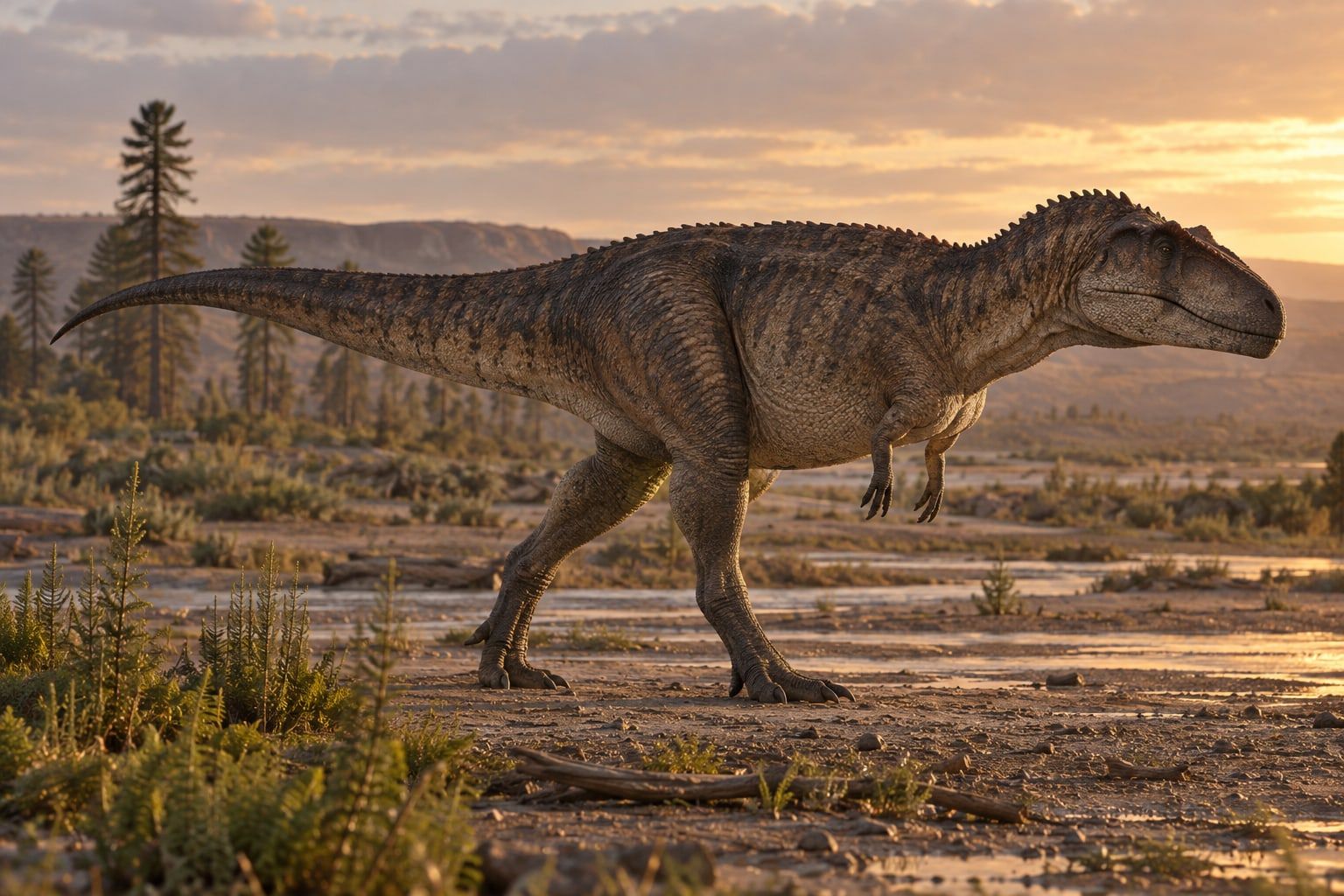
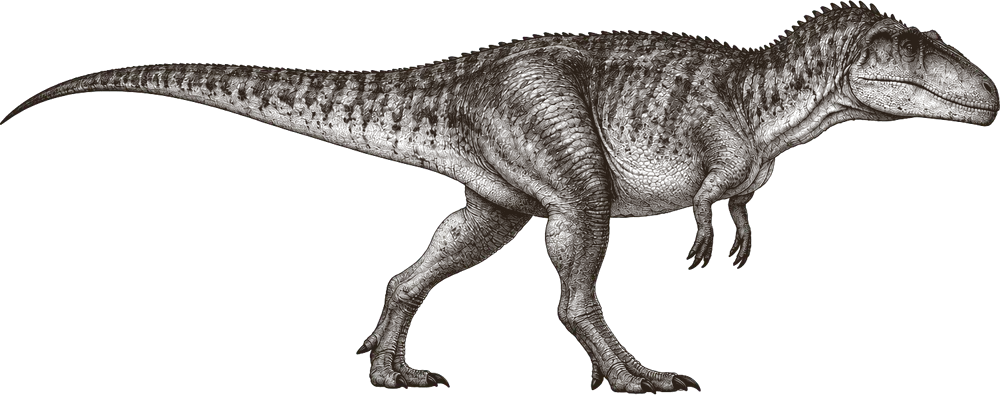
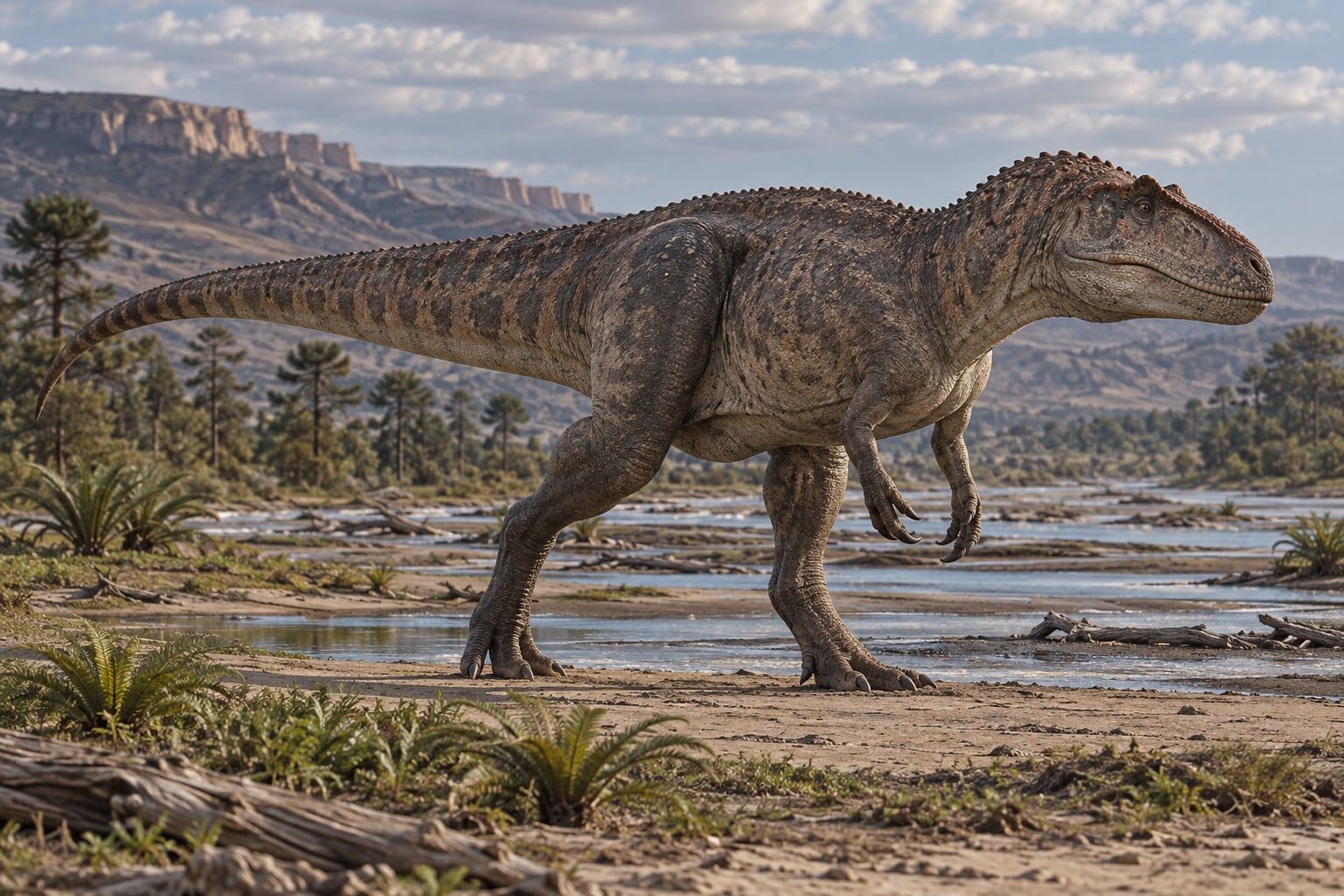
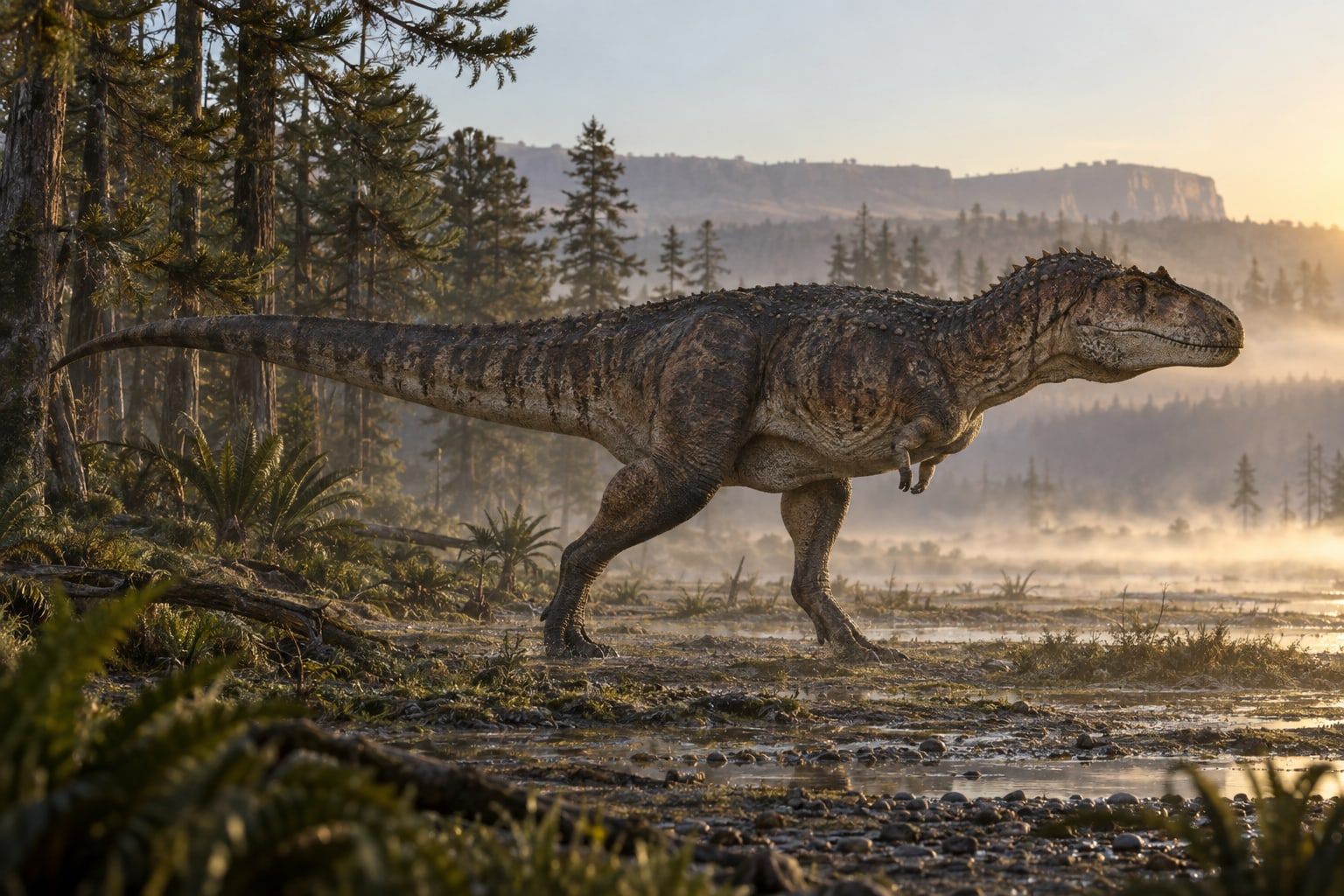
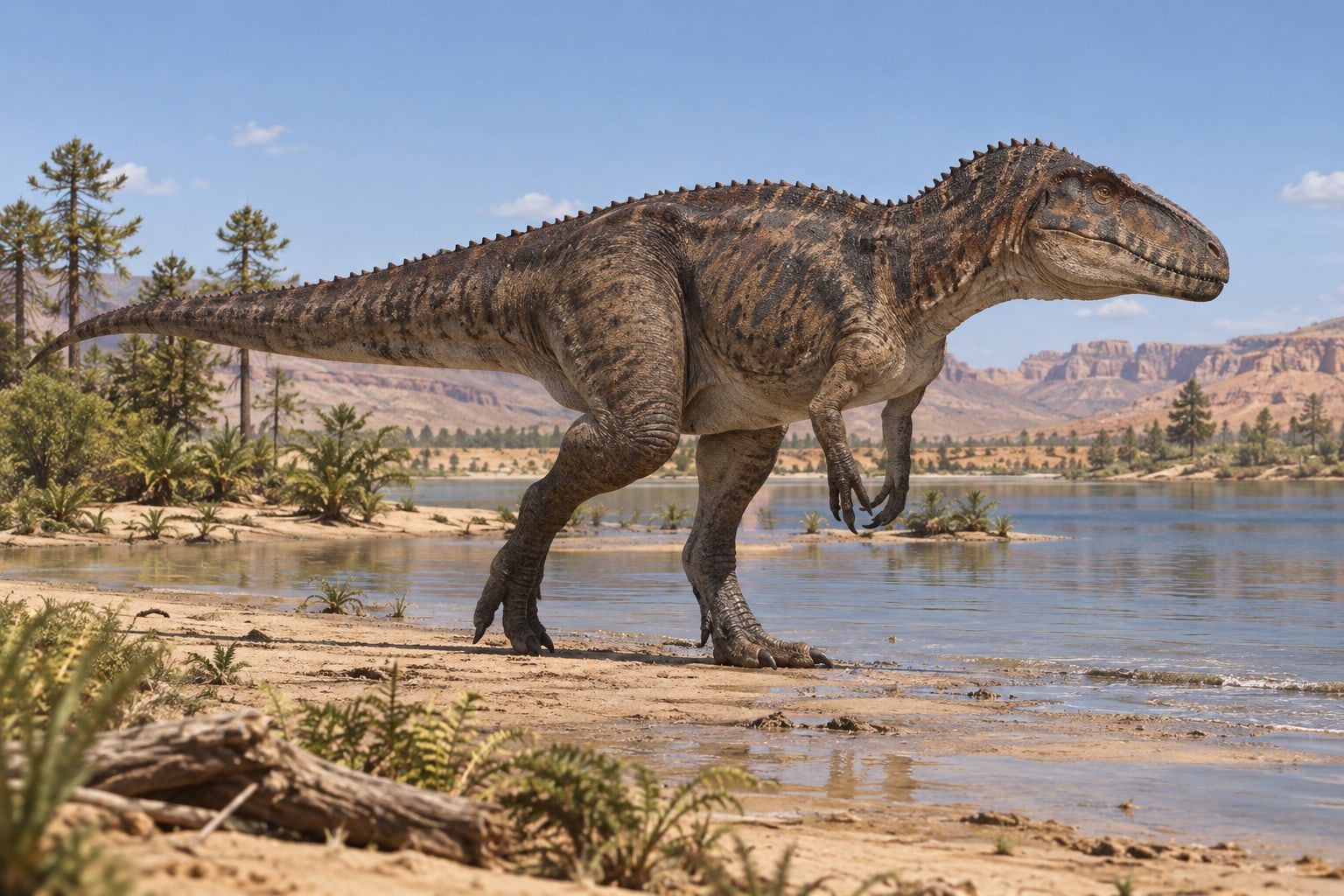
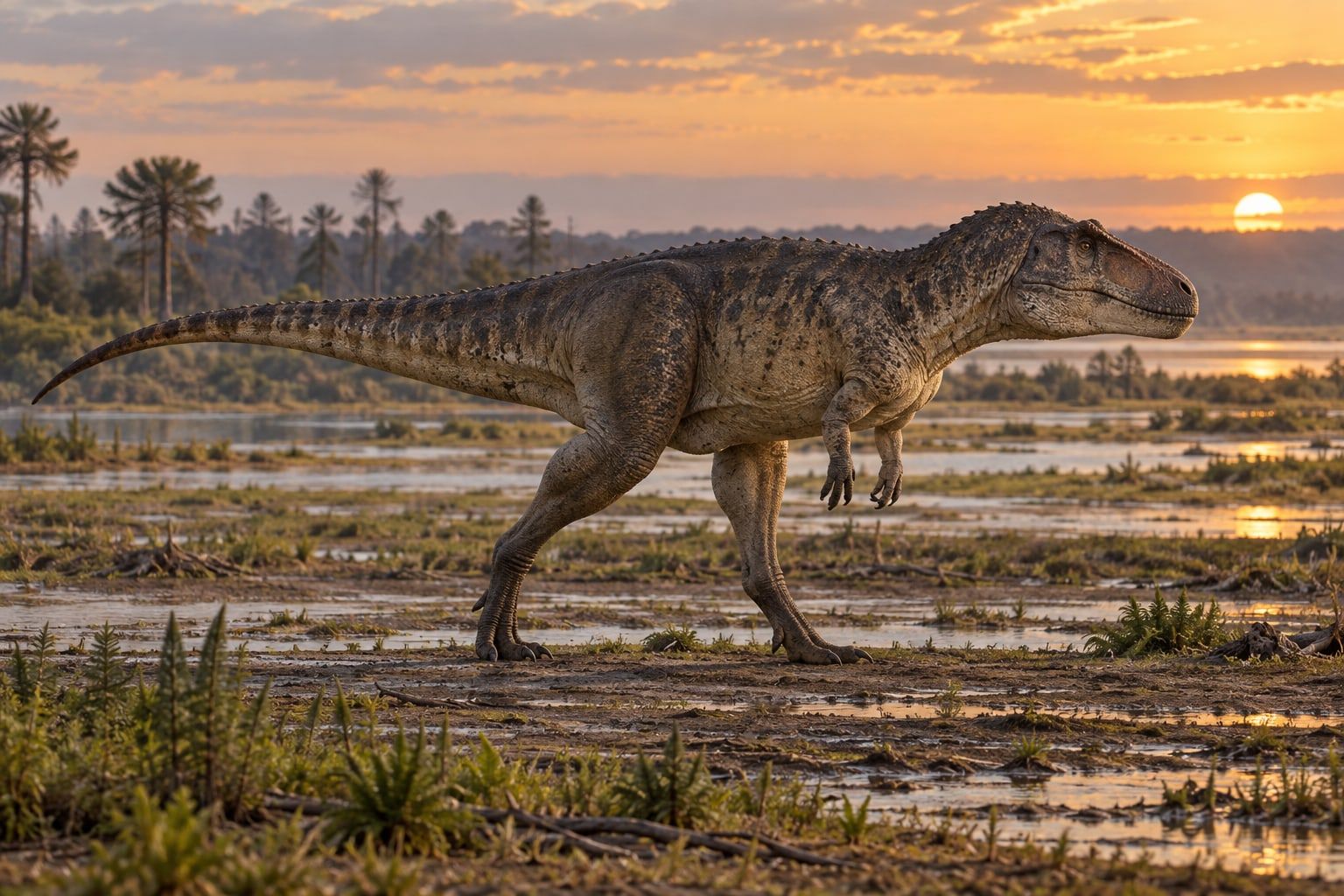
Mapusaurus was a massive, sharp-toothed predator built for hunting large prey, with a long skull, blade-like teeth, and small arms relative to its body size. It grew to roughly 13 meters (43 feet) long, ranking among the largest meat-eating dinosaurs known.
Unlike most giant predators, which are known from single skeletons, Mapusaurus comes from a bonebed holding the remains of several individuals of different ages. This has led researchers to suggest that these animals may have gathered in groups at times, perhaps while hunting or scavenging together.
Its world
Mapusaurus lived from about 110 to 106 million years ago, in the Early Cretaceous, in what is now Argentina. Its fossils come from the Huincul Formation.
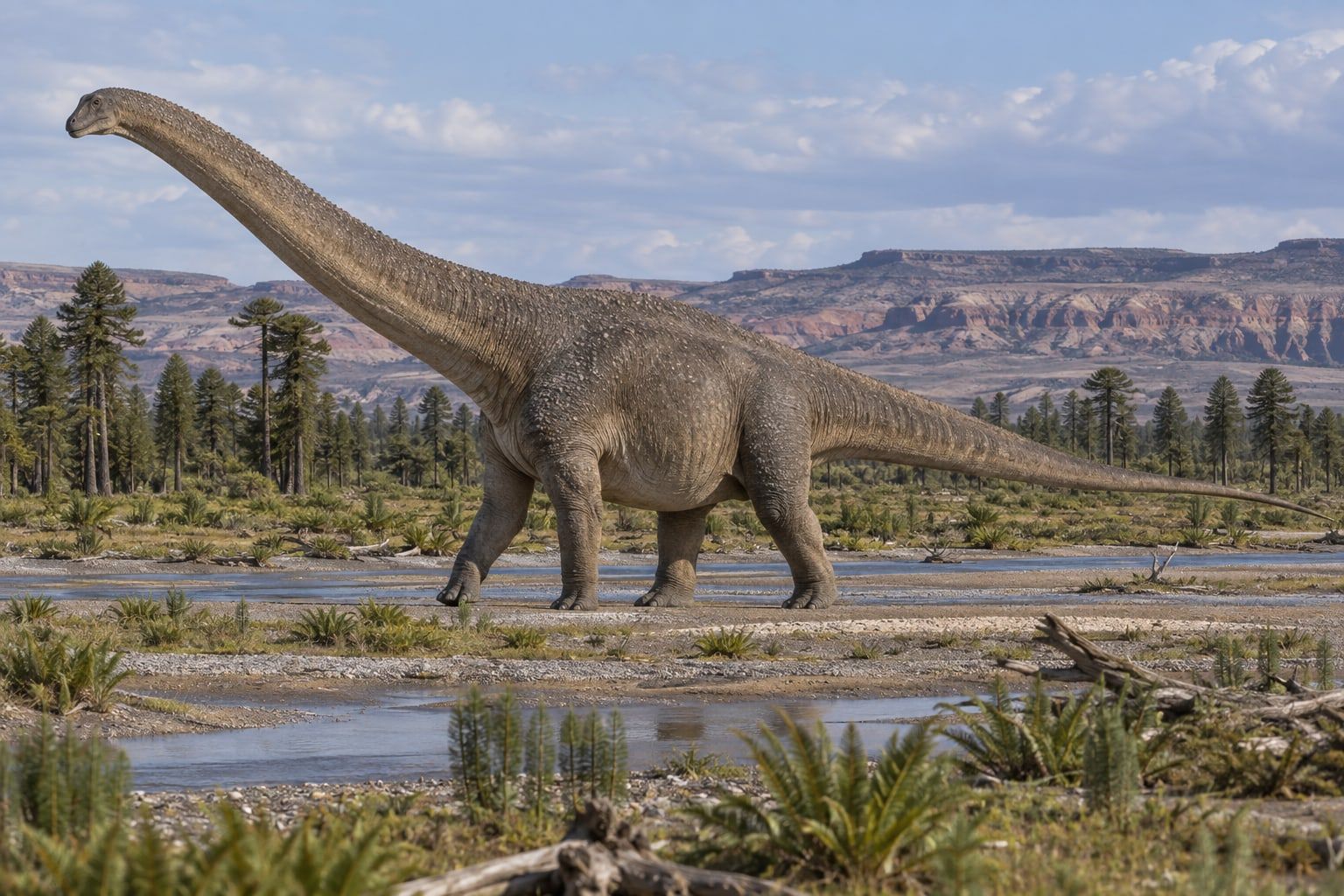
It shared its world with the giant titanosaur Argentinosaurus and other large predators, including Meraxes, Taurovenator, and Skorpiovenator, as well as smaller plant eaters such as Limaysaurus.
How it was found
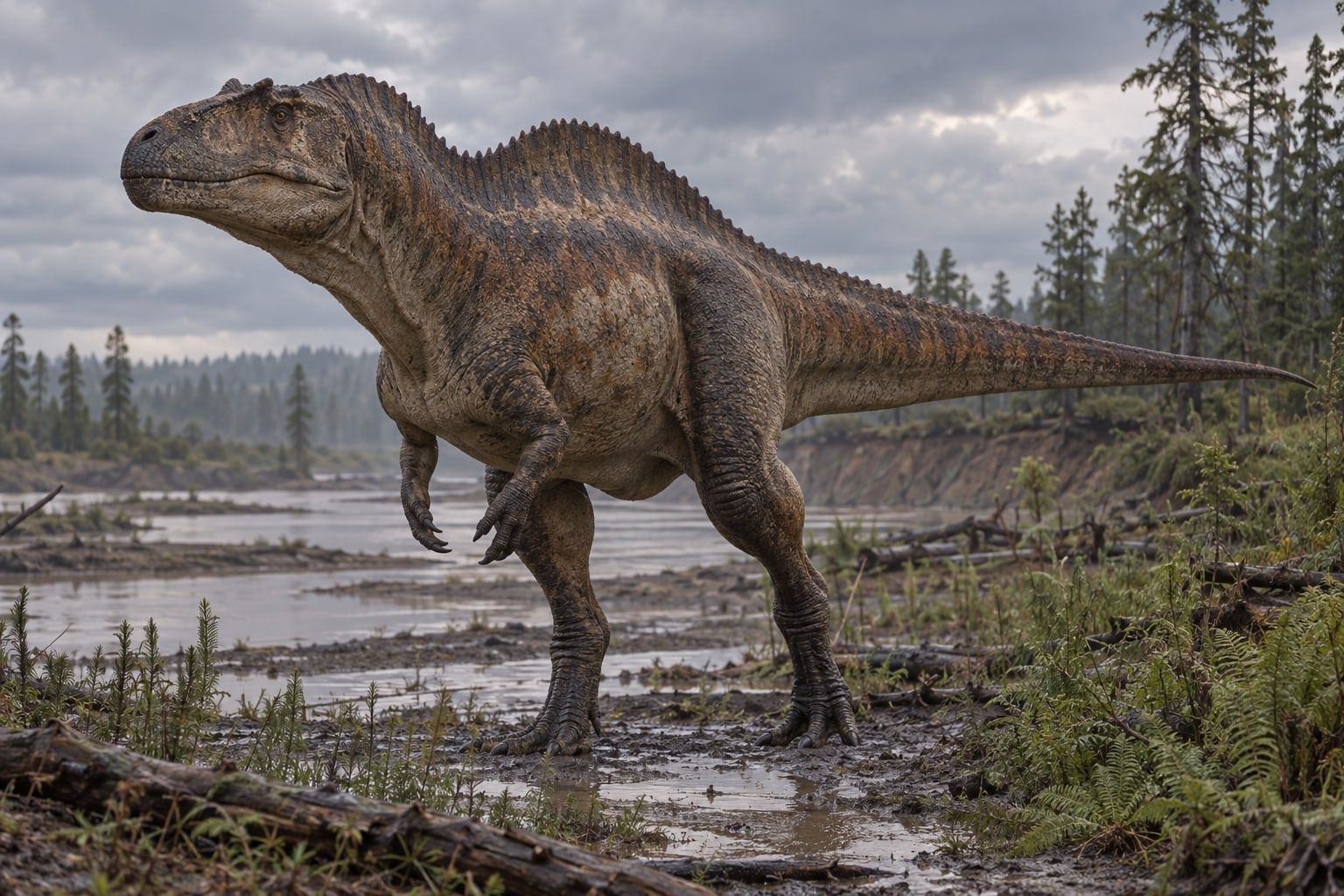
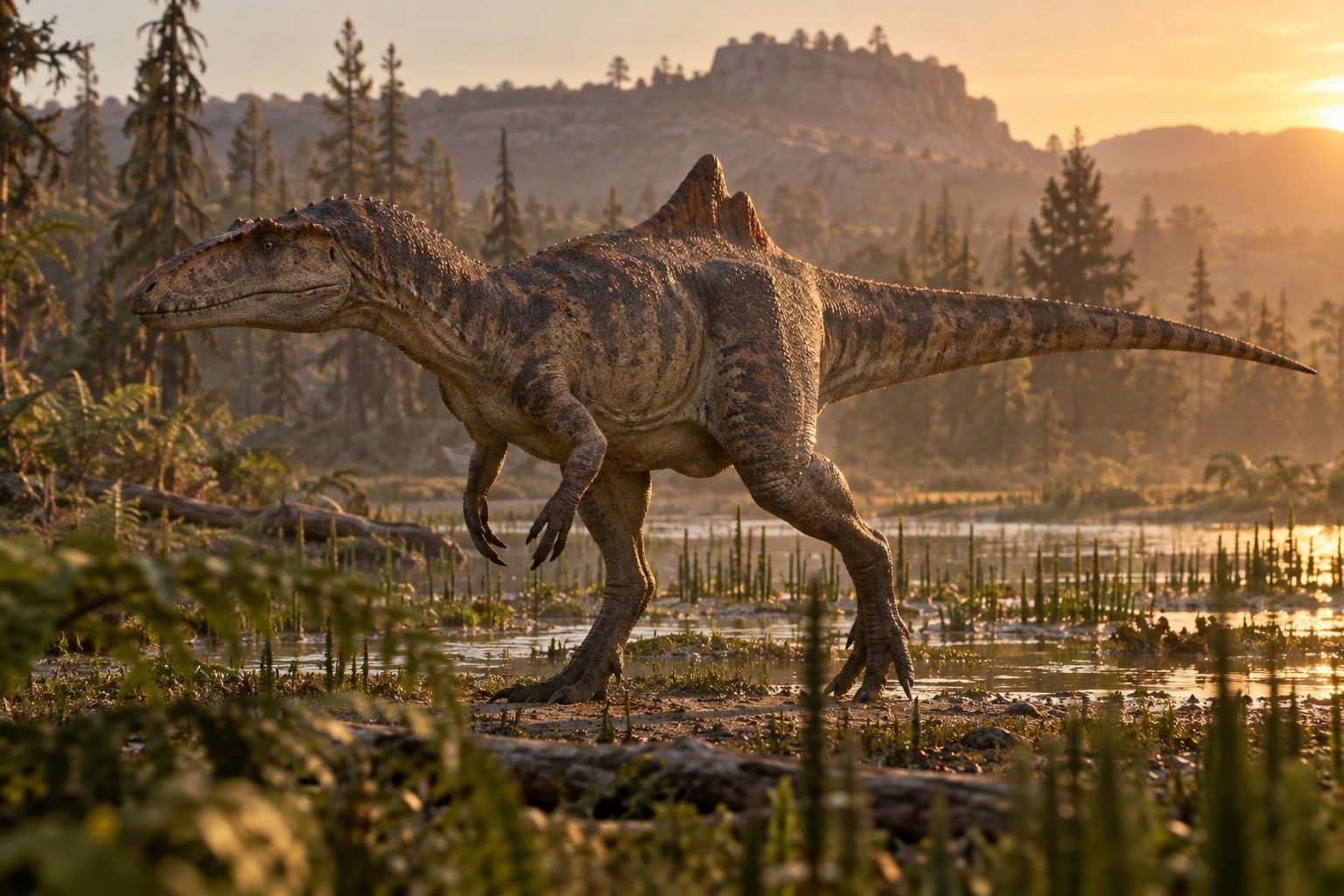
Coria and Currie named Mapusaurus in 2006. Only one major fossil find has been reported so far, the bonebed that produced most of what is known about the animal. Mapusaurus is closely related to Giganotosaurus and Carcharodontosaurus, all members of the Carcharodontosauridae, a family of large-bodied, blade-toothed hunters.
Lived alongside
Found in the same rock formations
Close relatives
Other members of Carcharodontosauridae
Sources: WikidataNamed in: R. A. Coria and P. J. Currie. 2006. A new carcharodontosaurid (Dinosauria, Theropoda) from the Upper Cretaceous of Argentina. Geodiversitas 28(1):71-118